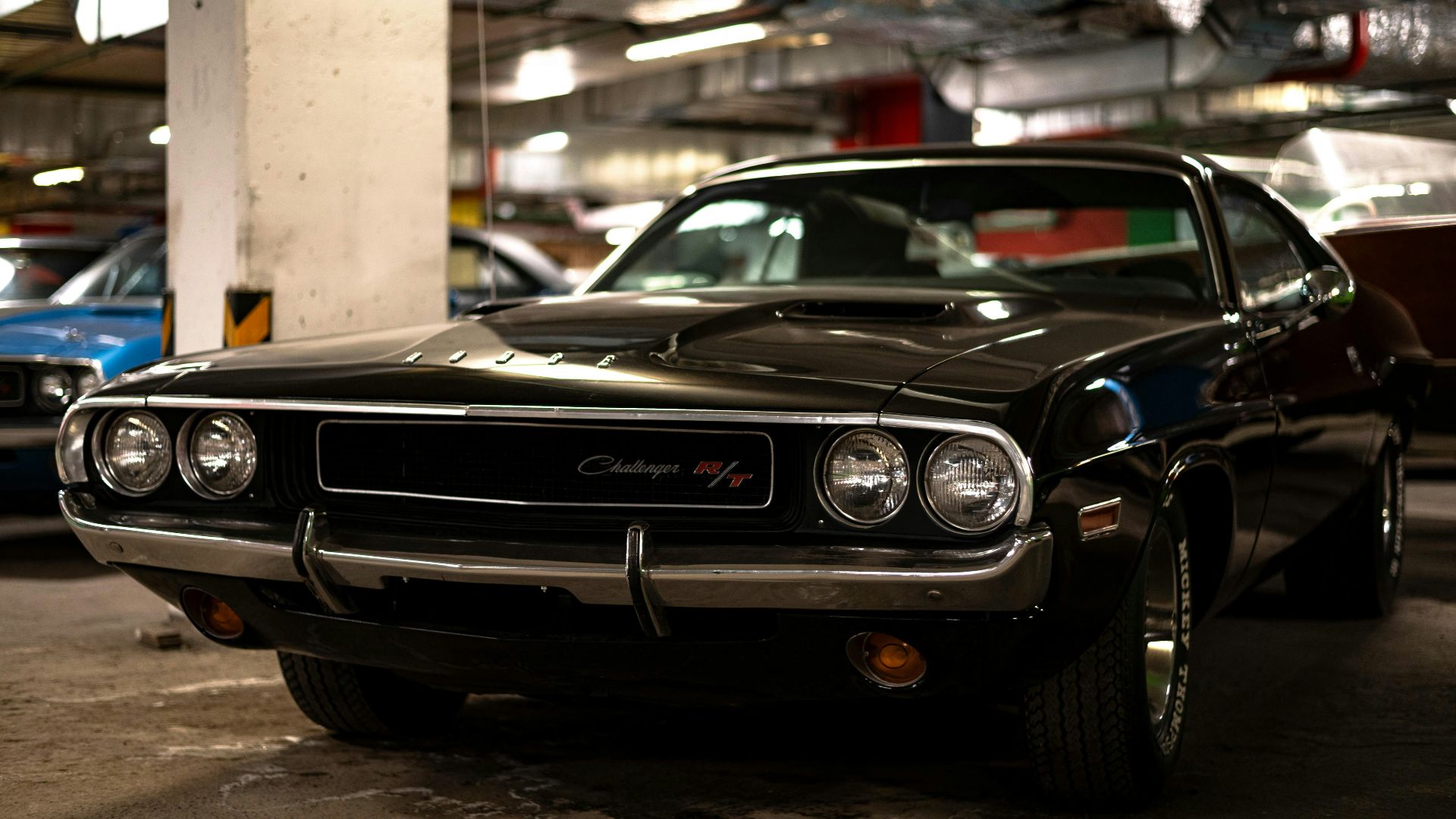
On the long stretch of Woodward Avenue in Detroit, where American street racing culture once thrived in the mid-20th century, stories have lingered almost as powerfully as the cars themselves. Among those stories, few are as famous as the tale of a mysterious black Dodge Challenger that appeared without warning, raced hard, and vanished just as quickly. Known today as the “Black Ghost,” this car has become one of the most talked-about legends in muscle car history.
What makes the story especially compelling is that it still carries an air of mystery. The car was a real 1970 Dodge Challenger R/T SE Hemi owned by Godfrey Qualls, a Detroit police officer and motorcycle division member. Over time, his late-night appearances on Woodward Avenue created a reputation that blurred the line between documented history and street legend.
The Origins Of The Black Ghost Challenger
Originally built as a 1970 Dodge Challenger R/T SE powered by a 426 Hemi V8, the Black Ghost was, from the factory, one of the most powerful muscle cars ever produced. Godfrey Qualls bought it brand new when it rolled off the assembly line. At the time, it was arguably one of America’s most capable cars thanks to Dodge specializing in purpose-built straight-line rockets.
Qualls happened to be a Detroit cop who rode motorcycles while on patrol around the city streets. He wasn’t a typical weekend warrior street racer; however, he did grow up around a culture of Woodward Hill racers during the 1970s.
Woodward Avenue was Detroit’s unofficial street racing strip, where hot rodders would challenge each other’s machines well into the night. Qualls’ Challenger certainly became infamous around the area, as did its driver.
He later earned the nickname “Black Ghost” because of how he would often show up to races, win effortlessly, and disappear for months at a time. Its stealth black paint job and lack of visual excess only added fuel to its mystique under dim streetlights.
The Mystery On Woodward Avenue
One of the defining elements of the Black Ghost legend is its pattern of rare appearances. According to accounts from other street racers of the time, the Challenger would show up unexpectedly on Woodward Avenue, race a few competitors, and then not be seen again for weeks or even months. This inconsistency fueled curiosity and speculation among those who witnessed it.
The car’s reputation quickly grew beyond just speed, becoming a psychological factor in street racing culture. Drivers reportedly never knew when it would appear, which added tension to late-night gatherings. In environments where reputation mattered as much as horsepower, the uncertainty surrounding the Black Ghost made it even more intimidating.
However, it is important to understand that much of this reputation comes from oral history and recollections rather than extensive documentation. Street racing in that era was informal and rarely recorded in detail, which means parts of the story rely on memory and later retellings. Still, the consistency of these accounts across different sources has helped solidify the legend.
Rediscovery And Lasting Legacy
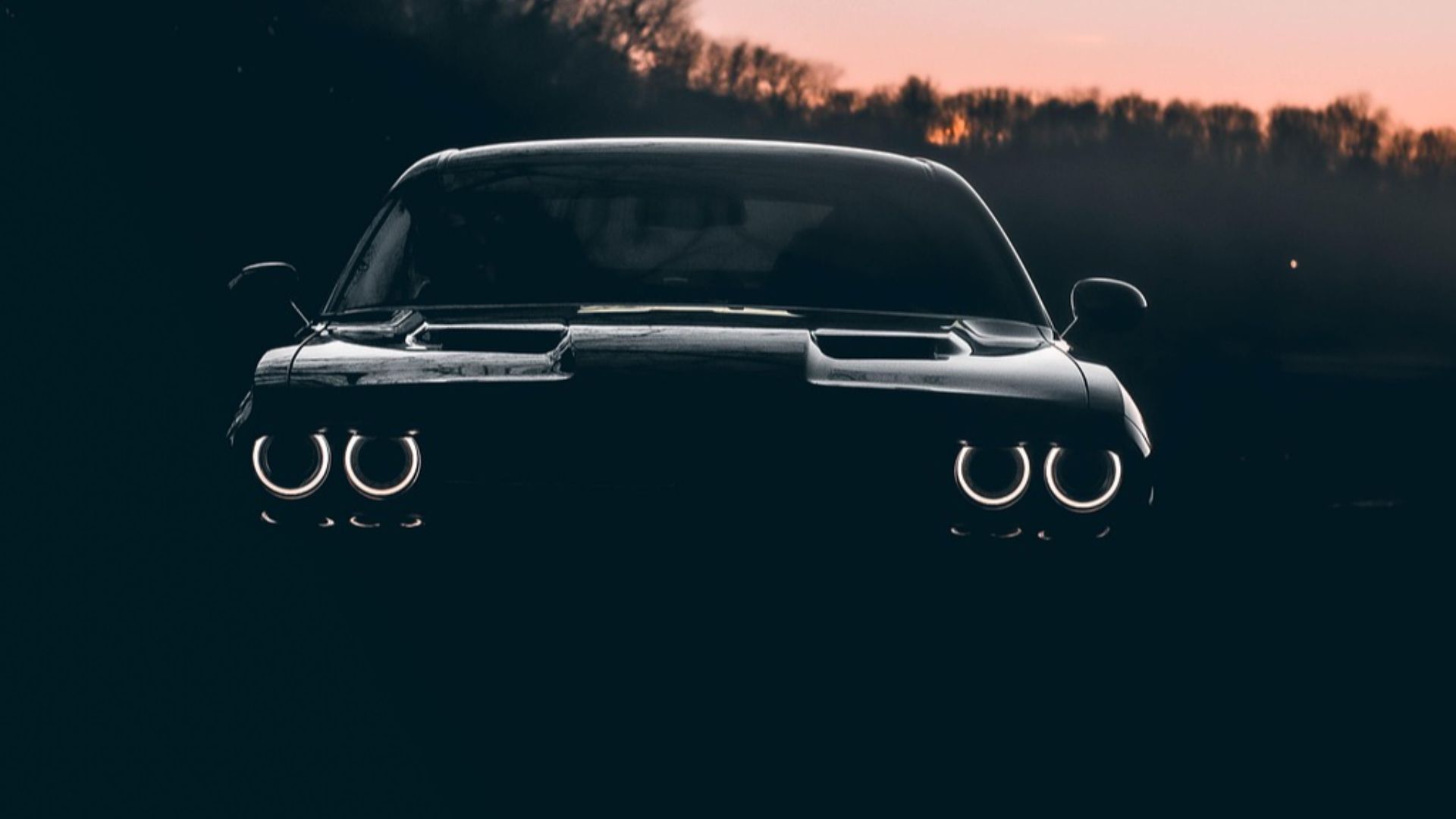
After its well-known reputation as a street-racing machine, the Black Ghost faded from the public eye. Godfrey Qualls claimed to have retired from street racing, and the Black Ghost was put into storage where it would remain untouched for decades. Slowly, as time passed, the world would begin to forget about the legend that was the Black Ghost street race car.
Years later, the car was rediscovered, still owned by members of Qualls’ family. By then, its legacy was even better known than before. The history of the Black Ghost was verified by Chrysler’s performance brand, now part of Stellantis, confirming that it was indeed the Black Ghost and that it was fully restored to operational specifications while preserving as many original qualities as possible and stabilizing the vehicle for the future.
In 2023, the Black Ghost hit the auction block via Mecum Auctions, where it sold to an unknown buyer. The Black Ghost’s story lives on as one of the few street legends with real-world ties that can be verified.
Even today, the Black Ghost continues to symbolize a unique intersection of law enforcement, car culture, and American industrial history. It stands apart from many automotive legends because it can be traced to a real person, a real vehicle, and a real place in time. Enthusiasts still debate its street racing records, but its cultural impact is undeniable. The story reflects how Detroit’s automotive scene shaped identities and myths that outlived the era itself. As modern muscle cars evolve, the Black Ghost remains a reminder of the raw, unpredictable spirit that once defined Woodward Avenue nights, and automotive folklore endures. But what really made it so mysterious was the vibe of the driver, easily dipping into races to make a scene before leaving without another word.