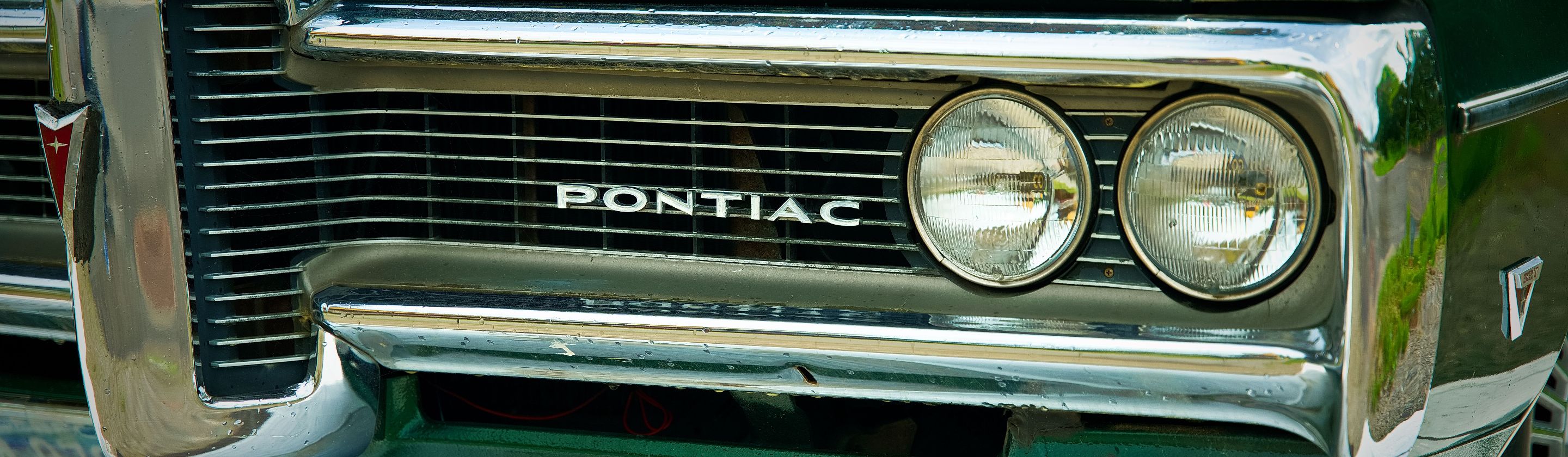
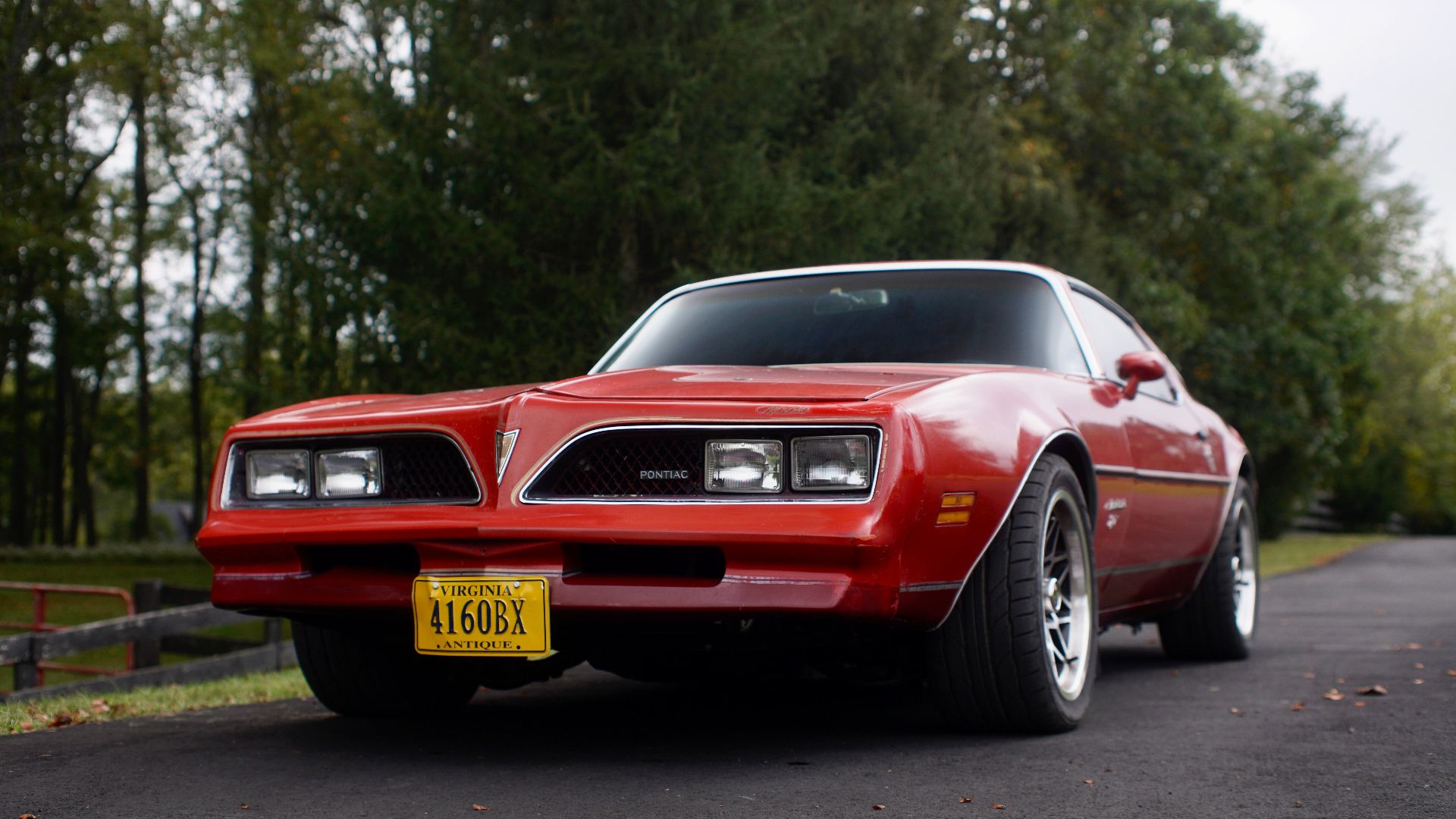
Few American car brands have experienced a journey quite like Pontiac. For decades, the division represented excitement within General Motors, producing everything from affordable family sedans to legendary muscle cars that car connoisseurs today still get excited about. At its peak, the Pontiac badge stood for performance, bold styling, and the kind of driving experience that appealed to enthusiasts without requiring luxury-car money.
Yet even iconic brands aren't immune to changing markets and corporate decisions. By the time Pontiac disappeared in 2010, it had lost much of the identity that once made it special. Its story is a reminder that building a successful brand is only half the battle. Maintaining a clear purpose can be even more difficult as consumer tastes and the automotive industry evolve.
Pontiac Became America's Performance Brand
Pontiac actually began life in 1926 as a companion brand to Oakland, another General Motors division that has long since disappeared. The new marque quickly gained popularity by offering six-cylinder cars at prices that competed with many four-cylinder rivals. As Oakland faded during the Great Depression, Pontiac inherited its place within GM and steadily grew into one of the company's strongest brands.
Everything changed during the 1950s and 1960s when Pontiac embraced performance under the leadership of Semon "Bunkie" Knudsen and engineer John DeLorean. Instead of focusing solely on conservative family transportation, the division began producing stylish, more powerful cars aimed at younger buyers. That strategy transformed Pontiac from a respectable automaker into one of Detroit's most exciting names.
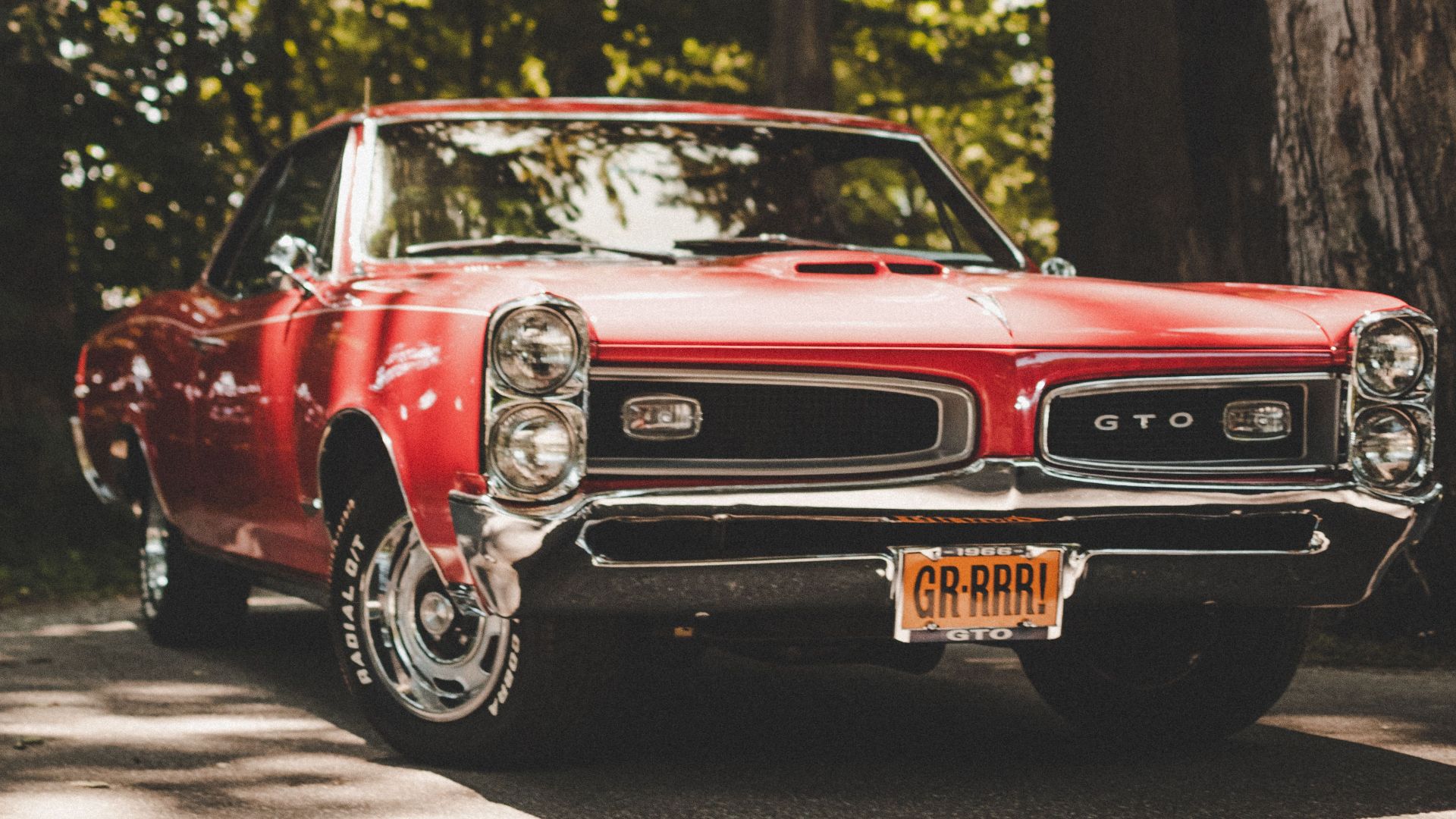
The biggest breakthrough came in 1964 with the arrival of the GTO. By placing a large V8 into the midsize Tempest, Pontiac effectively launched the muscle car era, even if other manufacturers quickly followed suit. Models like the Firebird, Trans Am, and later the turbocharged Grand Prix helped reinforce Pontiac's image as the division where driving excitement came first.
Success Eventually Turned Into Identity Problems
The oil crisis of the 1970s dramatically changed what buyers wanted from their vehicles. Rising fuel prices and stricter emissions regulations made it increasingly difficult for Pontiac to rely on large-displacement V8 engines as its defining feature. Although the company adapted by producing smaller and more efficient cars, it struggled to maintain the personality that had made it famous.
During the 1980s and 1990s, Pontiac became increasingly dependent on badge engineering. Many of its vehicles shared nearly identical platforms, engines, and interiors with Chevrolet, Oldsmobile, and Buick models, often differing little more than their styling details. While this approach reduced development costs, it also made it harder for buyers to understand why they should choose a Pontiac instead of another GM product.
That isn't to say every Pontiac from this period was forgettable. Cars like the Fiero, despite its early reliability issues, demonstrated genuine innovation with its mid-engine layout. The Grand Prix GTP, Bonneville SSEi, and Firebird WS6 also attracted loyal fans, but standout models became exceptions rather than the foundation of the lineup.
As the 2000s arrived, Pontiac attempted to recapture its performance heritage with vehicles like the GTO, Solstice, and G8. Enthusiasts praised many of these cars, particularly the Australian-built G8 sports sedan, which offered serious performance at a reasonable price. Unfortunately, several of these models arrived too late to reverse years of declining sales and a brand image that had become increasingly muddled.
The Financial Crisis Sealed Pontiac's Fate
By the late 2000s, General Motors was facing enormous financial pressure. Maintaining multiple brands with overlapping products no longer made economic sense, particularly when sales across the industry were falling during the global financial crisis. As GM prepared for bankruptcy restructuring in 2009, executives were forced to decide which divisions would survive.
Pontiac ultimately became one of the biggest casualties of that restructuring. General Motors announced it would discontinue the brand so it could concentrate resources on Chevrolet, Buick, GMC, and Cadillac. The final Pontiac rolled off the assembly line in January 2010, ending more than eight decades of automotive history.
Many enthusiasts still believe Pontiac disappeared just as it was beginning to rediscover its identity. The Solstice had proven that the company could build an affordable sports car with real character, while the G8 showed Pontiac was still capable of producing a world-class performance sedan. Had those vehicles arrived several years earlier, the brand's future might have looked very different.
Even today, Pontiac continues to occupy a unique place in American automotive culture. Classic GTOs, Trans Ams, and Firebirds remain highly sought-after collector cars, while later performance models have developed loyal followings of their own. Although the badge no longer appears on new vehicles, its influence lives on through the muscle car movement it helped create and the generations of drivers who still associate Pontiac with affordable performance and unmistakable style.