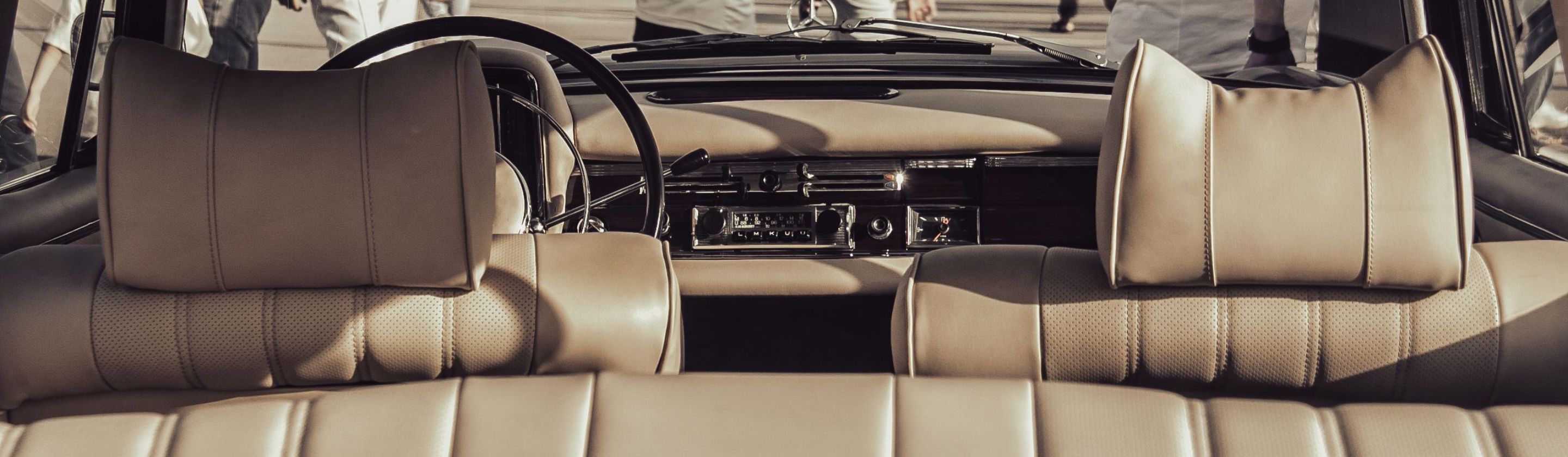
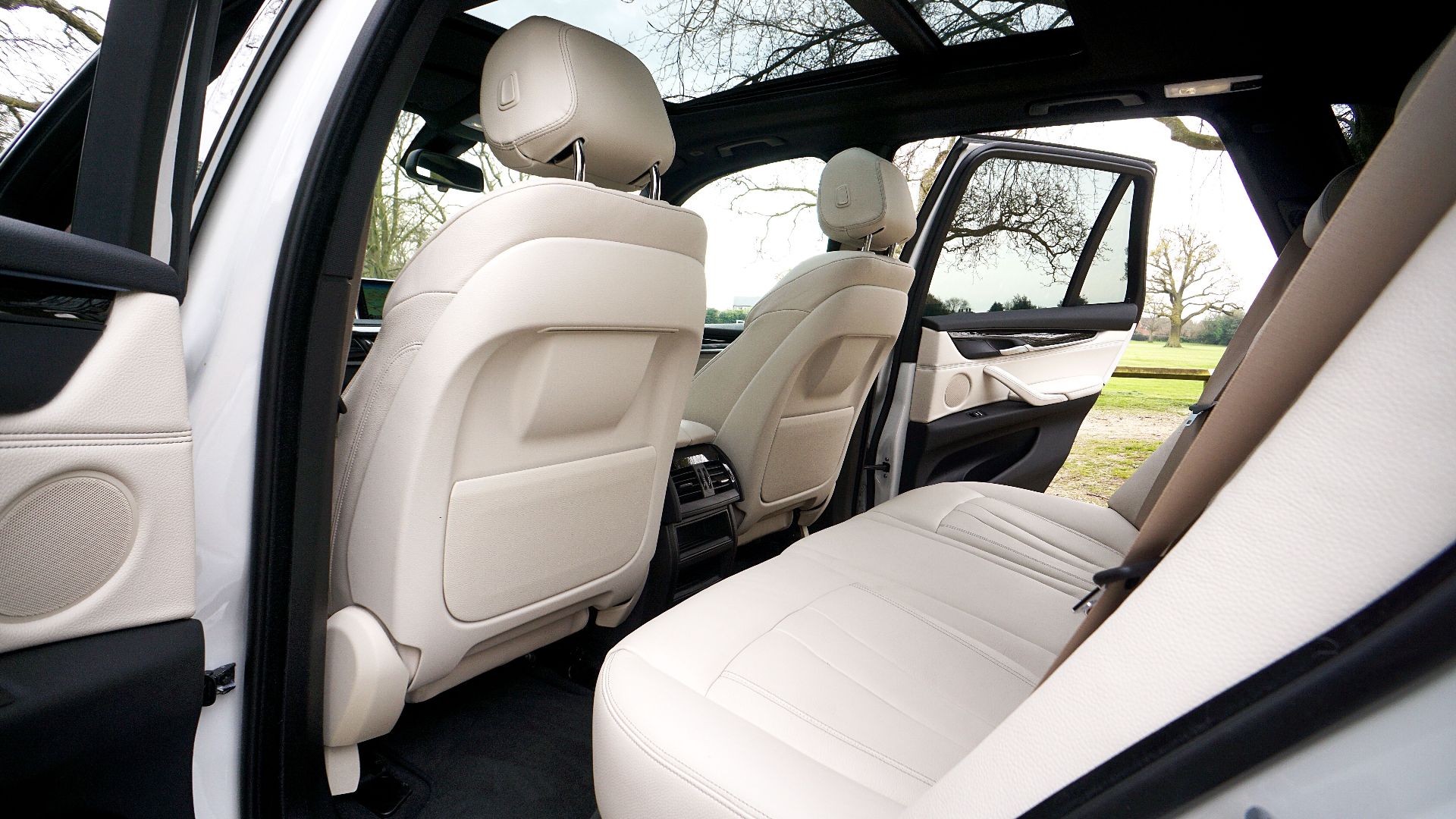
The back seat is where a lot of normal car life happens. Kids leave crumbs in the seams, friends climb in for dinner plans, grandparents check whether getting in and out feels easy, and rideshare passengers notice right away if the space feels cramped or cheap. For all that use, the rear cabin can still feel like the part of the car that got attention only after the front row was finished.
There’s a simple reason for that: the driver’s seat helps sell the car. The buyer sits up front, reviewers point cameras at the dashboard, and the biggest screens, controls, and nicer materials usually sit close to the steering wheel. The back seat has to prove itself later, when someone’s trying to install a child seat, buckle into the middle position, or find cool air on a hot day. That’s when the car starts feeling less like a shiny product and more like a space people actually have to share.
Why The Driver’s Seat Gets The Spotlight
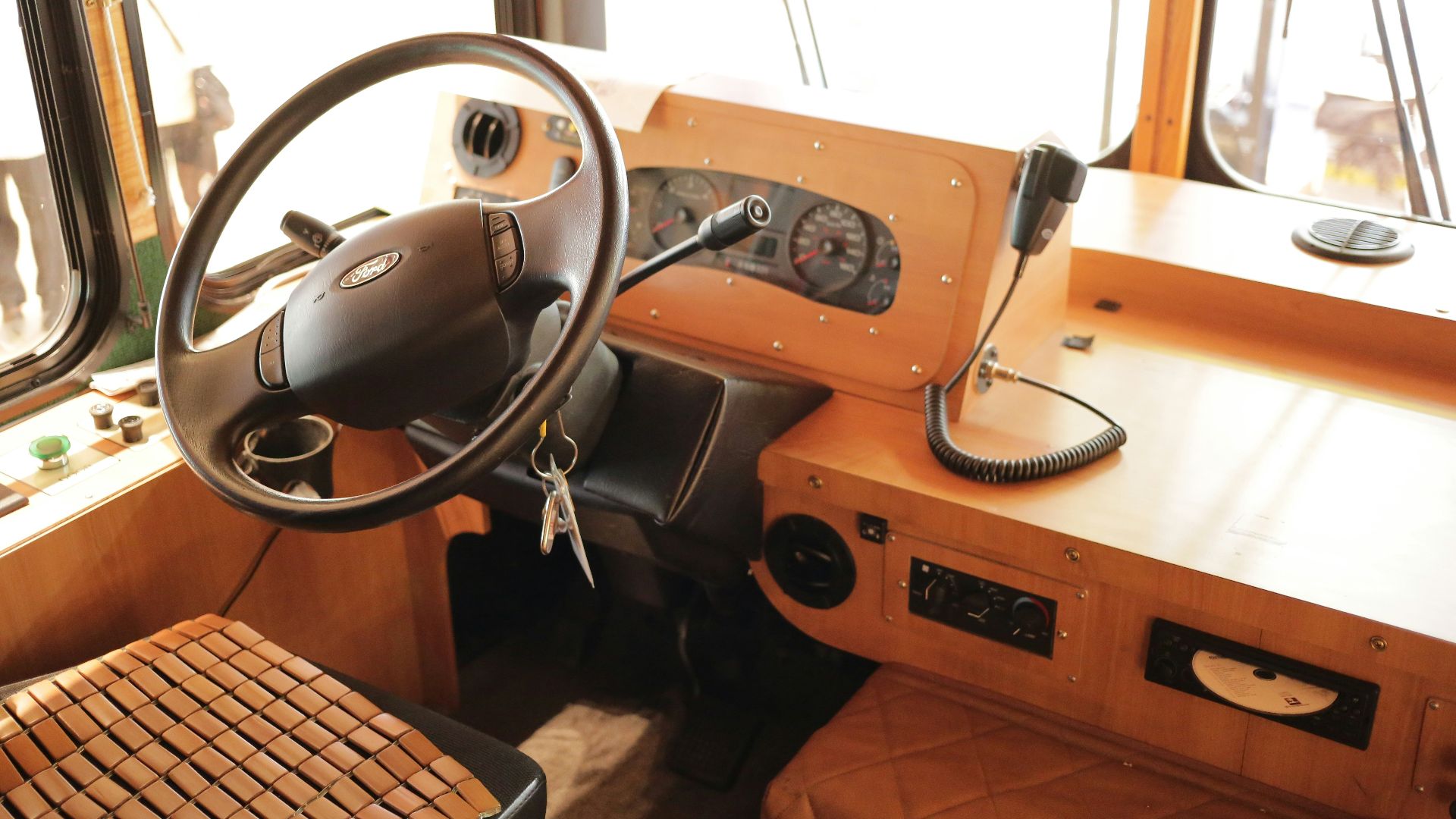
Most car interiors are built around the person who’s most likely to buy the car. That makes sense, since the driver takes the test drive, checks the steering, taps through the screen, and decides whether the cabin feels worth the price. J.D. Power’s 2025 APEAL Study looks at how owners connect with new vehicles after 90 days. That connection often starts with the parts of the car the driver uses first.
The problem comes when that front-seat attention leaves the rear row feeling like an afterthought, even in cars sold as practical, family-friendly, or road-trip ready. A back seat can technically fit three people and still make the middle passenger miserable. Raised floor humps, narrow cushions, and shoulder crowding may not look like much in photos. They become very obvious once someone has to sit there for a long drive.
There’s research behind that familiar complaint. A 2025 pilot study on middle rear-seat discomfort described the middle rear position as an area that’s often overlooked in seat-comfort research. The study pointed to issues like backrest width, headrests, crowding from nearby passengers, and rear air-conditioning vents. Furthermore, J.D. Power’s 2025 U.S. Seat Quality and Satisfaction Study also found that design-related issues made up eight of the top 10 seat complaints, with common problems including seat range adjustment, headrest comfort, and seat material scuffing or soiling.
The Safety Gap Is Hard To Ignore
The strongest reason to take the back seat more seriously comes from crash testing. In 2022, the Insurance Institute for Highway Safety updated its moderate overlap front crash test, so it included a second-row dummy sitting behind the driver. In the first group of 15 small SUVs tested under that updated setup, only two earned a good rating for rear-seat protection. All 15 had done well in the older version of the test, according to IIHS.
That result didn’t mean those vehicles were unsafe in every situation. It did show that front-seat protection had improved faster than rear-seat protection in some key ways. IIHS has said newer vehicles gained stronger structures, airbags, and advanced seat belts, while many of those gains were aimed mostly at the front row. The organization also reported that in model-year 2007 and newer vehicles, belted adults in the rear can face a higher fatal-injury risk than belted adults in the front, as covered in its 2025 safety-award update.
That needs some careful context because the back seat is still the right place for children. NHTSA tells caregivers to keep children in the back seat through age 12 in its car-seat guidance, and IIHS also describes the rear seat as the safest place for children under 13 in its 2025 update. Seat belt reminders show the same slow catch-up, since NHTSA finalized a rule requiring rear-seat belt warnings and stronger warnings for the driver and front passenger after the previous federal standard required a warning only for the driver’s seat. The deadline is September 1, 2026, for the front-seat warning requirements and September 1, 2027, for the rear-seat warning requirements, and NHTSA reported rear-seat belt use at 81.7% in 2022, compared with 91.6% for front-seat passengers.
Child Seats Reveal The Everyday Weak Spots
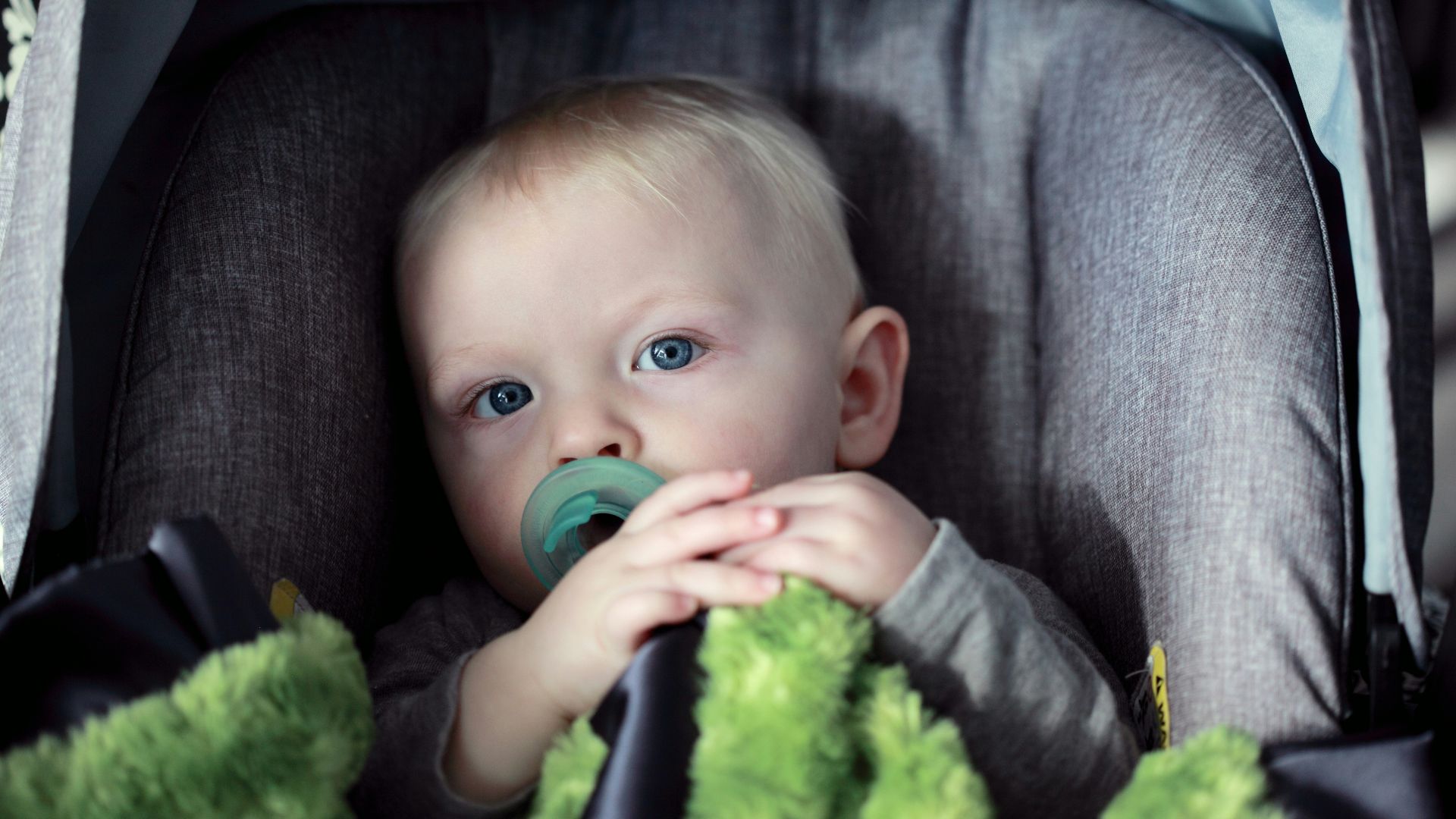
Parents and caregivers often notice back-seat design problems before anyone else. Installing a child seat can be incredibly frustrating. NHTSA’s car-seat guidance tells caregivers to choose a seat that fits the vehicle, read both the car-seat instructions and the vehicle owner’s manual, and keep children in the back seat. That advice matters, and it also shows how much work falls on the person using the rear row.
The LATCH system was created to make child-seat installation easier, but easier doesn’t always mean easy. IIHS evaluates LATCH hardware because lower anchors and tether anchors can be hard to find, hard to reach, or awkward to use correctly. In earlier coverage of its LATCH ease-of-use work, IIHS said good systems should make the hardware visible, reachable, and easy to understand. Parents shouldn’t have to dig around in the seat crack to use a safety feature the right way.
Child-seat fit isn’t only a U.S. concern. Euro NCAP says its child occupant protection assessment includes a vehicle’s ability to handle child restraints of different sizes and designs. Its child restraint installation check looks at things like seat belt length, buckle location, ISOFIX access, and restraint stability. Those details may not sound exciting, but families deal with them all the time. The rear cabin is also where reminder tech can become a real safety feature, since NHTSA says more than 1,000 children have died of heatstroke after being left or trapped in hot cars over the past 25 years, and a child’s body temperature rises three to five times faster than an adult’s, according to its heatstroke prevention guidance.
A better back seat doesn’t need to feel like a luxury limo. It needs strong rear-passenger protection, useful belt reminders, easy-to-find child-seat anchors, real air vents, reachable charging, a middle seat that’s actually livable, and door openings that don’t punish knees and hips. The driver’s seat will probably keep the big screen and the best camera angle, and that’s fine. Still, anyone judging a car should open the rear door, sit behind themselves, find the anchors, buckle the belt, and see whether the whole vehicle was designed for people, not just the person holding the keys.