Contrary to what you may think, car insurance scams aren’t always obvious enough to spot from the get-go. Some may begin with a collision that looks completely accidental, while others might involve a repair shop or paperwork that seems legitimate. The person committing the fraud can vary, too, whether carried out by another driver, a dishonest service provider, or someone pretending to sell valid coverage.
The element of surprise aside, the kicker is that most drivers don't even realize they're being targeted until a claim is already underway. With that in mind, it's key to not only know how to protect yourself, but what you should do should you ever find yourself a victim. As you'll see, a few minutes spent documenting a crash or checking an insurer’s credentials can go a long way.
When the Crash Wasn’t Really an Accident
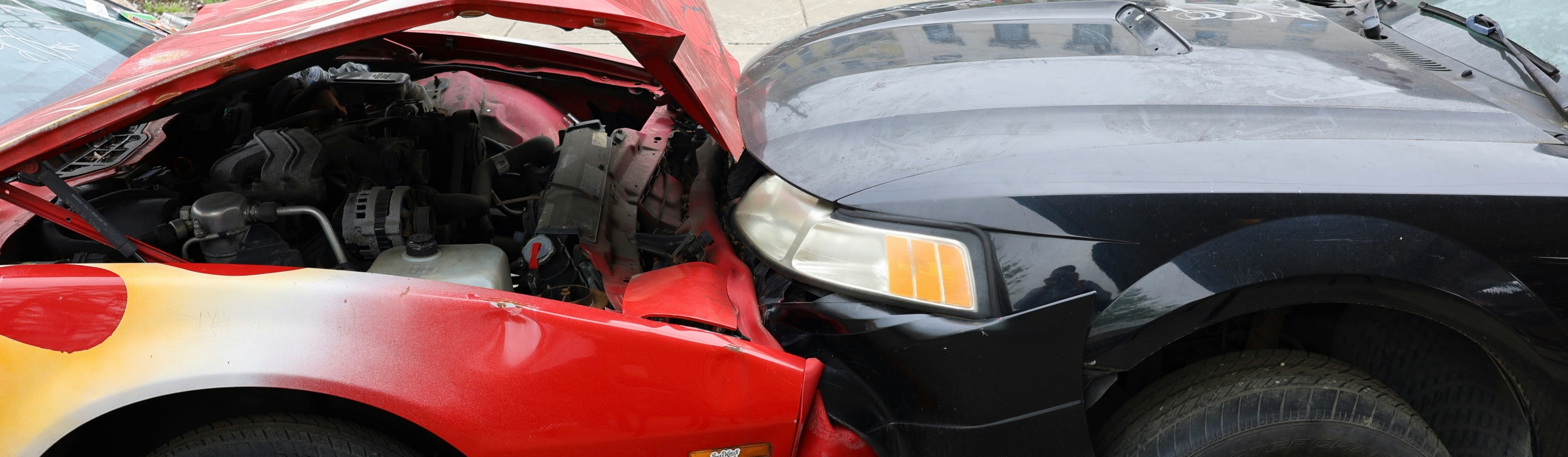
One of the most dangerous schemes, and sadly a common one, involves deliberately causing another driver to crash. One example is a "swoop and squat," where one car "swoops" into the lane and the second car "squats" in front of your vehicle, deliberately causing you to collide with them. A simpler version of this staged act is any situation where you're forced to panic stop, resulting in a rear-end collision. Highway versions may even involve multiple vehicles which are all intended to corner the targeted driver.
Another version is known as a "drive down." A driver may wave you forward while you’re merging or entering traffic, only to move into your path and later deny ever giving you permission to proceed. Unless you have dashcam footage or witnesses willing to speak up for your side of the story, it's impossible to worm your way out of this scam. It's a reminder that a friendly hand gesture doesn’t always guarantee the other person will continue yielding, so it’s safer to wait until the path is clear.
The Scam Can Continue After the Cars Stop
Unfortunately, not every fraudulent claim ends at the roadside. People involved in a staged accident may exaggerate injuries or coordinate their stories to make the collision appear more serious than it was. Here's a tip: if the details seem inconsistent, don’t let them get you drawn into an argument at the scene. Simply document what you personally observed and let your insurer and, when appropriate, law enforcement handle the rest.
Dishonest repair practices can also create another expensive problem after a legitimate crash. A shop might, for example, bill an insurer for new parts while installing aging components, charge for work that wasn’t actually performed, or inflate labor and repair costs beyond what was actually necessary. To prevent this situation and further complications from happening down the line, always review estimates and final invoices carefully. Ask directly which parts were installed, and contact your insurer if the repair paperwork doesn’t match the work you authorized or received.
Watch out for windshield scams, too: someone might approach you in a parking lot insisting that your windshield needs replacing, claiming insurance will cover the entire job, even when there’s little or no meaningful damage. Once you hand over policy information, though, that can allow a dishonest operator to submit a questionable claim in your name. It's a good idea to contact your insurer first before authorizing unexpected glass work.
Fake Policies and Dishonest Agents Can Leave You Uninsured
Some insurance scams happen before you ever get behind the wheel. Similar to the windshield scam, fraudulent companies or agents may try pitching to you unusually cheap coverage or issue paperwork that looks convincing even though the policy itself is worthless. Bogus insurers can therefore leave customers believing they’re well-protected until they try to make a claim, which is why you should always bear in mind that if something looks too good to be true, it probably is.
Even a real insurer’s name doesn’t automatically make the person selling the policy trustworthy. In a scheme known as premium diversion, a dishonest agent or broker collects your payment but fails to send it to the insurance company. This is intended to make you believe the bill has been paid, even though the insurer has no record of it, eventually leading to a cancellation or a failure to renew your coverage.
So, before paying for unfamiliar coverage, verify the company and agent through your state insurance department first and get the policy details in writing. Anything that seems unusual, whether it's a missing insurance ID card, delayed policy documents, or contact information that’s difficult to verify, should give you reason to stop and check. State regulators can help you confirm whether an insurer or agent is licensed, which will give you much-needed extra verification that may prevent you from falling for a suspiciously good deal.
Protect Yourself Before a Scam Becomes a Claim
Ultimately, the best defense you have against car insurance fraud is a combination of caution and documentation. Don’t let other drivers' actions override your own judgment, always question thoroughly before handing policy information to an unsolicited repair salesperson, and never assume cheap coverage is legitimate just because the paperwork looks professional. Most importantly, after any potentially suspicious incident, contact your insurer promptly. If you suspect fraud, report it to the appropriate insurance regulator or the National Insurance Crime Bureau—don't try to investigate or resolve the matter yourself.