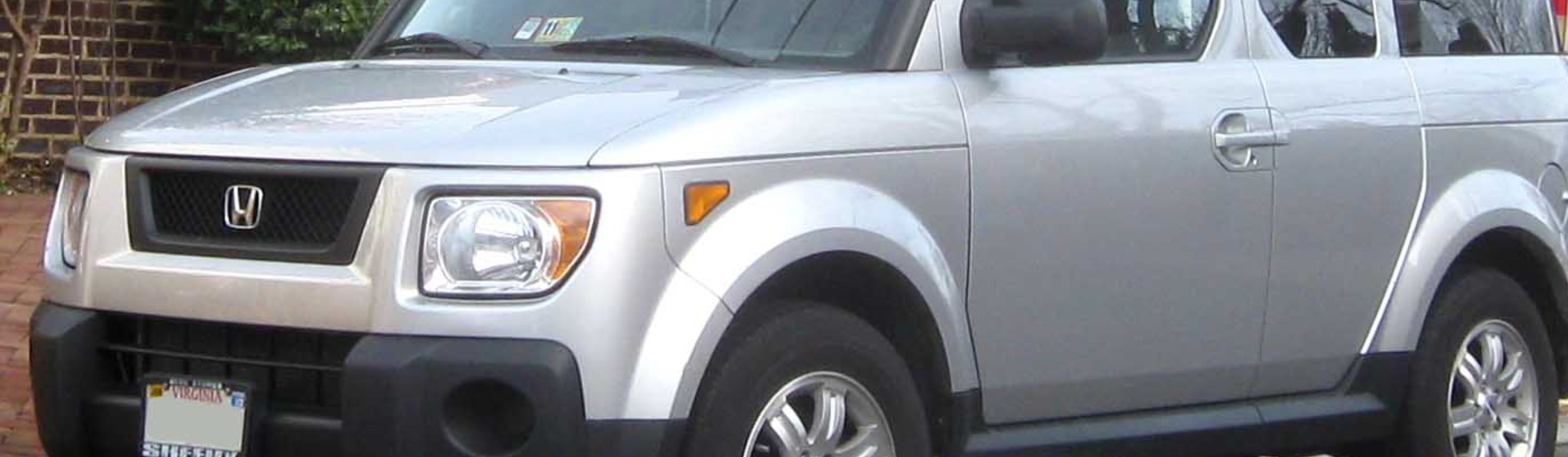
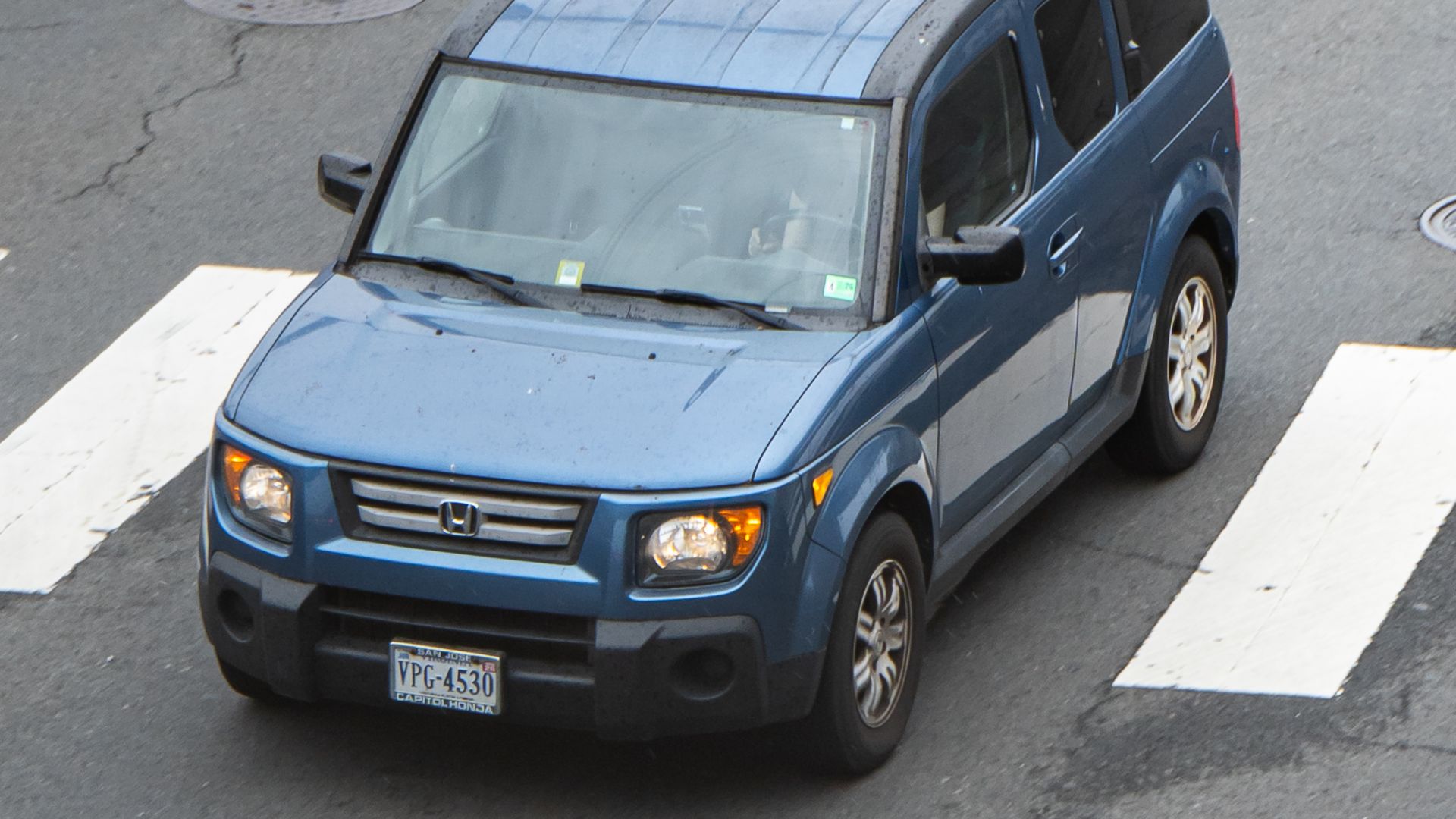
The Honda Element was never a conventional-looking vehicle, and that was precisely the point. Introduced for the 2003 model year after appearing as the Model X concept in 2001, it brought an unusually boxy shape, flexible seating, a highly practical cargo area, and an easy-to-clean interior to Honda's lineup. It wasn't really trying to win a beauty contest, but it quickly developed a personality of its own.
Honda announced in December 2010 that the 2011 model year would be the Element's last. More than 325,000 had been sold in the United States since its introduction, but sales had fallen substantially from their early peak, and Honda said customers were increasingly choosing vehicles such as the CR-V.
Having a more square-shaped look to the car did not just help the car stand out. Honda wanted to give their customers a taller car with versatile cargo space that could carry all types of bulky objects. From camping gear to your dogs or even all your knick-knack objects you have in your house, it could carry a lot. With the doors opening in the back, it allowed for easier access to the back of the car.
When stepping inside the Element, it had even more unique features to offer. Having tougher flooring than your typical car carpeting and having the ability to fold the back seats down, or flip them around or completely remove them if you want more space. When Honda built the Element, they wanted to make it based on the inside first, which is what made this car so different.
It appealed to those who did not want to show up to the park and have the nicest car. Those who liked to camp and could fit their supplies, or if you had dogs, that space was nice to have. Honda eventually leaned into that reputation with a Dog Friendly package introduced for the 2009 model year.
It Was Quirky Without Being Complicated
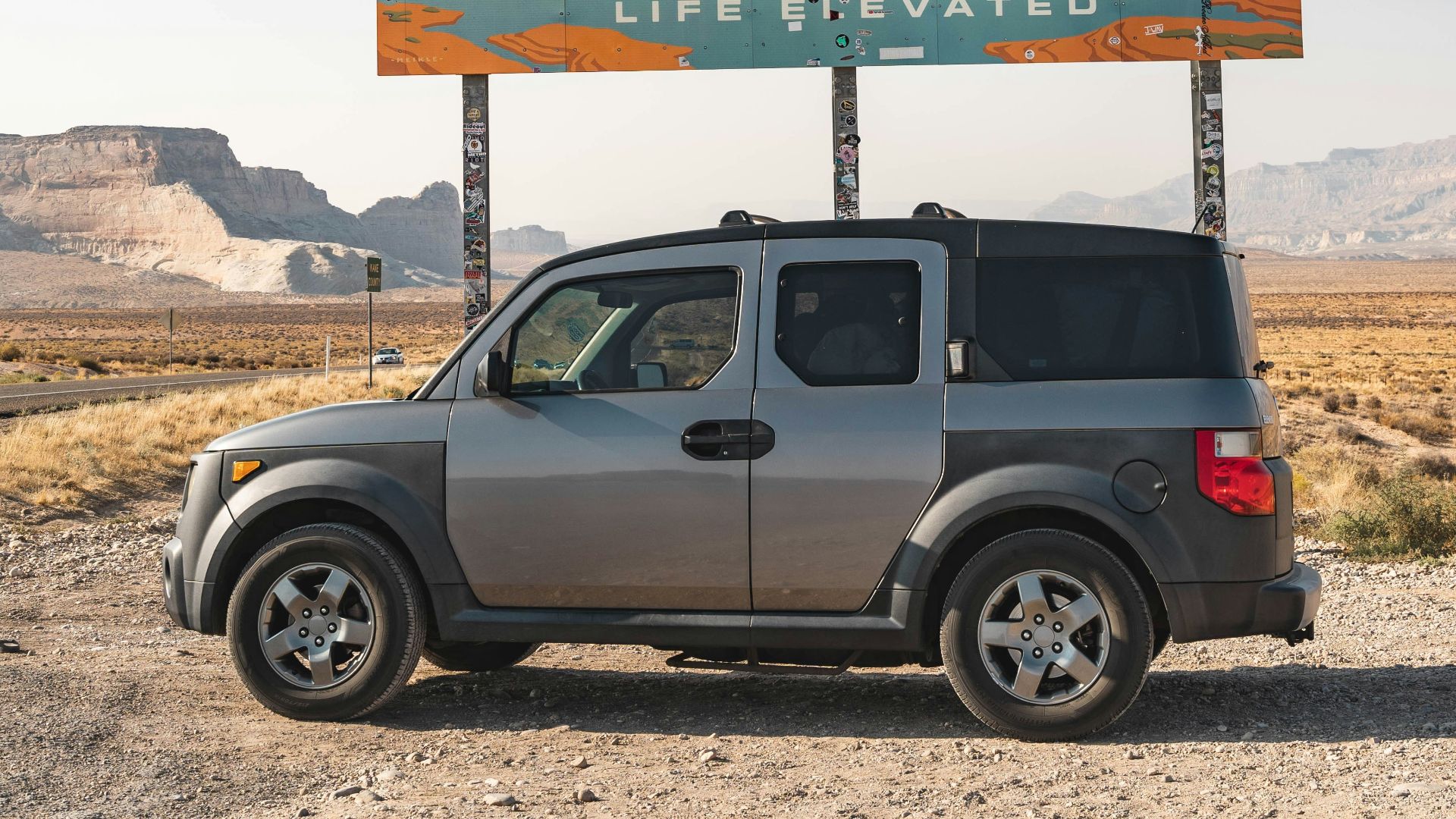
Part of the Element's charm came from the fact that it looked like it had been designed by someone who had very specific errands to run. The tall, squared-off body made it instantly recognizable, while the unusual proportions separated it from the increasingly conventional small SUVs around it. You didn't have to be an automotive expert to know which vehicle you were looking at.
Honda also decided to give the Element a little more flair toward the end of its life. In 2007, they made the SC model, which sported some sporty-looking add-ons. It sat lower to the ground and had bigger tires along with other cosmetic tweaks. Kind of funny seeing this camping rig put on a pair of cleats, if you will.
Once again, it was built for people to drive. You could load up bikes, dirt-covered gear, or even your furry friend. Whatever you may have wanted to toss in the back of your Element, you never felt like you're ruining something. Once you learn to take advantage of this, it's hard not to.
Although having a unique look got the Element attention, it wasn't enough to keep it alive in the auto market. Honda did sell over 67,000 units during the 2003 model year. However, after that, it saw a steep decline in sales. Honda would sell a small amount of Elements toward the end of the decade.
Honda eventually acknowledged that utility-oriented customers were increasingly choosing other vehicles in its lineup, particularly the CR-V. The CR-V offered a more conventional shape and broader mainstream appeal, making it easier for shoppers to understand where it fit in the market. The Element, meanwhile, remained very much its own thing.
That created an unfortunate problem for the quirky Honda. The people who loved its unusual design could be extremely enthusiastic about it, but there simply weren't enough of those buyers to keep sales at the levels Honda needed. A vehicle can become memorable without becoming commercially sustainable, and the Element demonstrated that distinction rather clearly.
Owners Had Become Attached
People grew to love the Element for more than just what the car offered. With its quirky style and function, it appealed to those who couldn't classify themselves as any certain group when purchasing a car. Honda knew this when targeting businesses, outdoors people, and even those with pets to enjoy their vehicles.
There was also something refreshing about a vehicle that didn't seem embarrassed about being practical. The Element didn't pretend that every trip required sleek styling or a premium cabin. Instead, it embraced the idea that sometimes you simply want a vehicle that can carry your stuff and survive the consequences.
That attitude helps explain why its discontinuation generated so much nostalgia. People weren't necessarily mourning a high-performance machine or an exotic automobile. They were saying goodbye to a vehicle that had made everyday usefulness feel distinctive.
After 2011, there was no vehicle that took the place of the Honda Element. Although there are things that you can do with a CR-V that would be comparable to the Element, it's just not the same thing as having an Element. So if you were looking for a new replacement for your Honda Element, there just isn't one out there.