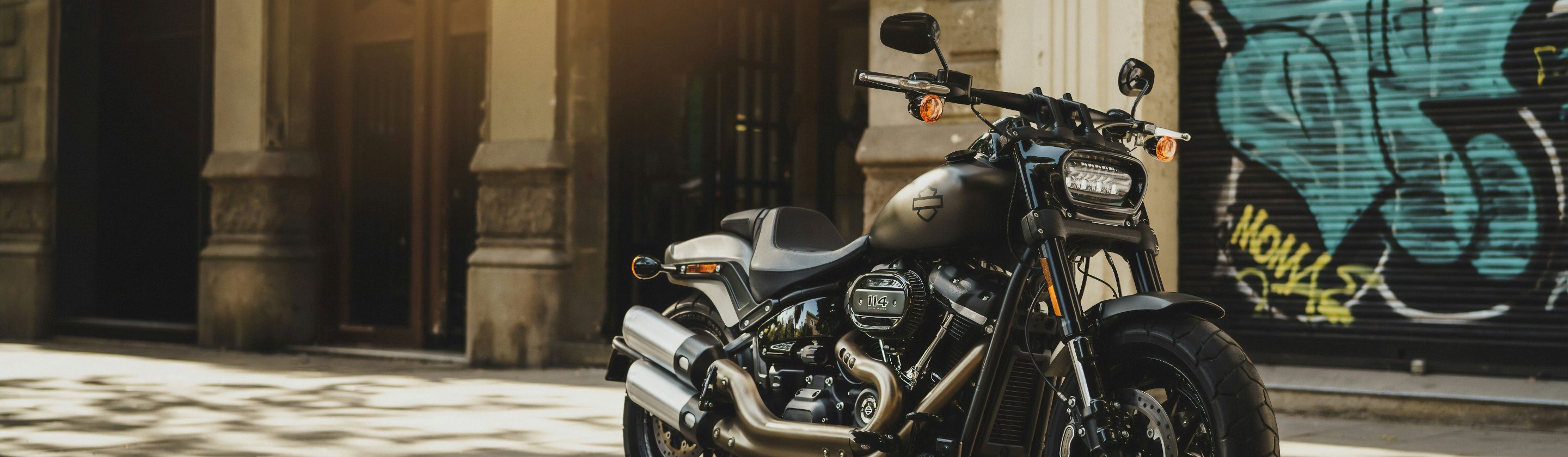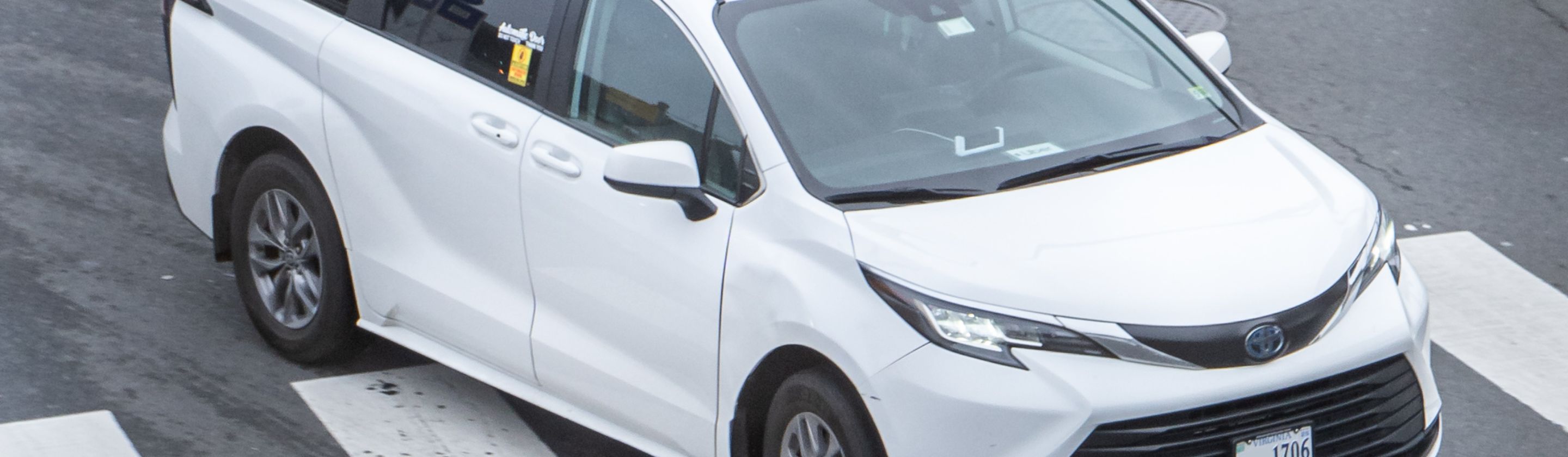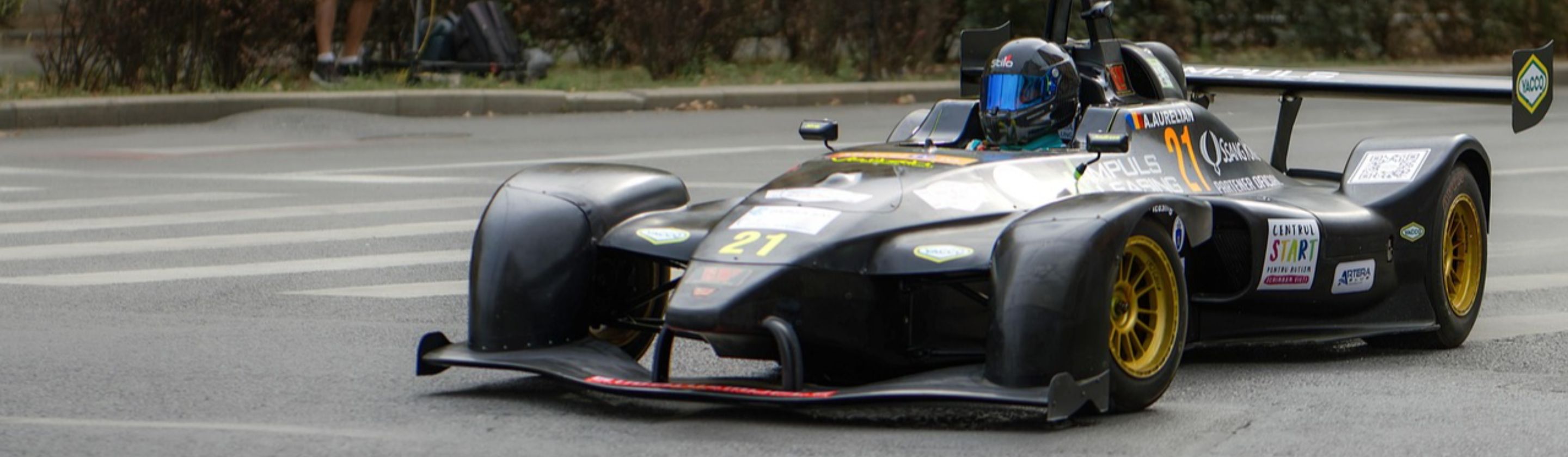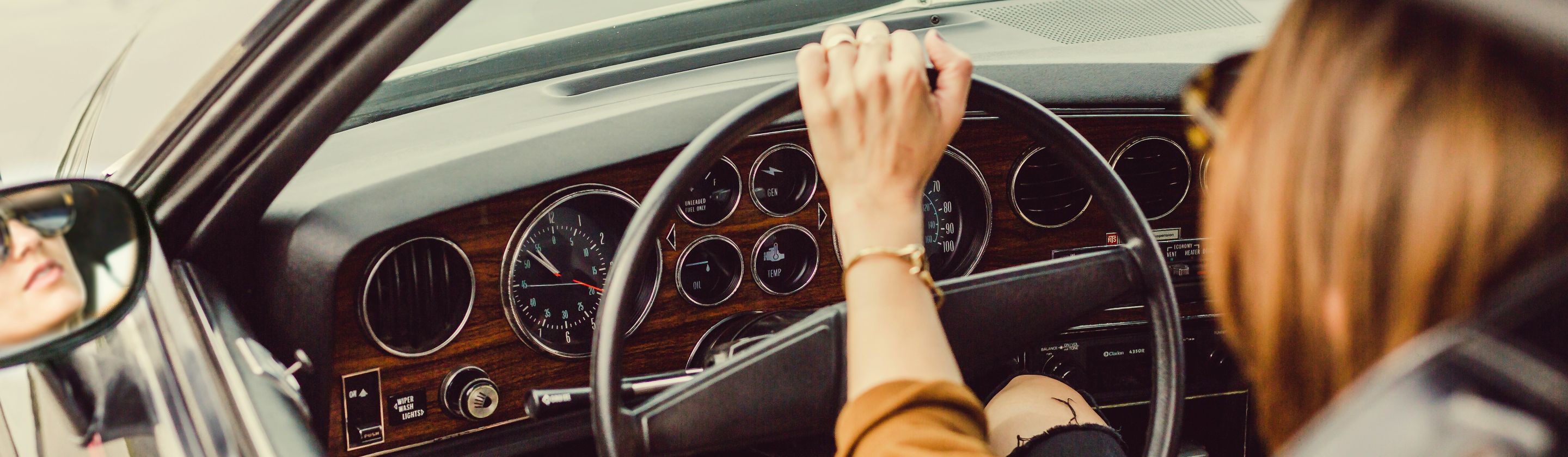
Have you ever looked at a sports car parked at the side of the road and immediately assumed it must be fast, even before seeing it move? There's a good reason certain vehicles appear ready to race while others look more suited to a relaxed trip to the grocery store. Much of that first impression comes down to geometry, with designers carefully arranging angles, proportions, curves, and lines to create a sense of movement.
Making a vehicle look fast involves considerably more than adding a large spoiler or choosing an aggressive paint color. Designers use specific geometric relationships to influence how we perceive a car's shape, weight, and direction. Although these visual tricks don't automatically improve performance, they can give even a stationary vehicle an unmistakably athletic personality.
Wedge Shapes and Angles Create a Sense of Movement
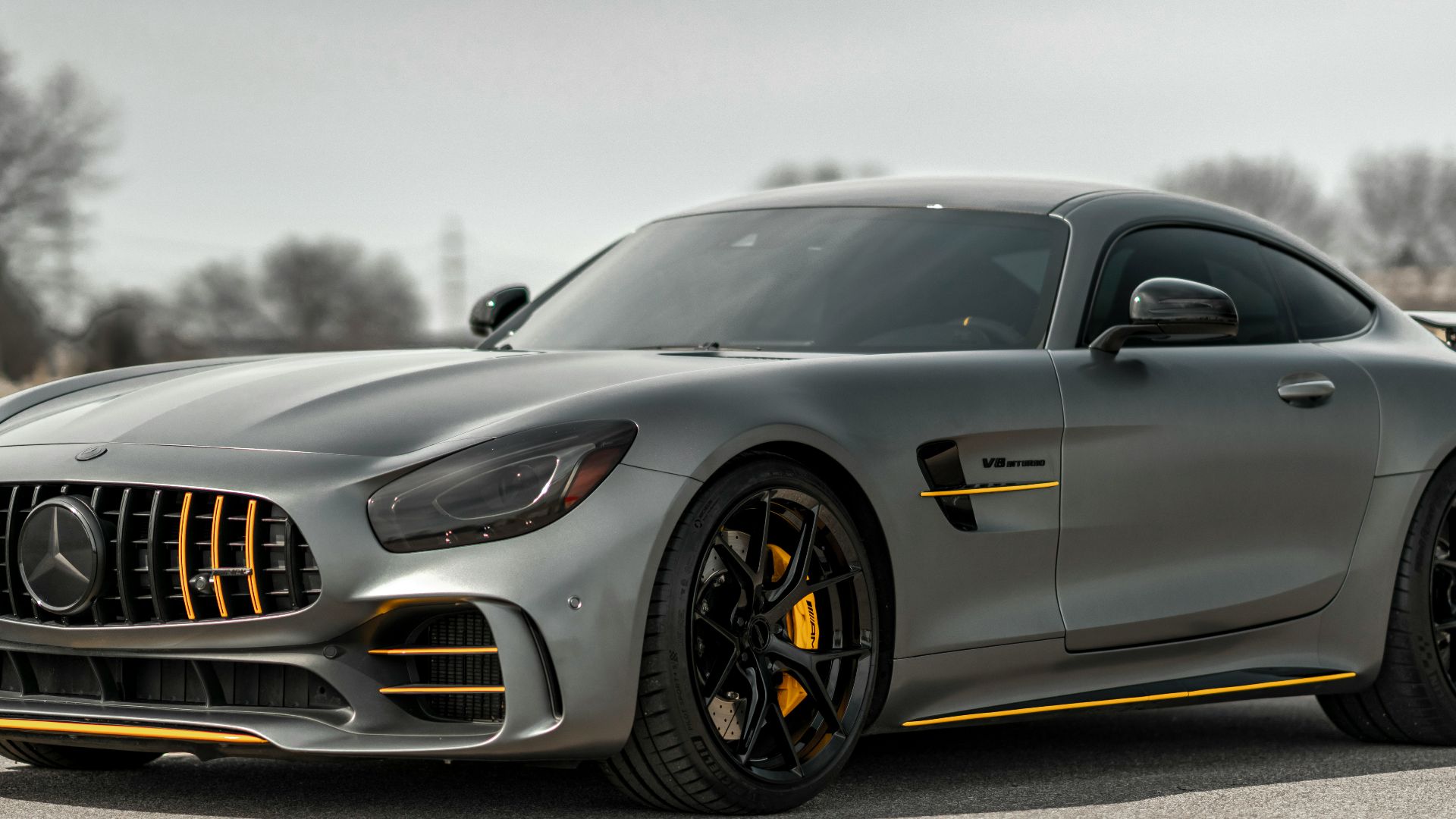
A great example of this would be the wedge shape. When looking at cars that give the impression they're going fast, we usually see a car that isn't perfectly flat across the body. The front of the car will usually dip down and rise toward the back. This gives the appearance of a forward-pointing wedge, which suggests speed. It's very simple, but it can take a car to the next level.
Windshields are another good example. Having your windshield rake at a higher angle will give the car more of a sporty appearance. It also gives the impression that the windshield is flowing into the back of the car. This is typically what you'll see on sportier coupes and hatchbacks.
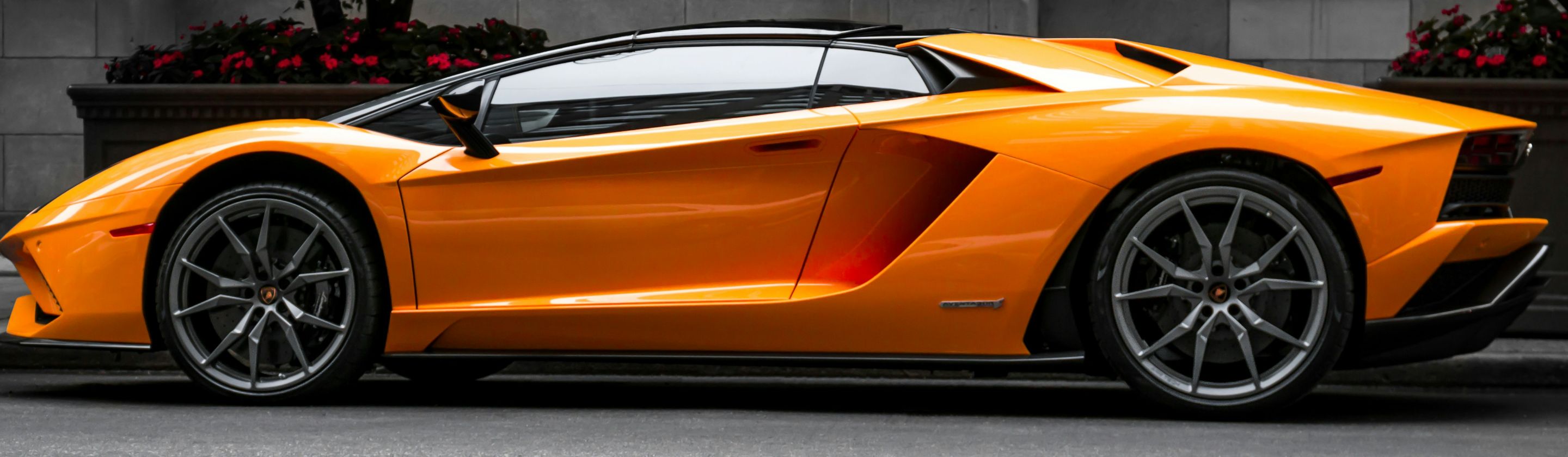
These angles should be found throughout the front as well as the back of the car. Angling certain parts of the car can make it look like the vehicle is trying to go fast. Cars from the 1970s were all about this style. You can see the Lamborghini Countach being inspired by the wedge shape. Many sports cars have followed this pattern.
Beyond the overall silhouette, the lines running along a vehicle's body can influence how fast it appears. One important feature is the character line, which is a crease or defined feature running along the bodywork. When designers angle this line upward toward the rear, it can create an impression of forward momentum. The eye naturally follows the direction of the line, helping the vehicle appear more dynamic.
Another thing to keep in mind is the beltline. The beltline divides the lower body from the glass. By increasing the beltline, you can create a wedge-shaped look. If your side windows get smaller toward the back of the car, you can make a car look wider and more muscular. Of course, there are negatives to this as well, as it will make the car look like it doesn't have as much room inside.
Curves are equally important, especially around the wheel arches, doors, and fenders. Sculpted surfaces create highlights and shadows that give the bodywork a sense of tension, making certain areas appear more pronounced. Flared wheel arches, for example, can emphasize the width of a vehicle and give it a more planted appearance. When these details work together, the finished design can communicate power without relying on excessive decoration.
Wheels, Stance, and Aerodynamic Details Complete the Look
Wheels are among the most influential geometric elements in automotive styling because their circular shape provides a strong visual reference point. Designers carefully consider wheel diameter, spoke patterns, and the relationship between the tires and surrounding bodywork. Larger wheels can make a vehicle appear more purposeful, particularly when they're positioned close to the outer corners of the body. However, proportions matter, since oversized wheels can make an otherwise balanced design look awkward.
The stance of a vehicle is another thing that will allow you to portray the illusion of performance. This is done by placing the tires farther apart, lowering the car, and reducing how far the vehicle extends beyond the front and rear axles. When the lower body is positioned near the outside of the wheels, the vehicle will appear more stable. You'll often see this used on many sports cars to give that sense of speed because they typically have a lower stance and shorter overhangs.
Adding some aerodynamic components to your vehicle can finish off the illusion of performance. Adding things such as a front splitter, rear spoiler, diffuser, and shaping of your vehicle's panels can all help give the look of a performance vehicle. There are aerodynamic features you can use on your vehicle to gain traction on the road. A wing on your vehicle can create downforce, which allows for more grip on the road, but it all depends on how it's made. As always, you want to keep in mind that what looks good aerodynamically may not always perform well.
You can begin to understand how a vehicle can portray speed just by looking at the shape of a car. With all of these techniques, you can begin to create a vehicle that seems to be going fast, even if it's sitting still.