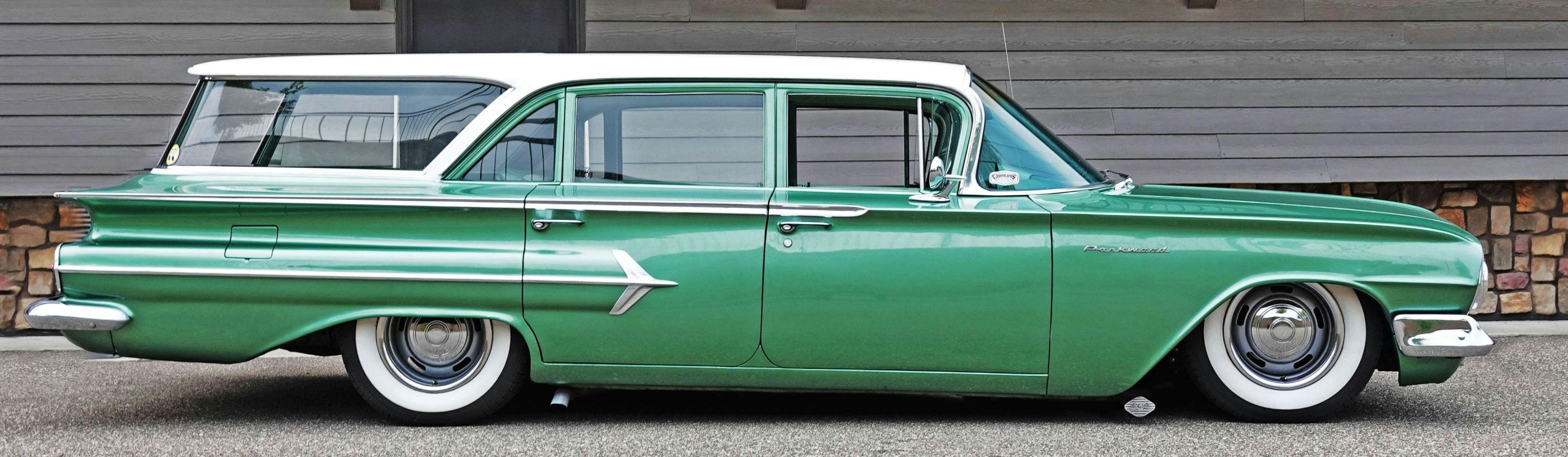
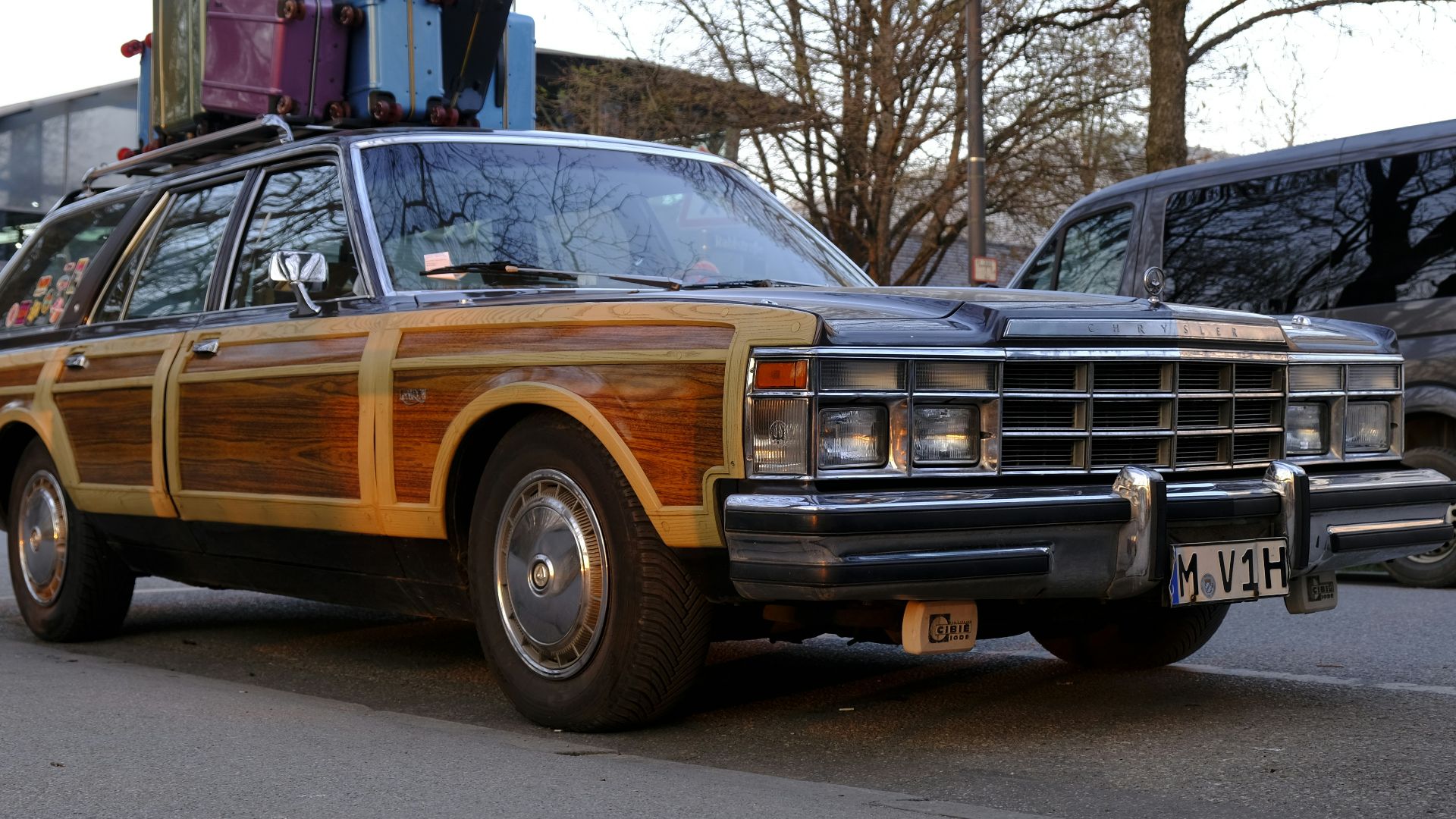
If you cruise through trendy neighborhood avenues or scroll across popular social media feeds lately, you might witness an unexpected automotive phenomenon taking place. The sleek, tech-heavy electric vehicles and aggressive, muscular sport utility models that used to dominate youthful wish lists are facing some highly unorthodox competition. A growing contingent of young drivers, specifically within the Gen Z demographic, is purposely choosing to buy old, boxy station wagons from the nineteen-nineties. These suburban family cruisers, which were once dismissed as the absolute pinnacle of uncool parental transport, are suddenly becoming the most coveted badges of individualism on the blacktop.
This surprising shift toward vintage long-roof vehicles represents a broader rebellion against the current state of mainstream car manufacturing. Modern vehicle cabins often feel less like comfortable spaces and more like rolling digital devices, packed with hyper-sensitive touchscreens, subscription-based features, and endless safety chimes. By embracing the unpretentious charm of an old family hauler, younger buyers are actively searching for a more grounded, tactile, and nostalgic driving lifestyle. It is a delightfully ironic trend that proves yesterday's boring errand-runner has successfully transformed into today's ultimate hipster statement.
The Allure of Mechanical Simplicity and Unmatched Visibility
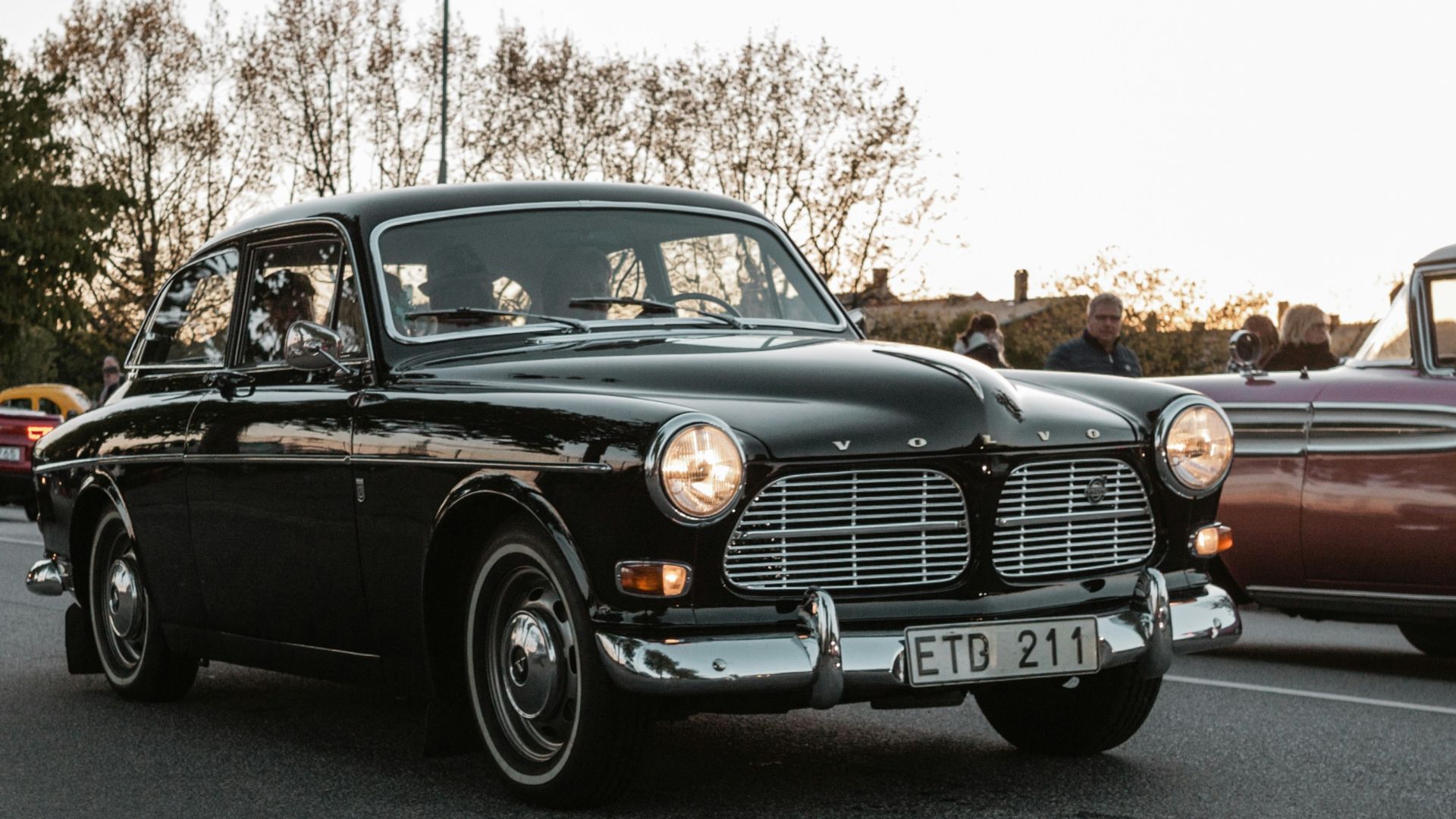
Climbing into the driver's seat of a classic nineties wagon like a Volvo 850 or a Subaru Legacy provides an instant contrast to the claustrophobic greenhouse of a contemporary crossover. These vintage cabins feature remarkably slim roof pillars and expansive, rectangular glass windows that afford the driver a crystal-clear view of their surroundings without relying on digital backup cameras. There is a soothing lack of sensory bombardment, as the dashboard prioritizes physical buttons and chunky climate dials over complicated nested menus. You can actually focus on the pure act of driving instead of navigating software updates just to adjust your air conditioning vents.
The engineering under the hood is equally attractive to a generation that values self-reliance and straightforward repairability. Most vehicles from this era were built with generous engine-bay clearances and basic mechanical layouts that make routine maintenance relatively inexpensive and intuitive to learn. You do not need a computer engineering degree or highly specialized factory scanners to change the spark plugs or replace a worn alternator on a Saturday afternoon. This simplicity allows young owners to cultivate a proud, hands-on connection with their machine that feels completely unattainable with a highly integrated modern lease vehicle.
Furthermore, these reliable workhorses possess an undeniable build quality that has allowed them to outlast decades of daily commuting and family road trips. The satisfying thud of closing a heavy steel door on an old Mercedes-Benz or Buick wagon feels reassuringly substantial compared to the lightweight plastics used today. Because these models were engineered before planned obsolescence became a dominant corporate design philosophy, they often run beautifully well past the two-hundred-thousand-mile mark with basic care. It turns out that the robust construction meant to protect families decades ago is exactly what makes them a smart investment for budget-conscious drivers now.
Maximizing Practicality for the Modern Nomad Lifestyle
Aside from the obvious stylistic ironies, the sheer functional capacity of a traditional long-roof car perfectly aligns with the active, flexible lifestyles of today's young adults. The cavernous rear cargo area can easily swallow thrift-store furniture finds, bulky musical equipment, or an entire fleet of bicycles without requiring a massive, fuel-thirsty pickup truck footprint. When you fold the rear bench seats completely flat, the interior space instantly transforms into a secure, weatherproof micro-camper that is absolutely ideal for spontaneous weekend road trips. This versatility empowers owners to pursue diverse hobbies and travel experiences without paying premium prices for a giant utility vehicle.
The economic reality of owning an old wagon also makes immense sense for a demographic navigating an increasingly expensive housing and vehicle market. Insurance premiums for these older models remain remarkably low because they lack the expensive radar sensors and fragile bumper arrays found on modern vehicles. Fuel economy from a modest four-cylinder or six-cylinder wagon engine often beats the real-world efficiency of heavy, all-wheel-drive SUVs quite handily. You get all the cargo advantages of a utility vehicle wrapped inside the nimble, easily parkable chassis of a standard midsize sedan.
This incredible practicality has spawned a massive online subculture where enthusiasts share clever customization tips, camping conversions, and repair advice. Platforms like TikTok and Instagram are filled with videos detailing how to build custom sleeping platforms or install modern Bluetooth stereo units into vintage dashboards. It is a communal environment that celebrates resourcefulness and practical utility over the sheer material status of owning an expensive showroom model. Your car ceases to be just a basic appliance and becomes a highly adaptable platform for personal freedom and weekend exploration.
The visual language of the nineteen-nineties has experienced a massive cultural resurgence across fashion, music, and interior design, so it is only natural that cars are following suit. The crisp, geometric lines and slab-sided silhouettes of these classic wagons stand out beautifully against the uniform, blob-like styling of modern aerodynamic crossovers. Choosing a vehicle with quirky features like rear-facing third-row jump seats or retro velour upholstery signals that you appreciate unique historical industrial design. It allows a driver to communicate a highly specific, curated aesthetic that separates them from the sea of black and silver rental-car look-alikes in the parking lot.