 Mike Bird on Pexels
You’re driving home late, minding your lane, maybe humming along to music, when suddenly a beam of light hits your eyes like a mini sun. You squint and try to focus, but the glare lingers long enough to make you grip the wheel a little tighter. For a moment, it’s hard to tell if you’re being guided down the road or interrogated by a searchlight.
Sound familiar? More and more drivers are sharing that same complaint, and it’s sparking a rare kind of agreement among people everywhere. So, settle in for a closer look at why the simplest part of your car might be turning into a nightly light show worth examining.
When Seeing Starts To Hurt
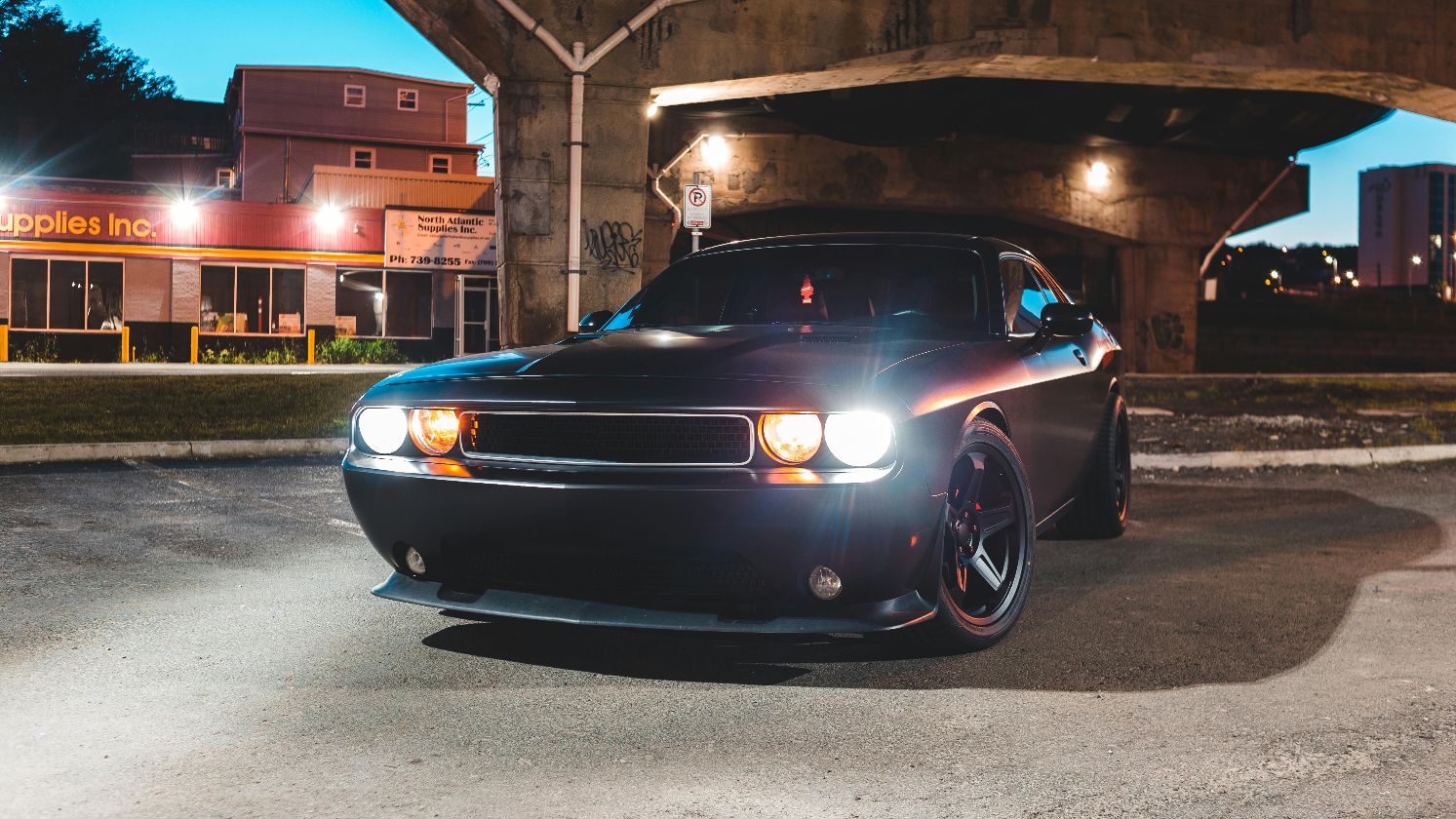
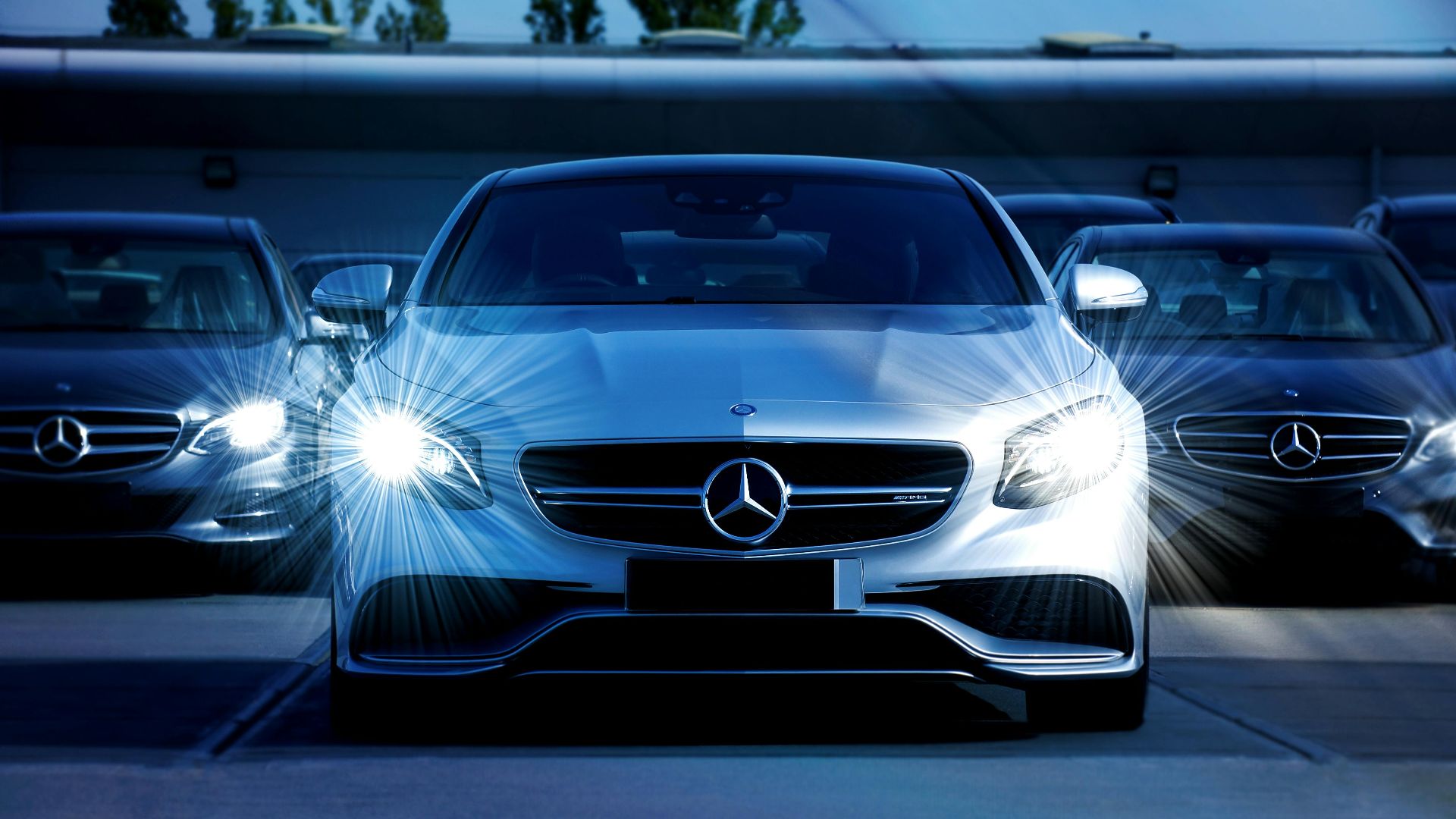
Headlights have one job: help you spot what’s ahead. Somewhere along the way, though, they’ve started doubling as eye tests for anyone approaching from the opposite direction.
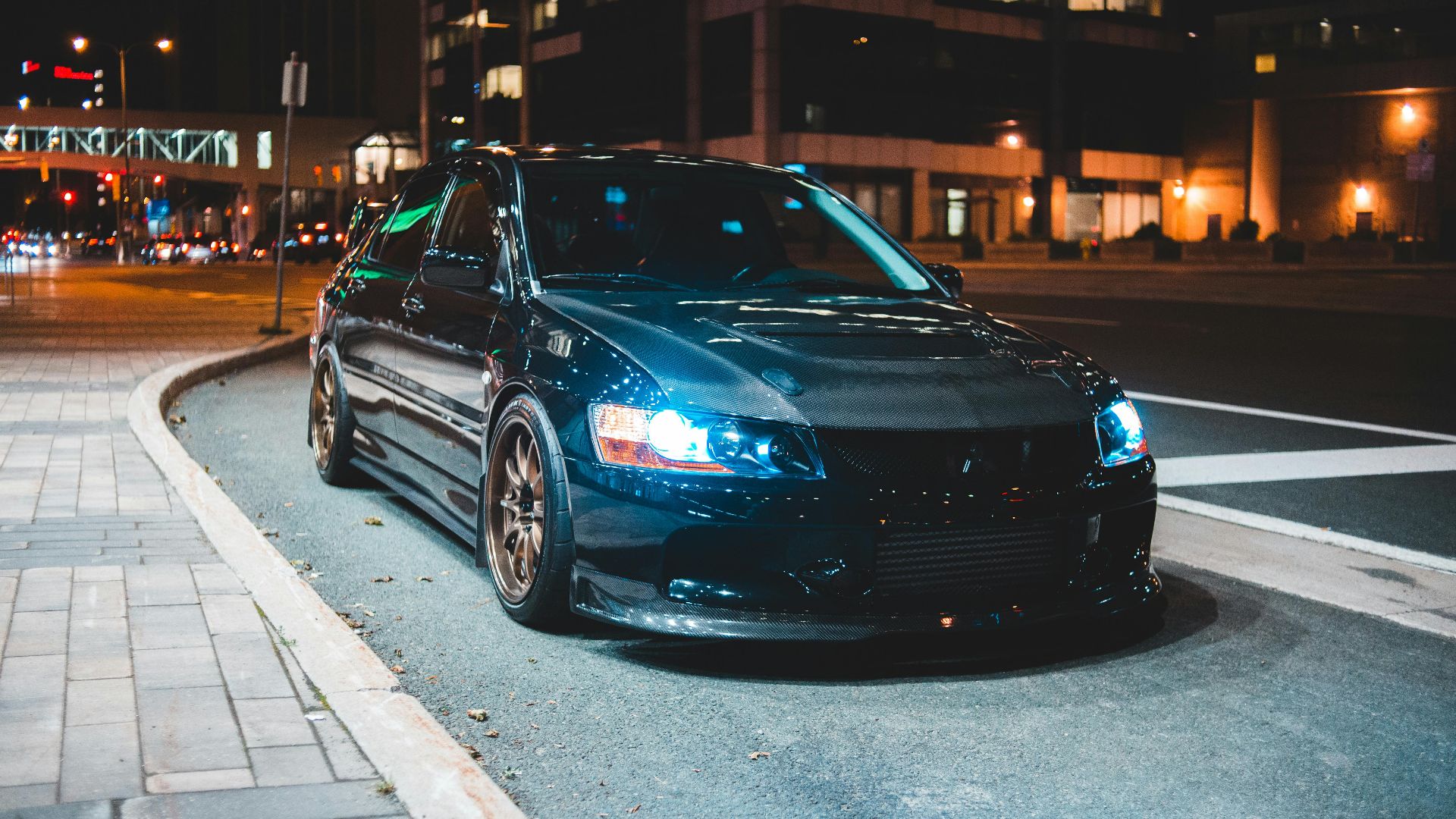
The older, softer yellow glow has been replaced by a sharp blue-white beam that is intensely bright. Car makers say these lights improve visibility, and in fairness, they do help drivers see farther. But what helps one driver often blinds another, and that’s where things have started to turn frustrating.
Much of the change comes from LED and laser technology. These systems are energy-efficient and modern-looking, so they’ve quickly replaced traditional bulbs. On smaller sedans, they’re manageable, but once mounted high on pickups and SUVs, they shine directly into the eyes of incoming traffic. It’s no wonder so many drivers now describe night drives as uncomfortable or even nerve-racking.
Why The Complaints Keep Piling Up
The conversation isn’t limited to one age group or region. Drivers everywhere are saying the same thing: headlights feel too harsh. Rainy nights make it worse, when the glare bounces off roads and signs, surrounding everything in white haze. Online discussions are full of stories about near misses and long drives that leave eyes aching. That constant strain turns driving from something enjoyable into something exhausting.
The National Highway Traffic Safety Administration, along with other regulatory bodies, finalized rules for adaptive driving beams in 2022 to reduce glare and continues to monitor the issue, though technology adoption still lags as regulations evolve.
Finding A Brighter Middle Ground
The good news is that better solutions exist. Adaptive headlights, already common in parts of Europe, adjust automatically when they detect another car nearby. They shift their beams and light the road without lighting someone’s entire face.
Until systems like these become standard, drivers can still help by checking headlight alignment and keeping lenses clean. Even small habits, such as lowering high beams early, can make a big difference.
So the next time you’re behind the wheel and someone flashes their brights, take it as a tiny reminder that courtesy on the road still matters. Maybe one small adjustment can make the world a little easier to see—without needing sunglasses at night.