Automotive Excellence Looked Different
Before electrics and hybrids dominated every automotive conversation, 2016 gave us a year of pure driving excitement. The automotive industry delivered a stunning array of vehicles that felt both timeless and revolutionary. These were statements and objects of desire that elevated the entire industry. Explore the world of remarkable vehicles that made 2016 an unforgettable year for car lovers.
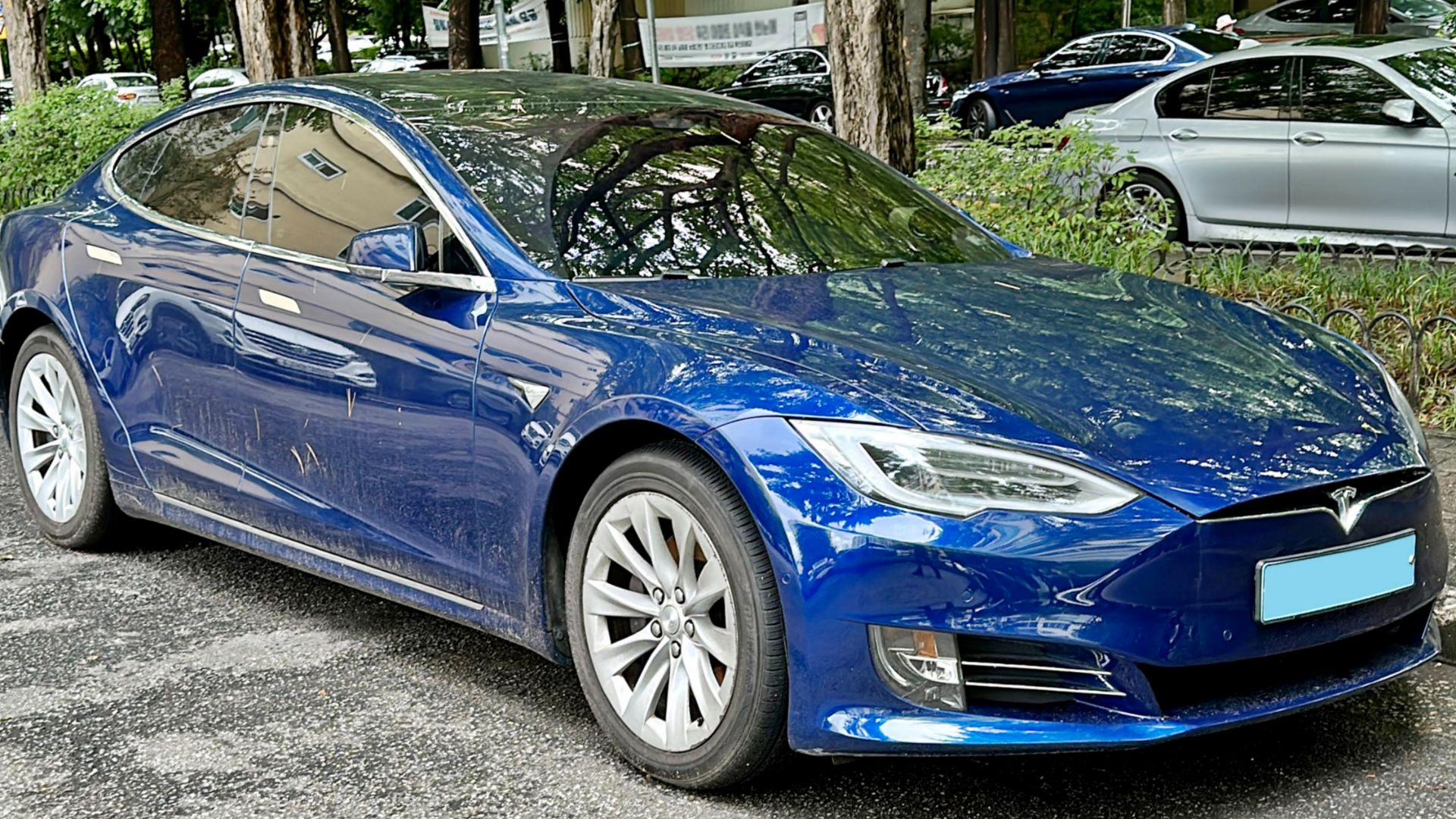
1. Tesla Model S
Back in 2016, the updated Tesla Model S changed daily driving by making long-range EVs feel normal. At the same time, over-the-air updates and a giant touchscreen felt radical, while its instant acceleration convinced many drivers that electric could beat gas.
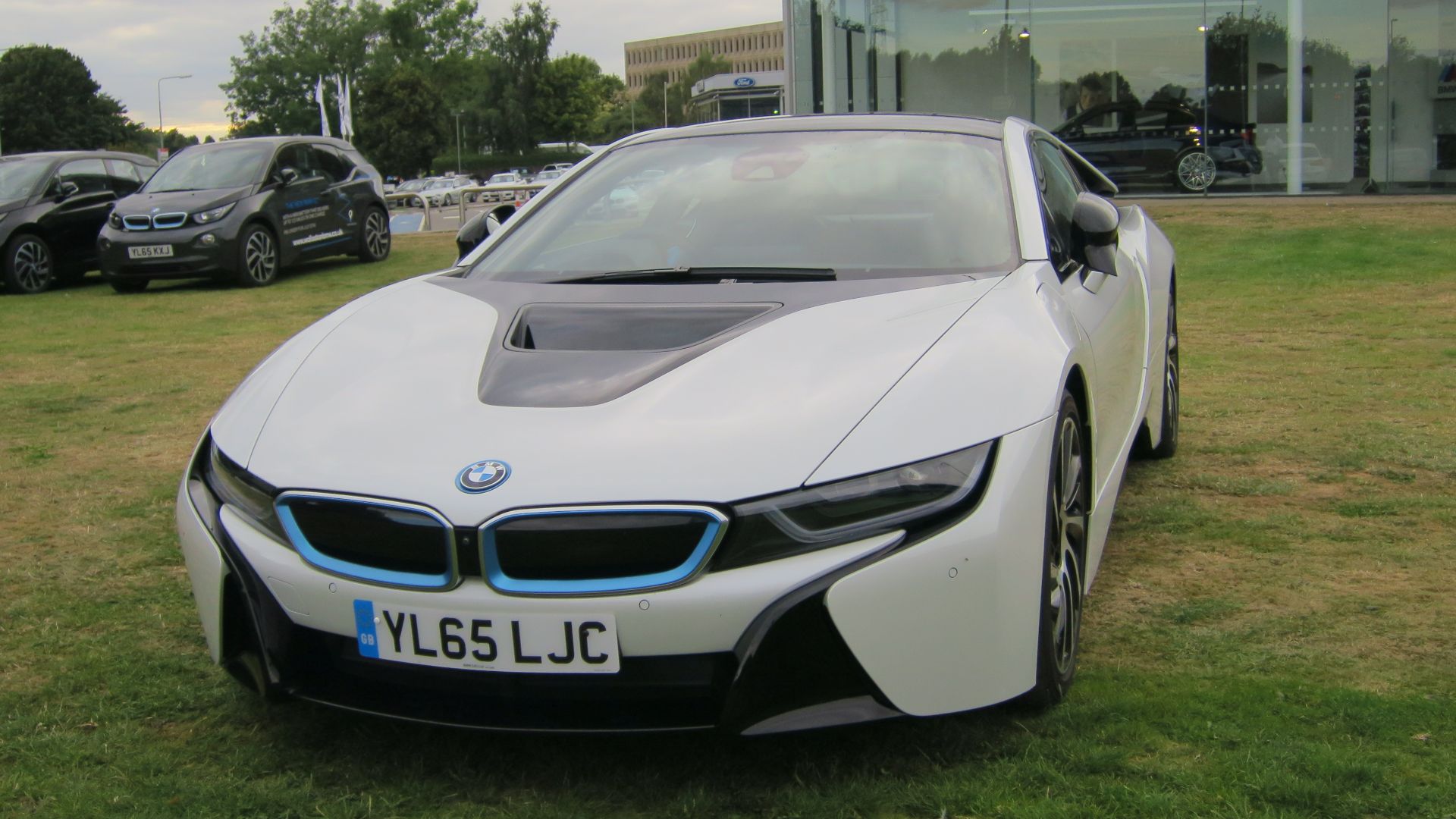
2. BMW i8
The BMW i8 took a different route, which pairs a gasoline engine with electric motors. Its futuristic shape turned heads instantly, and lightweight carbon-fiber construction gave it the feel of a concept car you could actually own.
 Oast House Archive on Wikimedia
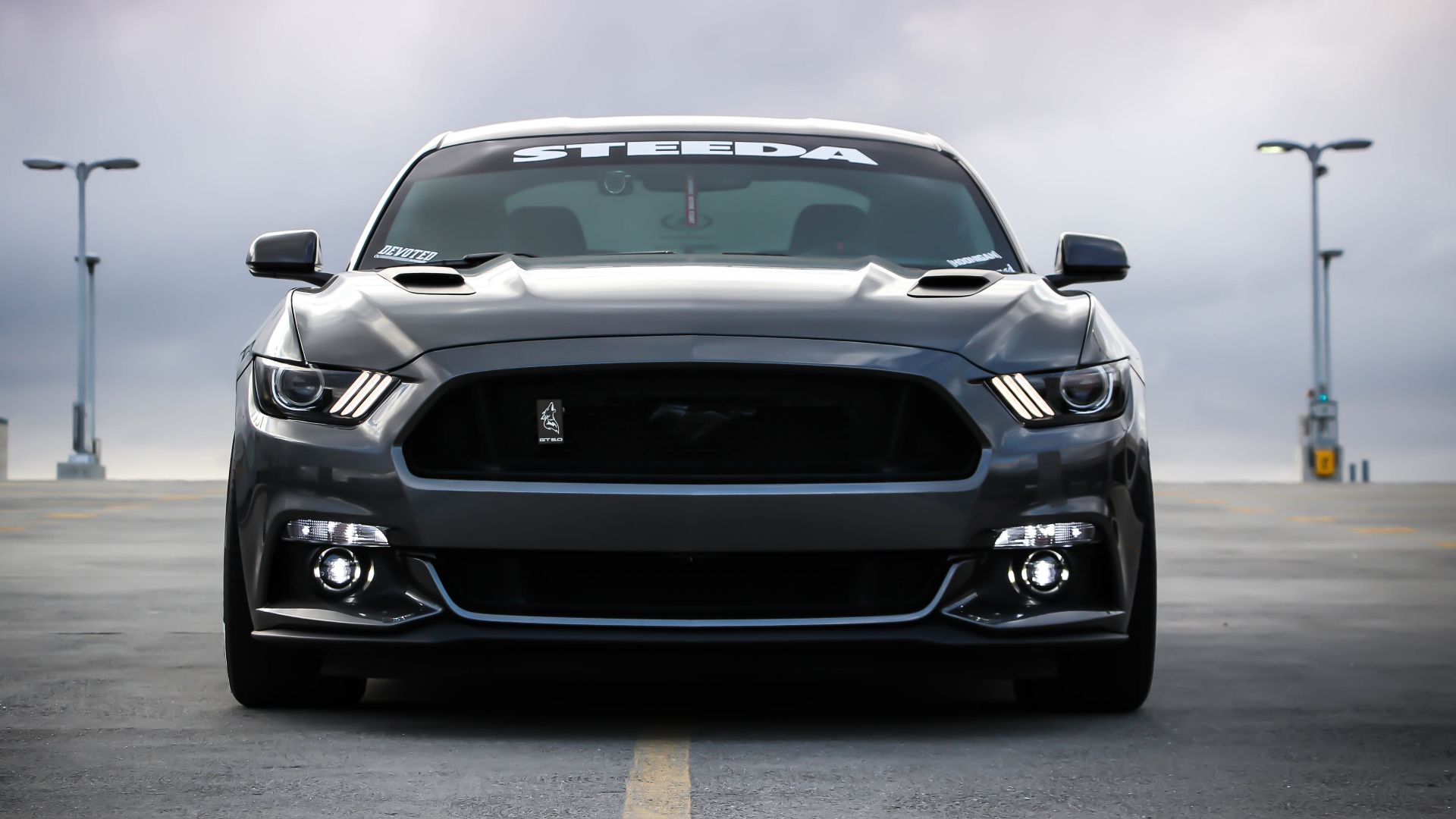
3. Ford Mustang GT – S550
The Mustang GT S550 quietly updated a legend with independent rear suspension worldwide. Handling improved while the classic V8 spirit stayed intact. This evolution made the Mustang a global car yet still pure American muscle at heart.
 Joey Banks joeyabanks on Wikimedia
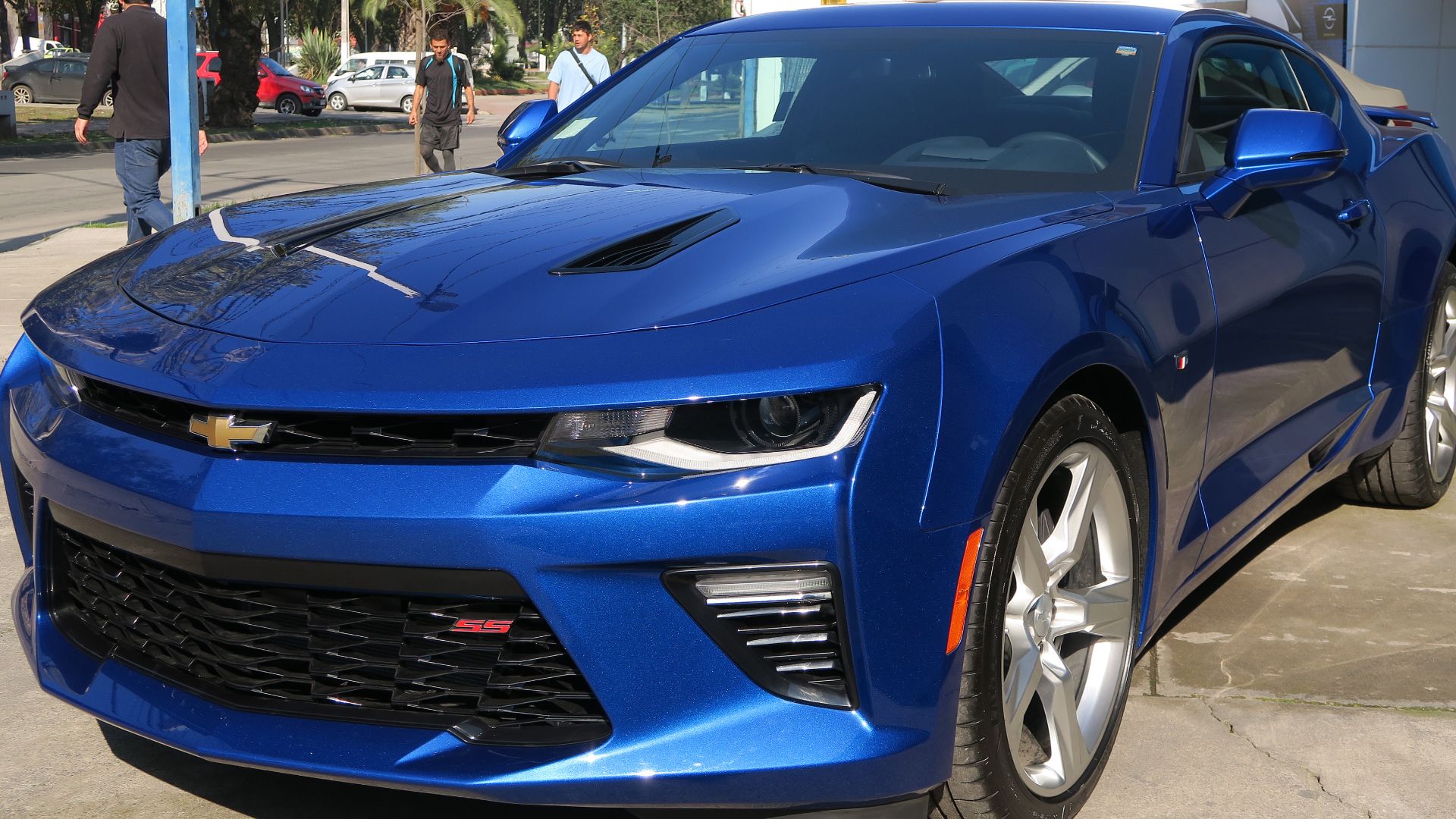
4. Chevrolet Camaro SS – 6th Gen
Chevrolet’s 6th-generation Camaro SS showed how far the nameplate had evolved. Lighter and far more handling-focused, the car favored precision over bulk to earn praise for its track-ready balance and signaled a sharper Camaro era.
 RL GNZLZ from Chile on Wikimedia
5. Dodge Challenger SRT Hellcat
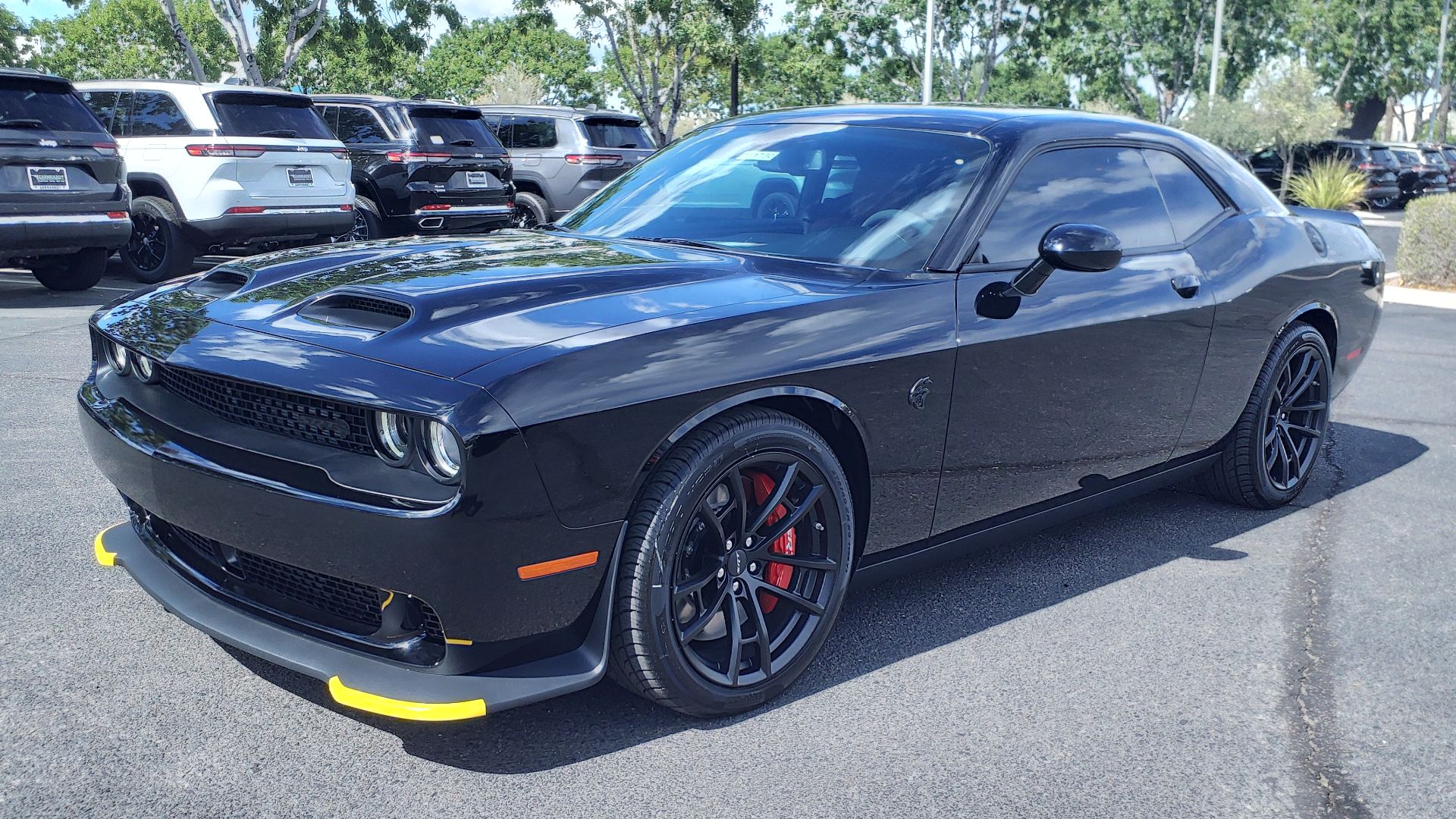
With outrageous factory horsepower, classic muscle-car looks, and drag-strip hardware, it existed to make noise—literally and culturally—becoming one of the decade’s boldest performance statements on American roads everywhere. The car was one of the most sought-after vehicles.
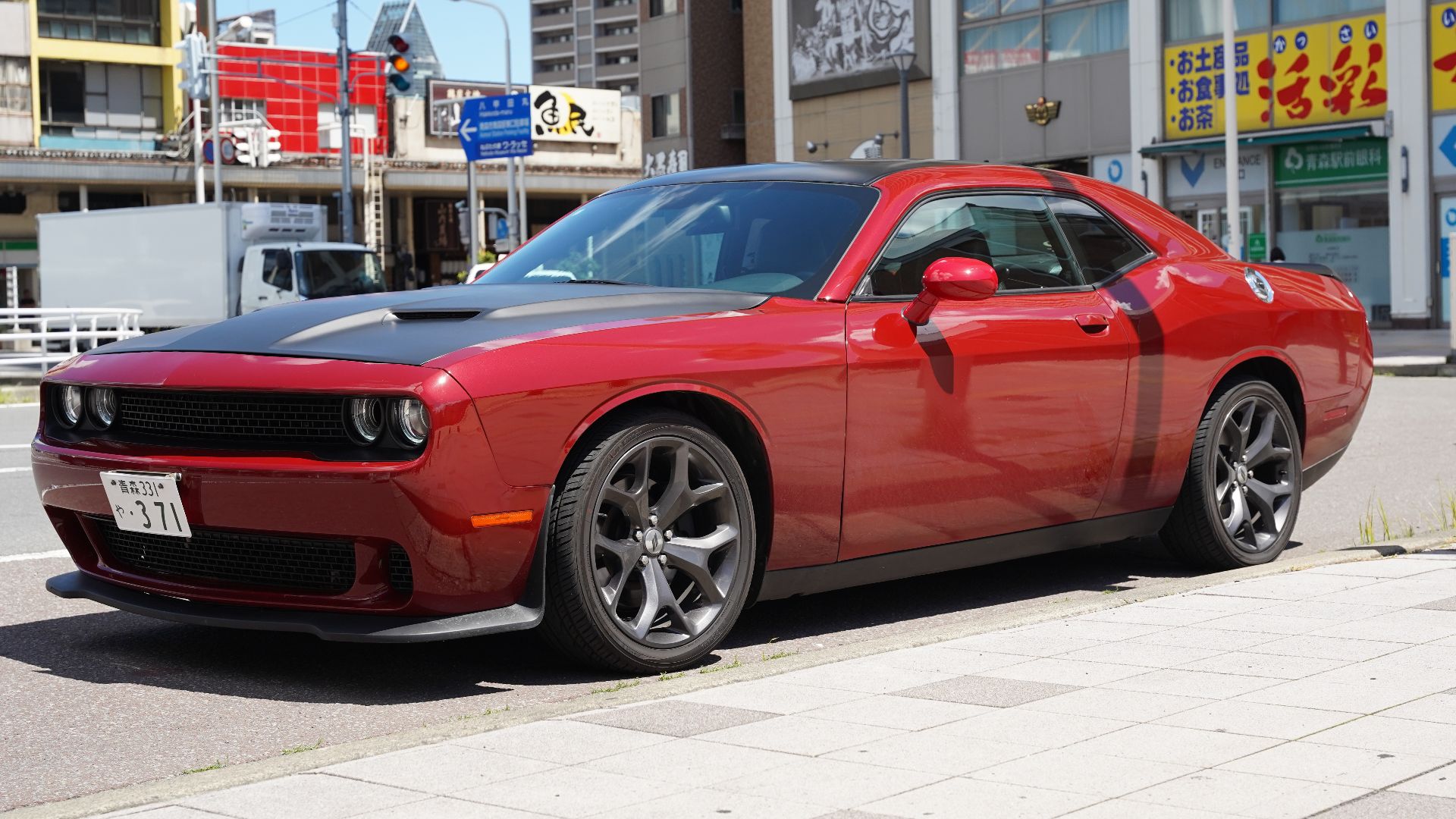
6. Porsche 911 Carrera – 991.1
Before turbos took over, the 991.1 Carrera signed off the naturally aspirated era for base 911s. This car kept Porsche’s iconic rear-engine layout and near-perfect balance, which is exactly why purists still rank it among the last truly “pure” modern 911s.
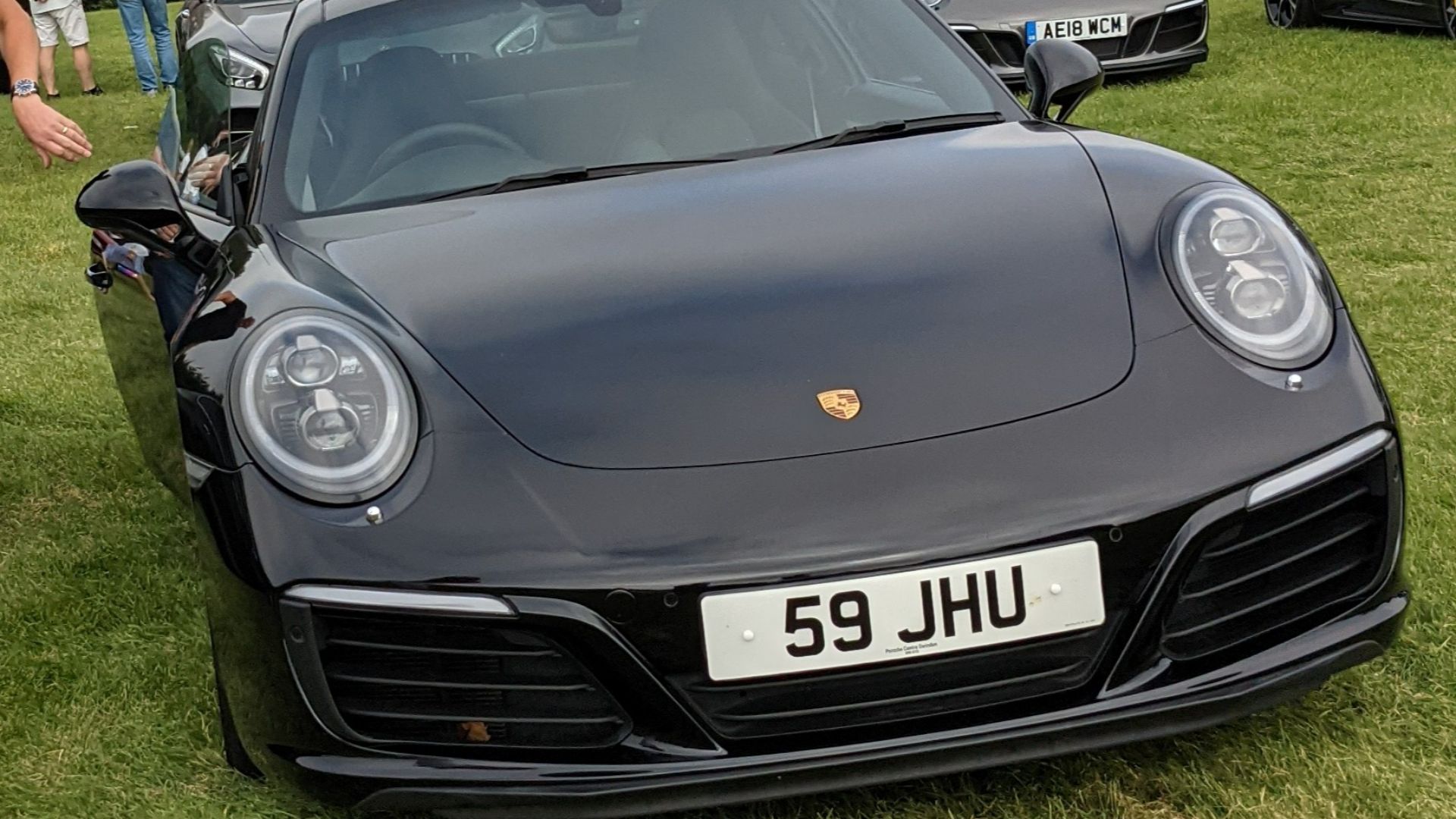
7. Audi R8 V10 Plus – 2nd Gen
At a glance, it was sleek and understated, but underneath, the second-gen R8 shared serious Lamborghini DNA. A naturally aspirated V10 and quattro all-wheel drive delivered confidence-inspiring traction and earned it fame as a supercar that didn’t punish daily use.
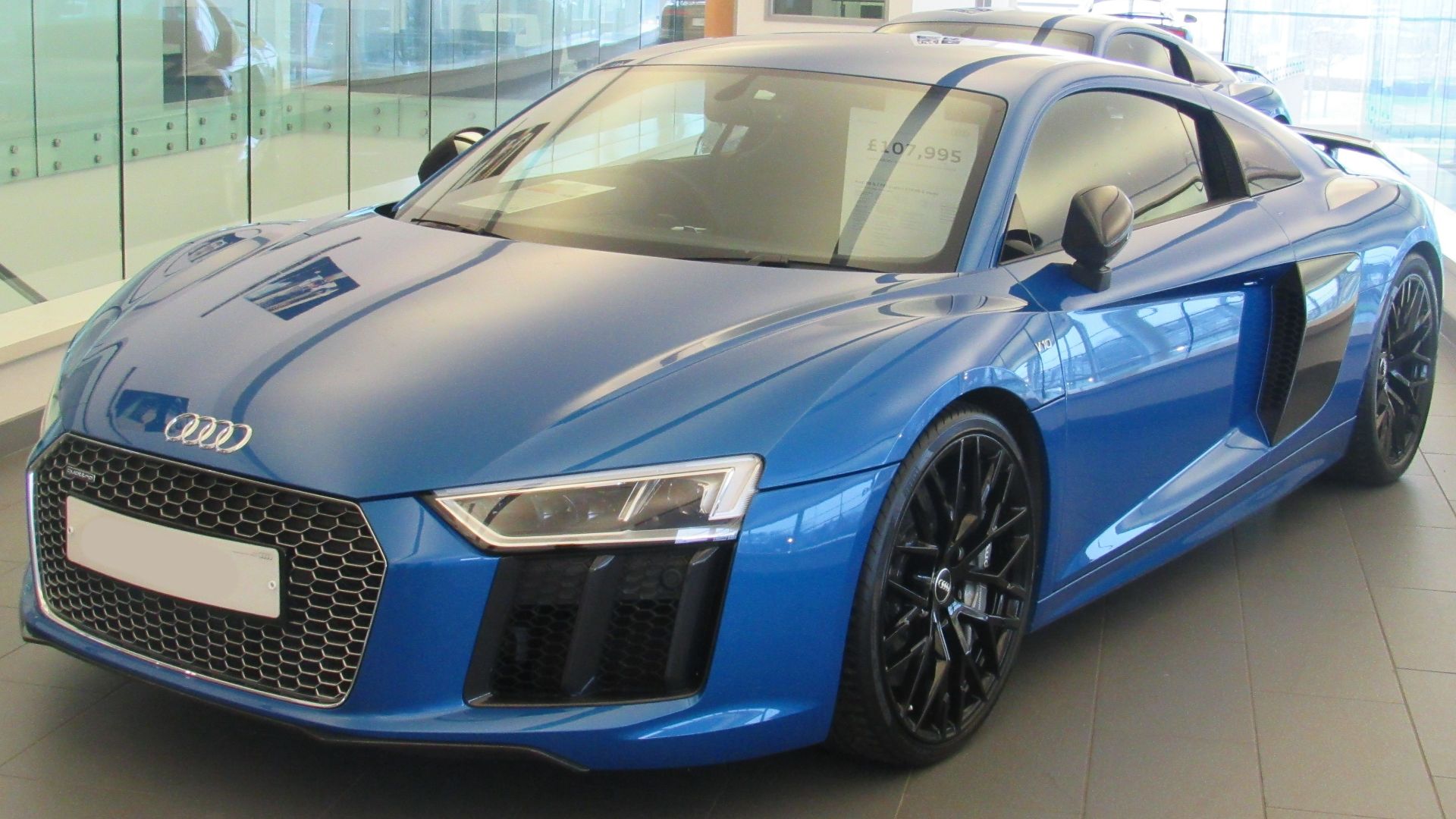
8. Mercedes-AMG GT
AMG’s first fully in-house sports car, the GT, redefined Mercedes performance priorities. The cars’ front-mid-engine layout brought balance and control, wrapped in premium comfort. Beyond the specs, it symbolized a clean transition to assume flagship status after the SLS was retired.
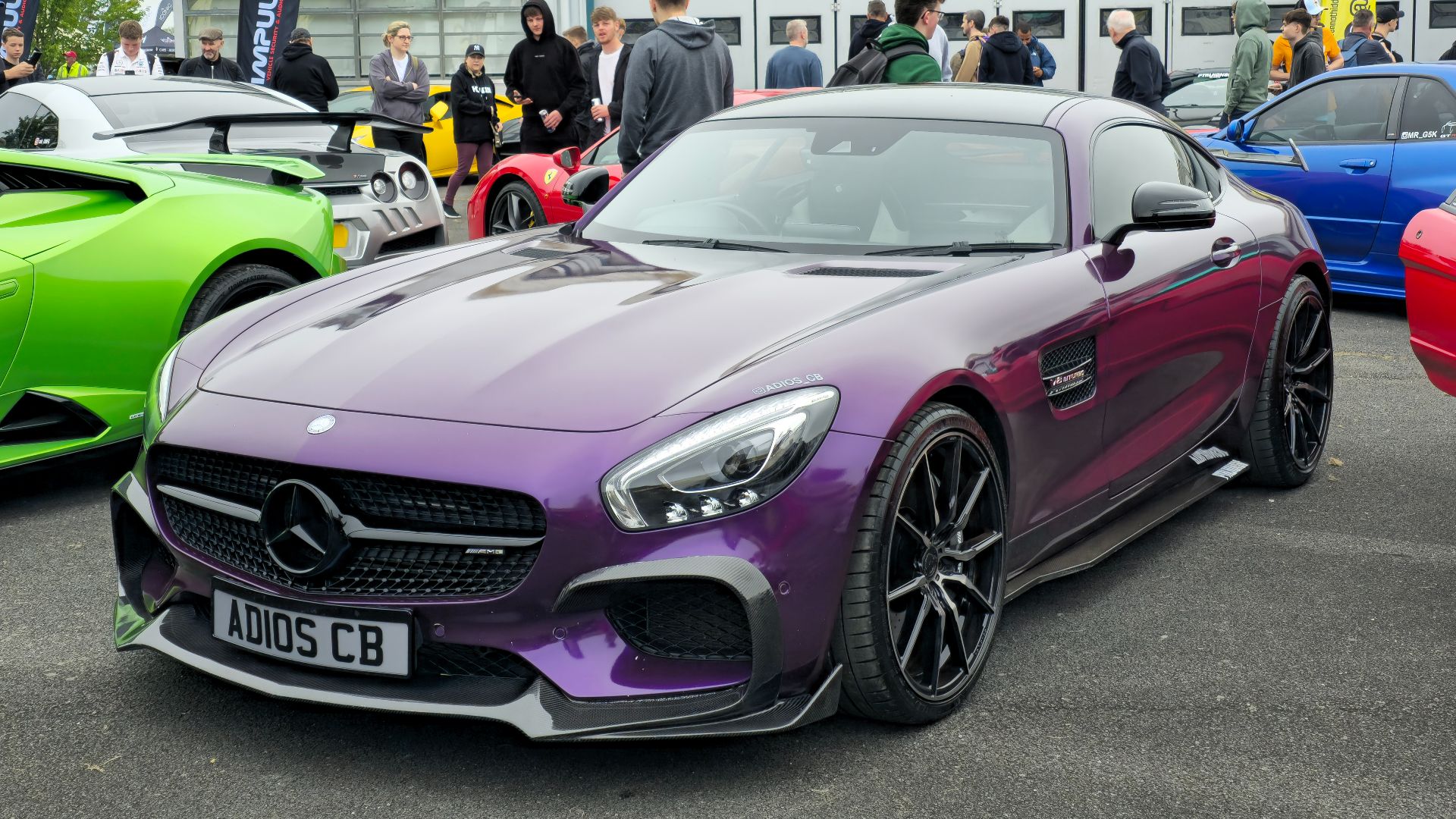
9. Honda Civic Type R – FK2
Nothing about the FK2 Type R played it safe. Honda introduced turbocharging, added aggressive aero, and stuck with front-wheel drive anyway. The result shocked reviewers and proved that outright speed and driver thrill weren’t exclusive to rear-wheel-drive performance cars.
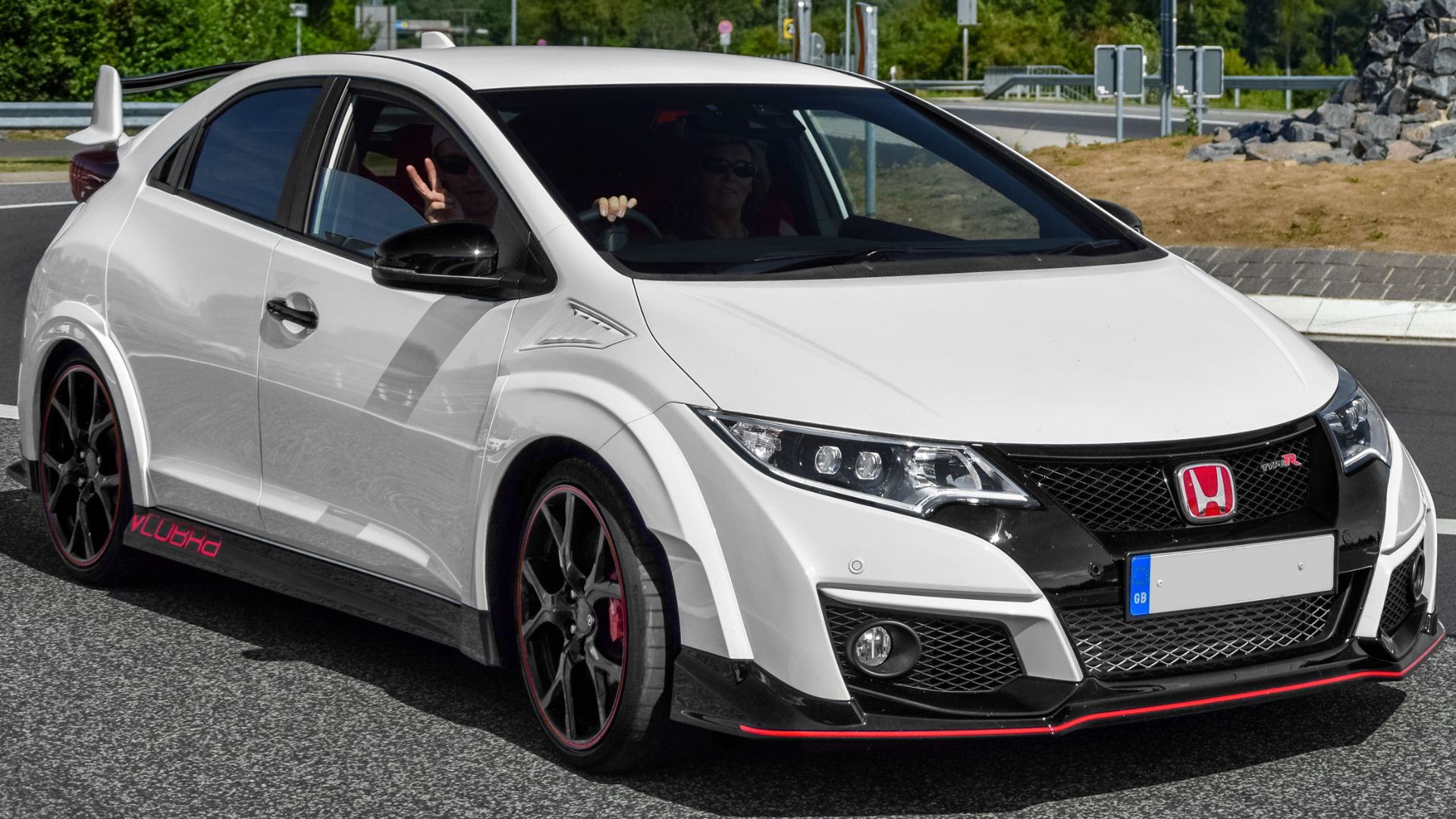 Alexandre Prevot from Nancy, France on Wikimedia
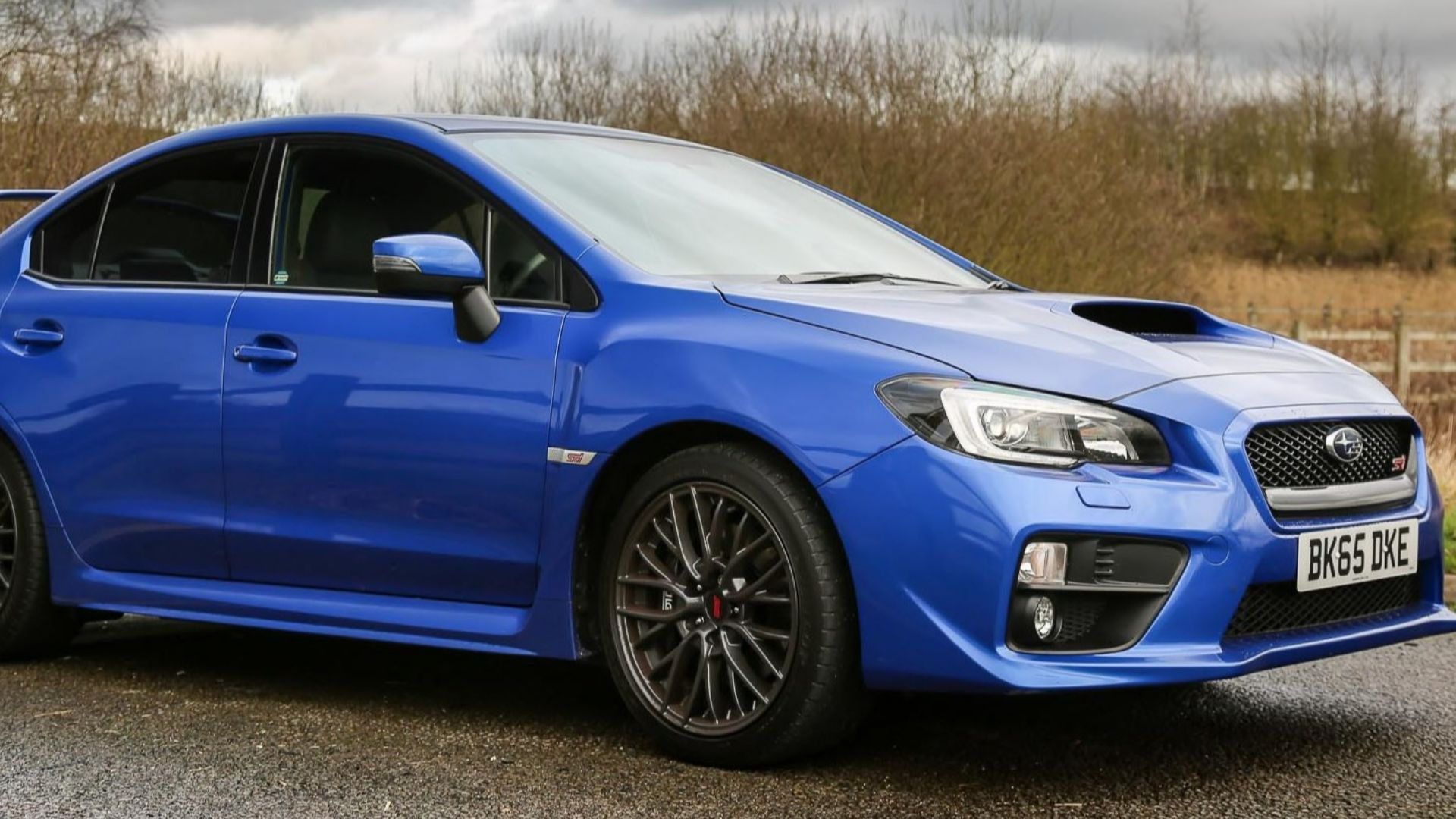
10. Subaru WRX STI
Subaru never chased refinement first and remained true to its roots. Instead, rally-inspired tuning, symmetrical all-wheel drive, and constant driver involvement defined the experience. Even visually, the hood scoop remained a proud reminder of its functional, no-nonsense personality.
11. Mazda MX-5 Miata – ND
Rather than adding muscle, the ND Miata trimmed weight and complexity. Rear-wheel drive and careful balance took priority over horsepower to keep the experience playful and engaging. That focus ensured the Miata stayed loyal to its famous promise of maximum fun per mile.
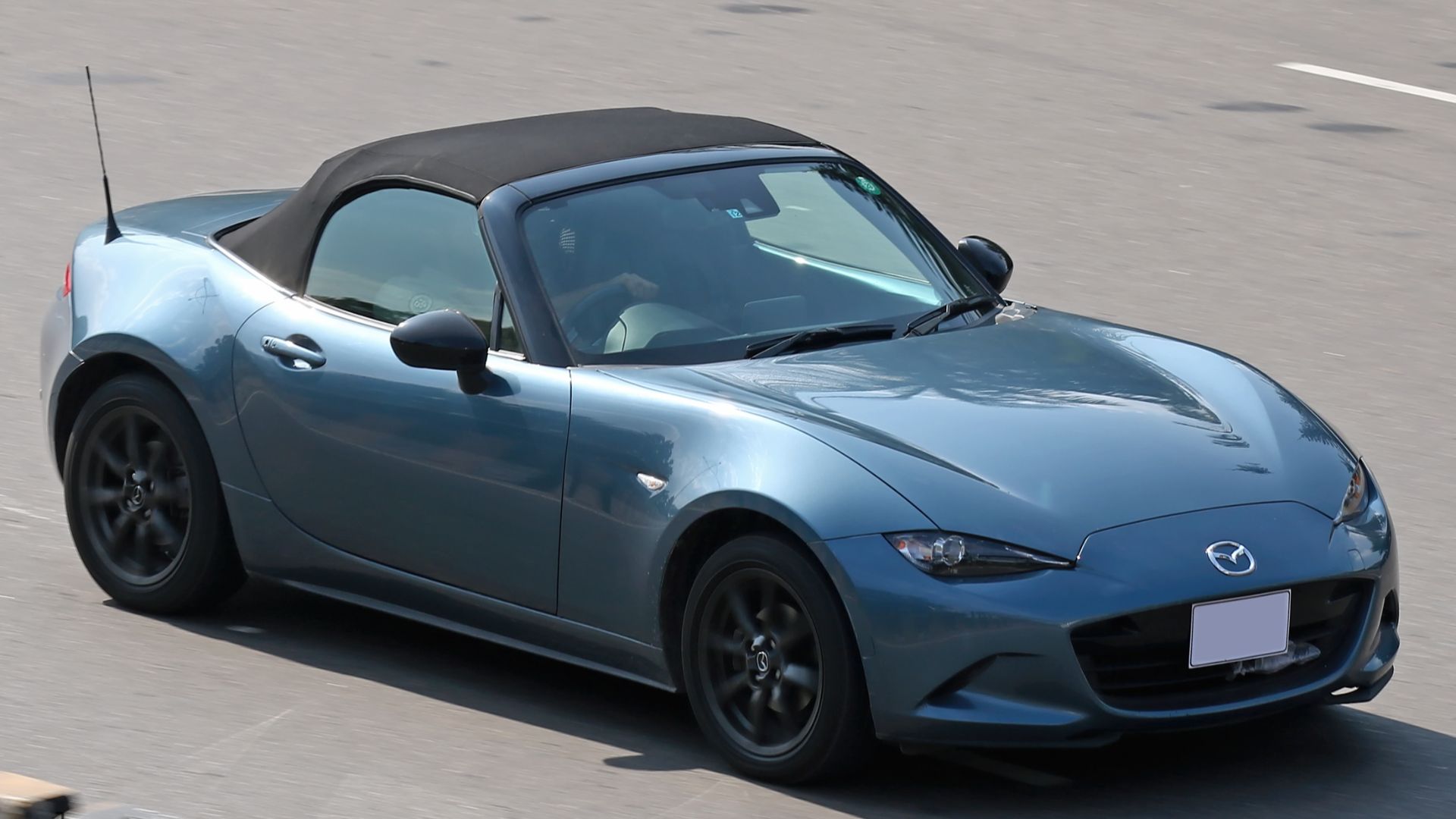 Shadman Samee from Dhaka, Bangladesh on Wikimedia
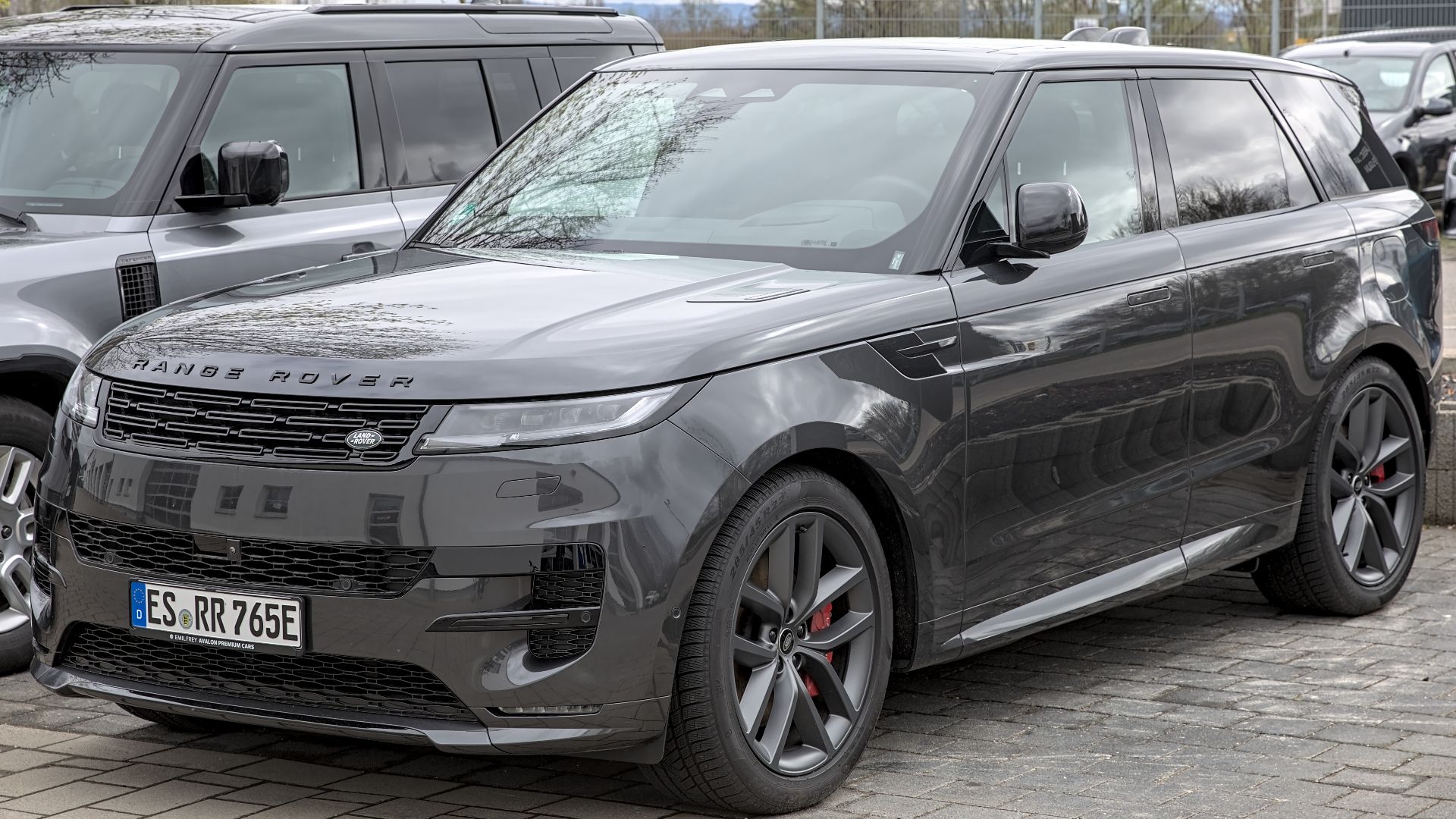
12. Land Rover Range Rover Sport
On pavement, the car felt polished and refined. Away from it, the Range Rover Sport’s terrain systems and aluminum build proved their worth. Very few SUVs could match its ability to transition so seamlessly between luxury cruiser and off-road machine.
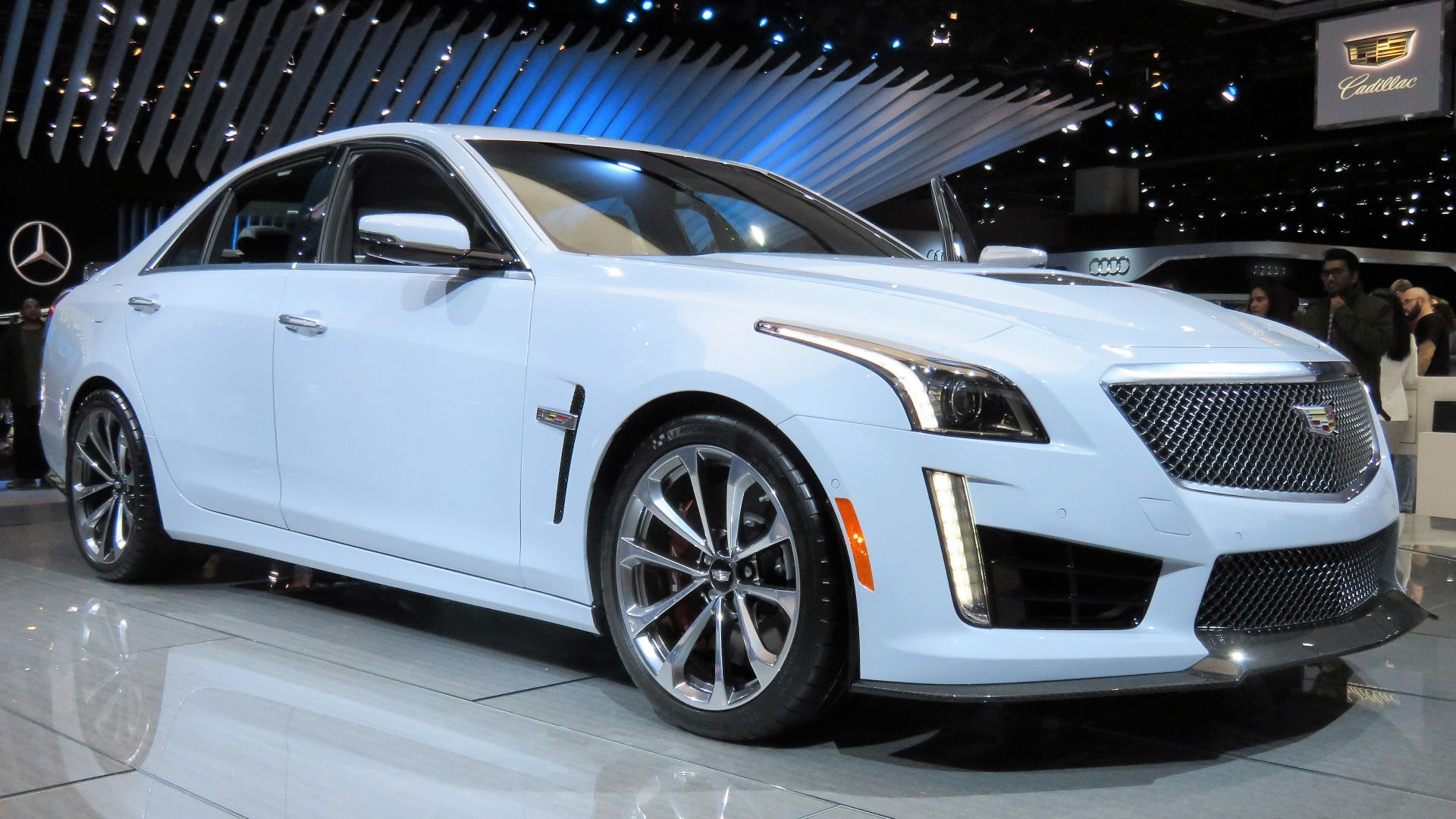
13. Cadillac CTS-V
Quietly aggressive, the 2016 CTS‑V hid its intentions well. Under the hood sat a supercharged V8 with 640 horsepower, making it one of the fastest sedans of its time. Carbon‑fiber accents and track‑ready engineering proved Cadillac could mix refinement with raw performance.
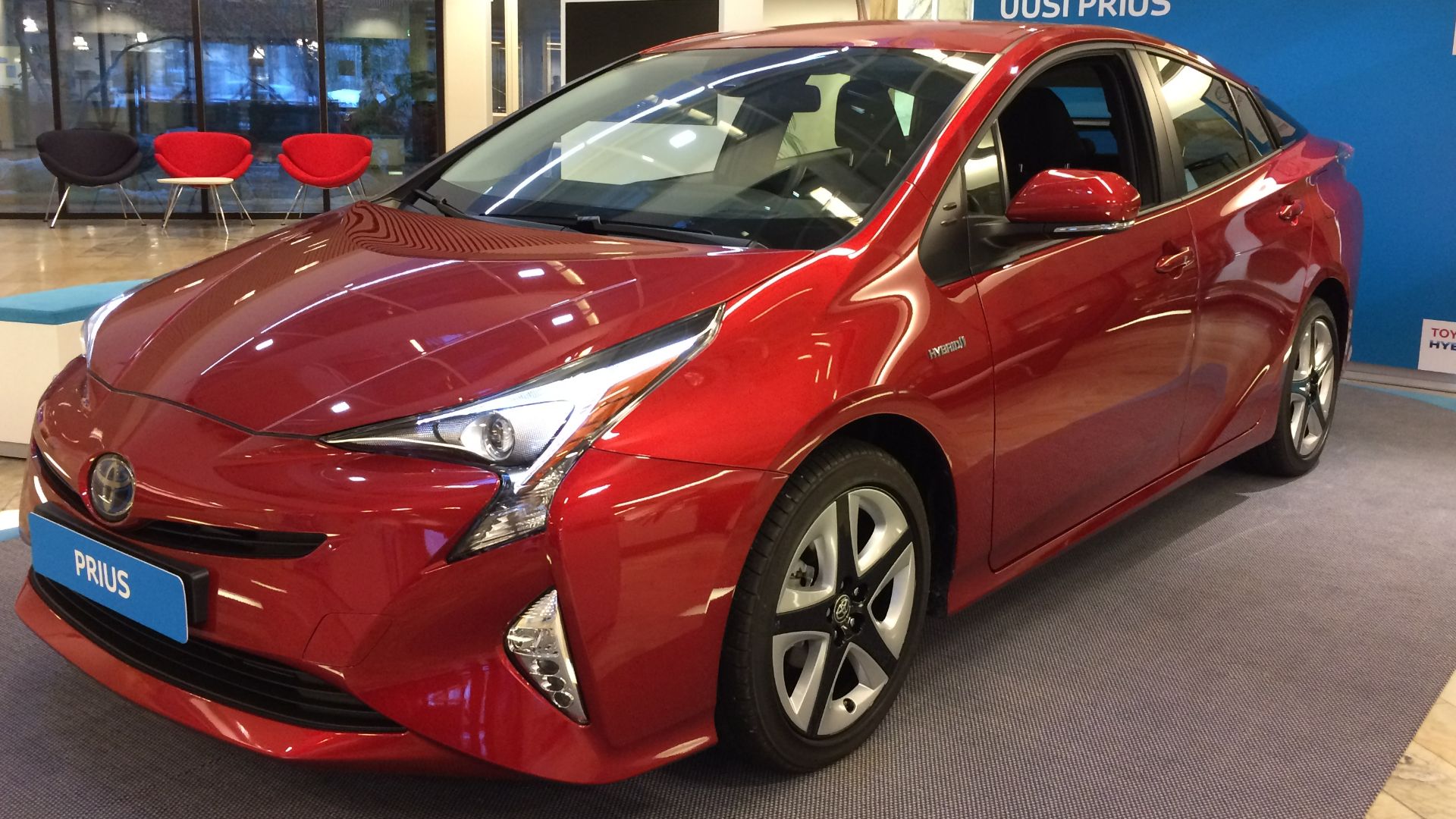
14. Toyota Prius – 4th Gen
Toyota wanted the Prius to feel less like a compromise. The fourth generation delivered a more aggressive design and better road manners, without sacrificing efficiency. That balance helped hybrids move from niche eco-symbols to mainstream daily drivers.
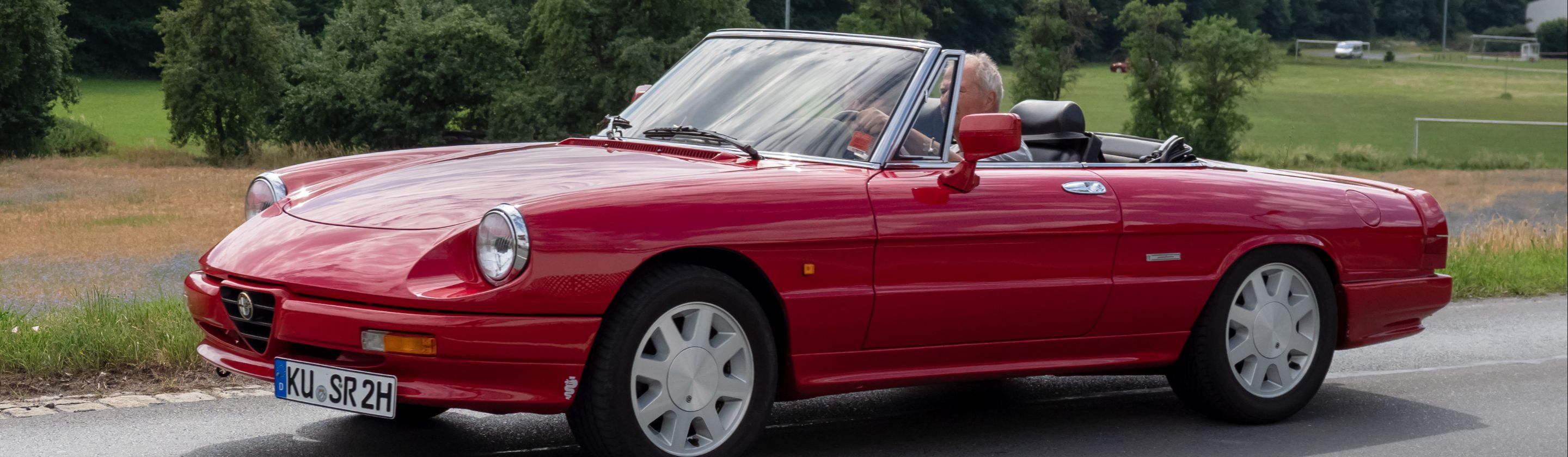
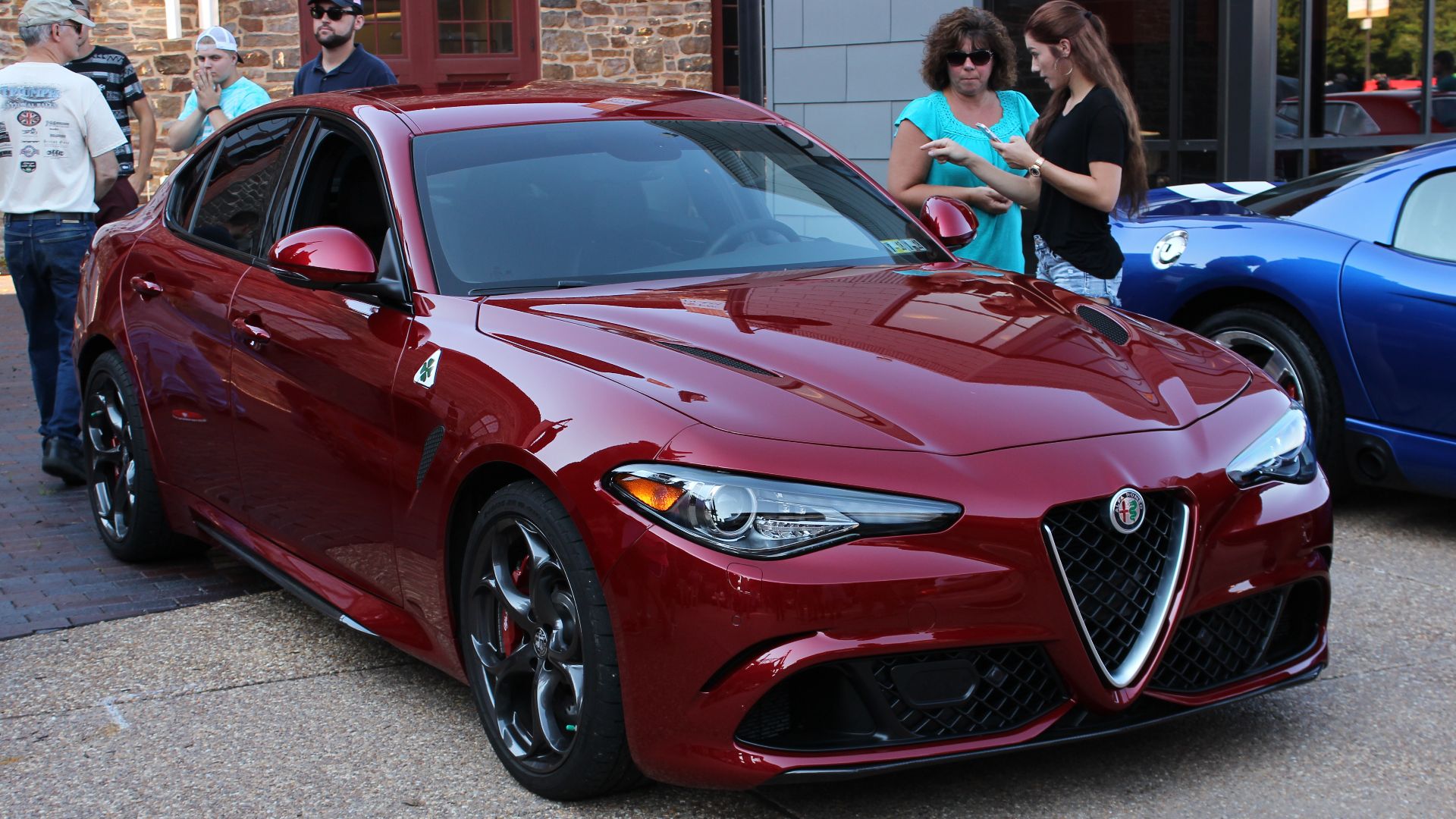
15. Alfa Romeo Giulia
Alfa Romeo’s comeback story began here. The Giulia combined rear-wheel drive with steering that enthusiasts couldn’t stop praising. This restored credibility to the brand and drew fresh attention from drivers who had written it off.
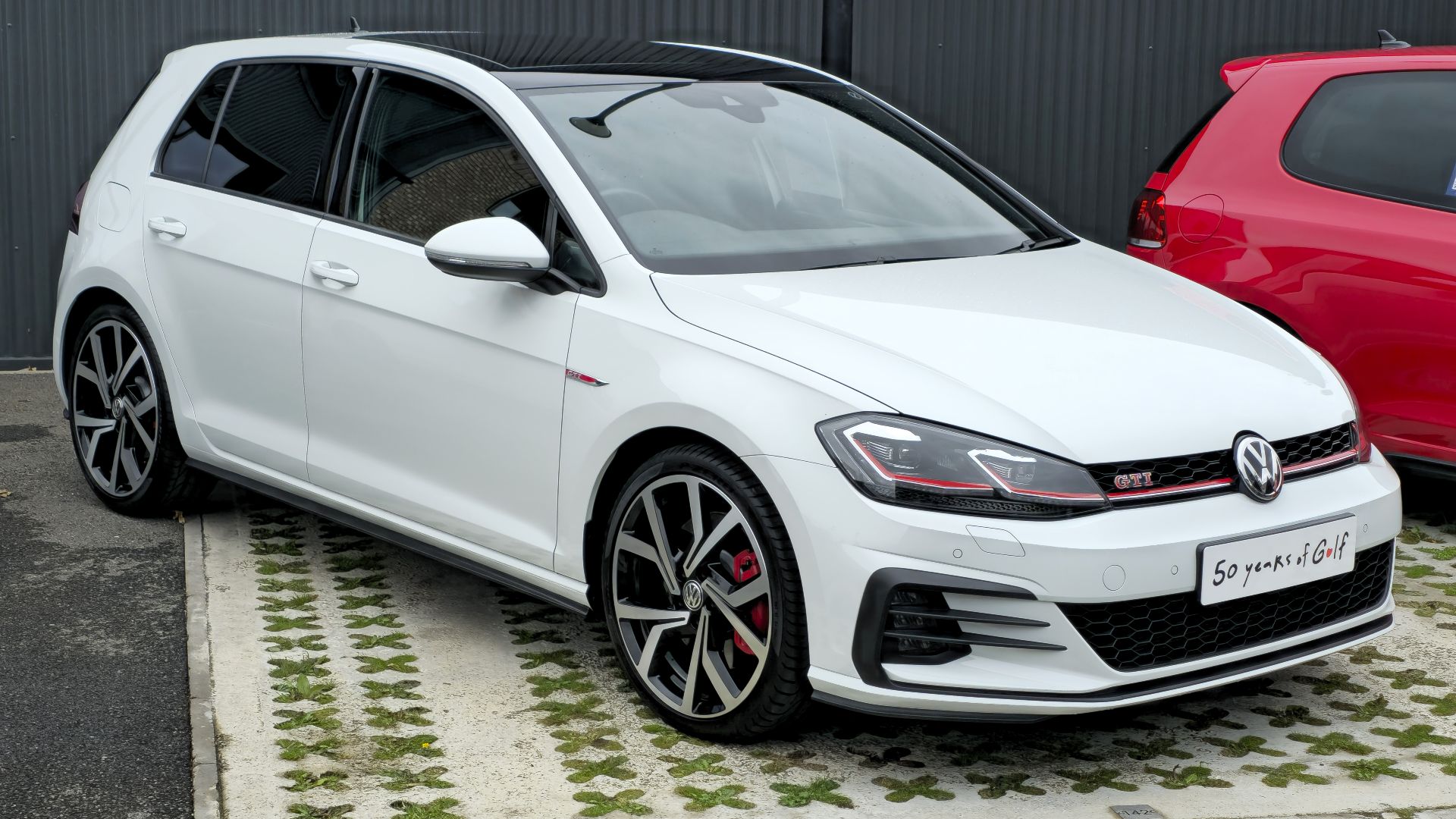
16. Volkswagen Golf GTI Mk7
This car struck a sweet spot with the Mk7 GTI. Practical enough for daily life, quick enough to entertain, and finished with an unusually high-quality cabin, it continued to define what a well-rounded hot hatch should be.
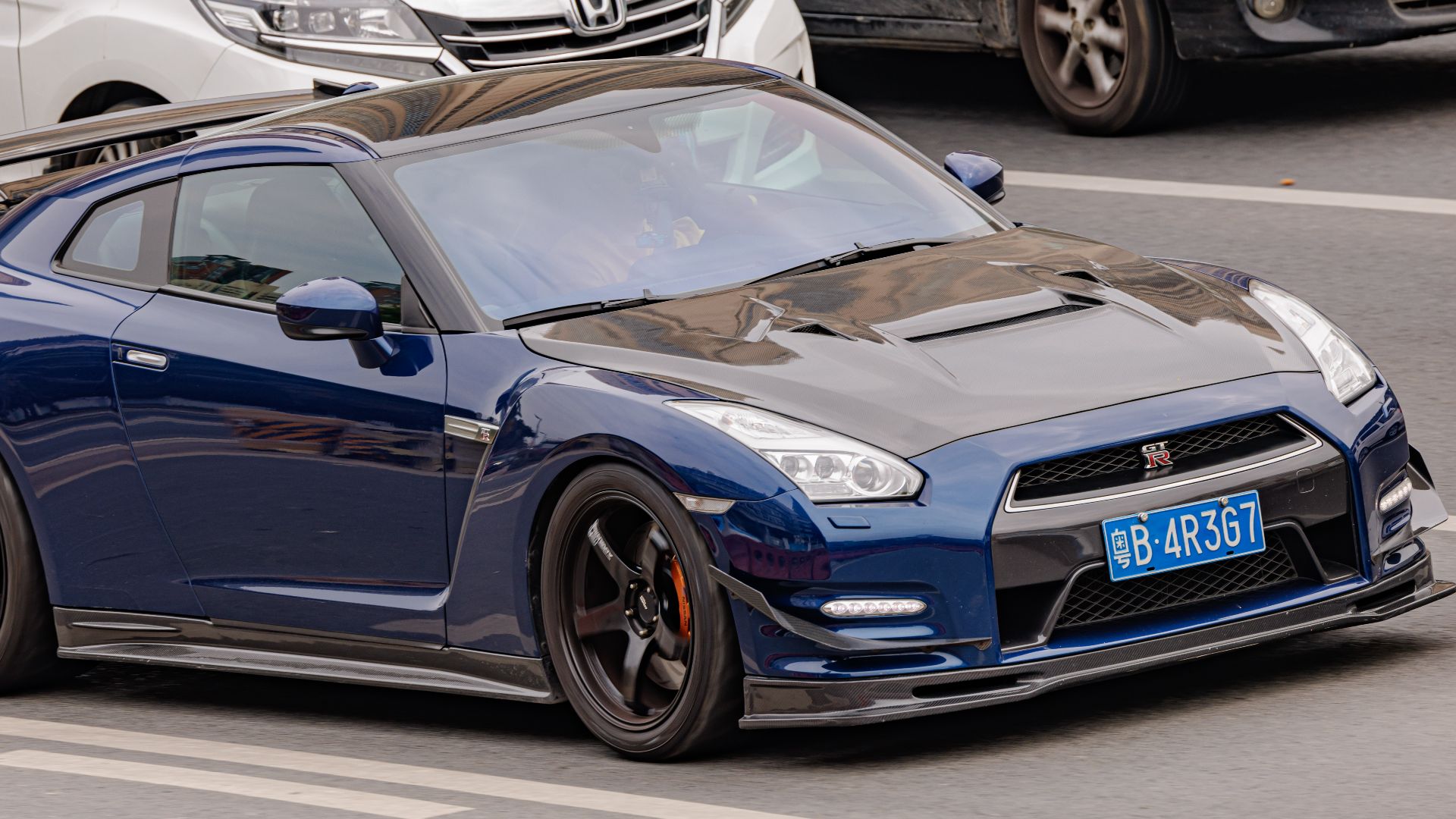
17. Nissan GT-R R35
The GT-R proved updates mattered more than redesigns. Heavy reliance on electronics and a brutally effective all-wheel-drive system ensured consistent speed. Its aging platform remained dominant and lived up to the legendary nickname of Godzilla.
18. Chevrolet Corvette Stingray C7
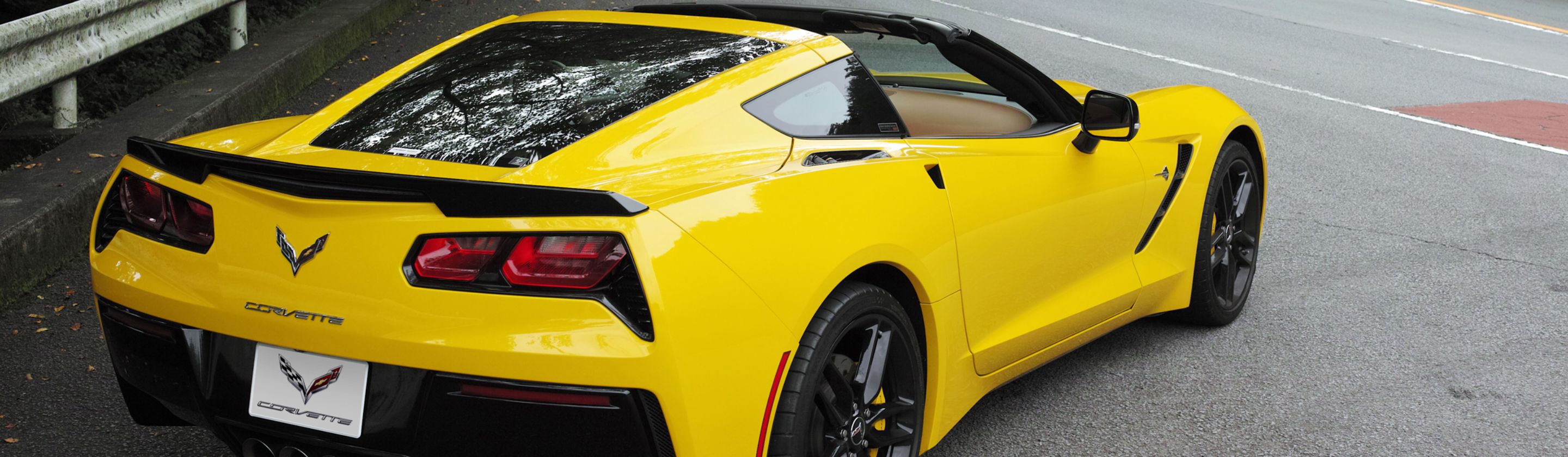
With the C7, Corvette reclaimed the Stingray badge and raised its game. Supercar-level performance came without supercar pricing, while a noticeably improved interior made it feel complete to redefine what enthusiasts could expect for the money.
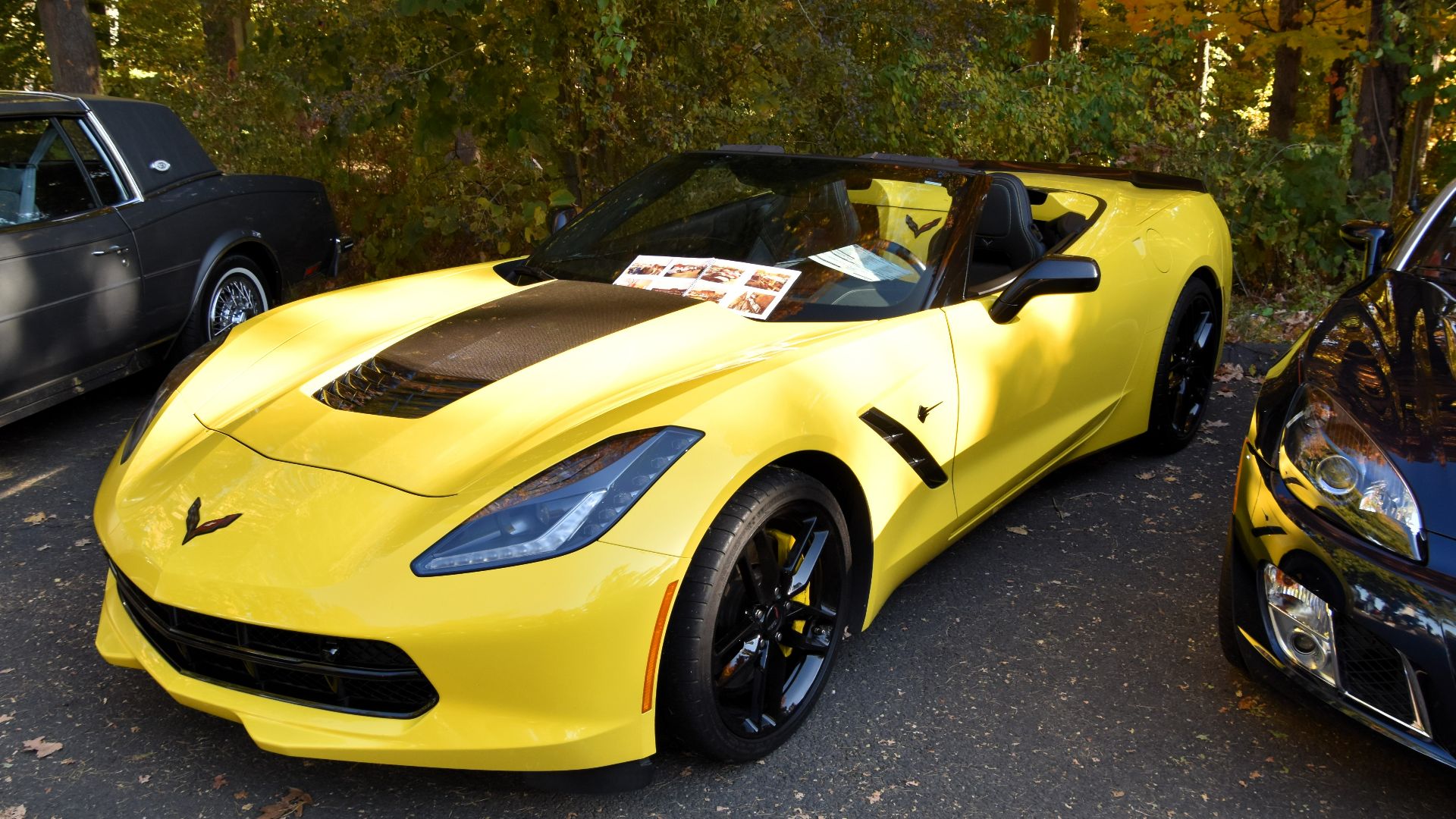 Charles from Port Chester, New York on Wikimedia
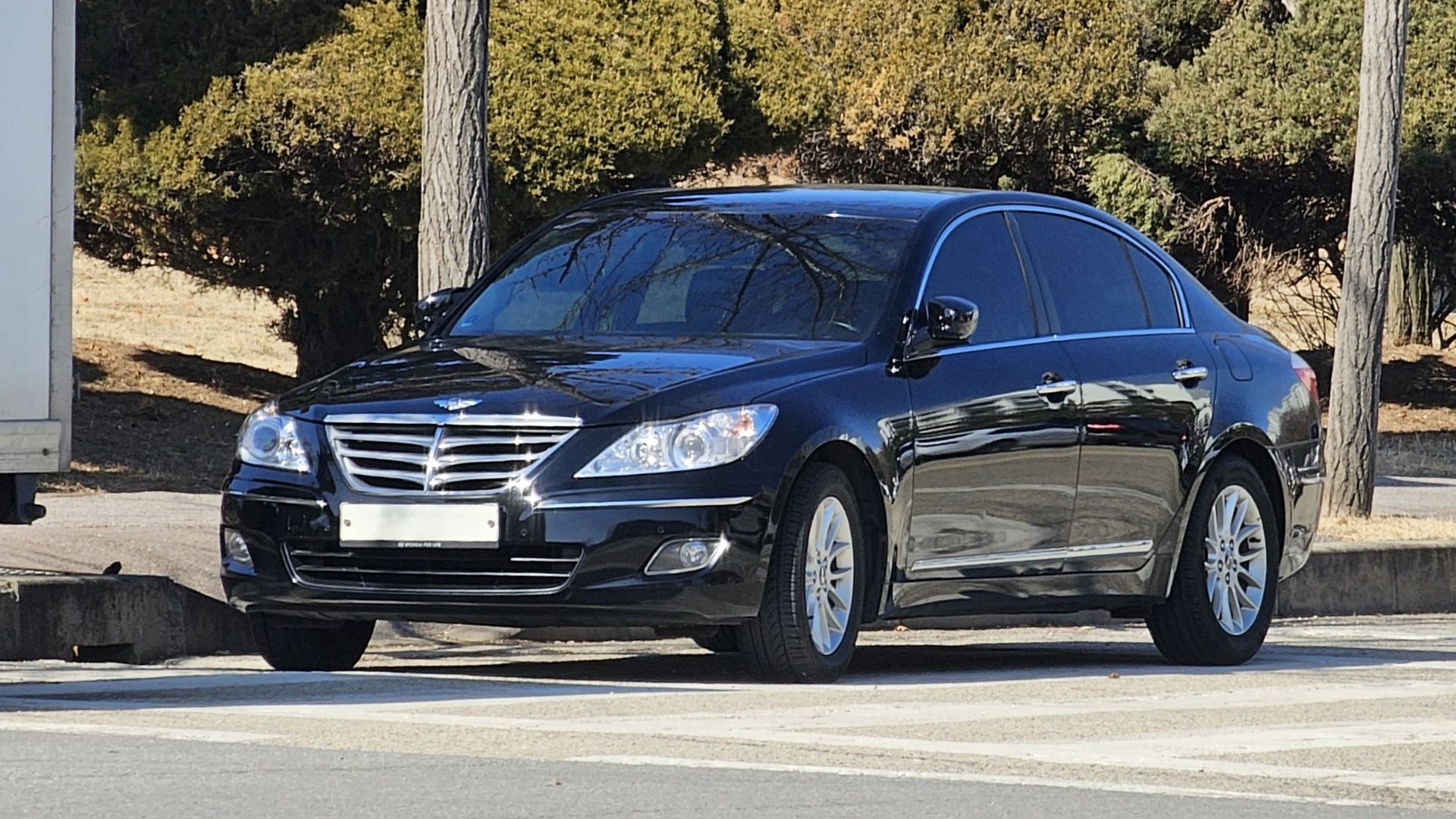
19. Hyundai Genesis Sedan
Luxury was the entire mission of the Genesis Sedan. It offered a 3.8‑liter V6 with 311 hp or a 5.0‑liter V8 with 420 hp, paired to an 8‑speed automatic. Rear‑wheel or all‑wheel drive, refined interior, and advanced safety tech positioned Hyundai as a serious luxury contender.
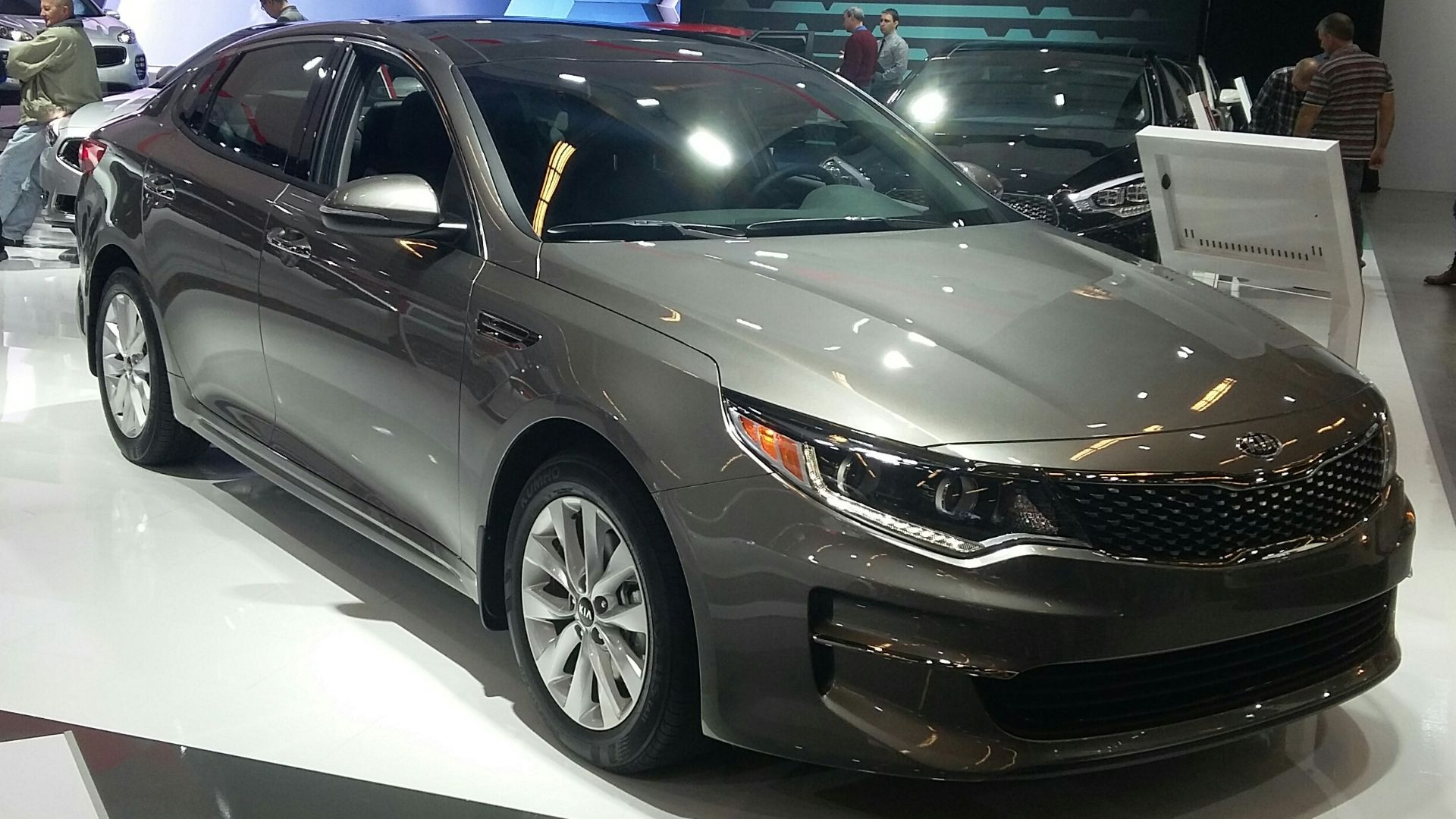
20. Kia Optima
The 2016 Optima marked a clear turning point for Kia. With multiple engine choices, upgraded safety features, and refined technology, it proved Kia could compete directly with established midsize rivals while still offering affordability.