Hollywood's Speed Legend
Batman's ride has always stolen the show. That sleek, powerful machine racing through Gotham is practically a character itself! The Batmobile has transformed more times than Bruce Wayne's cover story, evolving through decades of comics, television, and blockbuster films. Some versions were bright red hotrods, others looked like military tanks ready for war. Here's the real story behind the Dark Knight's most famous weapon.
1. Red Origins
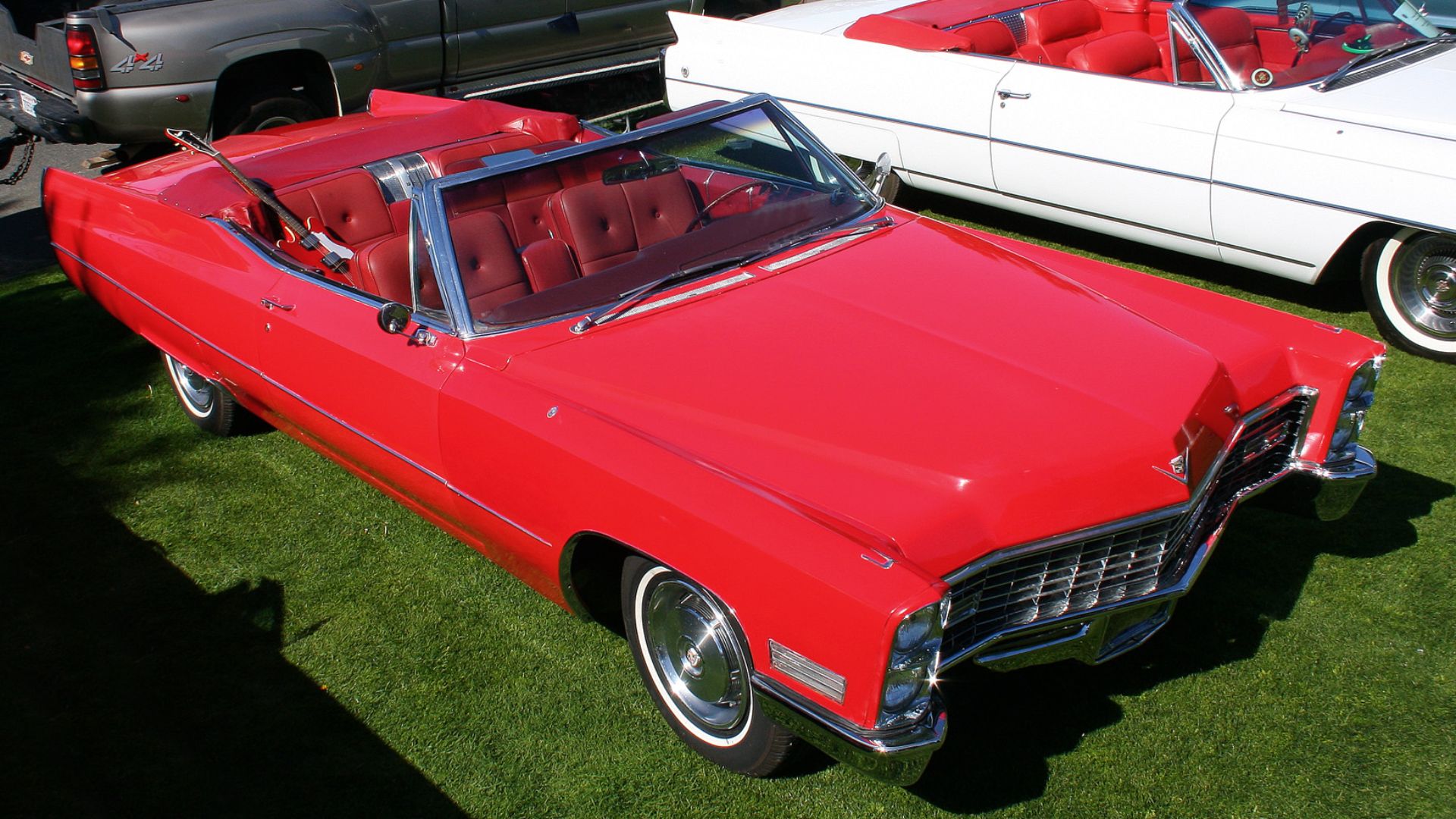
The first vehicle, officially called the Batmobile, appeared in Detective Comics #48 in 1941. It was a bright red convertible. Earlier Batman stories showed him driving ordinary red cars, but this issue marked the first use of the name “Batmobile.”
2. Lincoln Futura
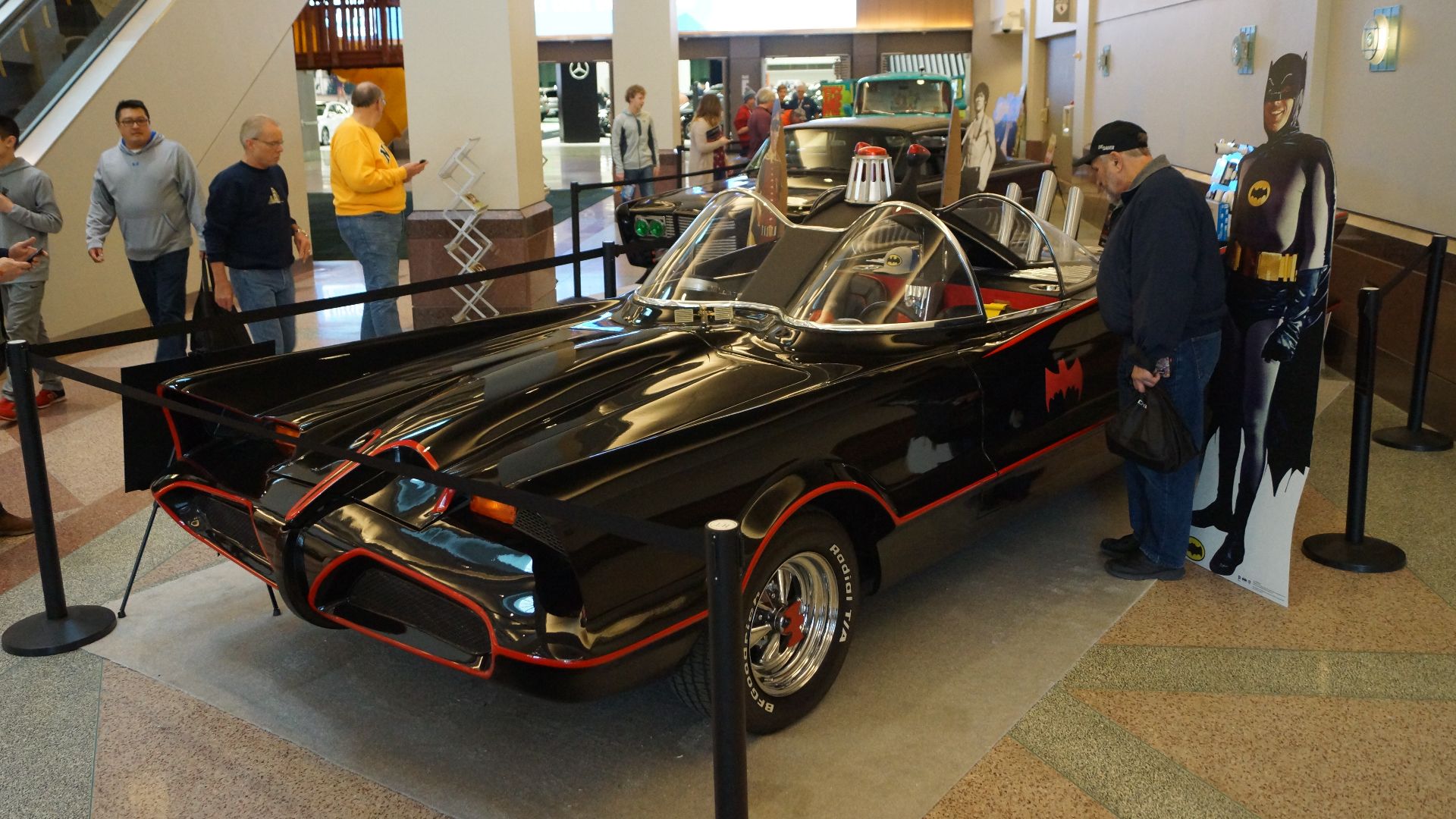
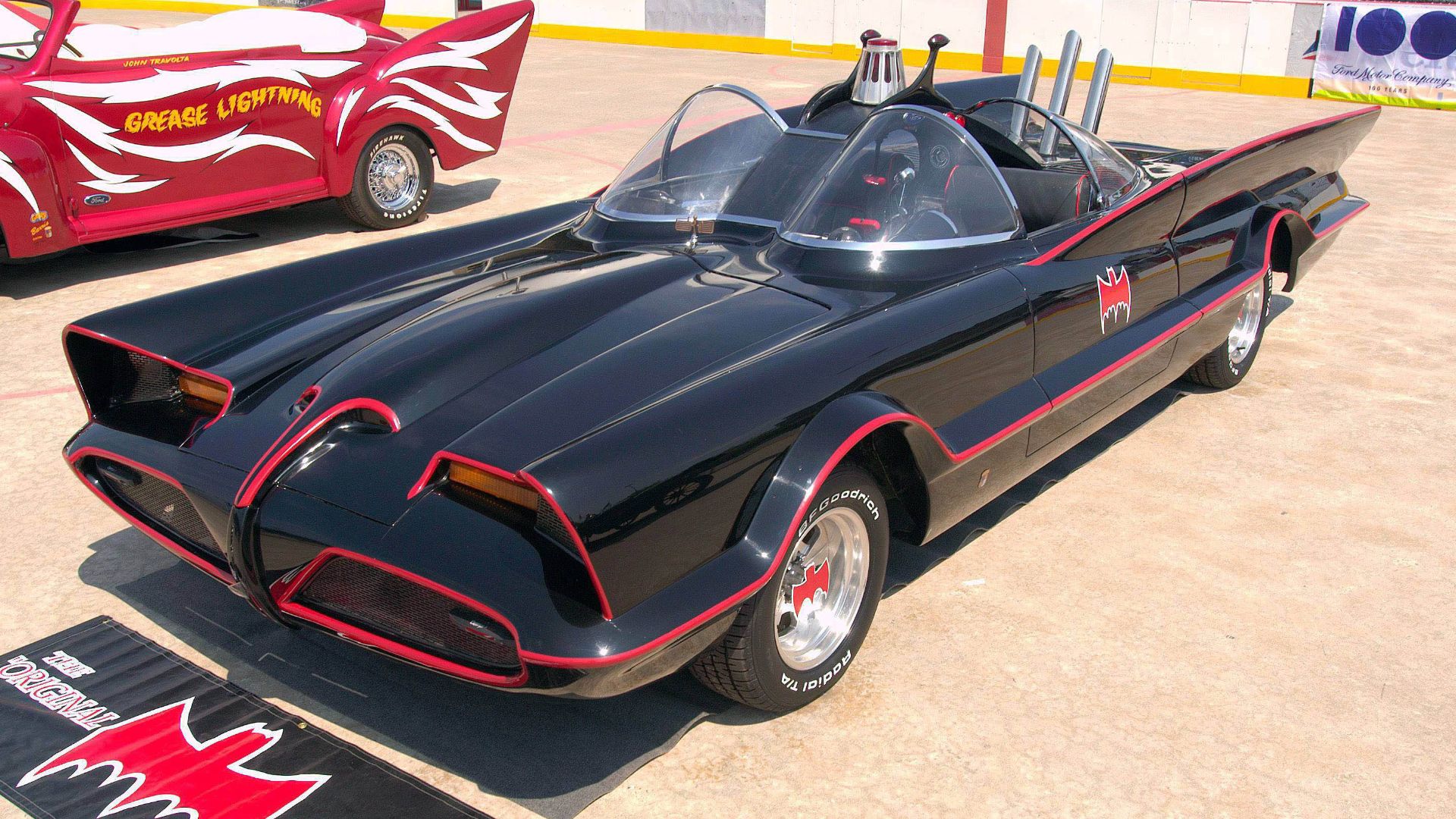
Ford's 1955 Lincoln Futura concept car was a one-of-a-kind automotive masterpiece built entirely by Ghia Body Works in Turin, Italy, and it would eventually become television's most famous vehicle. Designer Bill Schmidt drew inspiration from manta rays and mako sharks he'd seen.
 Greg Gjerdingen from Willmar, USA on Wikimedia
3. 15-Day Build
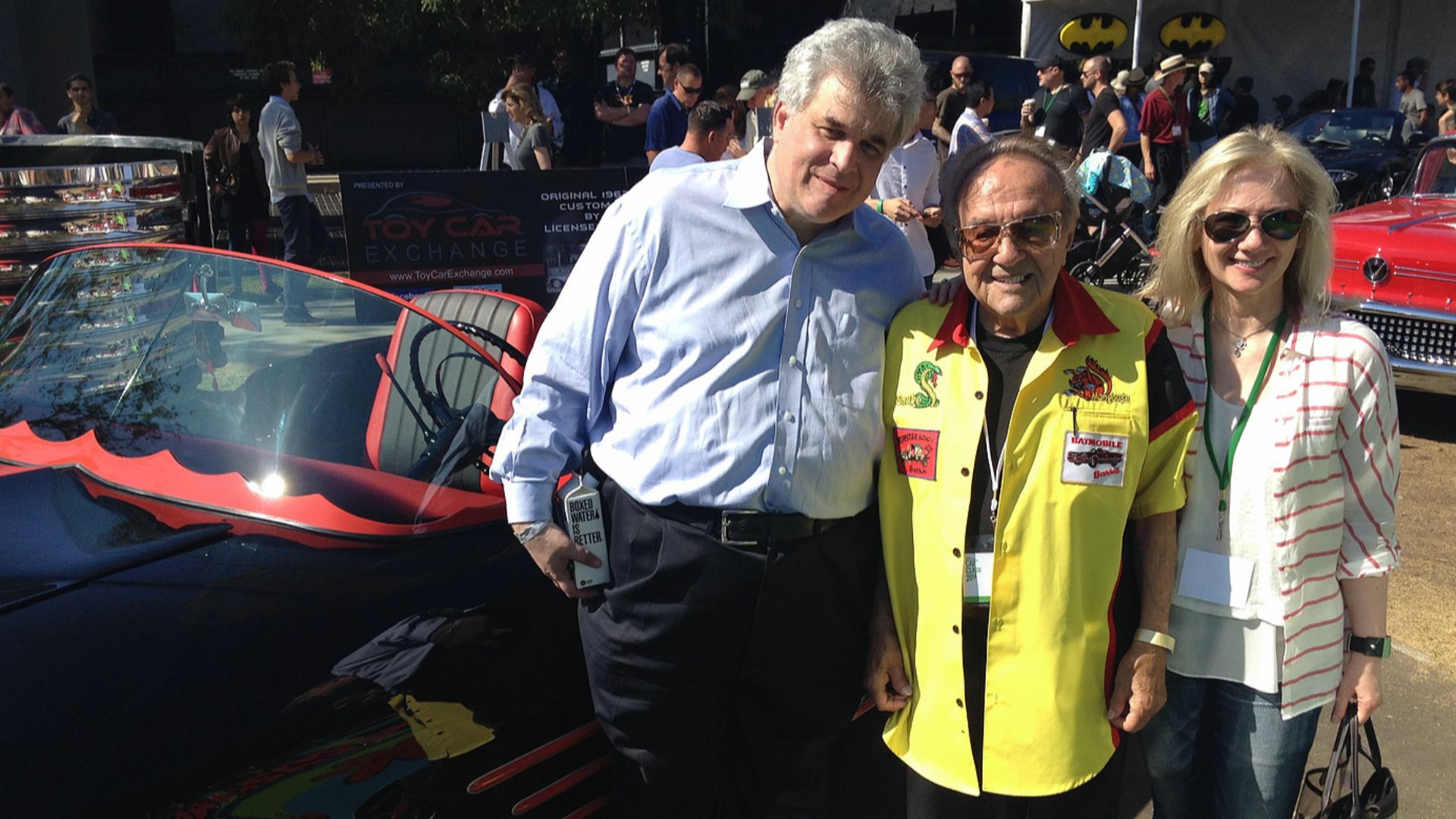
George Barris faced an almost impossible deadline when ABC Television contacted him in late 1965 about creating a Batmobile for their upcoming Batman series. The network gave him just fifteen days and a budget of only $15,000 to deliver a fully functional, camera-ready vehicle.
4. $4.6 Million
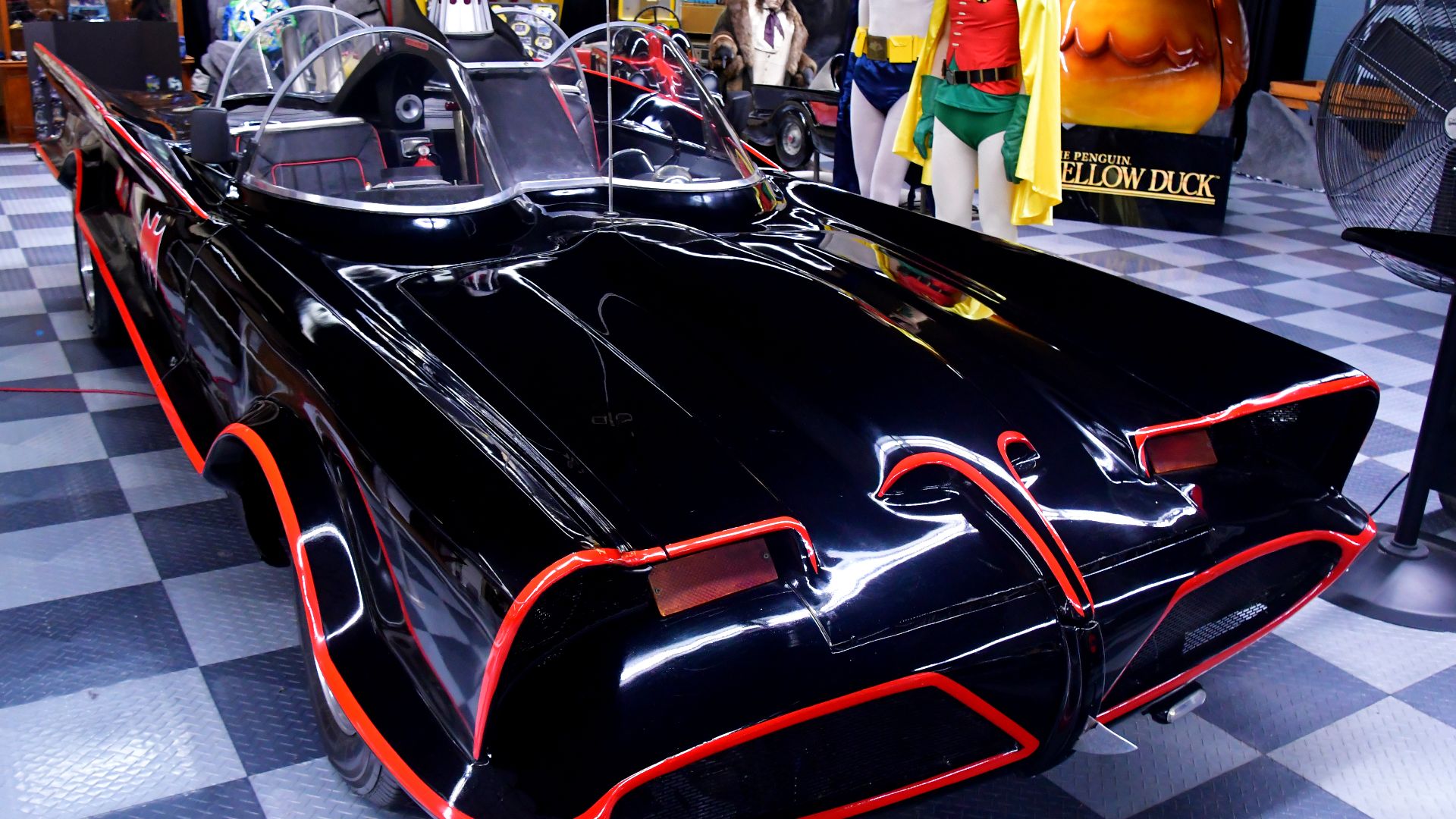
On January 19, 2013, Barrett-Jackson's Scottsdale auction house exploded with excitement when the original 1966 Batmobile crossed the block for $4.62 million. Rick Champagne, a Phoenix-area businessman and lifelong Batman fan, won the intense bidding war after attending Barrett-Jackson auctions.
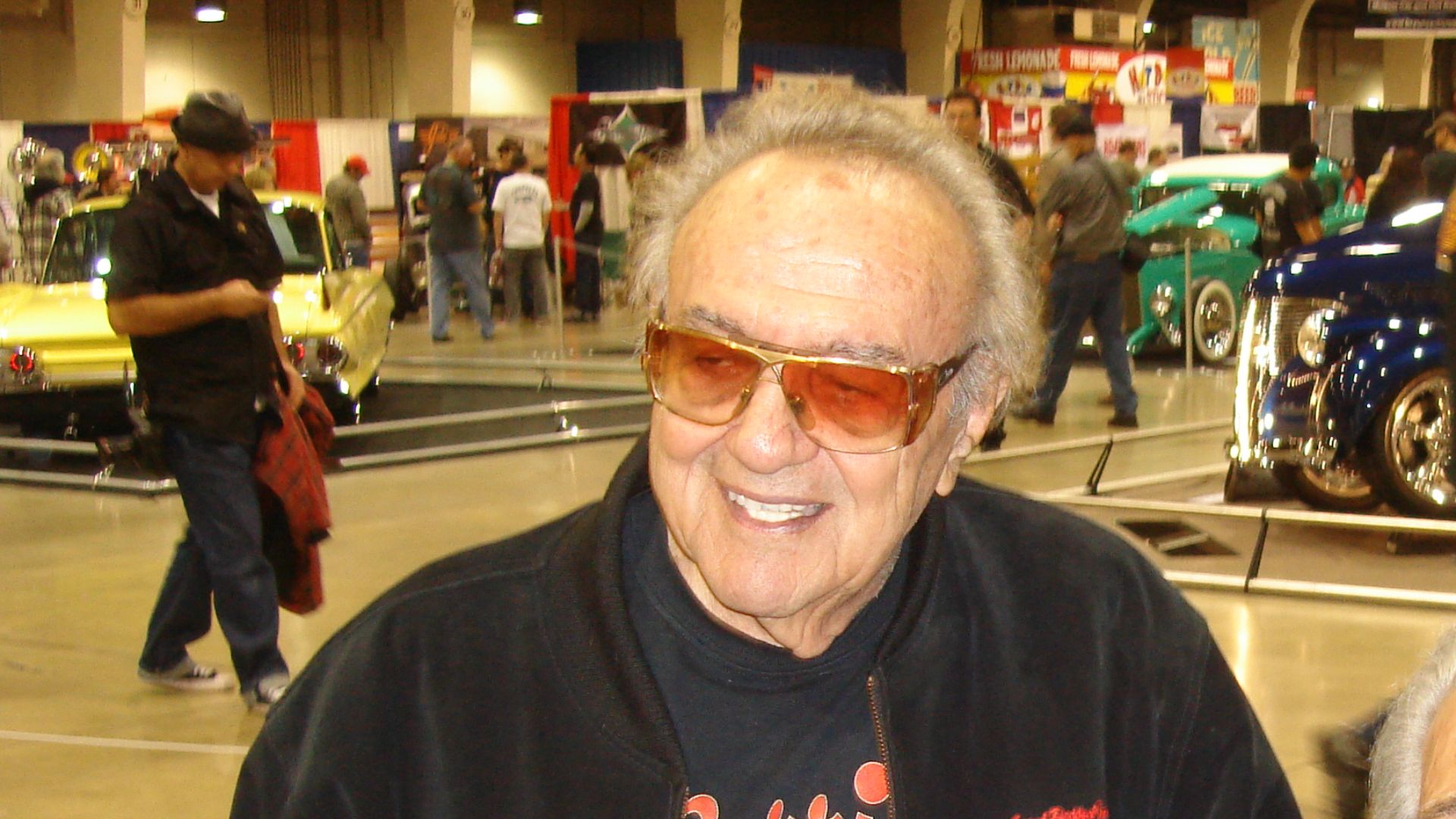
5. George Barris
Hollywood's "King of Kustomizers" built his legendary reputation crafting iconic vehicles for television and film throughout the 1960s and beyond. Born George Salapatas in Chicago in 1925, Barris moved to California and started customizing cars, eventually establishing Barris Kustom Industries in LA.
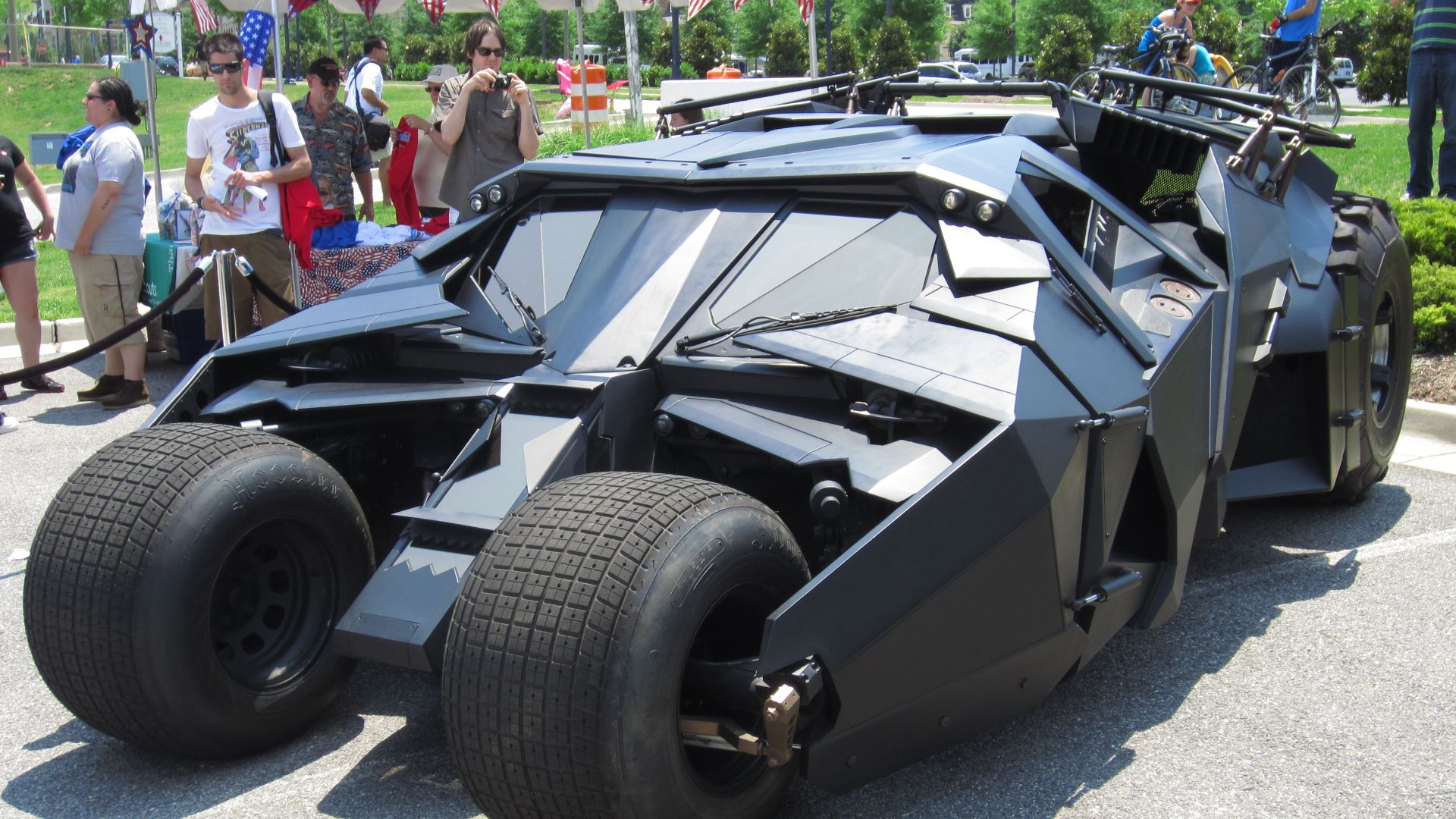
6. Tumbler Tank
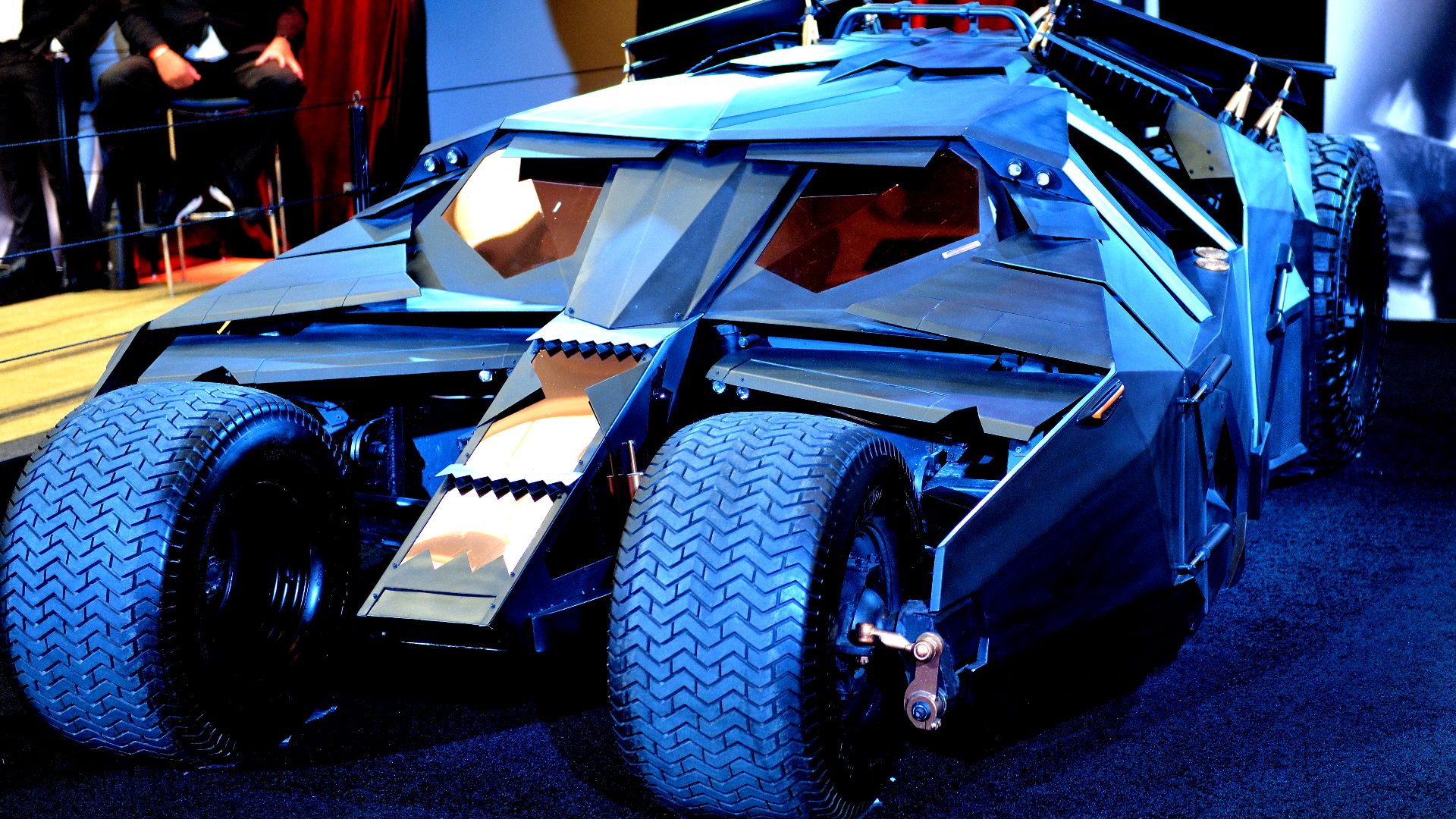
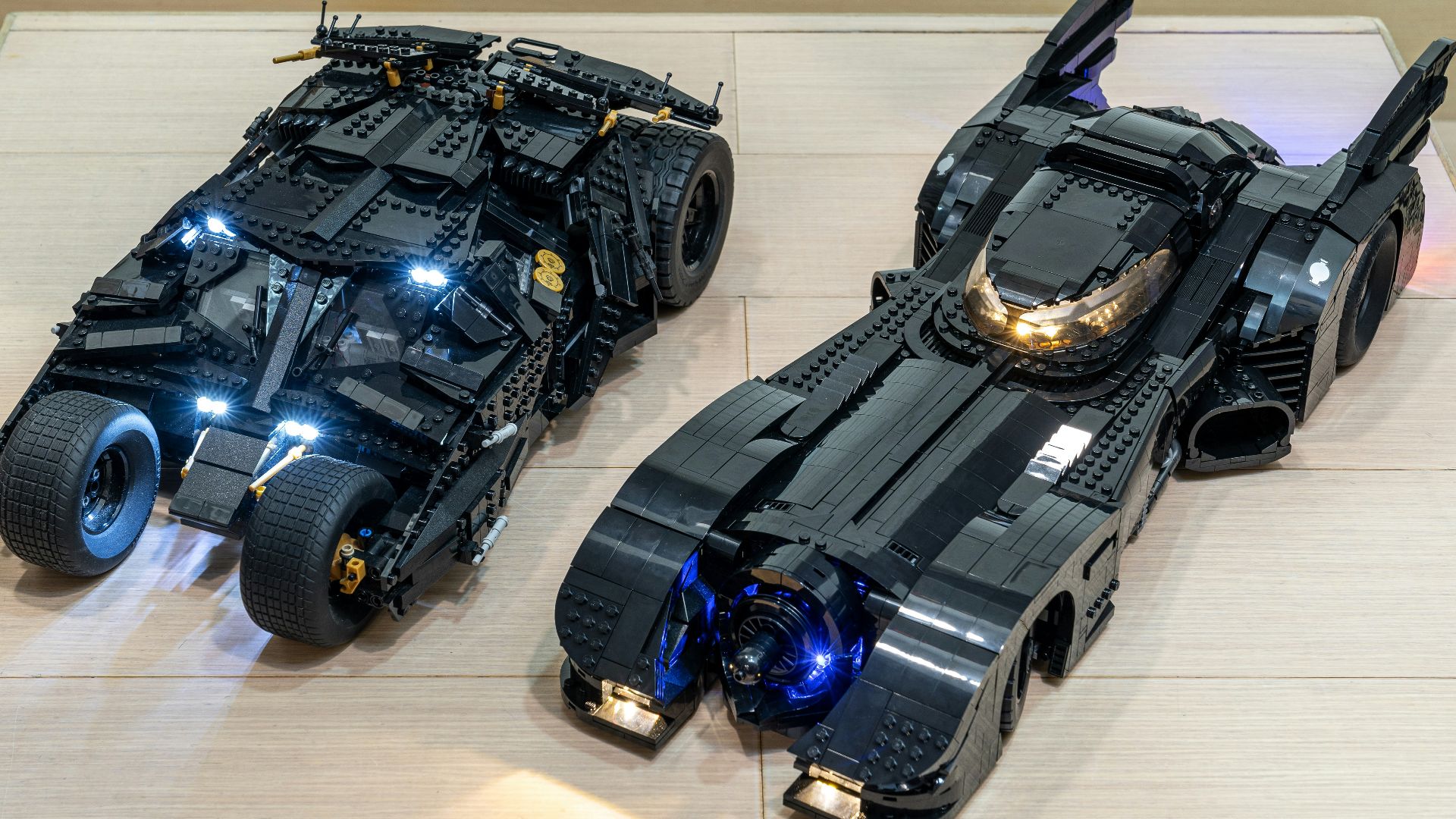
This is the product created from the result of production designer Nathan Crowley and Nolan spending weeks building mockups. The Tumbler was described as a cross between a Lamborghini and a Humvee, featuring massive rear wheels.
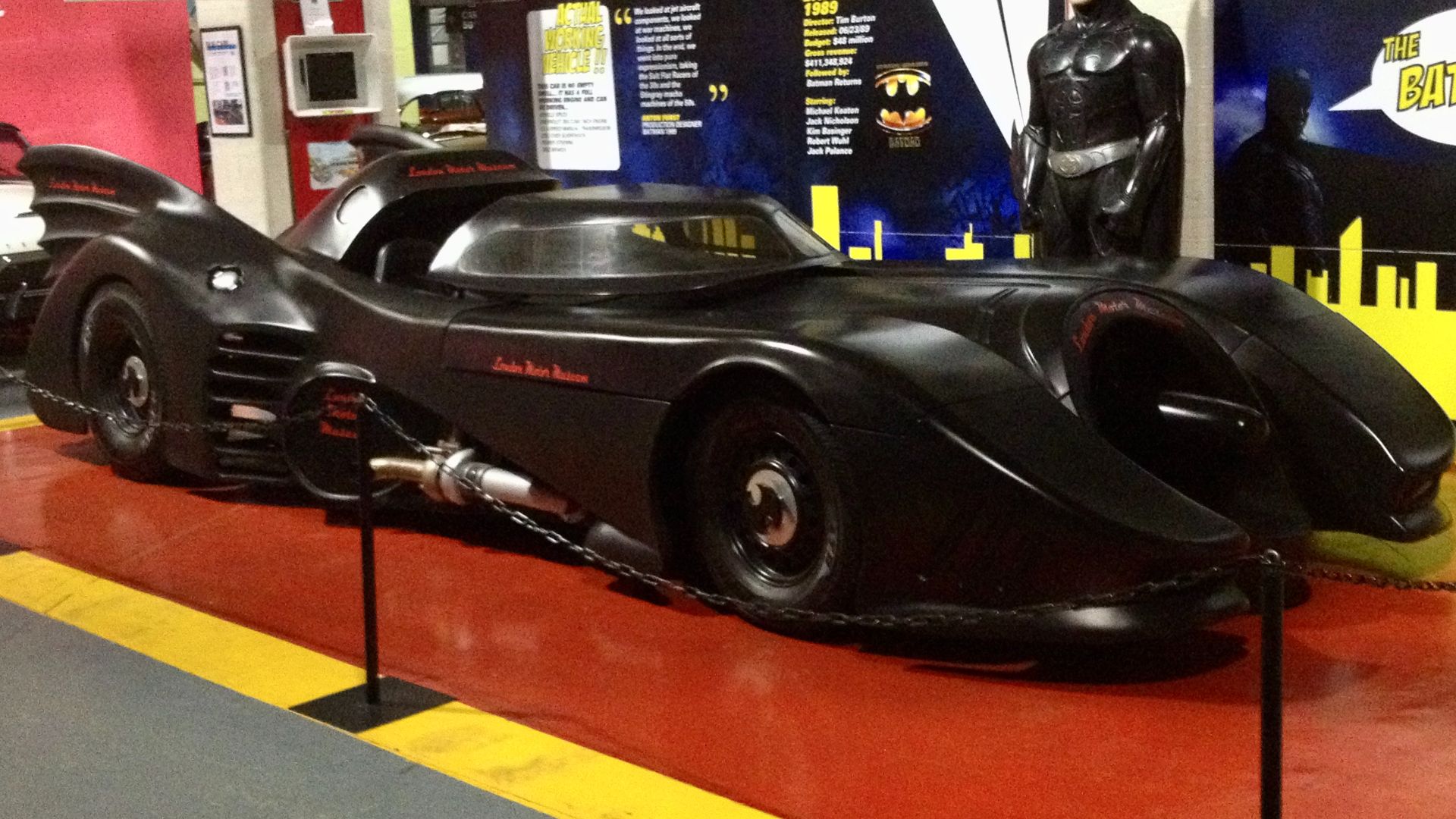
7. Burton's Design
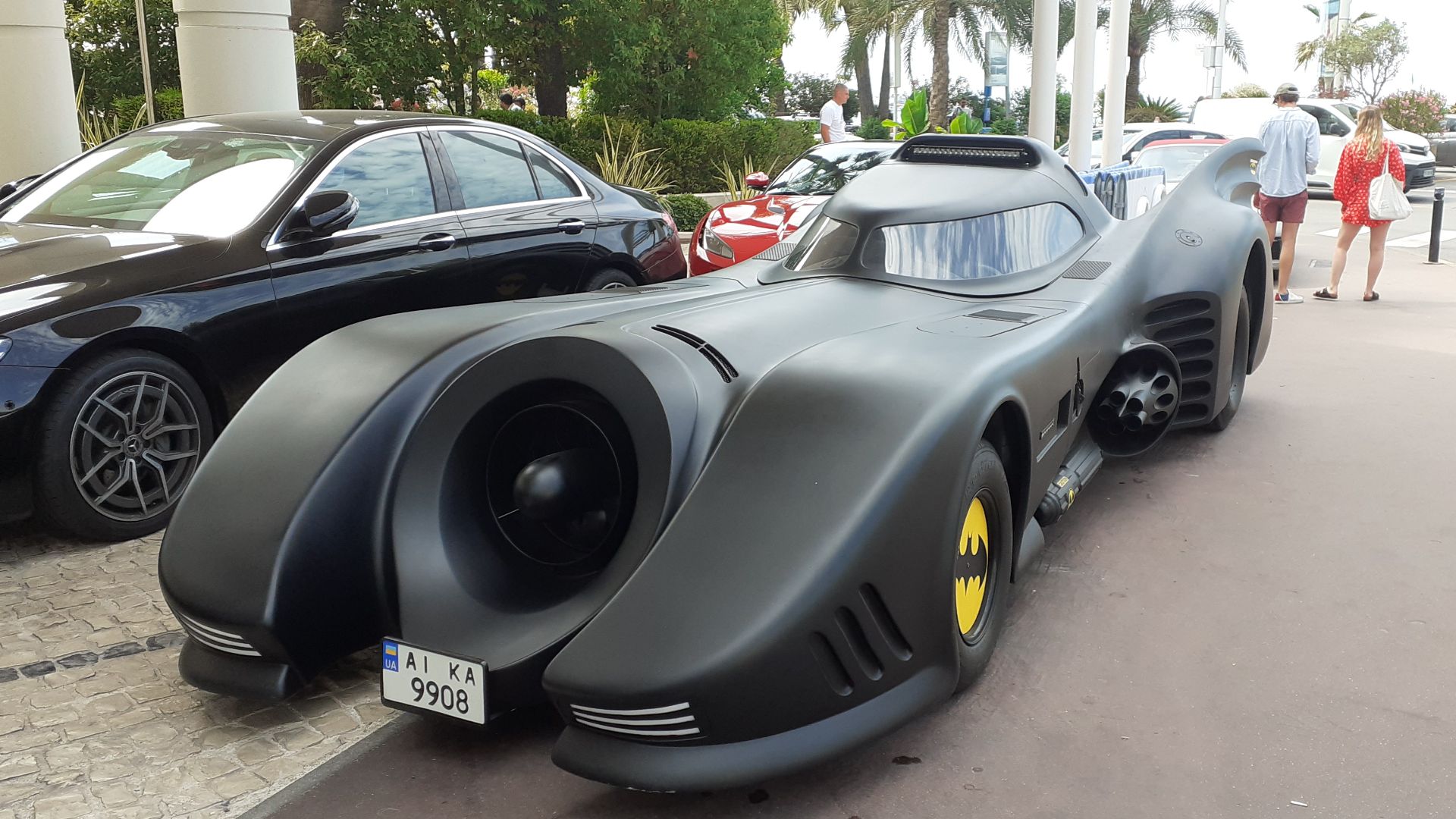
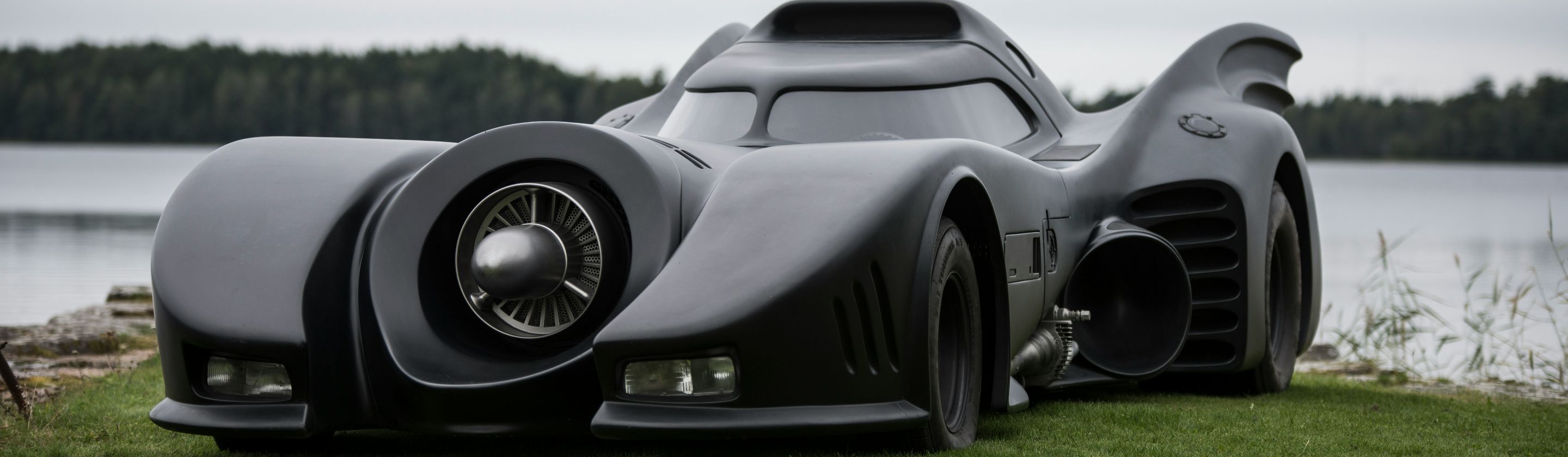
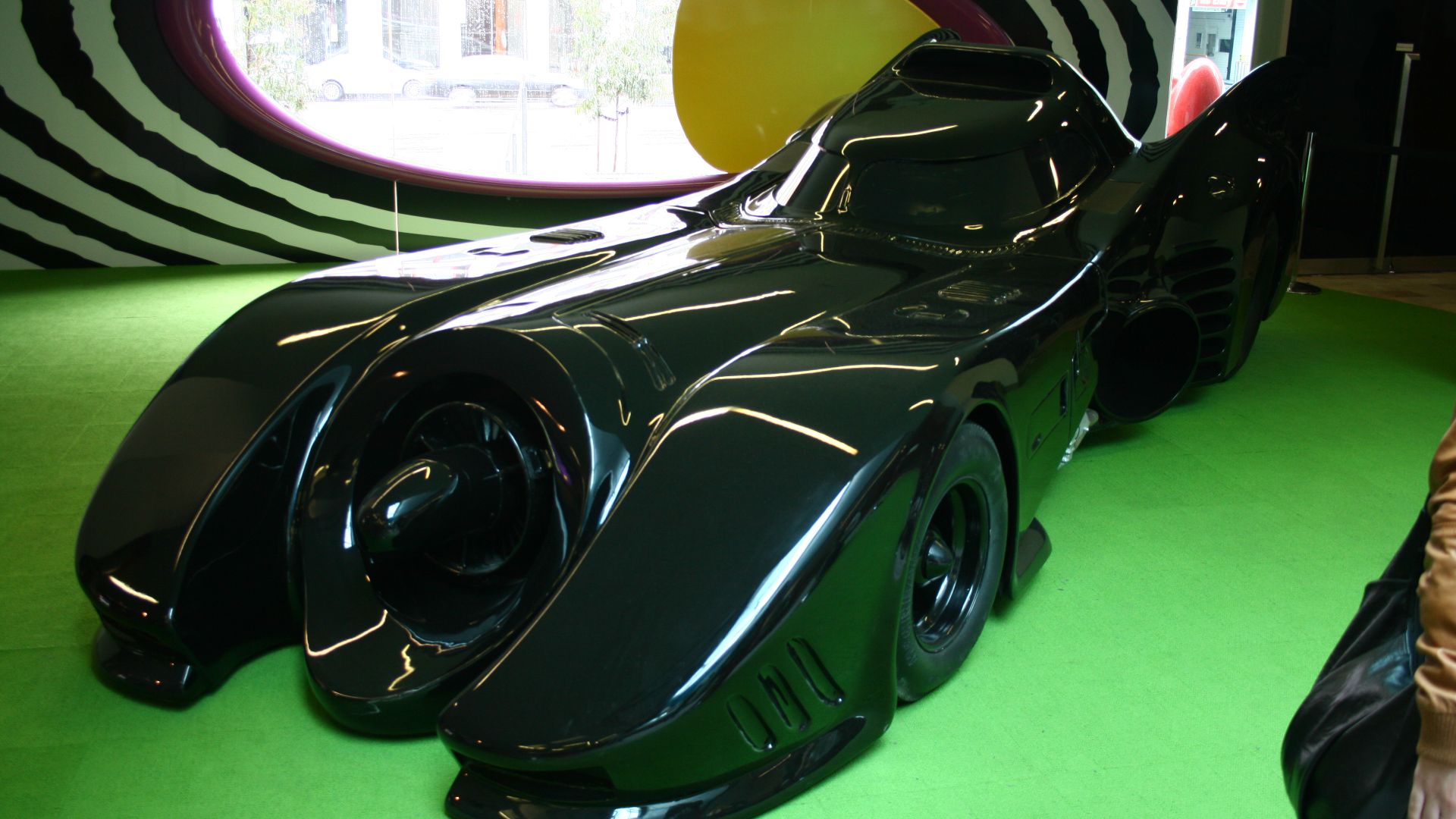
Tim Burton's 1989 Batman introduced what many consider the most visually stunning Batmobile ever created. Built on a dual Chevrolet Impala chassis and stretching nearly twenty feet long, this sleek black beast came with a Chevrolet V8 engine.
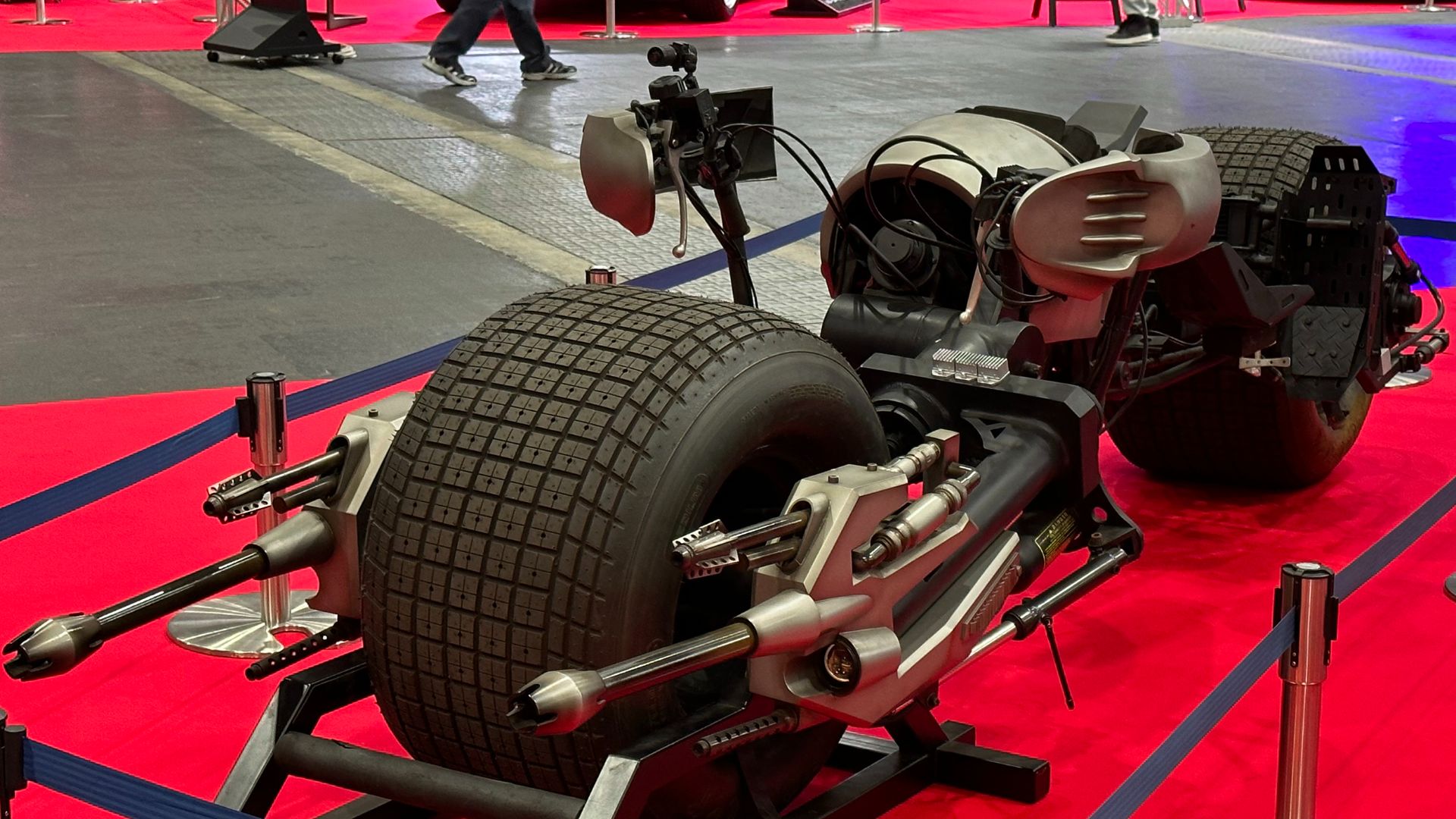
8. Batpod Ejects
The Dark Knight delivered a spectacular vehicle transformation when the Tumbler's front wheels violently separate to form the Batpod motorcycle. A Warner Bros. executive suggested this concept during early development sessions, possibly even during Batman Begins planning, and the team accepted the idea.
 Tokumeigakarinoaoshima on Wikimedia
9. Jet Propulsion
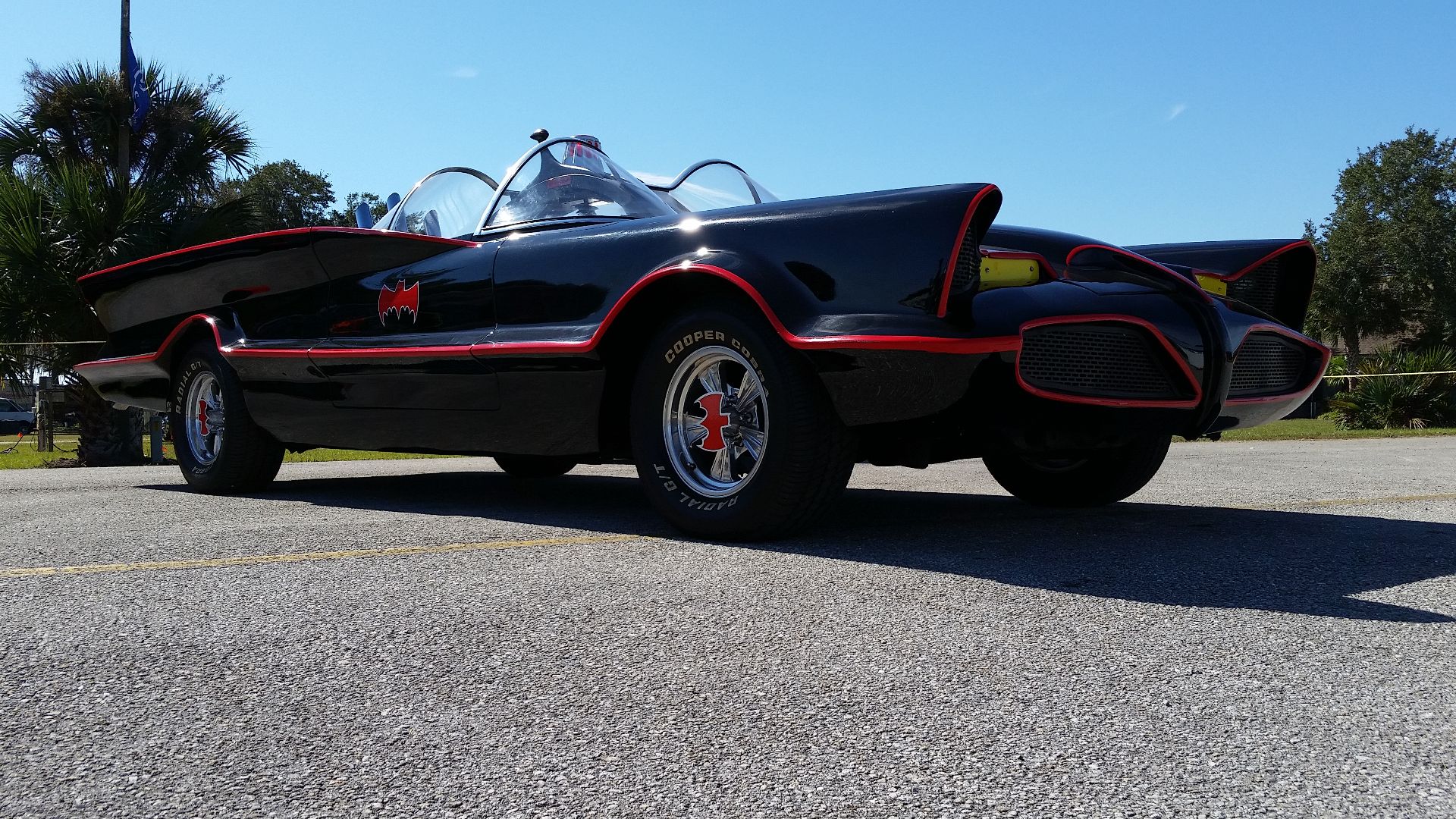
That 1966 Batmobile's afterburner wasn't just for show. It created real flames during filming, though the "jet engine" was actually fed by propane tanks mounted in the rear. George Barris equipped the original with a working parachute system.
10. Adam West
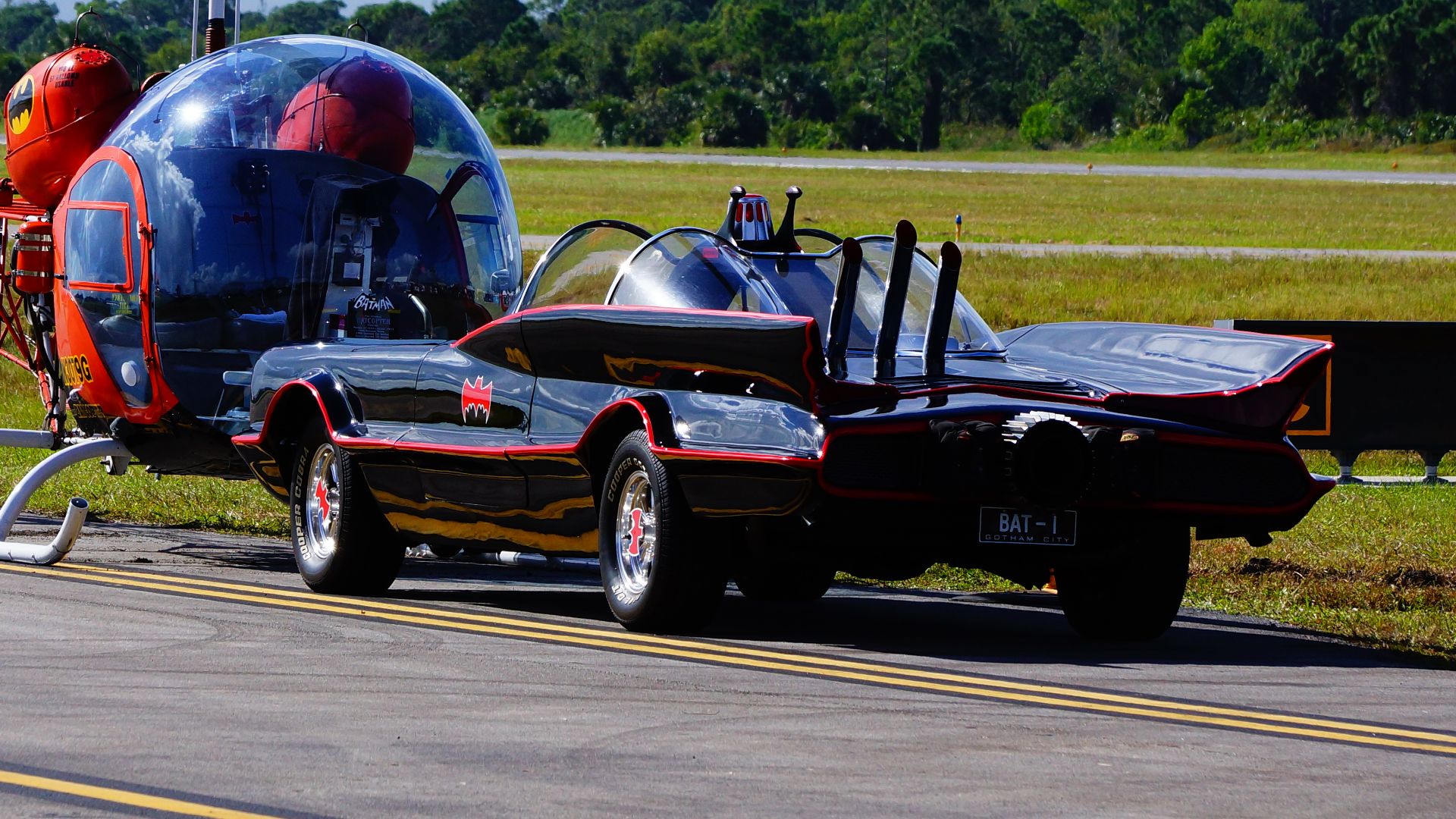
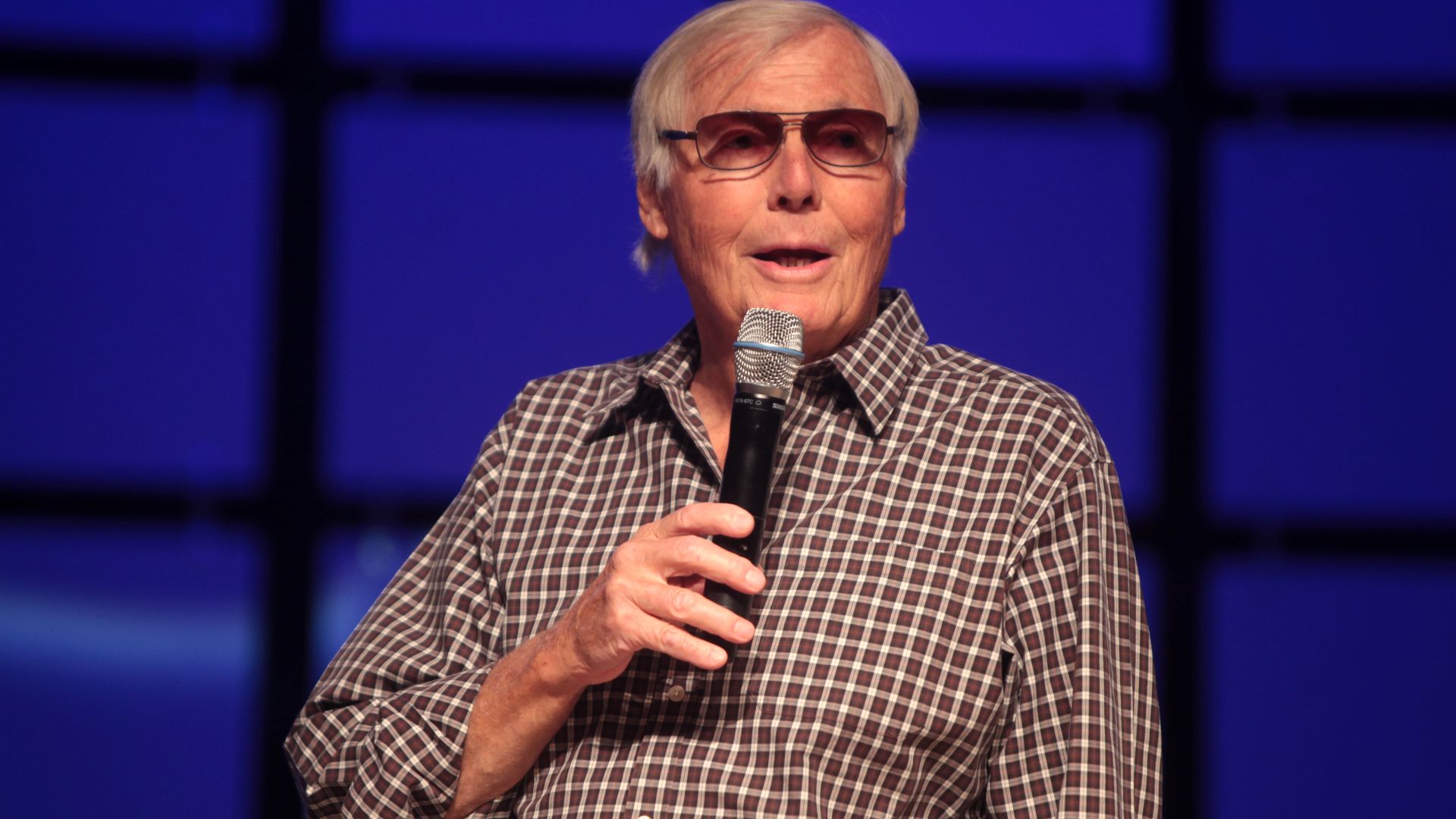
Adam West drove the most recognized Batmobile through 120 episodes across three seasons from 1966 to 1968. West and the Batmobile became so synonymous that he continued making appearances with various Batmobile replicas for years after the show ended.
 Gage Skidmore from Peoria, AZ, United States of America on Wikimedia
11. Street Legal
Here's something that sounds impossible but is absolutely true. The original 1966 Batmobile, built by George Barris, was fully street legal and registered for road use in California. This one had proper license plates, met safety requirements, and could legally cruise public highways.
12. Remote Controlled
Tim Burton's 1989 Batmobile pioneered technology that seemed like pure science fiction, featuring fully functional remote control operation that Batman actually used on-screen. The vehicle could be summoned, driven, and maneuvered from a distance using voice activation and wireless control systems.
 andrea castelli from Italy on Wikimedia
13. Chevrolet Engine
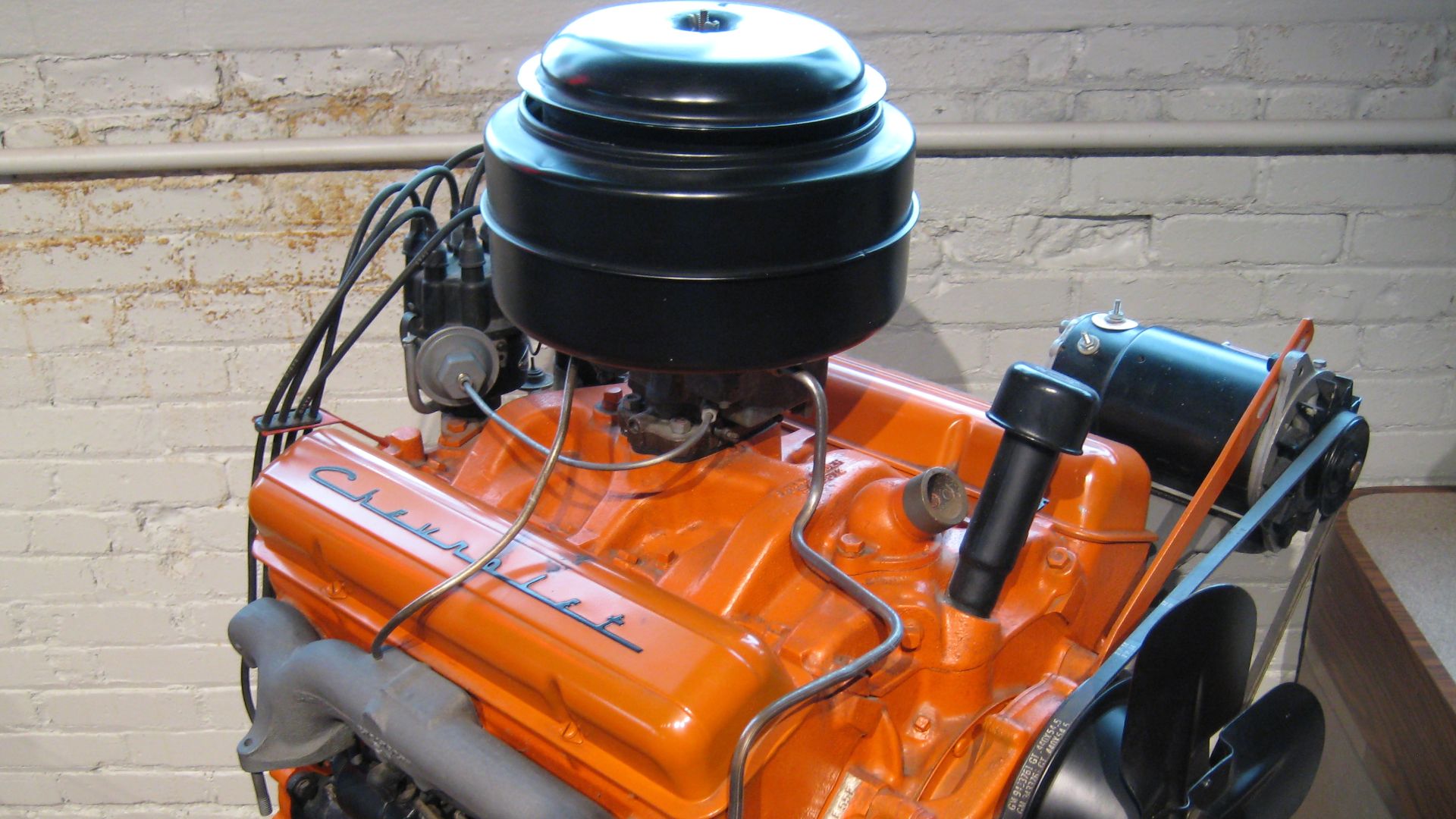
Under the hood of the 1989 Burton Batmobile roared a powerful Chevrolet V8 engine capable of launching the nearly two-ton vehicle from 0–60 mph in just 3.7 seconds. The production team built this beast on two Chevrolet Impala chassis welded together.
 JOHN LLOYD from Concrete, Washington, United States on Wikimedia
14. Frank Miller
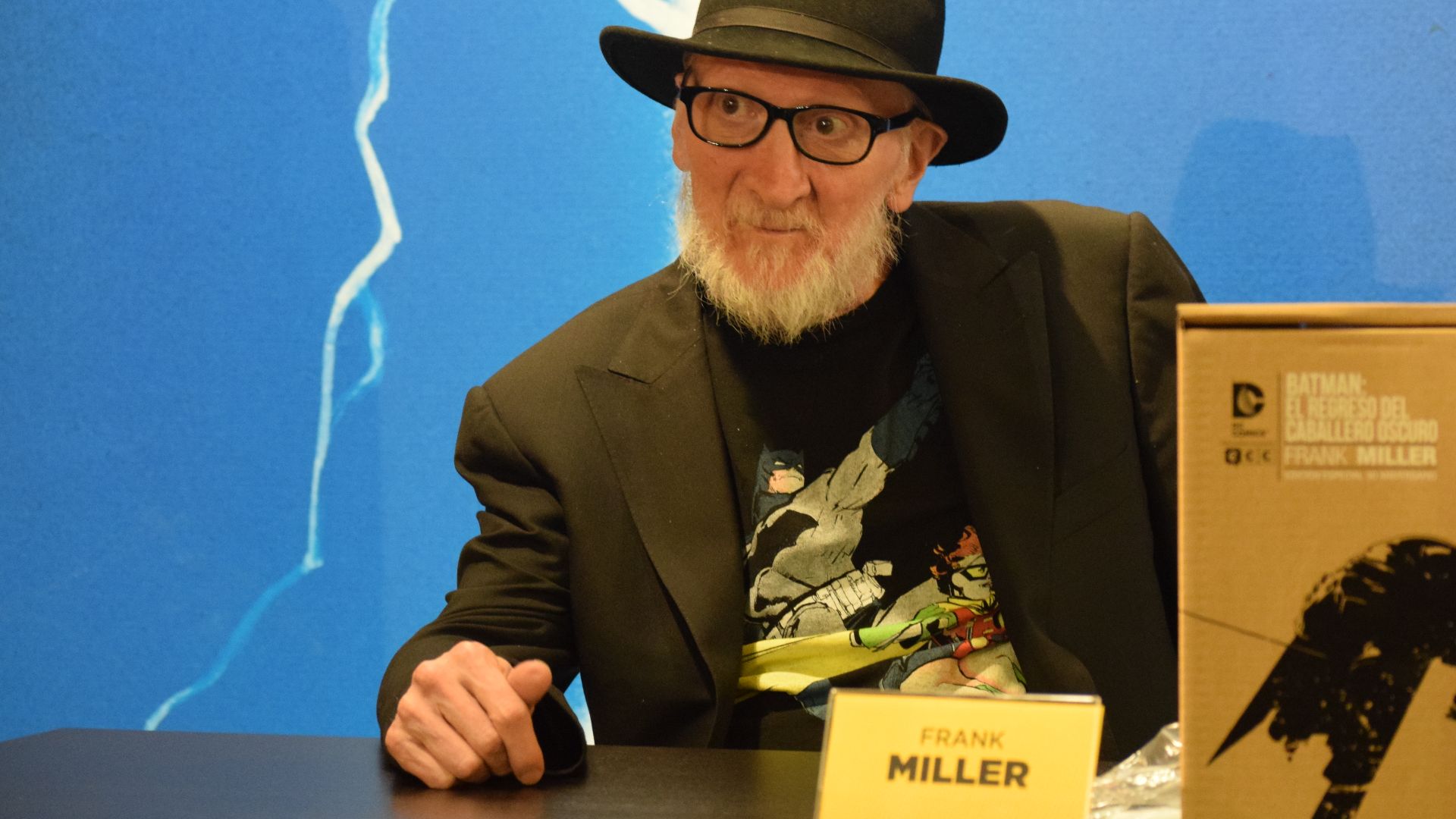
The 1986 graphic novel The Dark Knight Returns by Frank Miller revolutionized how people imagined the Batmobile, converting it from sleek transportation into an armored war machine. Miller's version looked like a black tank built specifically for urban warfare.
15. Model Kitbashing
Production designer Nathan Crowley spent a Friday afternoon shopping for various vehicle models, then joined Nolan in his garage for weeks of "kitbashing"—slicing up model kits and combining parts to build new designs. Nolan himself built a proof-of-concept model from Play-Doh.
16. Parachute Turn
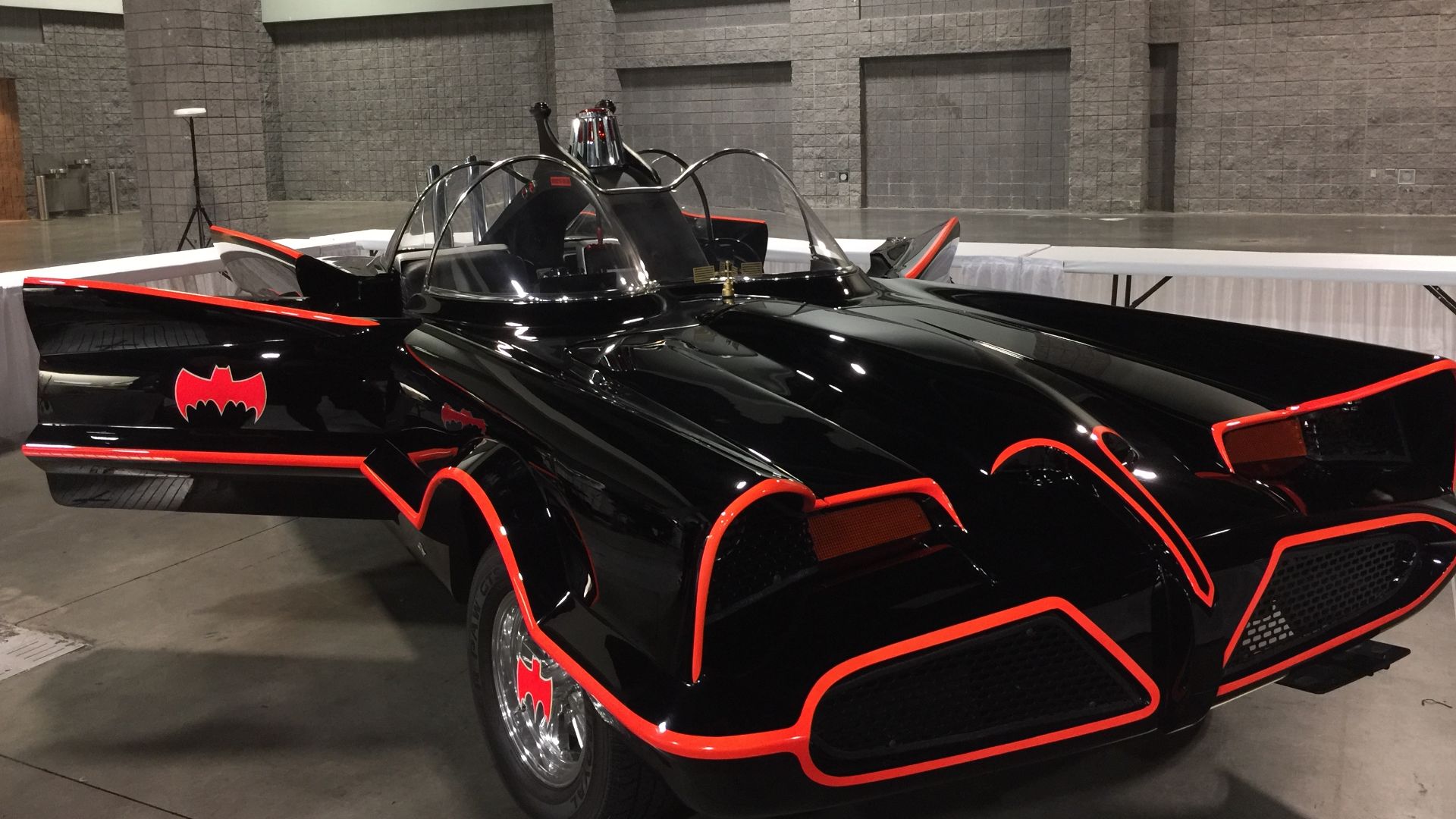
The 1966 Batmobile's most intriguing stunt capability came from two massive ten-foot Deist parachutes mounted in the rear that enabled the famous "Bat-turn" maneuver. Batman would deploy these parachutes while spinning the wheel hard, creating enough drag to whip the 5,500-pound vehicle.
17. Several Versions
George Barris didn't build just one Batmobile for the 1966 series—he built a total of four vehicles using the original as a template for fiberglass replicas. The number-one car, based on the actual Lincoln Futura, served as the primary filming vehicle.
18. Arcade Appearance
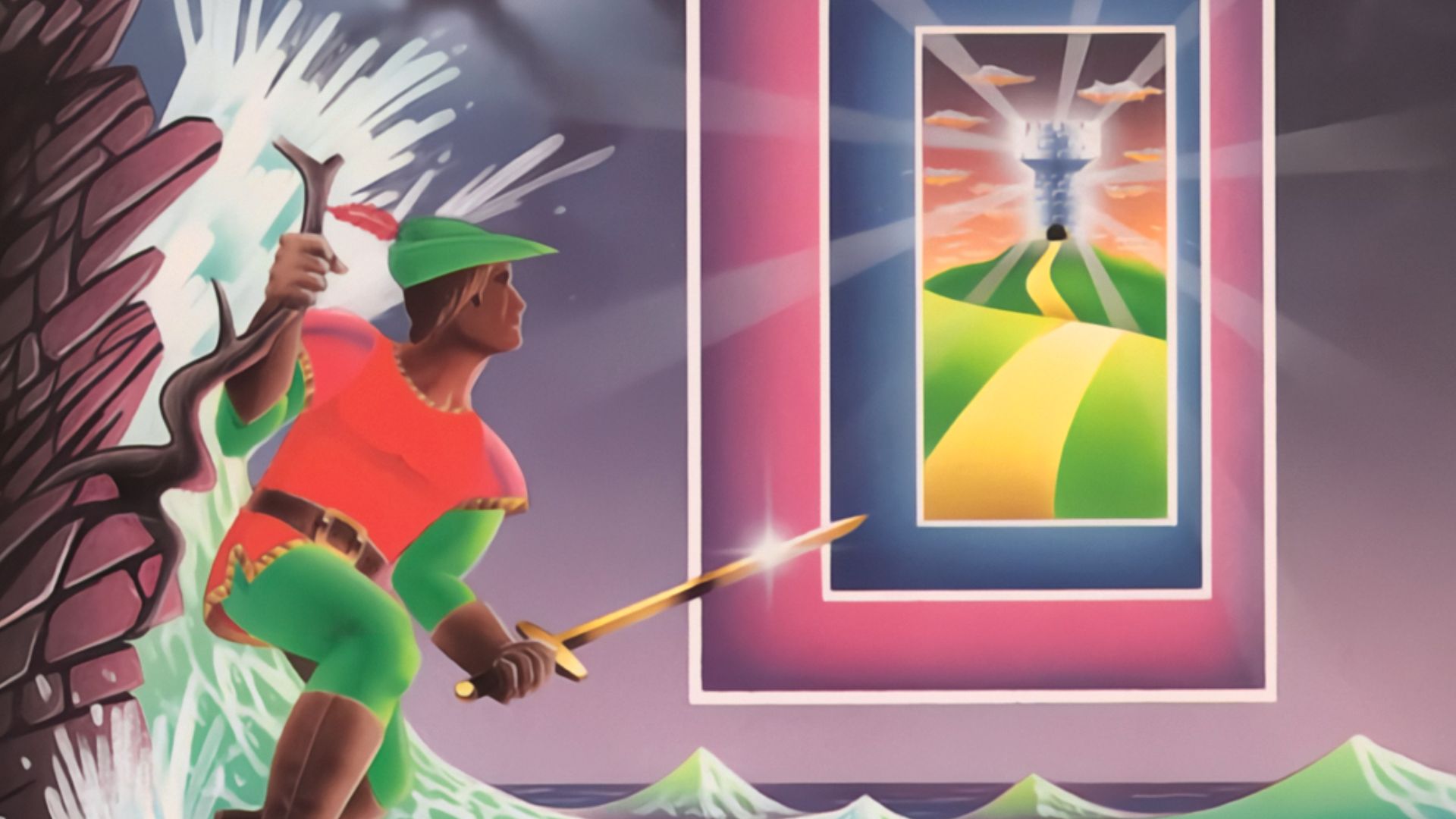
The Batmobile infiltrated video game culture long before modern console gaming, appearing as an Easter egg in King's Quest II: Romancing the Throne. Players exploring the fantasy world could stumble upon the 1966 Batmobile, complete with a chiptune version of the television theme song.
19. Futuristic Hovercraft
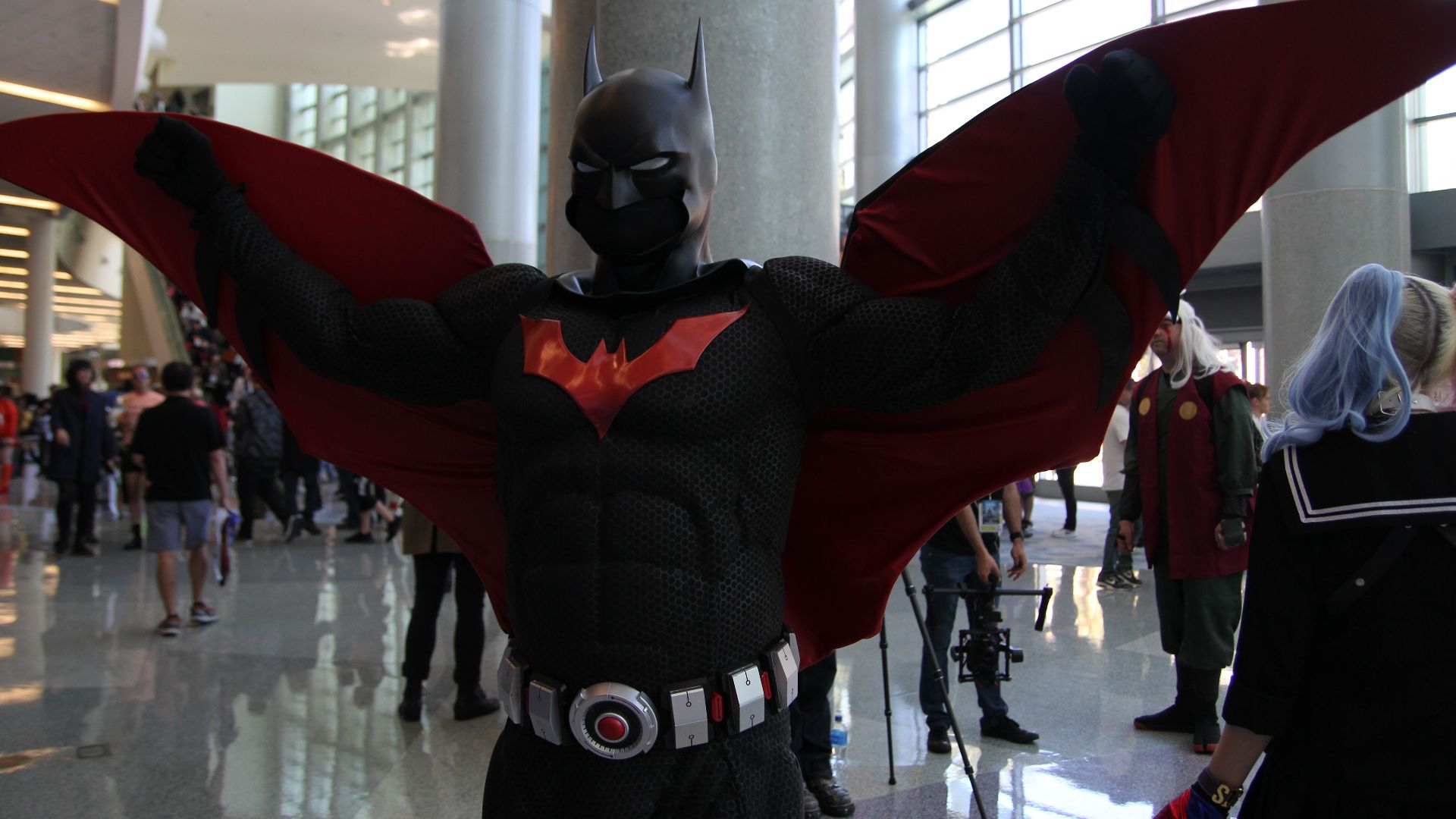
Batman Beyond introduced a radical departure from traditional Batmobile design with a sleek, single-seat hovercraft capable of reaching Mach 3 speeds through Neo-Gotham's futuristic skyline. This 21st-century interpretation featured a red-illuminated cockpit surrounded by visible computer circuitry.
20. Weapon Arsenal
The Batmobile's offensive capabilities evolved from simple concealed machine guns in 1989 to a full military-grade weapons platform by the Tumbler era. Burton's version packed front-mounted machine guns, grenades, a grappling hook system, and oil slick dispensers, all integrated into the streamlined layout.