Vintage Beasts That Ruled The Streets
The 1970s roared with a charisma that today feels almost mythic. It was an era where design was daring and power was unapologetic. Car makers across continents weren't playing it safe, and the machines they produced were rolling statements of ambition, rebellion, and freedom. While modern engineering may have its advantages, there's a reason the legends of that decade turned heads. Let's take a ride back in time with 20 dream cars that captured—and still hold—the world's utmost fascination.
1. Lamborghini Countach
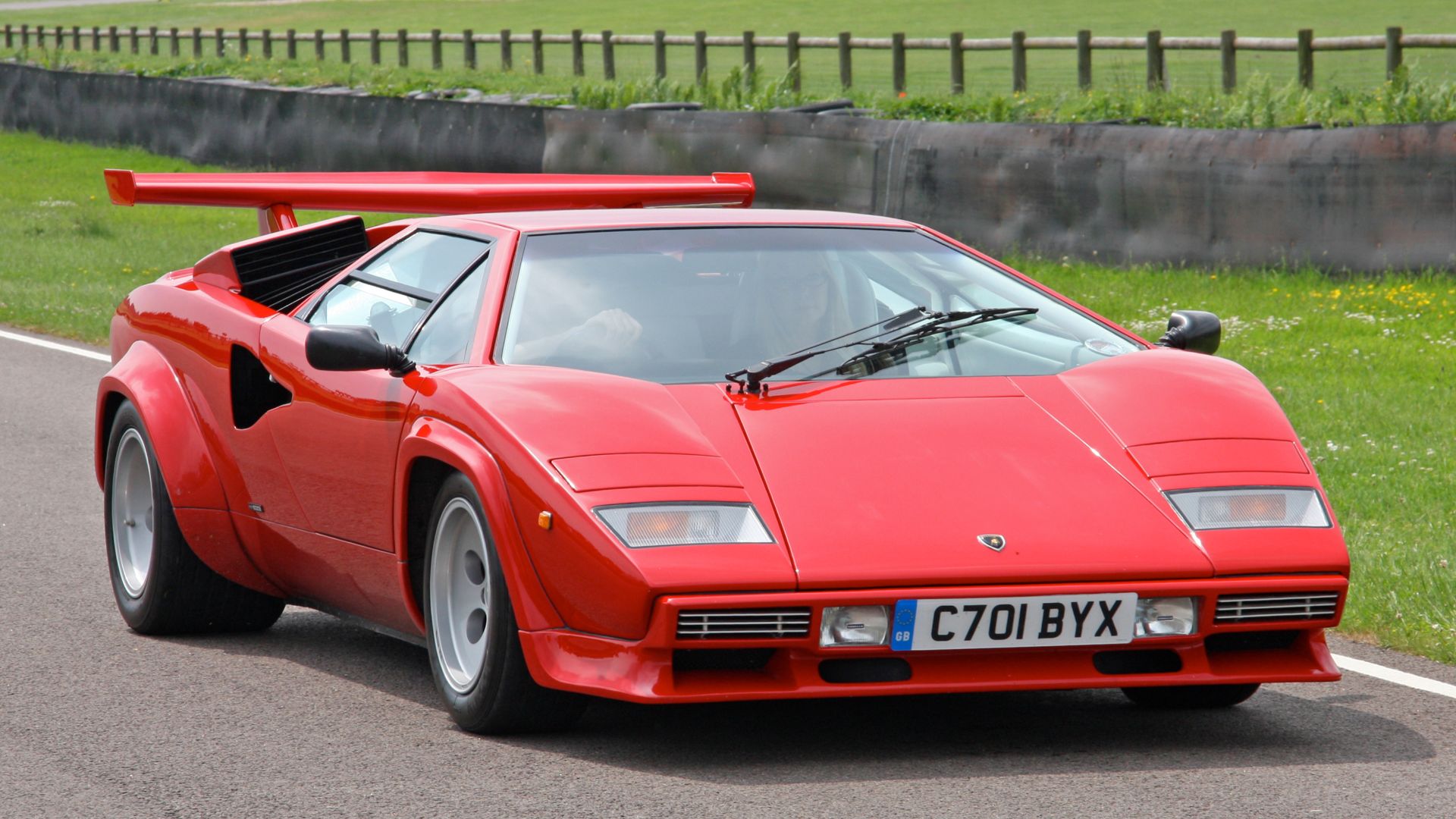
Launched in 1974, the Lamborghini Countach introduced a radical wedge-shaped silhouette. Its scissor doors were a dramatic innovation, and a mid-mounted V12 delivered up to 375 horsepower. With futuristic styling and raw performance, it redefined the supercar genre from the ground up.
 Brian Snelson from Hockley, Essex, England on Wikimedia
2. Porsche 911 Turbo
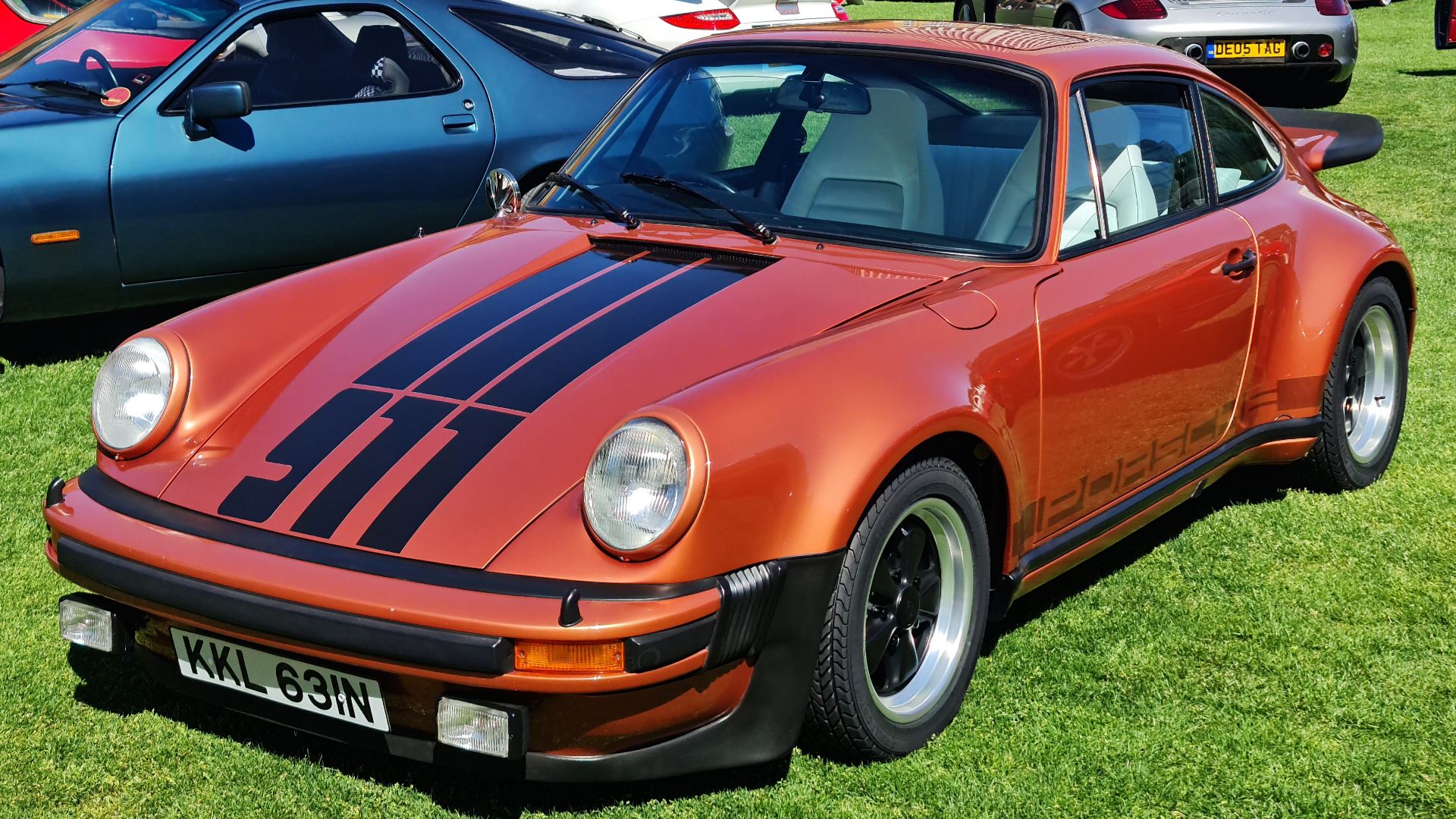
Porsche’s 911 Turbo cemented the brand’s reputation for combining raw power with precise engineering. It debuted in 1975 and instantly raised the bar. The Turbo’s bulging fenders, bold “whale tail,” and turbocharged flat-six producing over 260 horsepower made it a benchmark for performance coupes.
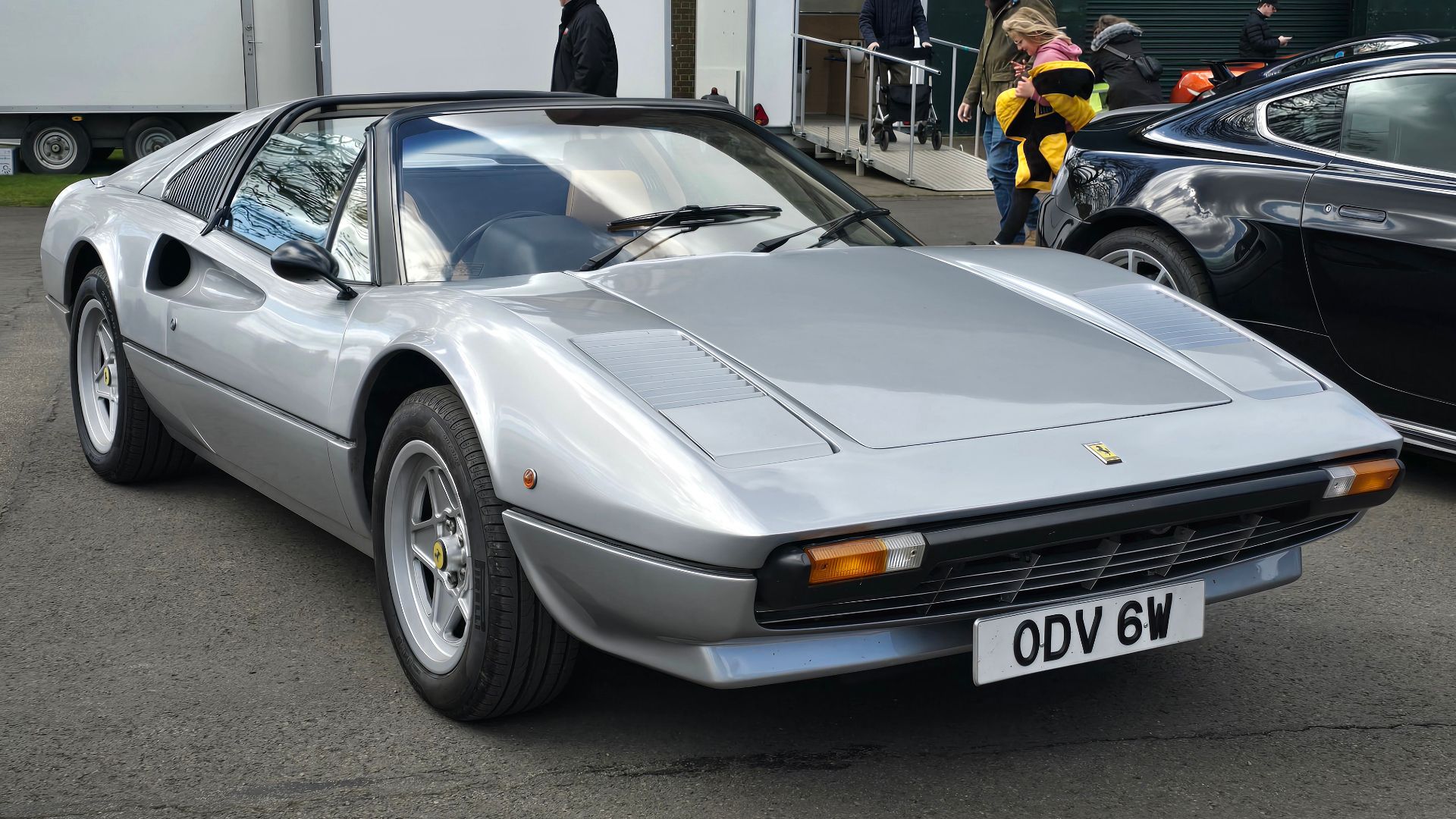
3. Ferrari 308 GTS
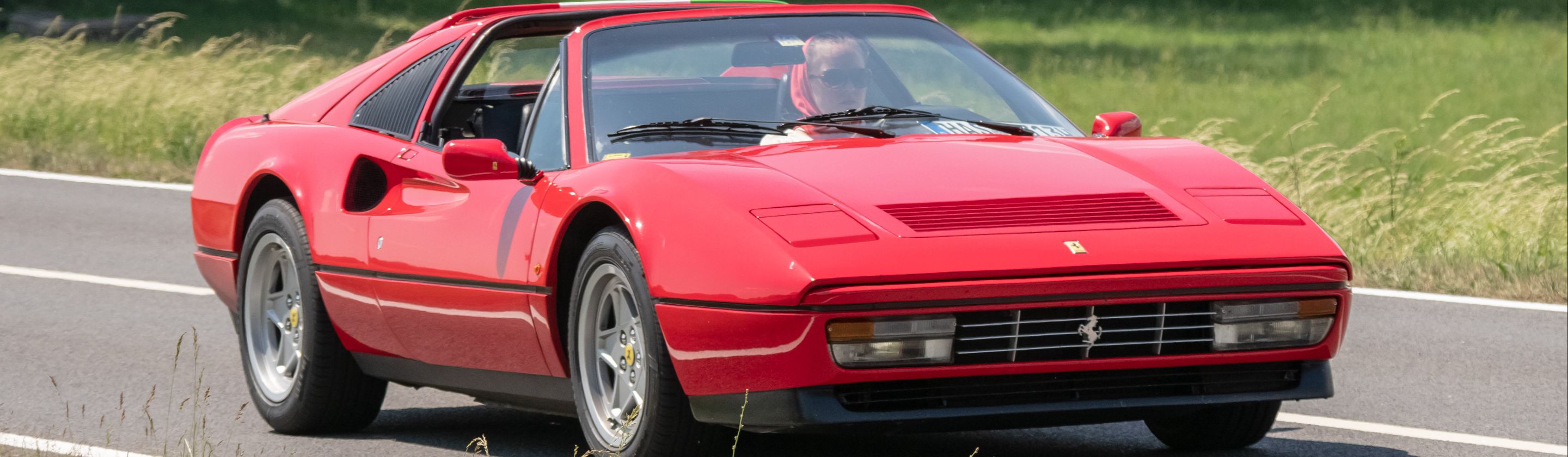
The Ferrari 308 GTS became a pop culture icon thanks to its role in Magnum, P.I. Wrapped in Pininfarina’s sleek curves, it was the exotic dream car of the ’70s. Additionally, the removable targa top and mid-mounted V8 delivered freedom and balance.
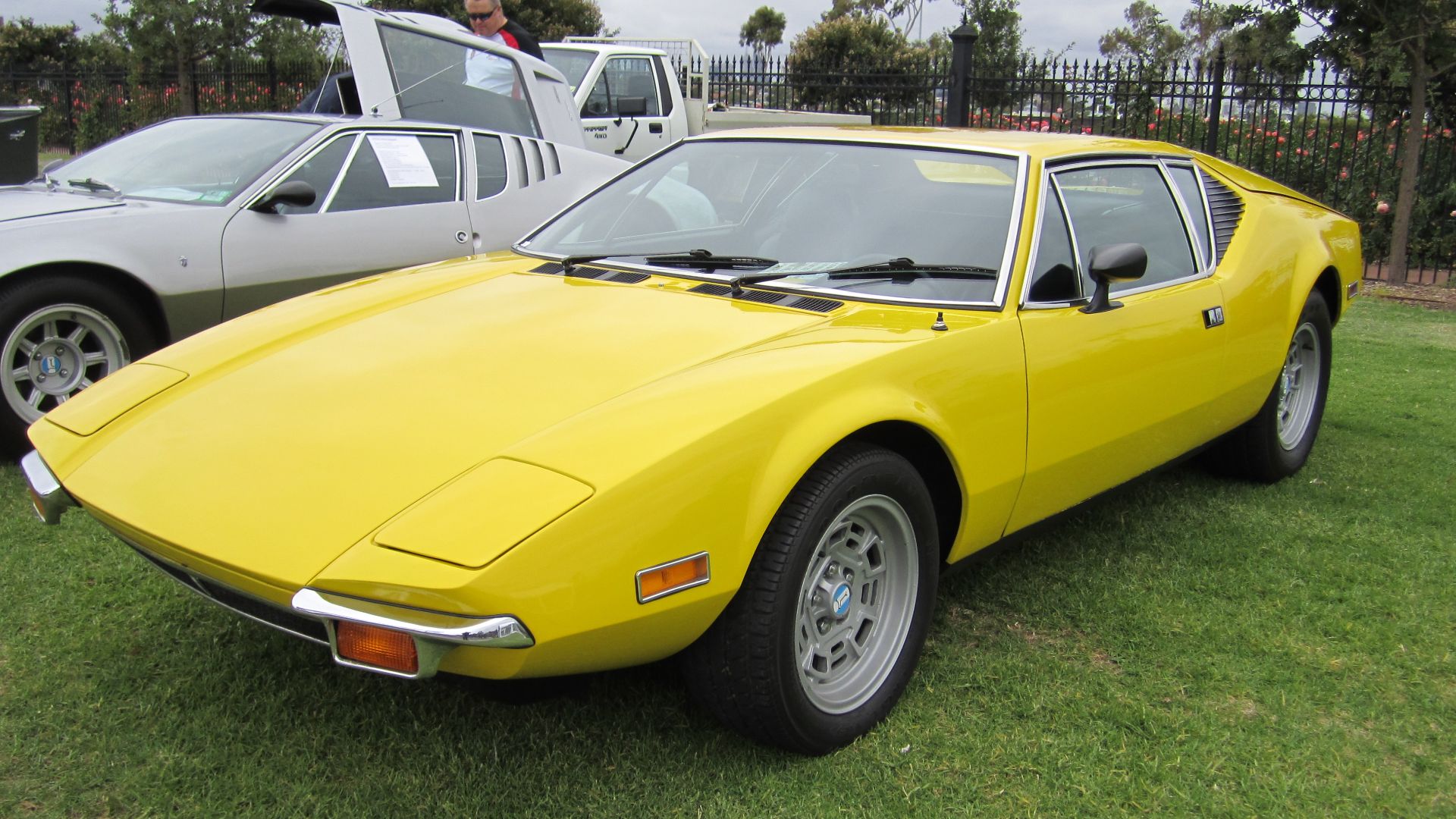
4. De Tomaso Pantera
Italian flair and American muscle combined seamlessly in the Pantera. Styled like a spaceship, its Ford 351 Cleveland V8 produced 330 hp and a top speed of nearly 160 mph. Only selected Ford dealers in the US sold the car from 1971 to 1975.
5. BMW 3.0 CSL
Nicknamed the “Batmobile,” the 1973 BMW 3.0 CSL was a homologation special built to conquer touring car racing. This car dominated the European Touring Car Championship throughout the '70s. It featured lightweight aluminum panels and a high-revving 250-horsepower 3.0L inline-six.
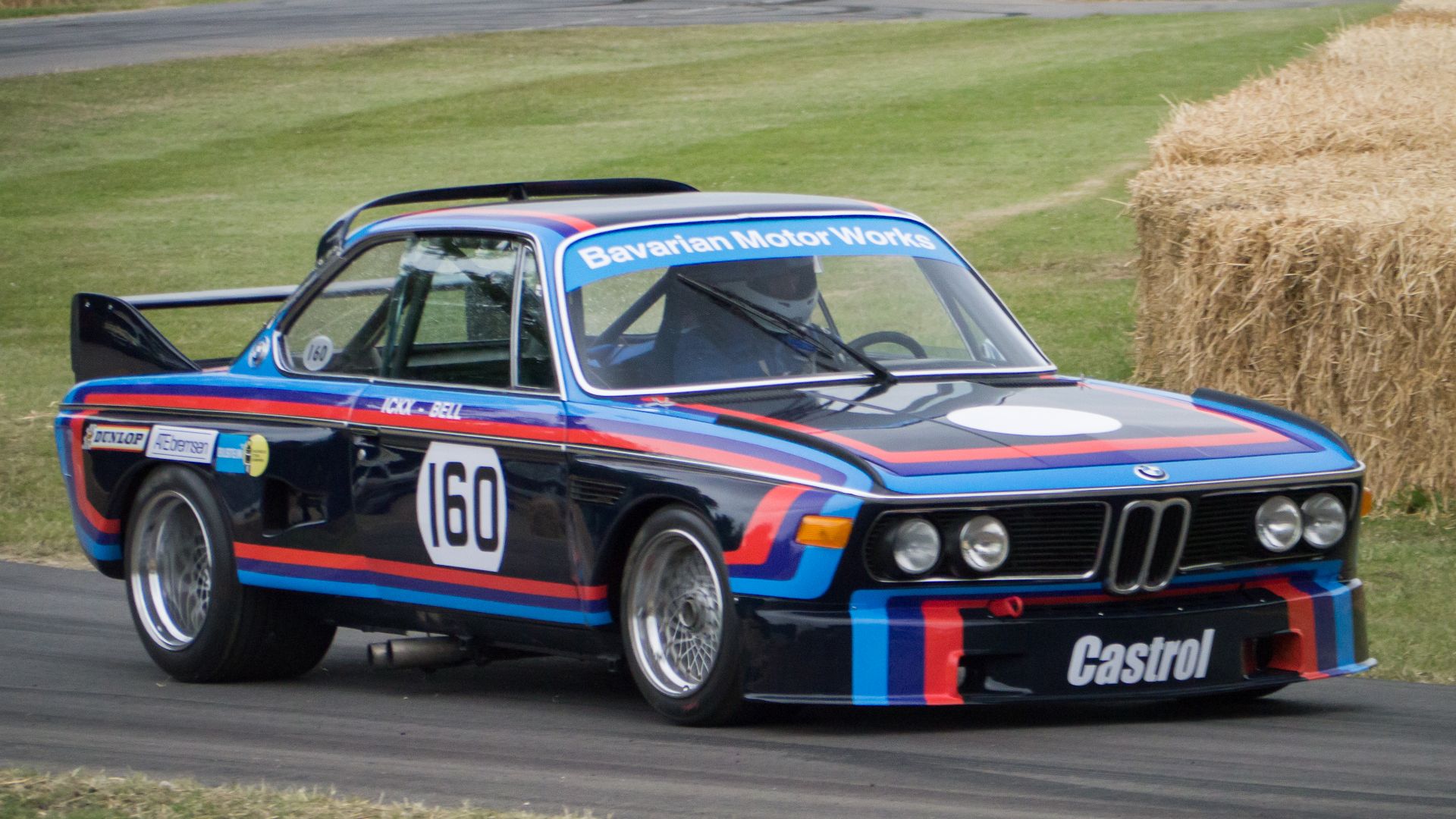 Edvvc from London, UK on Wikimedia
6. Dodge Challenger R/T
The R/T badge meant business when the Challenger launched in 1970. An available 425-horsepower 426 HEMI V8 turned it into a street-legal dragster. Additional flared fenders and racing stripes gave it a serious visual punch, rooting it in the muscle car category.
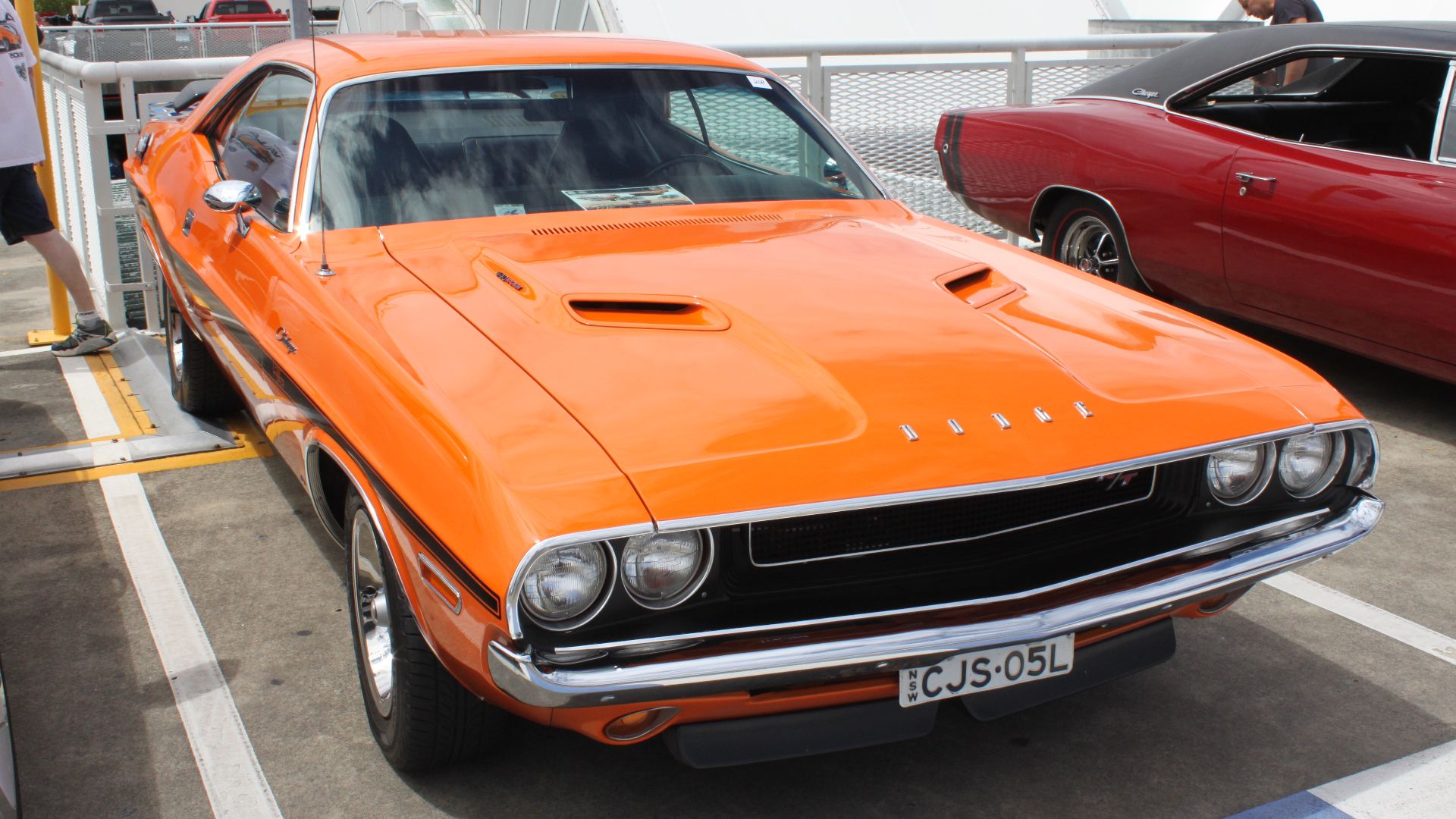 Jeremy from Sydney, Australia on Wikimedia
7. Chevrolet Corvette C3
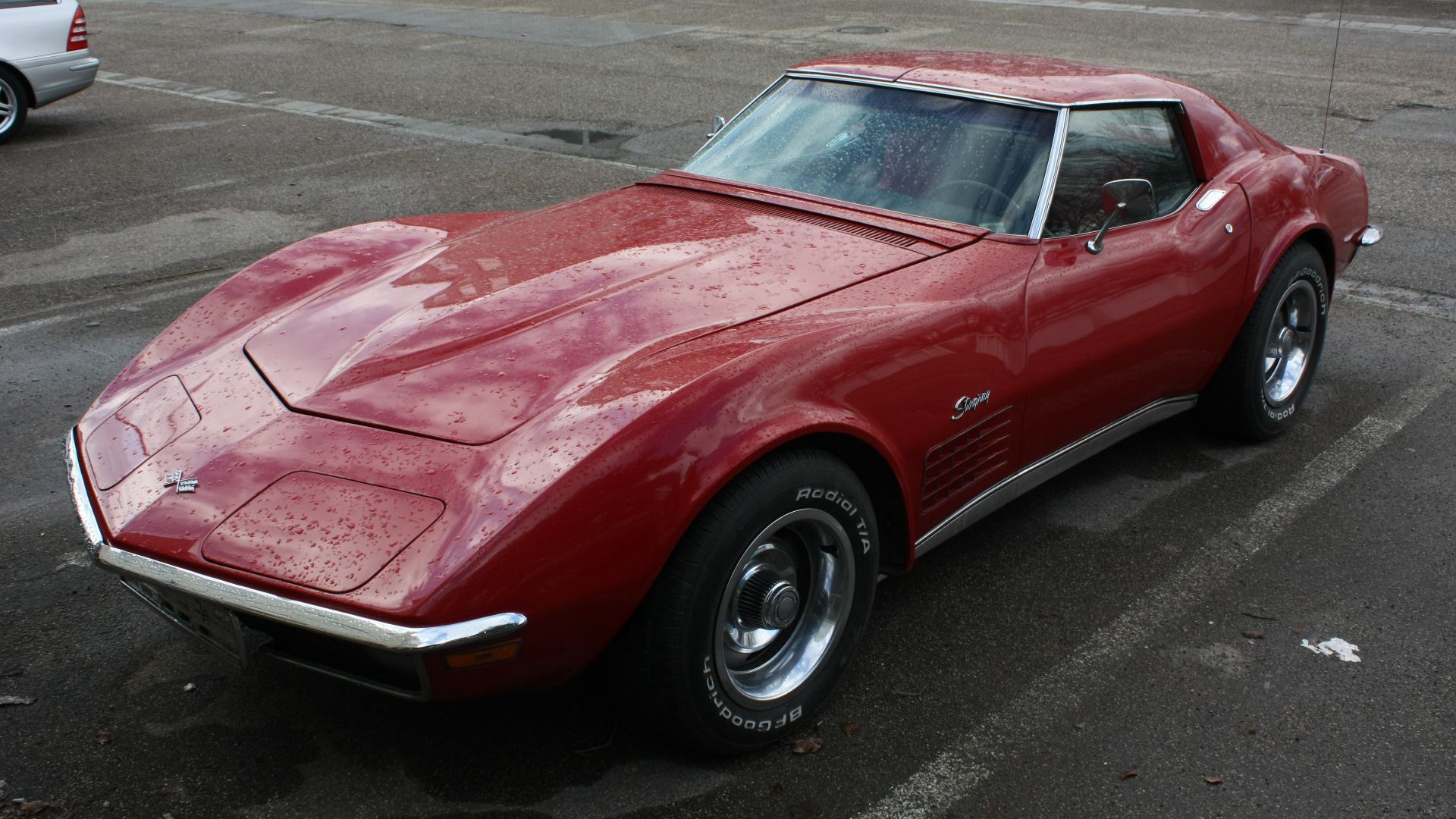
Featuring a shark-inspired bodywork, the Corvette C3 was impossible to miss. Early 1970s models offered big-block engines that cranked out over 400 horsepower. Removable T-tops gave it open-air flexibility, and its long production run made it one of the most popular Corvettes.
8. Lotus Esprit
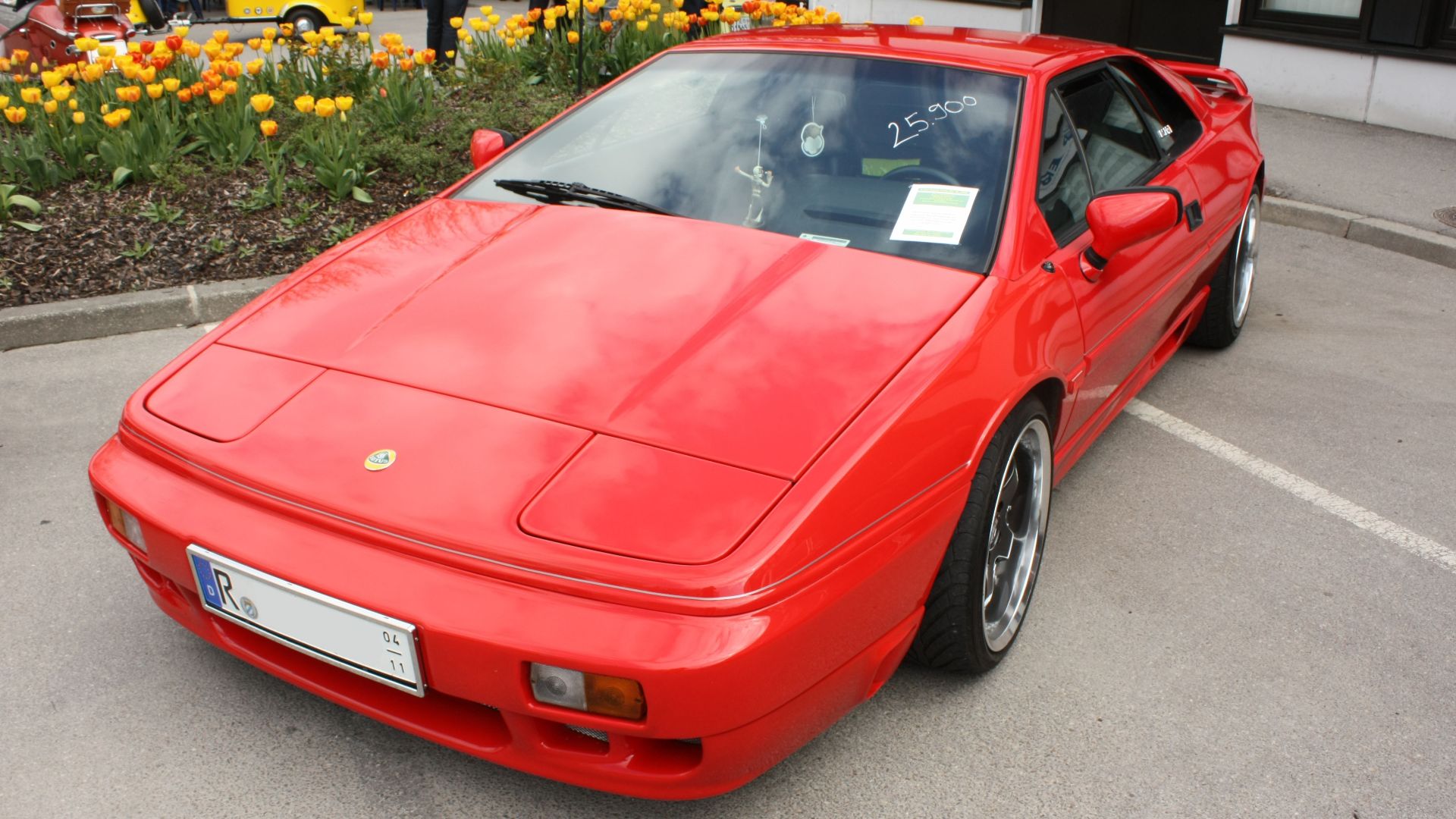
Giorgetto Giugiaro gave the 1976 Lotus Esprit its razor-edged design. A fiberglass body kept weight low, and while it made around 160 horsepower, its handling was exceptional. One outstanding moment was when it turned into a submarine in The Spy Who Loved Me.
9. Aston Martin V8 Vantage
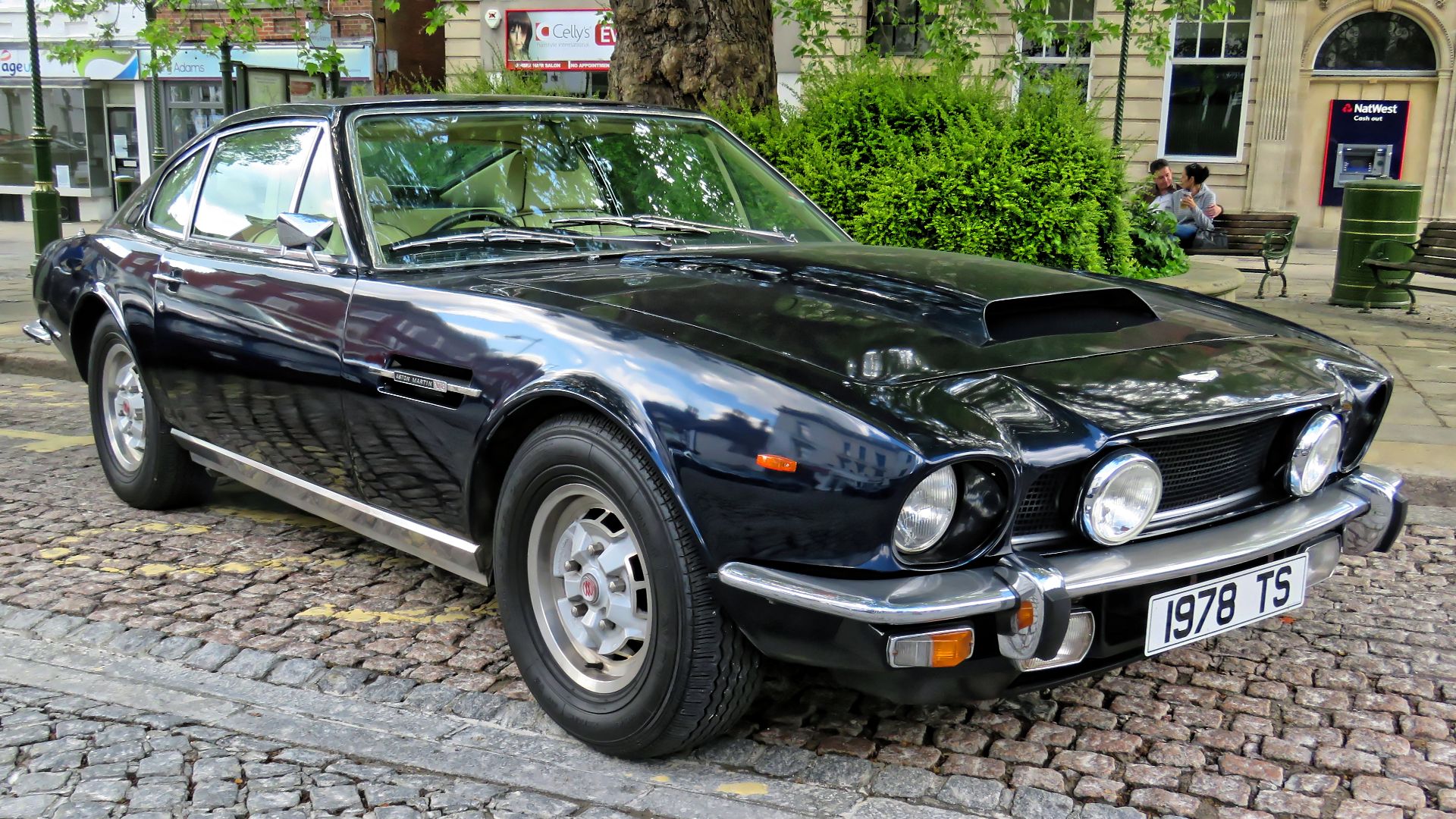
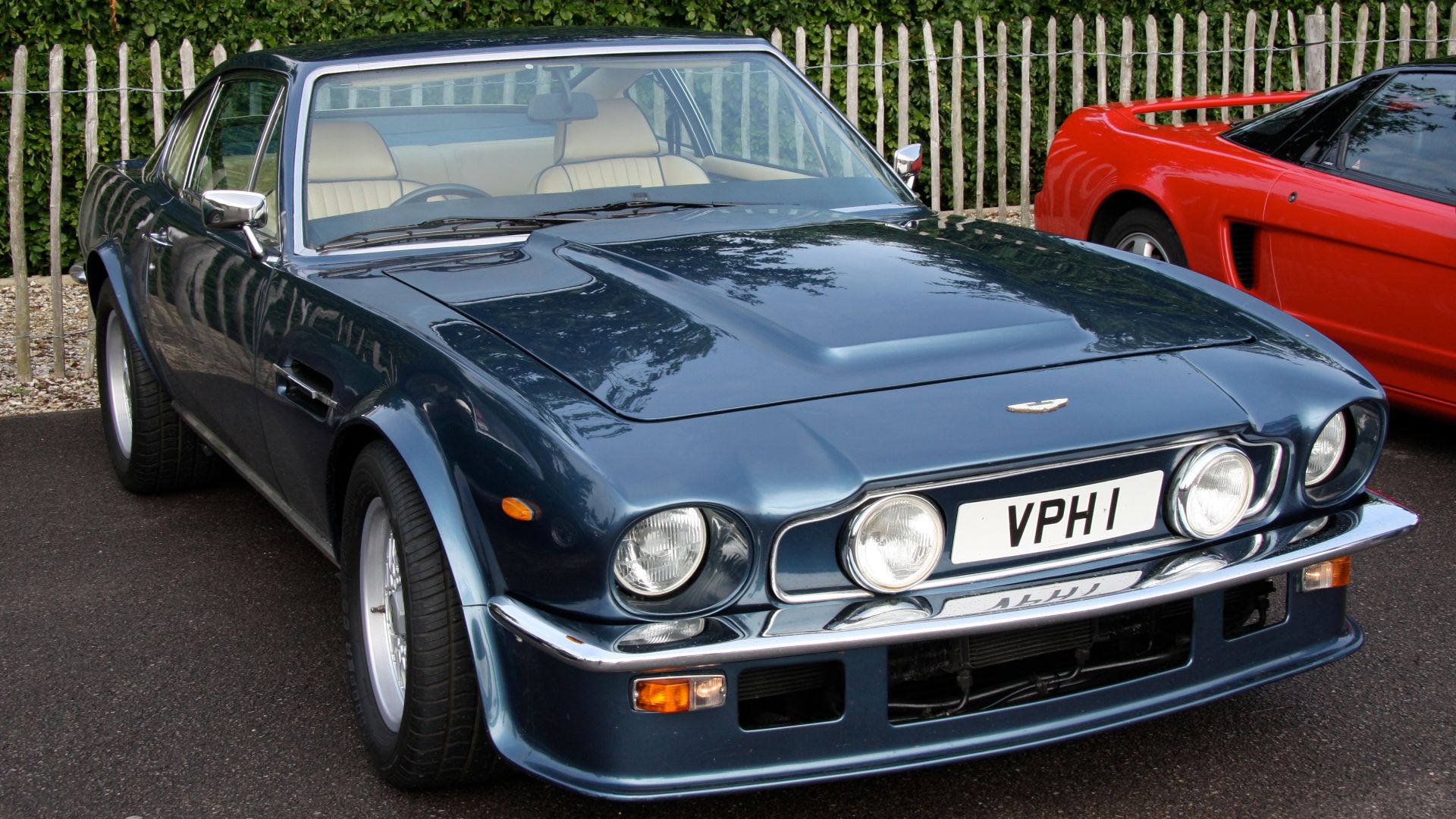
Aston Martin’s 1977 V8 Vantage featured a 375-horsepower 5.3-liter engine, which puts it in supercar territory. Built largely by hand, it combined speed and style in a uniquely muscular grand tourer. The car’s front air dam signaled raw performance under British elegance.
 Brian Snelson from Hockley, Essex, England on Wikimedia
10. Mercedes-Benz 450SEL 6.9
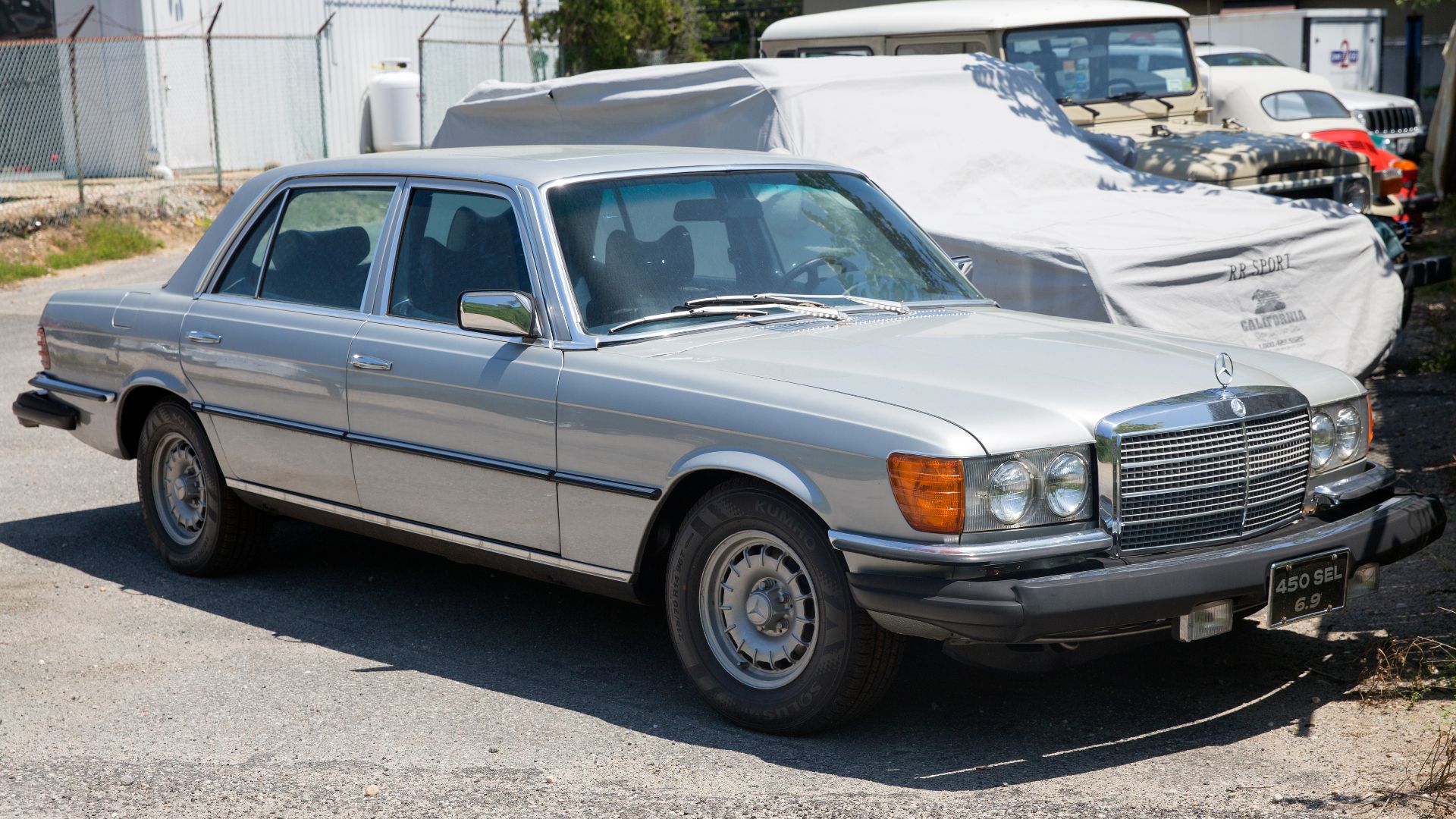
This luxury sedan showcased a 6.9-liter V8 that made it the world’s fastest four-door when launched. It also featured pioneering hydropneumatic self-leveling suspension, ensuring a smooth ride. Despite its formal looks, the 450SEL could outrun many sports cars on the autobahn.
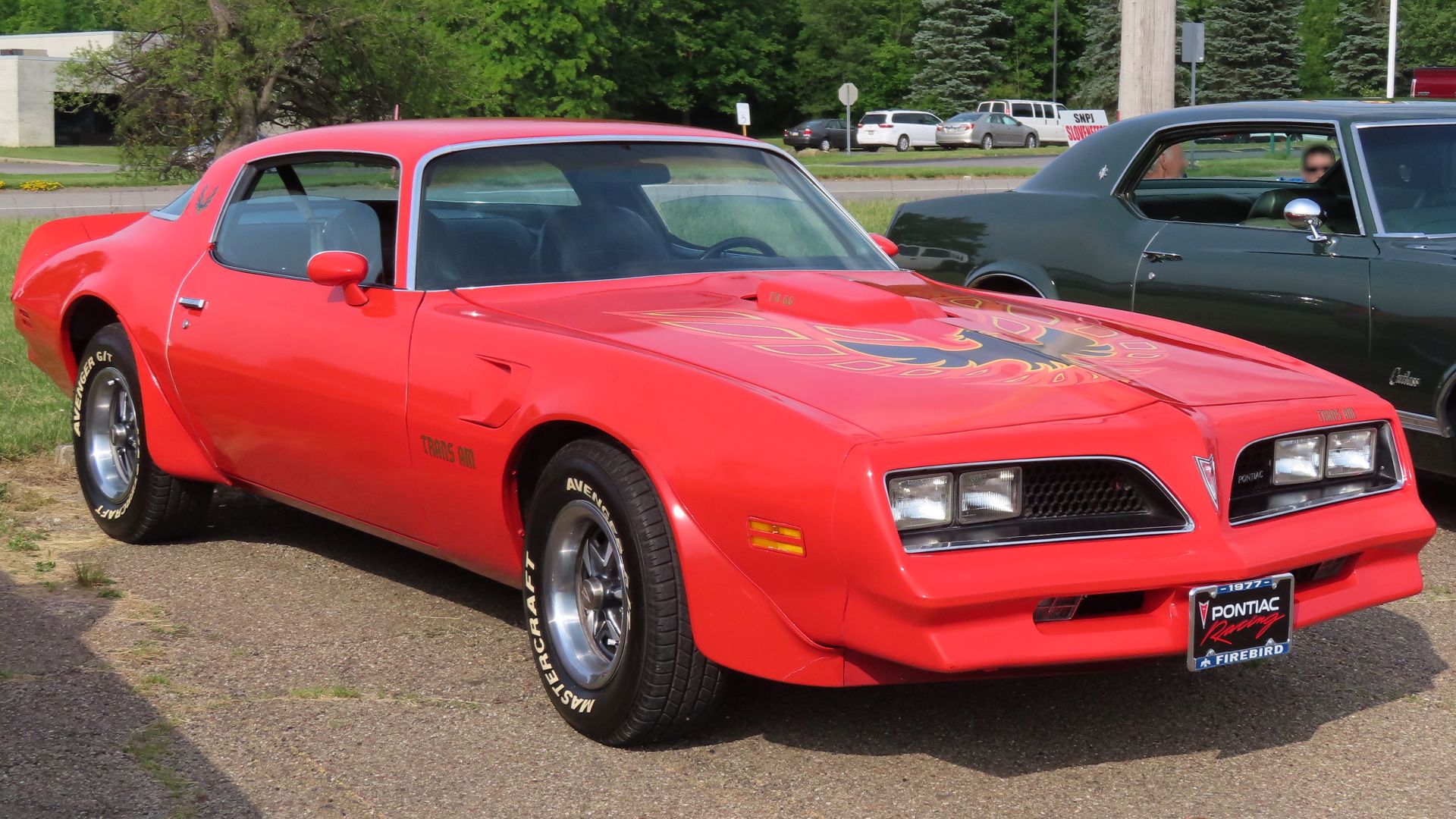
11. Pontiac Firebird Trans Am
By 1977, the Firebird Trans Am had become a full-blown pop culture icon thanks to Smokey and the Bandit. The “Screaming Chicken” hood decal and optional T-tops gave it an unmistakable attitude. Additionally, its WS6 handling package, introduced in 1978, upgraded the suspension.
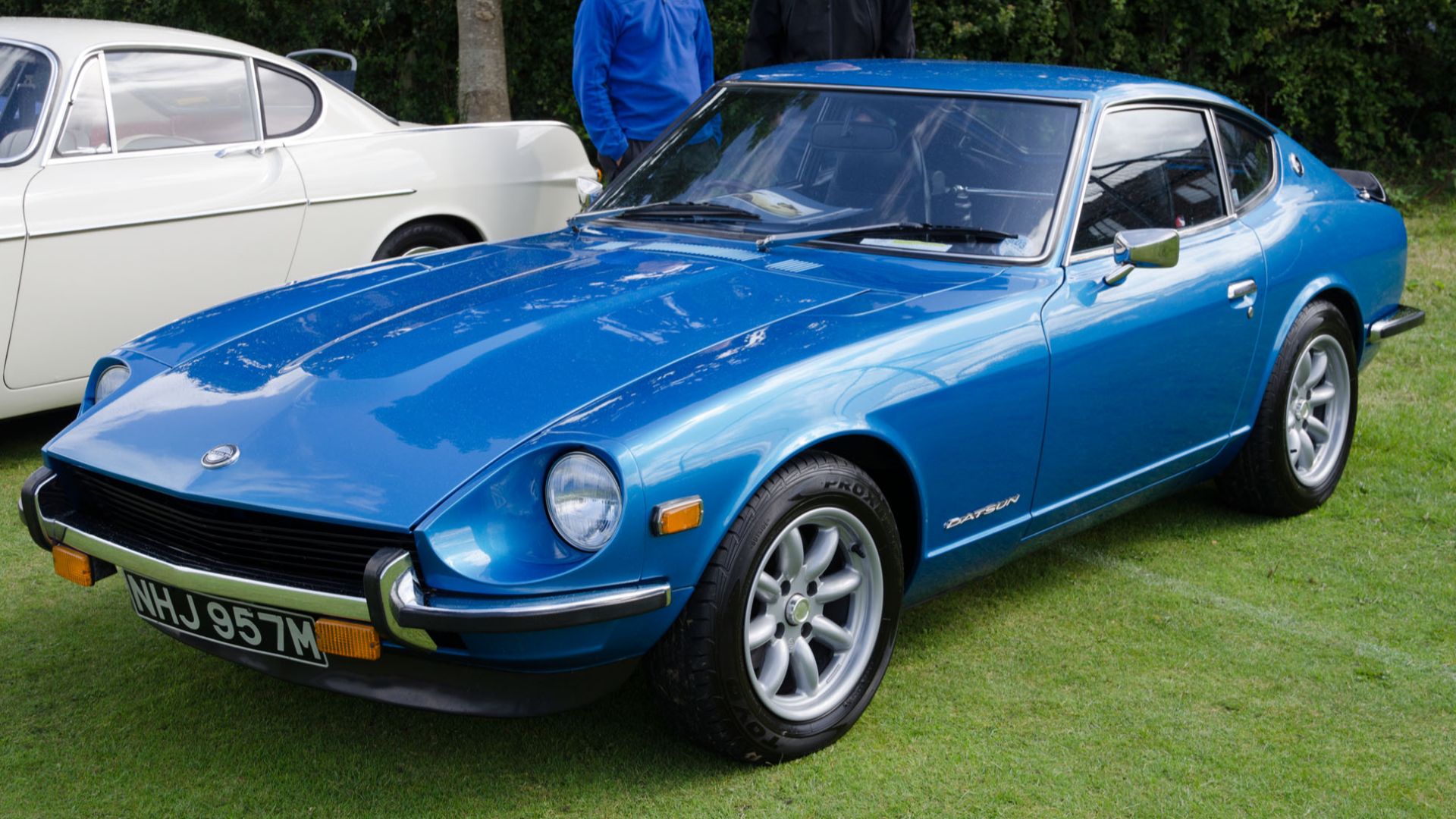
12. Datsun 240Z
Japan's sports car revolution began with the 1970 Datsun 240Z. Pairing a 2.4L inline-six engine with independent suspension, the car delivered unexpected agility. A sleek fastback profile gave it European flair, while its reliability helped Nissan establish a strong foothold in America.
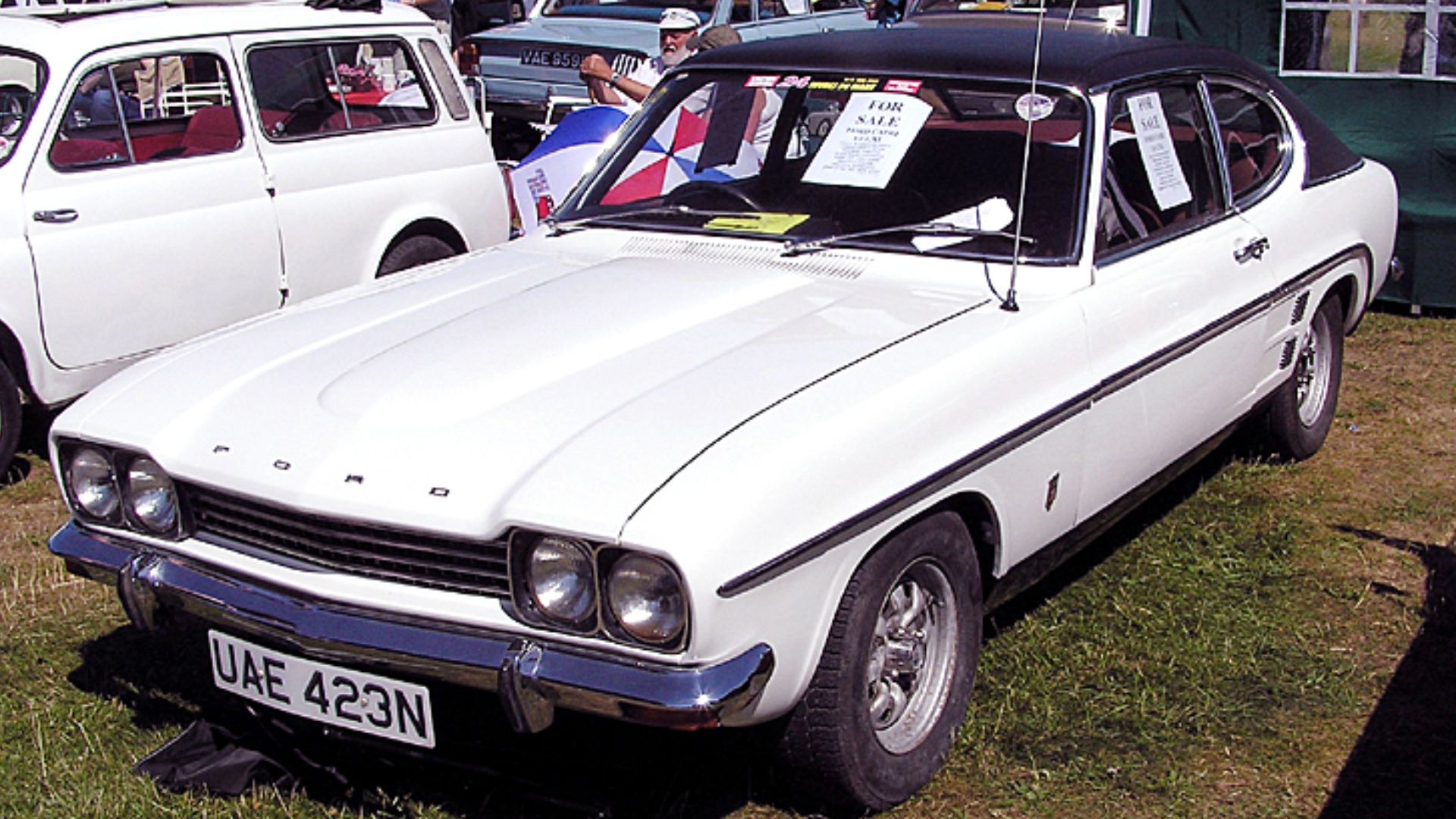
13. Ford Capri
Ford sold over 1.8 million units of the Capri across three generations, thanks to its rally success. Marketed as Europe’s answer to the Mustang, it offered coupe styling with family-sedan pricing. Rear-wheel drive came standard, and engine options spanned from four-cylinders to V6s.
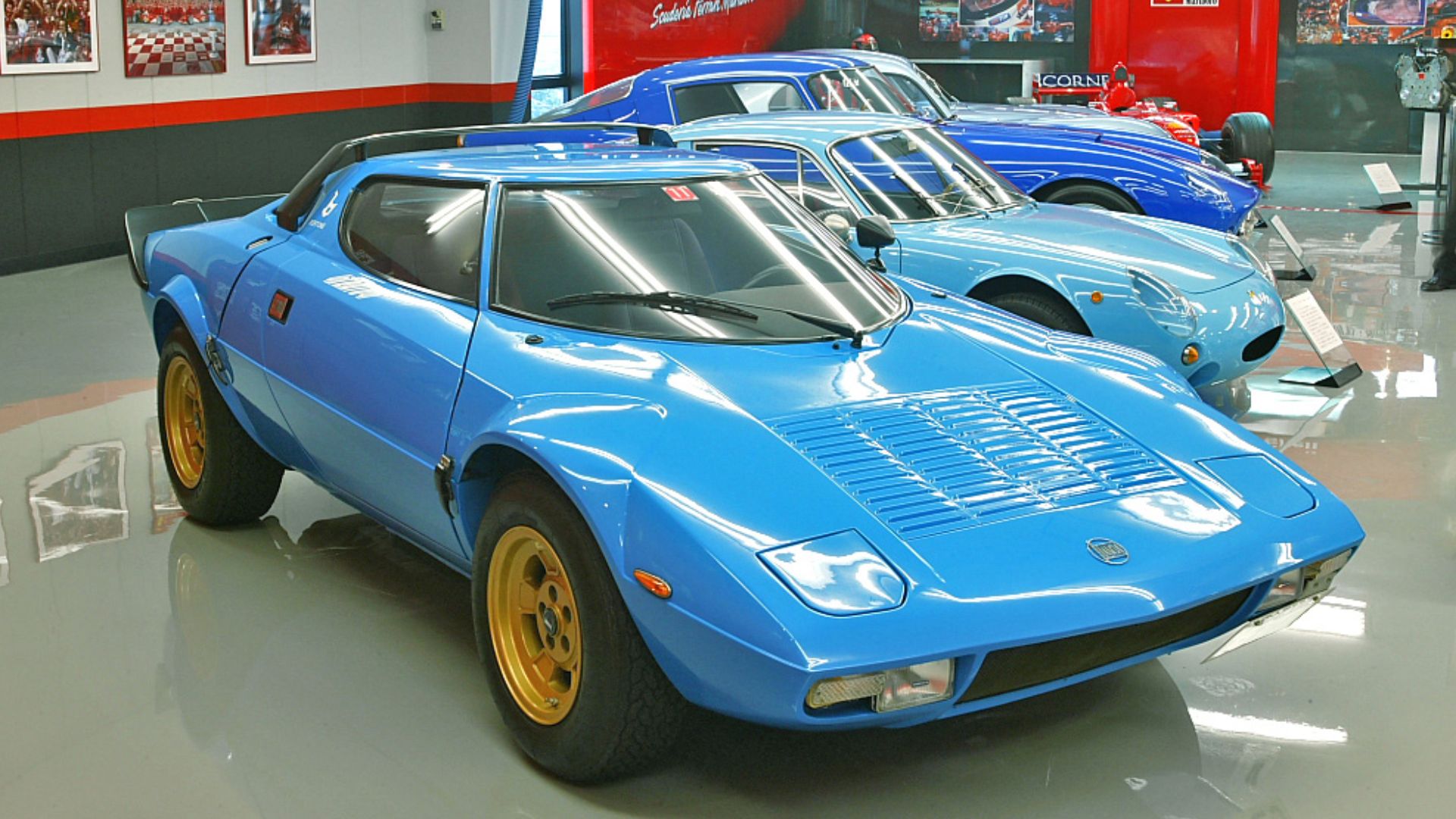
14. Lancia Stratos
The Lancia Stratos was purpose-built for rallying and used a Ferrari-sourced 2.4L V6. Its ultra-short wheelbase and wedge shape gave it unmatched maneuverability. Between 1974 and 1976, it won three consecutive World Rally Championships, dominating rough terrain with its mid-engine layout.
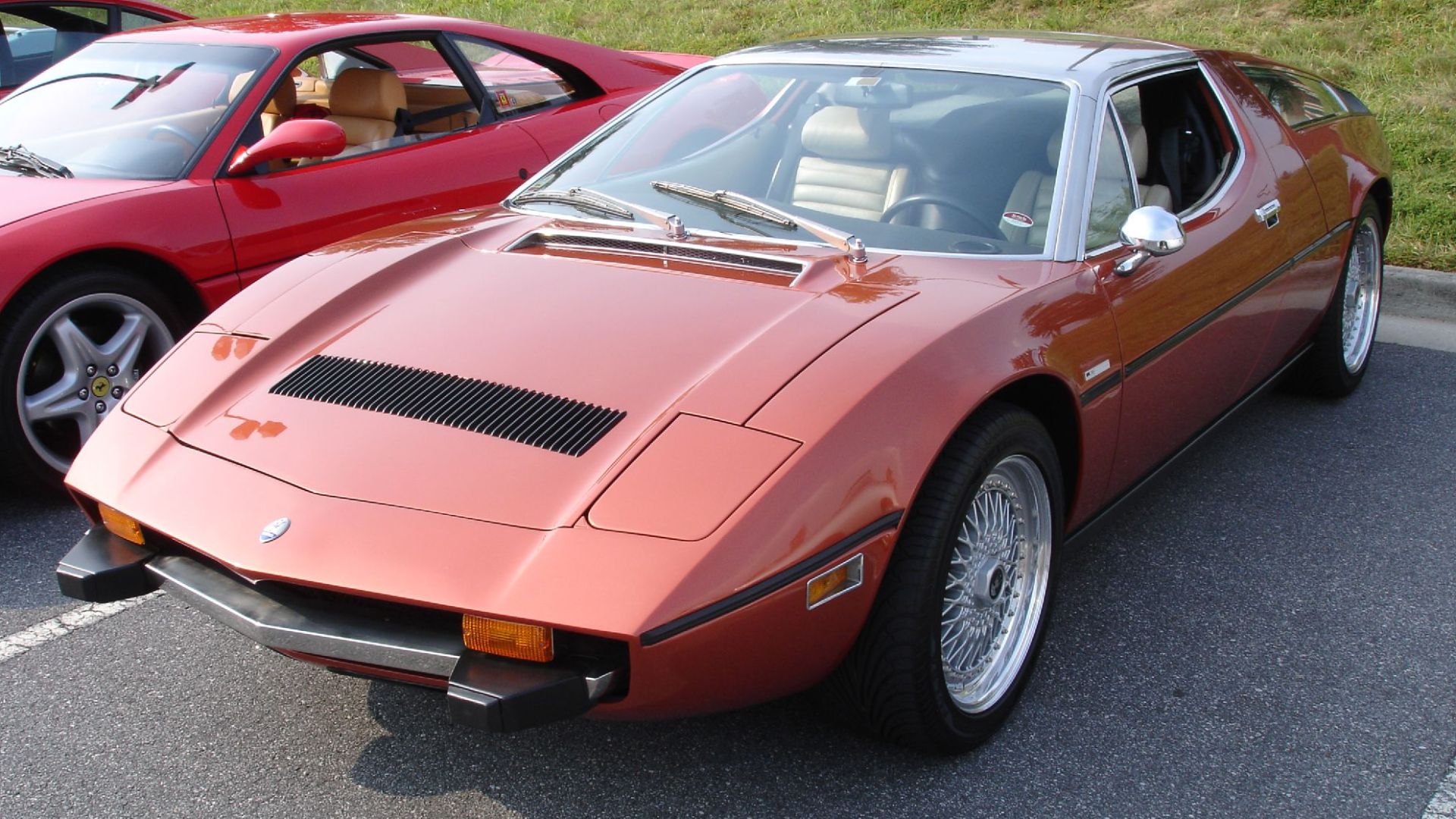
15. Maserati Bora
As Maserati’s first mid-engine production car, the Bora debuted in 1971 with a 4.7L or optional 4.9L V8. The hydraulic system powered everything from the clutch to the driver’s seat. Designed by Giugiaro, it featured pop-up headlights and a flowing, aerodynamic silhouette.
16. AMC Javelin AMX
In 1971, AMC redesigned the Javelin AMX with bulging fenders and track-ready aggression. That same year, a 401-cubic-inch V8 powered this underdog to Trans-Am championship victory. Though AMC lacked the size of its Detroit rivals, the Javelin proved it could deliver muscle with style.
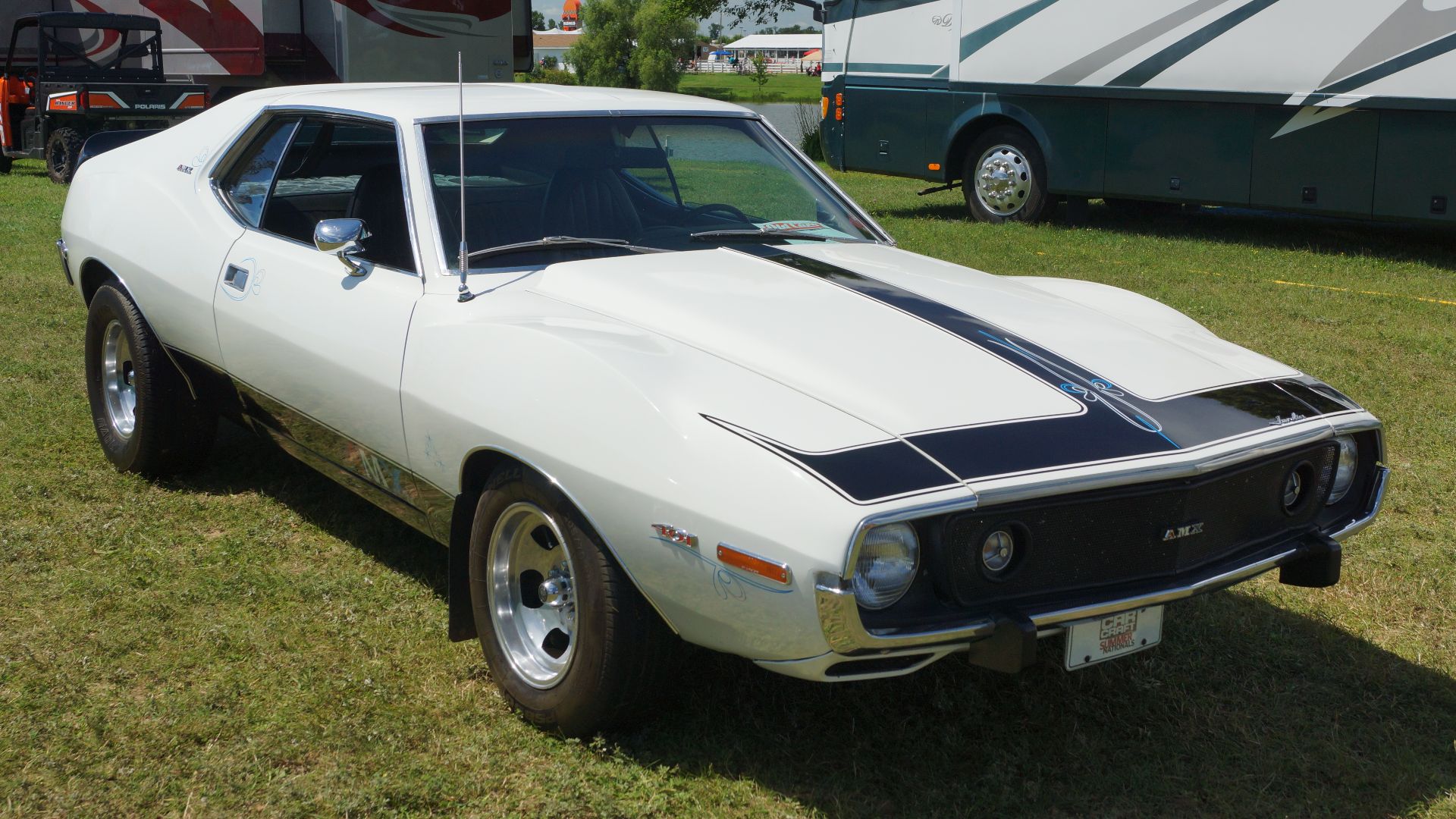 Greg Gjerdingen from Willmar, USA on Wikimedia
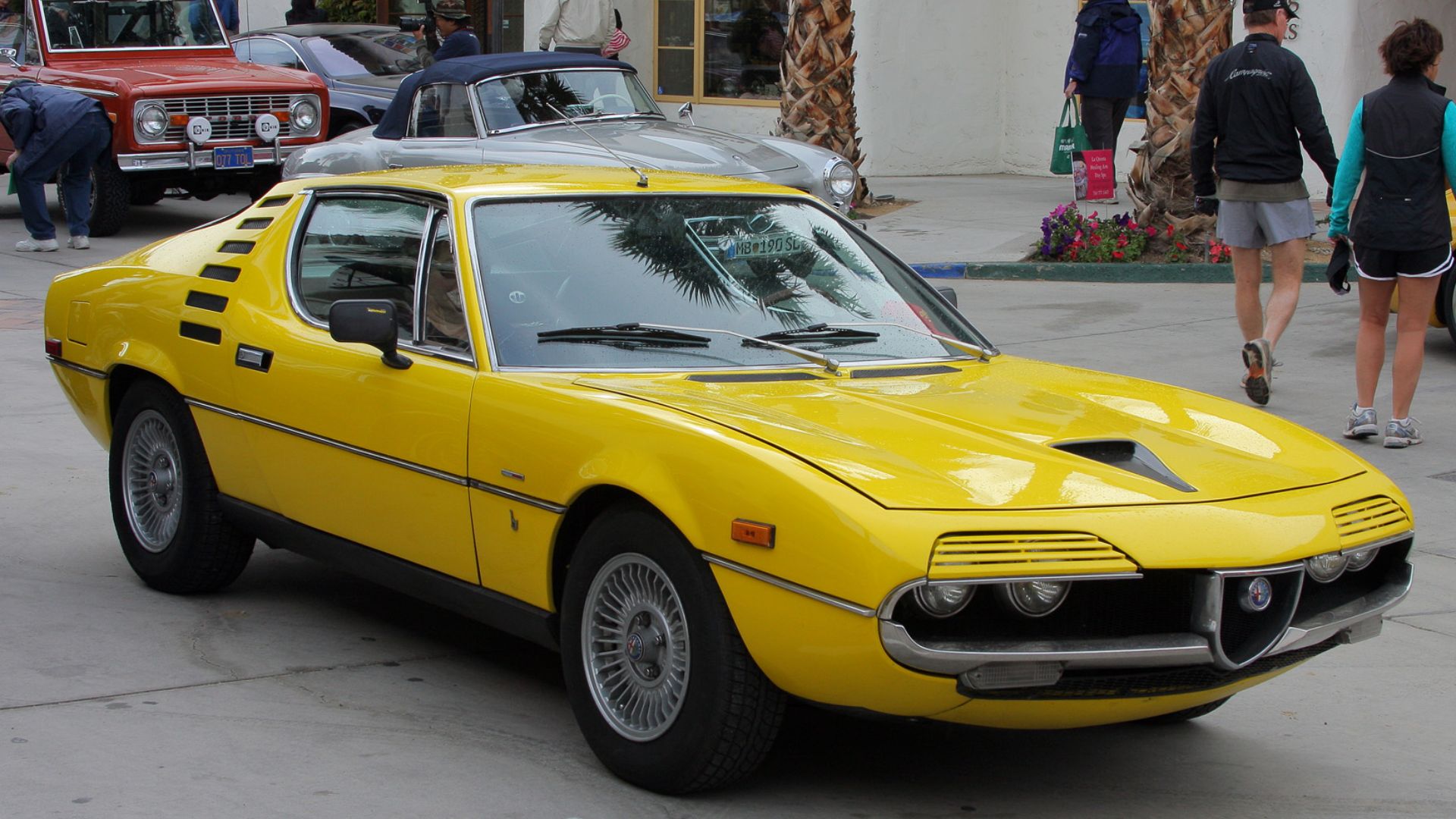
17. Alfa Romeo Montreal
This car featured a detuned 2.6L V8 from Alfa’s Tipo 33 race cars. First unveiled as a concept, the Alfa Romeo Montreal reached production in 1970. While its signature louvered headlamp covers gave it a futuristic look, its exotic mechanics kept it rare.
18. Renault Alpine A310
The A310 upheld Alpine’s rally heritage with a fiberglass body and rear-mounted engine layout. Early four-cylinder versions were followed by a V6 upgrade in 1976. Though never as successful as its A110 predecessor, the A310 earned respect for its nimble handling.
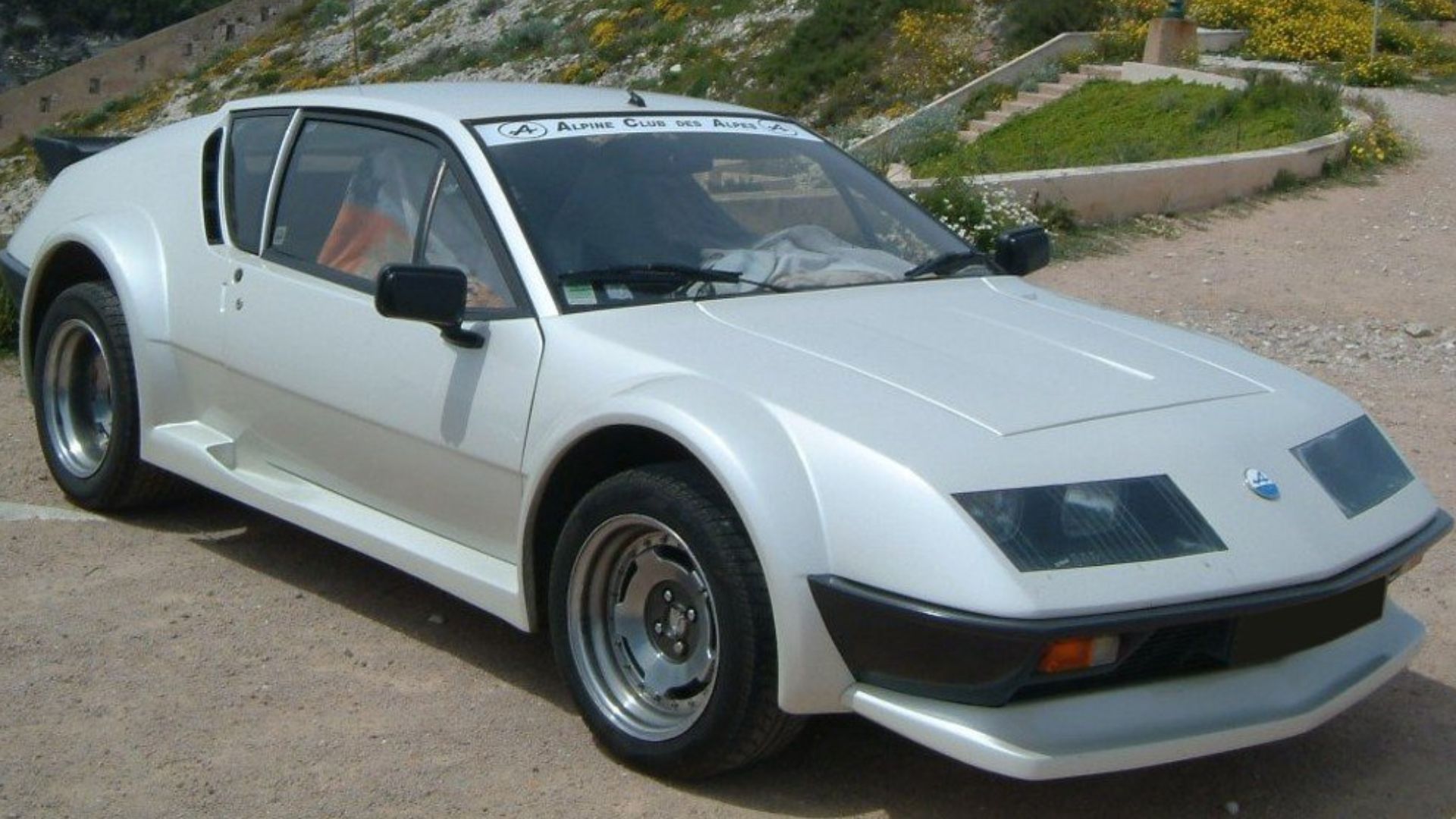 Alex Collard, my brother. Uploaded with his permission under the GFDL. on Wikimedia
19. Buick Riviera Boattail
Boldly sculpted by Bill Mitchell, the Riviera’s signature “boattail” rear window gave it an unmistakable silhouette. Under the hood, a monstrous 7.5L V8 made highway cruising feel effortless. Power seats and plush interiors elevated comfort, and though it was once divisive, it’s now a collector’s favorite.
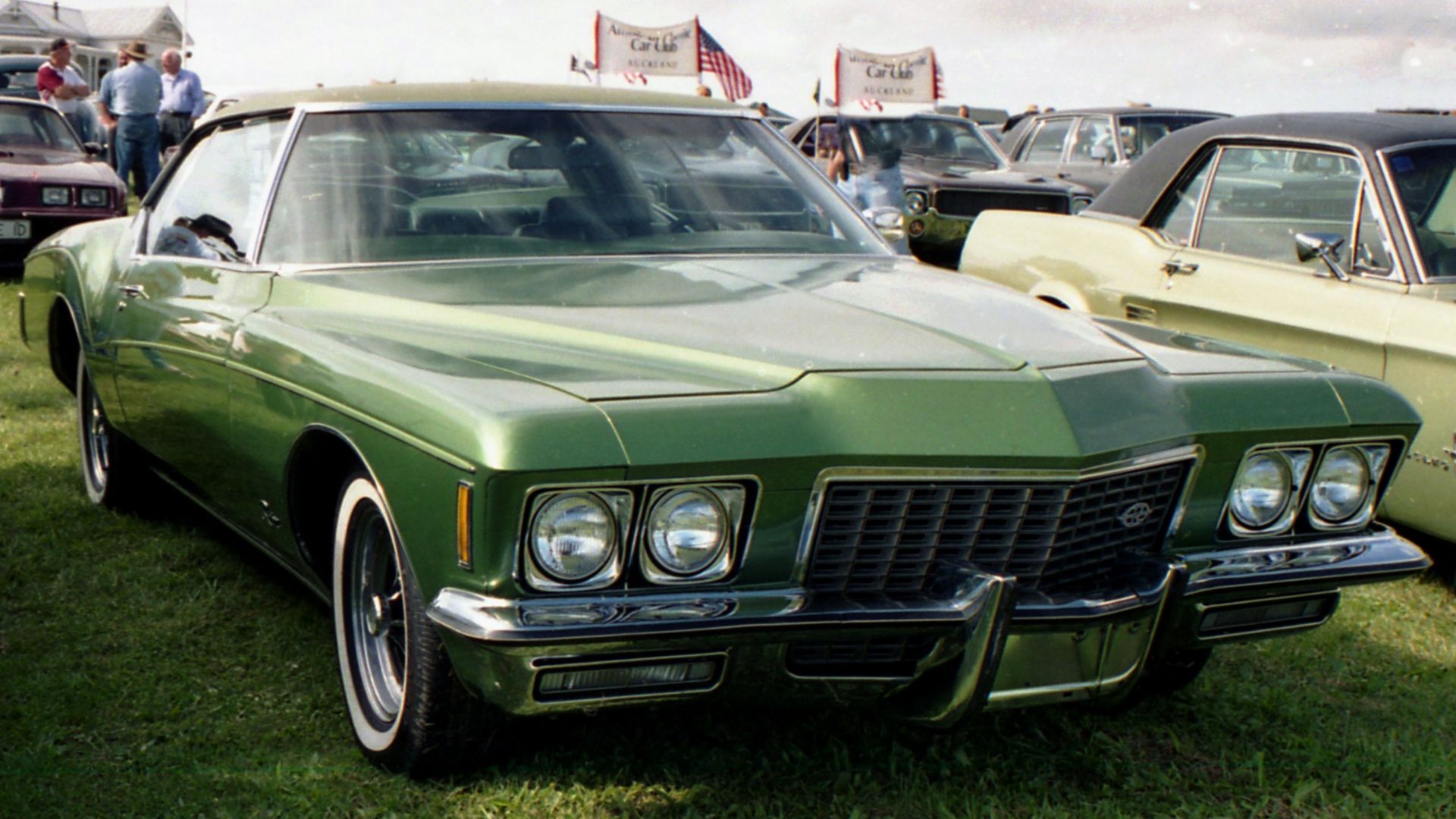 GPS 56 from New Zealand on Wikimedia
20. Jensen Interceptor
This car combined British expertise with a Chrysler-sourced 6.3L or 7.2L V8 engine. A wraparound rear window gave it standout styling, and the rare FF variant introduced all-wheel drive. Hand-built in West Bromwich, it offered grand touring luxury with serious power underfoot.