The Best and Worst of Wolfsburg
Volkswagen has been making cars since 1938, which is long enough to produce some genuine legends and some genuine disasters. The brand has a devoted following that borders on religious in certain corners of the internet, and for good reason: at its best, VW builds cars that feel thoughtful, durable, and distinctly European in a way that's hard to articulate but easy to recognize. At its worst, it builds cars that will introduce you to your mechanic on a first-name basis within eighteen months of purchase. Here are 10 VWs that earned the brand its loyal following, and 10 that tested that loyalty in ways owners were not prepared for.
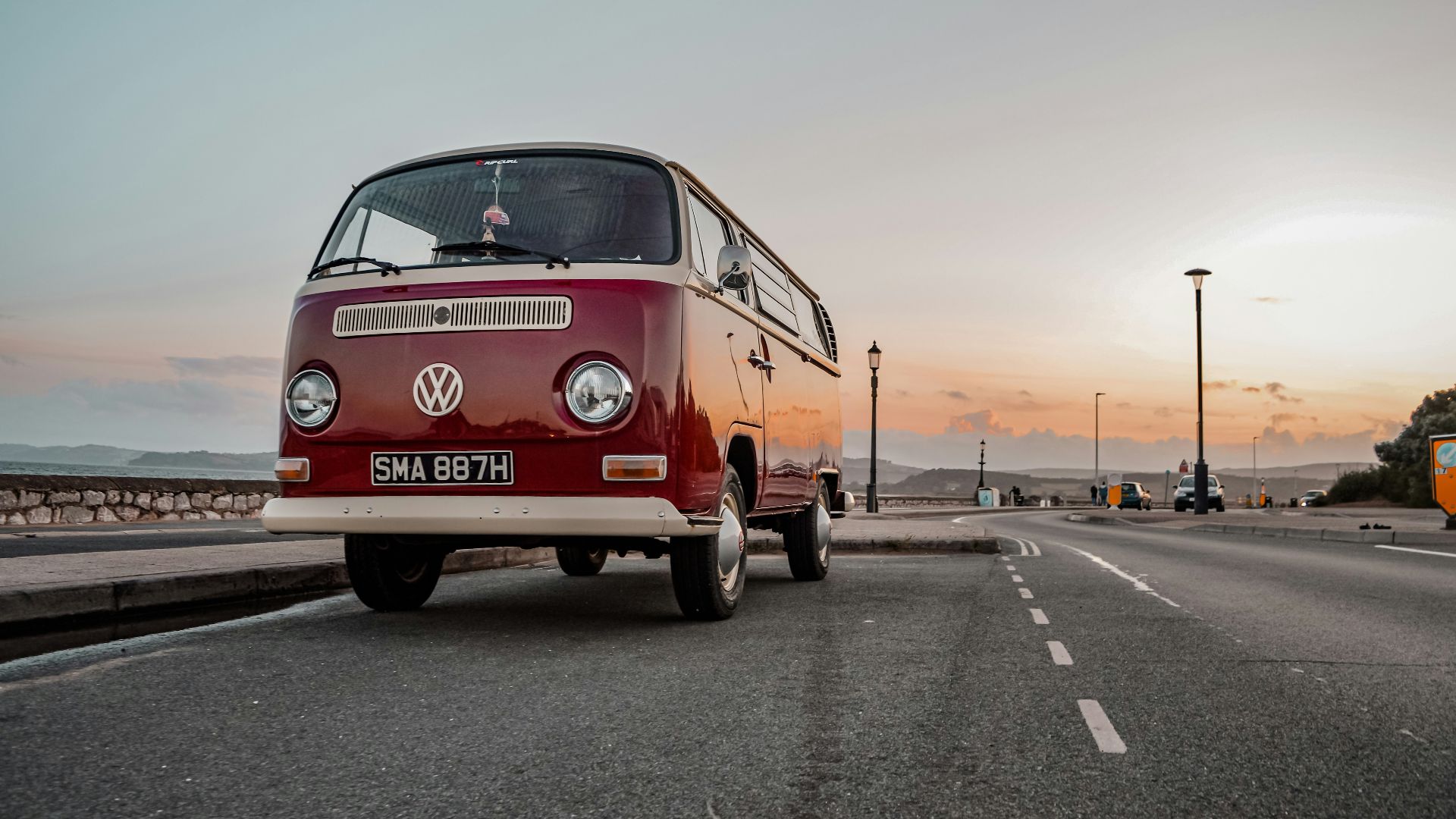
1. The Original Beetle (1938 to 2003)
No car in history has been loved quite the way the original Beetle was loved, and that affection was earned rather than manufactured. It was simple, cheap to fix, nearly impossible to kill in the right conditions, and so visually distinctive that it became a cultural symbol well beyond the automotive world. \
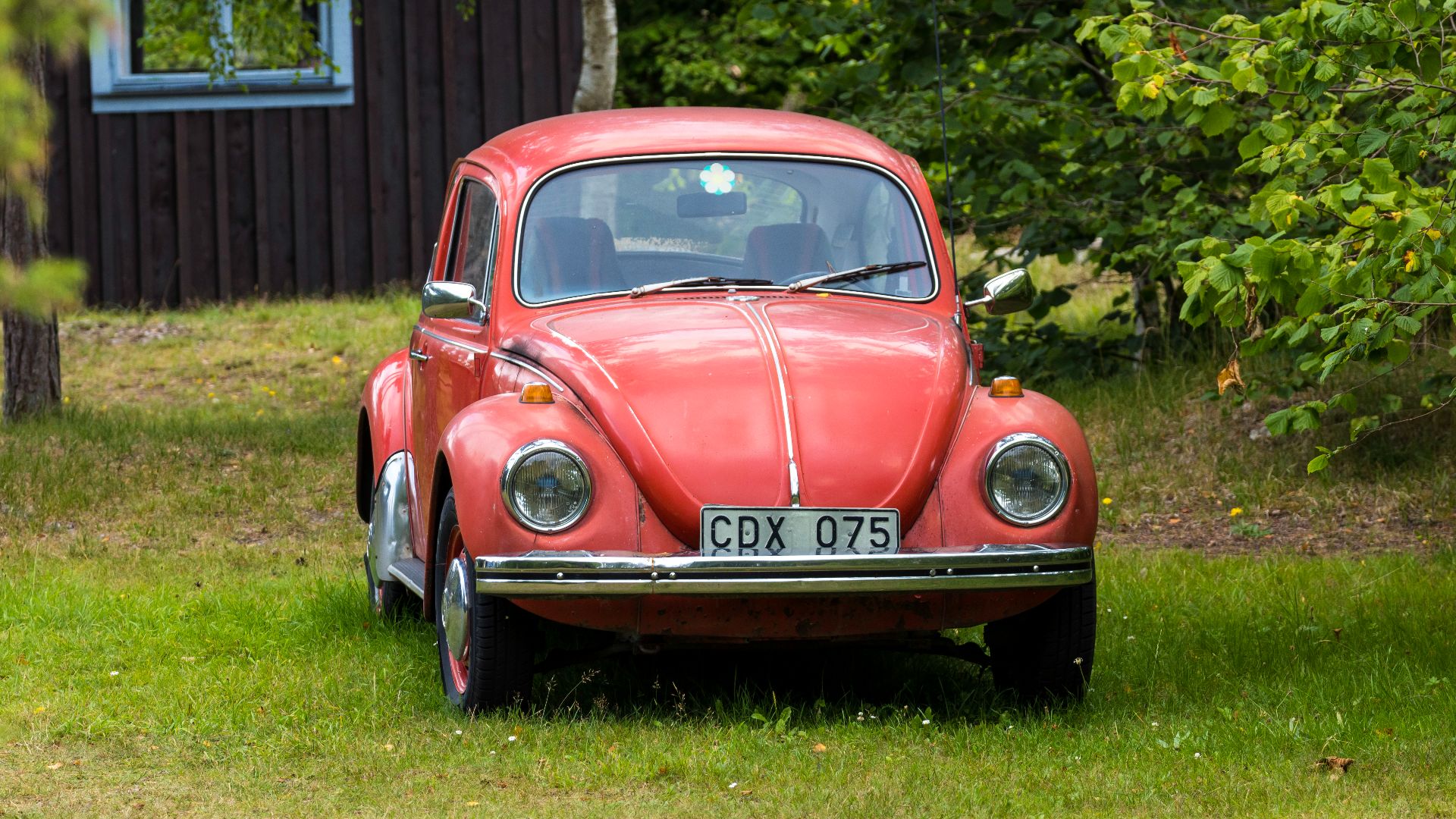
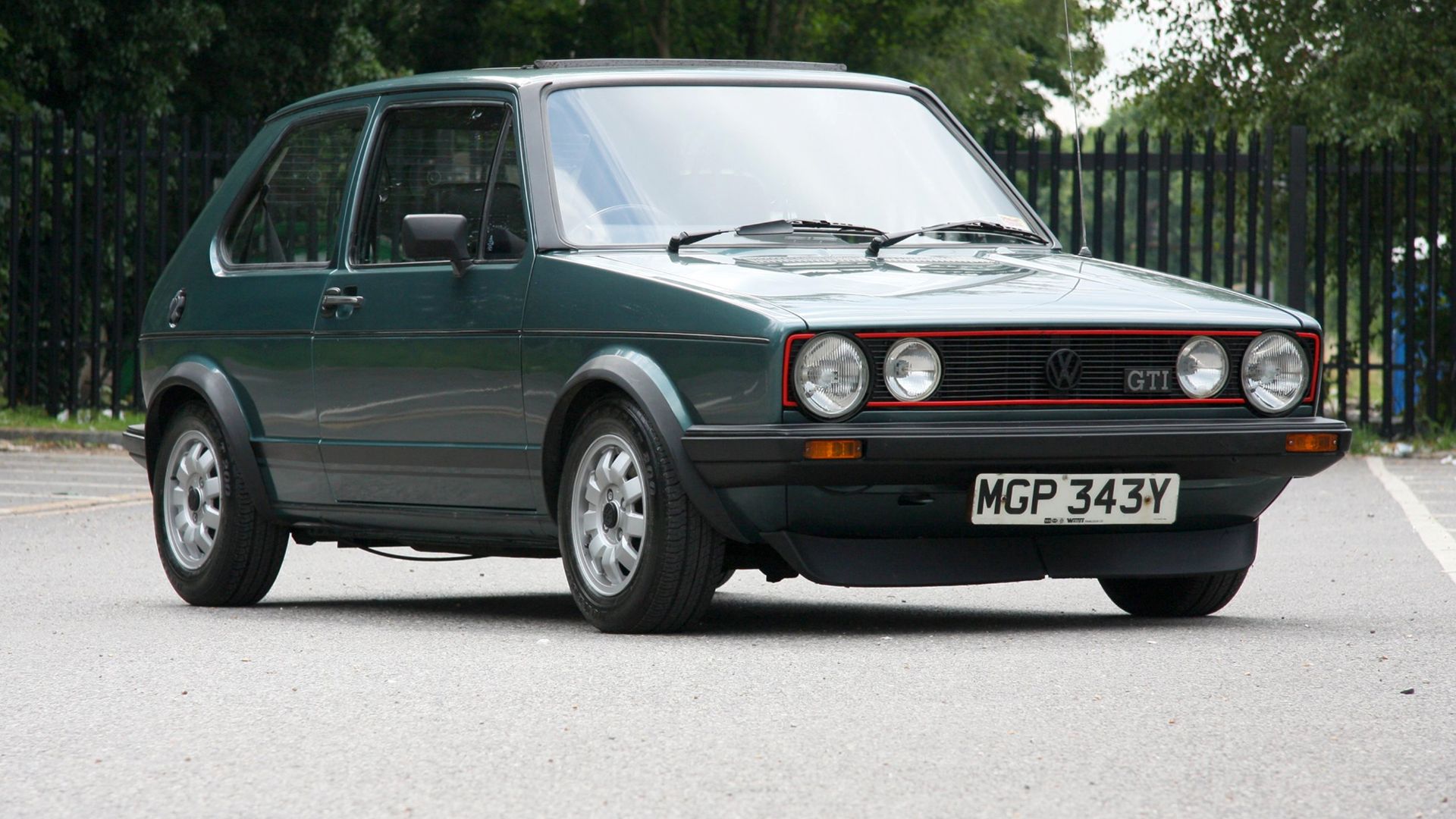
2. Golf GTI Mk1 (1976)
The Mk1 GTI invented the hot hatch as a category and did it so well that every car that followed has been measured against it. It was light, responsive, and genuinely fun to drive in a way that did not require a racetrack or a large budget.
 https://www.flickr.com/photos/tonysphotos/ on Wikimedia
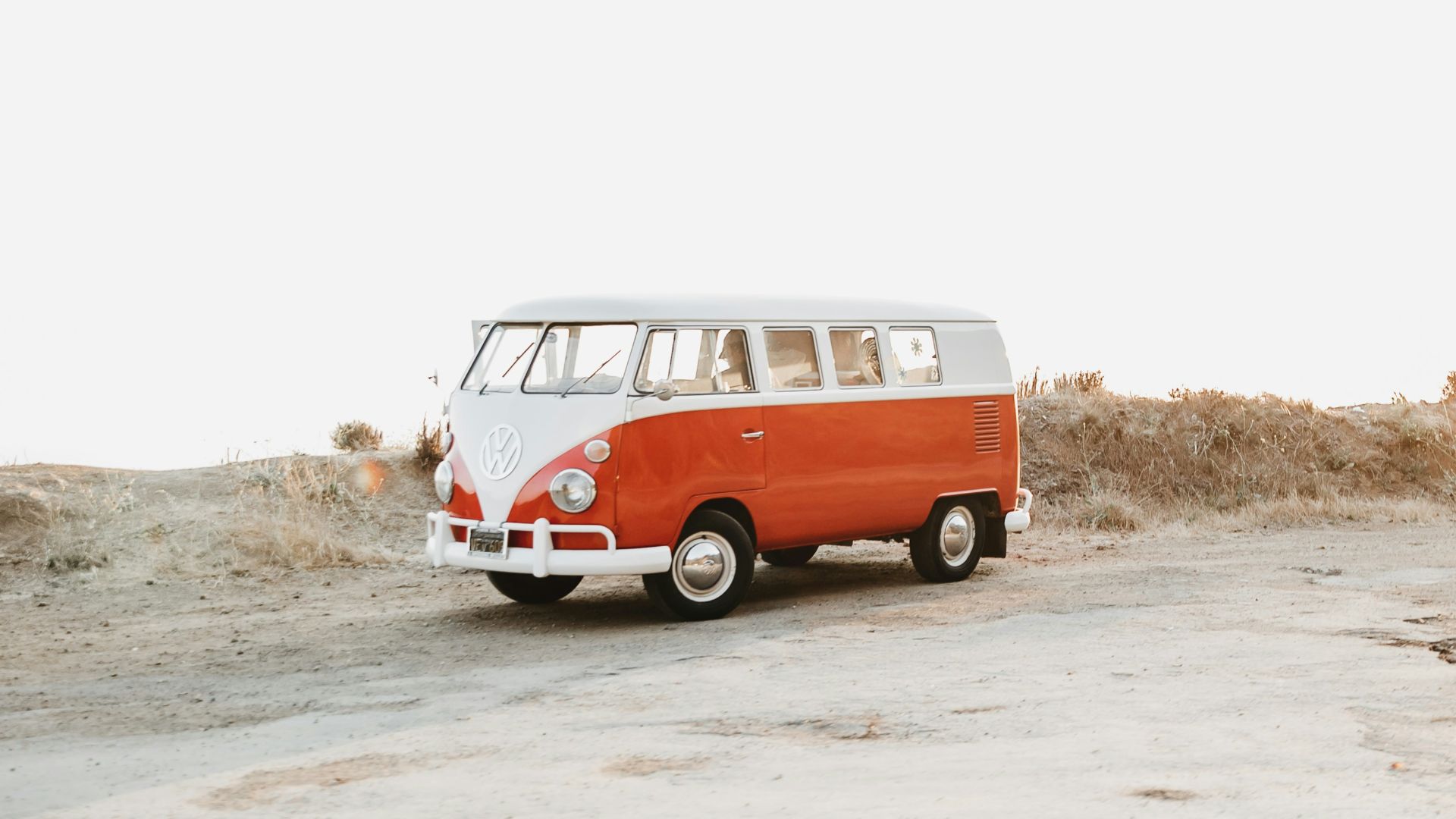
3. Volkswagen Bus (Type 2, 1950 to 1979)
The Type 2 became the vehicle of an era in a way that no marketing campaign could have engineered. It was practical, communal, and just unconventional enough to attract people who were suspicious of conventional things.
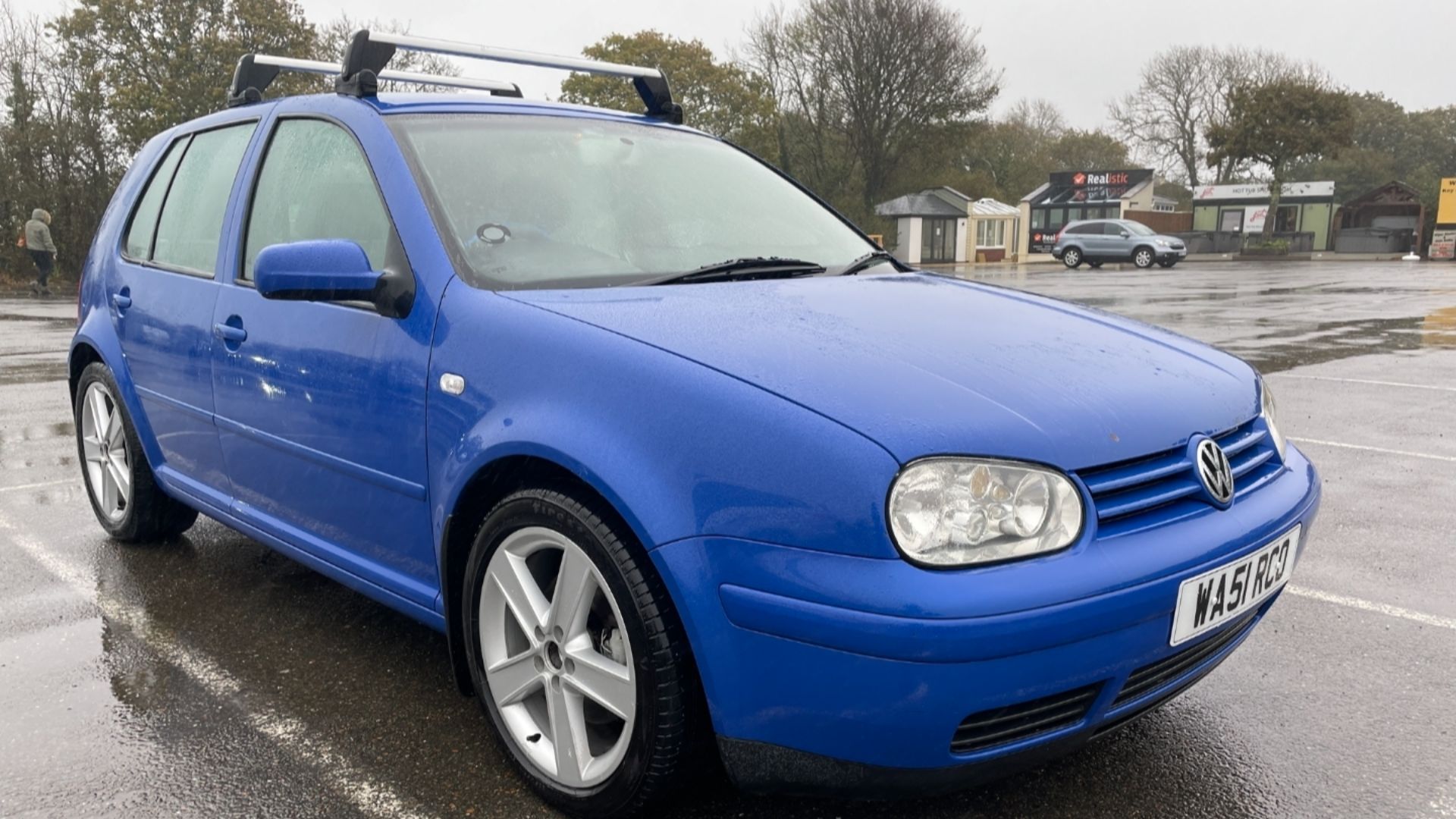
4. Golf Mk4 (1997 to 2006)
The Mk4 was the Golf that convinced people VW could build a genuinely premium small car. The interior quality was a step above anything in its class at the time, the driving dynamics were polished, and the whole package felt like it had been thought through rather than assembled to a price.
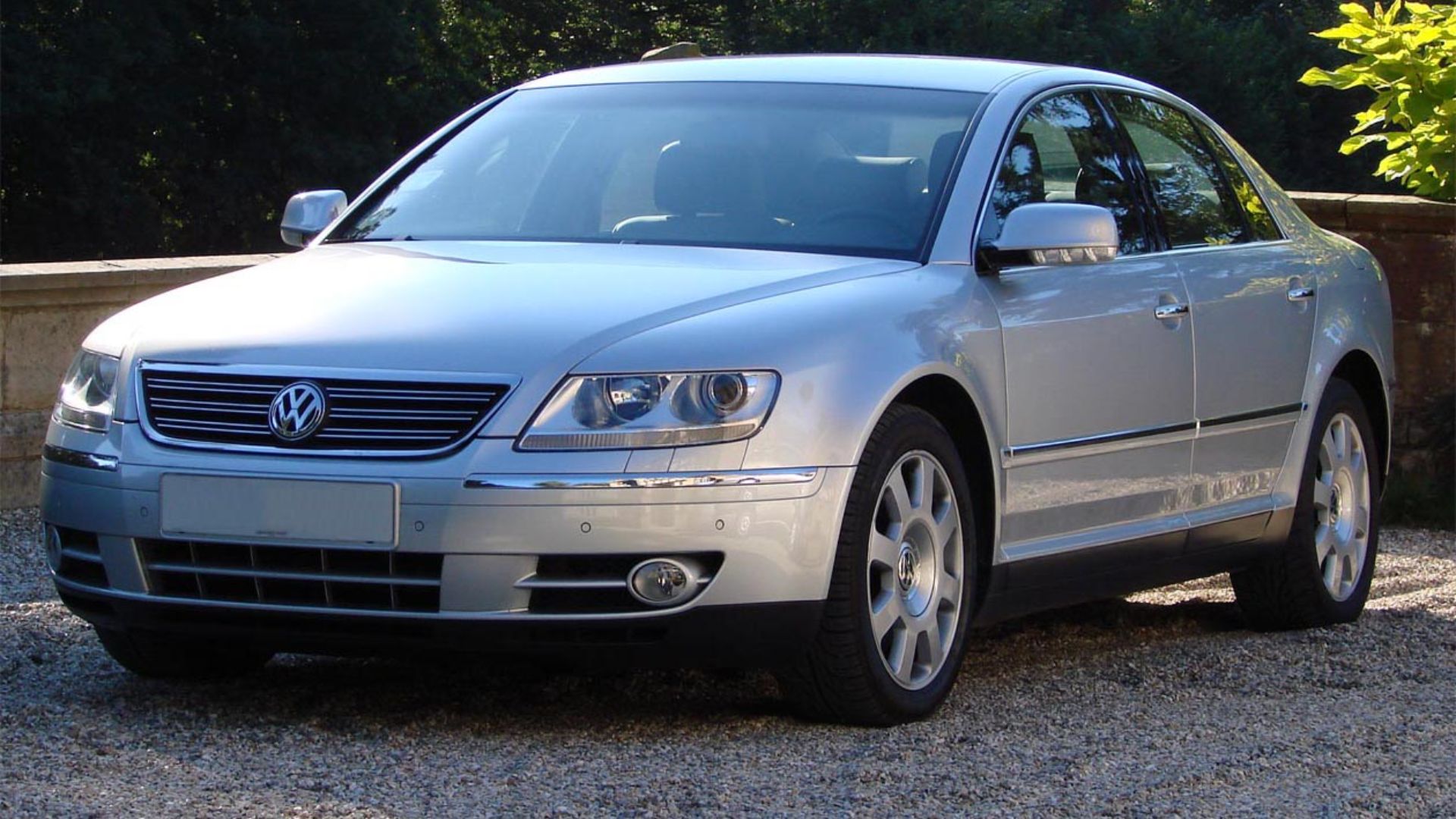
5. Phaeton (2002 to 2016)
The Phaeton was a genuinely extraordinary car that almost nobody bought, which is one of the more interesting stories in modern automotive history. It was hand-built in a glass factory in Dresden, engineered to standards that rivaled Bentley (which VW also owned), and priced in a segment where the badge on the hood mattered more than the car underneath it.
 commons.wikimedia.org on Google
6. Corrado (1988 to 1995)
The Corrado never got the attention it deserved during its production run, and enthusiasts have spent the years since correcting that oversight. It was sharp-looking, well-built, and available with a supercharged engine that made it genuinely quick for its era.
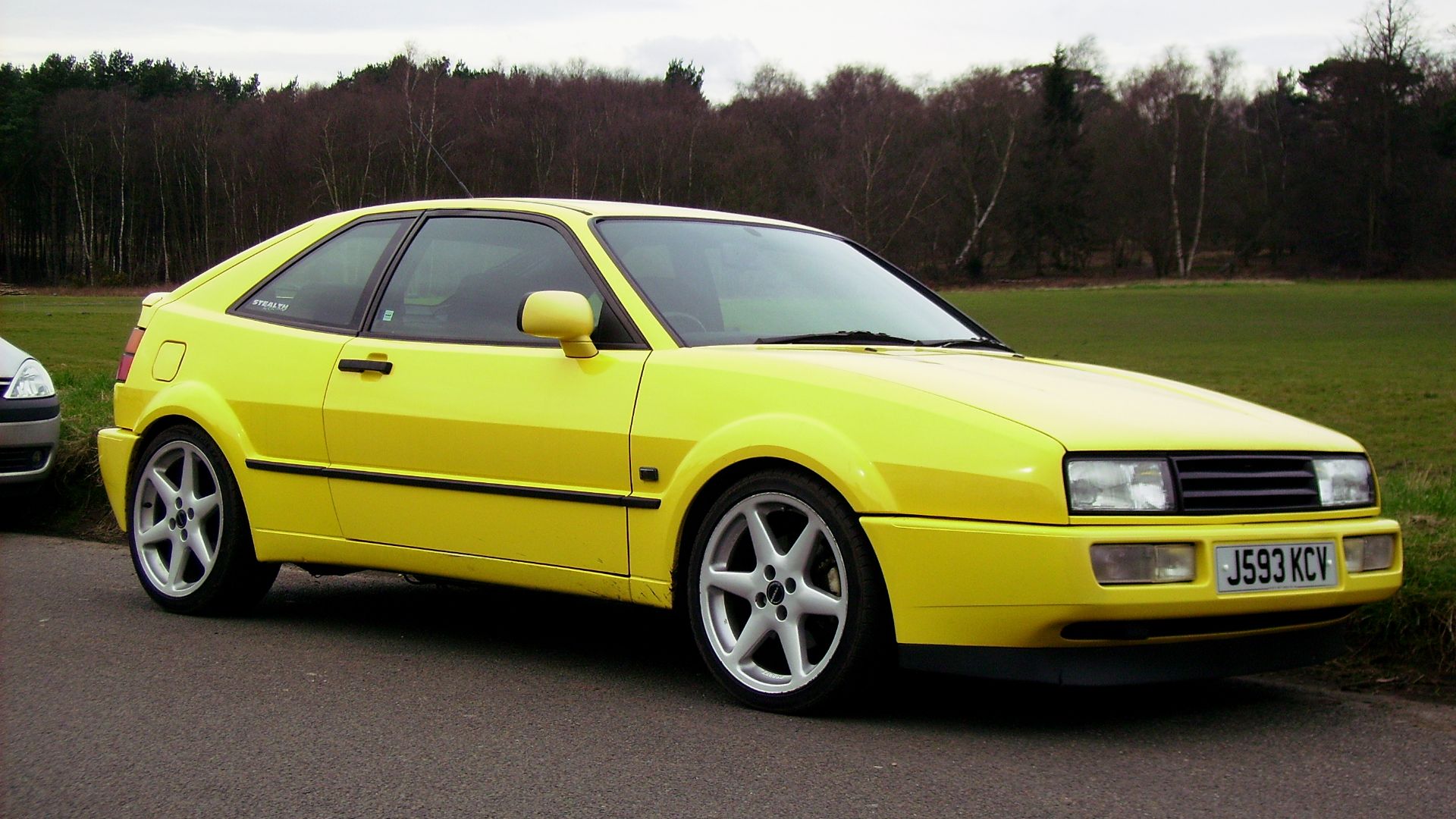 allen watkin from London, UK on Wikimedia
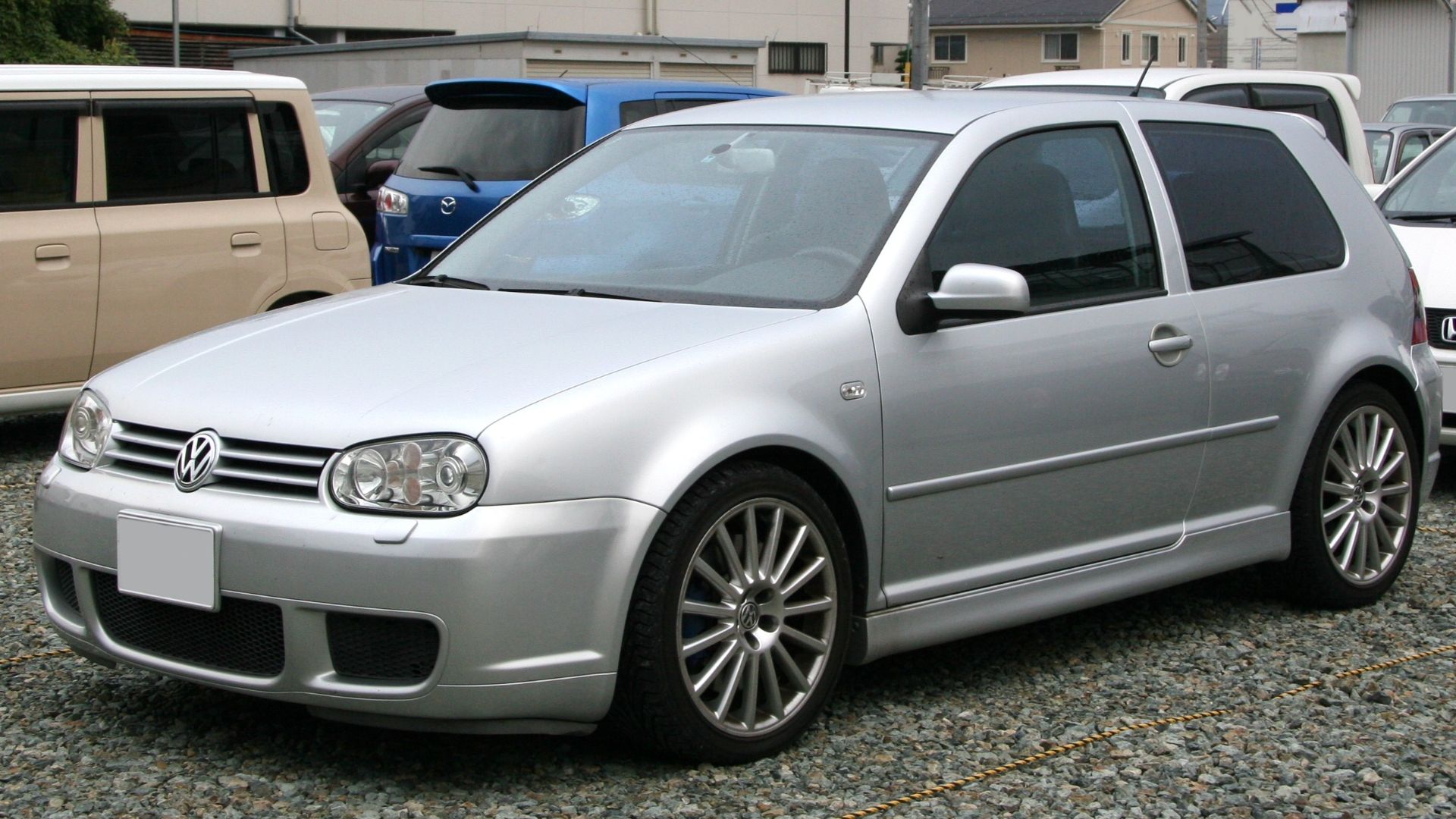
7. Golf R32 (2002 to 2008)
The R32 took the Golf platform and put a narrow-angle VR6 engine in it, which produced a sound unlike almost anything else in its class and performance to match. It was heavier than the GTI but more refined, and the all-wheel-drive system made it genuinely usable in conditions where other hot hatches became nervous.
8. Scirocco Mk1 (1974 to 1981)
Designed by Giugiaro and built on the Golf platform, the Mk1 Scirocco was what happened when VW let someone with genuine design talent loose on a practical chassis. It looked like it cost significantly more than it did, drove well, and aged gracefully in a way that Italian-influenced designs from that era often do.
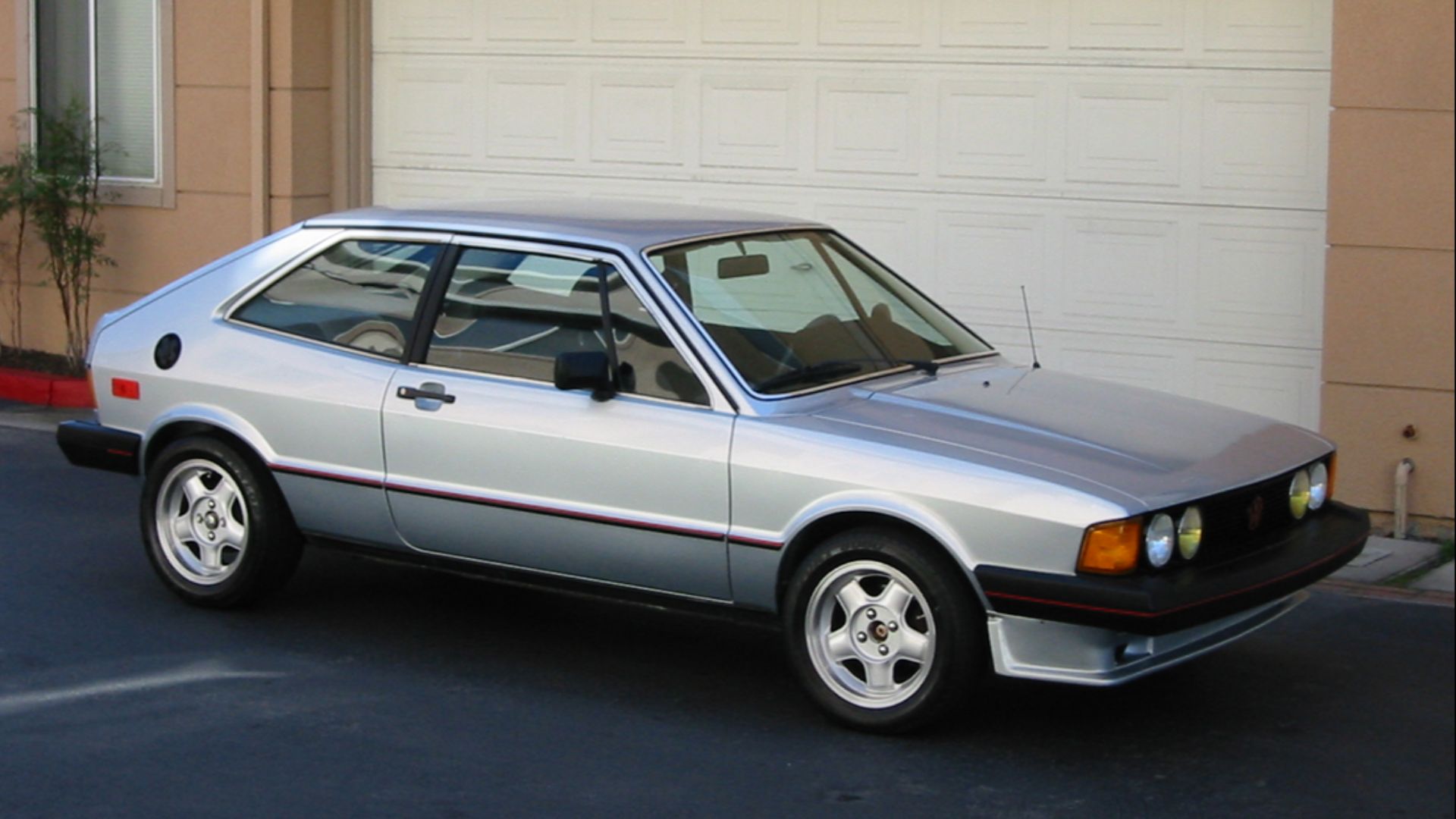 Sirocco81 at en.wikipedia on Wikimedia
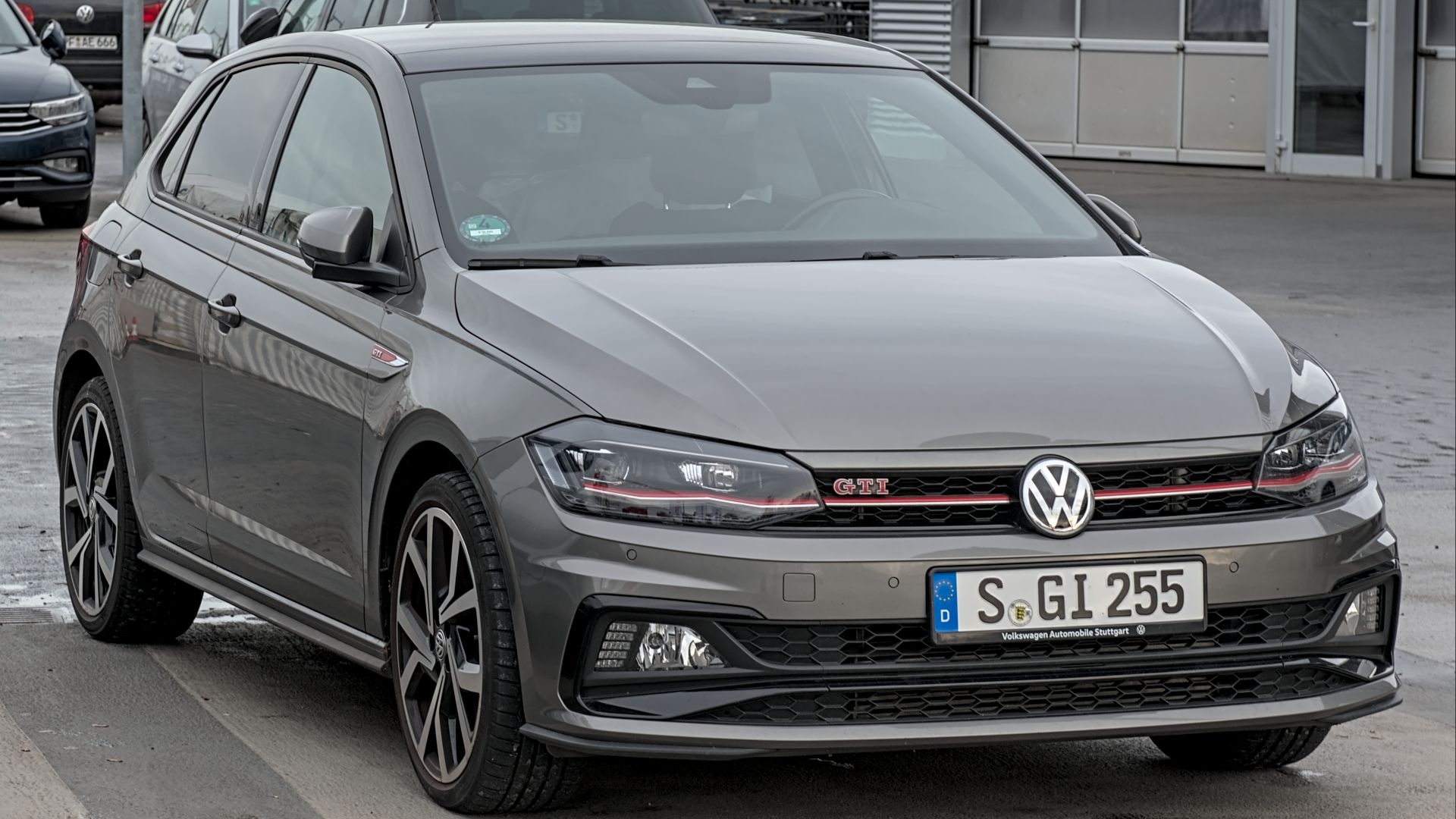
9. Polo GTI (Mk5, 2010 to 2017)
The Mk5 Polo GTI made the case that you could shrink the GTI formula without losing what made it worth having. It was quick enough to be entertaining, small enough to be genuinely practical in city driving, and finished well enough that you did not feel like you had compromised.
10. Golf GTI Mk7 (2013 to 2020)
The Mk7 GTI is the version that reminded everyone why the nameplate still matters. It was fast, refined, practical, and priced at a point where it remained accessible to the people the original was built for.
Here are 10 VWs that tested owner patience, strained mechanic relationships, and in some cases, raised questions about quality control that took years to answer.
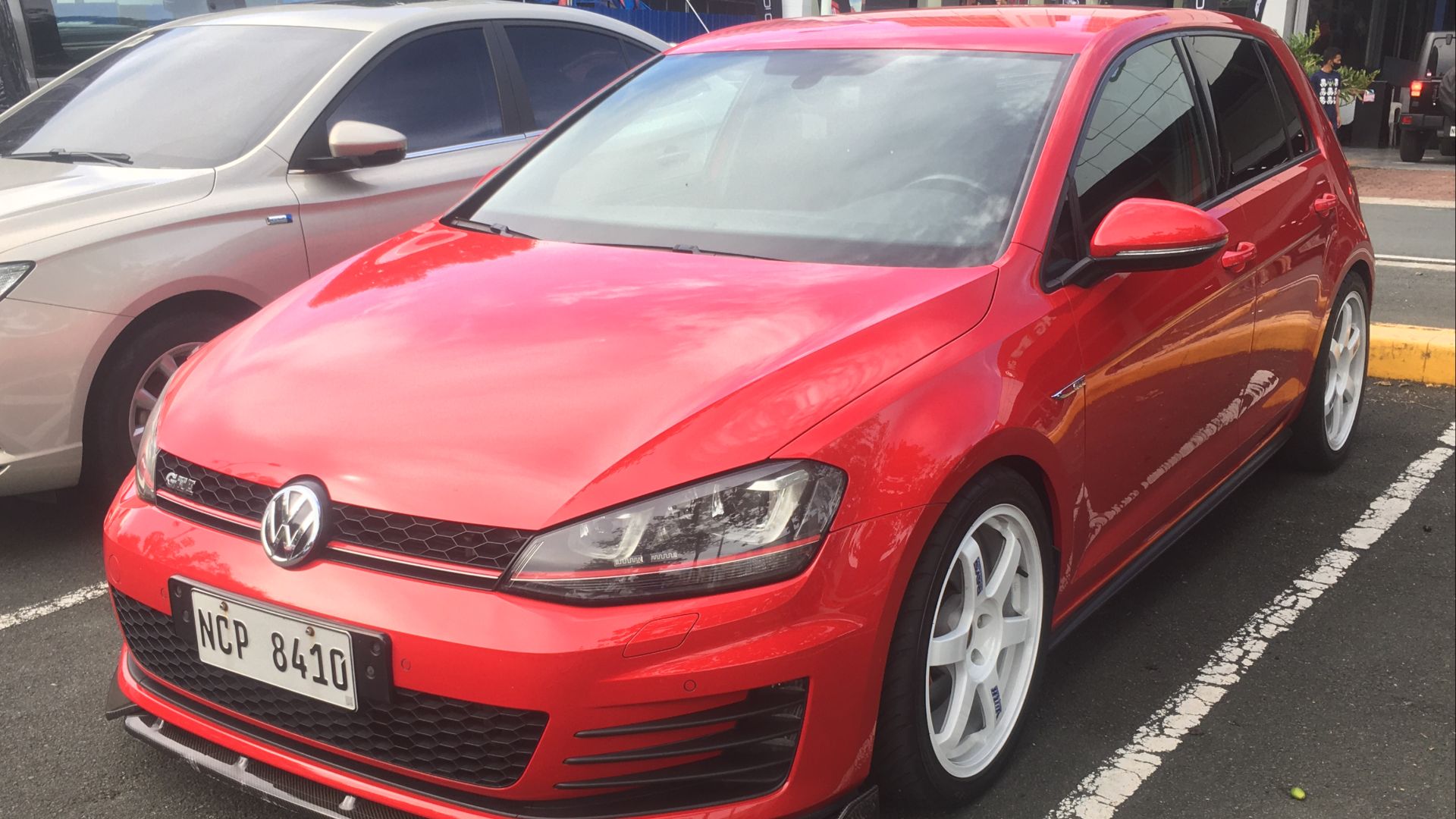
1. VW Phaeton (US Market)
The same car that appeared in the first list makes a justified appearance here too. The engineering was remarkable and the ownership experience could be transcendent, but the repair costs when things went wrong were stratospheric. A failed air suspension or a malfunctioning W12 engine could produce invoices that made the original purchase price look reasonable by comparison.
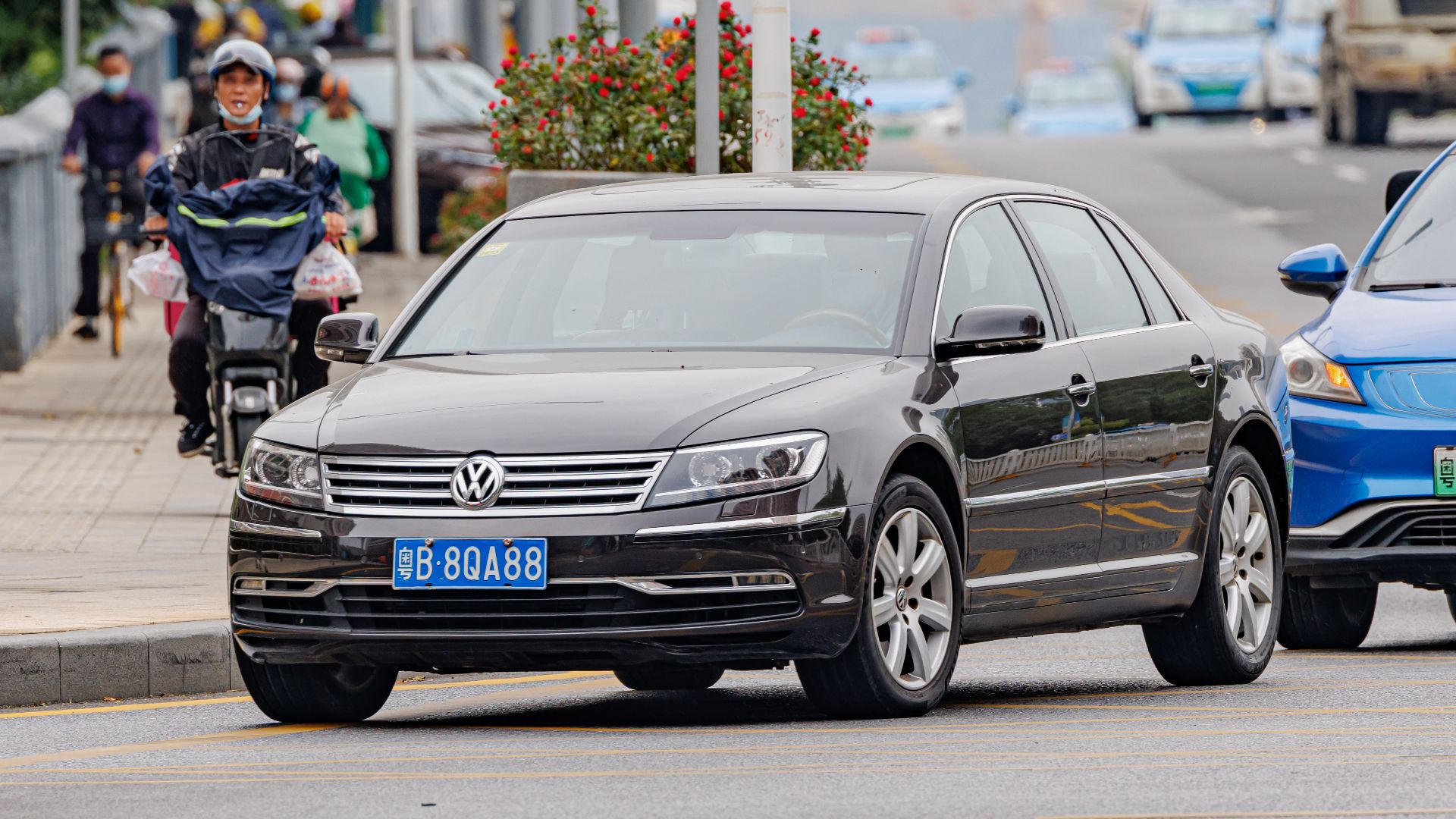
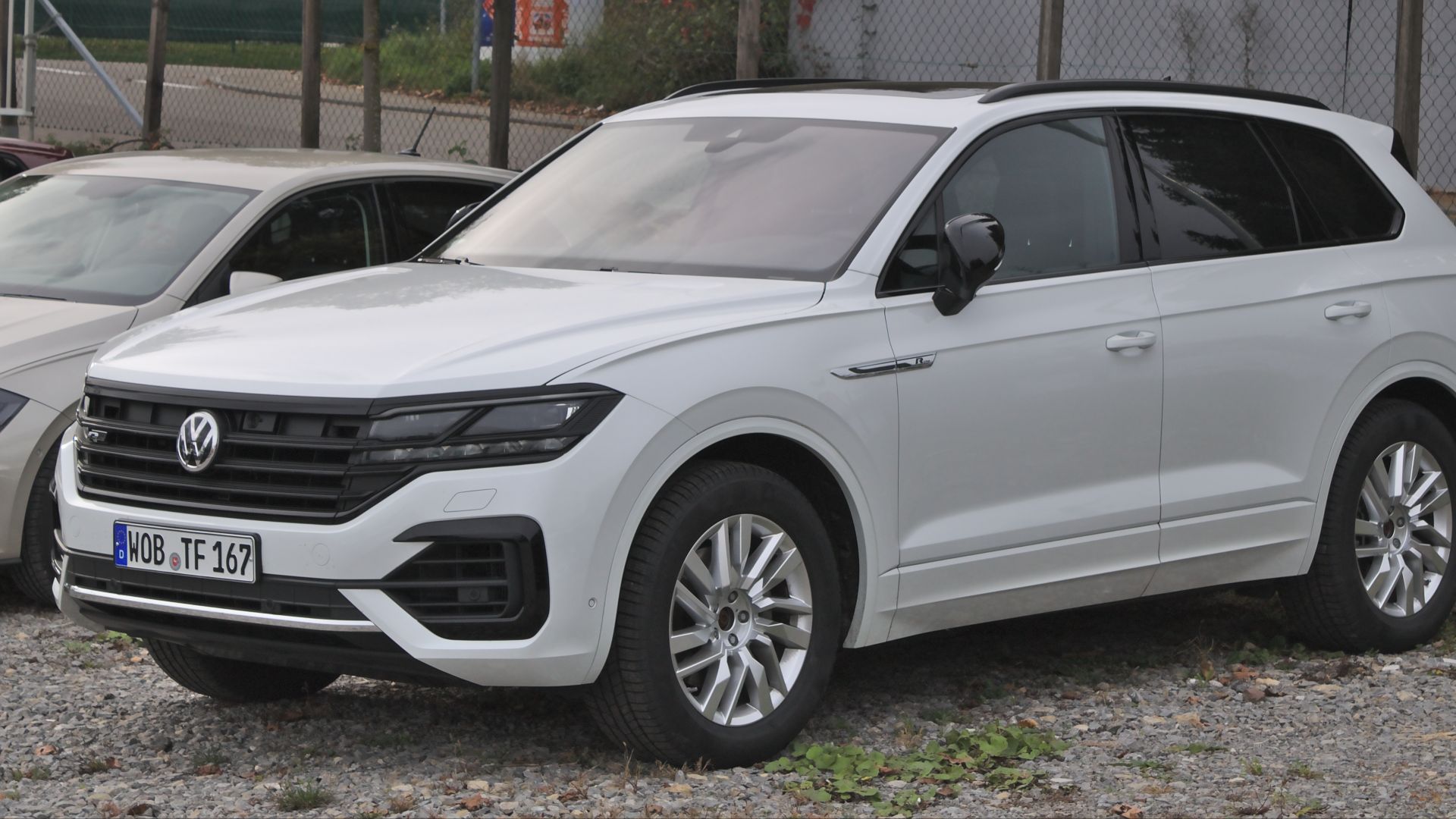
2. VW Touareg V10 TDI (2002 to 2007)
The V10 diesel Touareg was an engineering statement that the market never fully asked for. It was enormously heavy, complicated in ways that made routine maintenance a specialized undertaking, and equipped with a timing belt system that required removing significant portions of the engine to service.
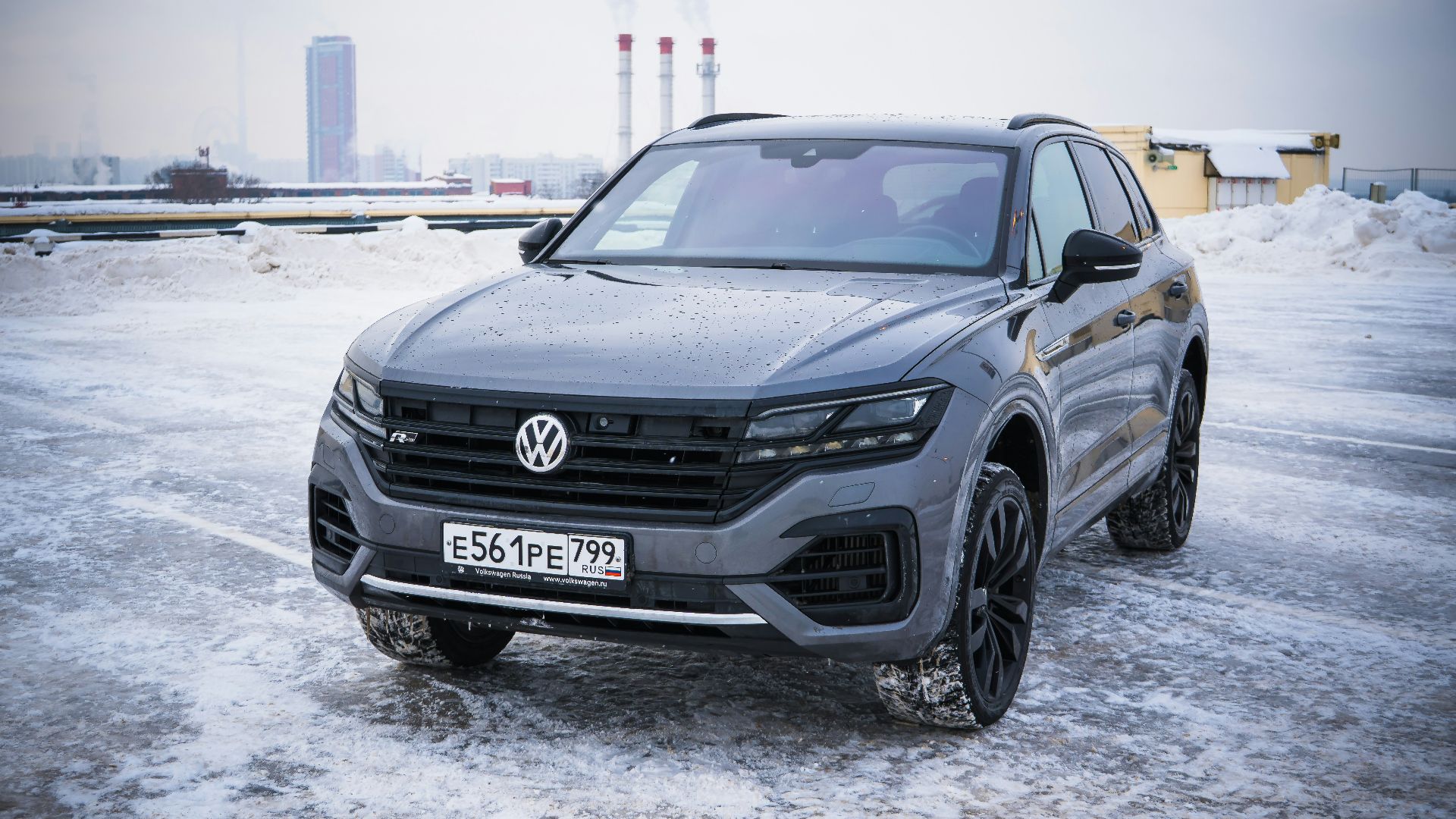
3. VW 1.8T (Early Units, 1996 to 2005)
The 1.8 turbocharged four-cylinder was in everything for a decade, and the early versions had a well-documented appetite for oil and a sludge problem that could destroy an engine without warning if service intervals were not followed precisely. It was tuneable and enthusiast-friendly in the right hands, but in the wrong ones it became expensive quickly.
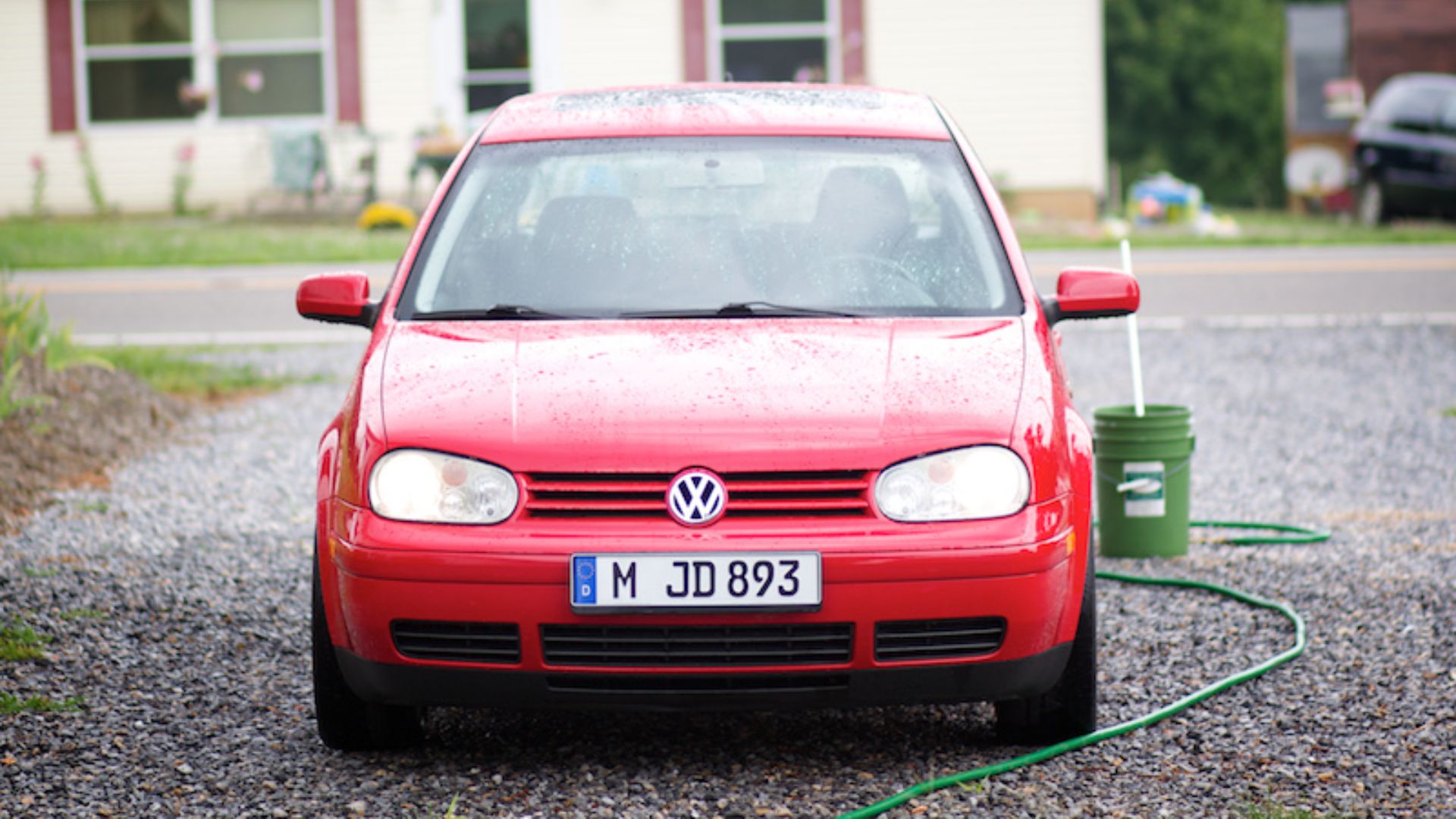
4. VW Routan (2009 to 2012)
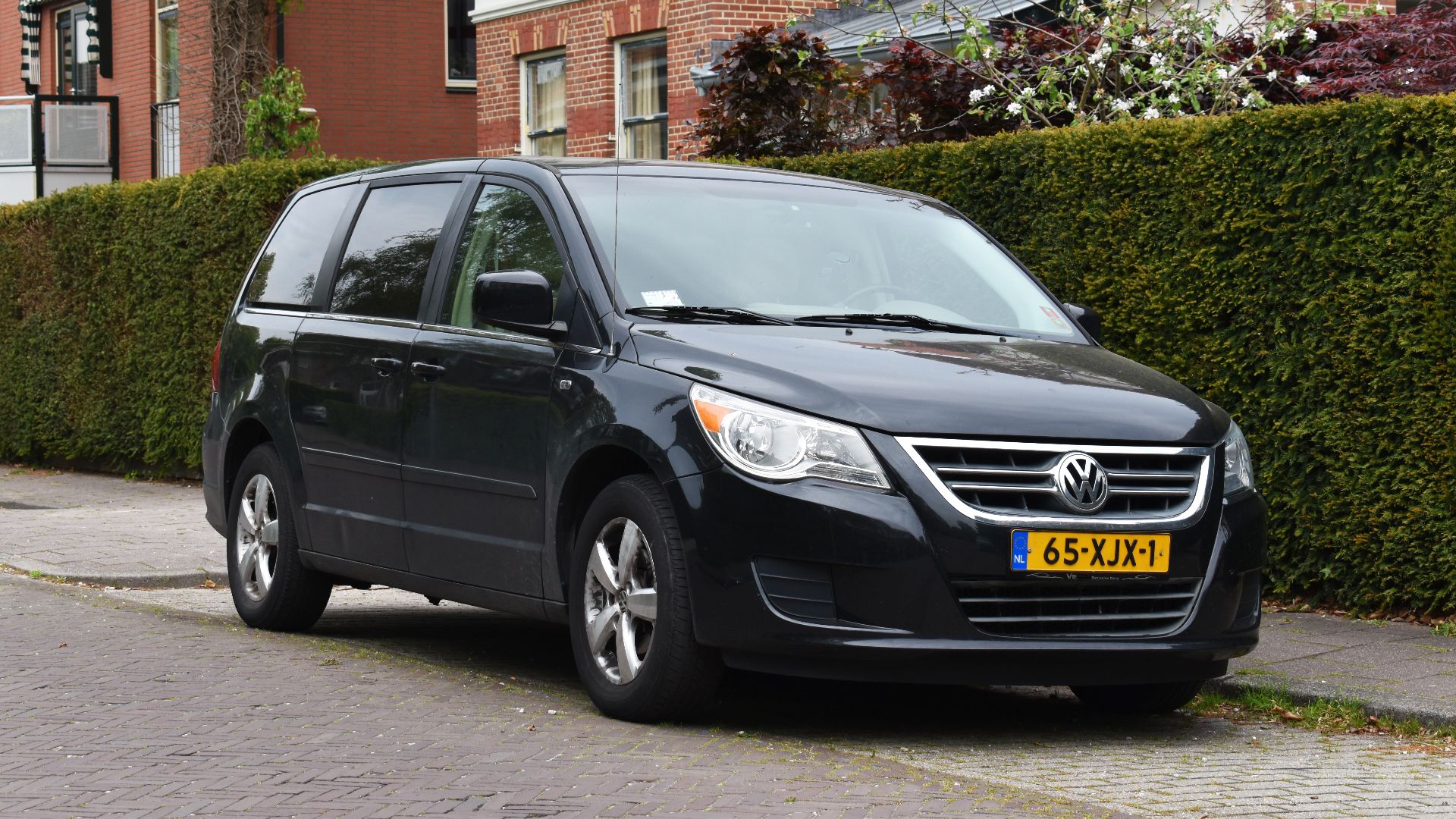
The Routan was a Chrysler Town and Country minivan with VW badges applied to it, which is not a description that rewards further analysis. It had none of VW's engineering and all of the reliability concerns that minivan buyers were hoping to avoid by choosing a European brand.
5. VW Eos (2006 to 2016)
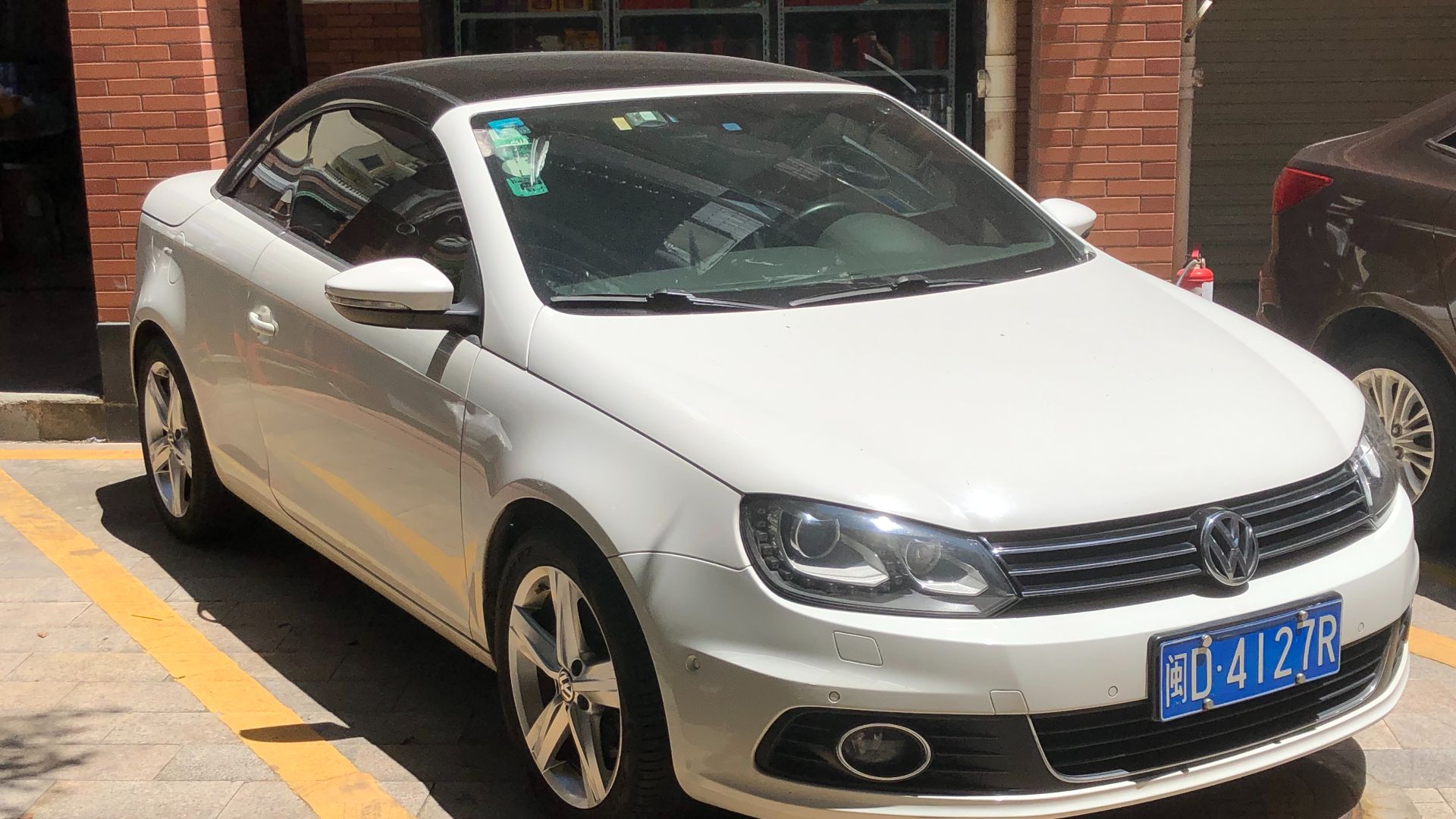
The Eos had a genuinely clever retractable hardtop that folded into the trunk in a sequence that looked impressive the first dozen times you watched it. The problem was that the mechanism had enough moving parts to guarantee that something would eventually stop moving correctly, and when it did, the repair was neither simple nor cheap.
6. VW Golf Mk3 (1991 to 1999)
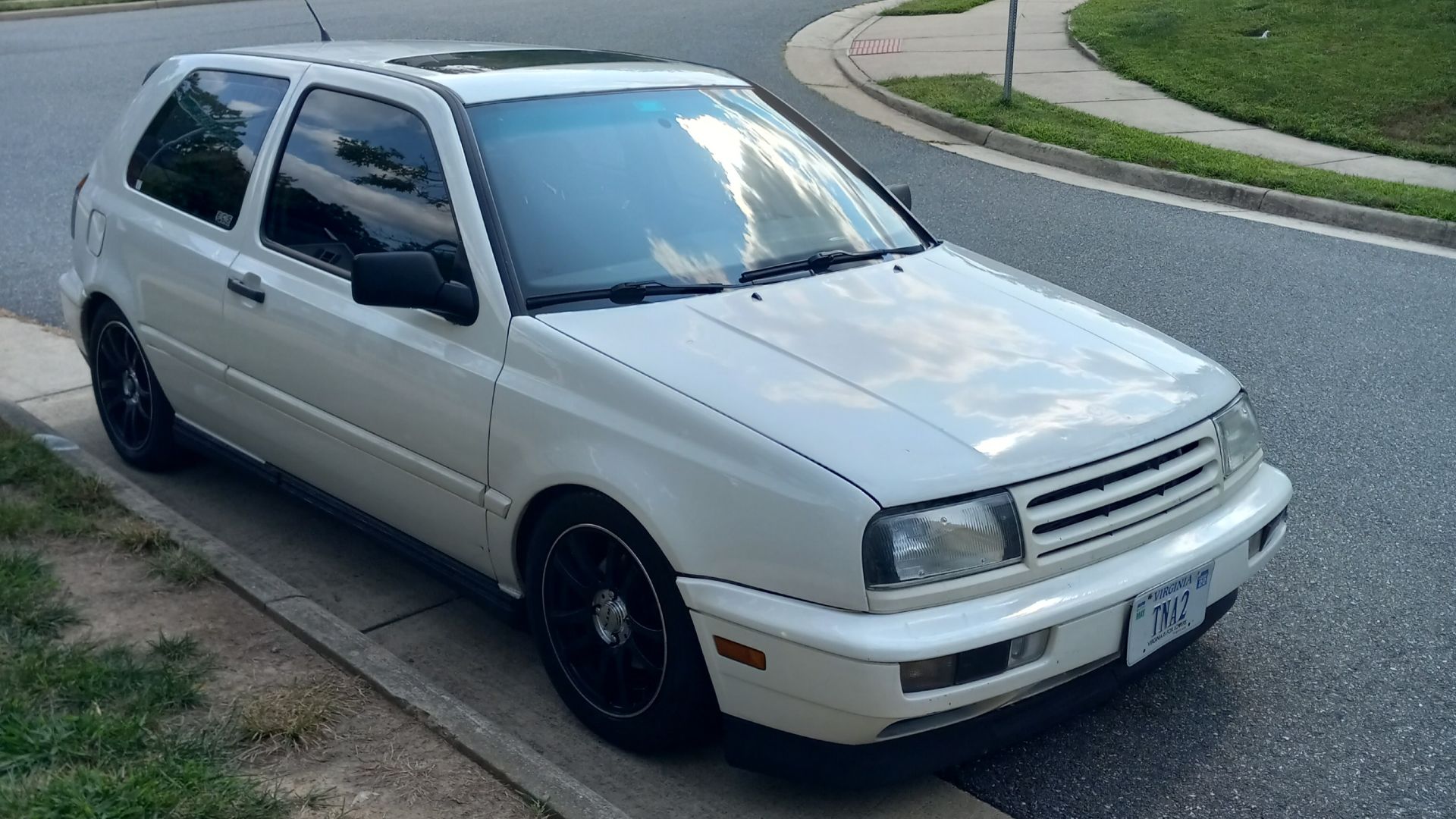
The Mk3 arrived after the beloved Mk2 and struggled to justify the succession. It was heavier, less exciting to drive, and began showing rust in places that suggested the build quality had slipped somewhere between the design studio and the factory floor.
7. VW DSG Gearbox (Early Versions, 2003 to 2008)
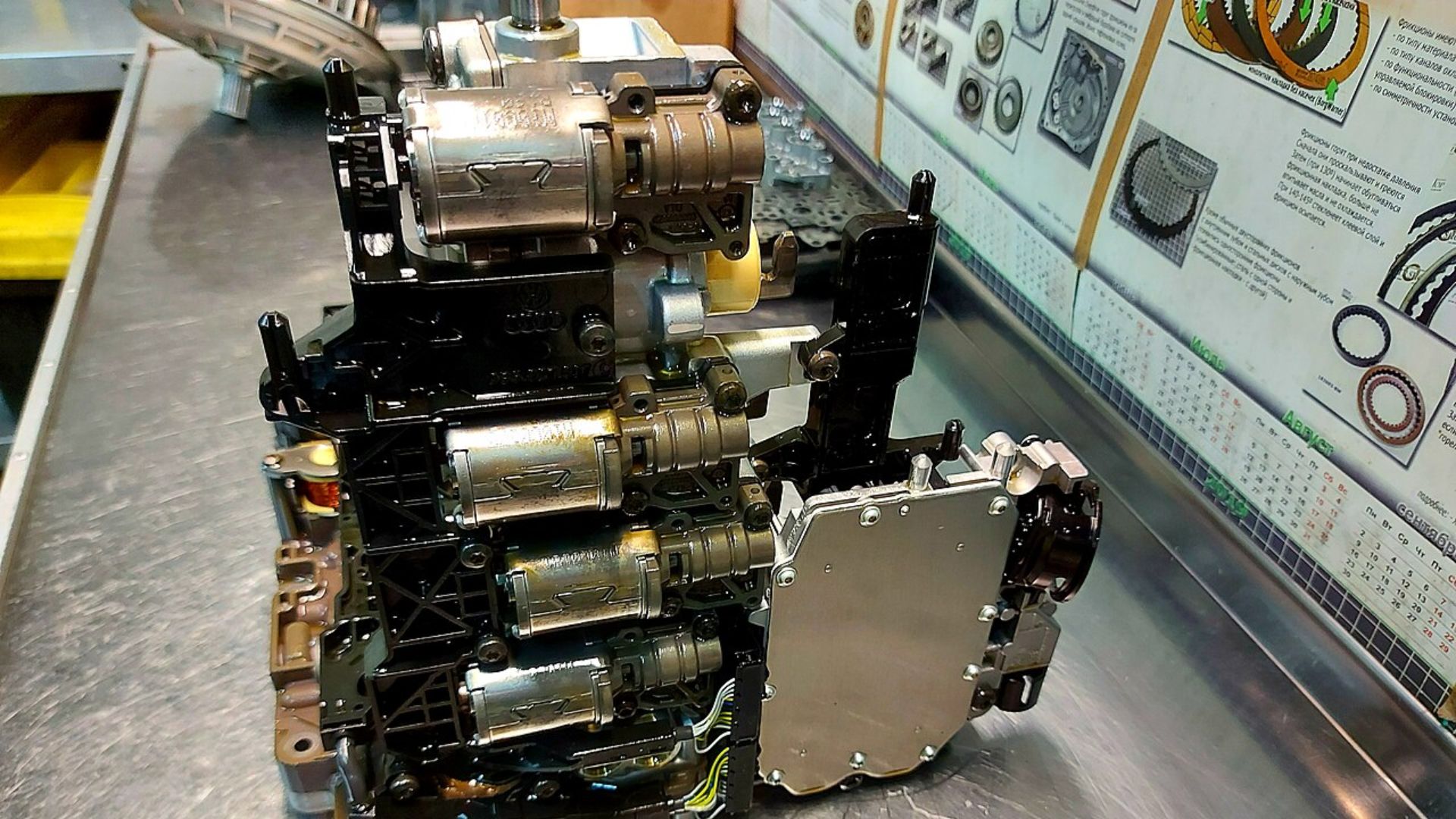
The direct-shift gearbox was genuinely innovative and, in later iterations, genuinely good. The early versions, particularly the six-speed wet-clutch unit fitted to higher-torque applications, had a shudder problem at low speeds that VW took years to fully acknowledge and address.
8. VW Thing (Type 181, 1973 to 1974 in the US)
The Thing was sold in the American market for exactly two years before safety regulators effectively ended its run, and the reasons were not difficult to understand. It had no rollover protection, doors that could only be locked from the outside, and a heater that struggled to function in actual cold weather.
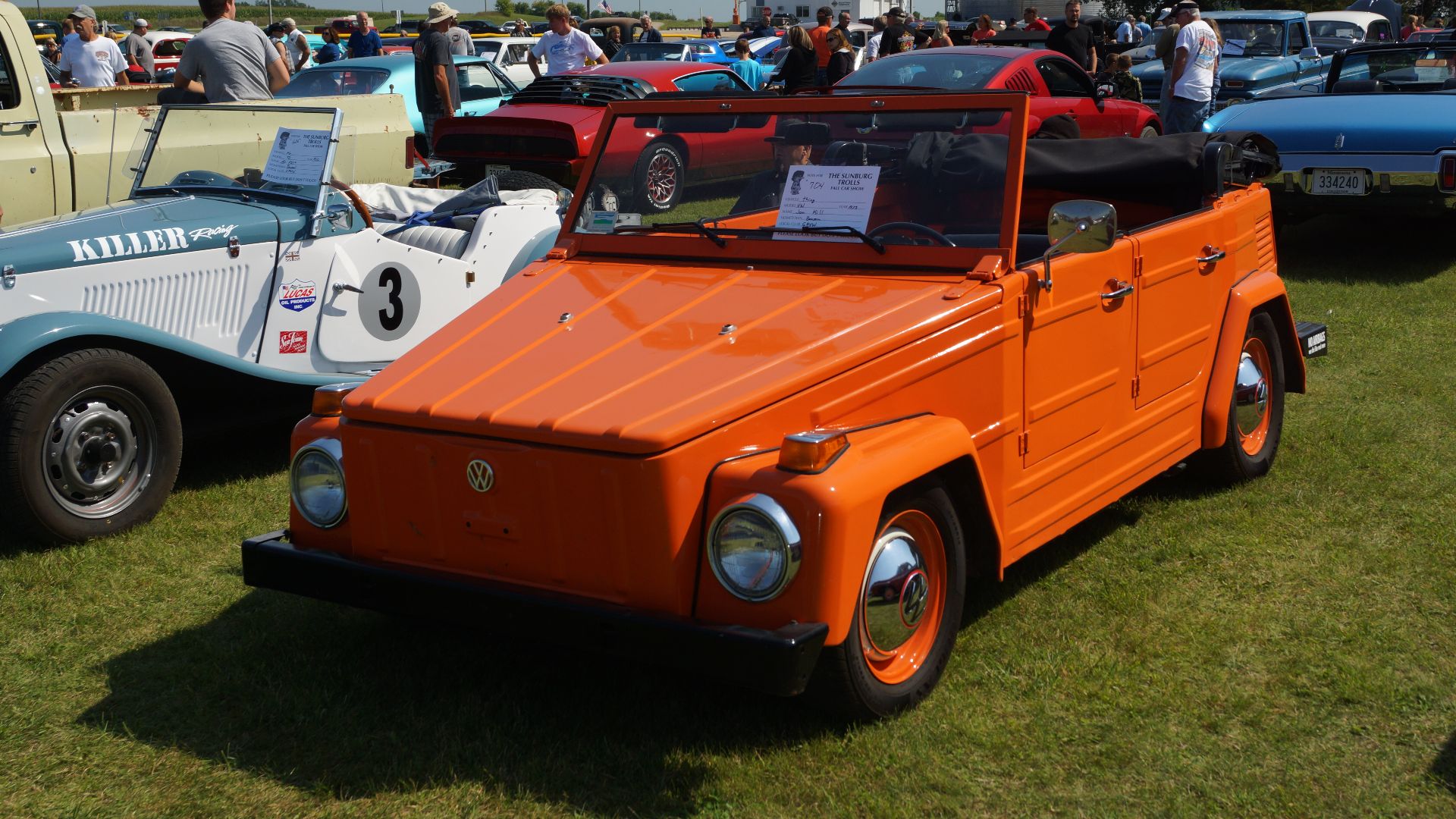 Greg Gjerdingen from Willmar, USA on Wikimedia
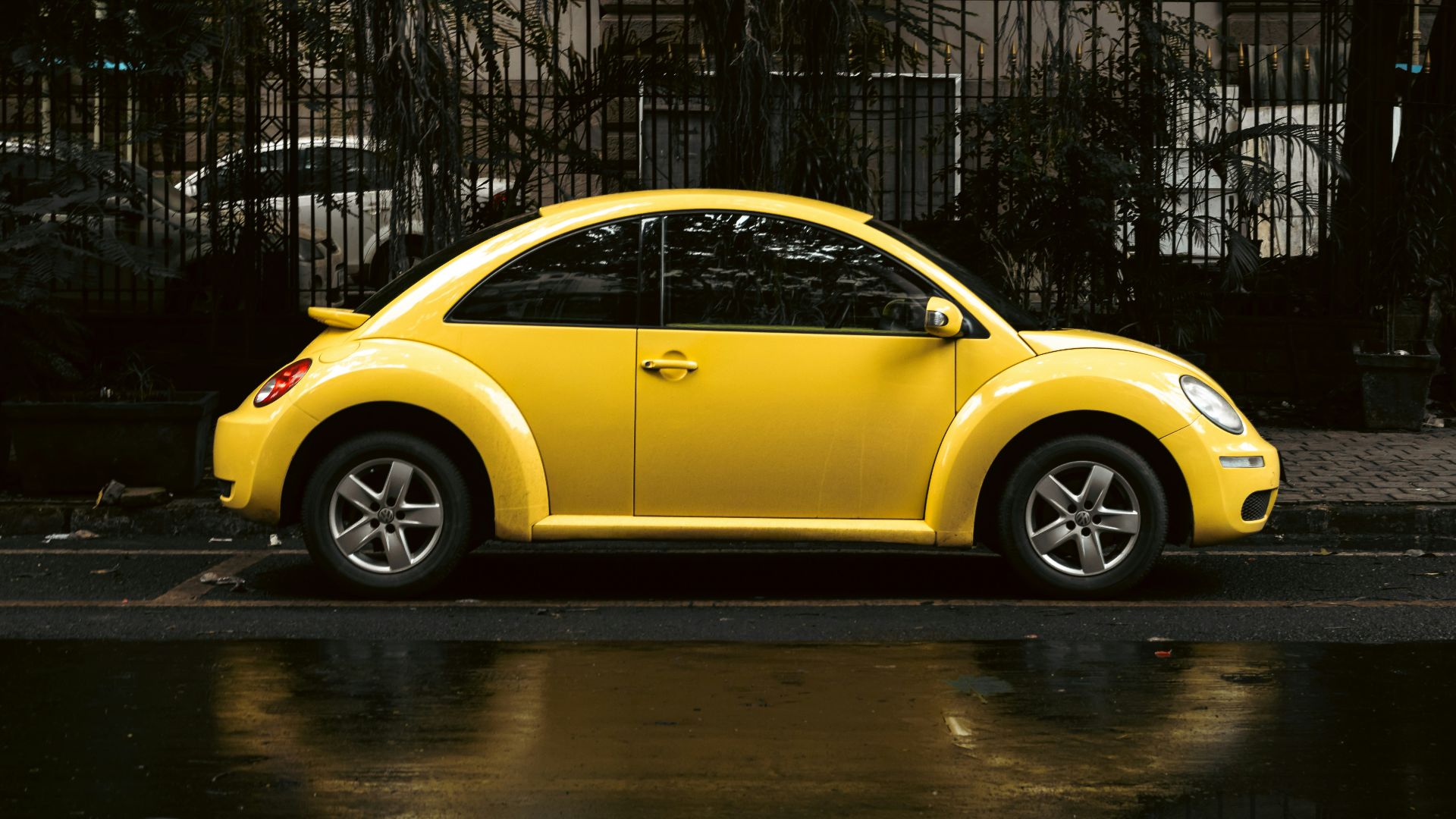
9. VW Beetle New Generation (1998 to 2010)
The New Beetle captured the visual nostalgia of the original without much of the mechanical simplicity that made the original so enduring. Window regulators failed with regularity, the cooling system required diligent attention, and the dashboard design prioritized the flower vase holder over ergonomic logic.
10. VW Touareg (1st Gen, Electrical Systems)
The first-generation Touareg was an ambitious vehicle that demonstrated VW could build a capable luxury SUV. It also demonstrated that the electrical architecture of that era was not ready for the demands being placed on it. Owners encountered warning lights, module failures, and fault codes that appeared and disappeared without clear cause, which made diagnosis a process that required patience, specialist equipment, and occasionally a certain philosophical acceptance of uncertainty.