Zoom Zoom Didn't Always Land
Mazda has always been a brand that swings for something more than the obvious, and that ambition cuts both ways. At its best it produced cars enthusiasts are still fighting over decades later. At its least successful it produced genuinely interesting machines the buying public simply didn't know what to do with. Here are 10 Mazdas that earned their reputation with time, and 10 that deserved a bigger audience than they ever got.
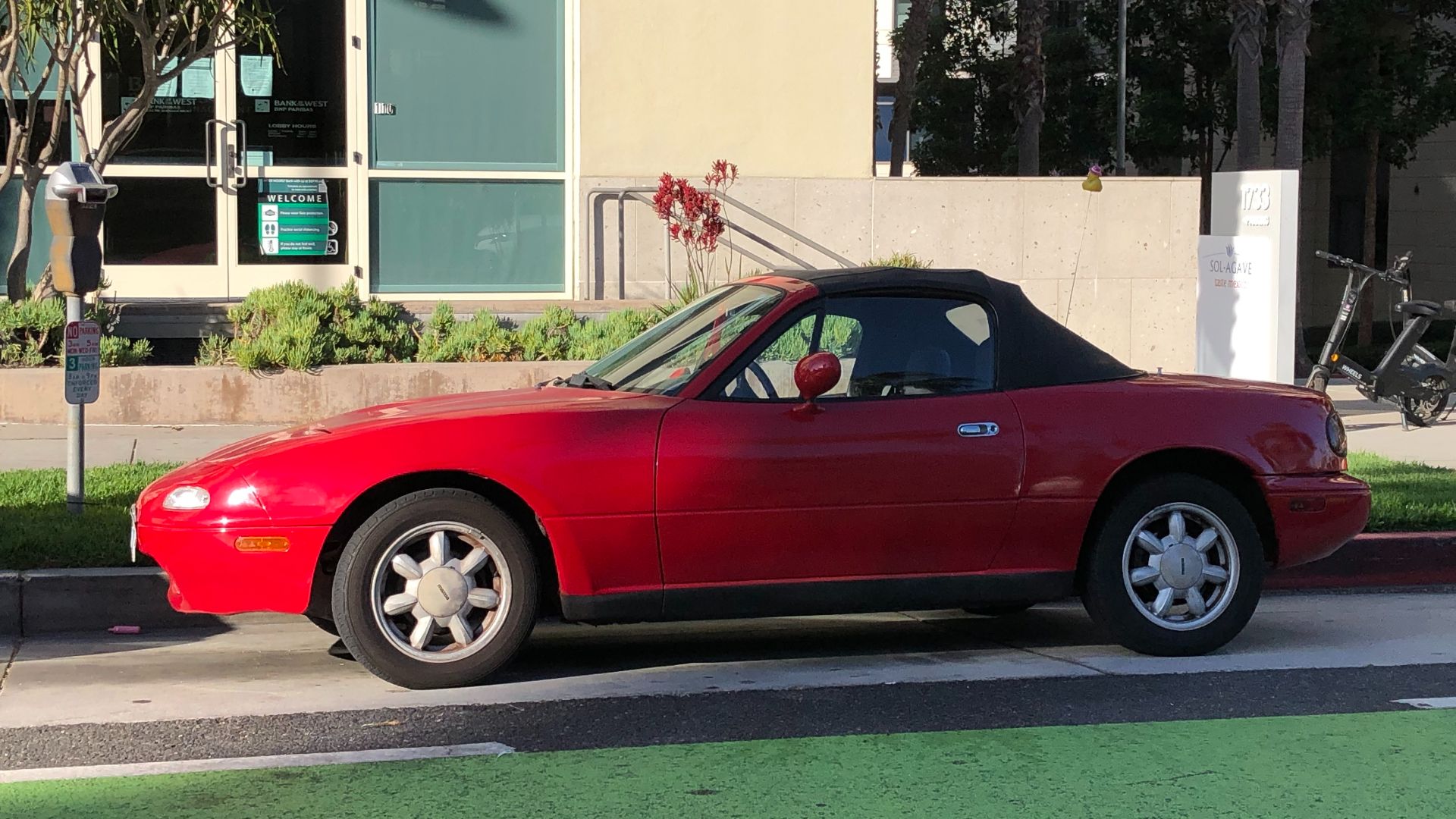
1. NA Miata (1989)
The original Miata didn't invent the roadster, but it reminded the world why the roadster existed. Light, honest, rear-wheel drive, and priced for regular people at a moment when small sports cars had mostly been abandoned, clean examples have climbed steadily in value and the car's reputation among enthusiasts is essentially untouchable.
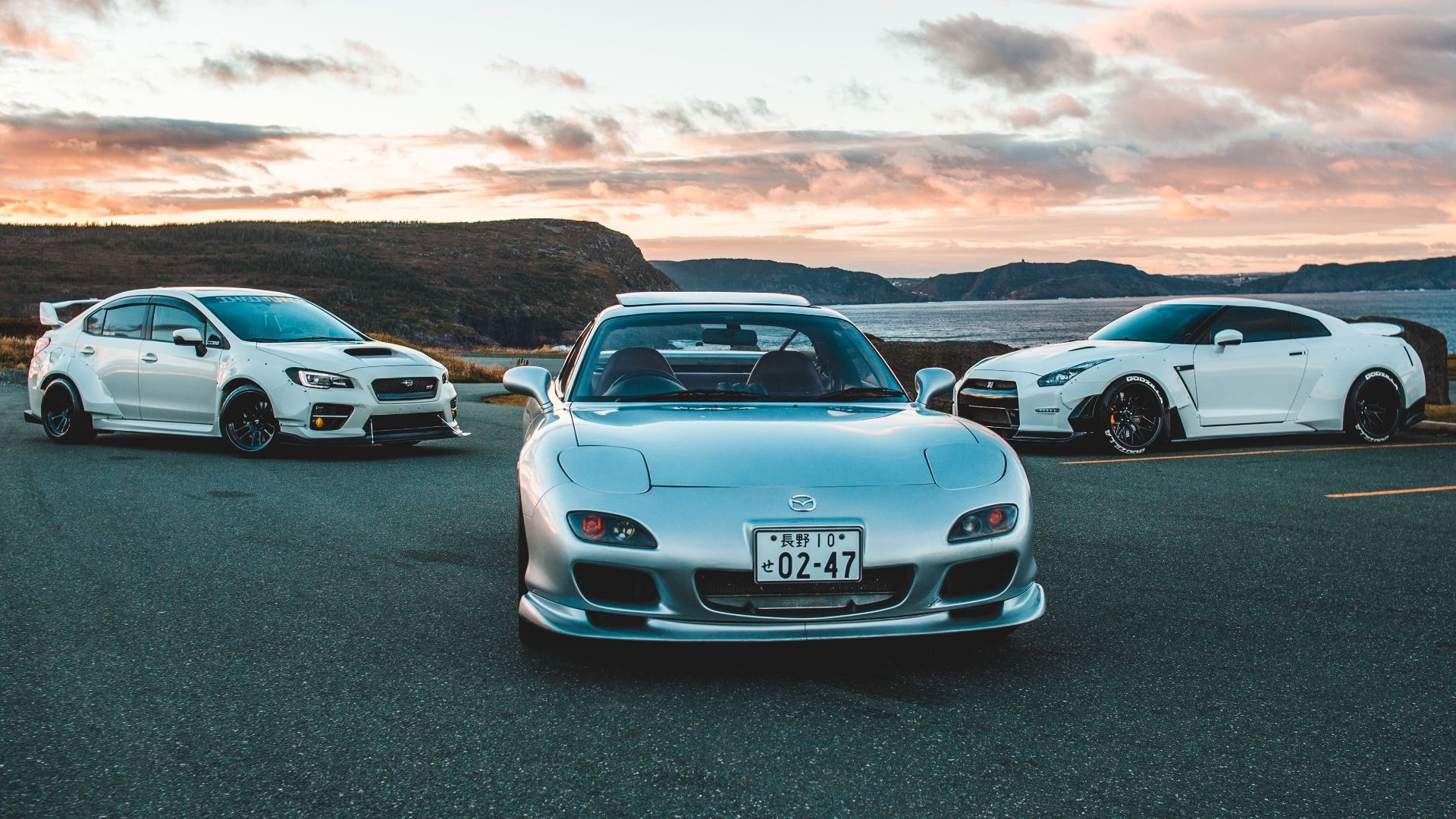
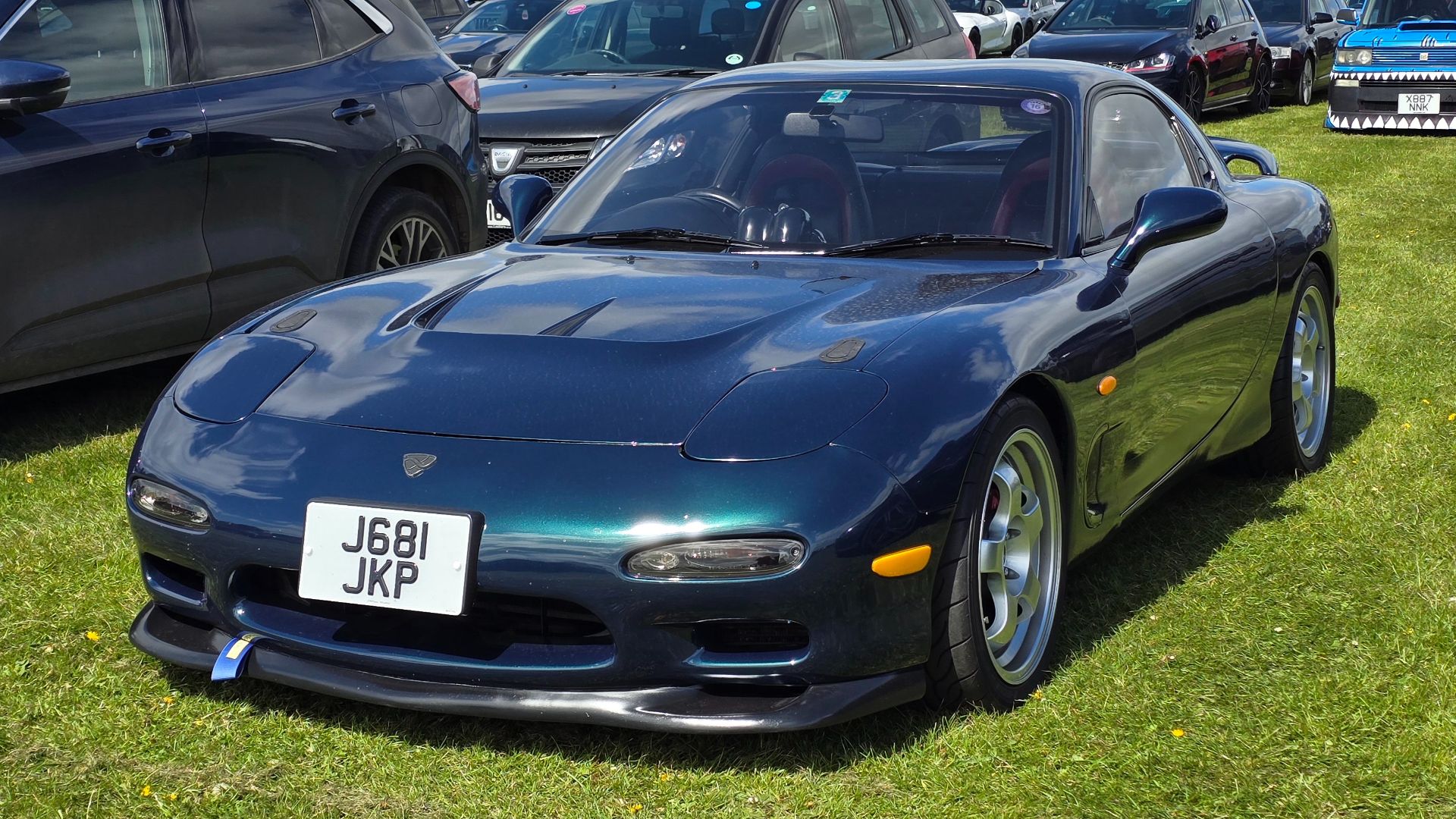
2. FD RX-7 (1992)
The third-generation RX-7 is the car Mazda made when they stopped worrying about volume and started worrying about being great. Twin-turbocharged rotary, near-perfect weight distribution, a body that still looks like something from the future. Clean examples now regularly clear six figures at auction, and the number keeps moving.
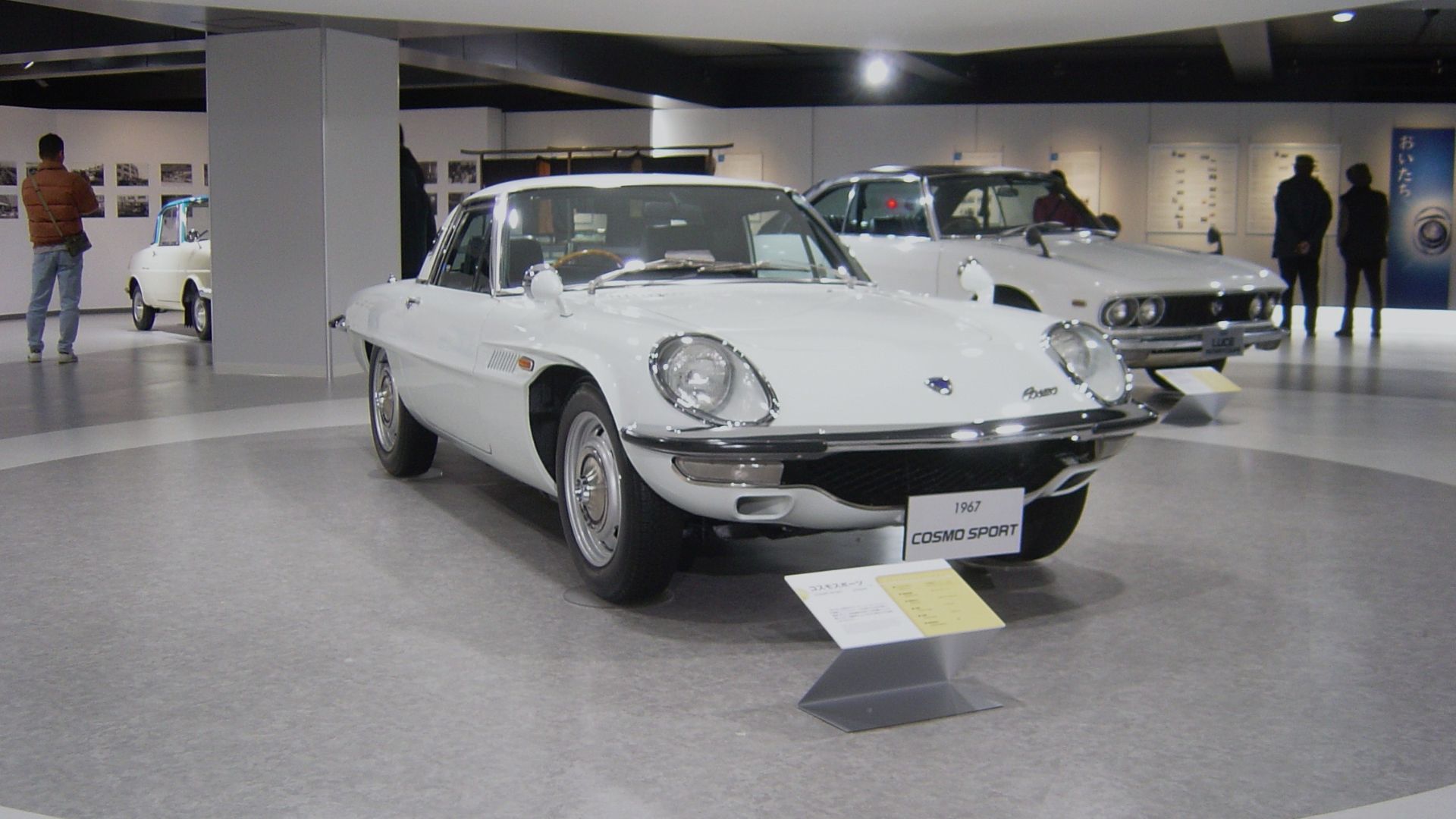
3. Cosmo Sport 110S (1967)
Mazda's first rotary-powered production car looks like someone told a designer to sketch what a car from 1975 might look like, and it mostly still holds up. It was never sold in volume, which is exactly why surviving examples are so coveted, and its place in automotive history as the first twin-rotor production car is unassailable.
 Taisyo, noted in original article on Wikimedia
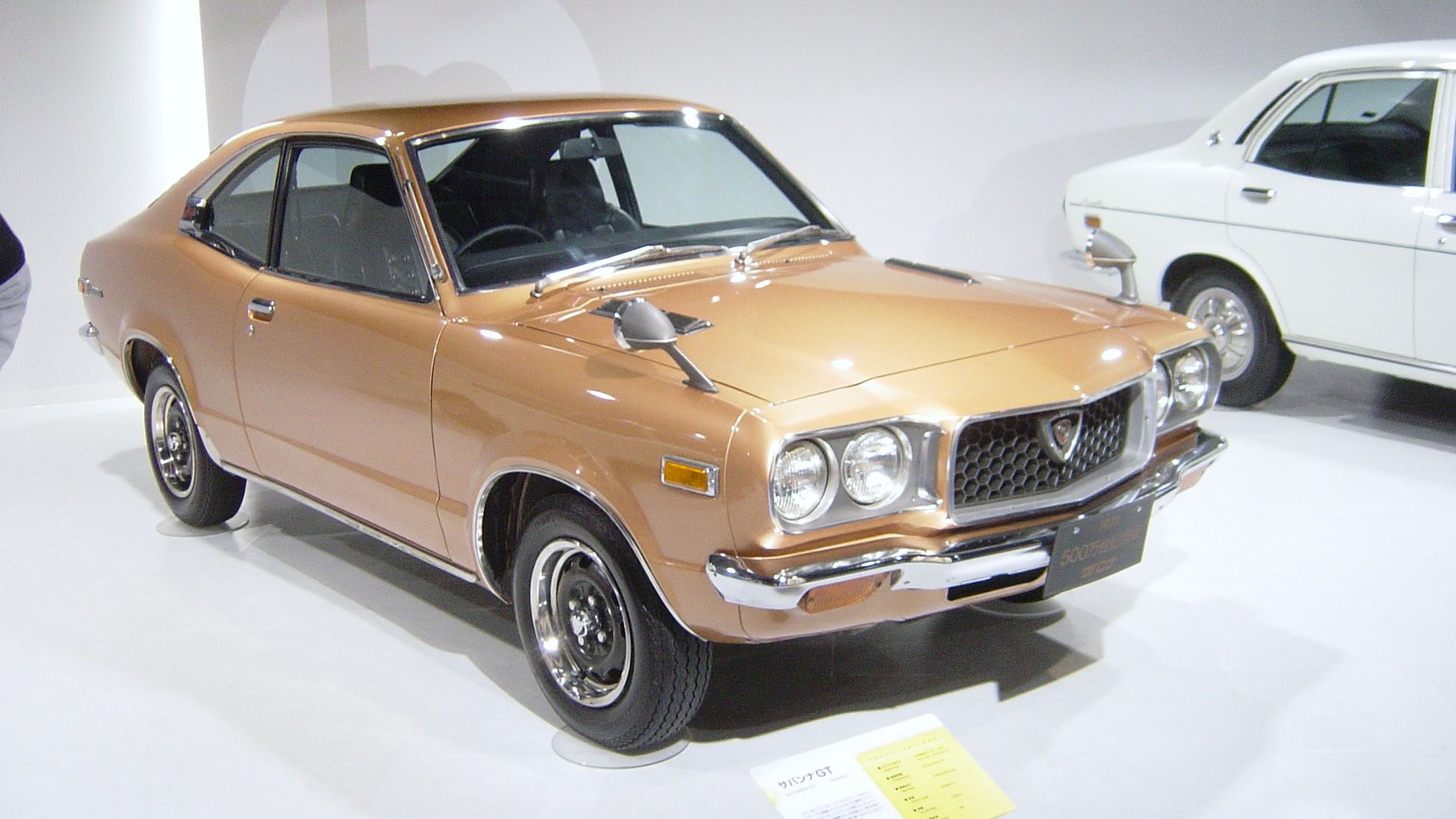
4. RX-3 Savanna (1971)
The RX-3 was Mazda's lightweight rotary-powered compact, quick enough to embarrass more expensive competition in period touring car racing. The fastback body has aged particularly well and the car has developed a devoted following among Japanese classic enthusiasts who appreciate how well it still drives relative to its era.
5. Mazdaspeed3 (2007)
The first-generation Mazdaspeed3 was a proper hot hatch wearing plain clothes: 263 horsepower, a mechanical limited-slip differential, and a chassis that rewarded commitment. It had torque steer and a firm ride and enthusiasts loved it for exactly those reasons. Clean low-mileage examples are increasingly hard to find at reasonable prices.
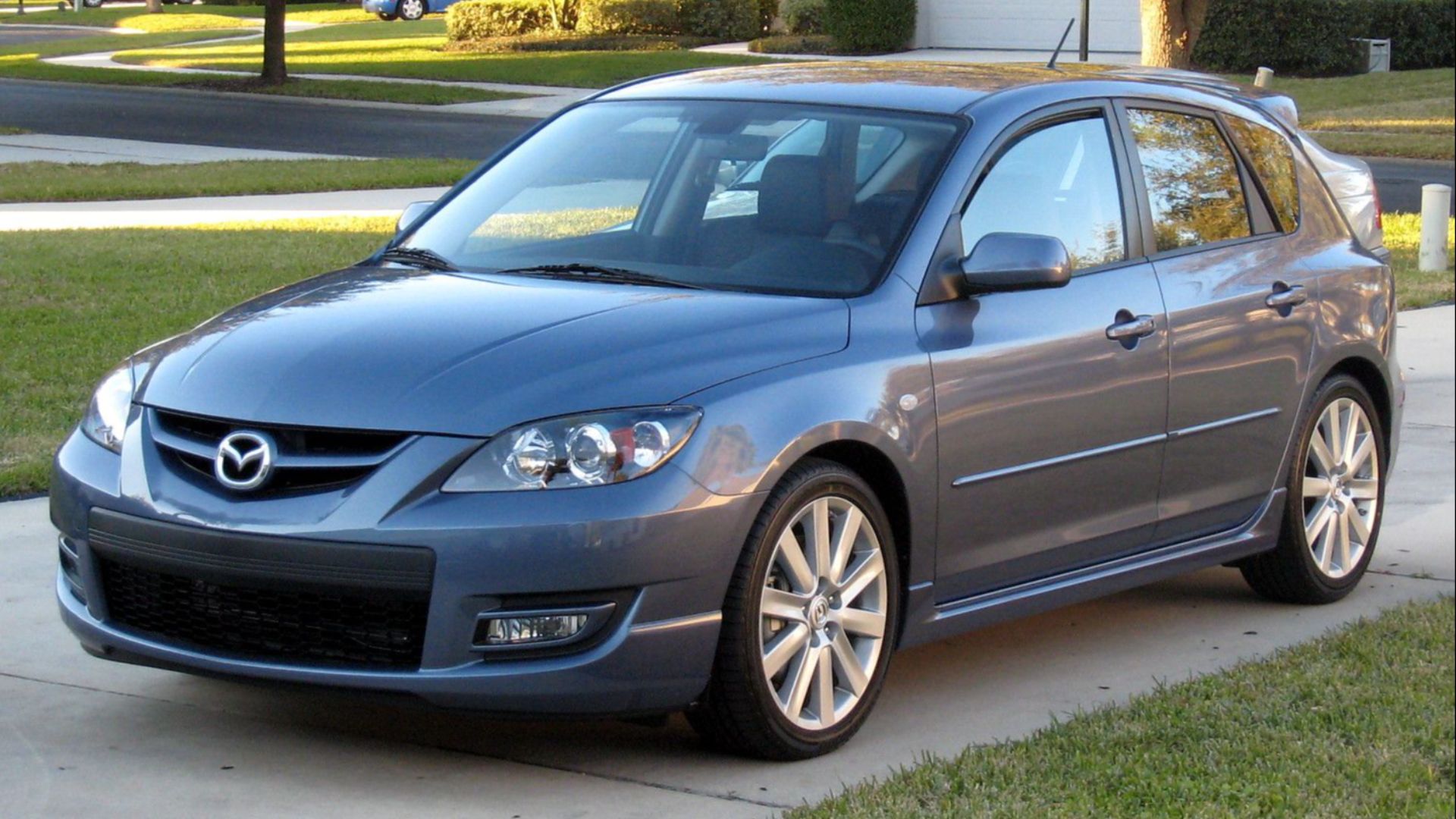 Alwayzamd at English Wikipedia on Wikimedia
6. MX-6 (1991)
The second-generation MX-6 with the 2.5-liter KL V6 and five-speed manual is aging much better than its sales suggested it would. It was front-wheel drive in a world that wanted rear-wheel drive, which kept it from being taken seriously, but the V6 is smooth, the body is elegant for the era, and the used market is slowly catching on.
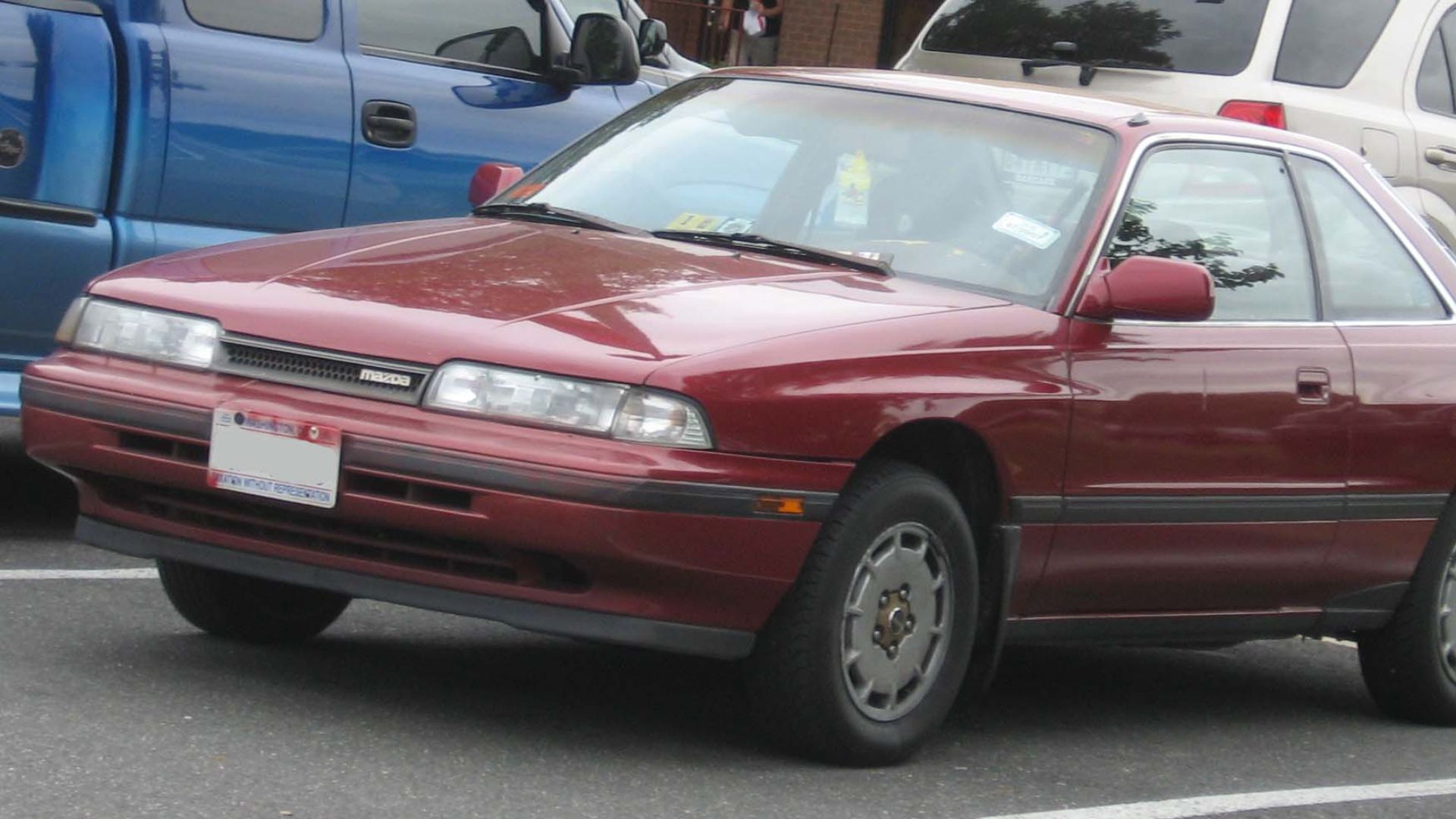 commons.wikimedia.org on Google
7. 787B (1991)
The 787B won Le Mans in 1991, making Mazda the only Japanese manufacturer to win overall. The quad-rotor R26B produced around 700 horsepower and an exhaust note that people who heard it in person still describe the same way: like nothing else. It lives at the Mazda Museum in Hiroshima and remains the clearest symbol of the brand at full ambition.
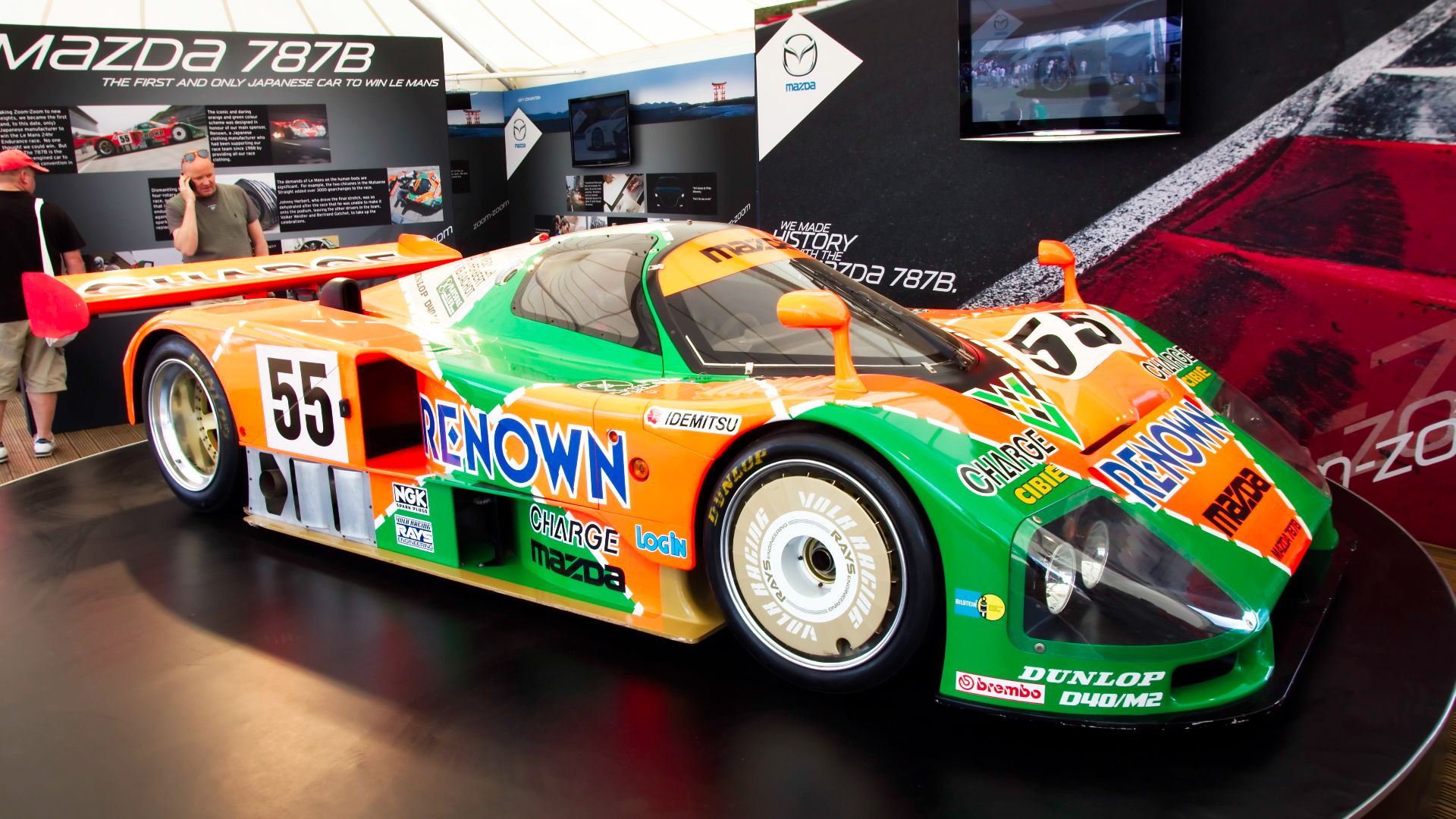 Andrew Basterfield on Wikimedia
8. FC RX-7 Turbo II (1986)
The FC doesn't get the love the FD does, which is partly why it's more interesting right now. The turbocharged Turbo II offered a real performance step, pop-up headlights that enthusiasts have fully rehabilitated, and clean examples still affordable enough to actually buy. The FC is where the smart money went while everyone else was outbidding each other on FDs.
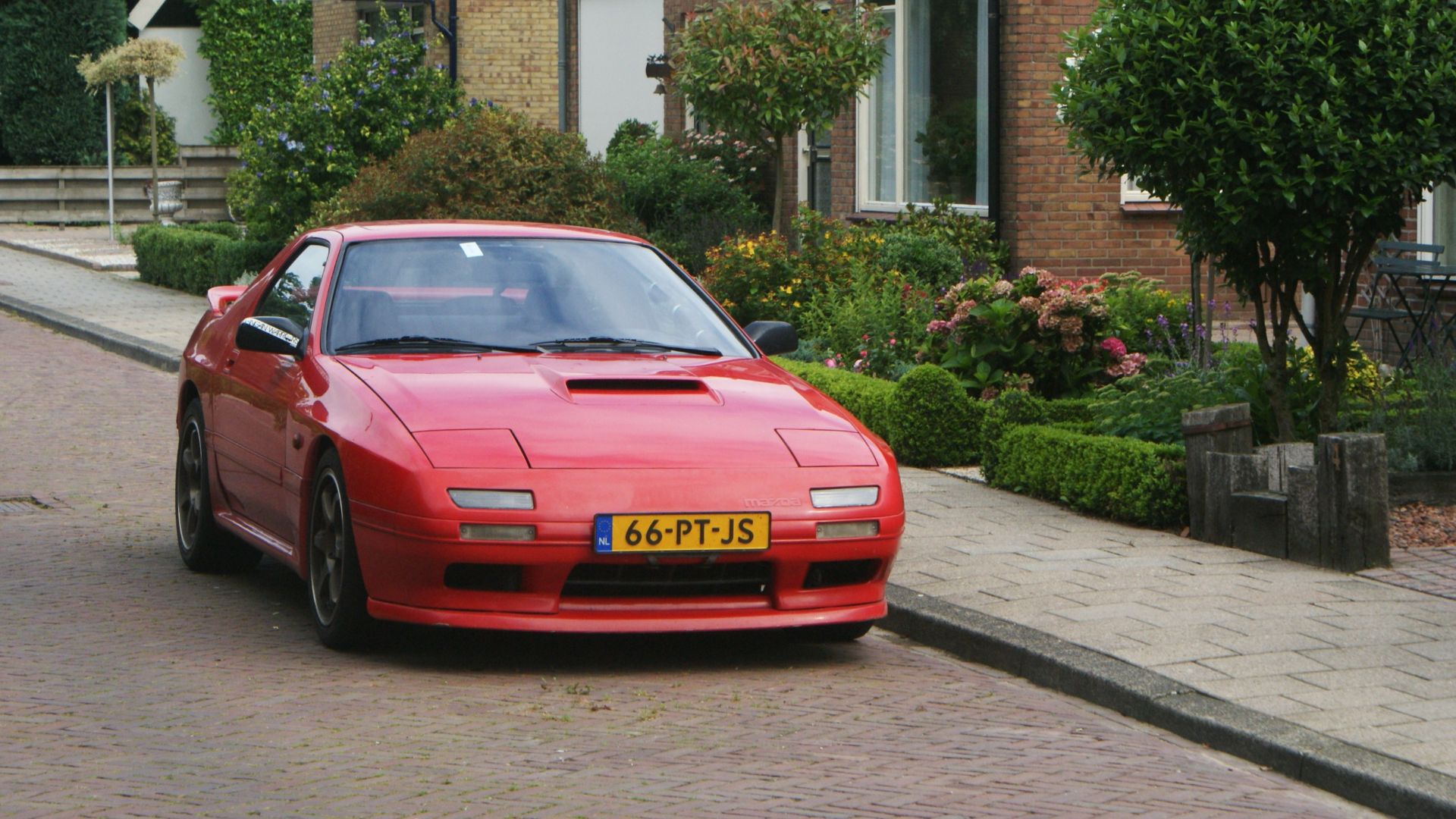 Niels de Wit from Lunteren, The Netherlands on Wikimedia
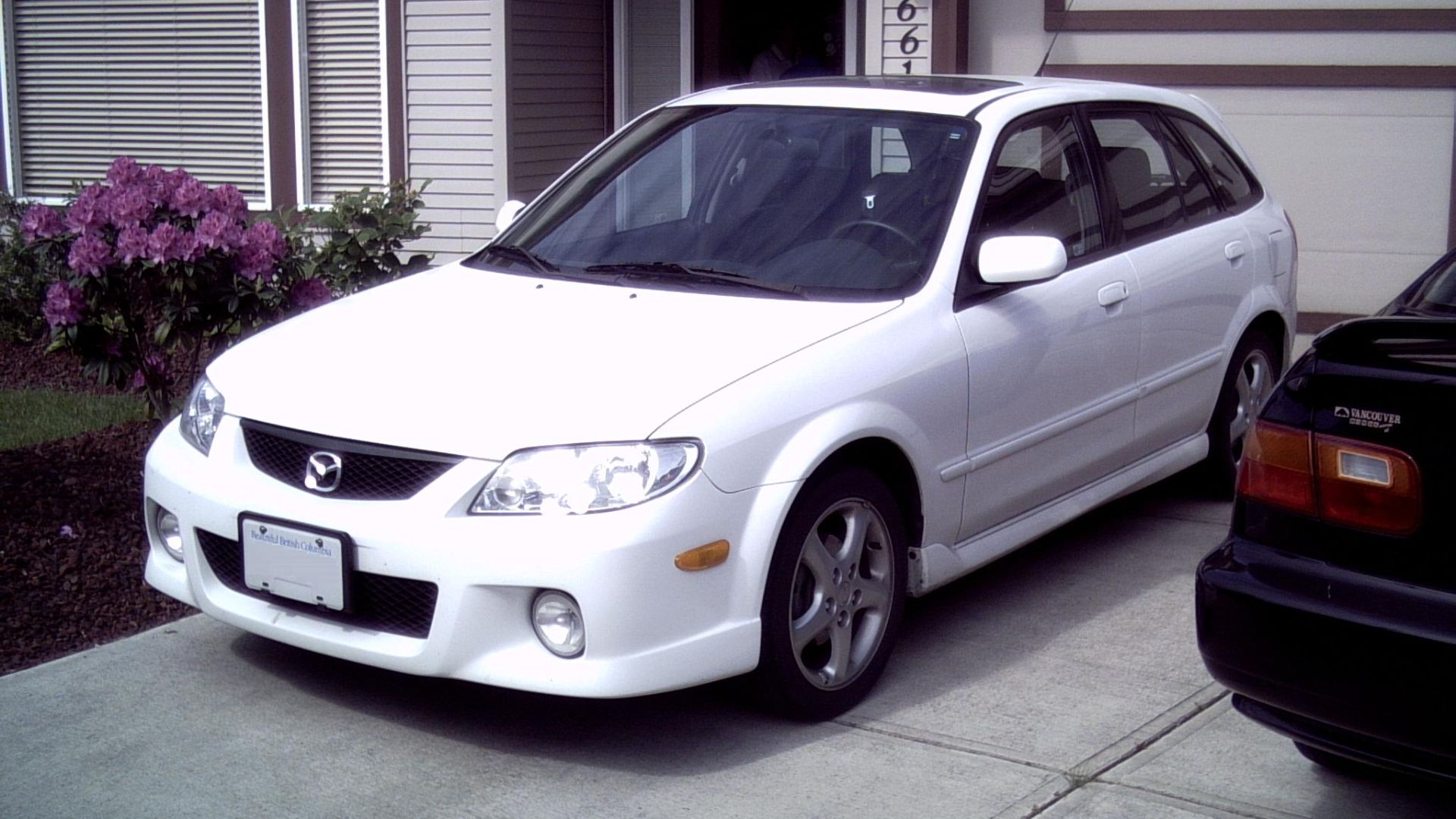
9. Protegé5 (2002)
The Protegé5 was a sport wagon at the tail end of an era that didn't want sport wagons, and it's been quietly appreciated ever since. The 2.0-liter four was willing, the handling was genuinely sharp, and Mazdaspeed eventually extracted real performance from the platform. It's a solid used buy for people who want something practical but not boring.
 Take Me Higher at en.wikipedia on Wikimedia
10. CX-5 First Generation (2013)
The first CX-5 was the first full expression of Mazda's Kodo design language and looked better than anything else in its segment. Skyactiv engineering delivered real fuel economy without the usual feel penalty, and first-gen examples are now old enough to be cheap and young enough to not be a gamble.
Here are 10 Mazdas that tried something interesting and found almost no one waiting.
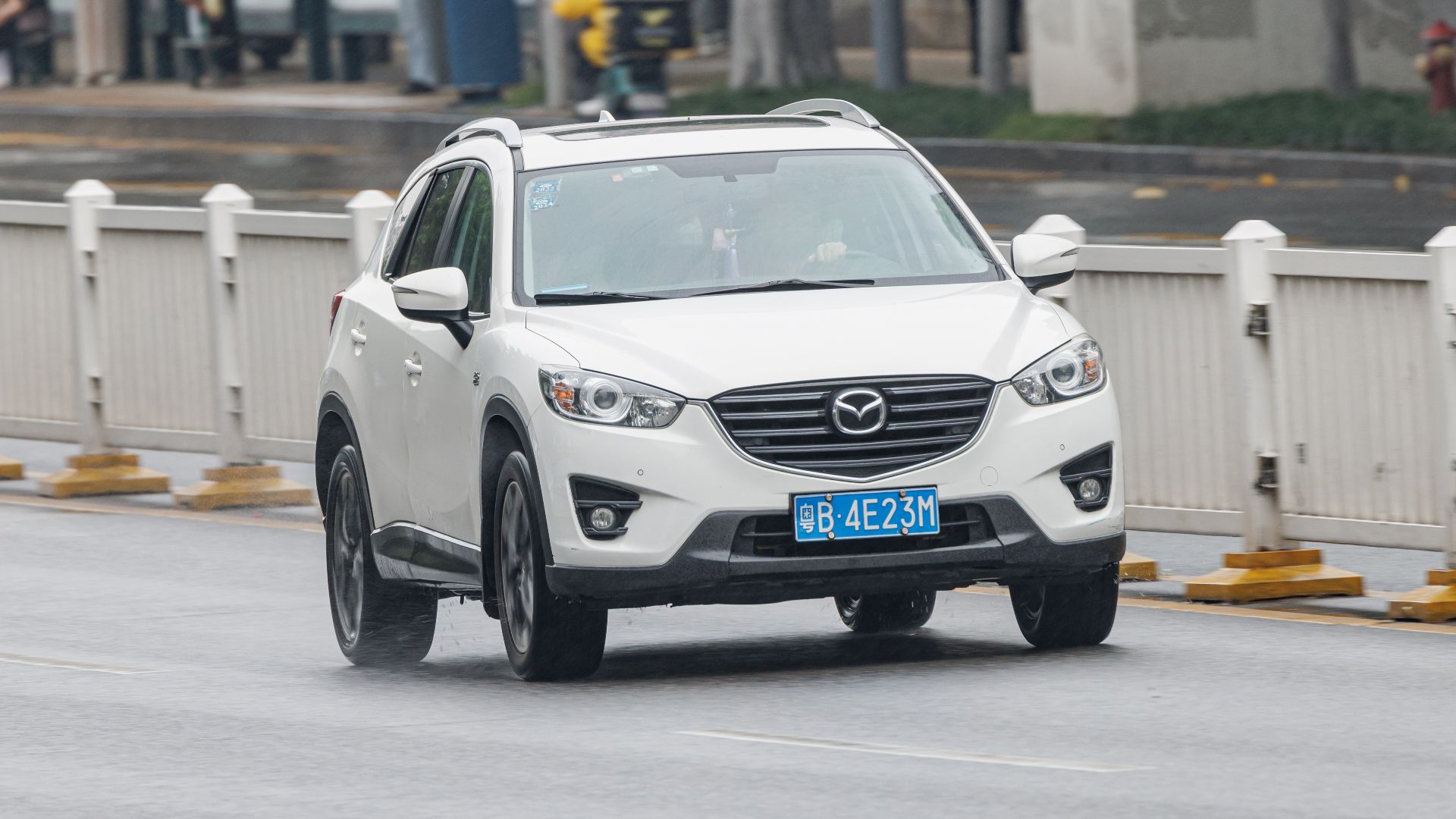
1. Mazda Millenia (1995)
The Millenia was designed as the entry-level car for Mazda's planned Amati luxury brand, a Lexus challenger that collapsed before it launched. Sold as a Mazda instead, it was over-engineered for the badge it wore, and the Miller Cycle V6 in the S model was genuinely fascinating technology that deserved a better commercial context.
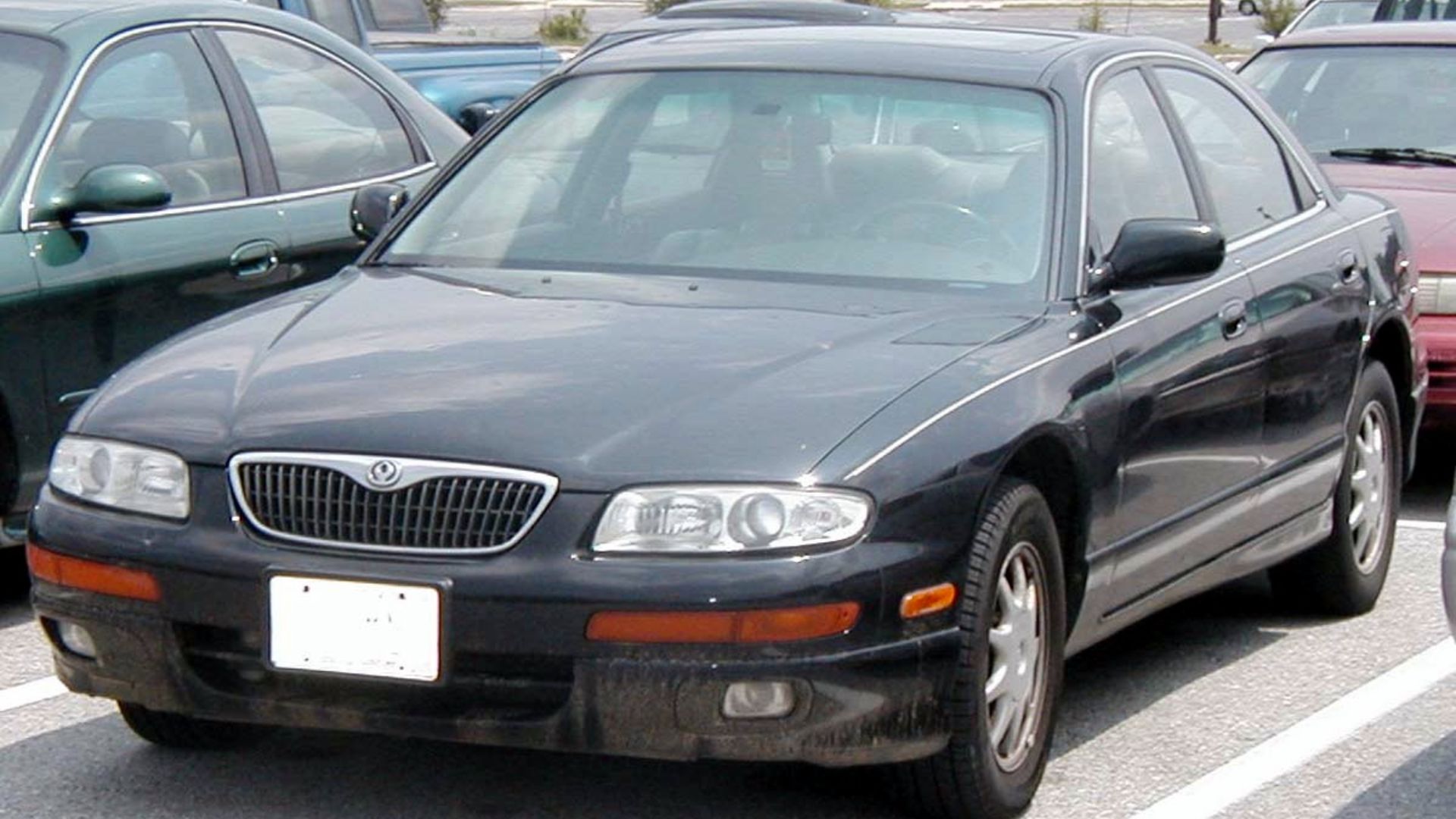
2. RX-8 (2003)
The RX-8 was killed less by the car than by its engine, which needed to be driven hard to stay healthy, drank oil by design, and lost compression reliably over time. The platform was genuinely good and the handling approached FD standards, but telling buyers their sports car required a specific warmup ritual to avoid a rebuild was not a winning pitch.
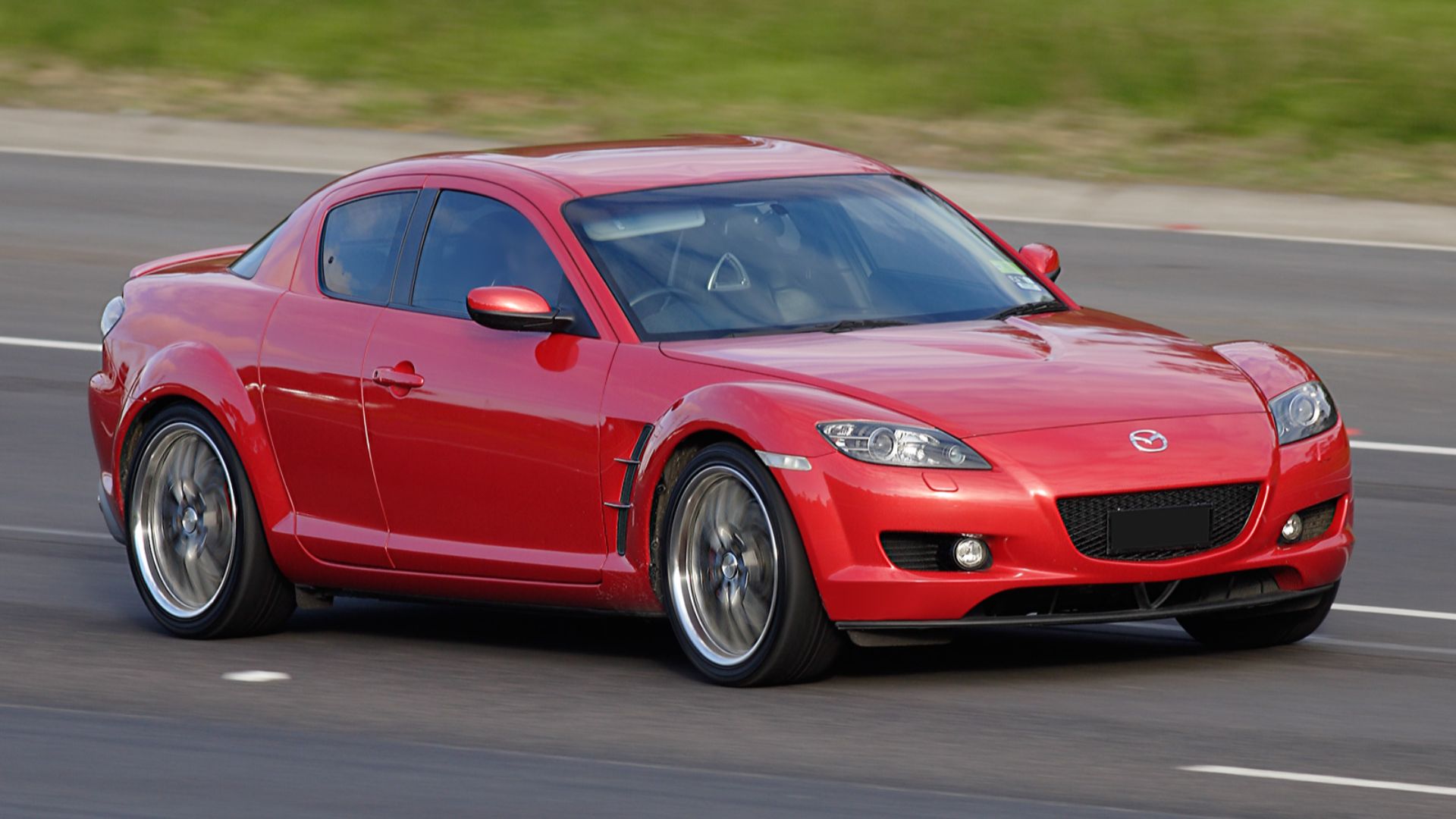
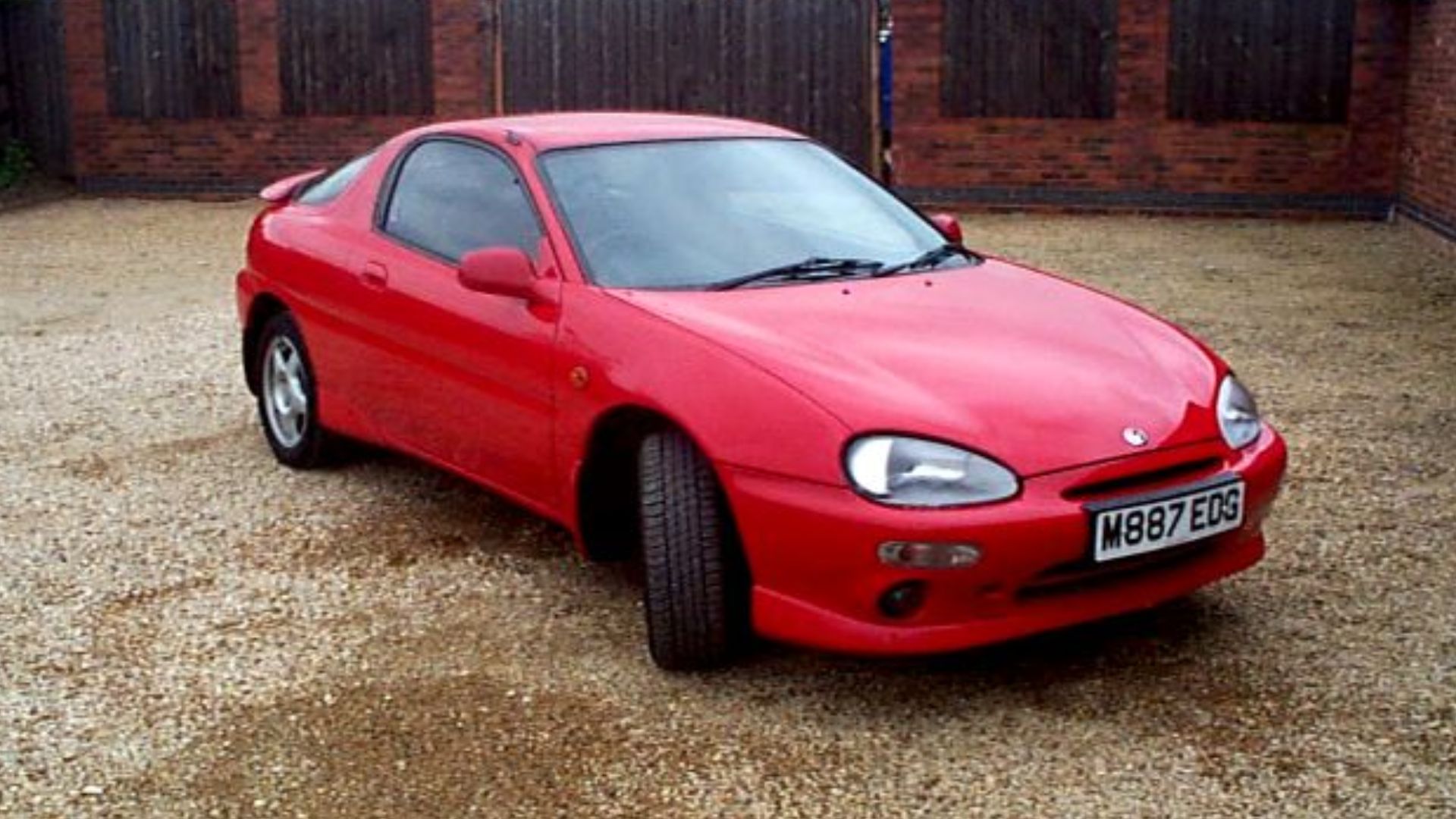
3. MX-3 (1991)
The MX-3 arrived with the world's smallest production V6, a 1.8-liter that spun freely and sounded good. It also arrived in the wrong body style at the wrong moment, without the rear-wheel drive or performance numbers to distinguish itself in a crowded segment. Enthusiasts have warmed to it considerably since.
4. Mazda 929 (1987)
The second-generation 929 was a beautifully resolved rear-wheel drive sedan with a smooth V6 and genuine presence, and almost nobody bought one. Americans shopping in that segment wanted European prestige names or Lexus, and a Mazda badge at $30,000 was an argument most buyers didn't want to have.
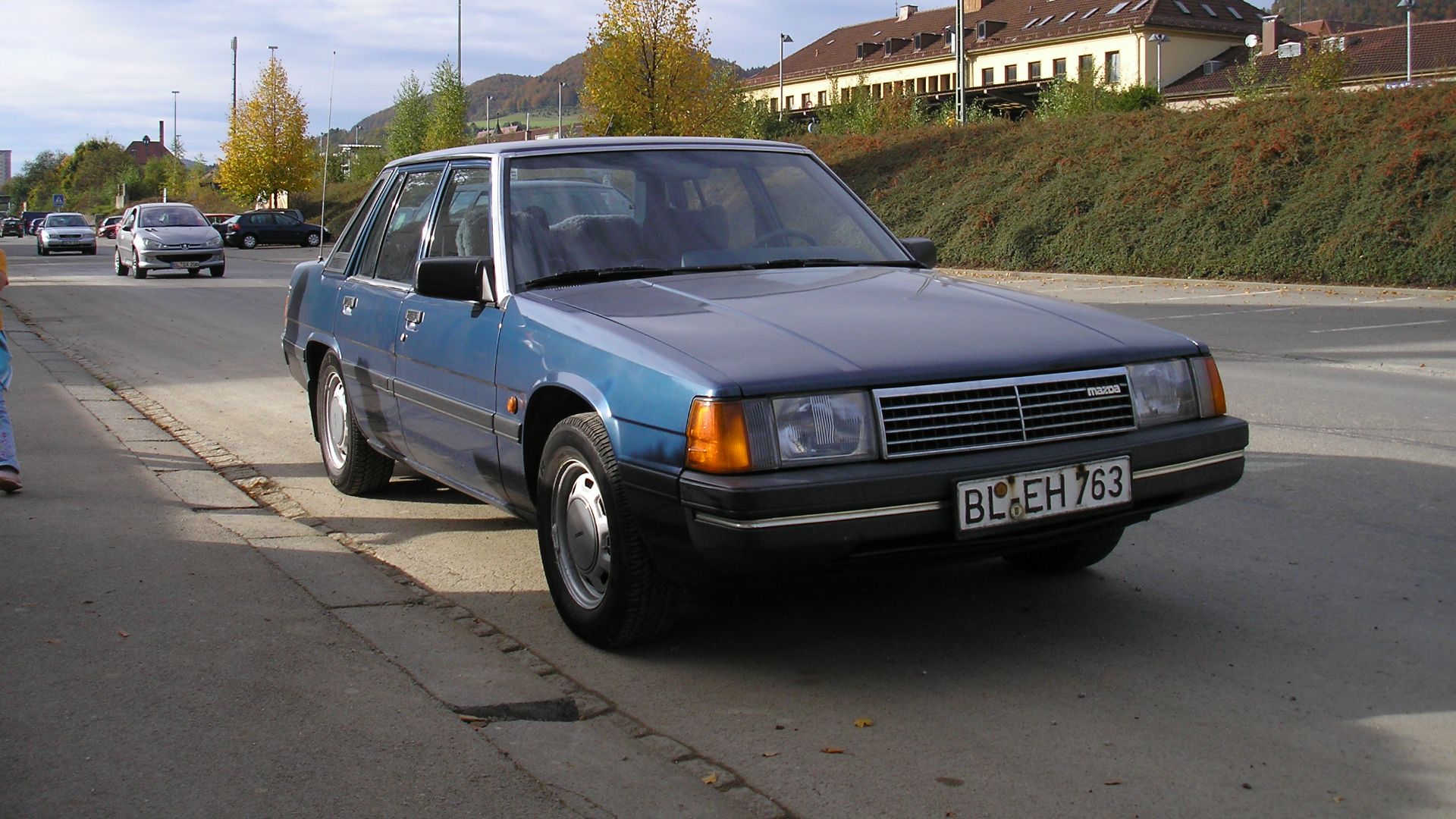 328cia, shot by permission of owner on Wikimedia
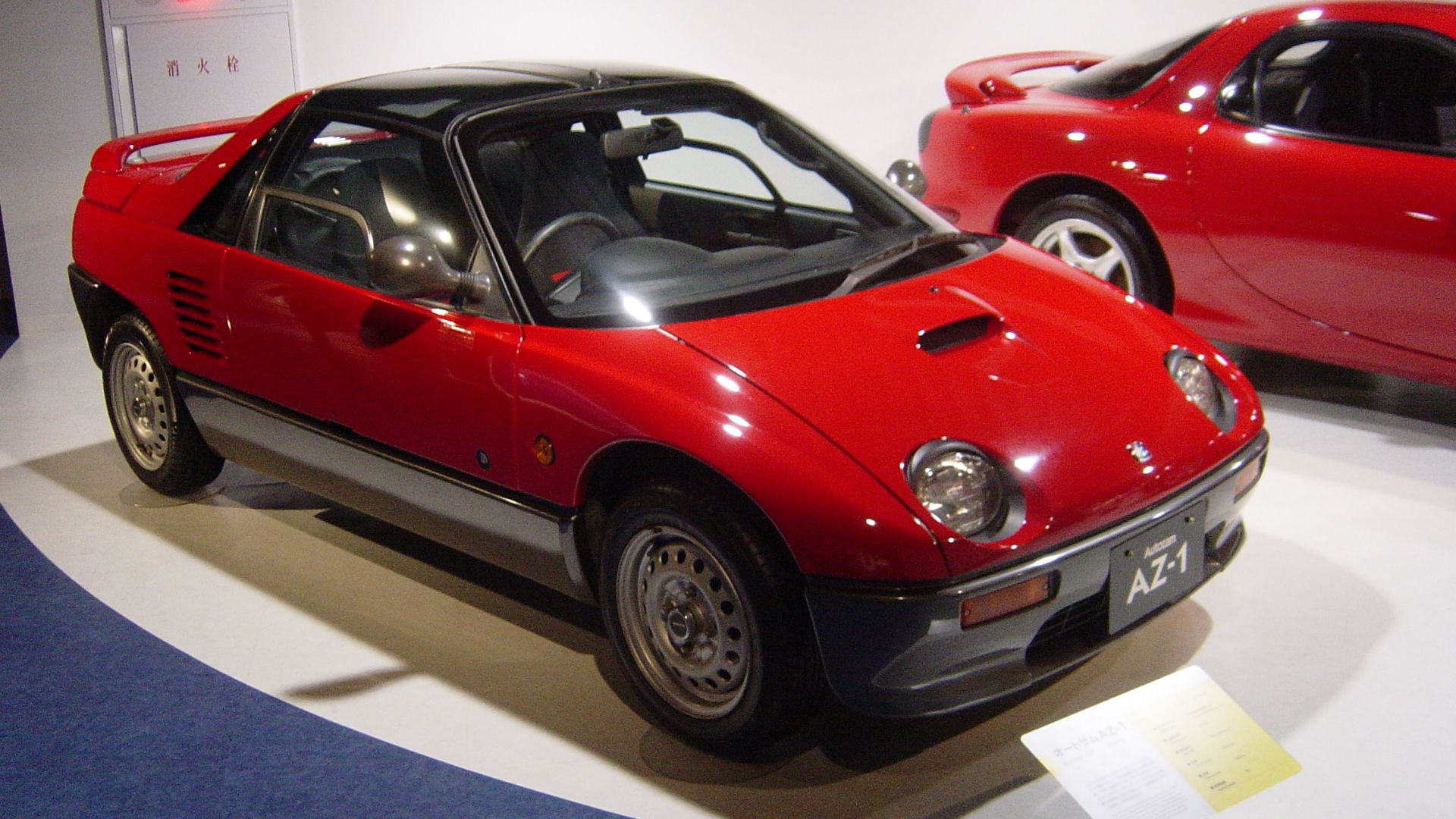
5. Autozam AZ-1 (1992)
The AZ-1 was a mid-engined, gullwing-doored kei car Mazda built during Japan's bubble era without appearing to worry about commercial viability. It didn't sell in meaningful numbers, which didn't change what it was: proof of how much sports car you could extract from the kei format. It's become one of the more desirable bubble-era imports available.
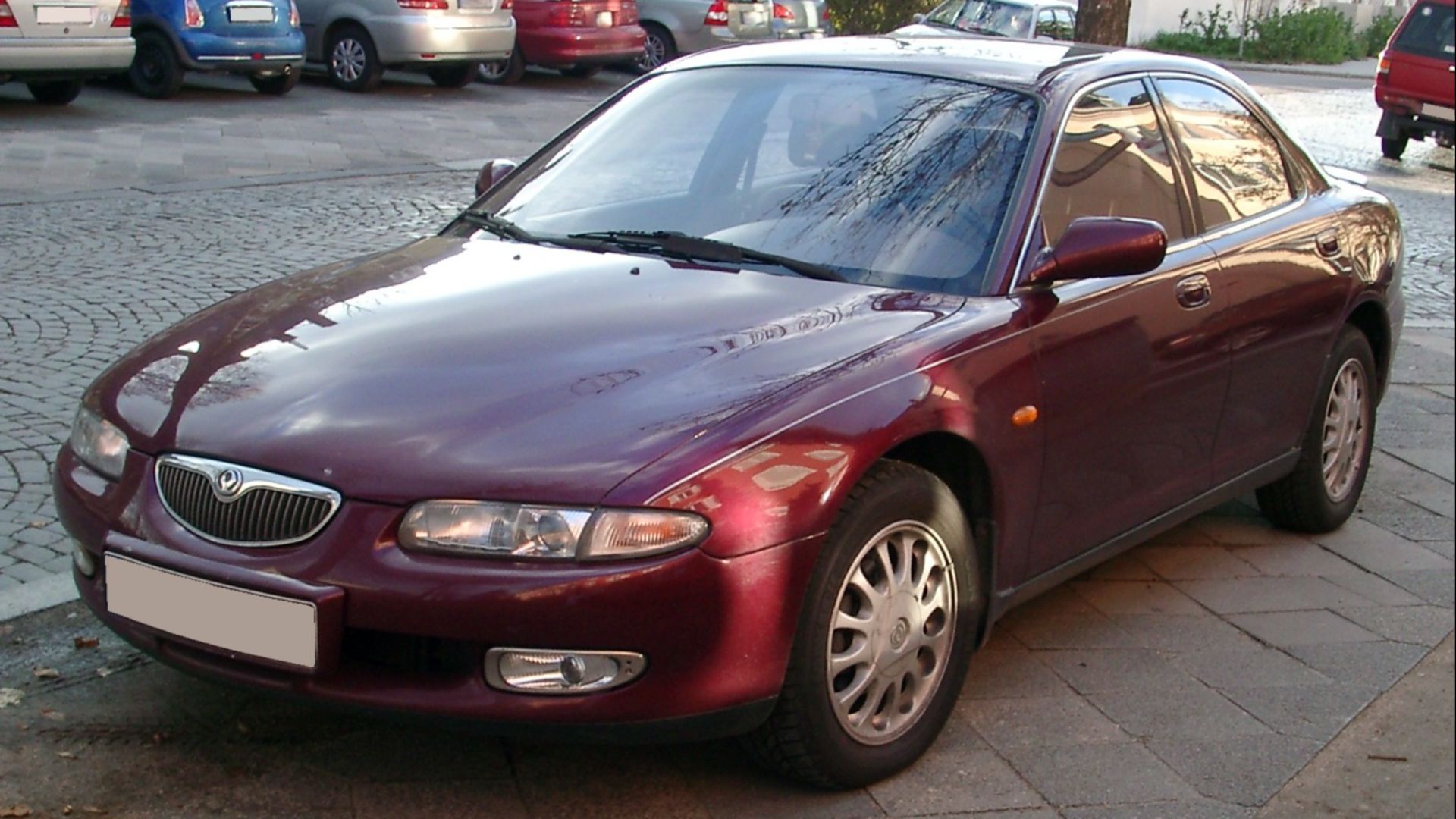
6. Mazda Xedos 6 (1992)
The Xedos 6 was Mazda's European luxury sub-brand with elegant proportions and a chassis that genuinely punched above its segment. It arrived just as European buyers discovered they wanted Lexus and BMW, a rebranded Mazda fit neither category, and the brand disappeared by the mid-nineties.
7. Mazda MPV (1999)
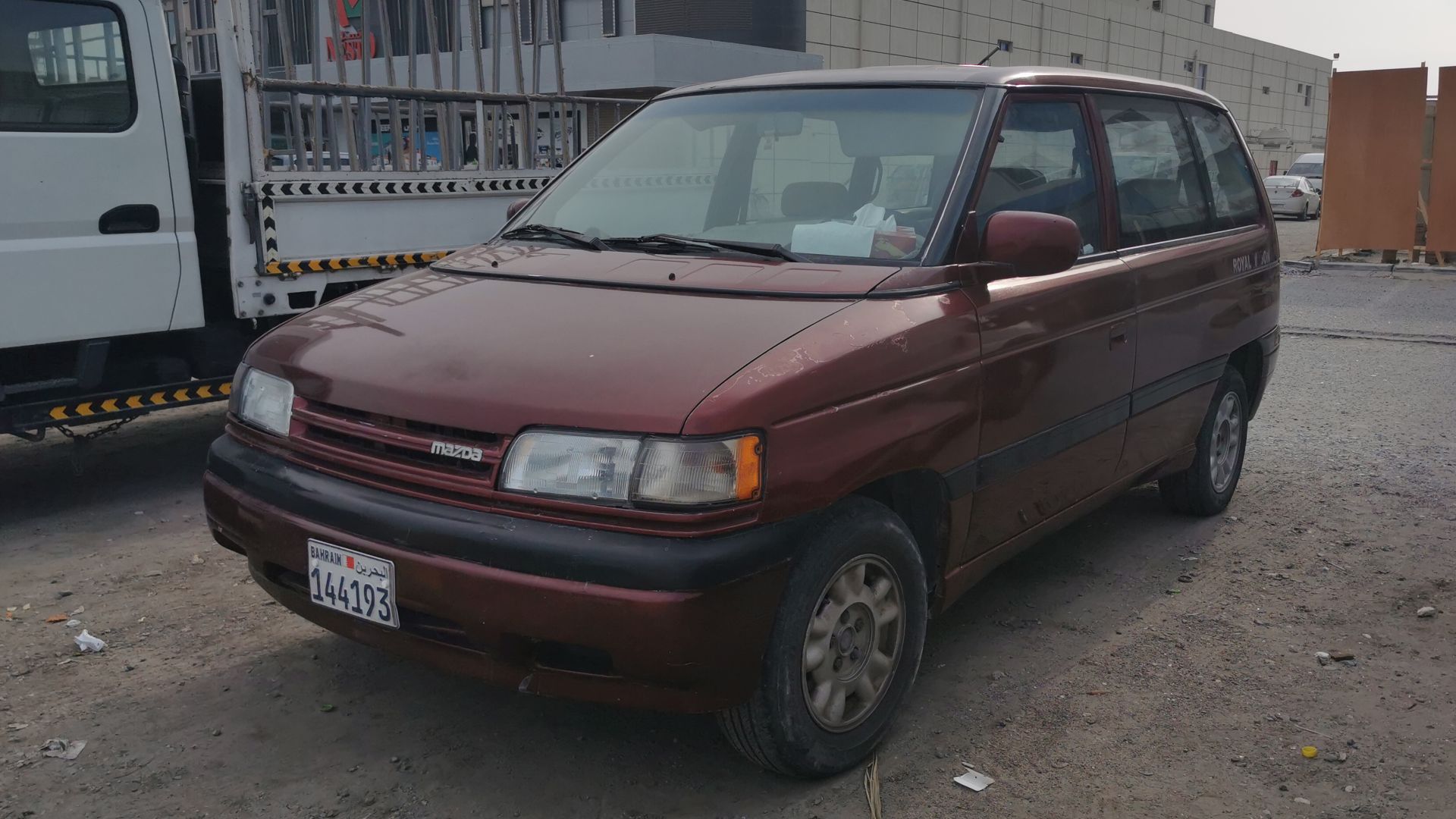
The second-generation MPV handled better than most of its competitors and wore a sleeker profile, but arrived just as the minivan segment began its long demographic retreat. Crossovers were coming up from below and the Odyssey and Sienna were winning from above, and Mazda discontinued it in 2006 without a replacement.
8. Mazda Tribute (2001)
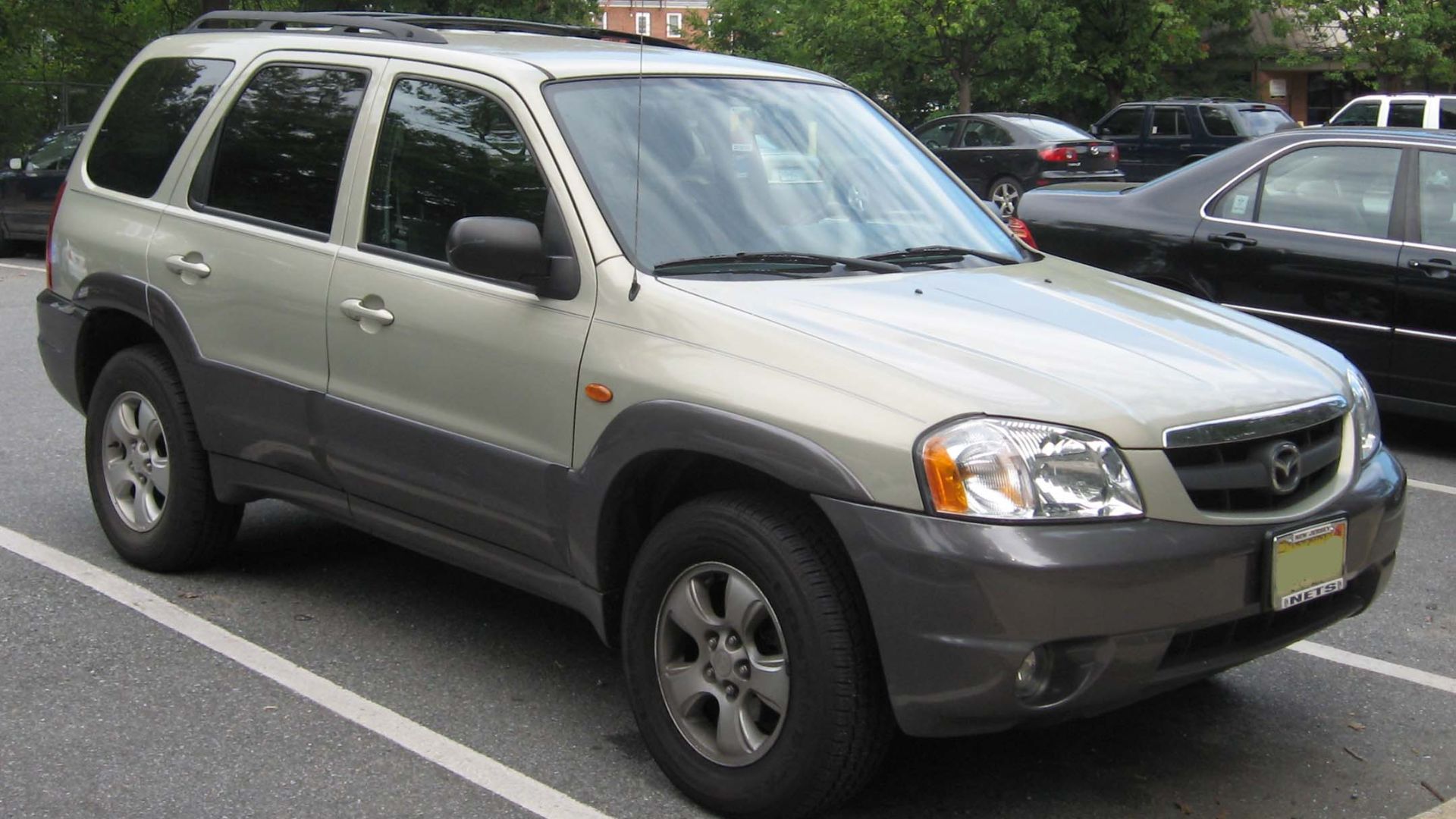
The Tribute was a Ford Escape co-development that drove better than most body-on-frame SUVs because it wasn't one. It looked generic, sold in its sibling's shadow, and the Escape got better marketing and more showroom traffic. It has no real following and probably never will.
9. Mazda CX-7 (2007)
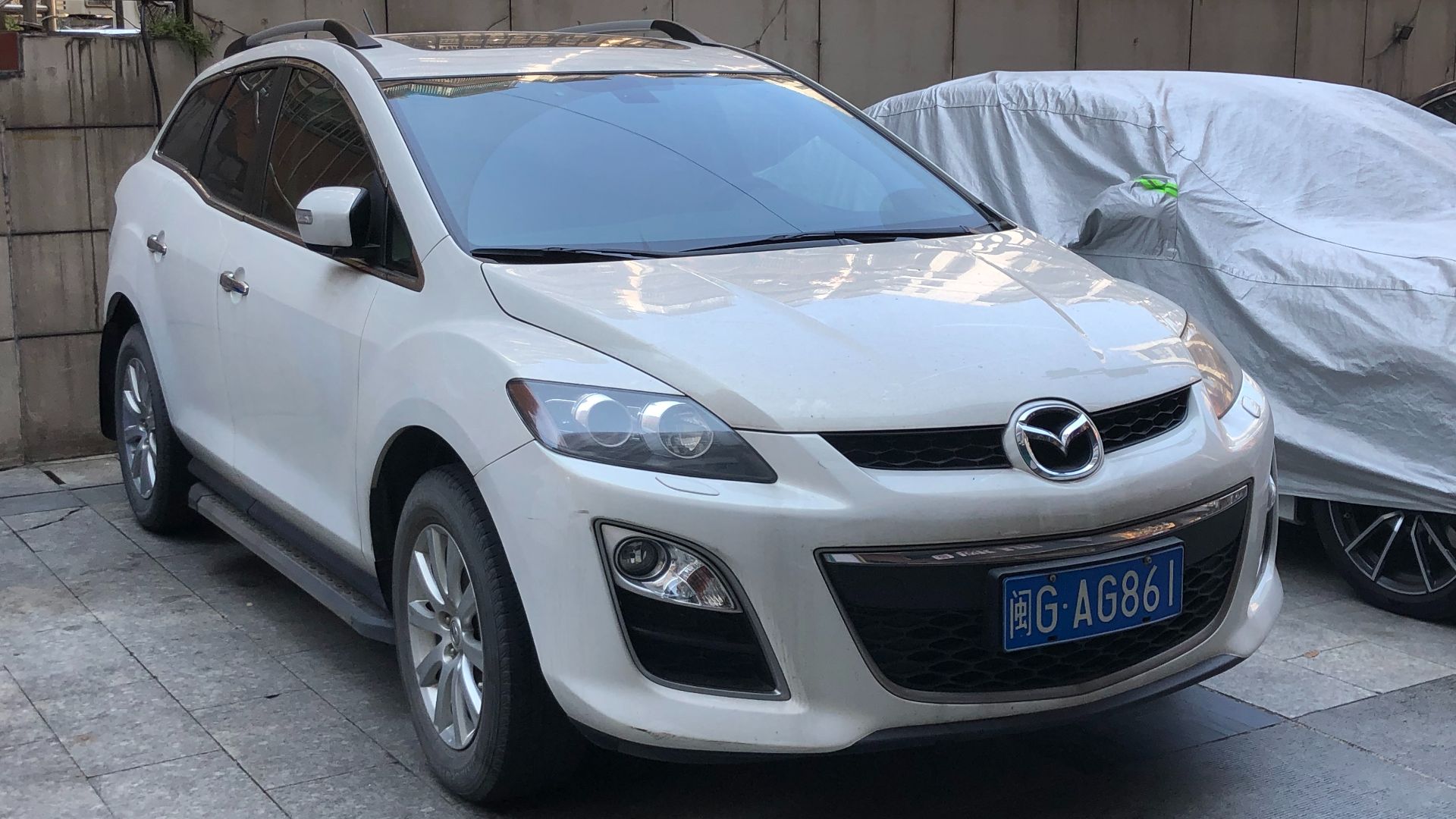
The CX-7's 2.3-liter turbocharged four was genuinely quick, but also genuinely thirsty, and the turbo's reliability issues became well-documented in owner forums. The segment moved toward efficiency just as the CX-7 was built around the opposite premise, and it was discontinued in 2012 with no successor.
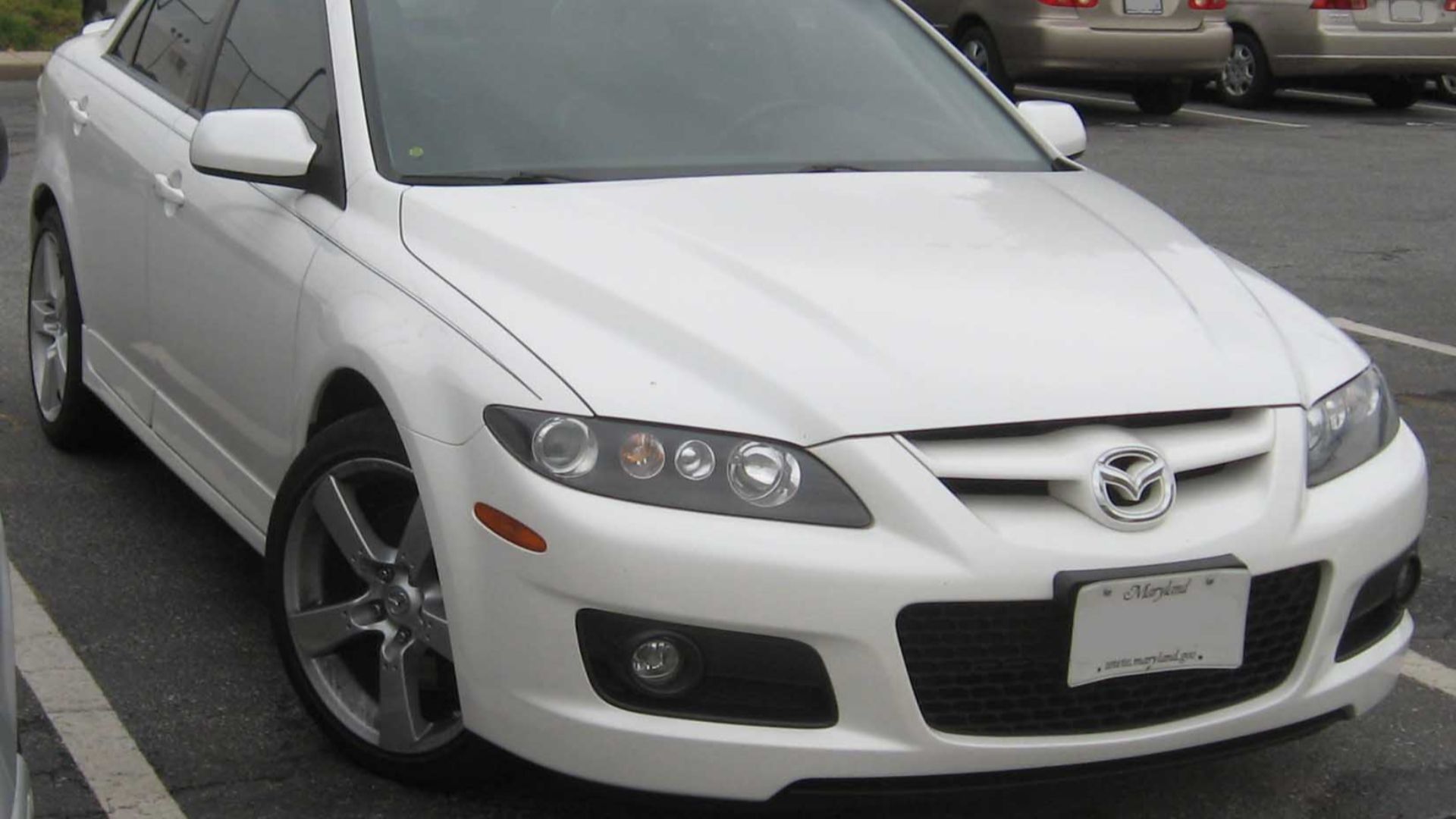
10. Mazdaspeed6 (2006)
The Mazdaspeed6 was an all-wheel-drive turbocharged sport sedan with 274 horsepower and a six-speed manual that most people don't know existed. It competed with the Subaru Legacy GT and sold in tiny numbers across just two model years. Enthusiasts who found one tend to keep it, which is usually the sign of a car that deserved a longer run.