Professional Grade, Conditionally
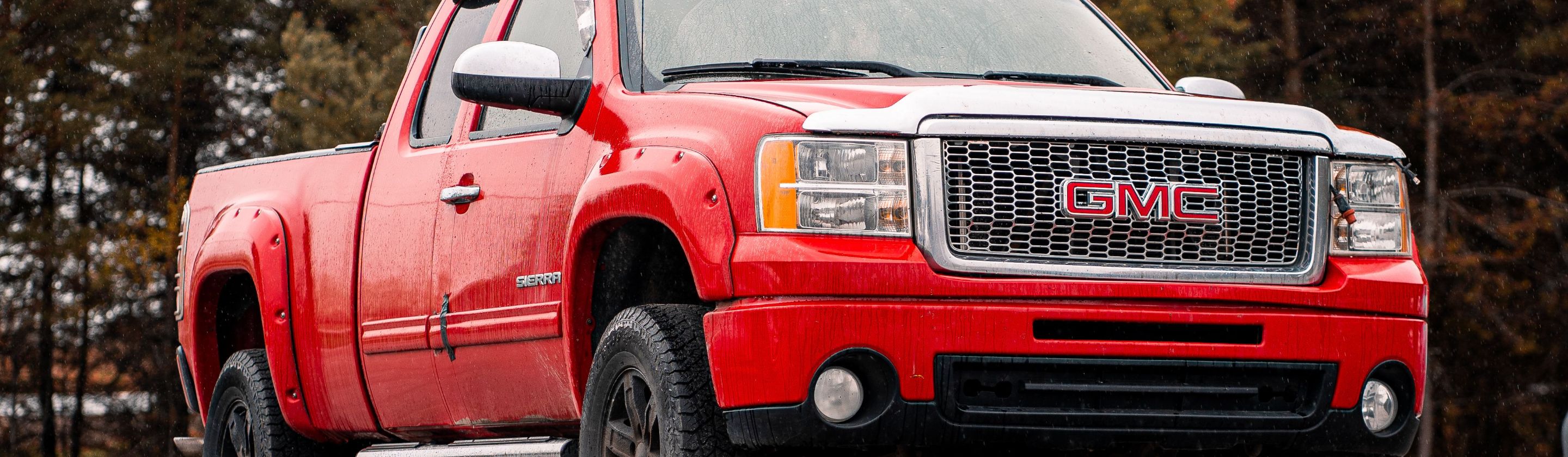
GMC has stamped "Professional Grade" on its trucks since 2001, which takes some nerve when your buyers include contractors who will find out either way. A few models earned it, surviving road salt and towing and 200,000 miles of skipped oil changes. Others wore the same badge over transmissions that gave out before 100,000 and interiors that came apart in the sun. The brand sits in an awkward spot, sharing platforms with Chevrolet while charging more for the badge, and that gap is where reputations get built or wrecked. Here's 10 that lived up to the pitch and 10 that fell short.
1. Sierra C/K 1500 (GMT400)
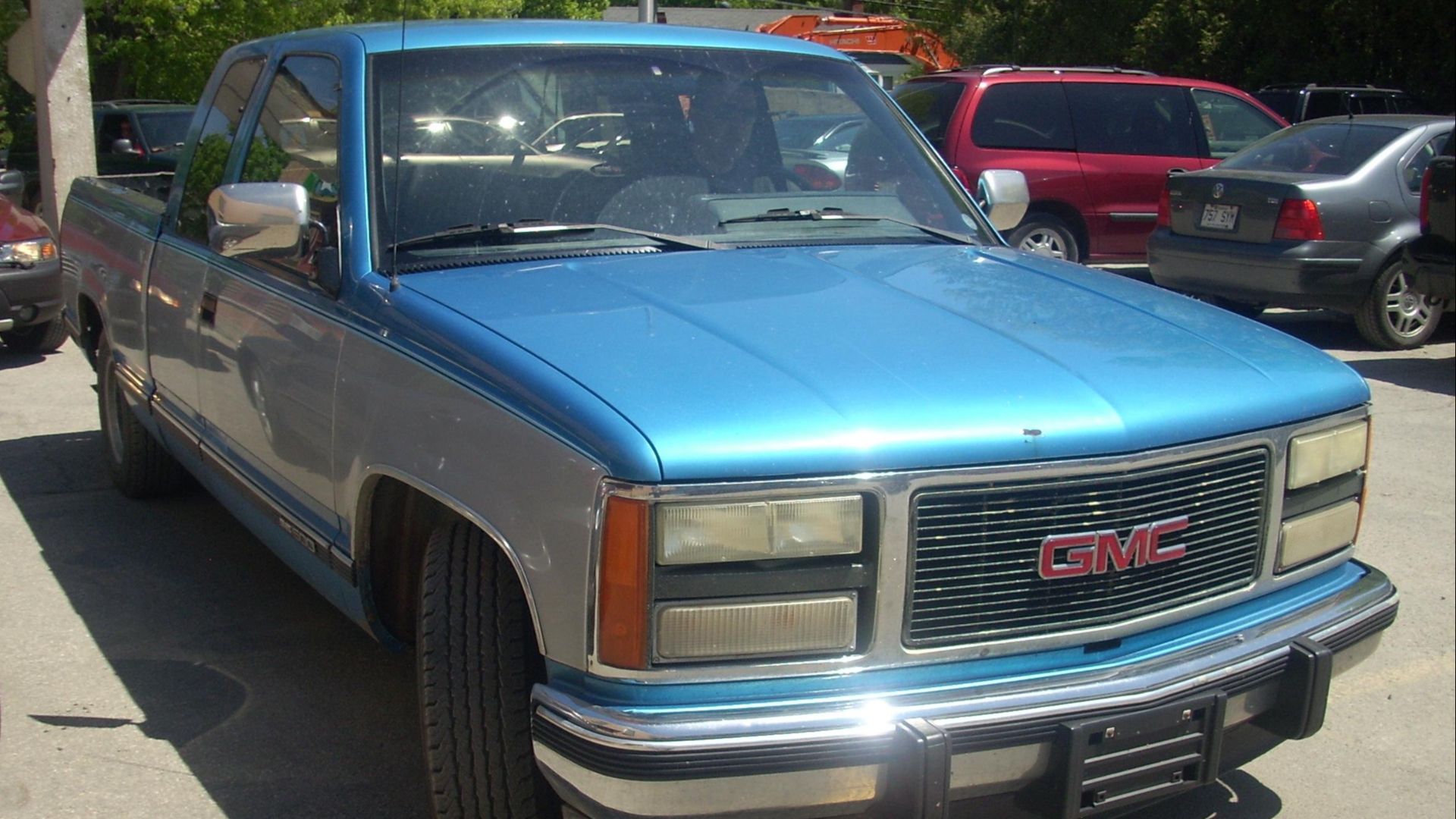
The GMT400 ran from 1988 to 1998 and became the truck people cite when arguing that older pickups lasted longer. Its 5.7-liter small block is among the most serviceable engines ever mass-produced, with parts available at any counter in America. A lot of these are still working farms in the Midwest.
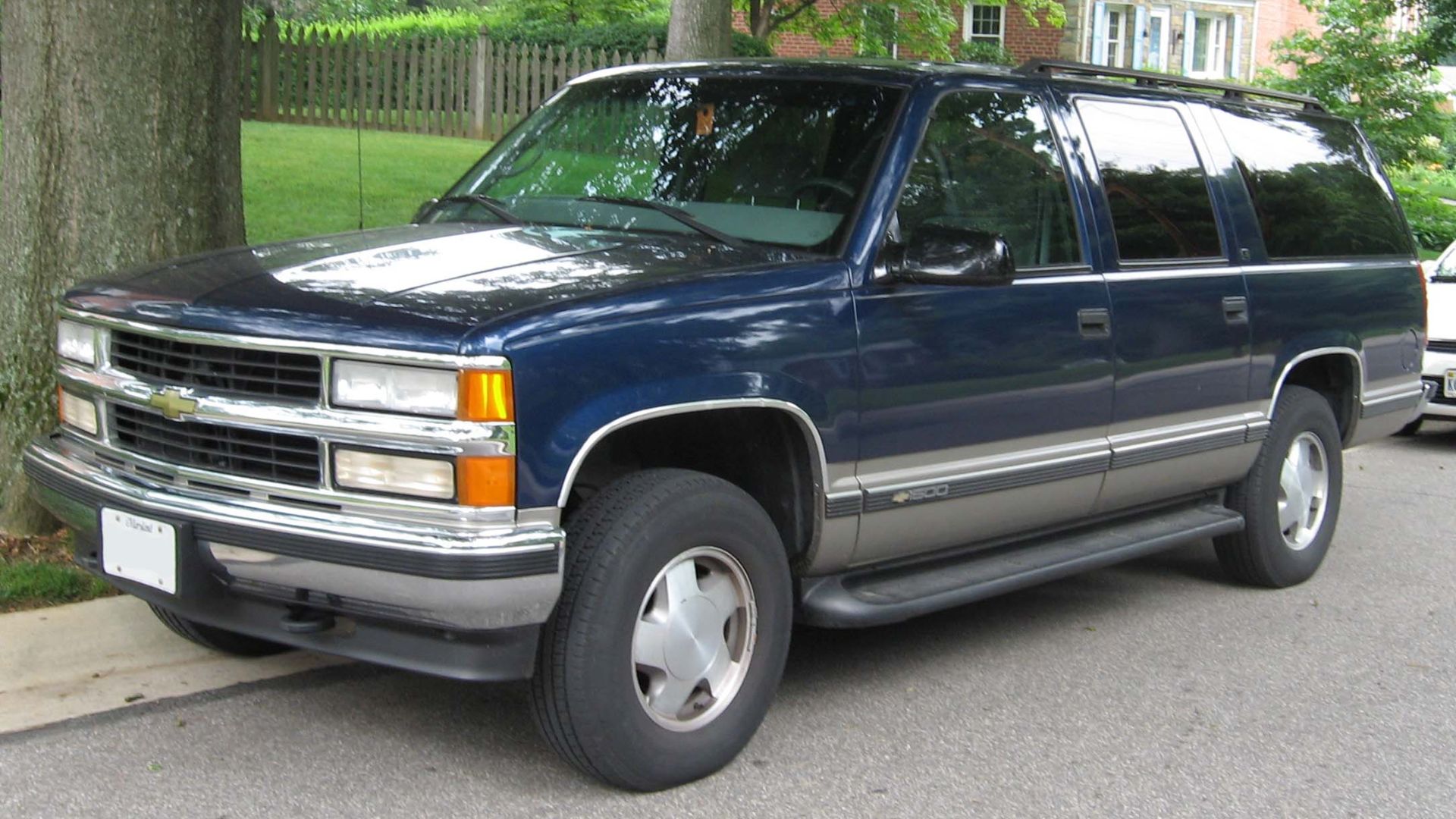
2. Suburban (GMT400 Generation)
Body-on-frame, small block V8, and a transmission a competent shop could rebuild over a weekend. Fleet and commercial examples reached 300,000 miles without anything exotic happening to them. The 1990s were a period when GM mostly got large SUVs right.
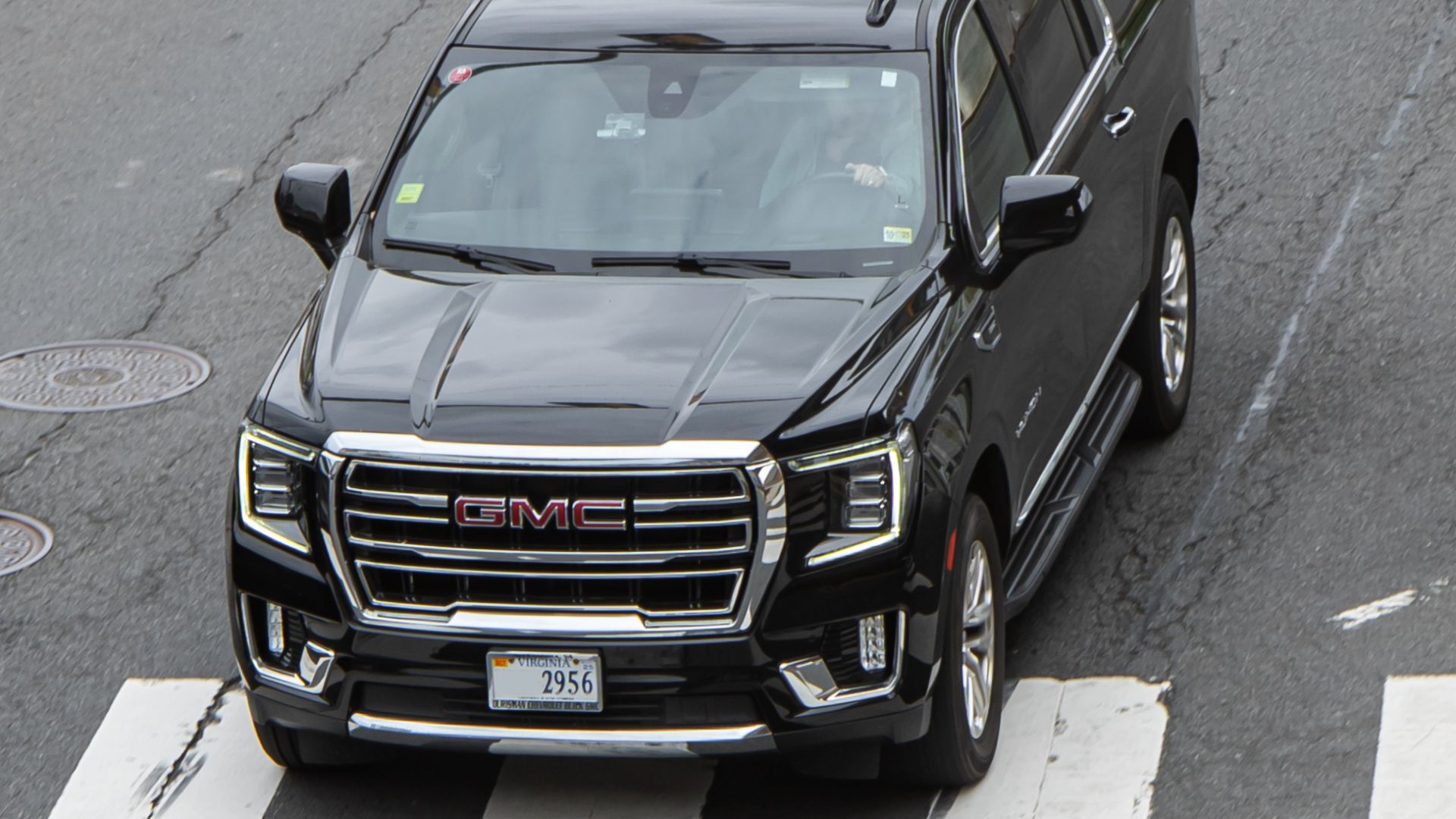
3. Yukon XL (K2XX)
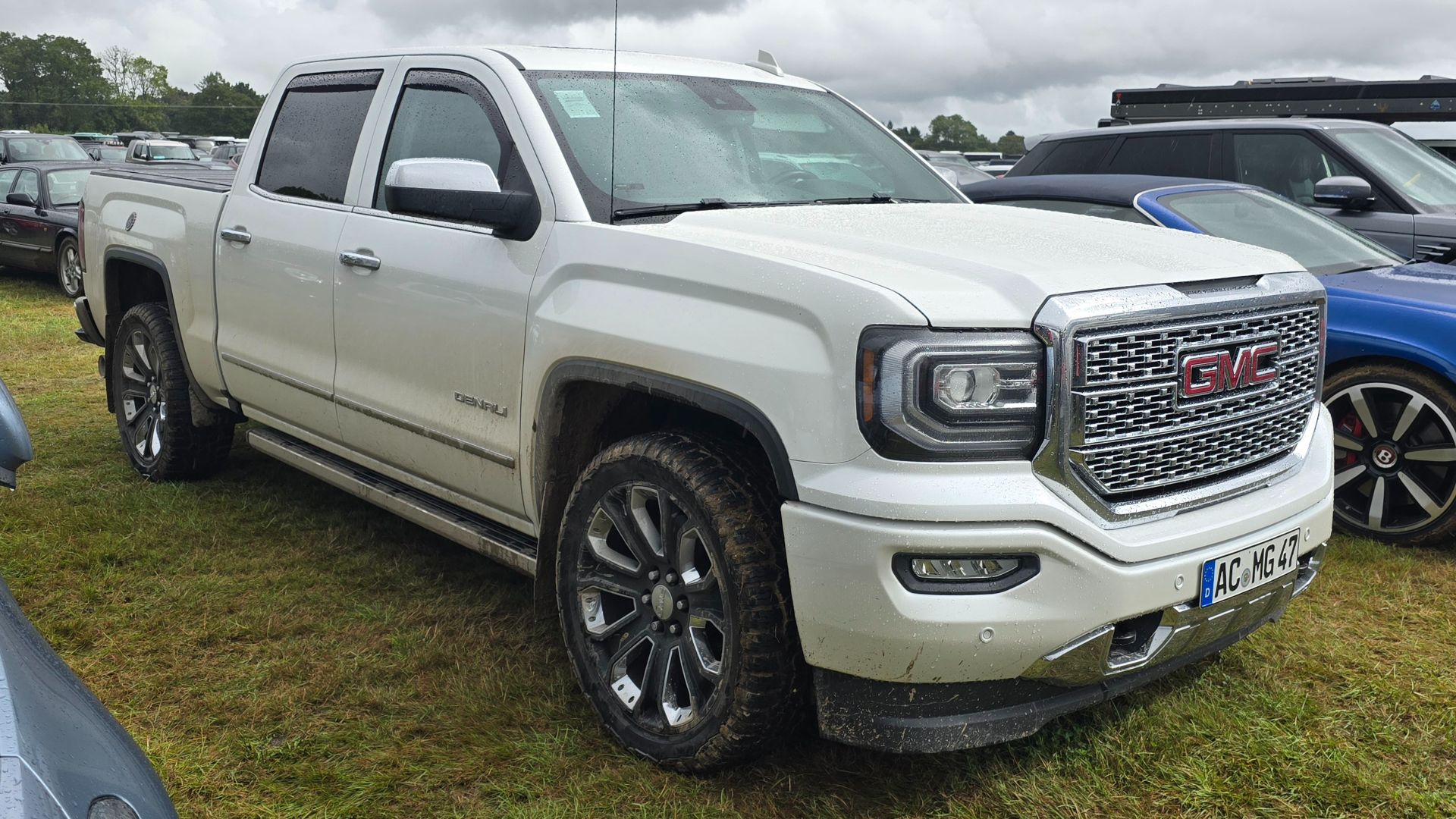
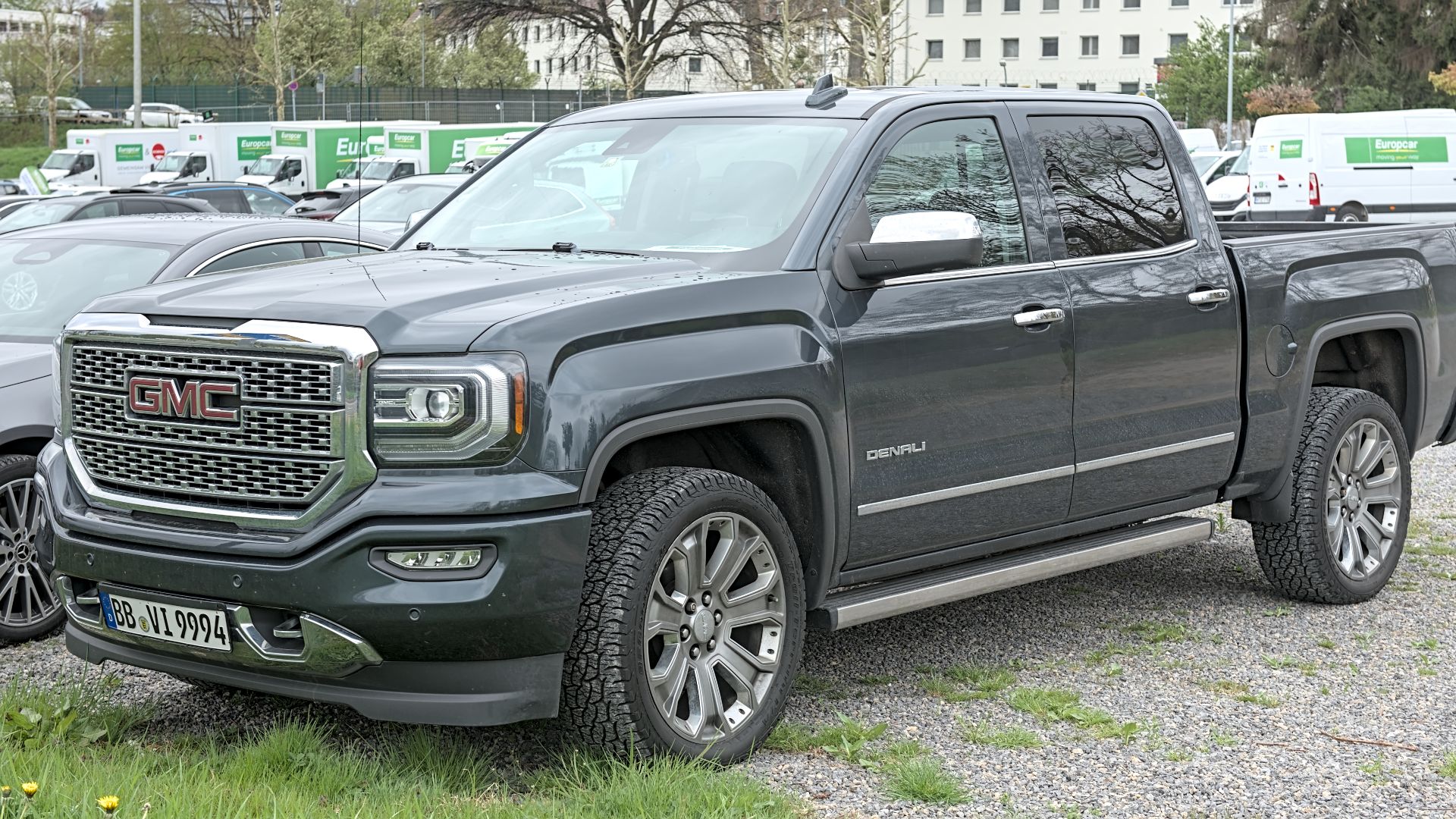
This one delivered exactly what the commercials implied, hauling a family and towing 8,000 pounds without complaint. Magnetic Ride Control on the Denali trim did real work smoothing out a ride that had no business being that composed on a body-on-frame chassis.
Resale stayed strong for the entire 2015 to 2020 run.
4. Sierra 2500HD With the 8.1 Vortec
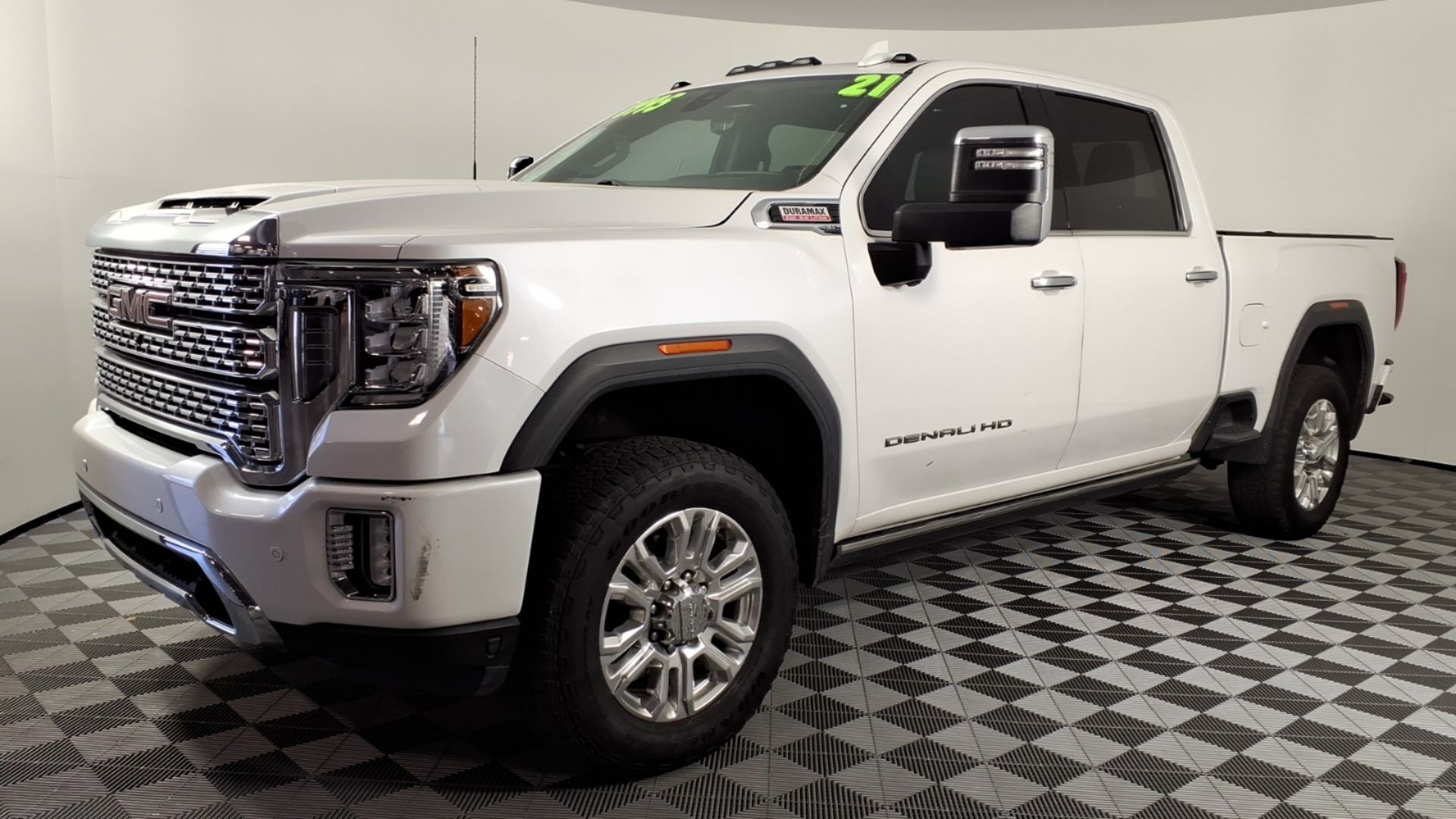
The 8100 was the last of GM's big gas V8s, making 340 horsepower and a wall of torque down low. Fuel economy was dreadful and nobody buying one in 2003 cared. Bolted to an Allison, it's one of the most durable gas towing setups the company ever assembled.
5. Sierra 1500 With the 6.2 (L87)
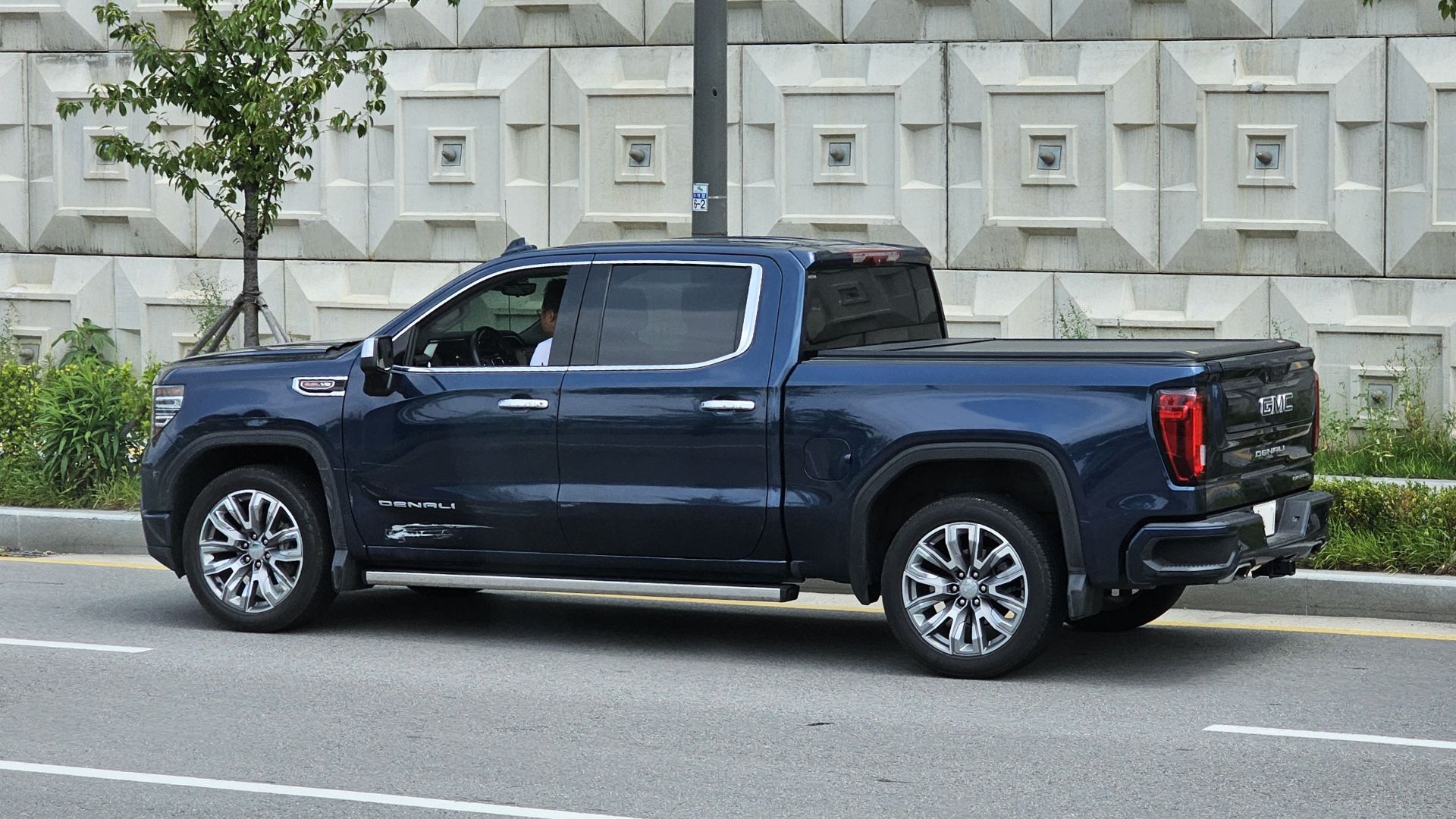
The L87 makes 420 horsepower and pairs with a ten-speed that settled down after early software revisions. The MultiPro tailgate looked like a marketing gimmick and turned out to be useful on an actual job site. If any current configuration matches the advertising, it's this one.
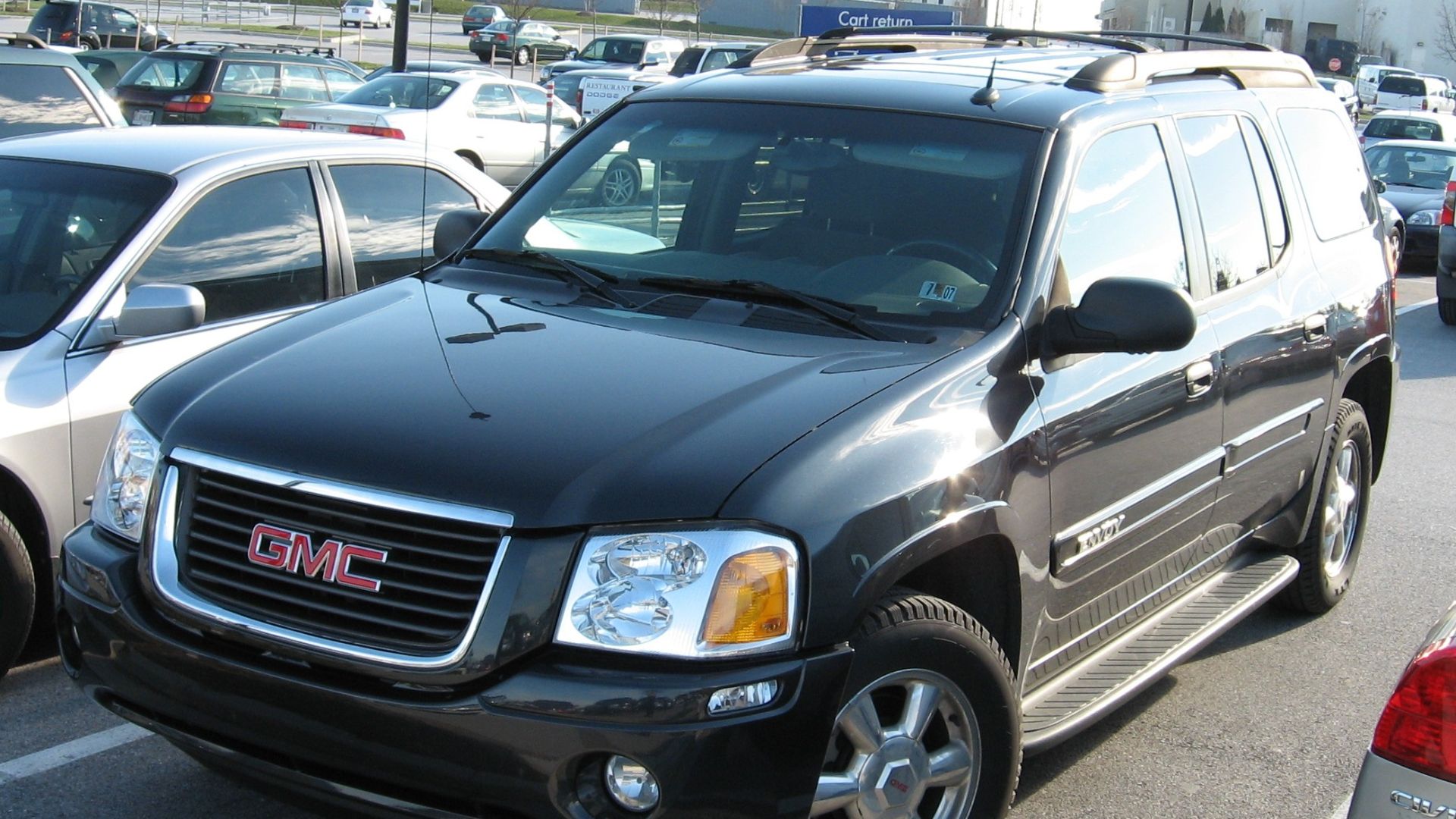
6. Envoy With the Atlas Inline-Six
A 4.2-liter inline-six is a strange engine for an American SUV and this one worked, regularly reaching high mileage without major surgery. The Envoy had electrical gremlins throughout its run. None of them originated in the engine bay.
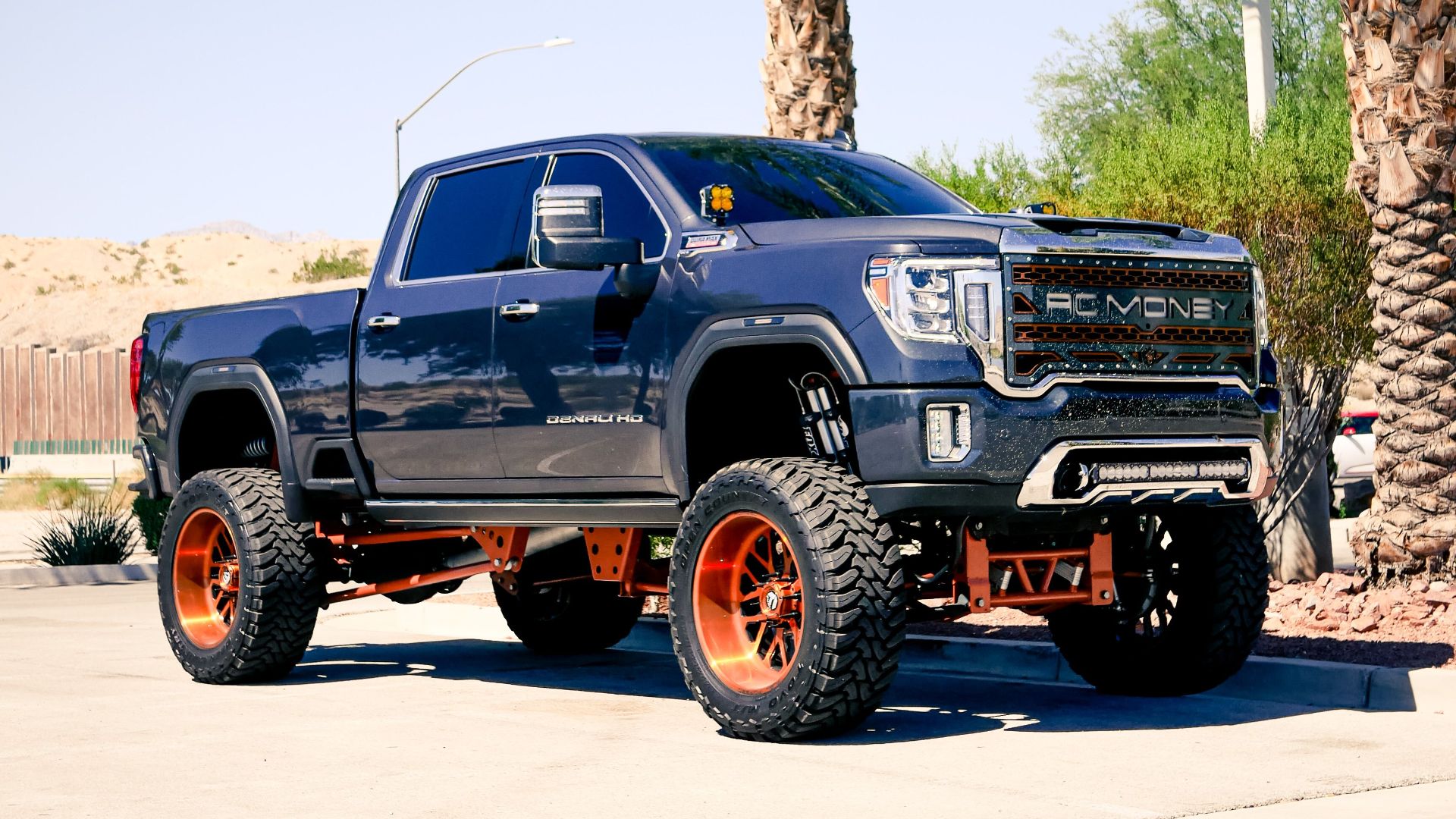
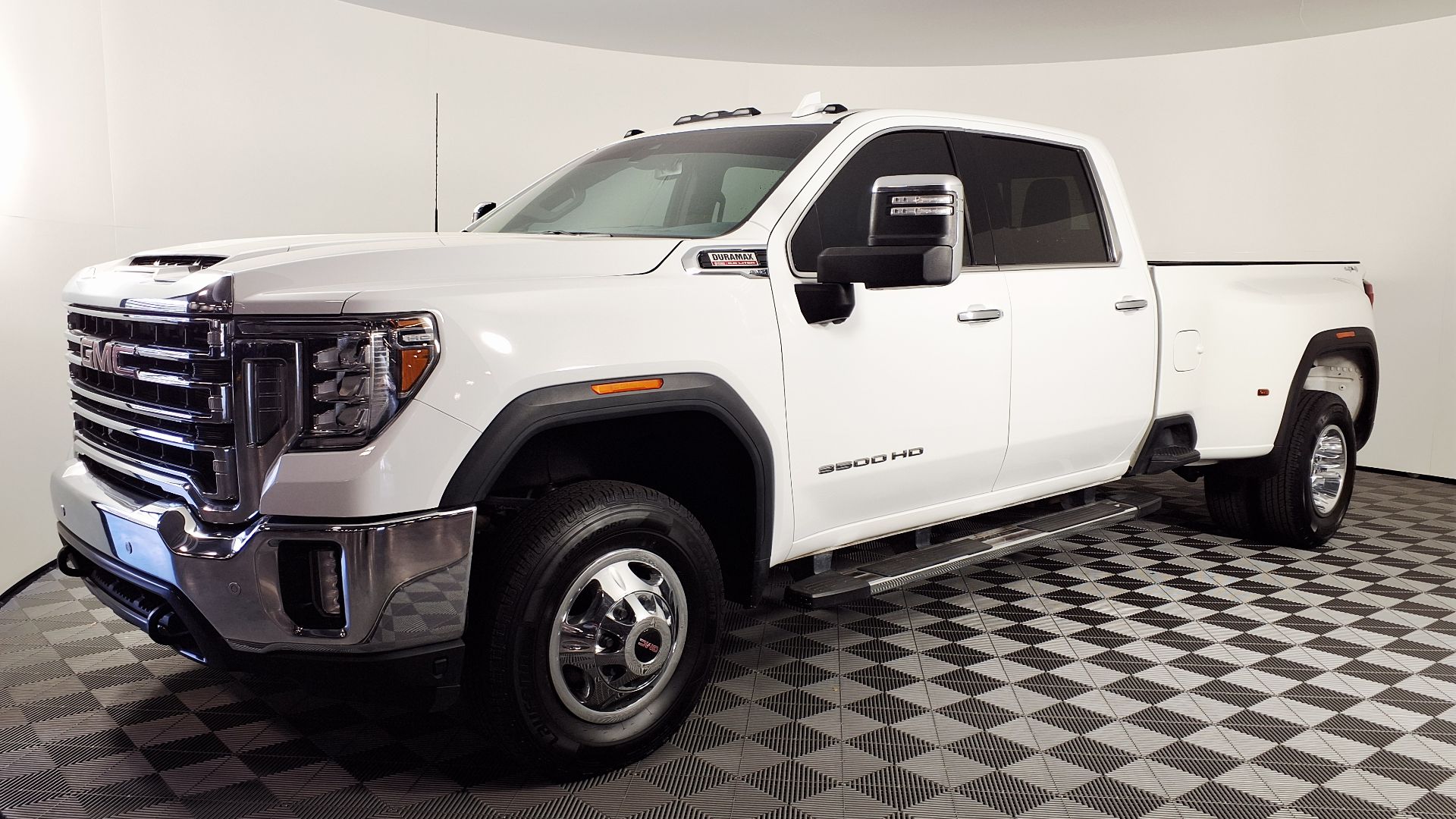
7. Sierra 3500HD Dually
The dually configuration is where GMC's heavy-duty engineering stops being marketing language. Properly equipped trucks handle over 30,000 pounds of gooseneck weight, and the rear axle and frame are built for it. People who tow horses and equipment for a living buy these repeatedly.
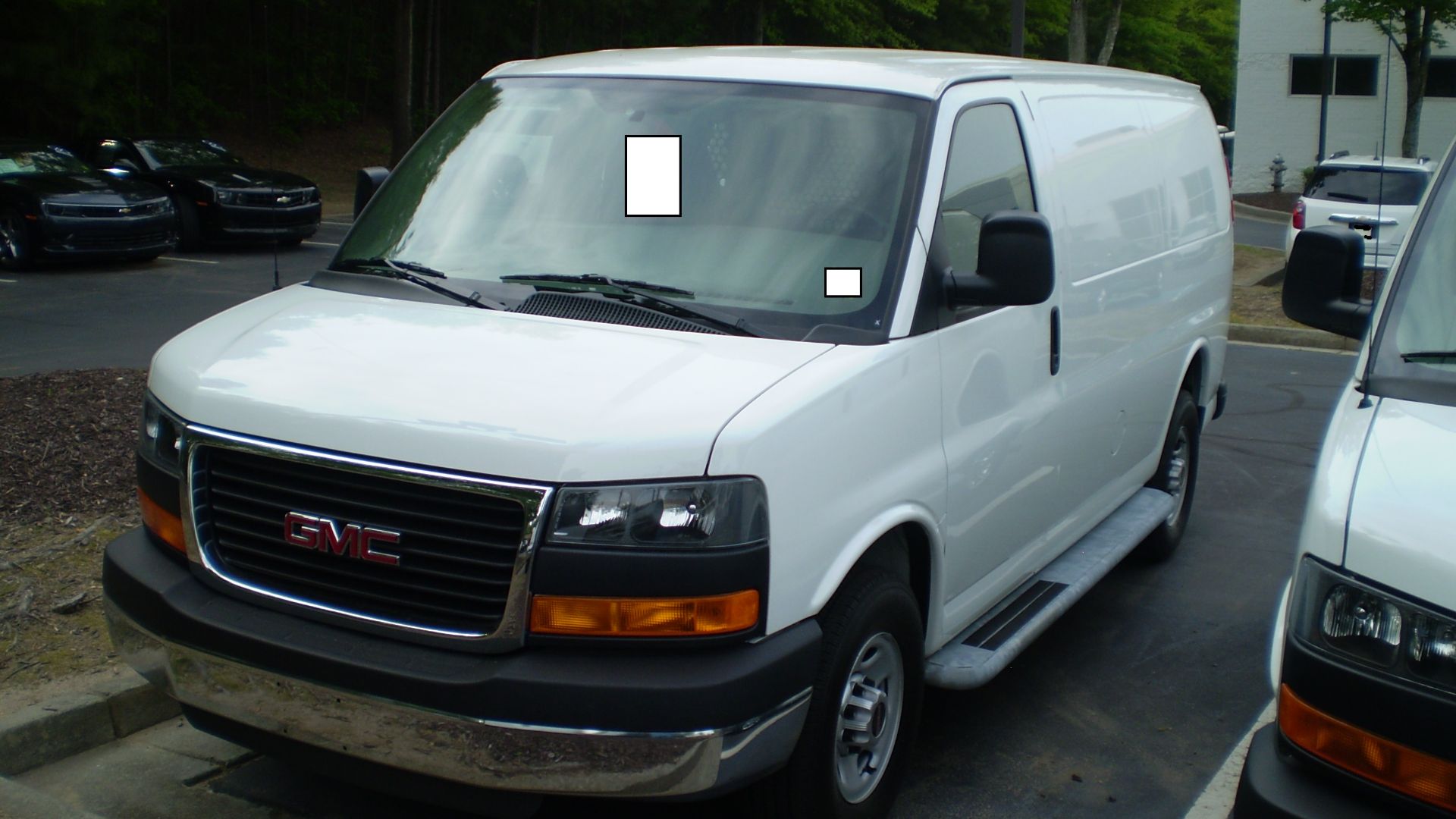
8. Savana 2500 Cargo Van
Nobody puts a cargo van in a brochure with a mountain road behind it, and the Savana didn't need one. The platform ran largely unchanged for over two decades because the formula worked, with a small block and a body that plumbers and electricians could beat on daily.
Simplicity kept them running.
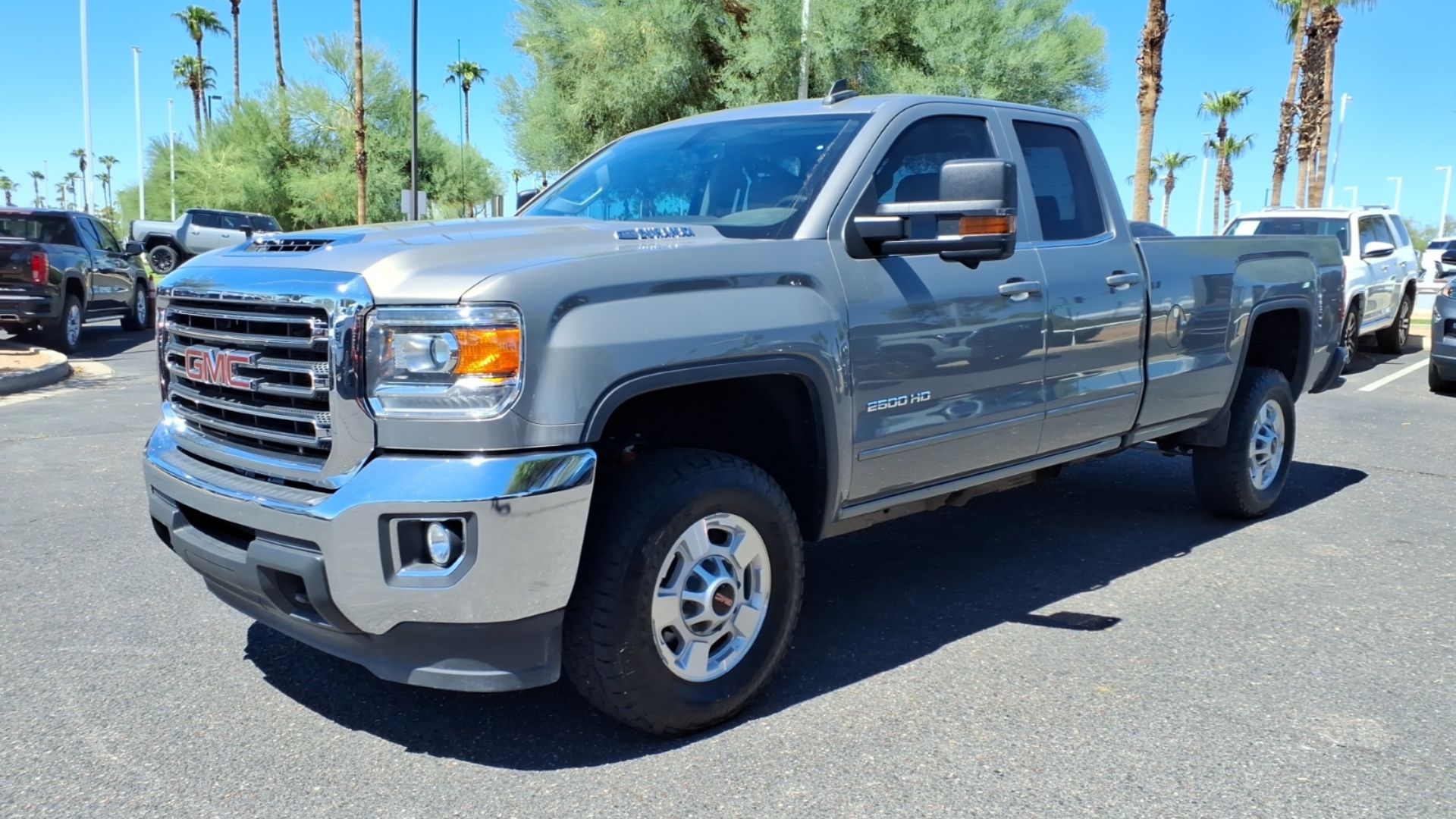
9. Sierra 2500HD With the LML Duramax
The LML corrected most of what plagued earlier Duramax generations, arriving in 2011 with better emissions hardware and a stronger fuel system. Paired with the Allison 1000, it earned a reputation among people who tow commercially. Used prices reflect that reputation a decade later.
10. Canyon With the Duramax 2.8 Diesel
A midsize truck with a diesel was an odd bet, and the four-cylinder Duramax delivered 369 pound-feet in a package that could park in a normal garage. Towing capacity hit 7,700 pounds. It found a small audience that has stayed loyal.
Now, here's 10 that didn't quite quite live up to expectations.
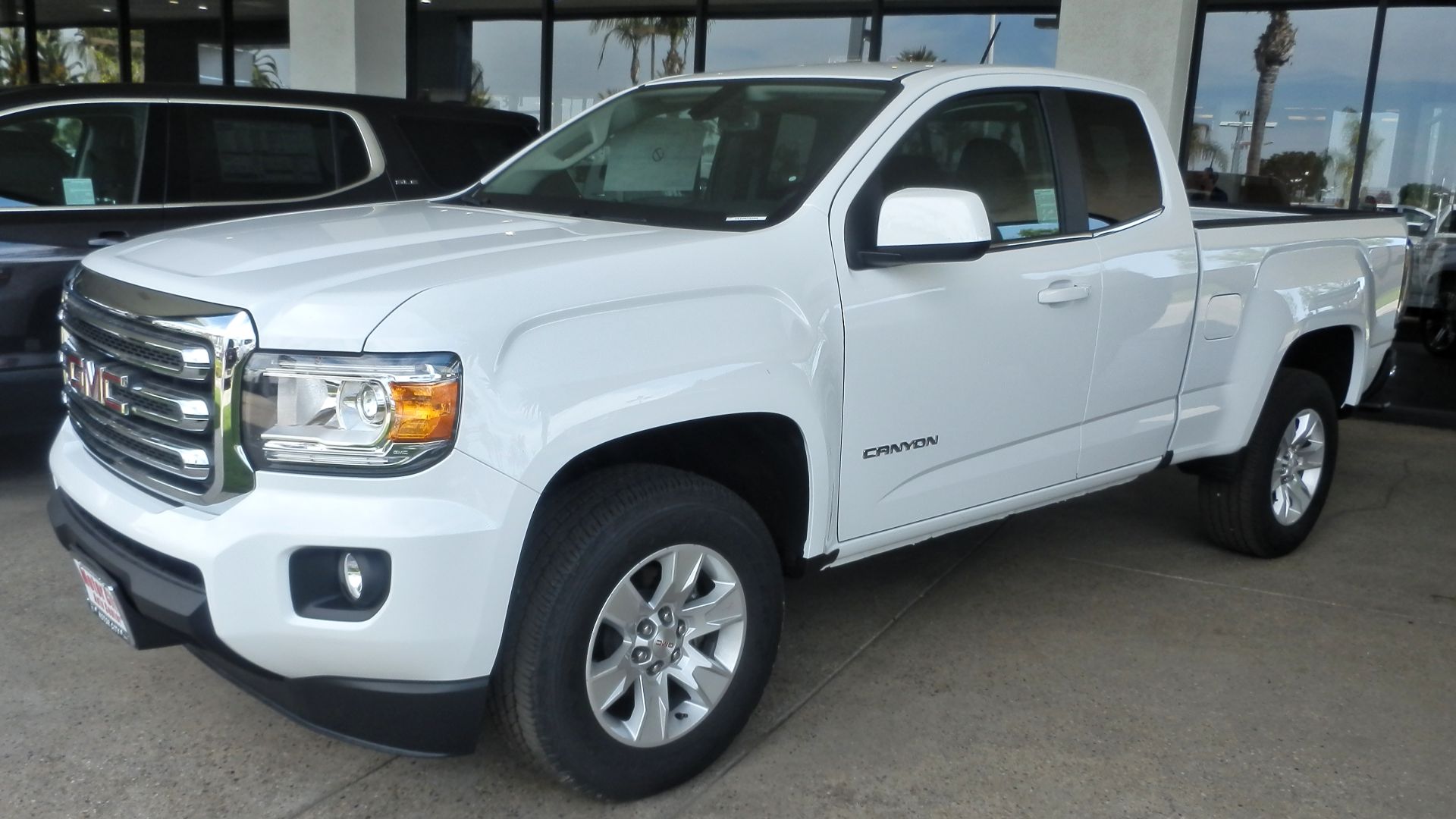
1. Acadia (First Generation)
The 2007 launch showed how completely one component can undo an otherwise reasonable vehicle. The 6T70 transmission developed wave plate failures that handed owners four-figure repair bills, sometimes before 100,000 miles. GM extended coverage after complaints piled up, which softened the damage without fixing the design.
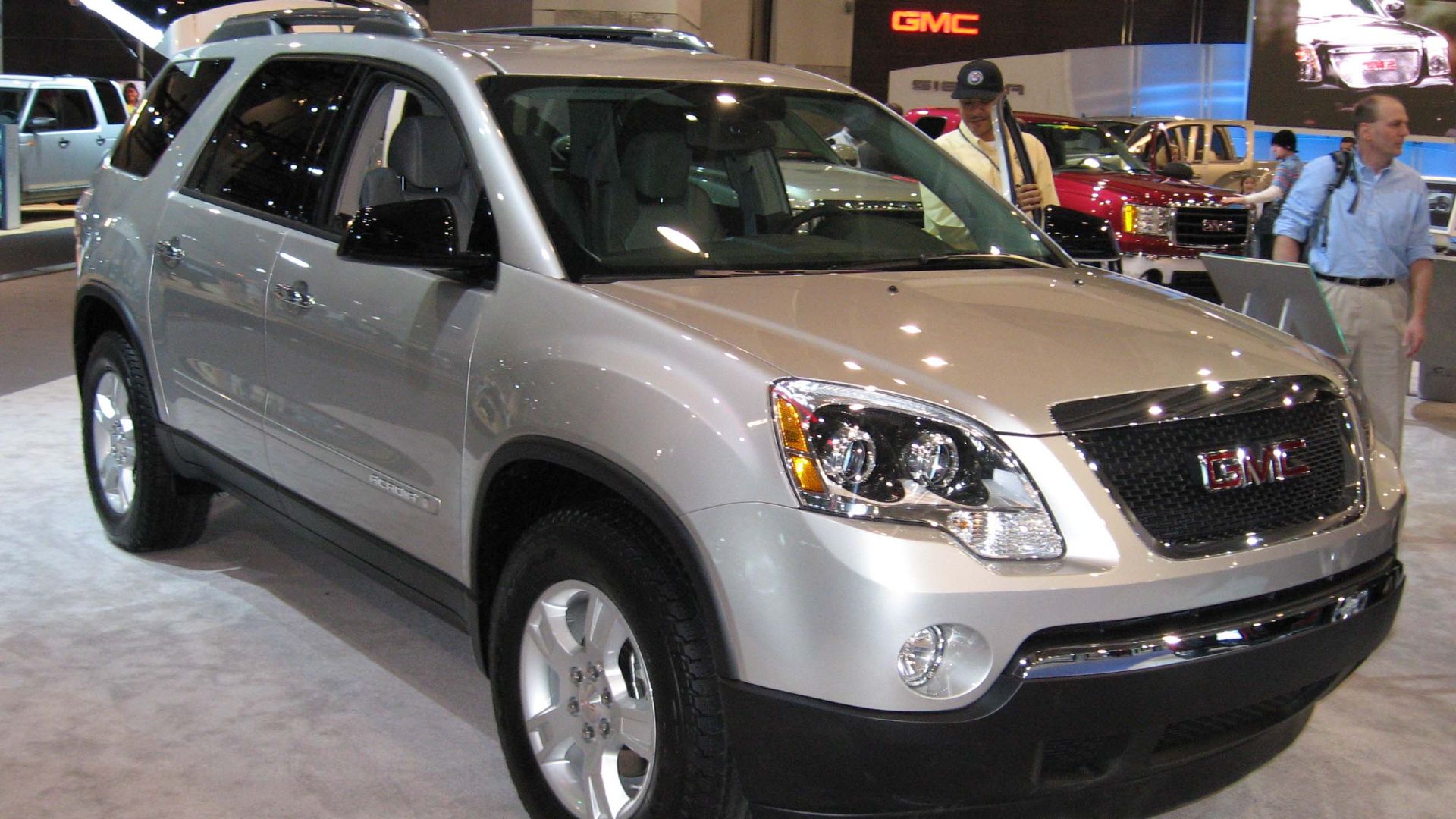
2. Terrain With the 2.4 Ecotec
The 2.4-liter burned oil at a rate that alarmed anyone who checked the dipstick, and plenty of people didn't check until something started knocking. Timing chain wear made it worse. Litigation followed, and used listings for four-cylinder Terrains became something shoppers learned to scroll past.
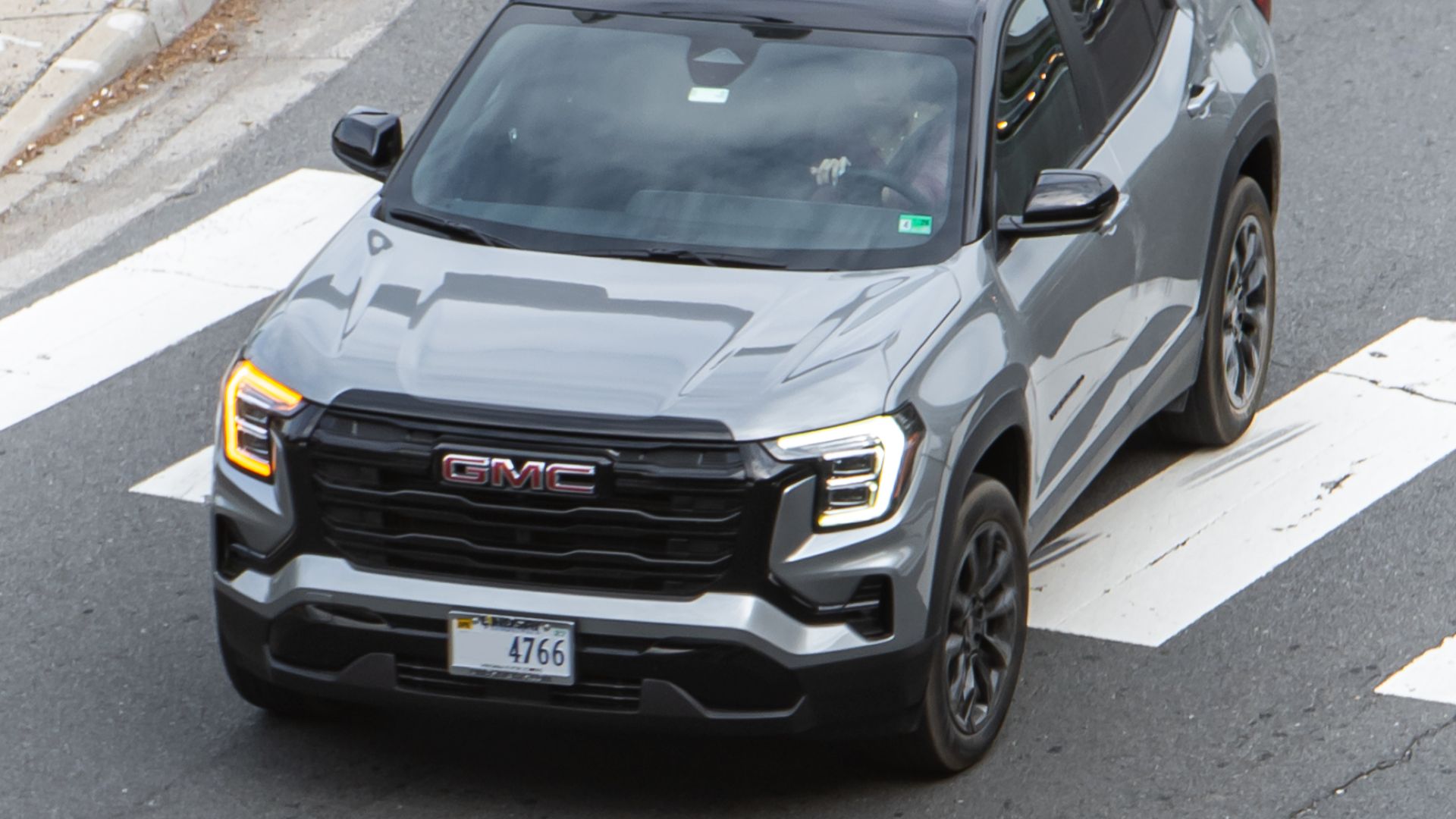
3. Envoy XUV
The sliding rear roof panel was supposed to make the Envoy a small truck when you needed one.
It leaked, the mechanism failed, and buyers didn't want the compromise in the first place. GMC pulled it after two model years.
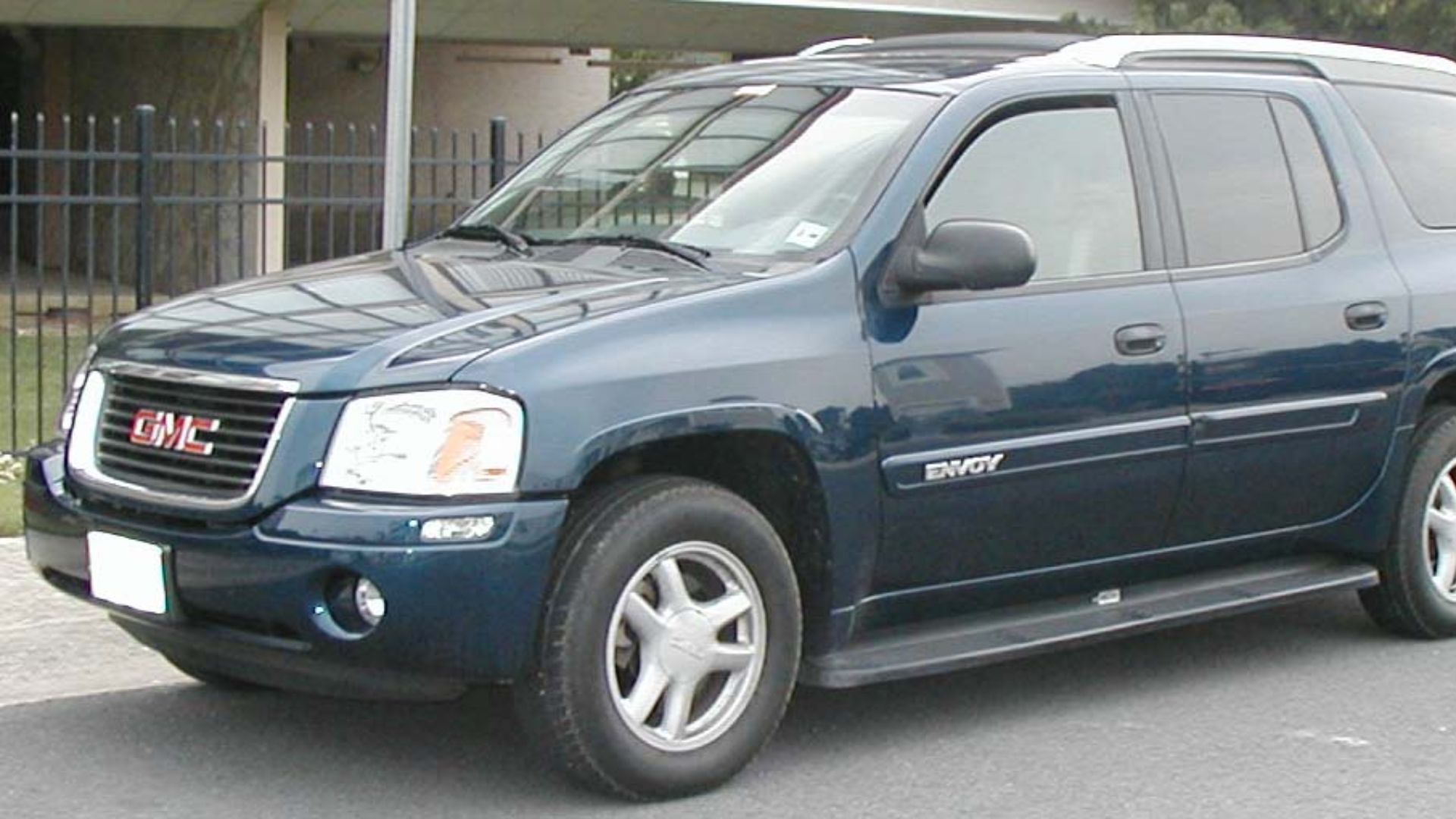
4. Sierra Denali With the Quadrasteer System
Four-wheel steering promised a full-size truck that maneuvered like something smaller, and it worked, mechanically speaking. The option cost several thousand dollars, the components were expensive to repair, and almost nobody bought it. Owners today struggle to source parts at all.
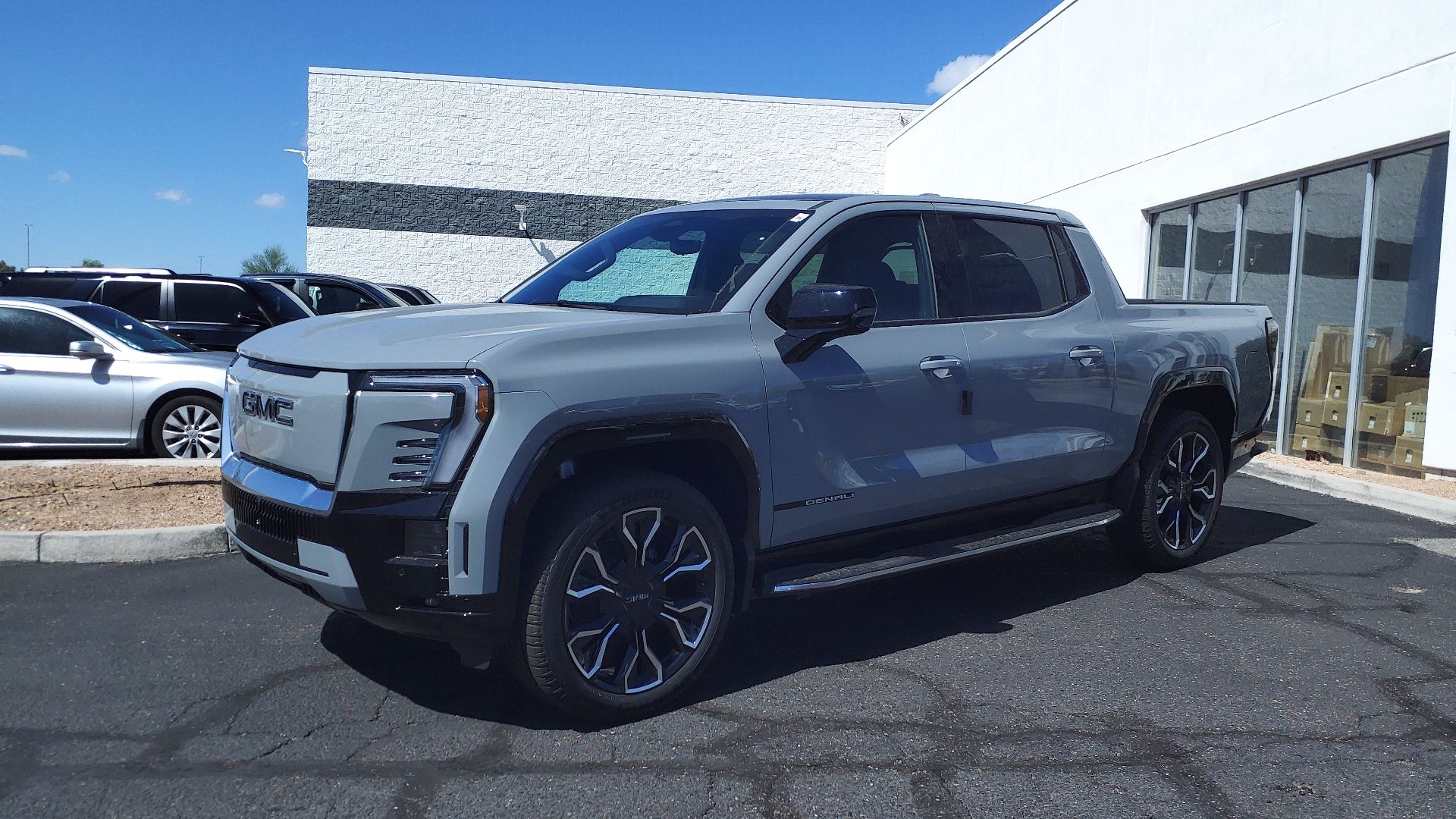
5. Typhoon
A turbocharged Syclone-based SUV sounds excellent on paper and was quick in a straight line. Reliability was another matter, with turbo and drivetrain issues surfacing early on a vehicle built in tiny numbers. It's collectible now mostly because so few survived being driven.
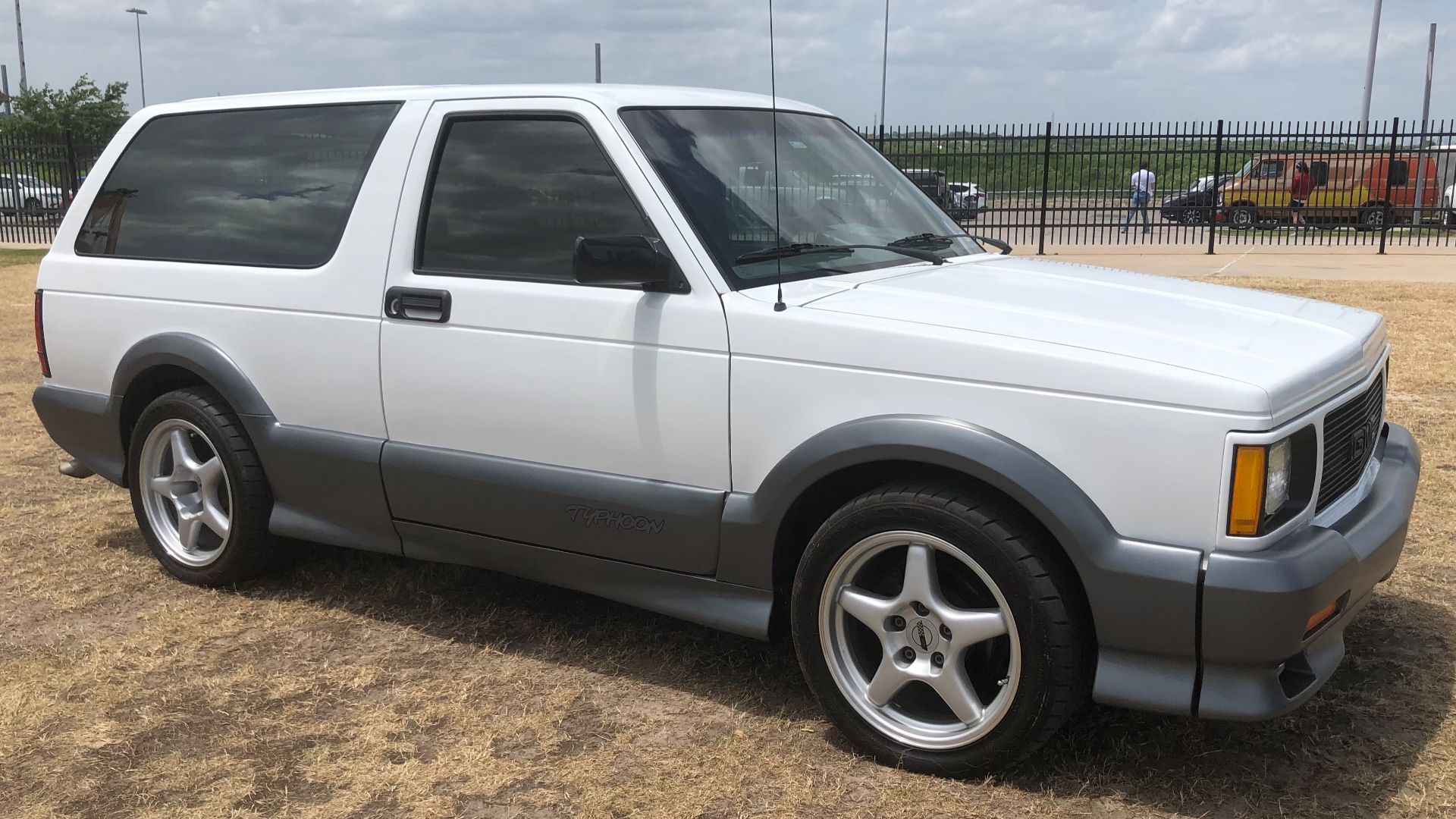
6. Terrain Denali (Second Generation)
Denali trim carried a real premium, and the interior materials didn't hold up to justify it. Dashboard trim delaminated under sun and seat bolsters wore through early. Charging luxury money for a cabin that ages like a rental fleet interior is a hard thing to defend.
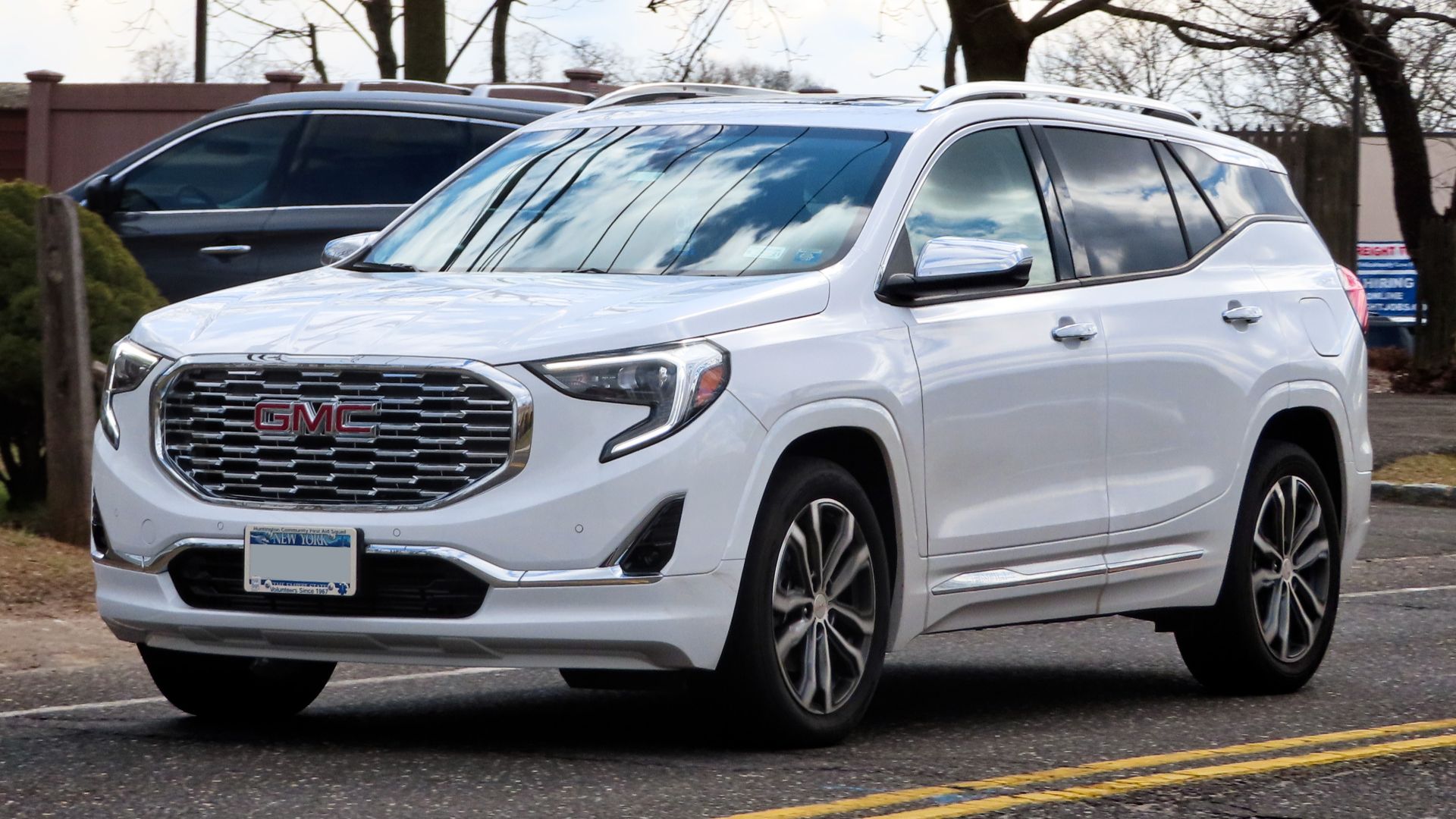
7. Sierra 1500 With Active Fuel Management
Cylinder deactivation saves fuel on paper, and the lifters that enable it fail often enough to be predictable. A collapsed lifter can take the camshaft down with it, converting a fuel-economy feature into an engine rebuild. An entire aftermarket exists to delete the system.
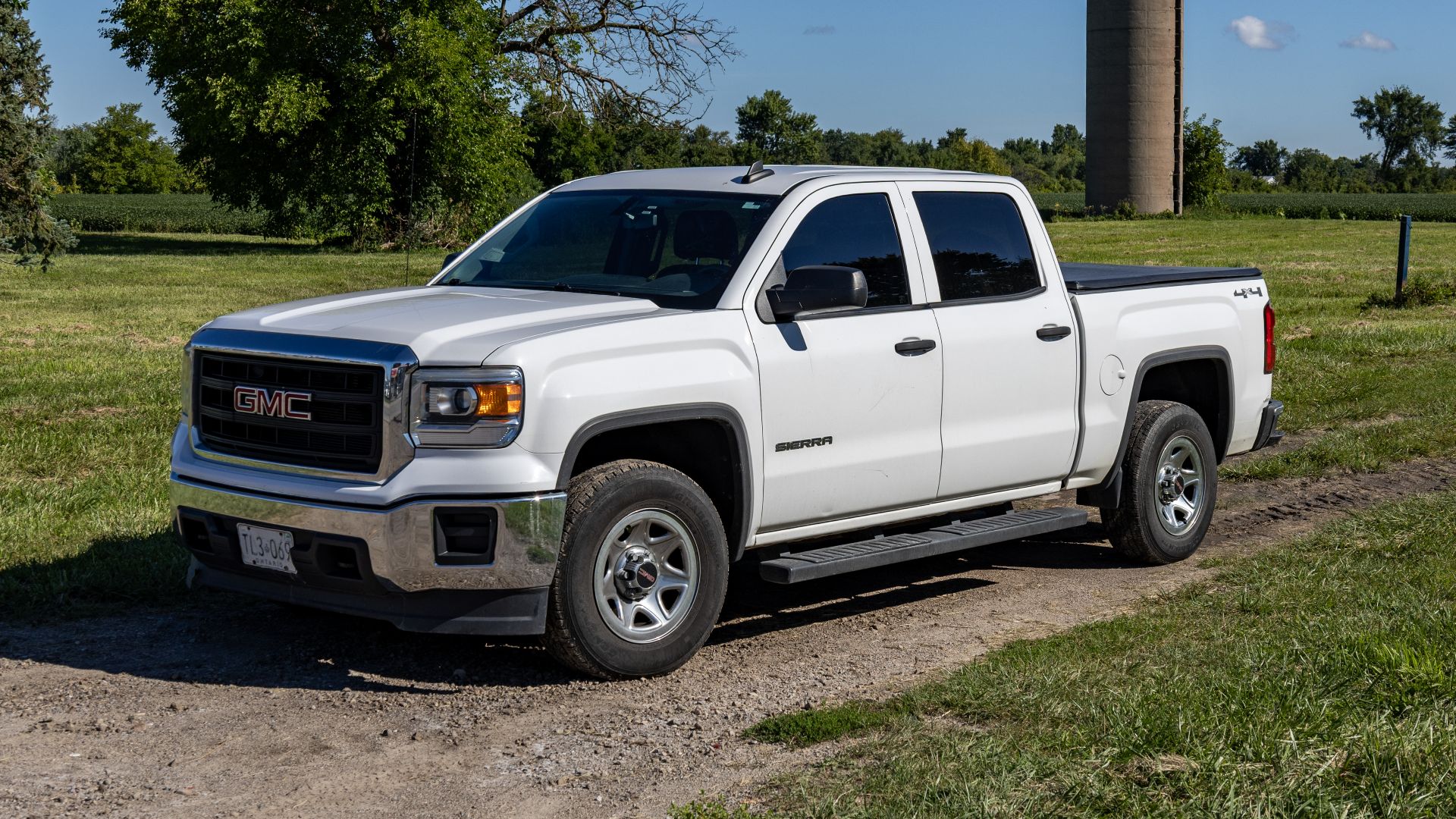
8. Sierra With the LB7 Duramax
The LB7 made strong power for 2001 and failed injectors with enough regularity that it became the engine's defining trait.
Replacement means pulling valve covers, which puts the repair outside driveway range. GM extended coverage substantially, which indicates how many trucks were affected.
9. Jimmy (Final Generation)
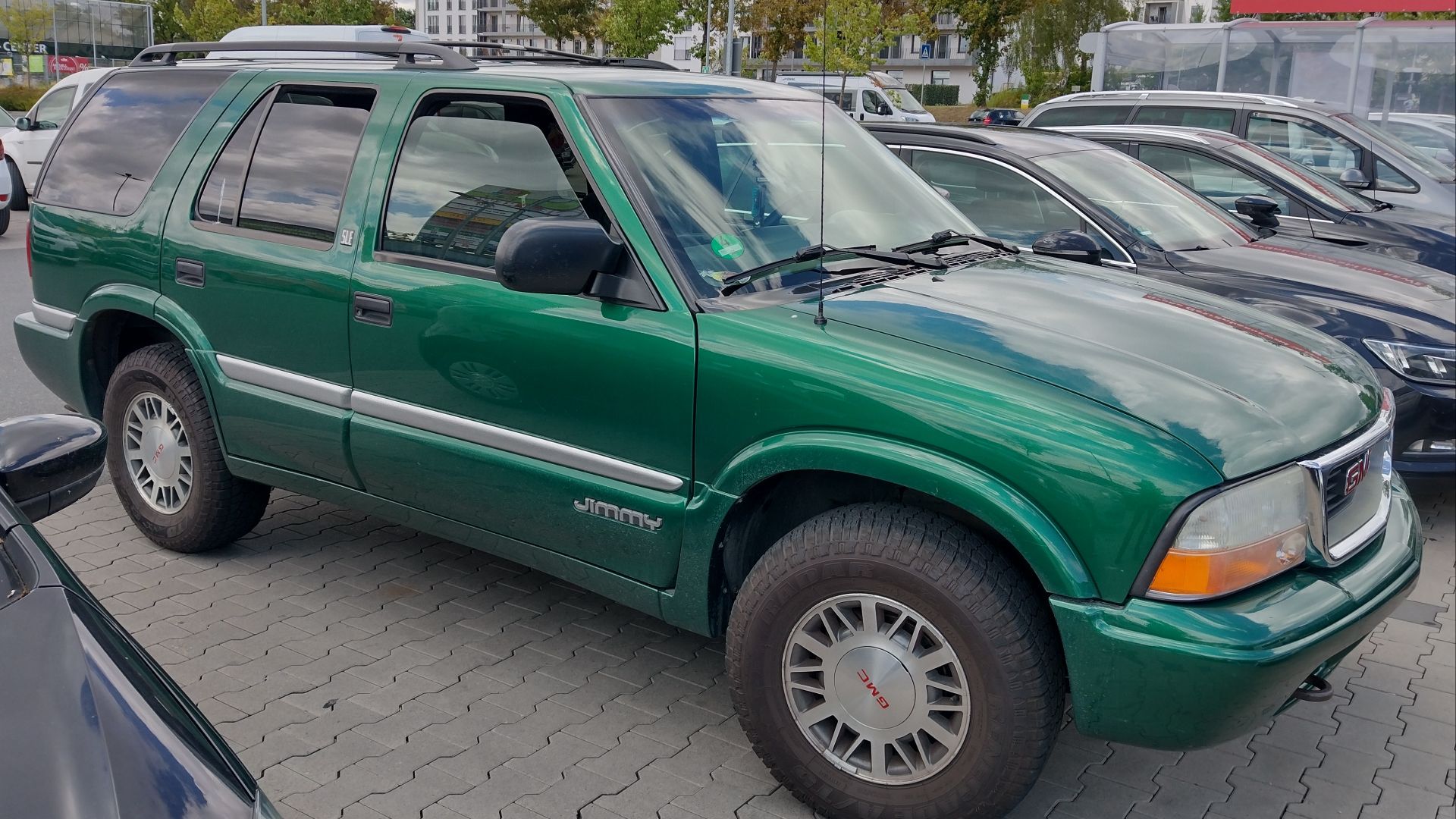
The Jimmy's transfer case and four-wheel-drive actuator problems were common enough that owners traded notes about them for years. Interior plastics cracked and headliners sagged on schedule. It sold well and aged poorly, which is a difficult combination for a used buyer.
 Interesting.cars.insta on Wikimedia
10. Sierra With the 8L90 Eight-Speed
Owners described the shudder as driving over rumble strips at highway speed, traced to torque converter behavior and fluid formulation. GM issued multiple service bulletins and revised the fluid spec more than once. Some trucks came back fixed on the first attempt and plenty made the trip twice.