
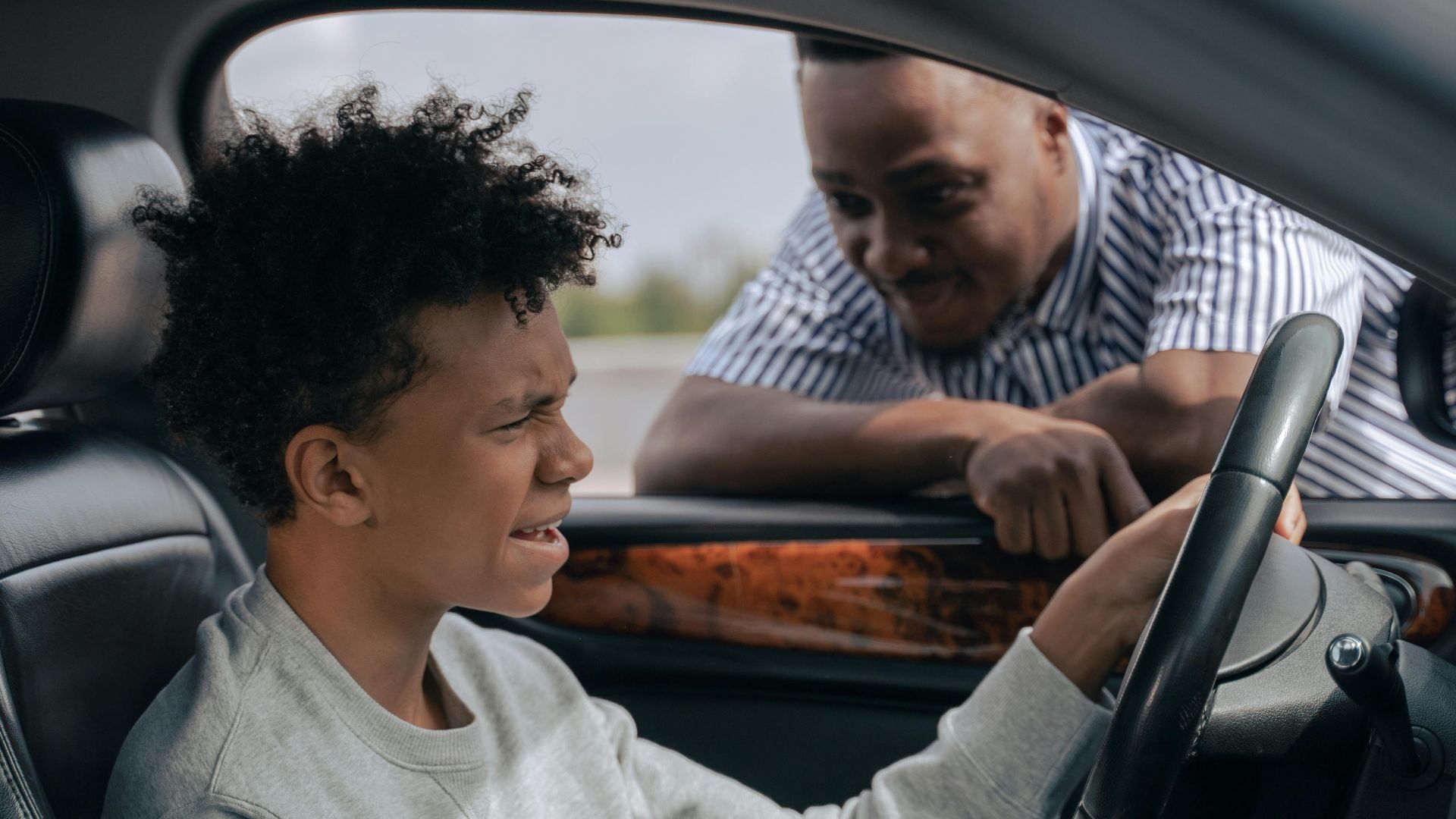
Driving isn’t a private act of self-expression; it’s a public responsibility carried out in a fast-moving, rules-based environment. The thing is, not everyone is equipped to deal with that responsibility. When you’re genuinely frightened behind the wheel, you’re not just uneasy—you’re operating heavy machinery with compromised attention and judgment, which puts everyone in danger.
Traffic safety depends on predictable behavior, timely decisions, and clear communication. So, what happens if your fear makes you hesitate? You might think that you’re being careful, but the road doesn’t reward caution that looks like confusion, and it won’t forgive you for turning uncertainty into a hazard. Let’s explore a few common reasons why nervous drivers are often the worst drivers, and why they should probably get off the road.
Fear Makes Driving Unpredictable
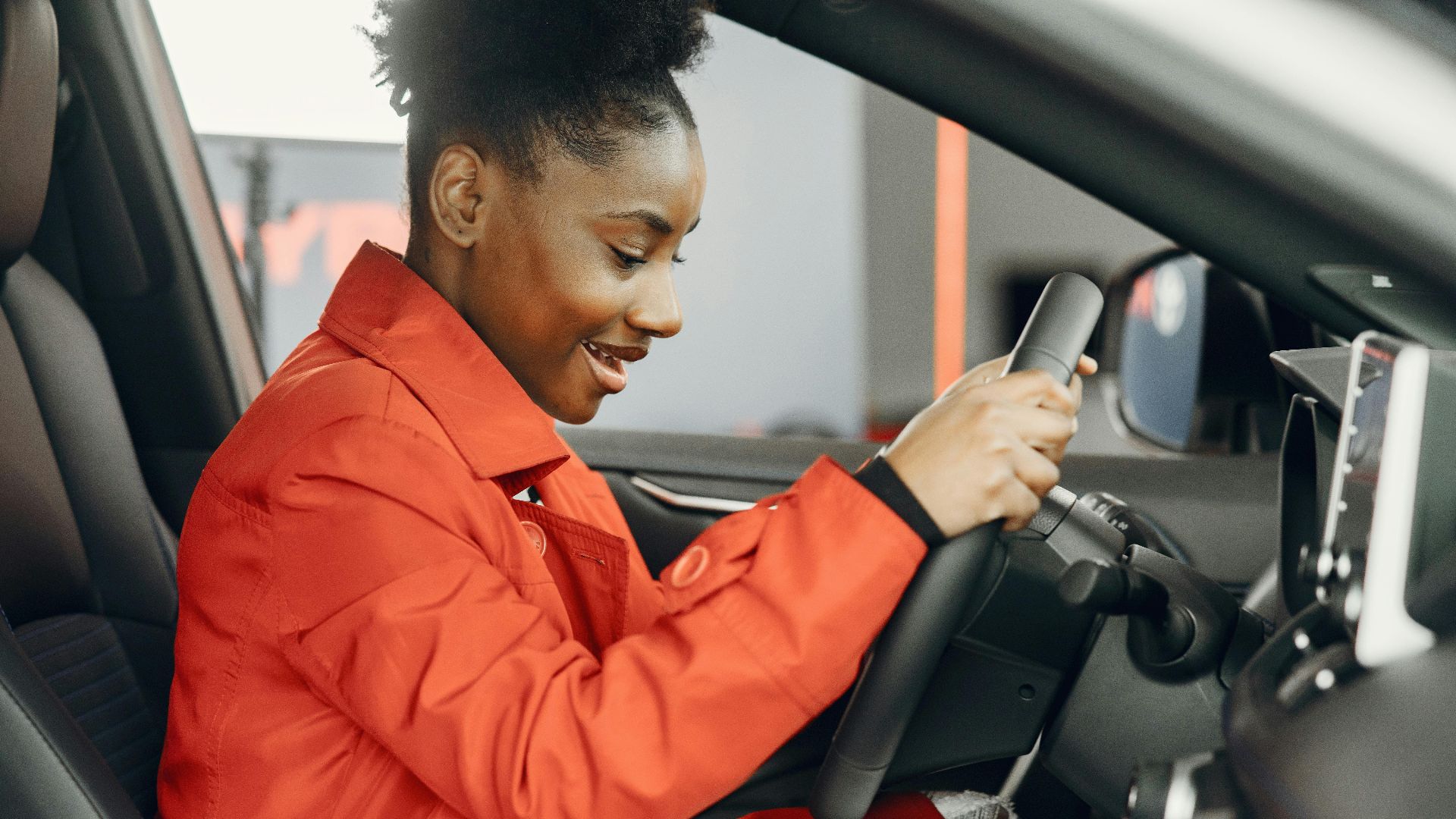
Under stress, people tend to narrow their focus. That tunnel vision can shrink your awareness of side mirrors, cross traffic, pedestrians, and cyclists. You may feel hyper-alert because your heart is racing, yet you’re often scanning less effectively. When you miss cues that other drivers expect you to notice, your vehicle becomes a moving question mark.
Hesitation also disrupts the logic of right-of-way. If you stop when it’s your turn to go or wave others through inconsistently, you’re replacing shared rules with improvisation. Intersections already concentrate risk because paths cross at close range; add indecision to that mix, and now everyone’s confused.
Speed control is another place where fear causes damage. Many anxious drivers brake early, brake often, and drive well below the flow even when conditions don’t warrant it. It seems “safe” on the surface, but that changes the timing of everyone behind you. Don’t even get us started on steering, either. Scared drivers do anything from hug the shoulder to drift within lanes, completely removing the predictability drivers want.
Anxiety Doesn’t Stay Contained; It Forces Risky Moves From Other Drivers
Drivers constantly rely on subtle agreements. You merge with purpose. You maintain your lane. You signal. If you’re too scared to follow through on normal maneuvers, you force surrounding drivers to peel their eyes off the road and try to mind-read your next move. Don’t kid yourself— minor uncertainty becomes a dangerous chain of reactions.
Look at merging, for example. Safe merging requires you to accelerate to match the speed of the lane you’re entering. Failure to do so is a common gripe of experienced drivers! That’s exactly why seasoned motorists roll their eyes as soon as they see “student driver” stickers in front of them; who knows what could happen.
In stop-and-go city driving, anxiety also turns routine moments into conflict. If you pause too long at green lights, stop abruptly mid-turn, or leave excessive gaps, you’re only inviting aggressive lane changes and rushed starts. People aren’t mind readers; they respond to what they see. When what they see is inconsistency, they compensate, and compensation under time pressure is where crashes happen.
If You’re Too Scared to Drive, Getting Off the Road Is Responsible, Not Shameful
Being afraid doesn’t make you immoral, and it doesn’t mean you’re incapable forever. There are plenty of reasons people fear getting behind the wheel, including the most basic aspect of driving: knowing that you’re in a two-tonne death machine! What matters is whether your current emotional state prevents you from operating a vehicle with control. If you know you can’t make timely decisions without freezing, it’s smarter for everyone to find alternative routes.
A practical standard helps: if ordinary driving situations routinely overwhelm you, then you aren’t ready to drive safely. Cars aren’t like bicycles either—there aren’t any training wheels, so you’re either ready or you’re not. Be honest with yourself about whether you feel comfortable without someone sitting next to you.
If driving isn’t in the cards, that’s okay! There are safer ways to rebuild confidence that don’t gamble with other people’s safety. A qualified driving instructor can structure practice so that skills develop progressively, rather than through improvisation in high-risk environments. If anxiety or panic is part of the problem, therapy commonly reduces avoidance and improves coping under stress. Don’t beat yourself up; seeking help isn’t dramatic.
Until you’re steady behind the wheel, alternatives matter more than pride. Public transit, rideshare, carpooling, and scheduling adjustments can protect you and everyone around you. If you’re tempted to “push through” because it feels embarrassing, remember what’s actually at stake. Roads are a shared space where your fear can become someone else’s emergency, so don’t get in your own way. More importantly, don’t get in other drivers’ way!