Infrastructure on a Large Scale
As cities grow and traffic increases, highways are frequently widened to improve flow and capacity. In some places, that very demand has resulted in exceptionally wide roadways with numerous lanes serving commuters, freight, and long-distance travel. These highways highlight the balance between mobility and urban planning, so let's take a closer look at the widest highways in the world and see how different regions approach large-scale road design.
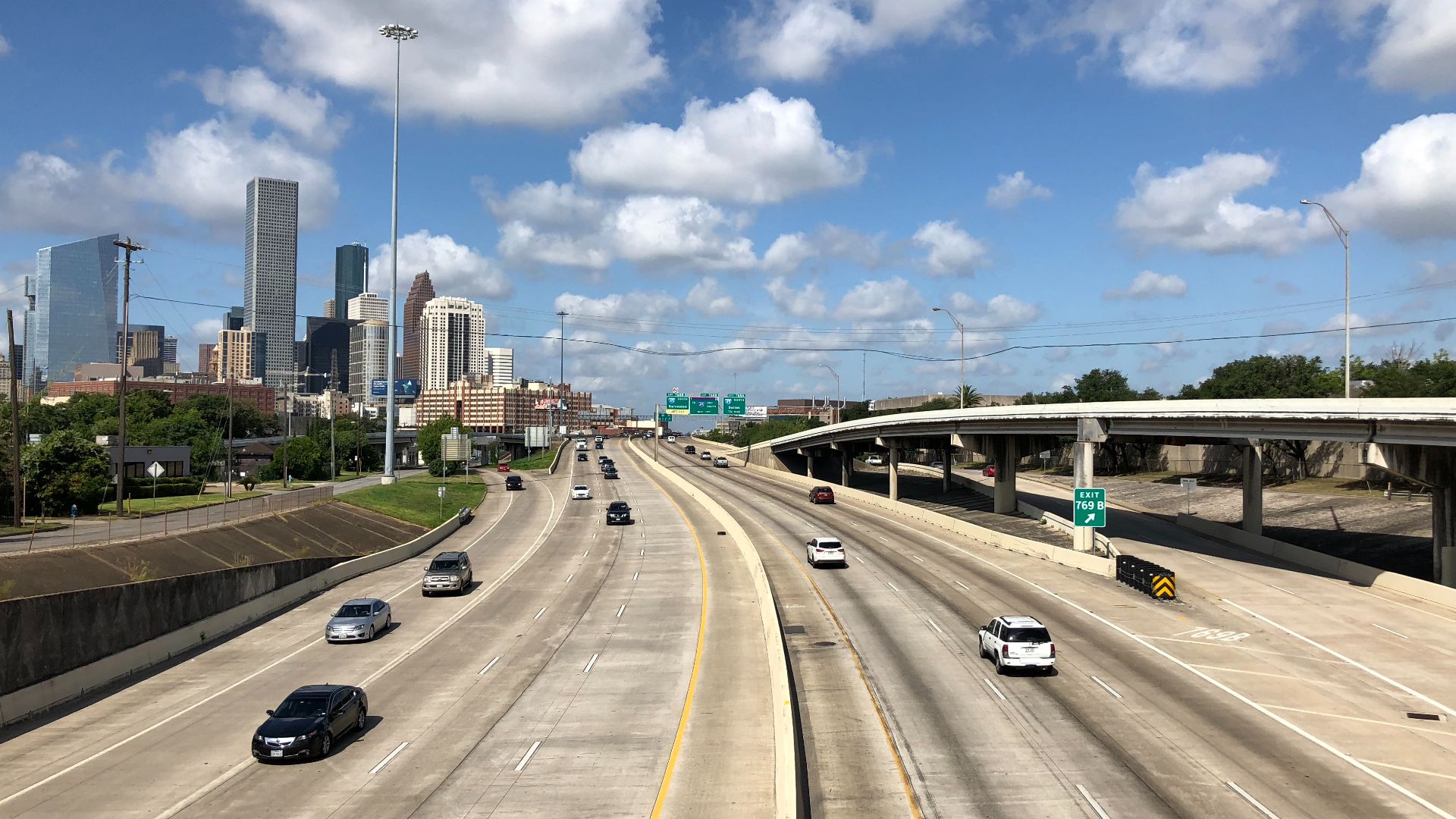
1. Katy Freeway (Interstate 10), Houston, Texas, USA
Houston's Katy Freeway stretches to a staggering 26 lanes when you count the main roads, frontage routes, and managed lanes combined. The $2.8 billion expansion in 2008 was supposed to fix congestion, but ended up attracting even more traffic instead.
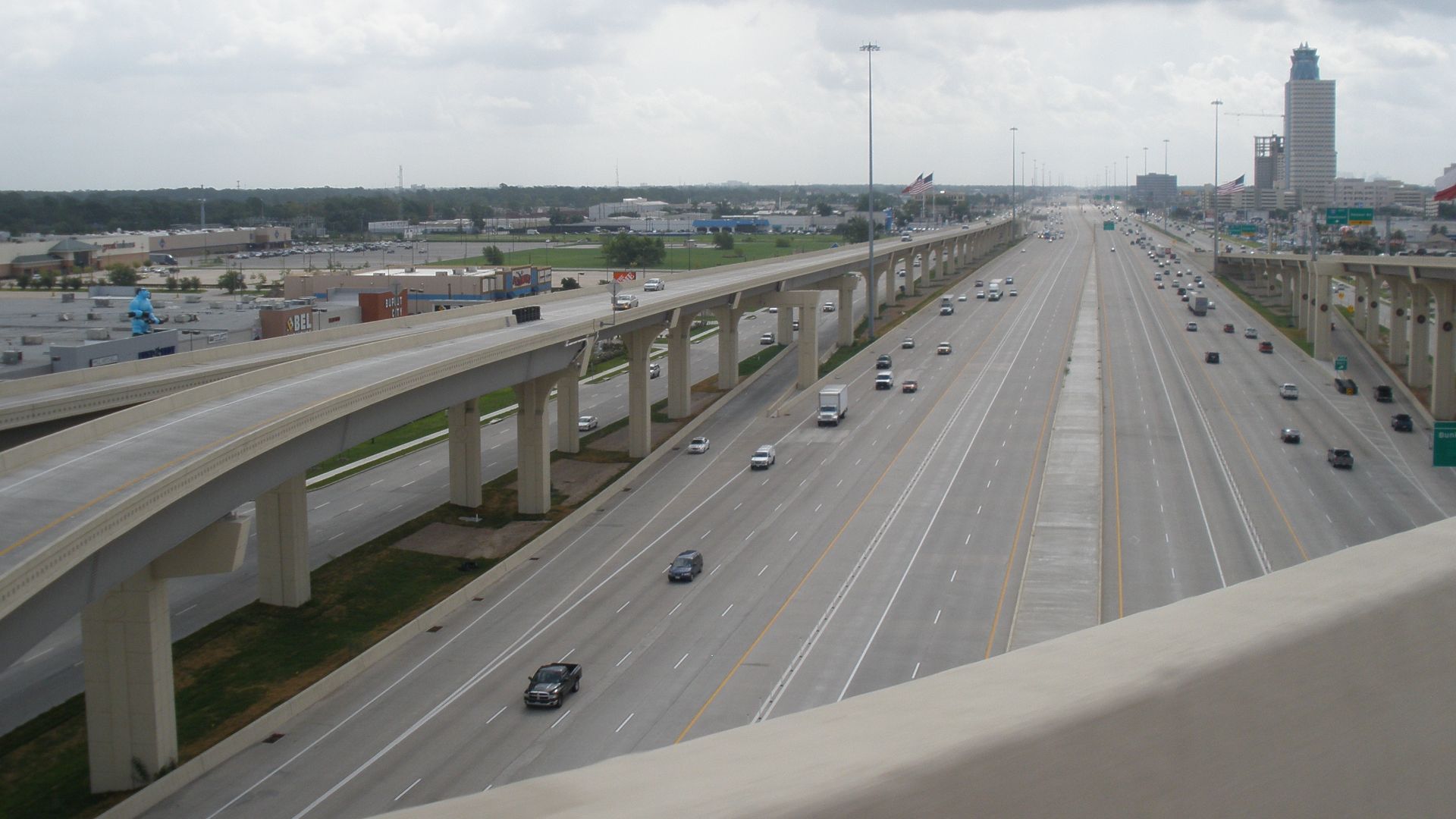
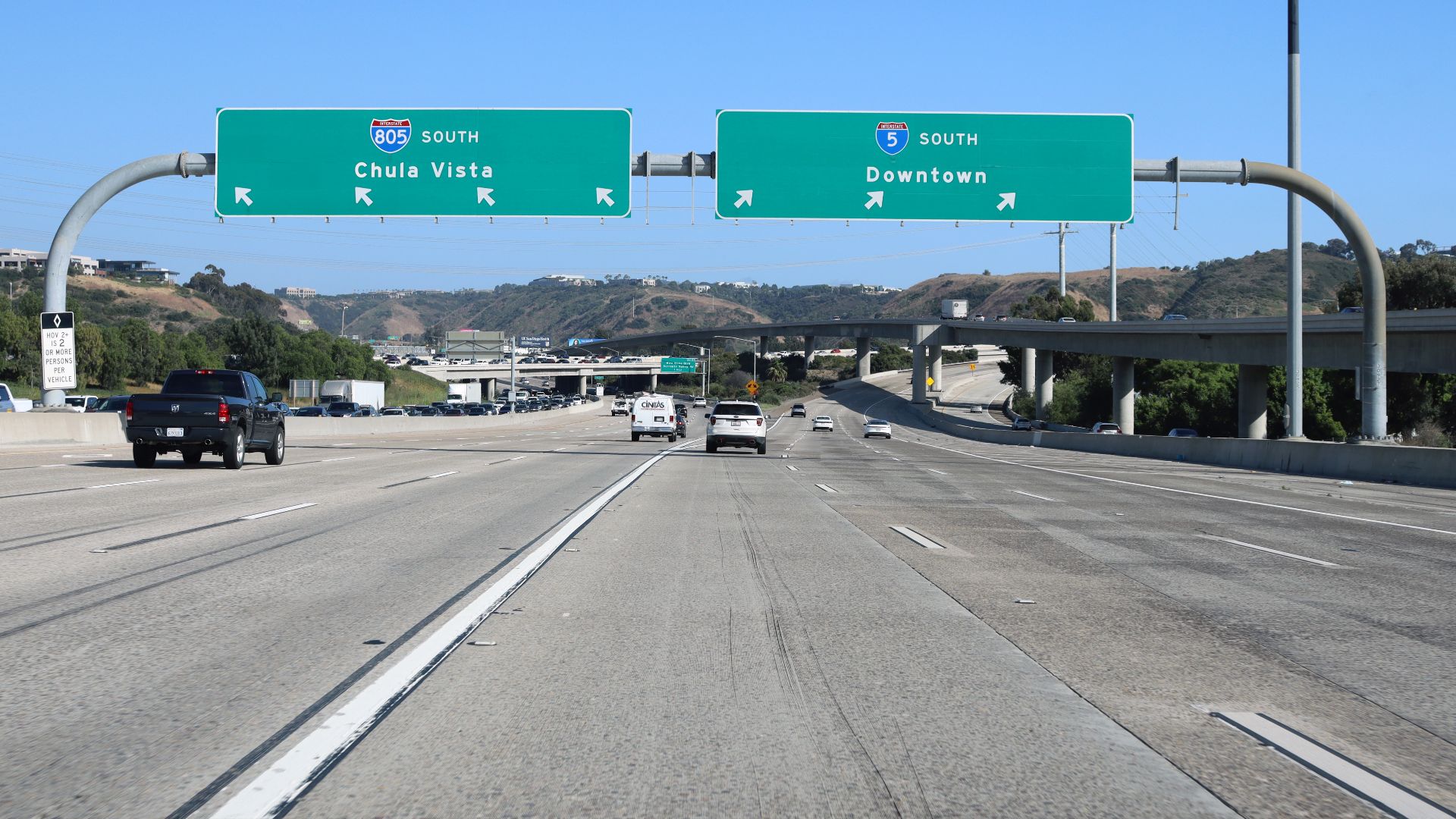
2. Interstate 5, San Diego, California, USA
Construction started back in the 1960s with multiple phases that transformed this corridor over the decades. Between I-805 and SR-56, the stretch now widens to 22 through lanes to handle massive commuter flows and border traffic.
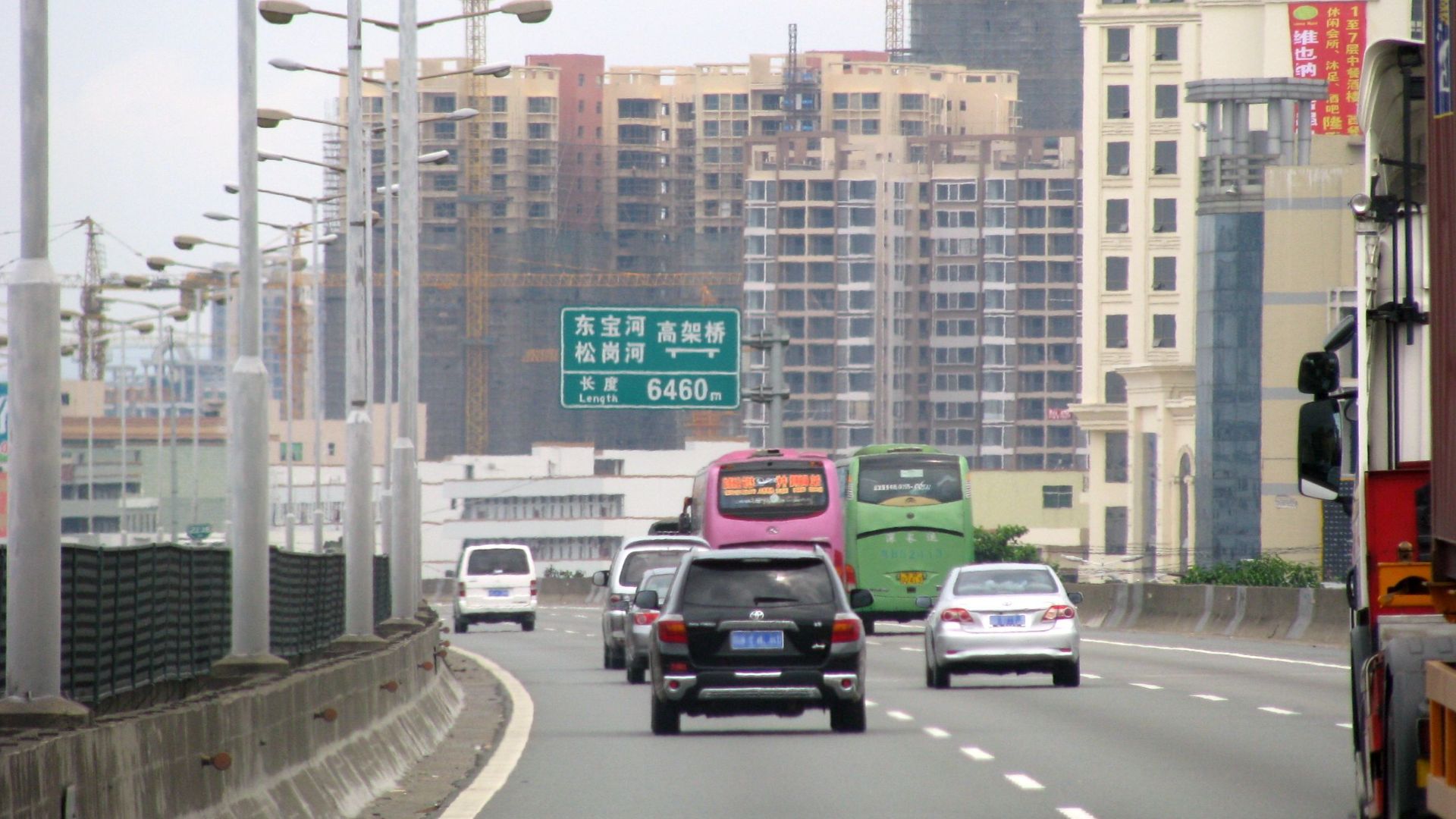
3. G4 Beijing-Hong Kong-Macao Expressway, China
Built during the 2000s as part of China’s massive 109,000‑mile expressway network, the G4 connects major economic hubs across roughly 1,420 miles. Urban sections reach 20 lanes to accommodate the intense traffic flow between cities.
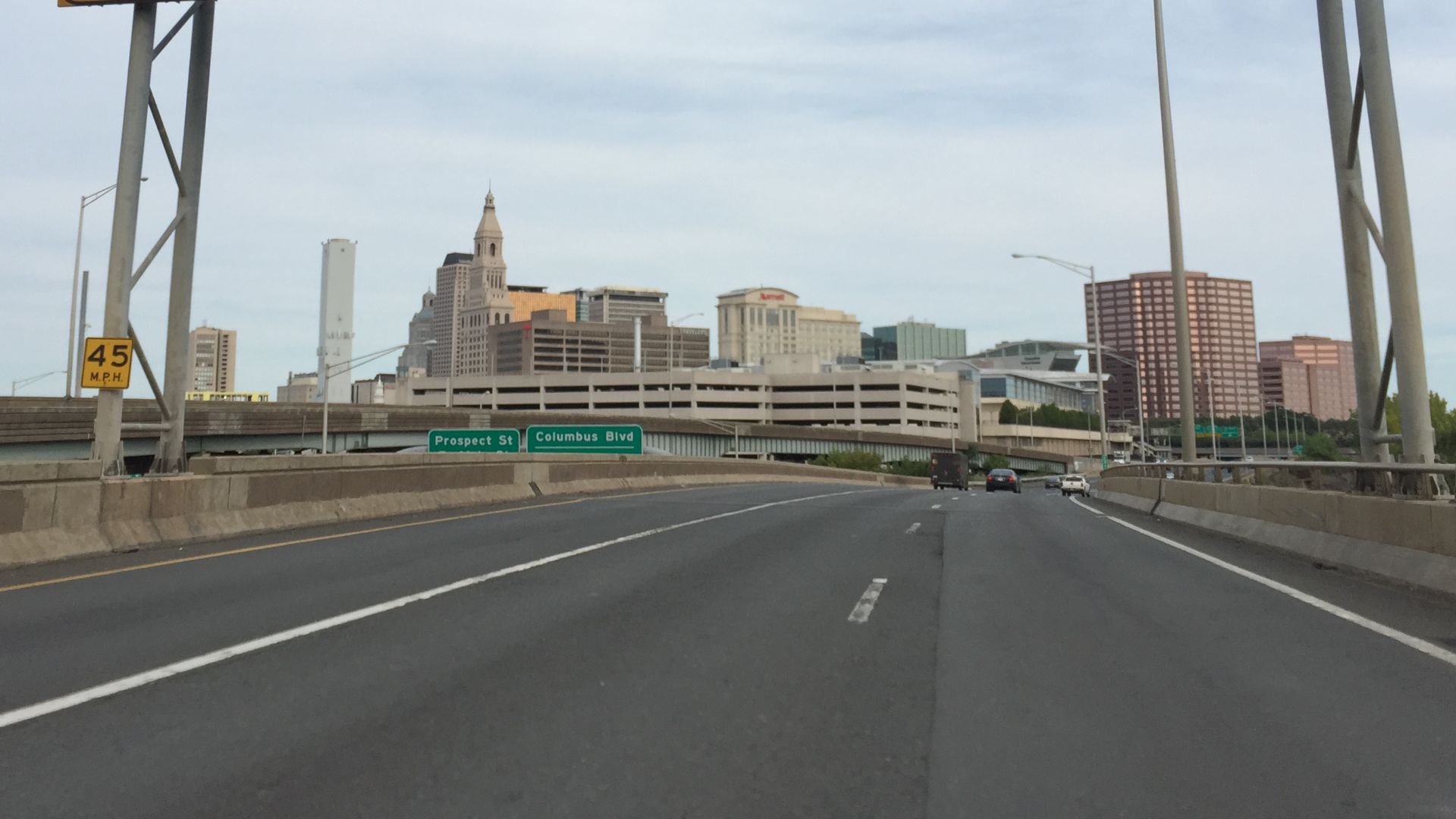
4. Interstate 91, Hartford, Connecticut, USA
Locals joke that it's where "Yankee ingenuity" meets traffic creativity during daily commute challenges through New England. Construction in the 1960s established it as a vital Northeast transportation link between major cities. Hartford's I-91 runs 12 lanes through the core while paralleling the scenic Connecticut River.
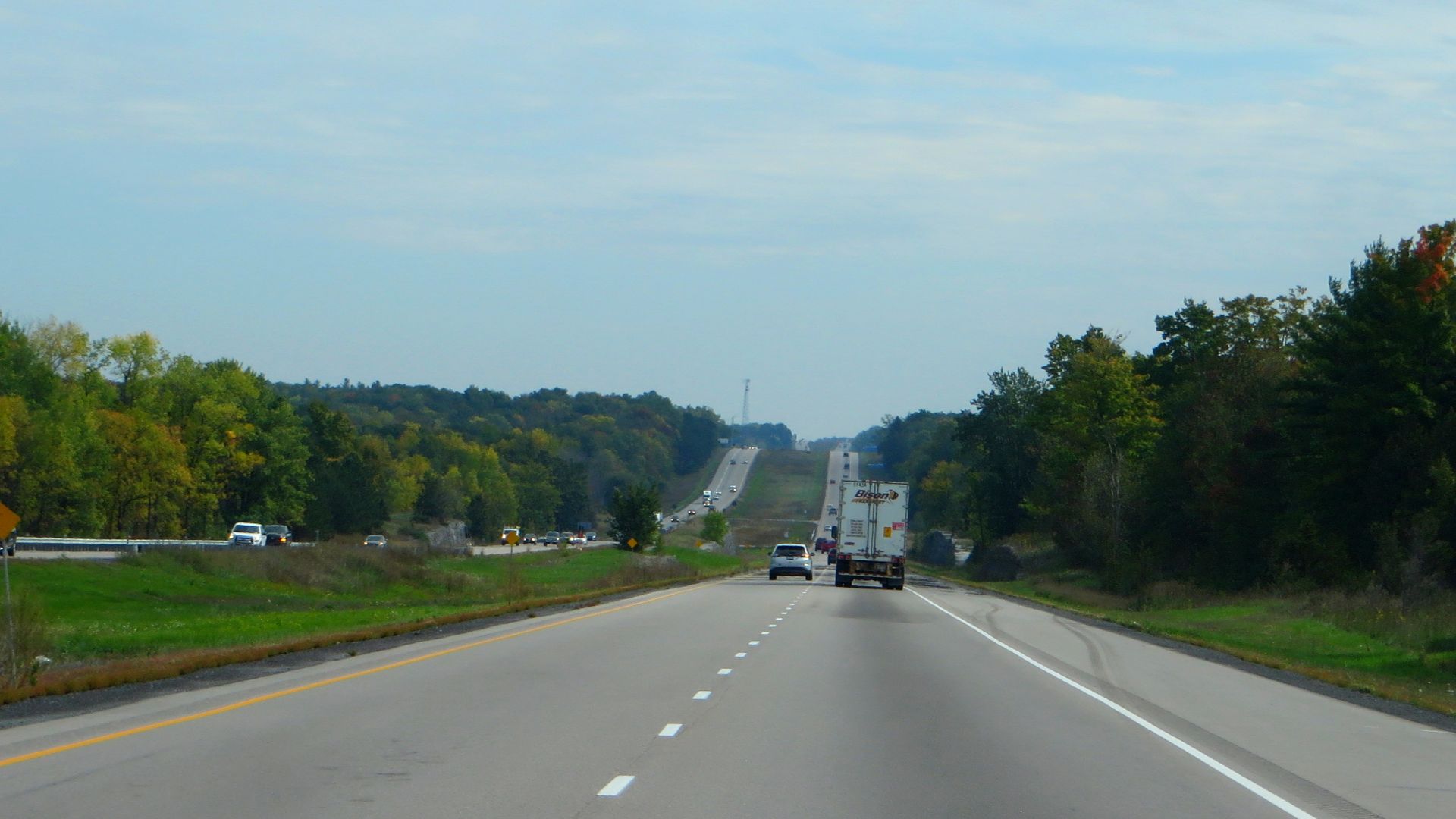
5. Ontario Highway 401, Toronto, Canada
Canadians have turned the endless construction zones into internet memes about "permanent work zones" on this iconic route. Near Pearson Airport, it expands to a whopping 18 lanes and holds the title of North America's busiest highway.
 Ken Lund from Reno, Nevada, USA on Wikimedia
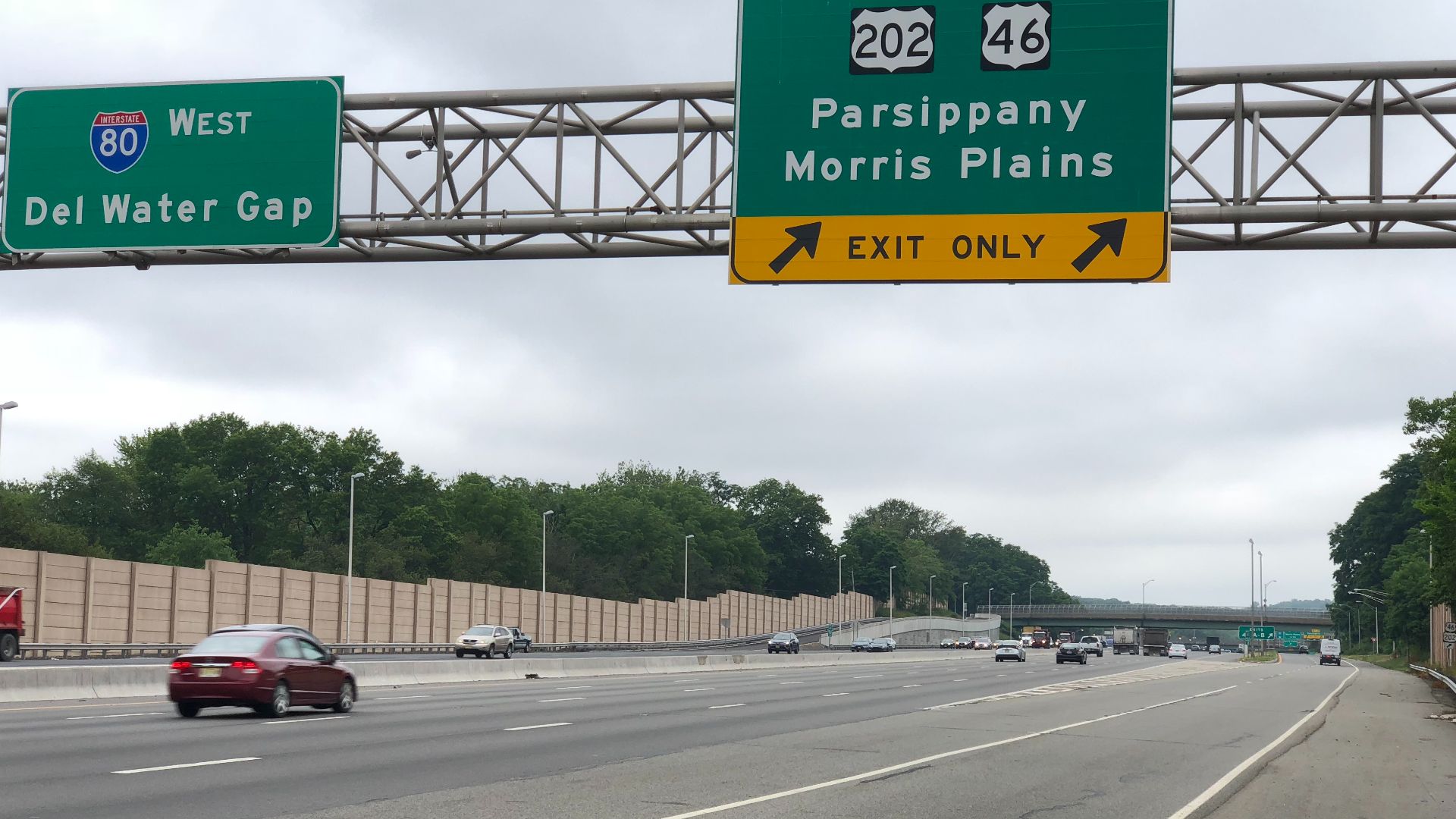
6. Interstate 80, Parsippany, New Jersey, USA
This New Jersey segment swells to 18 lanes with complex interchanges that funnel commuters toward New York City daily. Construction from the 1950s and 60s created elaborate exit patterns, and locals dubbed it the "Jersey Juggernaut." They even do dashboard dances during inevitable traffic crawls.
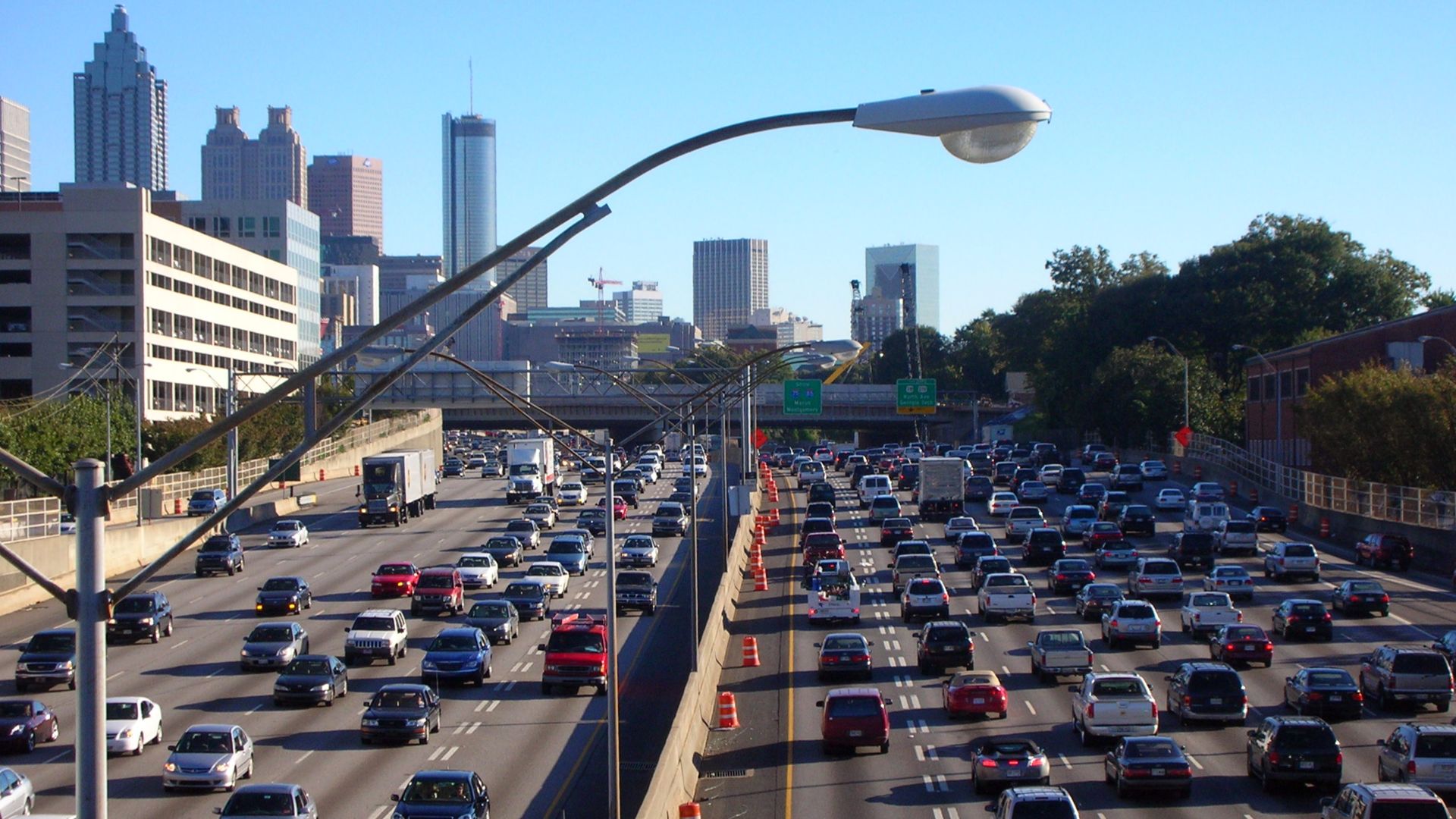
7. Interstate 75, Atlanta, Georgia, USA
The 1990s expansion created infamous "spaghetti junction" interchanges where multiple highways tangle together in confusing patterns. To this day, Atlantans swear the design looks like someone dropped a plate of pasta on a map. The I-75 peaks at 15 lanes through Cobb and Fulton counties as a vital Southeast corridor.
 Atlantacitizen at English Wikipedia on Wikimedia
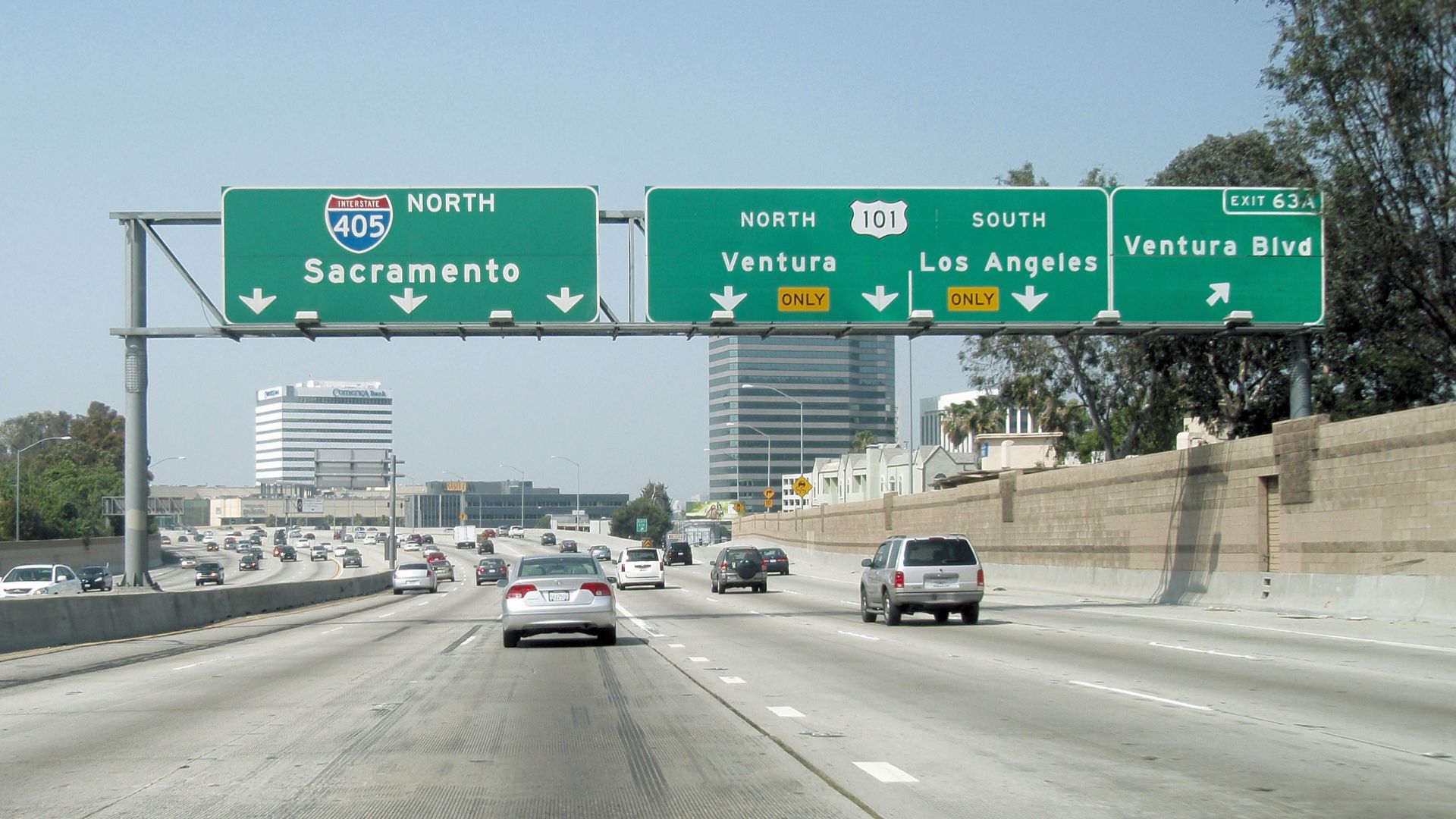
8. Interstate 405, Orange County, California, USA
The 405 stretches to 14 lanes as it bypasses Los Angeles entirely. Construction ran from 1963 to 1969, with later expansions attempting to ease chronic congestion along what locals call the "San Diego Freeway."
 The original uploader was Coolcaesar at English Wikipedia. on Wikimedia
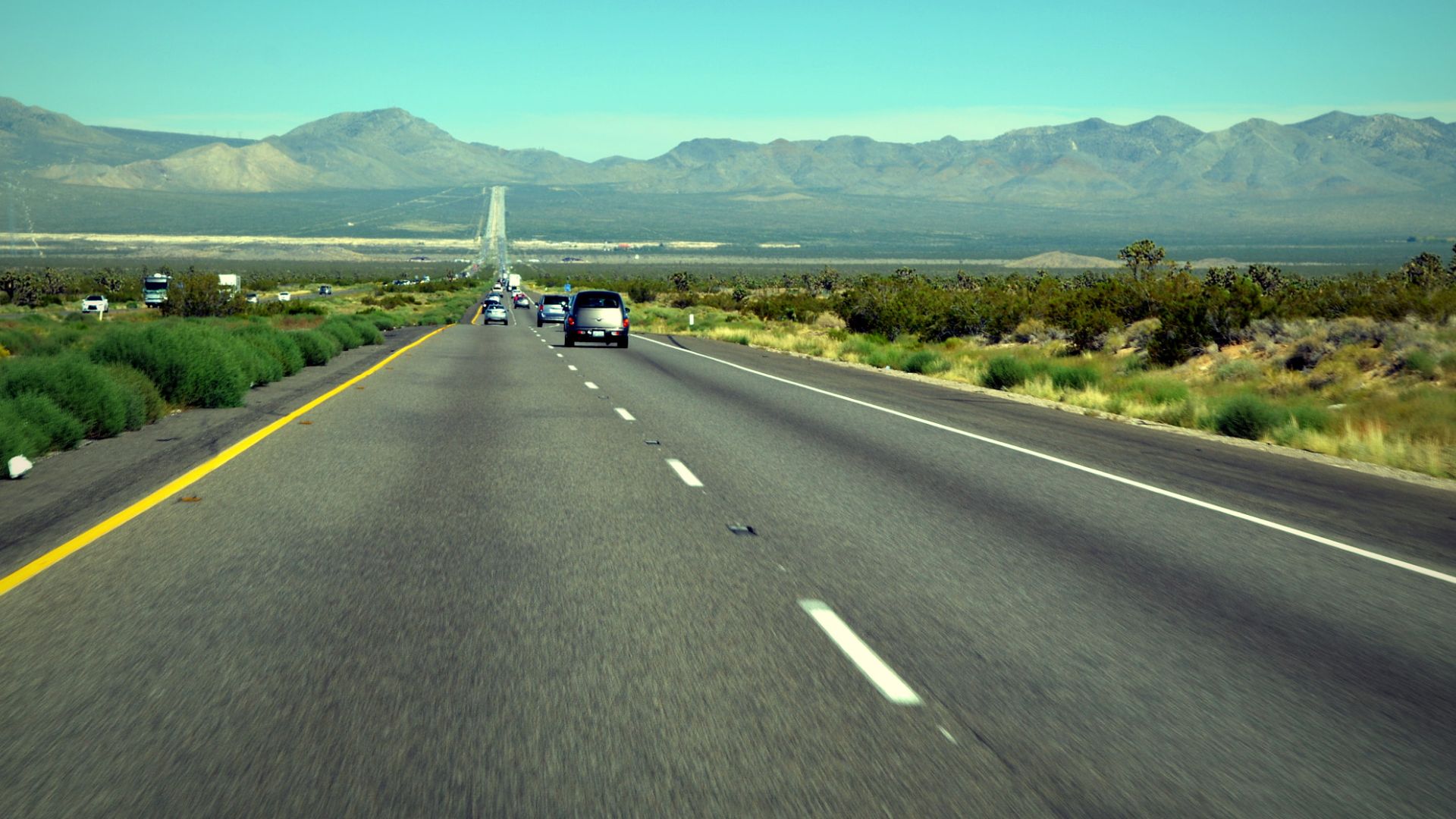
9. Interstate 15, San Diego, California, USA
Since the 1950s, phased construction has steadily expanded I‑15, adding HOV lanes to serve Las Vegas‑bound travelers. In San Diego, the highway swells to 14 lanes and bridges coastal neighborhoods with desert terrain.
 Mohandoss Sampath on Wikimedia
10. Interstate 95, Bergen County, New Jersey, USA
The bridge views may inspire "Hudson selfies," but only from passenger seats (for obvious safety reasons) as you cross the water. Built during the 1950s, this section crosses the Hudson River via the iconic George Washington Bridge. Near New York, I-95 widens to 14 lanes as a crucial East Coast artery.
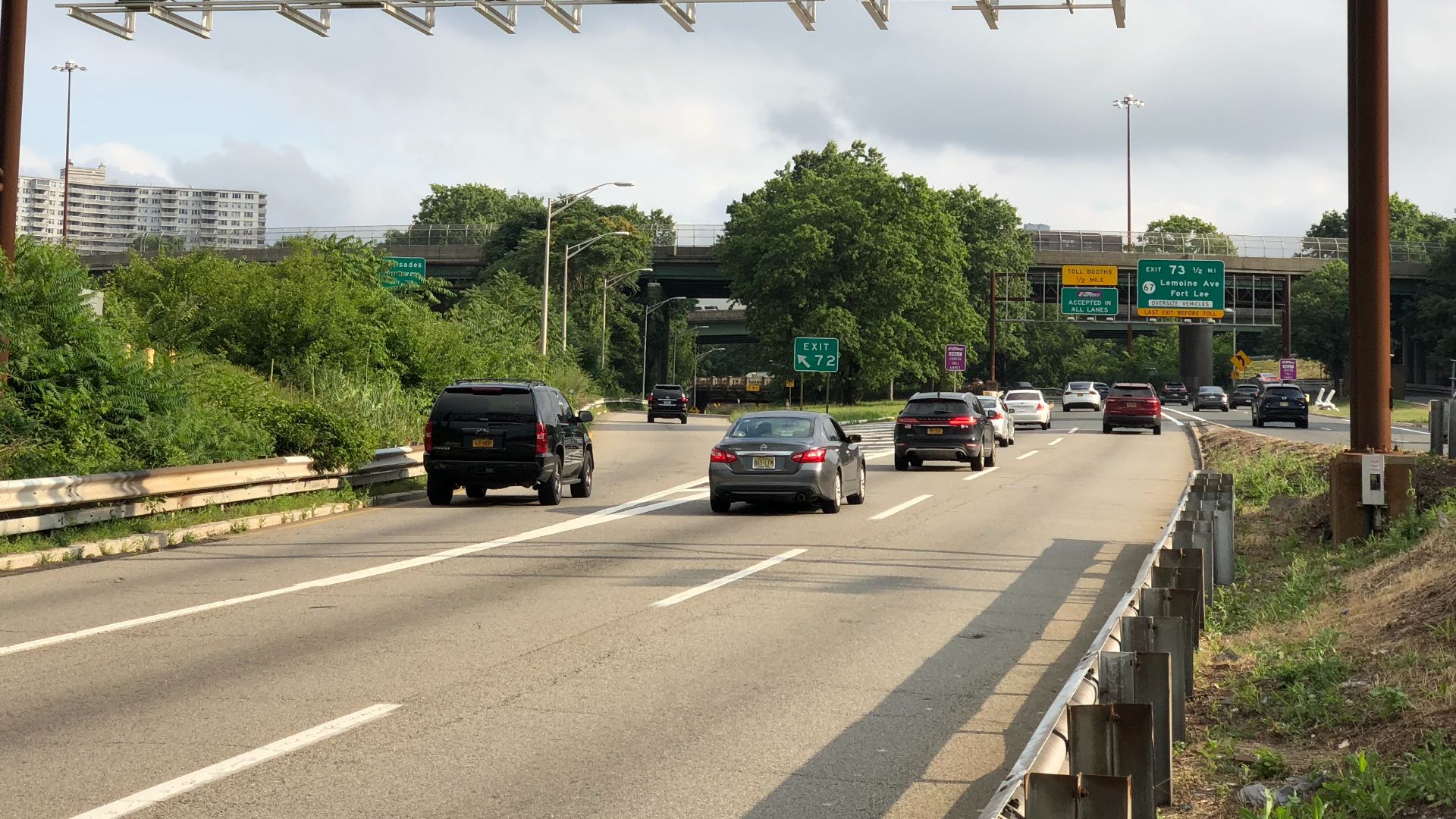
11. Interstate 95, Bronx, New York, USA
Expansion projects in the 1960s integrated Interstate 95 into dense urban development patterns across the borough. The Bronx section features 14 lanes as part of the massive 1,926.3-mile corridor running along the East Coast.
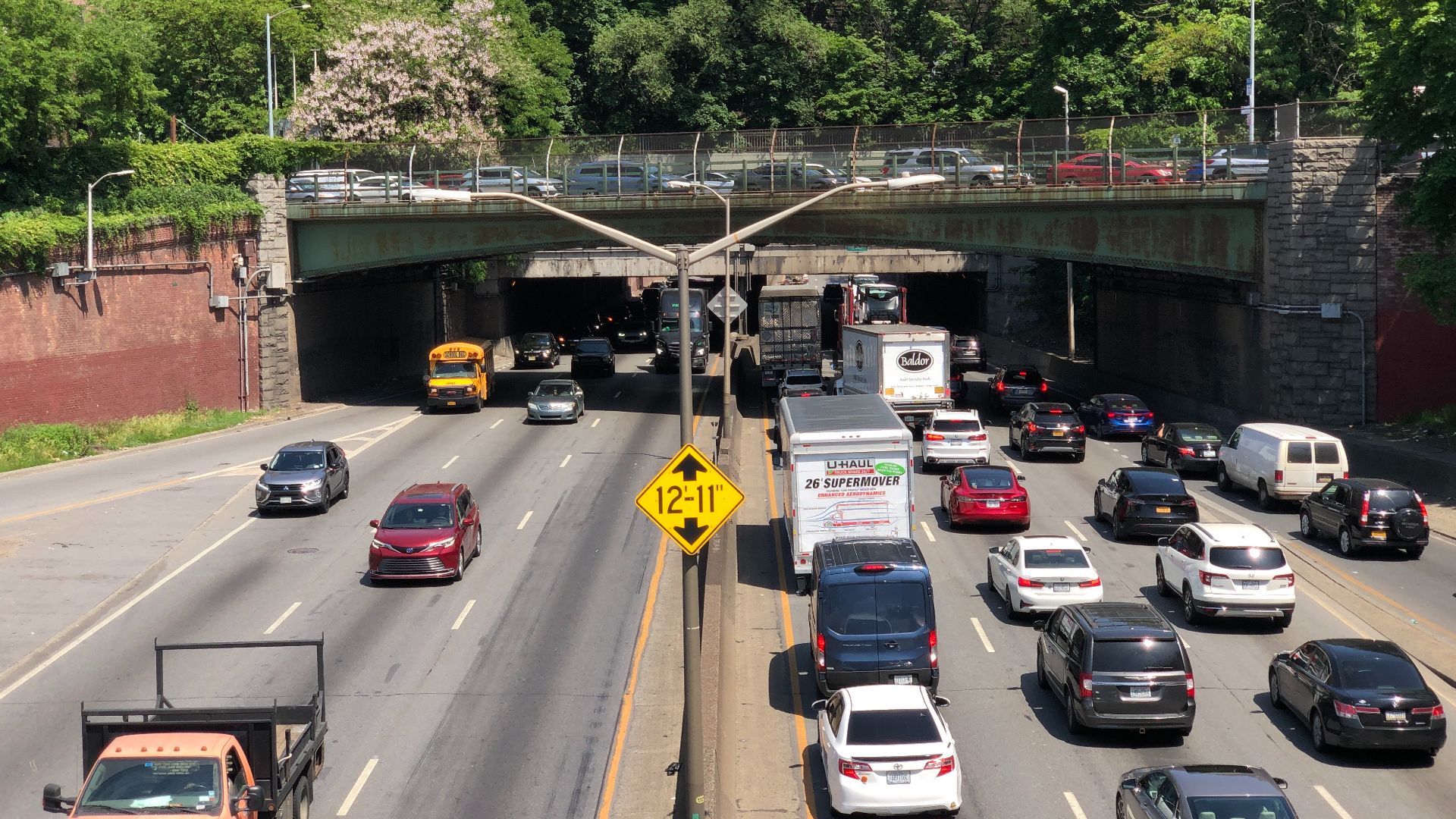
12. US Route 50, Baltimore, Maryland, USA
Baltimore’s Route 50 stretches to 14 lanes, blending boulevard‑style access with traditional highway design. Built in the mid‑20th century, it carries a playful nickname—the “Crab Crawl”—as locals liken slow traffic to Maryland’s crustaceans inching along.
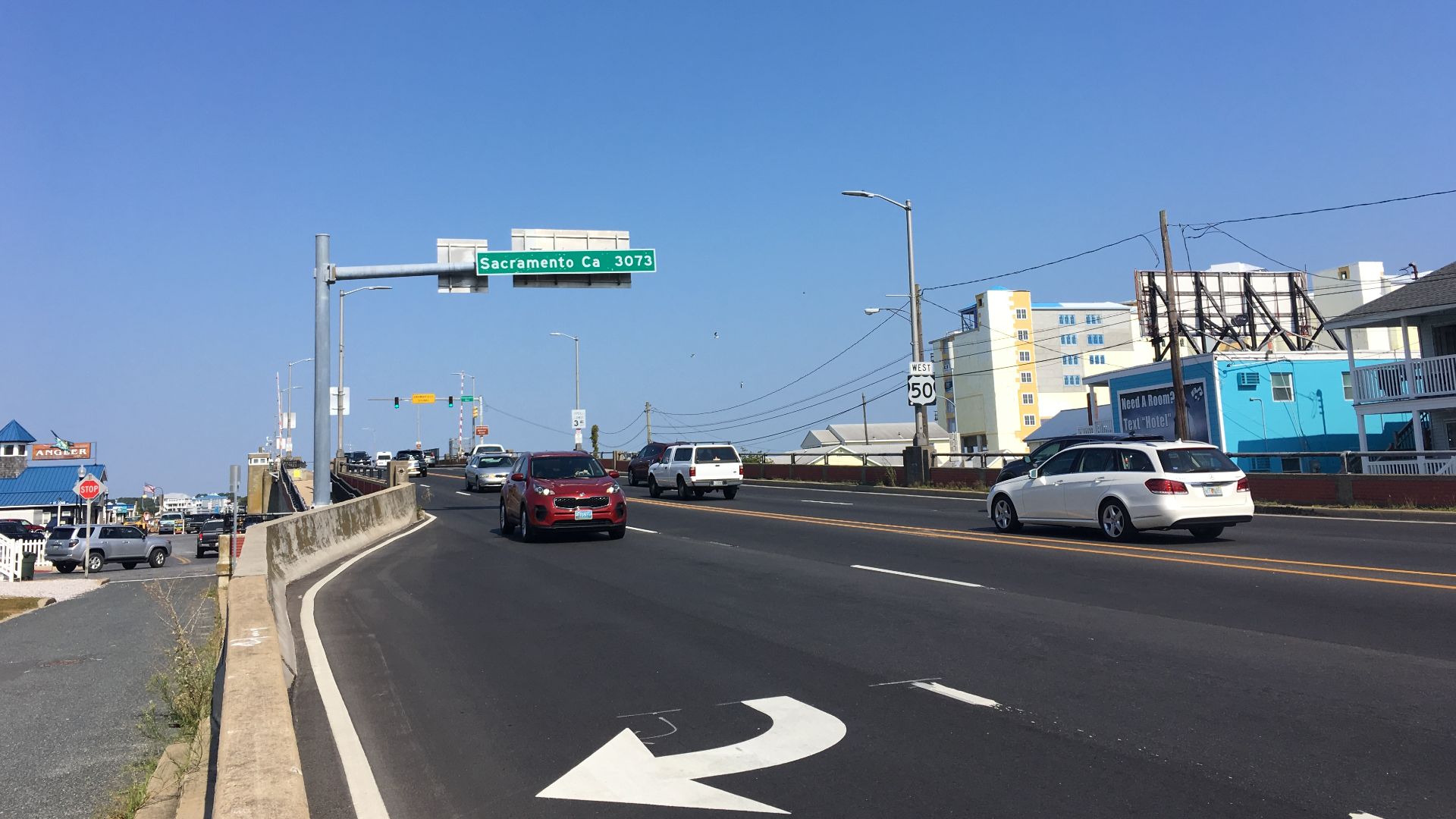
13. Interstate 65, Birmingham, Alabama, USA
Expansion projects in the 2000s boosted capacity for increased freight and commuter traffic throughout this major Southern logistics route. Birmingham's I-65 spans 14 lanes through central sections that handle everything from daily commuters to long-haul truckers.
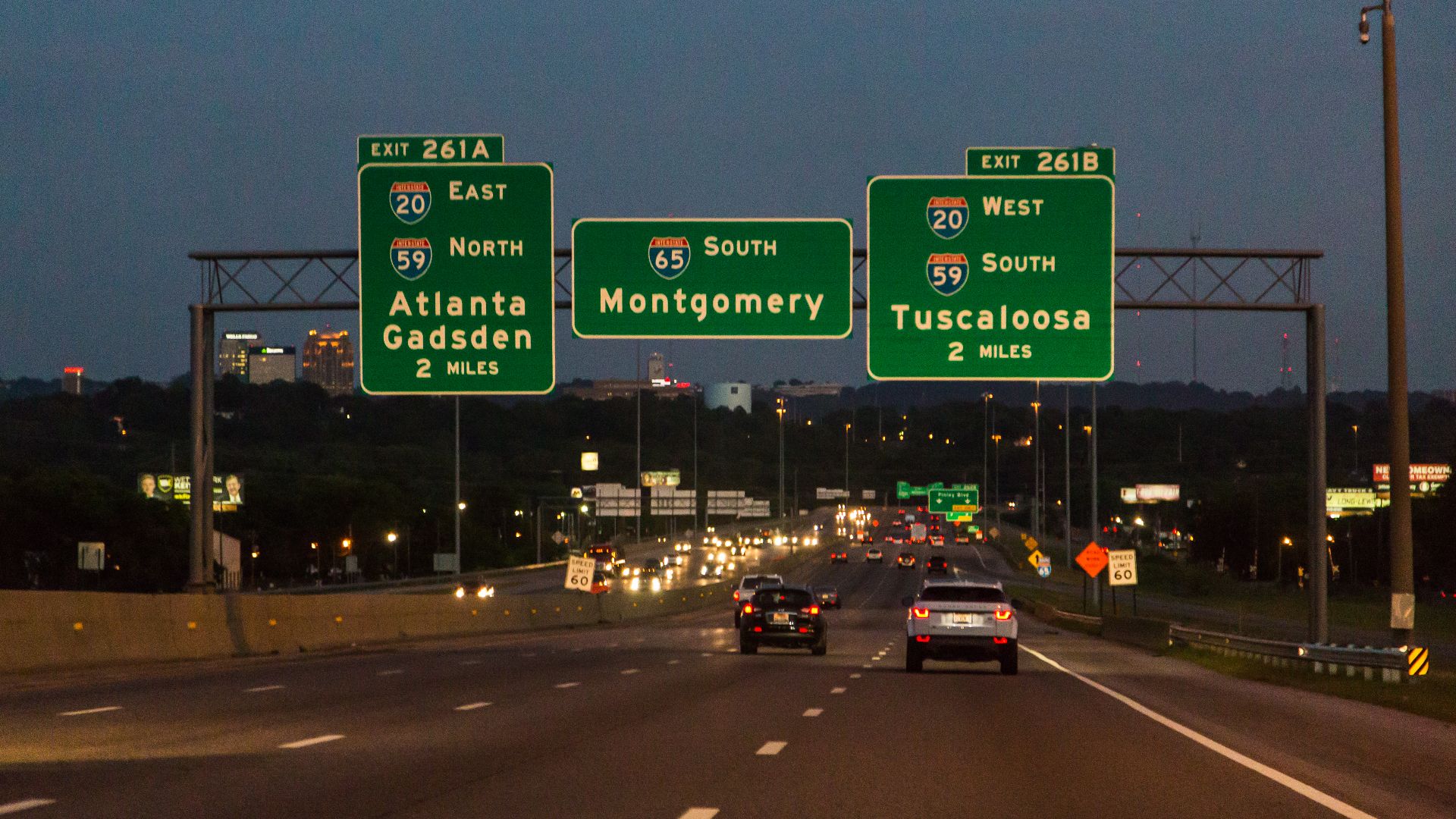 Tony Webster from Minneapolis, Minnesota, United States on Wikimedia
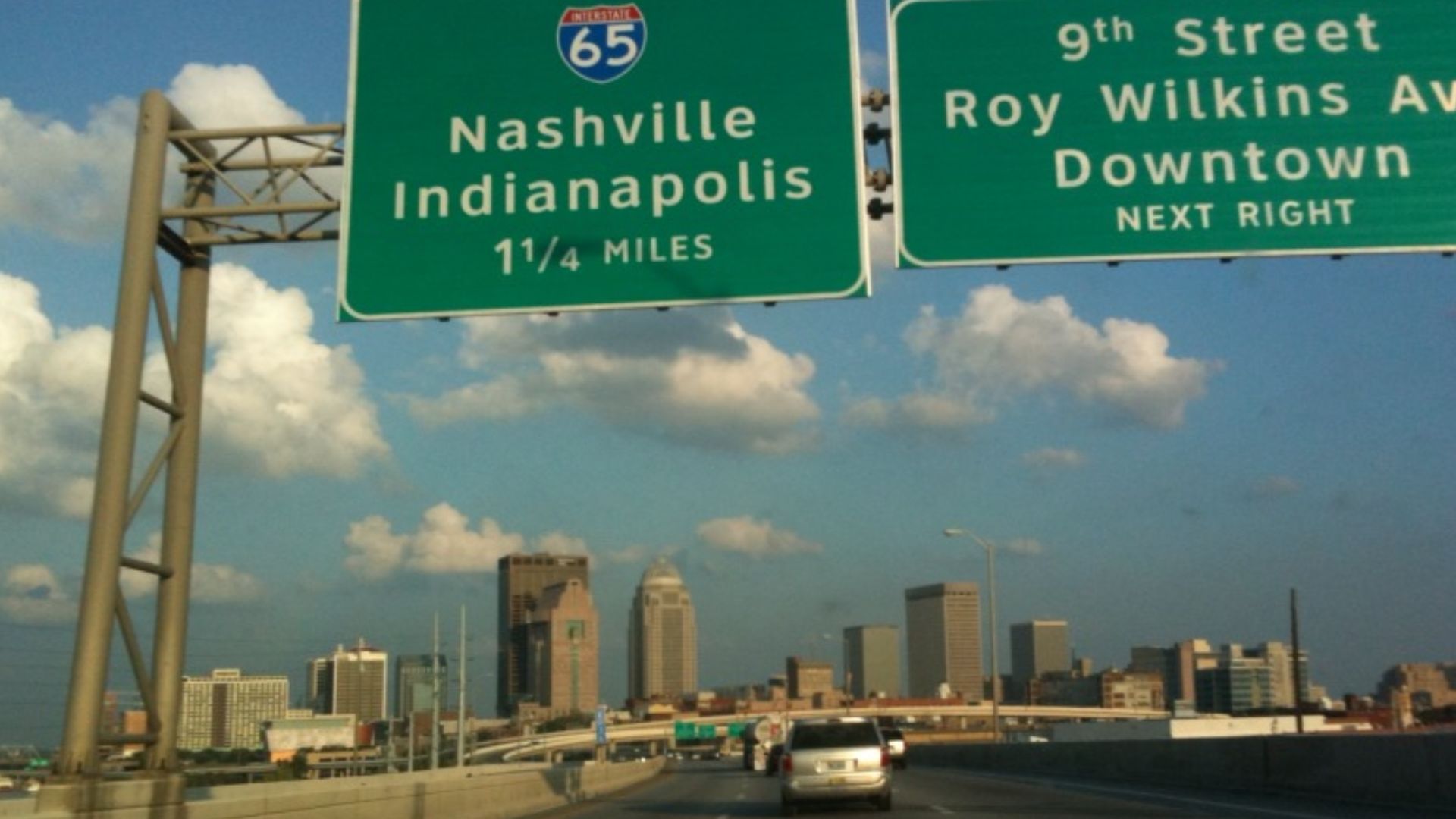
14. Interstate 64, Louisville, Kentucky, USA
Louisville's I-64 features 14 lanes through the urban core while crossing the Ohio River into neighboring states with scenic views. Recent widening projects improved traffic flow for growing regional demands across the metro area and beyond.
 Jessica Erin Higgins from Louisville, USA on Wikimedia
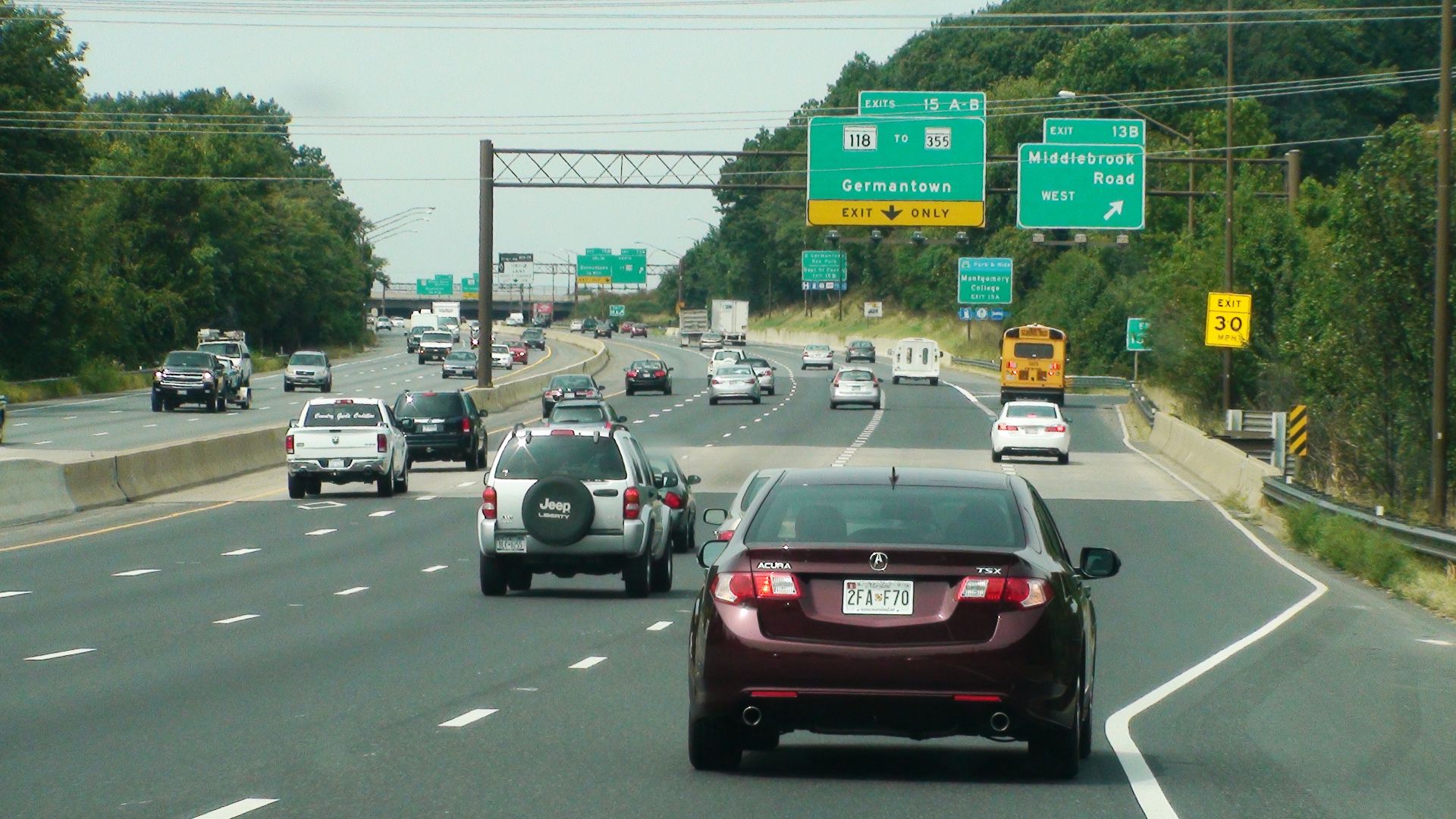
15. Interstate 270, Montgomery County, Maryland, USA
Built during the 1950s and 60s as part of the capital region's expanding network around Washington, this beltway became essential infrastructure. This segment reaches 13 lanes and links tech corridor communities together efficiently for modern commuters.
 Illegitimate Barrister on Wikimedia
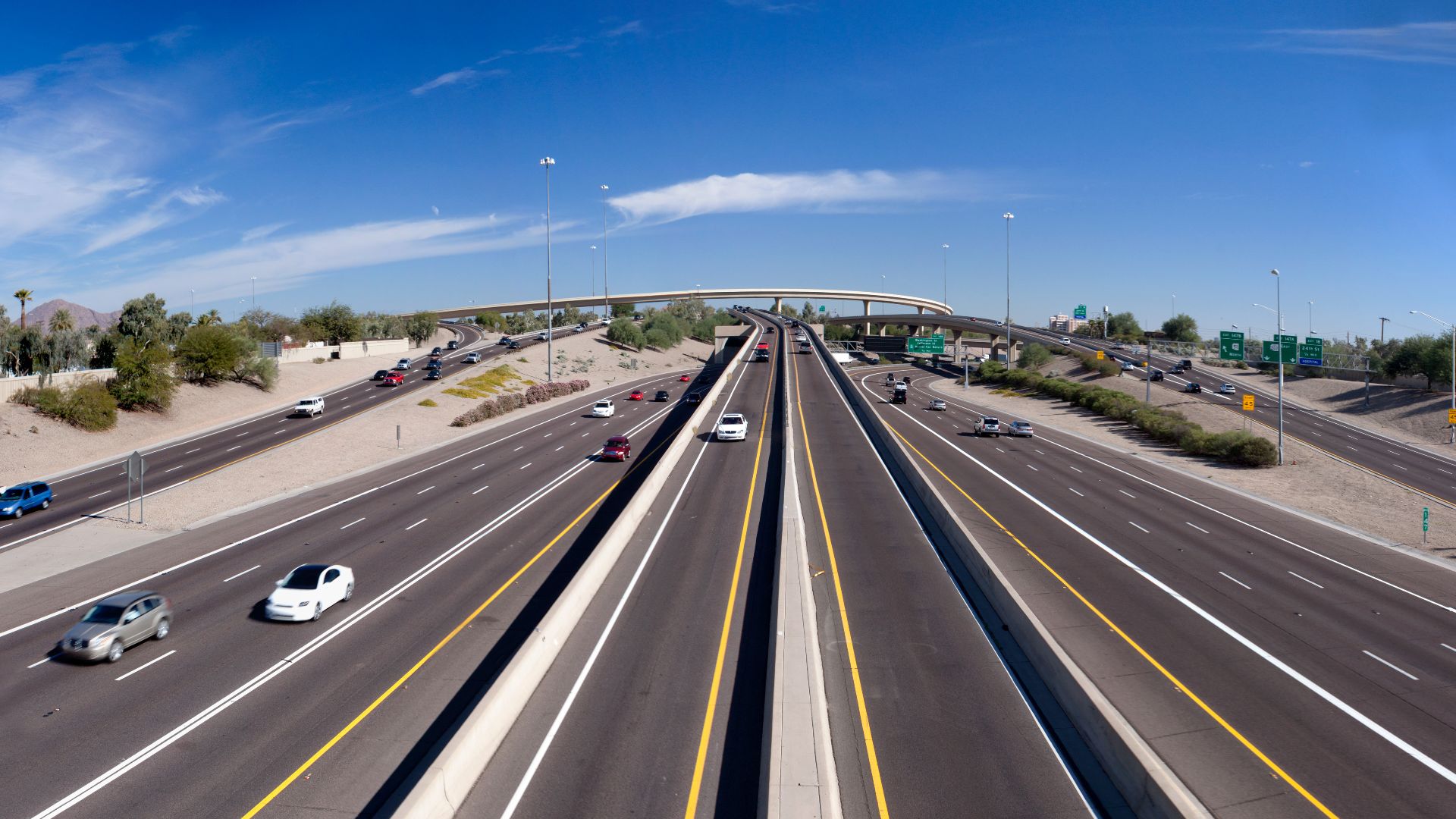
16. Interstate 10, Phoenix, Arizona, USA
Phoenix's I-10 peaks at 13 lanes through the Tempe area to handle desert traffic patterns year-round. Expansion work in the 2010s included heat-resistant materials adapted specifically for extreme Arizona temperatures, but drivers still quip that the extra width helps "evaporate" road rage in the scorching heat of summer afternoons.
 Alan Stark from Goodyear, AZ, United States on Wikimedia
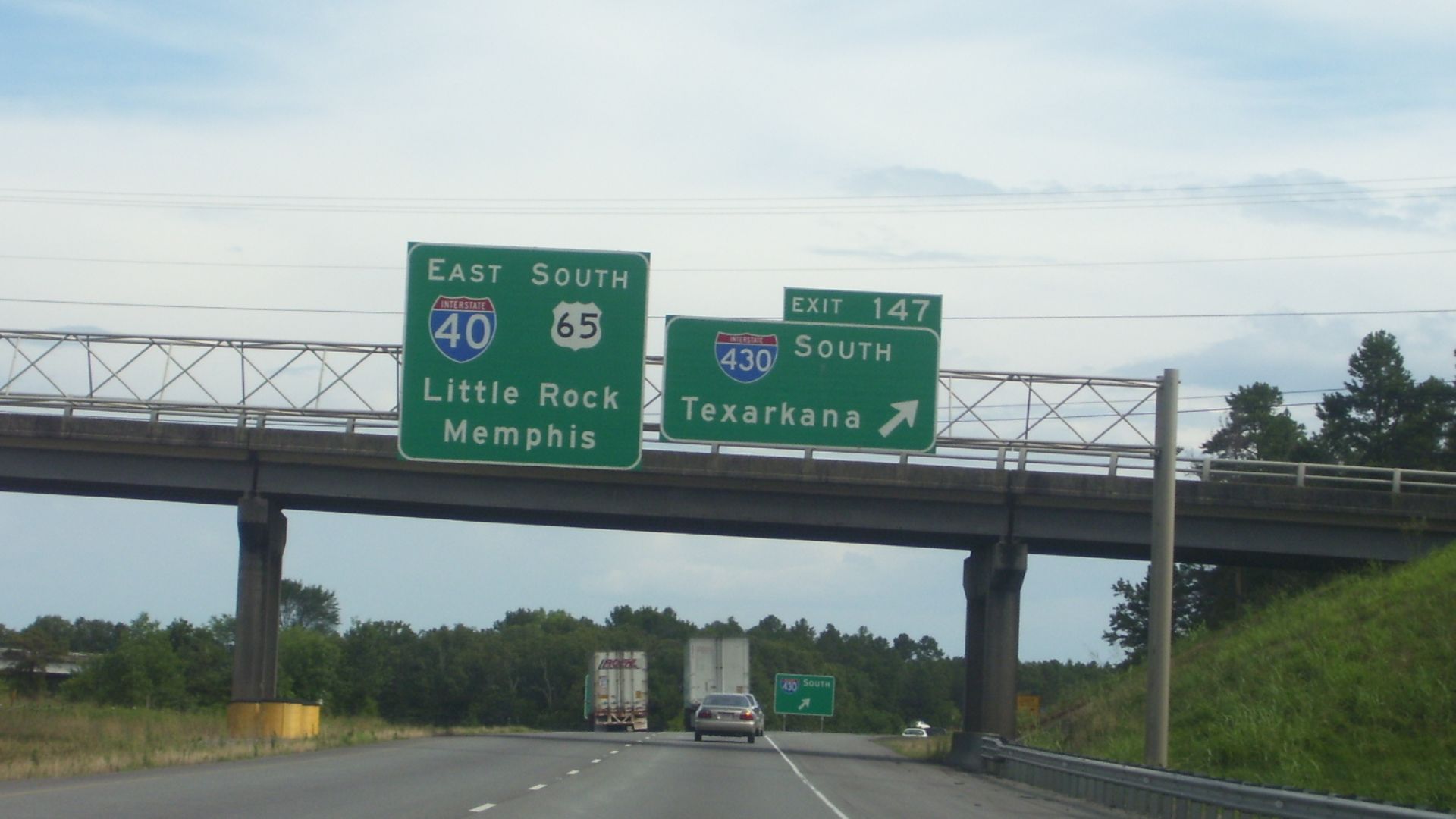
17. Interstate 40, Little Rock, Arkansas, USA
Mid-century construction established this route as a key cross-country corridor through the South for travelers and truckers alike. Little Rock's section features 13 lanes through the central area while crossing the Arkansas River as a regional connector.
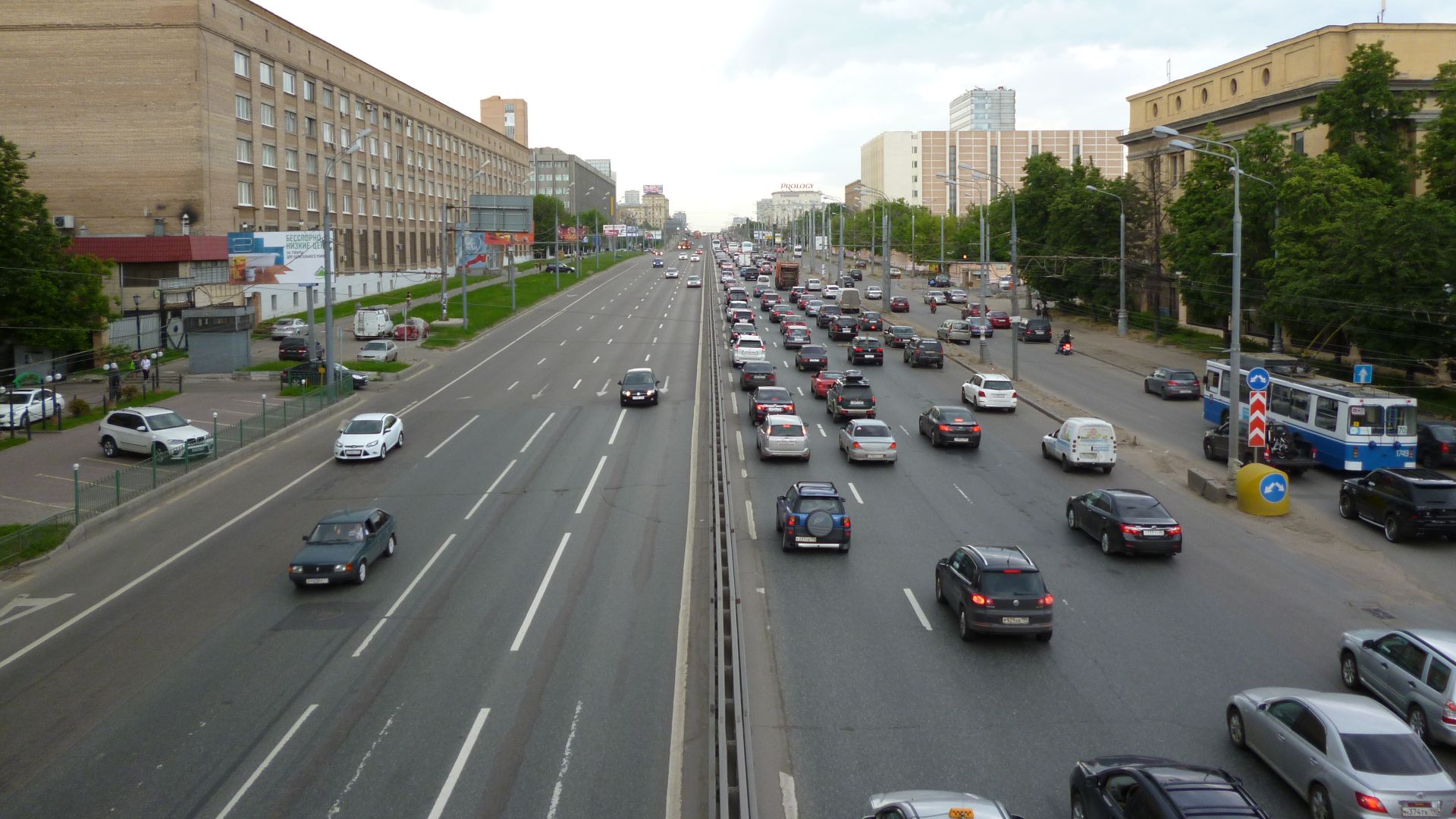
18. Leningradskoye Shosse (M-10), Moscow, Russia
Moscow's M-10 highway expands to 10–12 lanes in urban sections leading to Sheremetyevo Airport for international travelers and businesspeople. Soviet-era expansions shaped its current capacity for heavy commuter traffic flowing toward the airport daily in Russia's capital.
19. Yan'an Elevated Road, Shanghai, China
The multi-level elevated design handles dense city traffic flow efficiently throughout the metropolitan area without consuming precious ground space. Shanghai's innovative Yan'an Elevated Road features 14 lanes as part of an around 123-mile urban network built during the 1990s boom. Its stacked structure has inspired "Shanghai stacking" puns among architects admiring the vertical engineering solution.
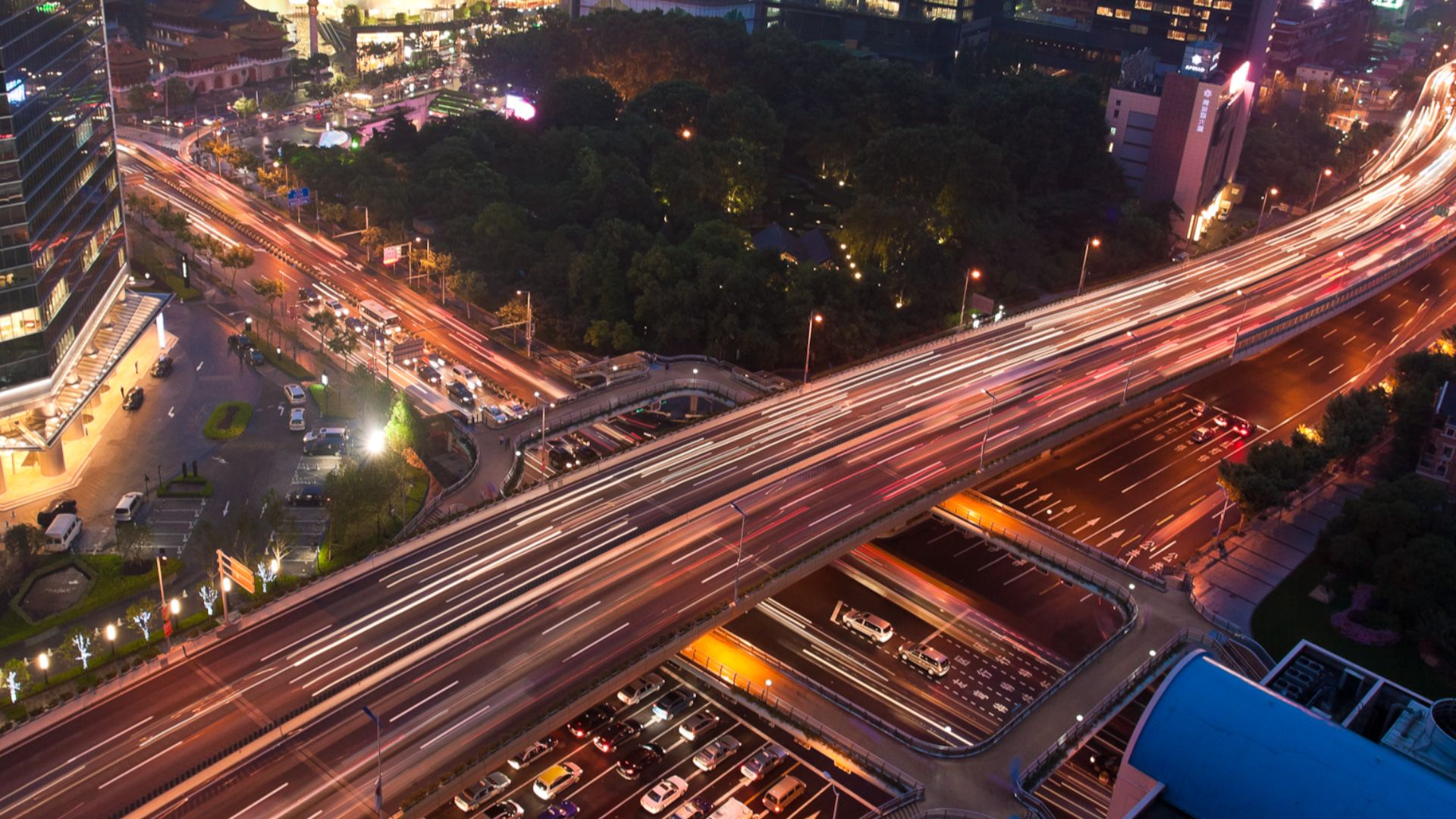 Robert S. Donovan on Wikimedia
20. Interstate 25, Denver, Colorado, USA
Recent widening projects addressed growing traffic demands from population increases across the Front Range as Colorado's metro areas expanded rapidly. Denver's I-25 stretches to 12 lanes in urban sections and serves as the gateway to Rocky Mountain destinations beyond.