

The first time you step into your car after your accident, your heart suddenly races as if you’re about to face something dangerous. After an accident, even a minor one, driving stops feeling automatic. Your mind replays moments you didn’t ask to remember, and your body reacts before you even sit behind the wheel. That’s the tricky part about driving anxiety: it never asks permission to stay.
But recovery is reclaiming control in a way that feels gradual. Once you see it that way, the path forward becomes more compassionate and less combative.
Rebuilding Trust With Your Mind And Your Body
After an accident, your senses heighten at the smallest cues like brake lights and the engine starting. Instead of fighting those reactions, approach them with curiosity. Noticing what triggers tension helps you understand what your body is trying to say.
Start by easing back into familiar environments. Maybe it’s a short loop around your neighborhood or sitting in a parked car to get used to the space again. Small exposures show your mind that not every moment behind the wheel is a crisis. You’re rewiring associations—one low-pressure step at a time.
As your confidence reinstates itself, pairing relaxation techniques with driving can make those first few outings feel less overwhelming. A deep breath before shifting into gear or playing grounding audio can gently interrupt the anxiety loop.
Creating Safe Routines That Help You Move Forward
A predictable routine around driving can help your mind anticipate comfort instead of danger. This might mean choosing calmer routes or giving yourself extra minutes, so you’re not rushing. These are the steps that support healing. For the first few months, it helps to take someone along with you when you're driving so that they can take over in case you have a panic attack. Avoid being on your own.
Then there’s the emotional preparation—the part most people overlook. Talking through your fears with a therapist helps you process lingering trauma instead of letting it sit unspoken. When you name the worry, it loosens its grip. You must talk about the things that could have led to an accident and the problems you faced thereafter. Most of the problems are sorted when you let out your fears in front of a professional.
Letting Confidence Grow Through Gradual Wins
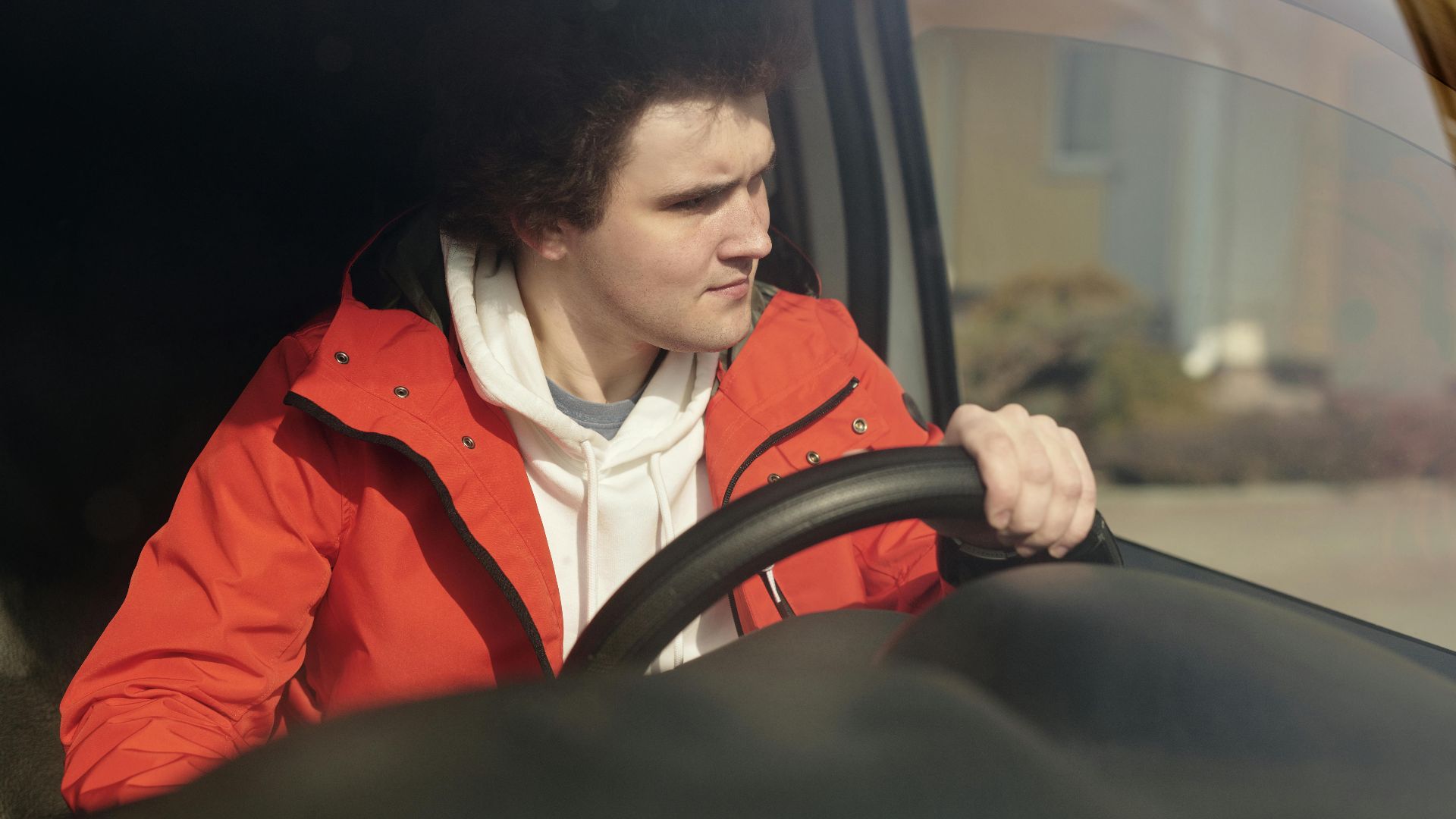
At this point, giving yourself permission to set realistic expectations is crucial. Some drives will feel empowering. Others may surprise you with tension again. Neither experience means you’re failing. Healing is not linear; it’s more like adjusting your mirrors until everything aligns. Each small win adds to the emotional evidence that you are capable.
Many people also find it helpful to pair gradual exposure with learning-based confidence. Taking a defensive driving course, studying safe-driving techniques, or practicing with a calm companion can reconnect you with the logic behind the wheel. Knowledge has a grounding effect; it replaces imagined danger with real capability.