

Four-way stops are supposed to be the easy mode of driving. Everyone shows up, everyone stops, and everyone takes turns like civilized adults. And yet, the moment you roll up to one, it can feel like you’ve joined an awkward moment scene where people crawl forward and try to mind-read the motorist in front of them.
If you’ve ever sat there thinking, “Is it my turn, or are we all just going to stare at each other until winter?” you’re not alone. The rules are pretty straightforward, but real people bring real habits—rushing, guessing, waving, and occasionally panicking—into a system that only works when it’s predictable. So, for once and for all, let’s break down how they actually work, and why so many drivers still struggle.
The Rules Are Simple, but Humans Aren’t
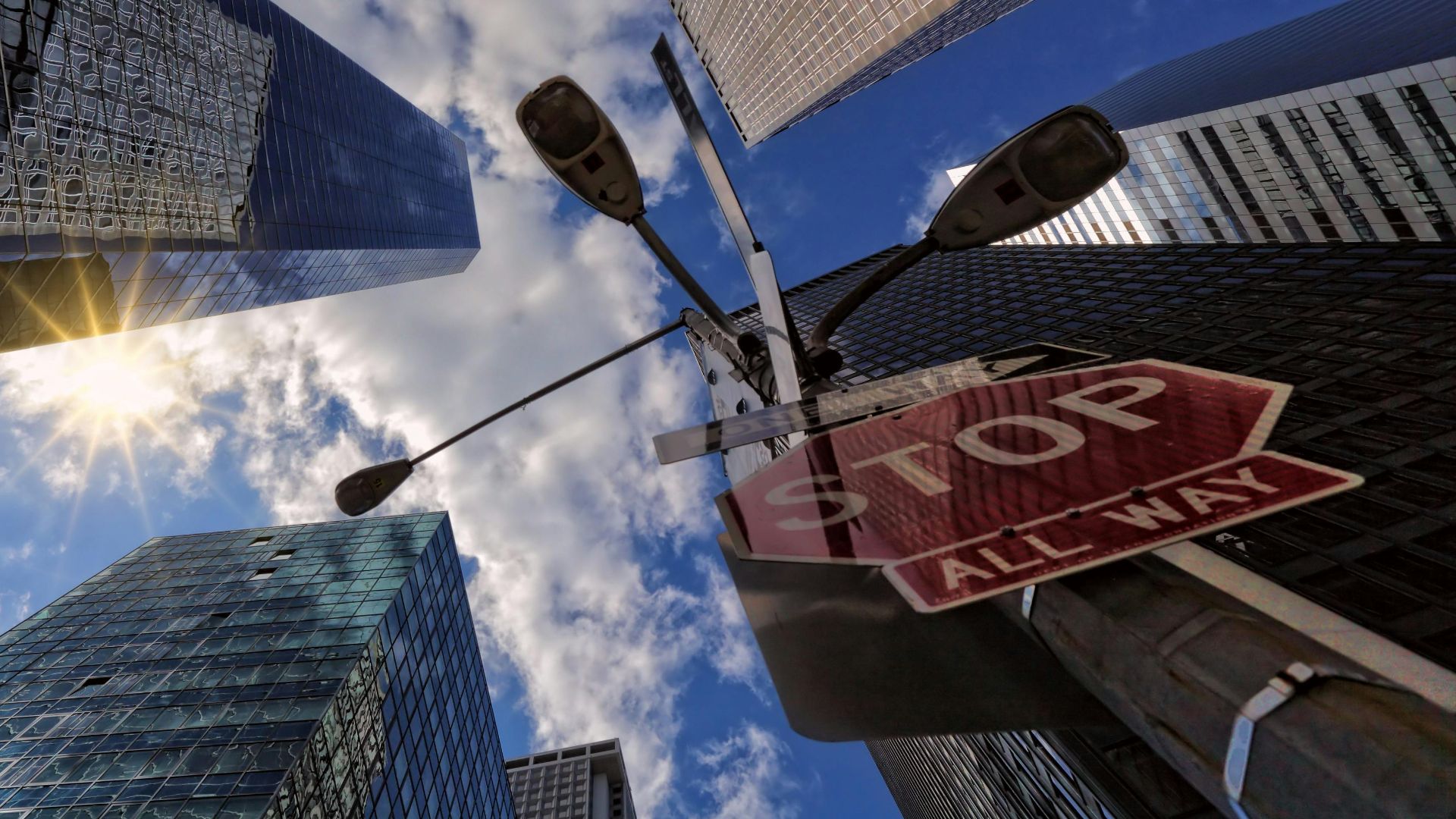
On paper, a four-way stop is basically a queue with wheels. The first vehicle to reach the intersection and stop goes first. If two vehicles arrive at the same time, the driver on the left yields to the driver on the right, and everyone proceeds carefully—especially if someone’s turning. That’s the script, and it’s spelled out plainly in driver manuals.
The trouble starts because “arrive at the same time” is a confusing concept when you’re judging it through glass. And from different angles. And also watching for pedestrians, bikes, and that one squirrel that looks like it’s planning something. Our brains don’t measure milliseconds very well, so two drivers can honestly believe they were first, and suddenly, the polite turn-taking system turns into a free-for-all.
Then there’s the human urge to be “nice,” which sounds great until you remember traffic doesn’t thrive under kindness. When you wave someone through out of order, you aren’t being kind—you’re rewriting the rules. The golden rule of driving is: don’t be kind, be predictable. Otherwise, you force everyone else to guess. Predictability, on the other hand, keeps four-way stops from becoming four-way messes.
Even where you stop can add to the chaos. You’re supposed to stop at the limit line if there is one, or before the crosswalk if there isn’t—you’re expected to pause and scan. But research and safety guidance also point out that drivers sometimes miss stop signs or don’t know exactly where to stop, which is why agencies use markings and sign visibility improvements to boost compliance.
Common Four-Way Stop Fails

Let’s talk about the “rolling stop.” A stop sign means a real stop, not a gentle glide with your wheels still creeping forward. Traffic laws often define the expectation clearly: stop at the line, or before the crosswalk, and don’t proceed until it’s safe.
Another classic failure is turn-signal roulette; people signal late, forget to signal, or simply leave a blinker on. At a four-way stop, your signal is basically your announcement to the intersection, so if it’s wrong or missing, you force the other drivers to guess where exactly you’re going.
Left turns also scramble the intersection because drivers often hesitate even when they technically have their turn. Some rules emphasize that right-of-way rules apply at four-way stops the same way they do at other intersections: first to arrive goes first, and if you arrive together, you yield to the road user on your right. Add pedestrians and bicyclists to the mix—who may enter the crosswalk or approach from your blind side—and that extra caution can become full-on indecision.
And yes, impatience plays a role, too, especially when traffic stacks up. Intersections are conflict-heavy by nature. Roughly one–quarter of U.S. traffic fatalities (and about one–half of traffic injuries) are attributed to intersections each year. That’s a big deal, and it’s part of why transportation agencies study and deploy multiple countermeasures at stop-controlled intersections to reduce crash frequency and severity.
How to Make Four-Way Stops Better
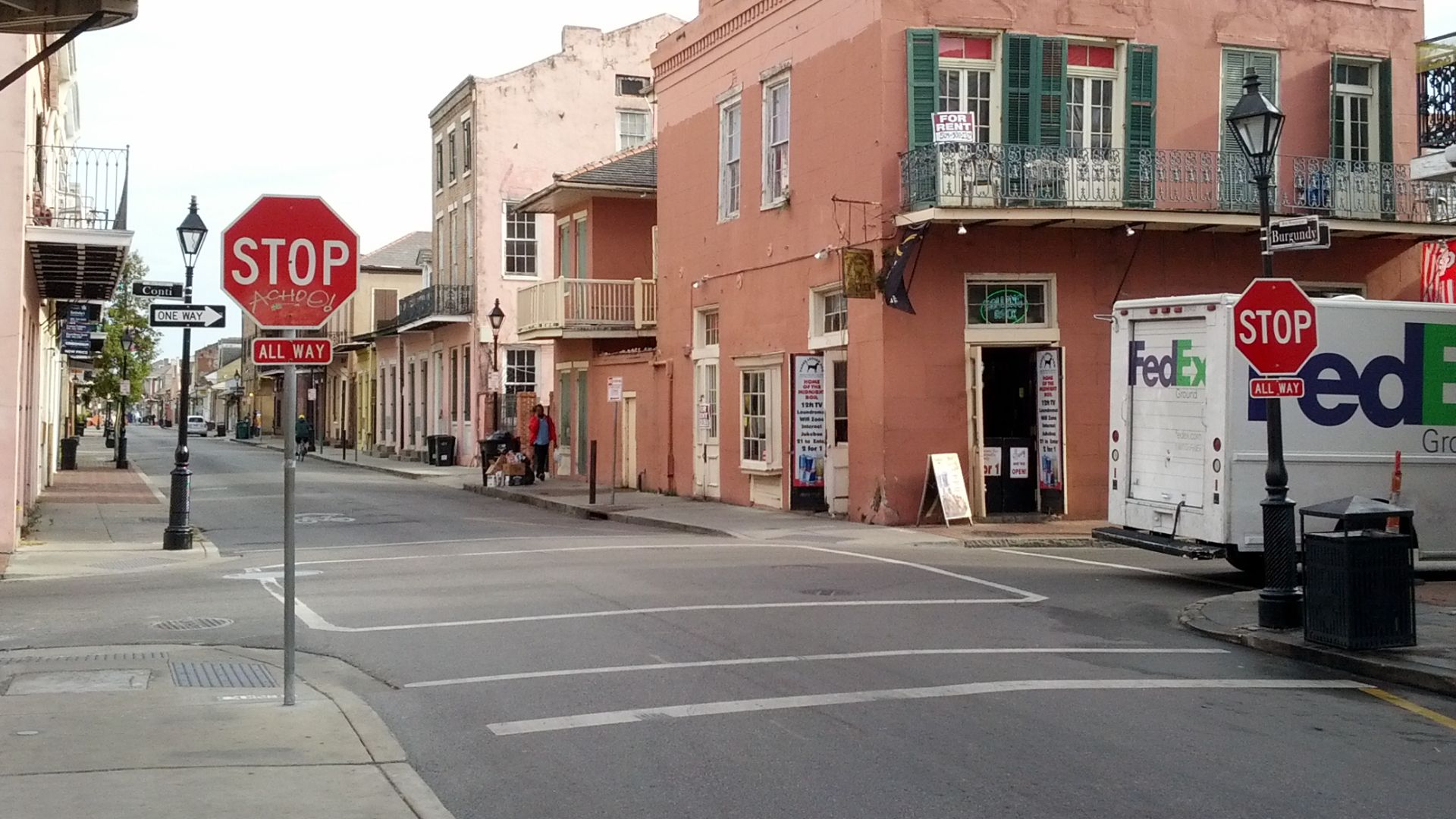
If you want four-way stops to feel easy, treat them like a short routine instead of a negotiation. Come to a complete stop and scan in an organized way: left, right, ahead, and crosswalks. When you move, move with purpose so nobody has to interpret your hesitation.
When stops are close enough to be “simultaneous,” don’t invent a new system on the fly. Use the built-in tiebreaker: the driver on the left yields to the driver on the right, and if you’re facing one another, proceed cautiously while watching for turns. If someone waves you through out of turn, don’t get sucked into a courtesy contest; confirm with eye contact if you can, then follow the safest, most predictable path through.
Finally, remember that four-way stops work best when every driver anticipates mistakes. Assume the other driver might roll, stall, or surge, and give yourself a little cushion— you can be right and still get hit. With intersections being such a major safety focus nationwide, the goal isn’t to win the stop-sign standoff; it’s to get everyone through without drama!