Picture yourself driving down the highway at what feels like a brisk pace, maybe 75 mph. Now imagine multiplying that speed by three.
Well, that's the world Formula 1 drivers live in—where 231 mph is just another Saturday at the office. These machines aren't just fast; they're physics-defying rockets on wheels that make supercars look like they're standing still.
The Numbers That Break Your Brain
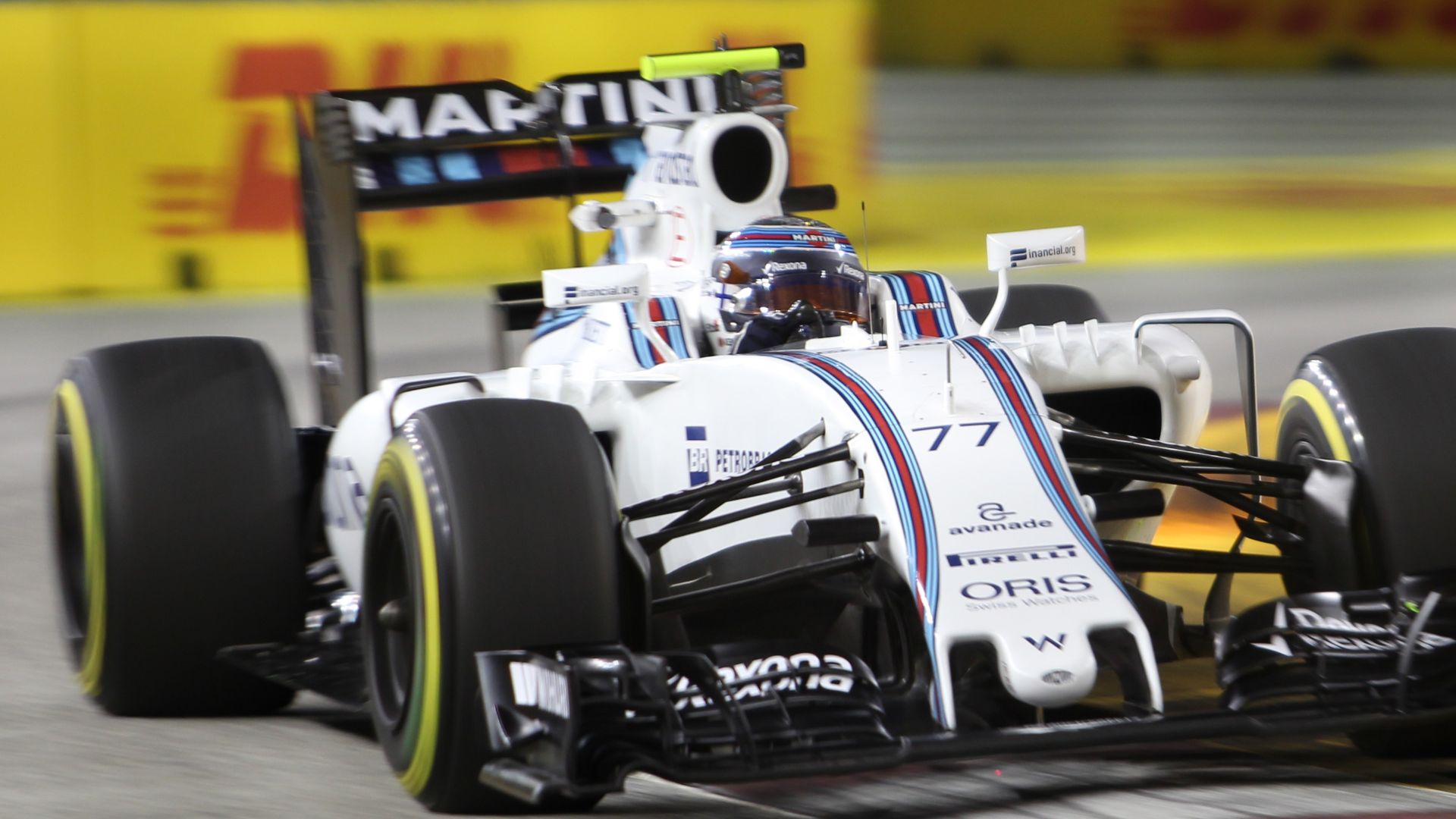
The official FIA-recorded top speed during a Formula 1 Grand Prix stands at 372.5 km/h, or 231.4 mph. That record belongs to Valtteri Bottas, who achieved it during the 2016 Mexican Grand Prix while piloting a Williams FW38. But here's where it gets wild: Williams Racing's telemetry data showed Bottas actually hit 378 km/h (234.88 mph) before he had to brake for the next turn. The speed trap just couldn't capture the full extent of his velocity.
What makes this even more mind-bending is understanding why Mexico City became the stage for this record. At 2,240 meters above sea level, the air is significantly thinner, meaning less resistance against the car. Bottas was essentially slicing through an atmosphere that offered 30% less drag than at sea level.
The acceleration is equally absurd. F1 cars can reach 60 mph in approximately 2.6 seconds, but that's not even their party trick. They actually accelerate faster from 100 to 200 mph than they do from 0 to 100, covering that second hundred-mile increment in under two seconds.
The Ultimate Speed Run
If you want to talk about the absolute pinnacle of F1 speed, you have to venture off the racetrack entirely. In 2006, Honda took their RA106 car to the Bonneville Salt Flats in Utah—a place famous for land speed records. With an unrestricted V10 engine and specially designed components, they reached 246.91 mph (397.36 km/h), just shy of their ambitious 400 km/h goal.
Meanwhile, back on actual racetracks, Lewis Hamilton holds the record for the fastest average speed over an entire lap. During qualifying for the 2020 Italian Grand Prix at Monza, Hamilton averaged 264.362 km/h (164.267 mph) for his flying lap. That's maintaining an average speed higher than most cars' top speeds while navigating corners, chicanes, and elevation changes.
Built Different From The Ground Up
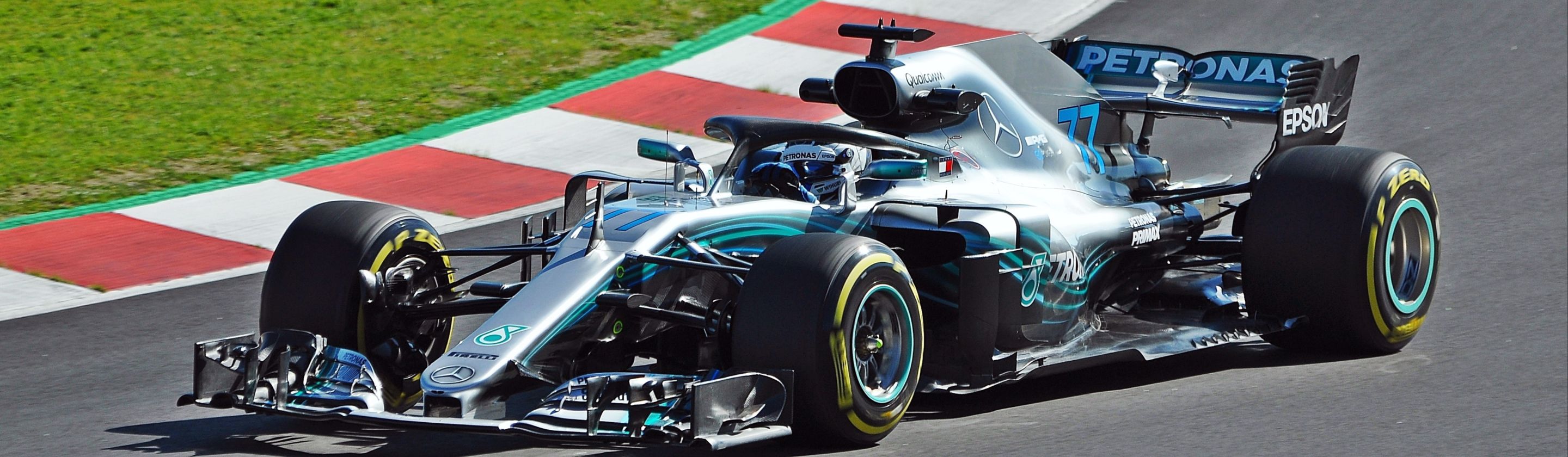
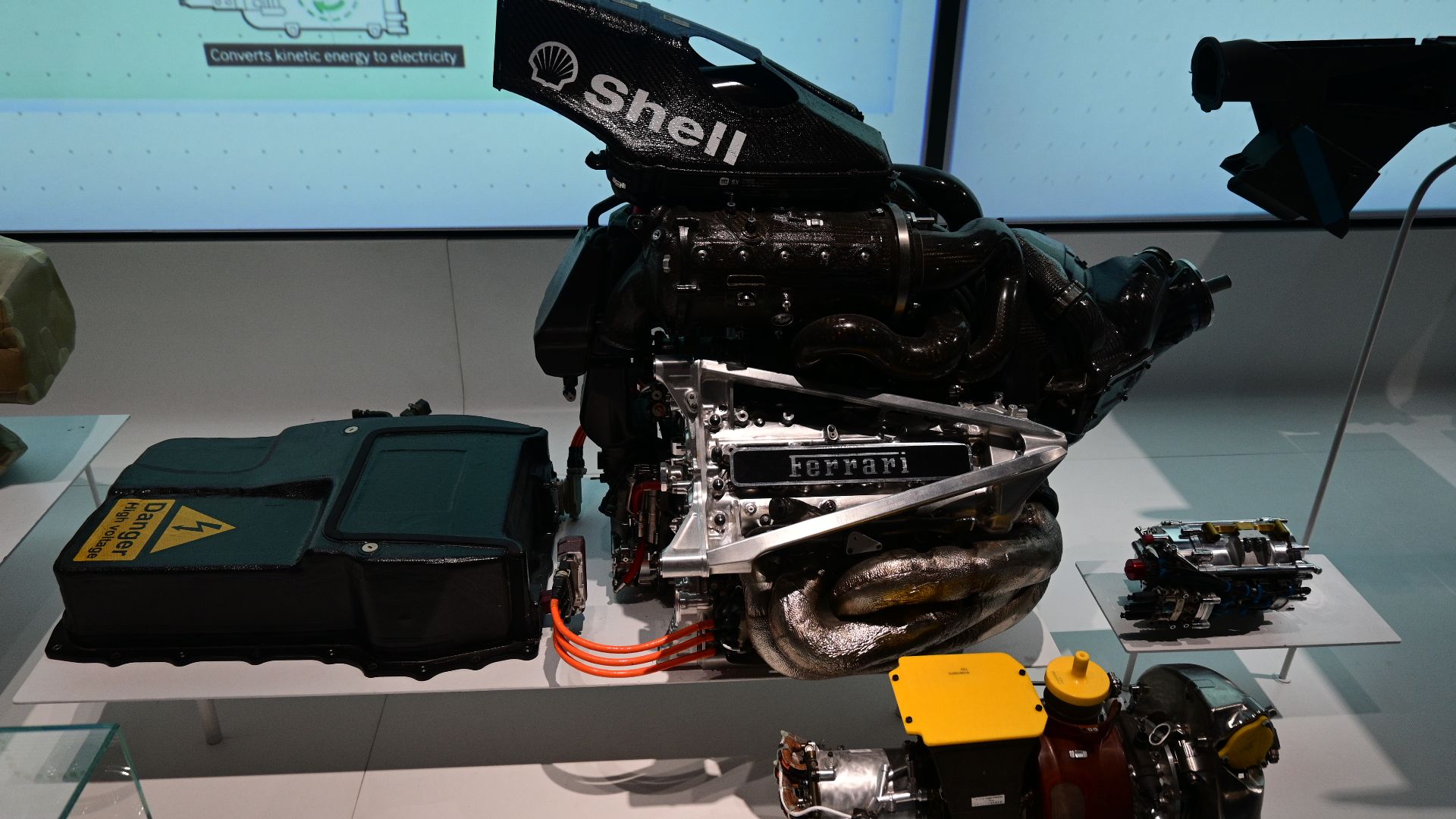 Hullian111 on WikimediaThese speeds don't happen by accident. Modern F1 cars combine 1.6-liter turbocharged V6 engines with hybrid energy recovery systems to produce around 950 horsepower from an engine smaller than what's in many SUVs. The cars weigh just 1,759 pounds without fuel, giving them a power-to-weight ratio that would make a Bugatti Chiron jealous.
But raw power is only part of the equation. F1 cars generate massive downforce through their aerodynamic design, enough to theoretically drive upside down on a ceiling at speeds above 130 mph. This creates a fascinating contradiction: the same wings and bodywork that glue them to corners also craft drag that limits top speed.