Master The Curb Challenge
Many drivers dread parallel parking not because it’s impossible, but because mistakes feel public and unforgiving. Stress builds up, judgment slips, and simple actions become harder than they should be. The process doesn’t have to feel that way. With the right sequence, control replaces chaos. To get there, we’ll begin with the essential tips that form a strong base before addressing the errors.

1. Assess Spot Size Proactively
Before you commit, make sure the space measures at least 1.5 times your car's length. This quick eyeball check saves you from awkwardly blocking traffic mid-attempt. Skip spots that look borderline—trust your gut and find something roomier down the street.

2. Signal Early And Clearly
Flip that turn signal on well before you start slowing down. Other drivers need time to notice you're parking, not just braking randomly. Early warnings prevent rear-end collisions and let impatient people pass you safely.

3. Adjust For Opposite-Facing Cars
When cars face different directions, line up with the passenger window instead of the driver's side. This tweak maintains the correct entry angle no matter how other vehicles are oriented. It prevents clipping doors or bumpers in irregular street setups where parking isn't uniform.
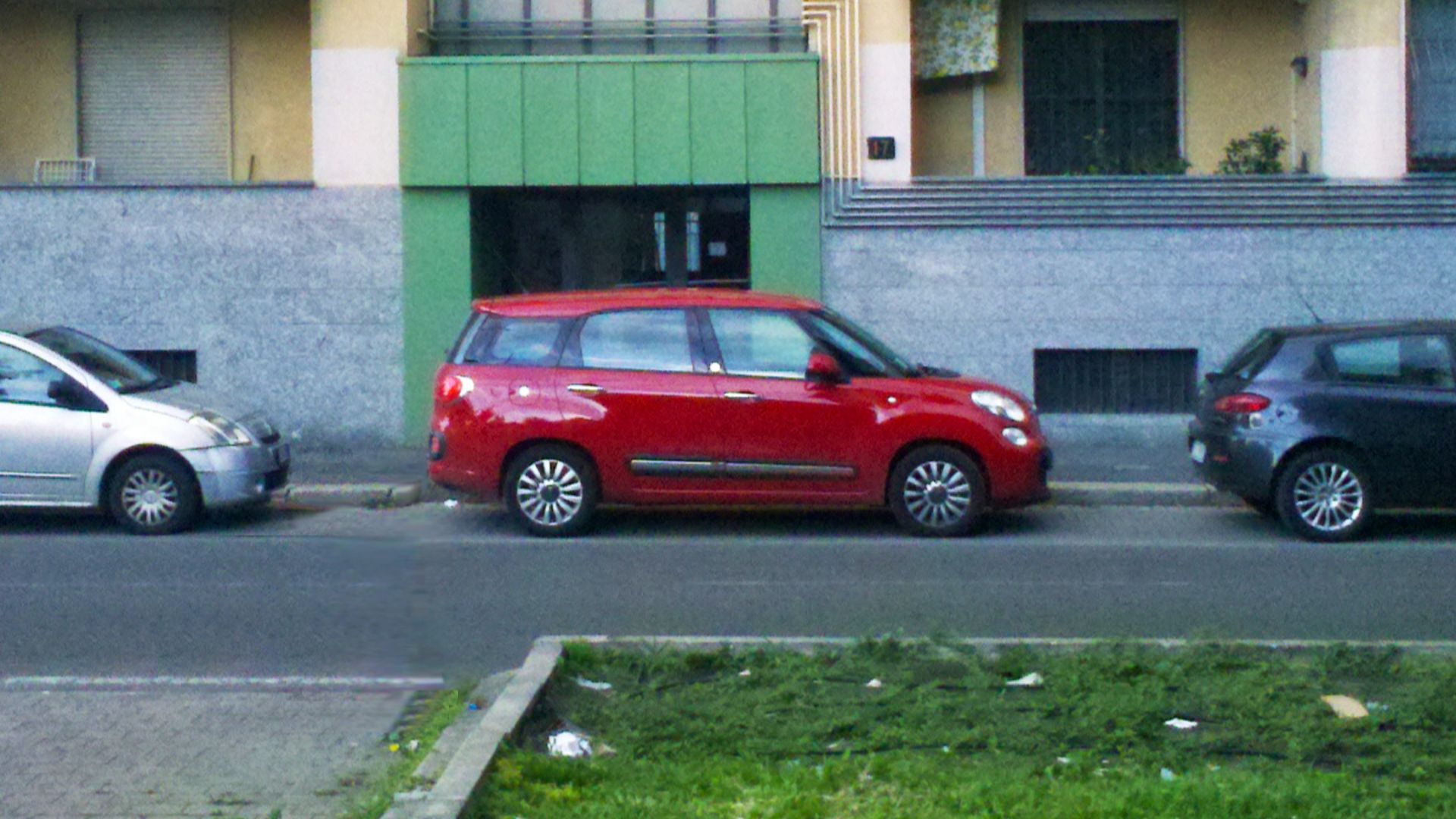
4. Tilt Mirrors Downward For Curb Visibility
Angle your side mirrors down temporarily so you can watch the curb creep closer. Staying within 12–18 inches prevents tire scrapes and keeps you legal in most places. Adjust them back once you're parked to restore your normal view.

5. Use The 45-Degree Angle Reference
Aim to reverse at roughly a 45-degree angle for the smoothest entry. This sweet spot matches your car's turning radius, letting you slide in without fighting the wheel constantly. Road tests love this technique because it actually works consistently.
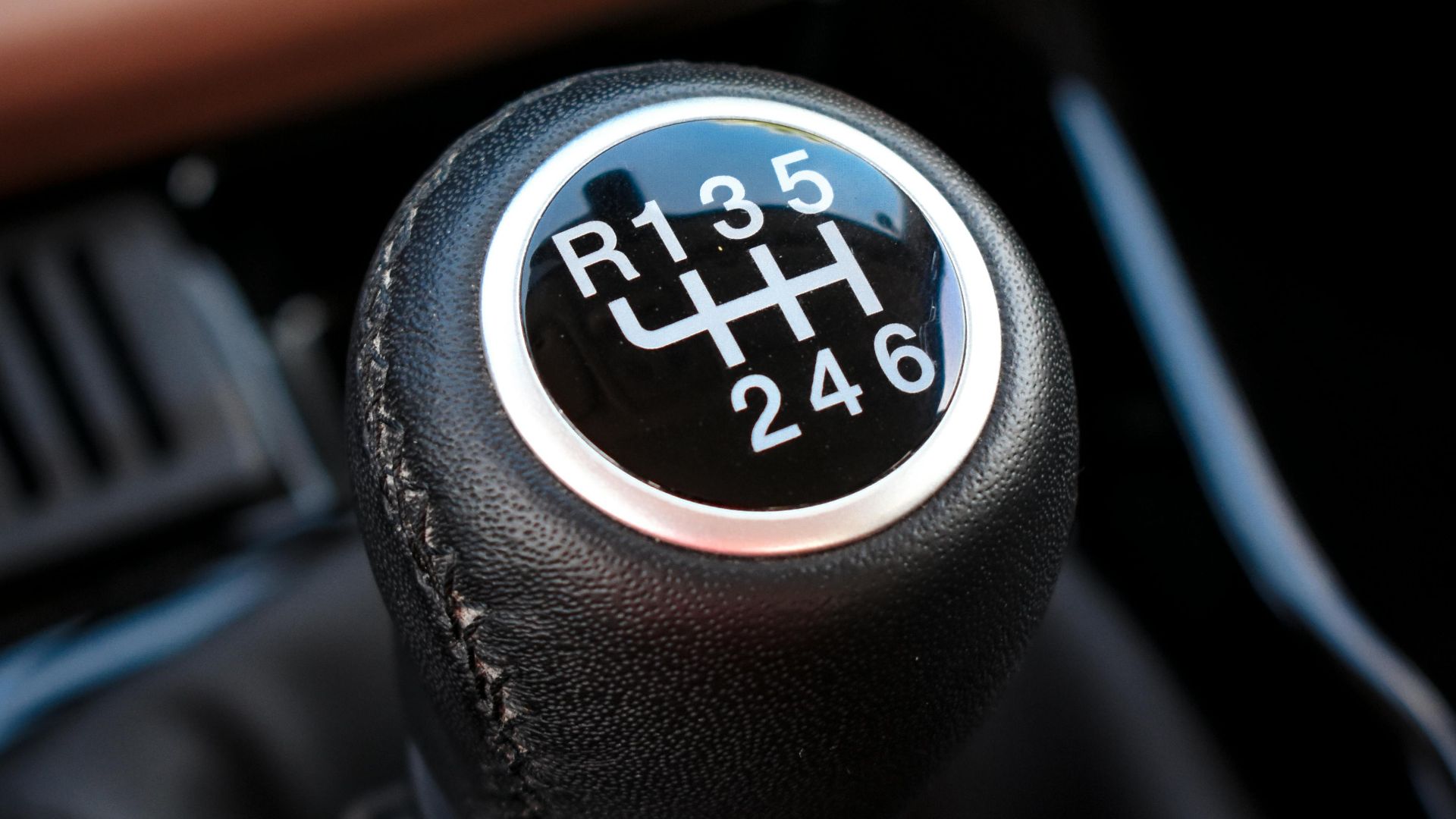
6. Correct Mid-Maneuver With Gear Shifts
If you realize halfway through that something's off, don't force it—shift between drive and reverse for tiny repositioning tweaks. These fluid adjustments let you recover smoothly. It keeps you calm and in control, especially when the spot feels tighter than expected.
7. Reverse Slowly With Controlled Speed
Crawl backward under 5 mph to maintain total control throughout the maneuver. Speed kills precision here, forcing messy overcorrections that waste time and risk bumper kisses. Slower feels safer and actually gets you parked faster.

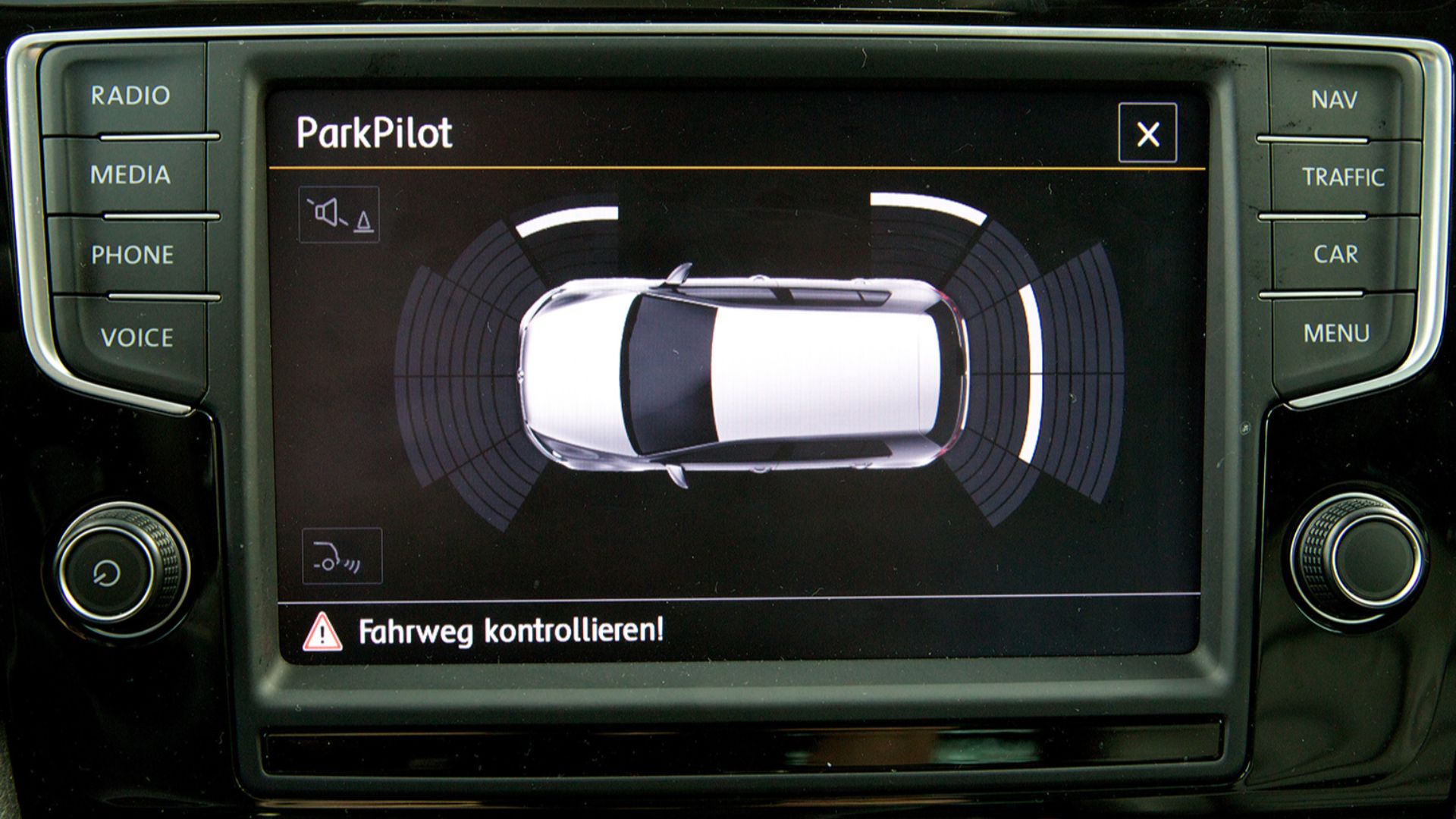
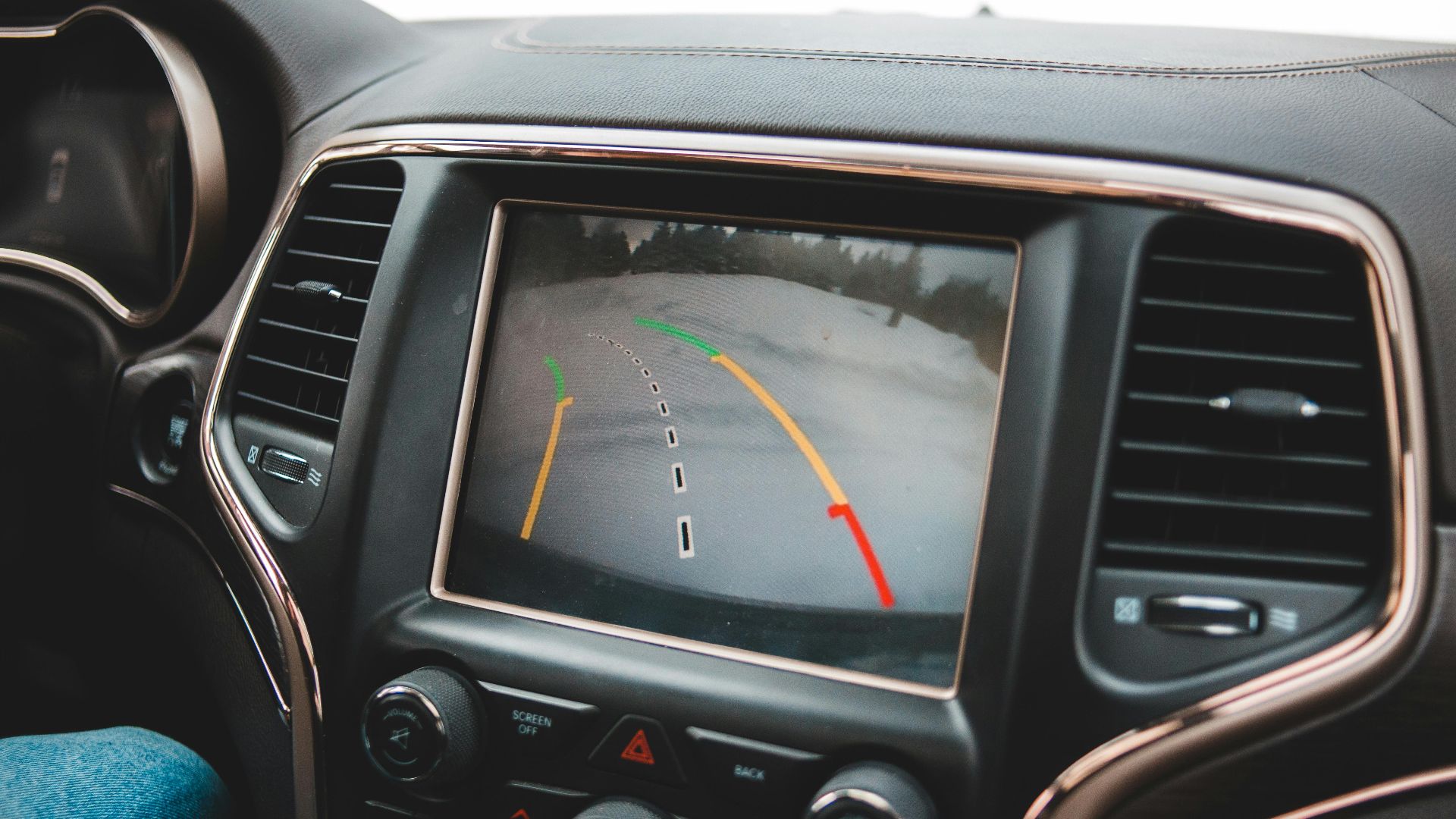
8. Leverage Rearview Camera If Equipped
Your backup camera shows exactly what's behind you in real-time clarity. Combined with sensors, it cuts pedestrian collision risks by 75% and takes the guesswork out of curb distances. Use the tech; it's there for safety.
9. Straighten Wheels At The Right Moment
Once your front seat lines up with the back car's bumper, straighten out completely. This timing keeps you parallel instead of angled weirdly into traffic. Nail this step, and you'll avoid embarrassing curb bumps while making exits easier later.

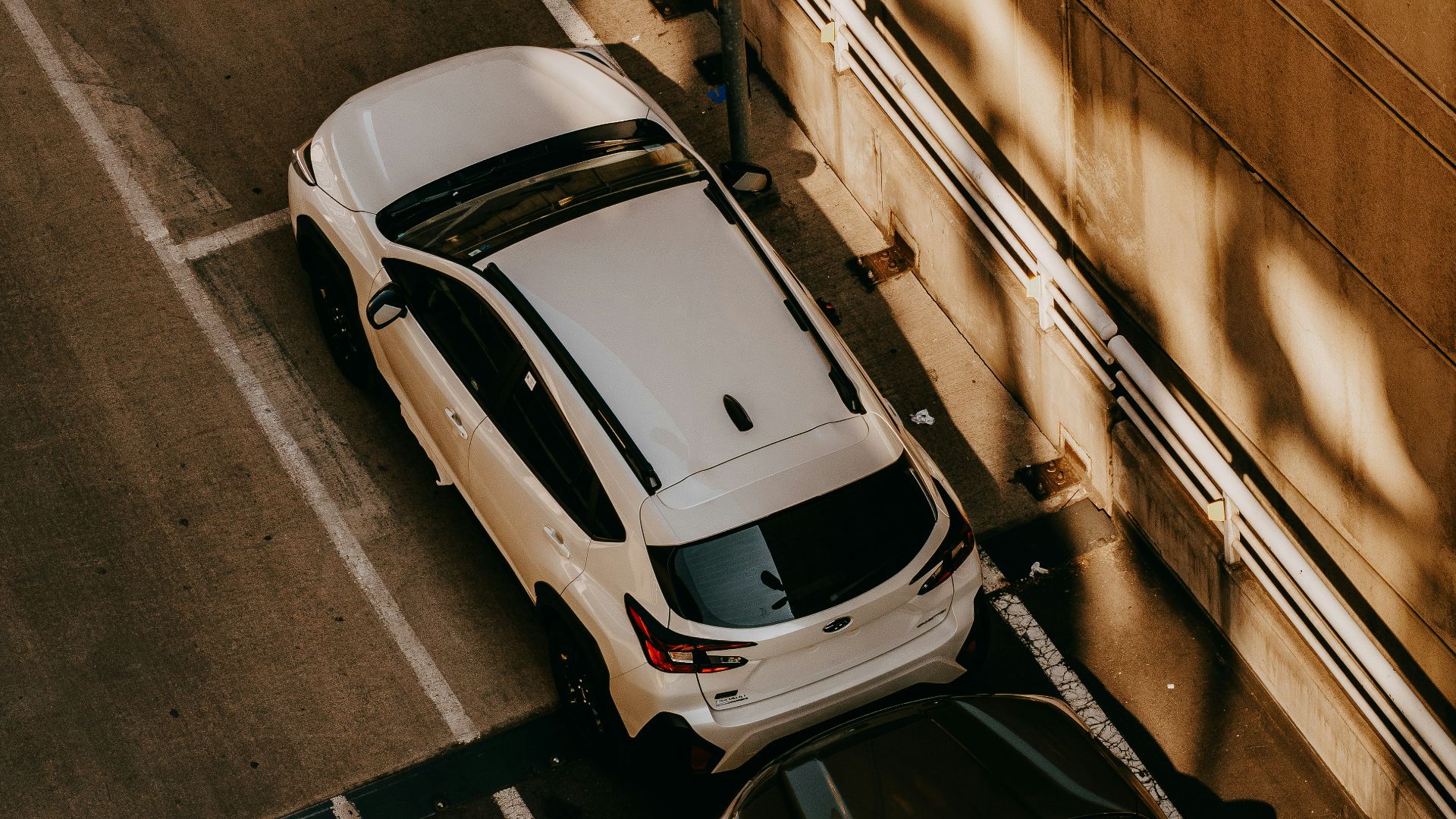
10. Leave Exit Space For Adjacent Vehicles
Center yourself with at least one foot of clearance on both sides when you're done. Tight parking is impressive until someone can't leave without door damage or calling a tow truck. Being considerate prevents tickets, dings, and dirty looks from strangers.
 Michael Carrasco Flores on Unsplash
1. Rushing The Entire Process
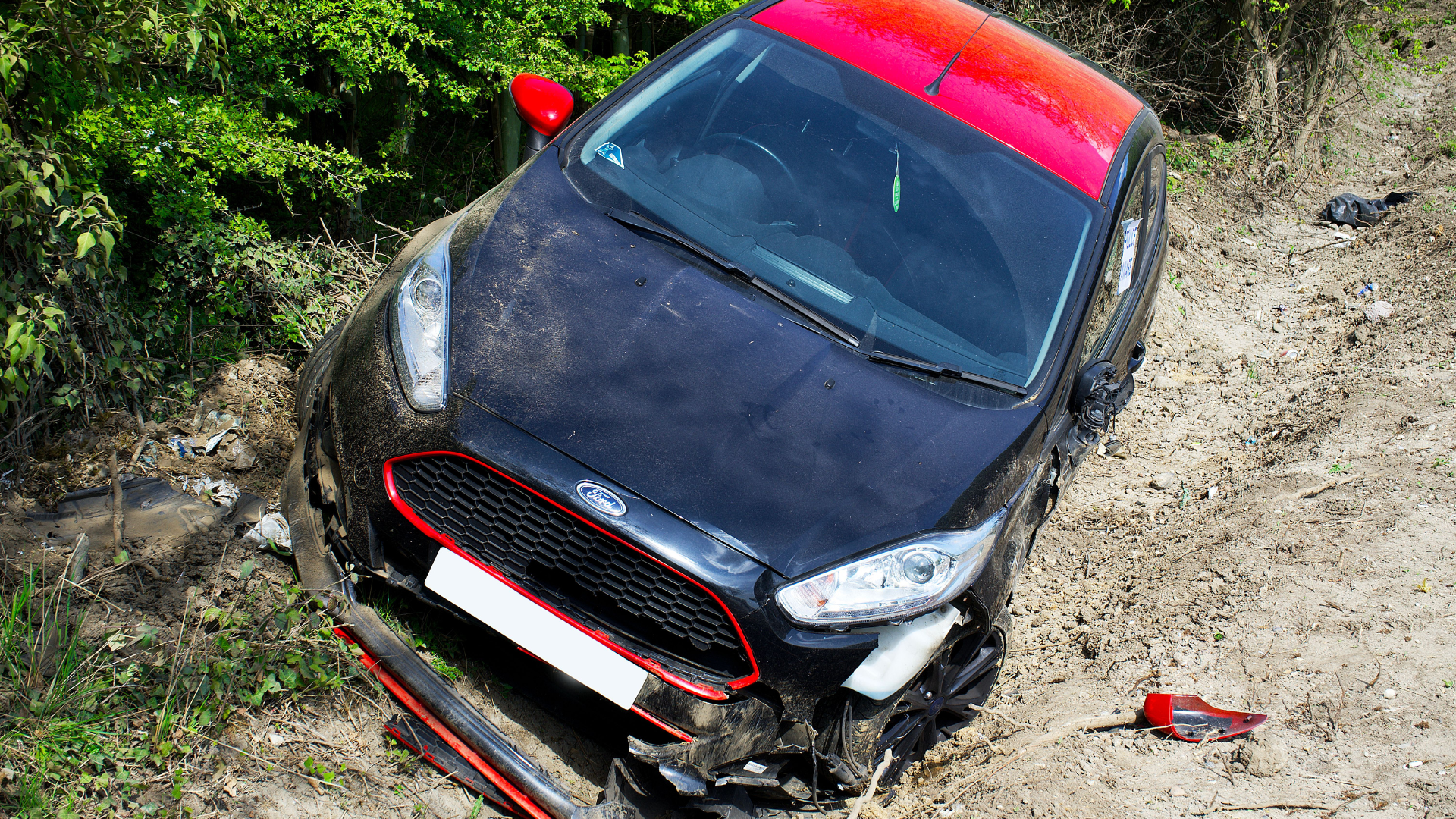
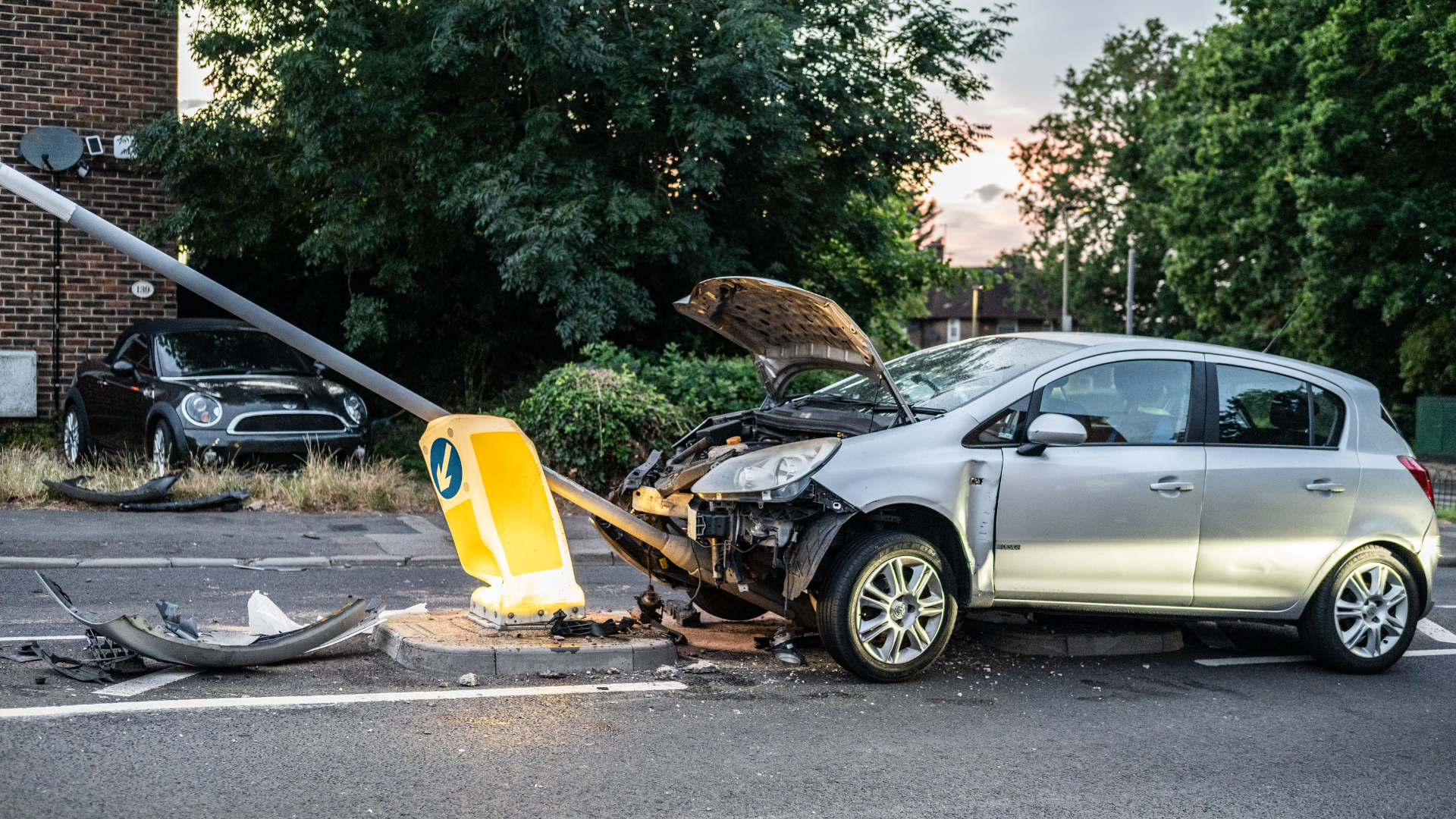
Speeding through parking attempts creates chaos. Your control vanishes, making it harder to spot pedestrians or gauge distances accurately. The result? More fender benders and unnecessary stress that could've been avoided by simply slowing down.
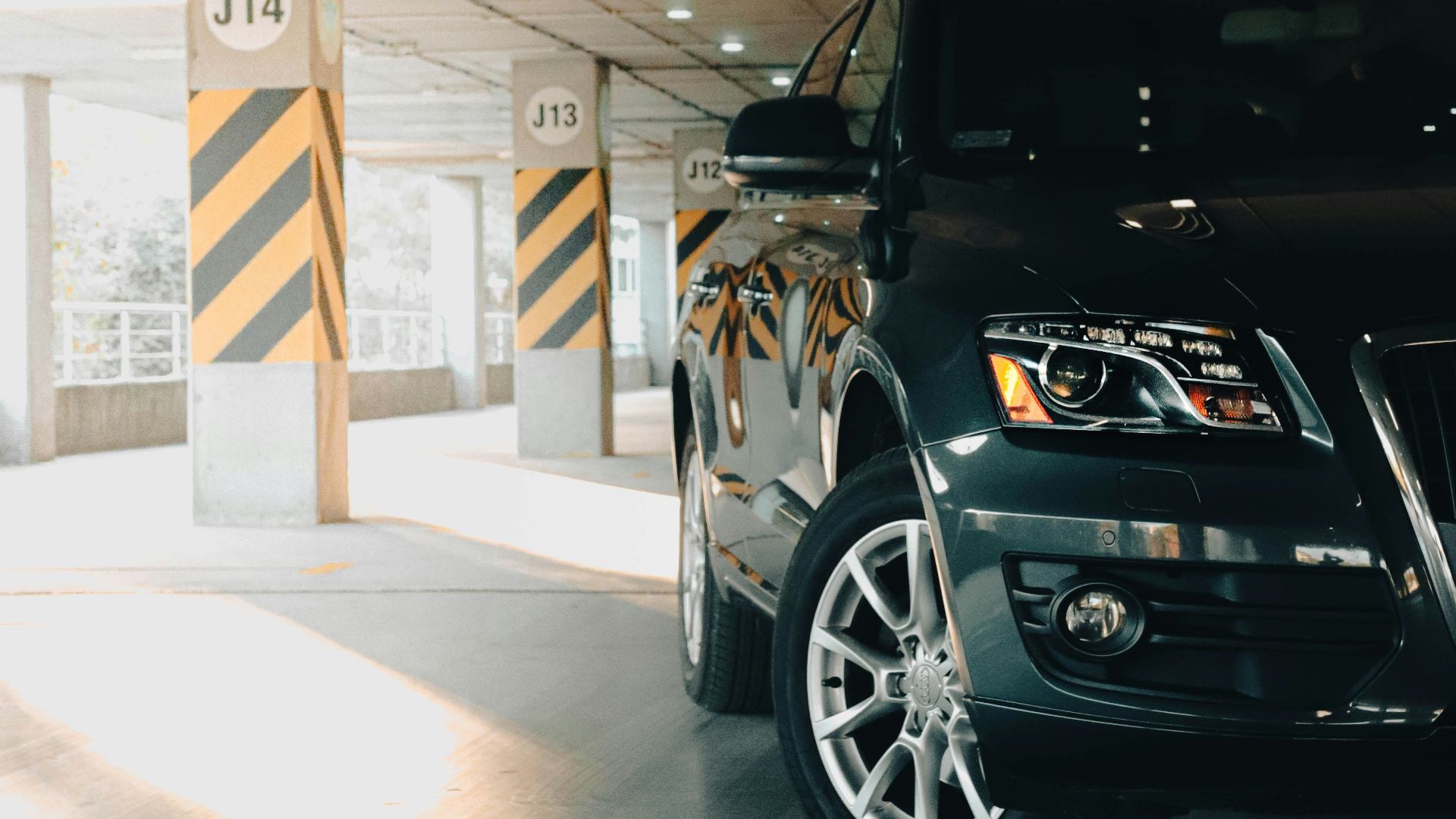
2. Ignoring Vehicle Size Differences
SUVs and compact cars handle completely differently during parking. Bigger vehicles need wider turning arcs while smaller ones pivot quickly, so your usual technique won't translate. Adjust your approach based on what you're actually driving, and not what you're used to.
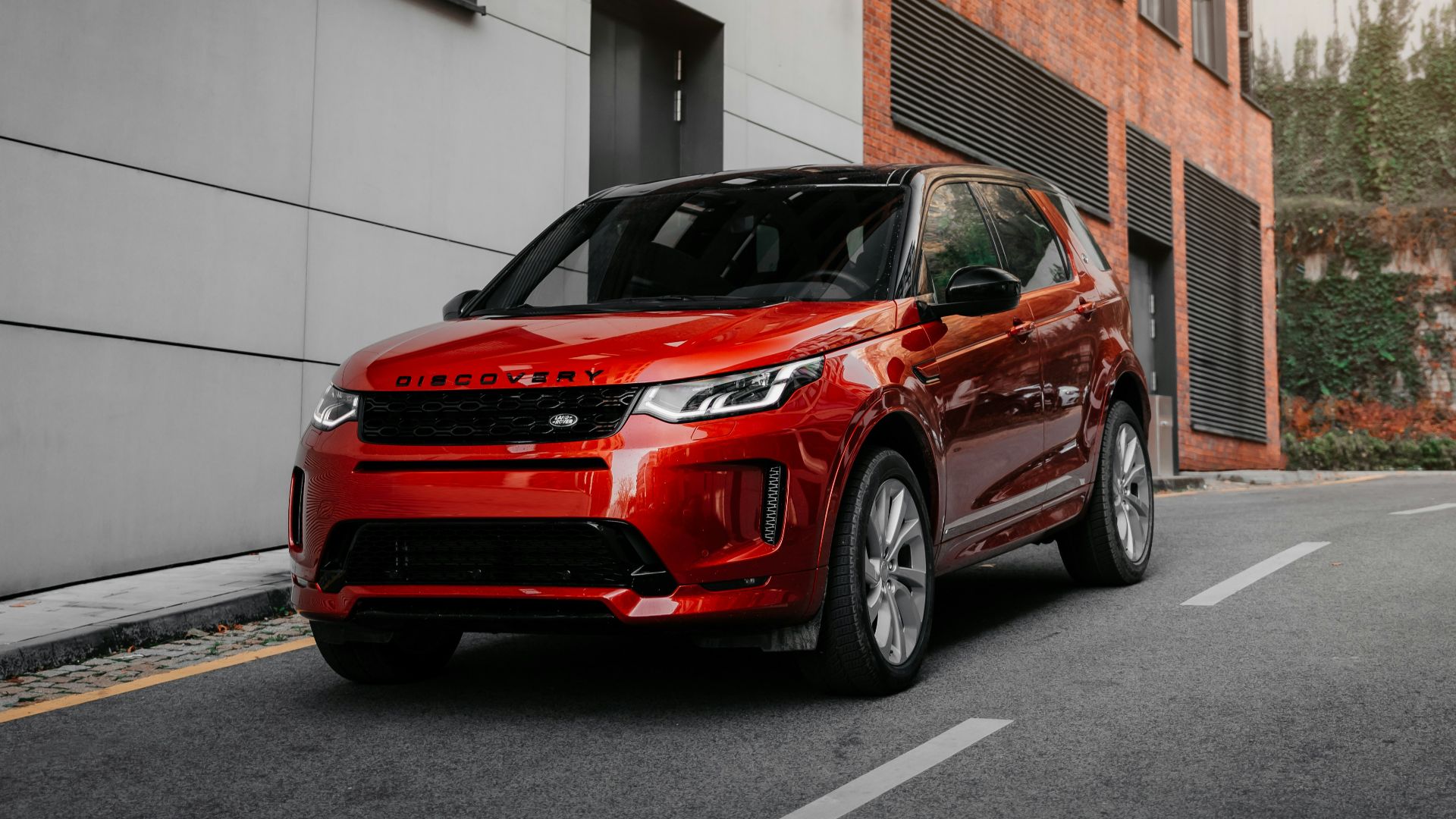
3. Turning The Wheel Too Early
Crank that wheel prematurely, and your car ends up sticking out into traffic. You'll waste time making awkward corrections while risking curb hits. Wait until your bumper aligns with the parked car before starting your turn for better results.
4. Over-Relying On Mirrors Alone
Mirrors can't show you everything lurking in blind spots. Pedestrians, cyclists, and small obstacles disappear from view entirely. Turn your head and check over your shoulder—it's the only way to catch what your mirrors miss during reversal.

5. Blocking Pedestrian Pathways During Entry
Swinging wide without checking can trap people on the sidewalk behind your car. You'll violate safety codes and genuinely endanger someone trying to walk past. Always verify the walkway stays clear throughout your entire maneuver before moving backward.

6. Steering While Stationary
Twisting your wheel when you're completely stopped wears down your power steering system fast. It also makes your movements jerky and unpredictable. Keep the car rolling slightly while you steer—it's safer and easier on your vehicle's mechanics.
7. Failing To Judge Road Slope Before Parking
Hills change everything. Your car can roll into traffic or the curb if your wheels aren't angled correctly. Slopes make alignment trickier and exits way harder than flat streets. Turn your wheels toward the curb on downhill slopes, away on uphill, preventing expensive rollback disasters.
8. Panicking Under Pressure
Anxiety makes everything worse when parking. Your movements become erratic, and braking gets sloppy. These simple mistakes multiply quickly. The cure? Practice until muscle memory takes over. Confidence comes from repetition, not from stressing about honking drivers behind you.
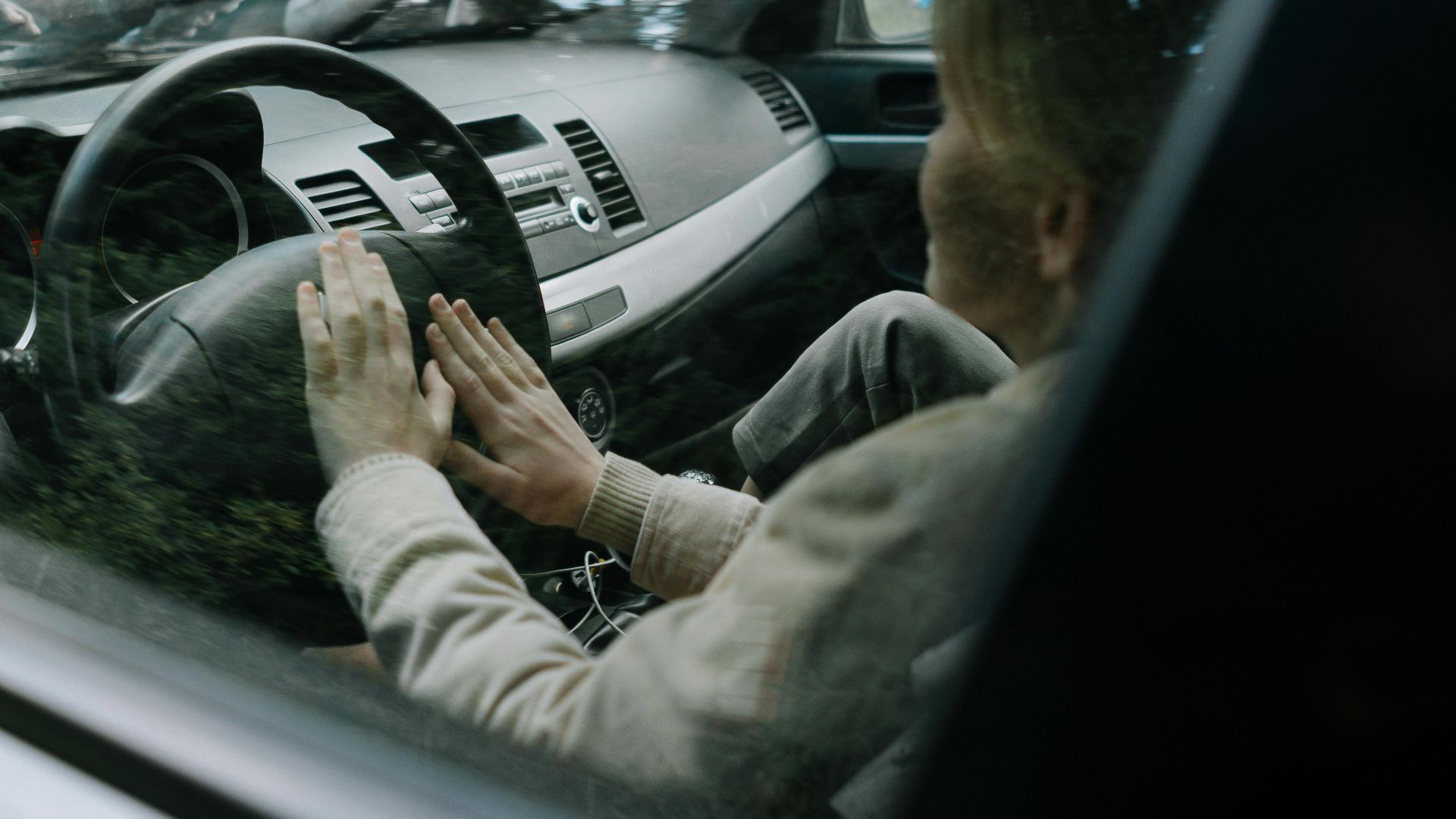
9. Neglecting Post-Park Adjustments
Don't just stop when you're roughly in position. Take 30 seconds to center yourself properly between both cars. Poor positioning invites door dings, parking tickets, or even getting towed. It's basic courtesy that protects everyone's vehicles.
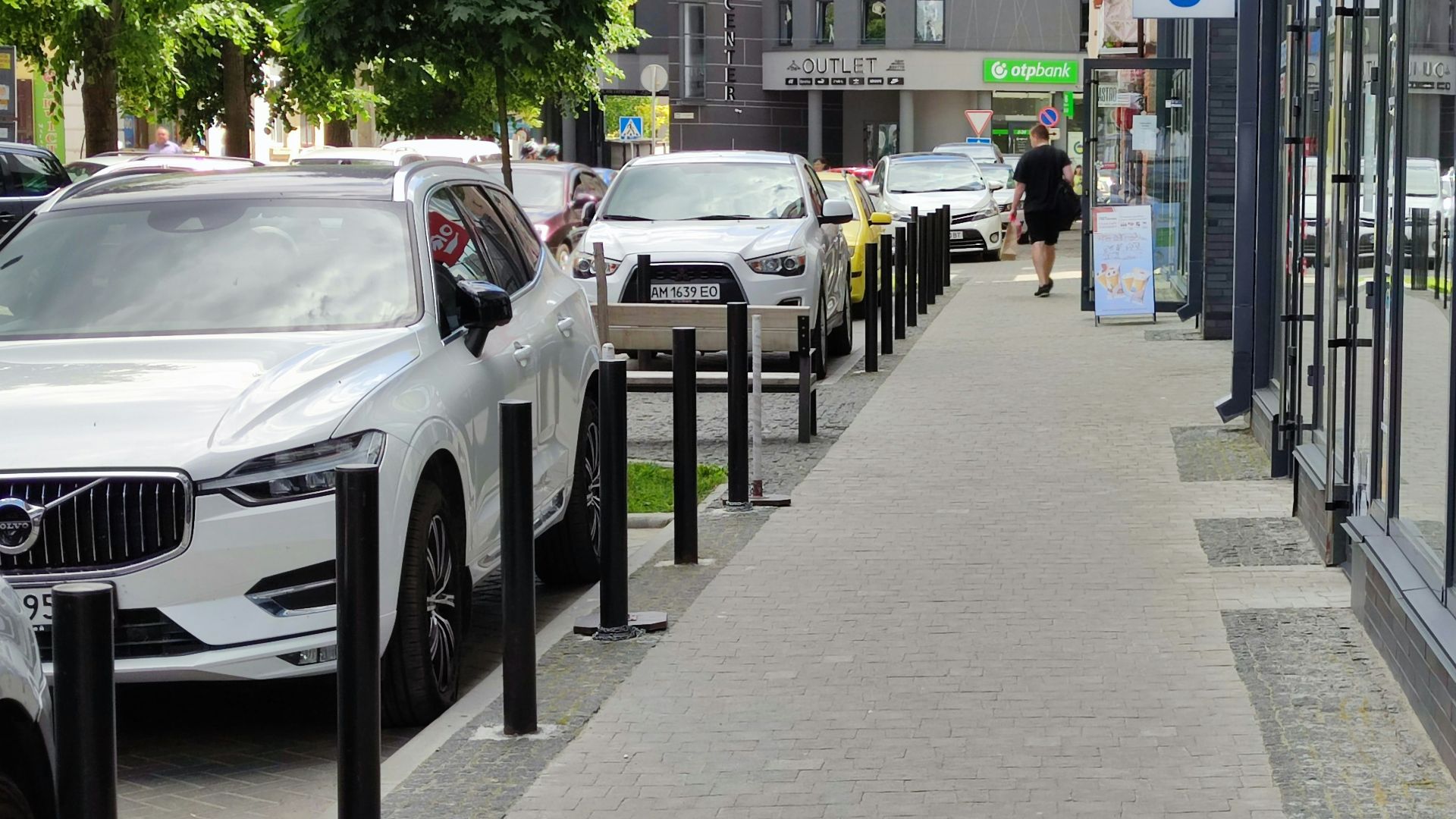
10. Ignoring Available Technology
Modern cars offer sensors and parking assist features you're probably not using. These tools eliminate guesswork about distances and obstacles. Learn how your vehicle's technology works—it transforms parallel parking from a nightmare to a simple task within minutes.