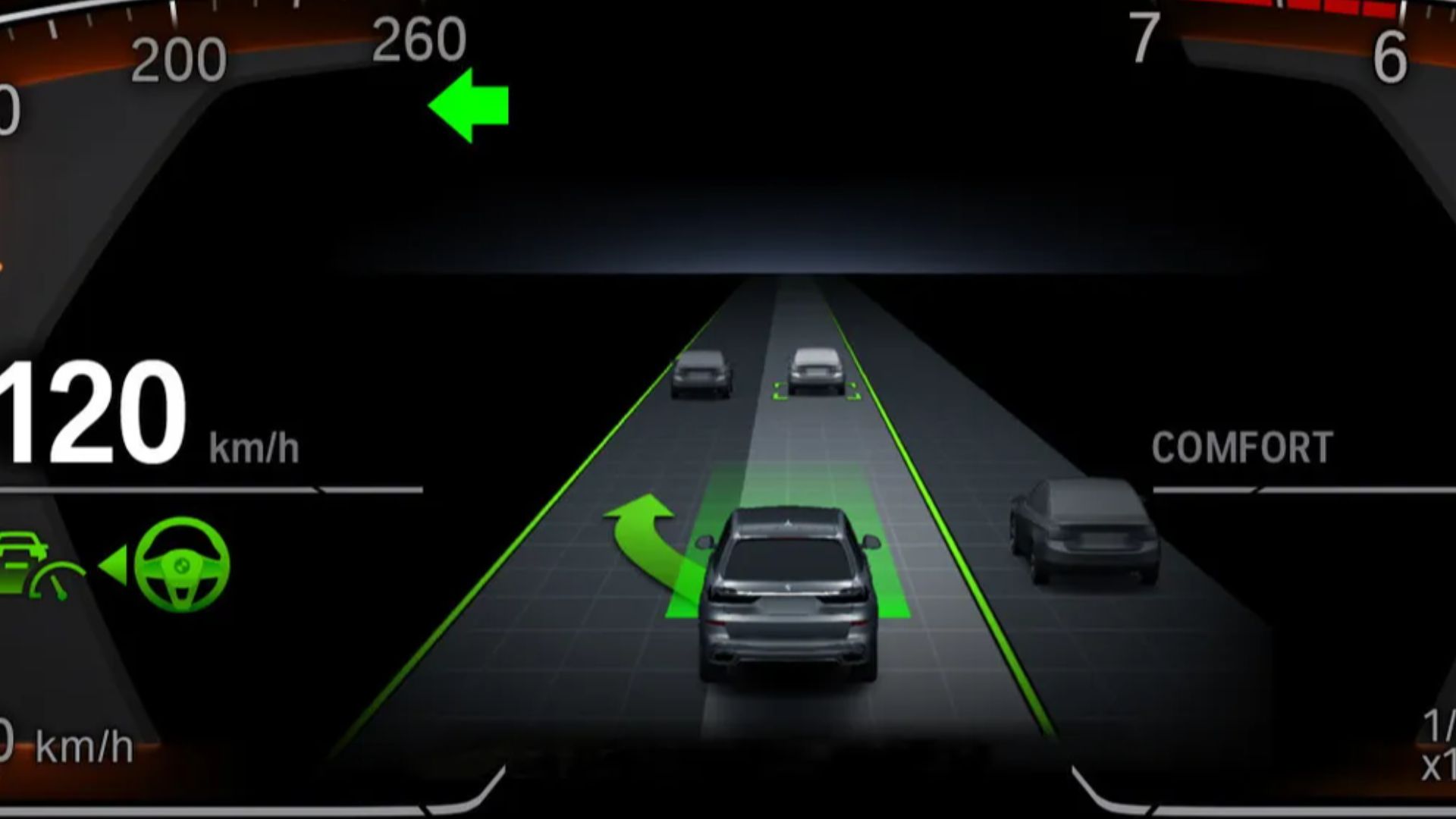
Lane assist sounds like the kind of feature nobody could dislike. It’s literally your car helping you stay centered, which seems like a win for safety and stress reduction. And in many situations, it is helpful, especially on long highway drives when fatigue starts making your steering a little sloppy. Still, plenty of drivers will tell you it makes them feel less confident, less precise, or irritated behind the wheel.
The reason isn’t that people are bad with technology or that lane assist is useless; it’s that the feature changes how you pay attention, how you steer, and what you expect the car to do, sometimes in ways you don’t notice until something feels off. If you treat it like autopilot, it can encourage lazy habits that don’t hold up in real traffic. When the system and the driver misunderstand each other, the driver can actually end up worse than before.
It Can Create Overconfidence & “Hands-Off” Attention
One common problem is that lane assist can make you feel more capable than you are, simply because the car is smoothing out small errors. When your minor drift is corrected automatically, your brain gets the message that everything is under control. You might start checking mirrors less often or letting your focus slide. Over time, you can become less engaged even though you’re still the one responsible.
This effect is especially noticeable with drivers who already see highway driving as boring. If you’re the type who gets mentally restless on long stretches, a steering aid can become permission to multitask. Even quick glances at a phone or long looks at the infotainment screen add up because your attention isn’t where it should be. The car may keep the car centered, but it can’t keep your mind centered.
Another issue is that lane assist can encourage a “minimum effort” steering style. Some drivers start applying lighter, less deliberate inputs because they assume the system will correct the rest. That can feel fine on perfect highway markings and good weather, but it doesn’t build real control. If you ever drive a different car or turn the feature off, you may notice you’ve gotten a little rusty.
It Changes How Steering Feels, & That Can Teach Bad Habits
Lane assist doesn’t steer like a human. It uses sensors and rules, and it can feel like the car is tugging the wheel at inconvenient moments. When you’re used to being fully in charge, that tug can trigger a small fight over control, even if you don’t think of it that way. Some drivers respond by gripping harder, which can make their steering less smooth and more tense.
That tug-of-war can also lead to poor lane positioning habits. Instead of naturally centering yourself, you might let the car “bounce” you back from one side to the other, especially on systems that feel reactive. The result is a subtle weaving that you might not notice, but passengers definitely do. If you’ve ever felt motion-sick in a newer car for no obvious reason, this can be part of it.
There’s also a skill issue that shows up in construction zones and faded markings. Lane assist can get confused by old paint, temporary lines, or reflective tar strips, and the steering response may be wrong or feel unpredictable. If you’ve learned to trust the system too much, your reaction time slows because you assume it’ll sort itself out. Drivers who stay fully engaged tend to handle these weird zones better because they’re not waiting for the car to make up its mind.
It Doesn’t Understand Context the Way You Do

Lane assist is good at reading lines, but driving isn’t only about lines. Humans constantly interpret context, like a cyclist hugging the edge, a truck drifting slightly, or a narrow lane that needs extra space. A lane-keeping system may try to hold you centered when a smart human would intentionally adjust position for safety. If you’re not ready for that mismatch, you can feel like the car is forcing you into the wrong place.
Weather and lighting can add another layer of difficulty. Heavy rain, glare, snow, or worn paint can reduce how reliably the system detects lane boundaries. That can cause sudden disengagement or inconsistent corrections, which can surprise drivers who’ve been leaning on the feature. The worst moment to be startled is when you’re moving fast, surrounded by other cars, and expecting the system to behave the same way it did yesterday.
The final problem is psychological: when something feels “assisted,” you may assume it’s more capable than it really is. Many drivers don’t fully understand the difference between lane assist, lane centering, and adaptive cruise behavior, so they build expectations based on marketing language rather than actual limitations. That gap between belief and reality is where mistakes happen.
If you want to use lane assist without letting it make you worse, the simple rule is to stay in charge. Keep your hands steady, keep scanning like you always should, and be ready to override the system anytime it behaves oddly. Use it to reduce fatigue, not to reduce attention. When the driver stays awake, and the system stays supportive, lane assist becomes a safety feature instead of a generator of bad habits.