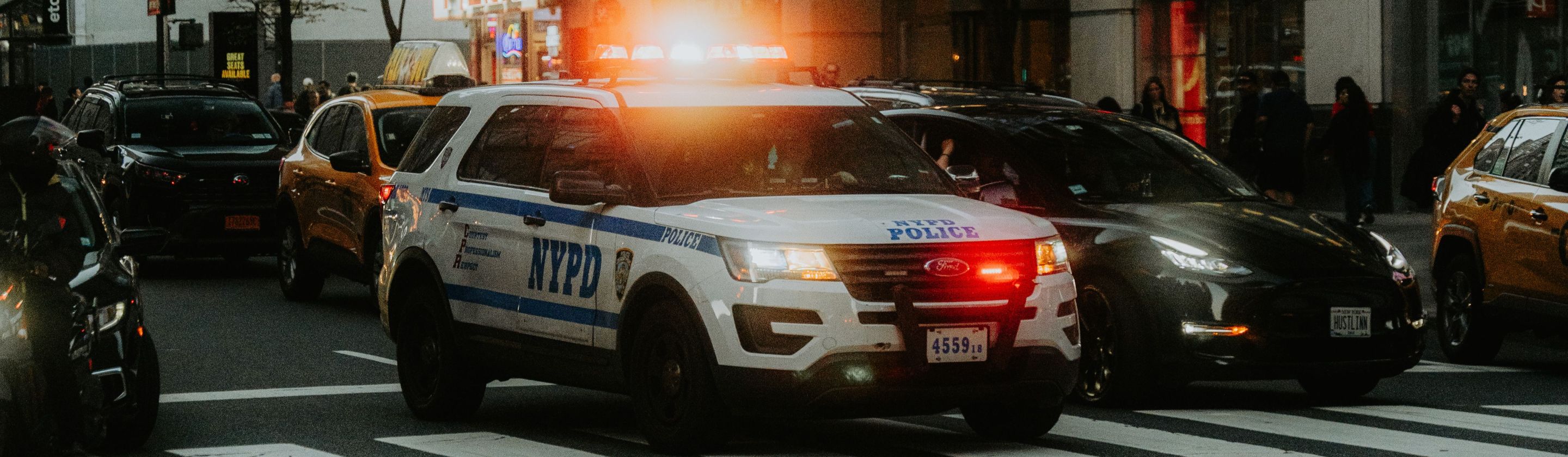
Getting pulled over can make even the calmest driver suddenly forget how hands, mirrors, and breathing are supposed to work. One second you’re driving normally, and the next you see flashing lights behind you and start mentally reviewing every turn signal you’ve used since breakfast. It’s stressful because most people don’t know exactly what's happening behind the wheel of the police car.
A stop doesn’t automatically mean you’re in serious trouble, and it doesn’t always end with a ticket. Sometimes the officer is checking a possible violation, asking about a safety concern, or responding to something they observed on the road. Still, knowing what usually happens can help you stay calmer and avoid making the moment more tense than it needs to be. When you understand the process, the whole thing feels a little less mysterious.
The Stop Starts Before the Officer Reaches Your Window
Once the officer signals you to pull over, they’re watching how you respond. You should slow down, signal if possible, and choose a safe place to stop, such as the shoulder, a side street, or a well-lit parking lot. If you can’t stop immediately because the area is unsafe, you can slow down and continue carefully until there’s a better spot. The goal is to show that you’re cooperating without creating a hazard.
After you stop, the officer may take a moment before walking up to your car. That pause can feel long, but it doesn’t always mean something dramatic is happening. They may be running your plate, checking the location, notifying dispatch, or looking at traffic around them. Officers also pay attention to movement inside the vehicle, which is why sudden reaching can make everyone more nervous.
Your best move is to stay seated, keep your hands visible, and wait for instructions. If it’s dark, turning on the interior light can make the situation easier for both of you. You don’t need to start digging through the glove box before the officer asks for documents. That may feel efficient, but from the outside, it can look like you’re searching for something else.
The Conversation Is Usually Short & Purposeful
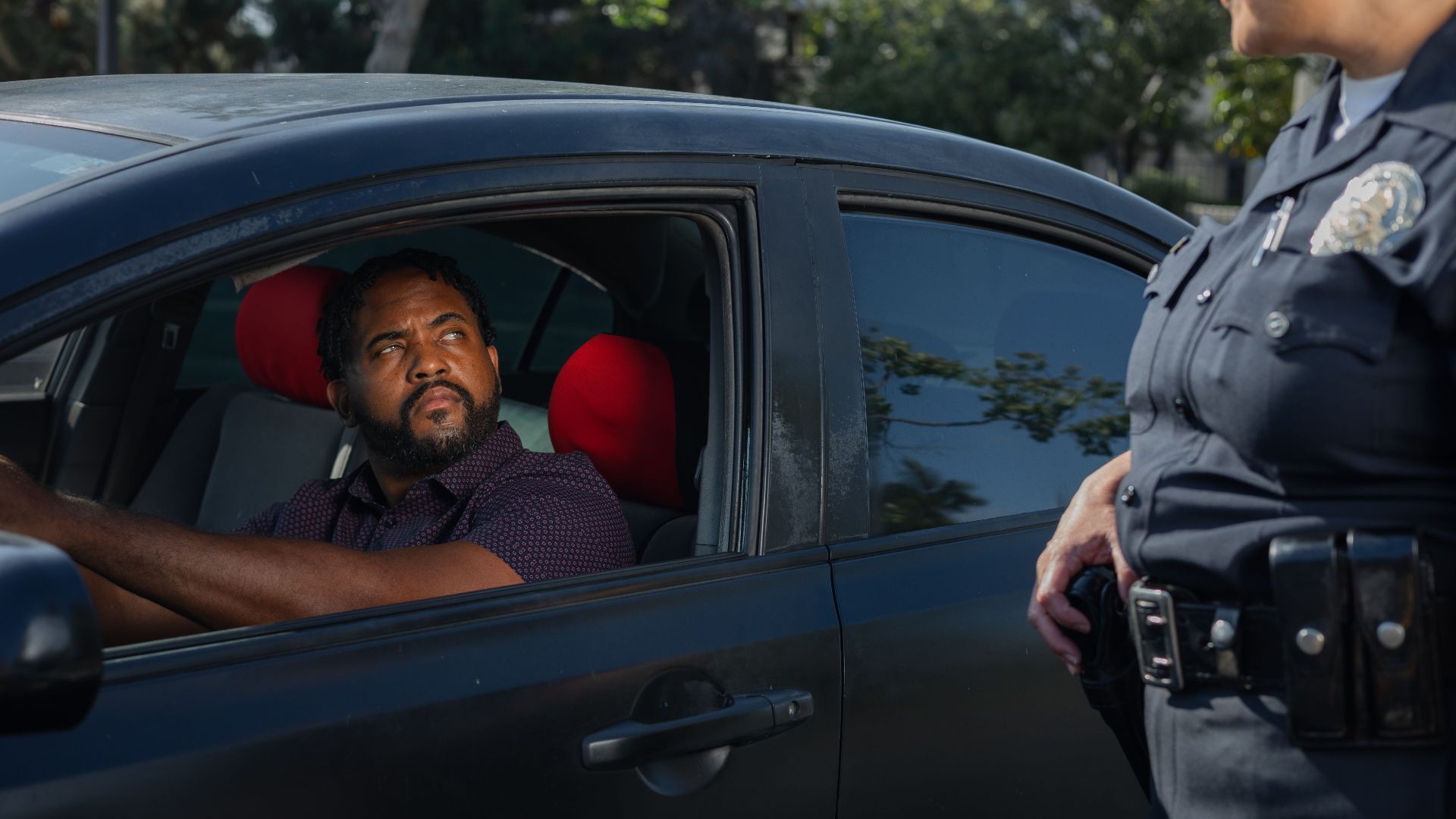
When the officer reaches your window, they’ll usually ask for your license, registration, and proof of insurance. They may also explain why they stopped you, though the timing can vary. Common reasons include speeding, a broken light, expired registration, unsafe lane changes, or a suspected equipment issue. Sometimes the reason is smaller than your imagination made it during the thirty seconds you were pulling over.
The officer may ask where you’re coming from, where you’re going, or whether you know why you were stopped. These questions can feel casual, but they’re still part of the interaction. You can answer politely, and in many places, you also have the right to stay silent beyond identifying yourself and providing required documents.
Tone matters more than people want to admit. You don’t have to be overly friendly, and you definitely don’t need to perform a full customer-service personality. Still, being calm, clear, and respectful can help keep the stop from becoming more stressful. Even if you believe the officer is wrong, save it for the courtroom, not the side of the road.
The Officer Checks Information & Decides What Comes Next
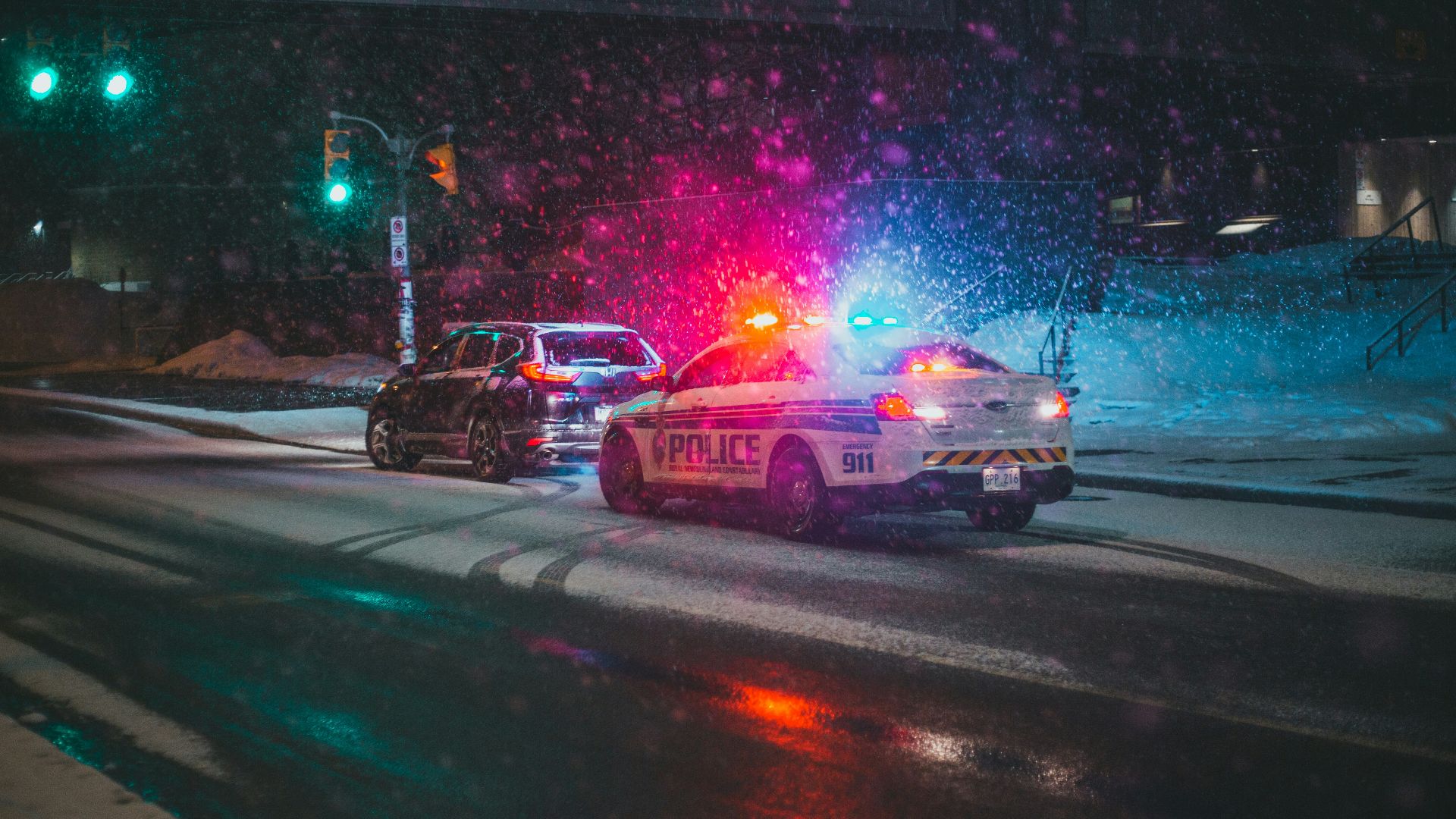
After collecting your documents, the officer will often return to their vehicle. This is when they may check your license status, registration, insurance, outstanding warrants, or prior driving history. That waiting period can make your brain very creative, but it’s usually administrative. Try not to assume the worst just because the officer is taking a few minutes.
Once the officer comes back, the stop may end in several ways. You might receive a warning, a fix-it notice, a citation, or, in more serious cases, further investigation. A ticket is not the same as being found guilty, and you may have options to contest it later depending on your local rules. Signing a citation often only confirms that you received it, not that you agree with it.
Sometimes the officer may ask to search your vehicle. In the U.S., you generally have the right to refuse consent to a search, though there are situations where police may search anyway based on legal exceptions. If you don’t consent, it’s best to say so clearly and calmly rather than physically interfere. A simple “I don’t consent to a search” is much safer than turning the moment into a parking-lot debate.
The Stop Ends, but Your Choices Still Matter
When the officer says you’re free to go, don’t rush back into traffic just because you’re eager to escape the awkwardness. Take a moment to put your documents away, buckle up if needed, check your mirrors, and signal before moving. Your nervous system may still be running on high alert, so give yourself a second to reset. Nobody wins if you pull away and immediately make a new mistake.
If you think the stop was unfair, unsafe, or handled improperly, write down details afterward. Note the time, place, officer’s name or badge number if available, patrol car information, and what was said. If you have a ticket, follow the instructions on it and pay attention to deadlines. Complaints, court challenges, or legal questions are better handled after the stop, when you’re not trying to manage flashing lights and passing traffic.
Getting pulled over is never anyone’s favorite surprise, but it doesn’t have to become a disaster. Most stops are brief, procedural, and centered on documents, safety, and whatever violation the officer believes occurred. Your job is to pull over safely, keep your movements predictable, communicate clearly, and save arguments for the proper setting.