How Your Car Reflects Your Personality, According To Psychology

You can say you bought your car because it was a good deal, and you’re probably telling the truth. Still, the vehicle you drive ends up doing more than getting you from point A to point B, because it quietly becomes part of how you move through the world. It’s one of the most visible objects you “wear” in public, which makes it a surprisingly social choice. Even when you’re not trying to signal anything, other people tend to read a message anyway.
Psychology doesn’t claim your car is a perfect personality test with a steering wheel. It does suggest, though, that preferences often line up with how you see yourself, how you want to be seen, and what feels comforting in daily life. People also have an odd talent for projecting human traits onto machines, especially ones with “faces” like headlights and grilles.
Your car as a public “self”: image, identity, and quiet signaling
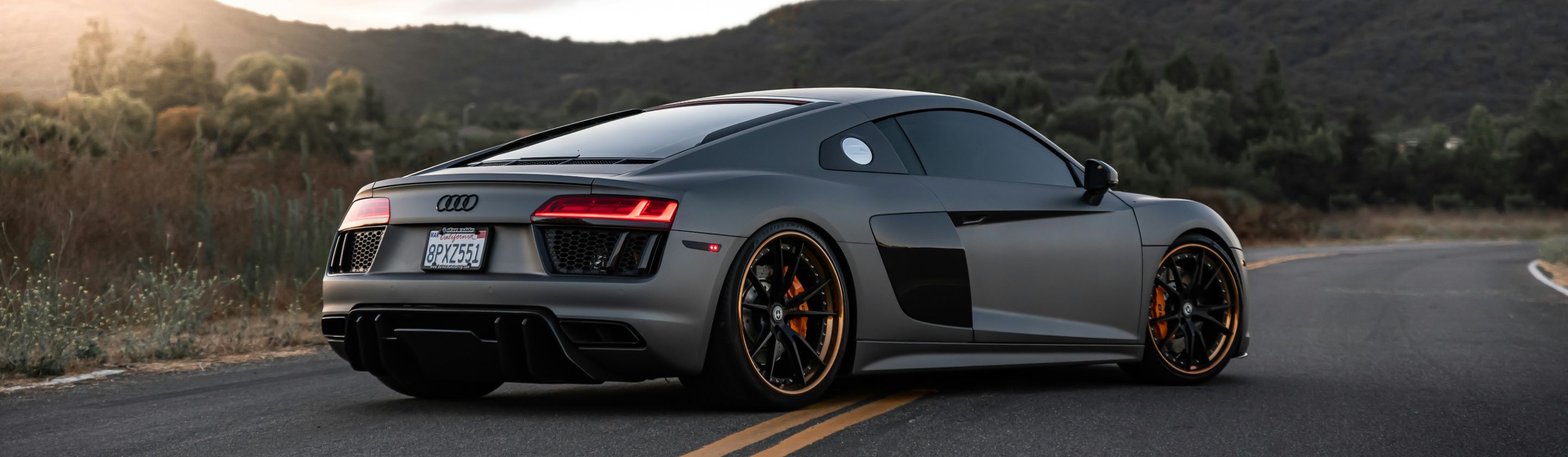
Even practical decisions have a style, and your car is a practical decision that takes up a lot of space. If you gravitate toward a clean, understated model, you may value competence and low drama, or you may simply want something that won’t demand attention. On the other hand, if you pick a car that turns heads, it can reflect comfort with visibility and a taste for distinctiveness. Neither approach is better, but each tends to communicate something about how you navigate social perception.
A car can also mirror the role you imagine yourself playing in your own life. Some people buy for the “responsible adult” version of themselves, choosing safety features, good mileage, and a reputation for reliability. Others shop for the “weekend me,” prioritizing speed, design, or a sense of fun that interrupts routine. If you’ve ever said, “This car feels like me,” you’ve basically summarized the psychology in one sentence.
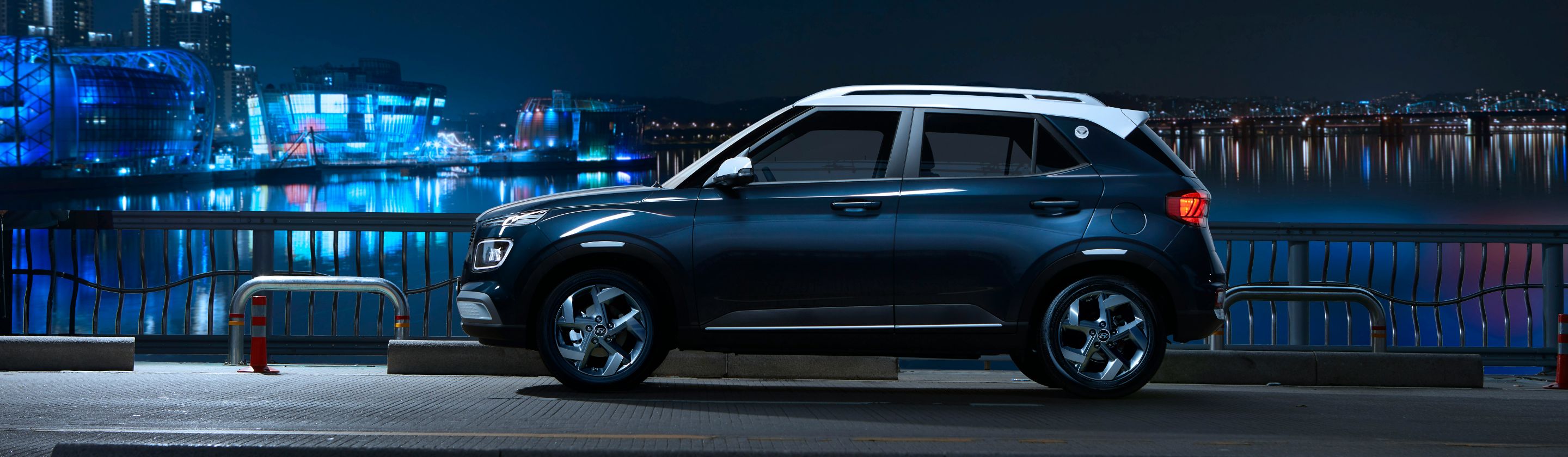
What’s especially funny is that people often believe they’re being unique in the exact same way as thousands of other people. A rugged-looking vehicle can say “I’m outdoorsy,” even if most of its adventures are in the Costco parking lot. A sleek sedan can suggest “I’ve got my life together,” even if the back seat is full of reusable bags you keep forgetting to return. The point isn’t that your car reveals the truth, but that it helps you express a preferred story about yourself.
The “face” of a car and why your brain treats it like a personality
Humans are wired to spot faces, and we don’t stop just because the face is made of plastic and chrome. Headlights become “eyes,” the grille becomes a “mouth,” and suddenly the car looks friendly, aggressive, serious, or oddly smug. That’s not just imagination for imagination’s sake, because your brain uses those cues to make quick judgments in the same way it does with people. When you’re picking a car, you might be responding to those signals even if you’d never admit it out loud.
This is where the whole idea of “fit” gets sneaky. You’re not only choosing horsepower or trunk space; you’re also choosing a vibe you’ll be associated with every day. If a certain front-end design feels approachable or confident, it may align with how you prefer to present yourself. Meanwhile, a car that looks “too intense” can feel wrong even if it’s a great deal, because you don’t want to be mistaken for that personality at a stoplight.
Interestingly, observers can sometimes match people to their cars better than you’d expect. Studies have found that when participants were shown pictures of a car's "face", they could match it with a success rate better than random chance. It's the same phenomenon as owners and their dogs beginning to resemble one another. Over time, the vehicle doesn’t just carry you, it starts to feel like “yours” in a personal way.
What your car habits say about you when nobody’s taking notes
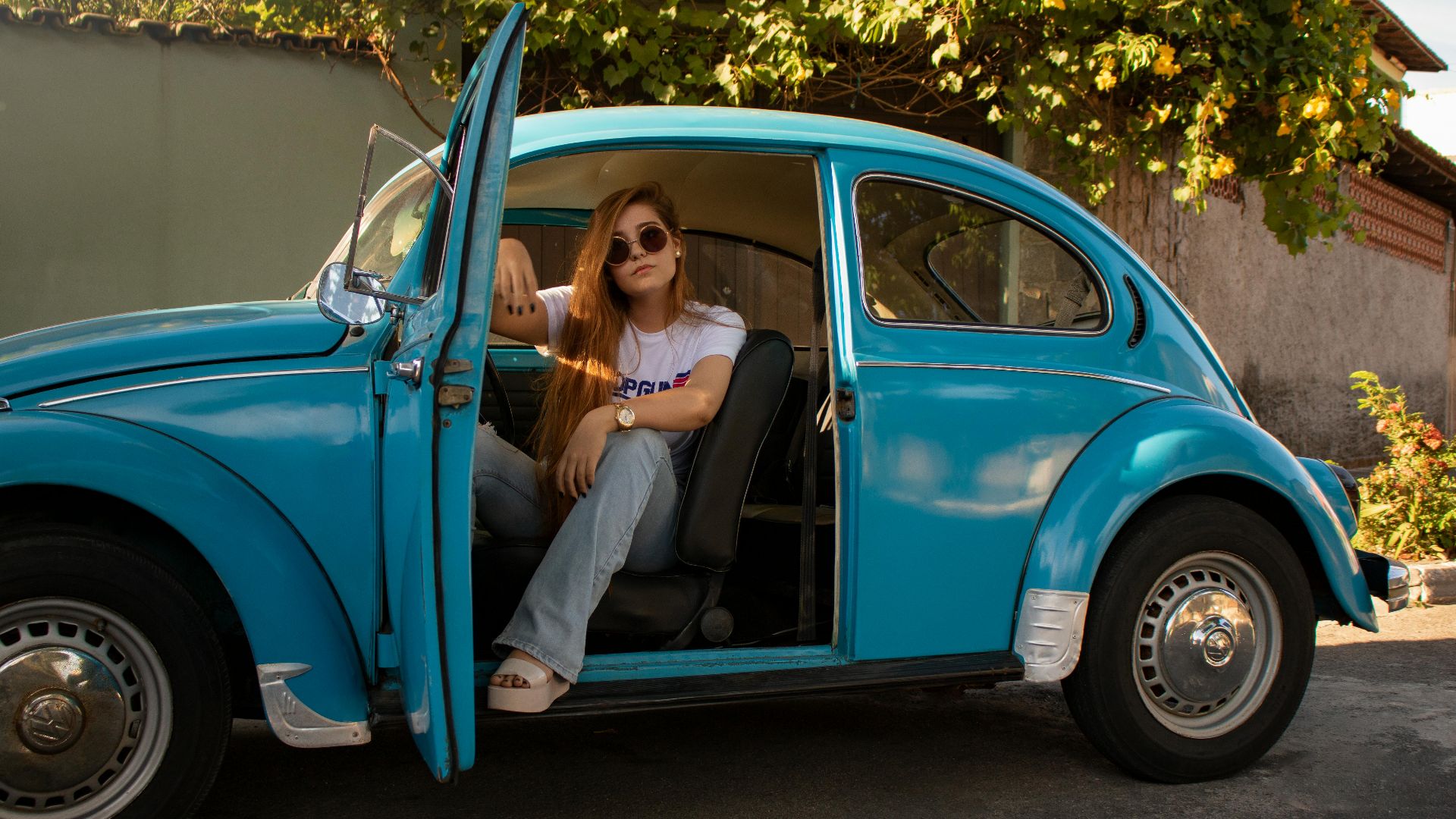
Your relationship with your car doesn’t end at the dealership, and the day-to-day behavior can be even more revealing than the model. If you’re meticulous about maintenance, tire pressure, and keeping a careful service record, you likely score high on conscientiousness or at least on self-protection. If you push every warning light to its emotional limit, you may be more tolerant of risk or more avoidant of inconvenient tasks.
The interior is its own psychological diary, and it’s usually written in coffee cups and charging cables. A tidy cabin can reflect organization, a preference for order, or a need for calm. A chaotic back seat doesn’t automatically mean you’re disorganized, because it can also mean you’re busy, social, or juggling too many roles at once. What matters is what you notice and what you choose to fix, because that tends to track with how you manage your environment elsewhere.
Driving style adds another layer, because it often shows how you handle pressure in real time. Some people drive like they’re negotiating peace treaties, leaving space, anticipating problems, and refusing to be baited into drama. Others become a little more competitive, especially when they feel rushed, which can signal impatience, high urgency, or a short fuse under stress. You’re not being judged by the universe for any of this, but you are revealing what your nervous system does when the world won’t cooperate.
At the same time, it’s worth giving yourself some grace, because circumstances can override personality. If you’ve got kids, a long commute, harsh winters, or a tight budget, your “car identity” might be more about survival than self-expression. Plenty of people drive something that doesn’t match their taste because it matches their reality. Still, even within constraints, you often make small choices that show who you are, from how you care for the vehicle to what you keep within arm’s reach.
Your car reflects your personality the way a handshake or an email signature might: imperfectly, but not meaninglessly. It can signal identity, invite assumptions, and even shape how you feel as you move through your day.