How One Small Country Built the World’s Most Successful EV Market

Denmark is a small country with a big talent for turning futuristic pipe dreams into a normalized everyday reality. Over the past few years, electric cars have moved from niche to mainstream so quickly that if you blinked, you might’ve missed the moment they became the default choice. In 2024, battery-electric vehicles (BEVs) passed the 50% mark of new registrations, which is the kind of number that makes skeptics run out of excuses.
But Denmark didn’t get there through one magic policy or a single heroic company. The country stacked practical incentives, consistent climate goals, and charging buildout in a way that made EVs feel less like a sacrifice and more like an obvious upgrade. By the first half of 2025, EVs were taking well over 60% of Denmark’s new car market, and private buyers were even more enthusiastic, with over 80% of them going electric.
Denmark made EVs the “easy choice,” not the “virtuous choice”
A big driver of Denmark’s success is that it treated EV adoption like regular consumer behavior, not a morality test. When electric cars are competitively priced, easy to finance, and simple to live with, surprise, surprise, people buy them without needing a lecture. Denmark’s 2024 result—51.5% BEV share for new car registrations—didn’t happen because every driver suddenly became an EV superfan overnight. It happened because the numbers and convenience finally lined up.
A big incentive for people making the switch was a super relatable one: taxes. Denmark has a long history of high car registration taxes, which makes changes to EV taxation a very noticeable signal to buyers. Denmark introduced a 60% reduction in registration tax for battery electric vehicles.
Denmark also didn’t try to “electrify perfectly” on day one, which made the transition feel doable. The used market and imports helped more people participate, not just new-car shoppers with perfect timing. One international EV policy overview notes that EVs have become a growing portion of Denmark’s overall vehicle fleet, helped by strong movement in second-hand EV activity and infrastructure expansion.
Charging grew fast enough to reduce the anxiety factor
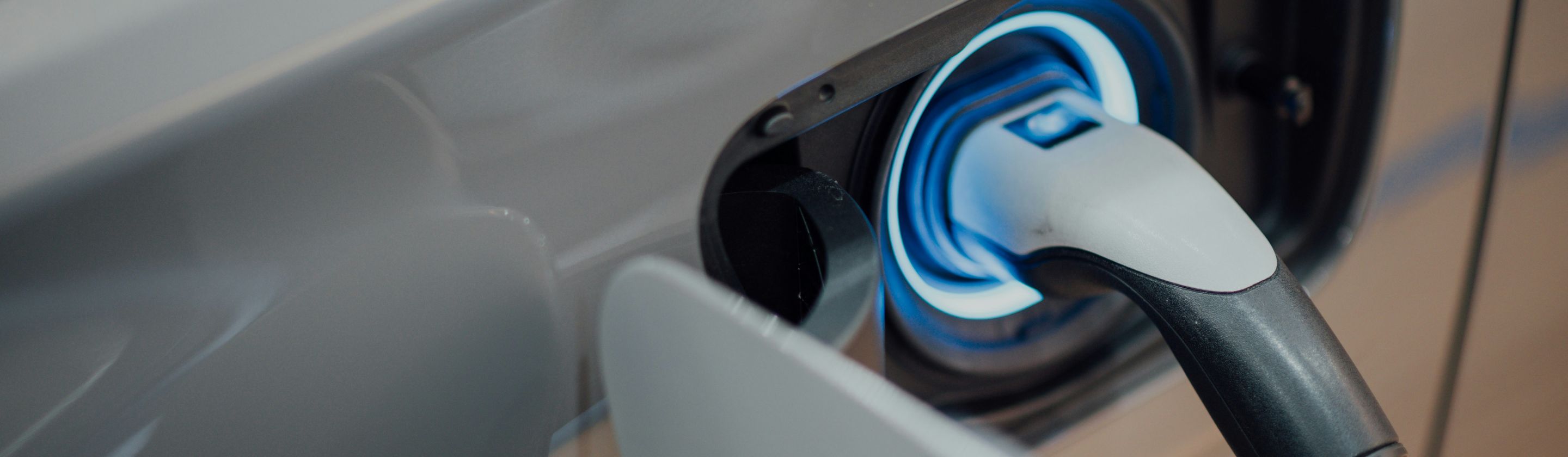
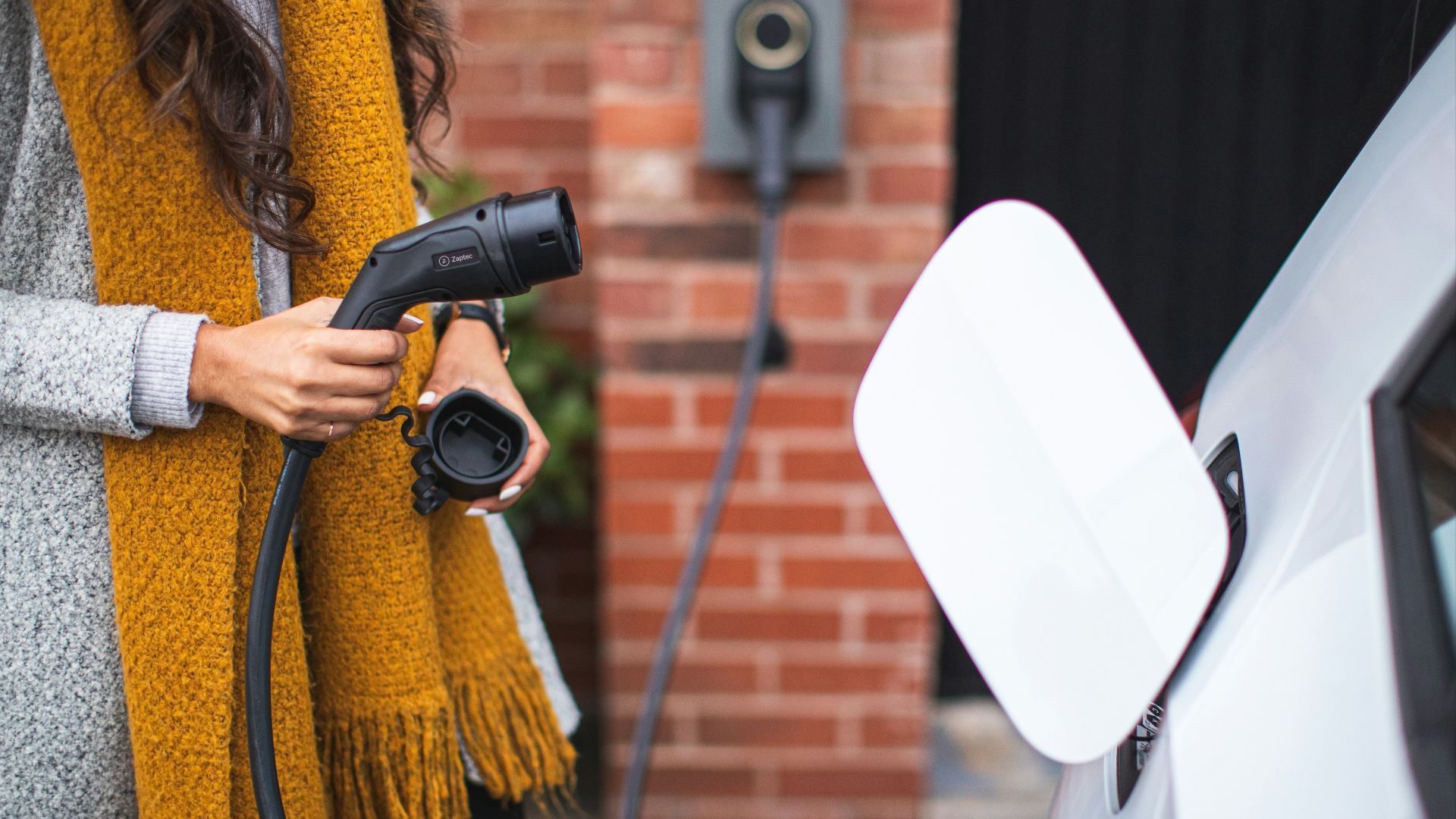
You can’t build a top-tier EV market if charging feels like a treasure hunt. Denmark leaned into real expansion rather than just promising it, with both public and private players pushing installations into everyday places. The European Alternative Fuels Observatory notes major private buildouts, including plans from companies like PowerGo to install large numbers of public chargers across Denmark.
A Denmark country profile from the EV TCP reports that in 2024, DC fast-charging outlets grew sharply, with a reported 90% increase compared to 2023, while AC charging also expanded with more locations added. That kind of growth changes how drivers plan their day, because charging stops start feeling normal rather than risky. Once people trust the network, EV ownership becomes less of a lifestyle choice and more of a normal car choice.
Denmark also uses building rules to bake charging into the future. EAFO’s policy summary describes building requirements and pre-cabling expectations for certain buildings and parking areas, which helps reduce the problem of needing to add chargers later. When charging access becomes part of standard construction logic, you stop relying on wasteful infrastructure catch-up. Over time, that kind of planning makes the system feel inevitable in a good way.
Climate policy gave the market a clear long-term direction
Denmark’s EV story makes more sense when you zoom out to the country’s climate framework. Denmark’s Climate Act set a target of reducing domestic greenhouse gas emissions by 70% by 2030 compared with 1990 levels. That kind of national goal shapes transport policy choices. When a country commits to a target publicly, it creates accountability and pressure to align taxes, infrastructure, and messaging so they pull in the same direction. Drivers may not quote climate law at the dealership, but they feel the effects through incentives and planning.
Denmark is a country where "climate action" is more than just a buzzword; a European Parliament briefing notes Denmark’s strong performance in climate rankings and its governance setup, including independent assessment through the Danish Council on Climate Change. That institutional seriousness matters because it reduces the whiplash that can happen when policy changes every time politics gets noisy. Stable direction makes it easier for consumers and businesses to commit.
The best proof that the approach worked is that momentum continued beyond the first big milestone. Reporting on Denmark’s market trend shows that after crossing 50% in 2024, the EV share pushed higher in early 2025, including months where EVs took roughly two-thirds of new sales. When adoption keeps rising after the “headline year,” it usually means the market isn’t being dragged forward by one-time hype. It means the system is doing what it was designed to do.