
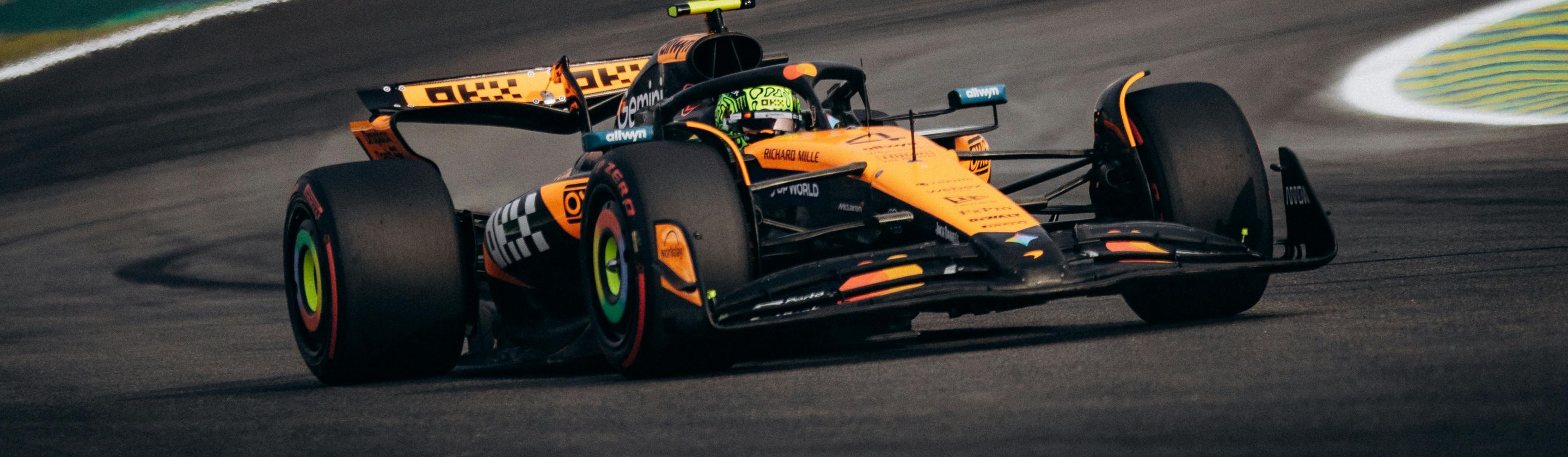

Formula 1 drivers endure some of the most extreme physical conditions in professional sports. Strapped into a cockpit barely bigger than a bathtub, they experience forces that make a rollercoaster feel like a gentle Sunday drive. Their heart rate hammers at about 180 beats per minute, the ambient temperature hovers around 50°C, and they're pulling 5Gs through every corner while making split-second decisions at 200 mph.
The human body wasn't designed for this kind of punishment, which is exactly why F1 drivers are forced to follow some of the most demanding training regimens in any sport. These athletes—and make no mistake, they are athletes—must condition themselves to withstand forces that would leave most people unconscious within minutes.
The Neck: Building A Foundation Of Steel
The most critical and punishing aspect of F1 training focuses on the neck. During heavy braking zones, drivers experience deceleration forces up to 6G, meaning their head and helmet—weighing about 7 kilograms combined—suddenly feel like 42 kilograms trying to snap their neck forward.
Through high-speed corners, lateral forces create similar stress. To survive an entire race weekend, drivers need necks capable of supporting these extreme loads for hours. Neck training involves specialized equipment that would look at home in a medieval torture chamber. Drivers use custom harnesses attached to weighted cables, performing hundreds of repetitions in all directions.
Lewis Hamilton reportedly does neck exercises with up to 25 kilograms of resistance. Many drivers also use a device called a "neck collar" that provides constant resistance during regular workouts, turning every gym session into neck conditioning. This training is so specific to motorsport that drivers often have visibly thicker necks than other athletes their size.
Cardiovascular Endurance
While neck strength gets the spotlight, cardiovascular fitness separates good drivers from great ones. During a typical race lasting nearly two hours, drivers maintain heart rates between 160–180 beats per minute—equivalent to running a half-marathon at race pace. The difference? They're doing this while experiencing extreme heat and G-forces, wrapped in multiple layers of fireproof clothing that prevents any cooling.
Drivers build this endurance through intense cardio sessions that mirror race conditions. Running and cycling form the foundation, but many incorporate high-intensity interval training that simulates the constant acceleration and braking of a race.
Core Strength And Reaction Training
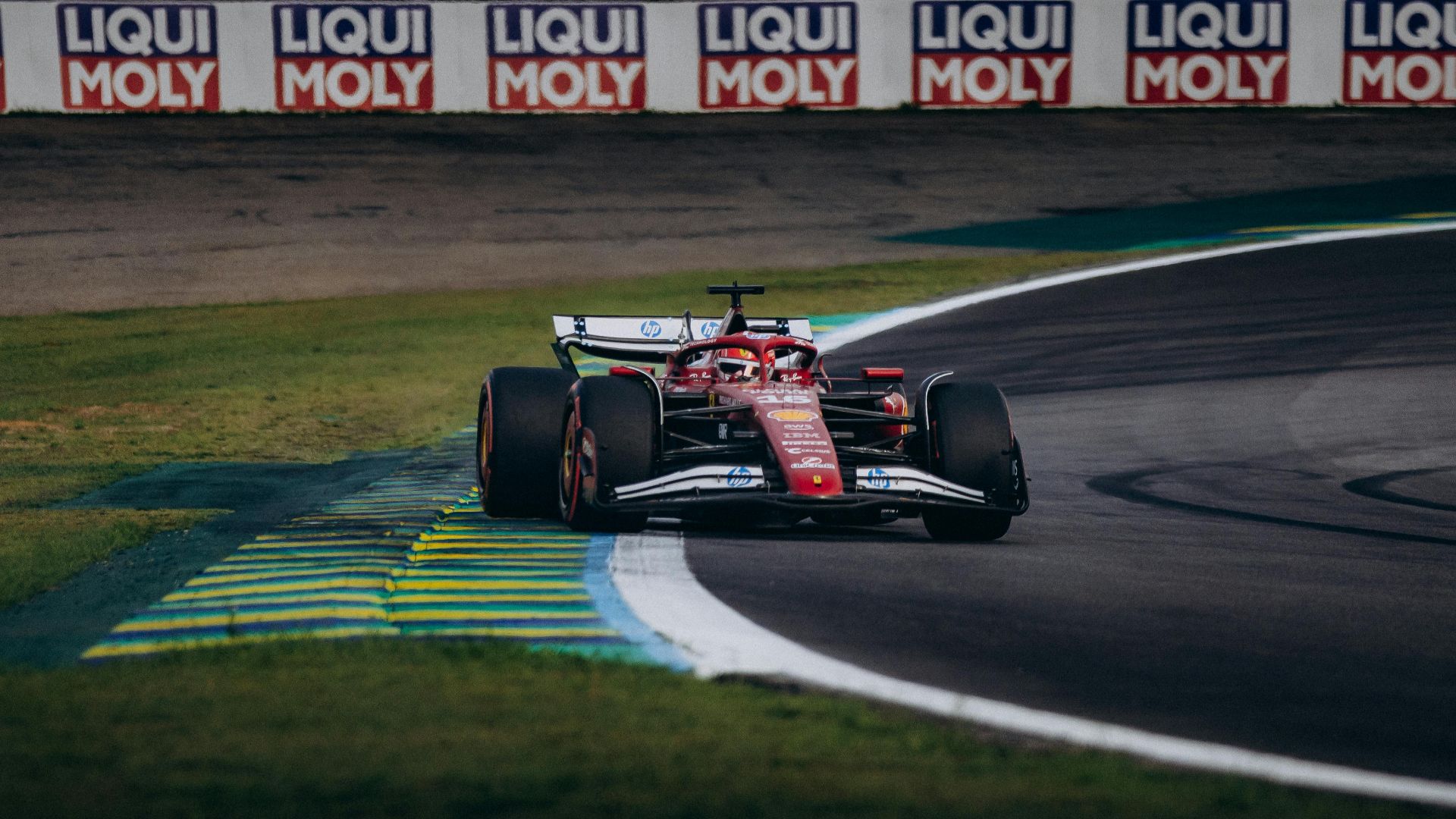
Beyond neck and cardio, drivers need exceptional core strength to maintain body position against G-forces and to support the constant steering inputs required. Modern F1 steering wheels require significant force to turn, especially at lower speeds, and drivers make thousands of these inputs per race while fighting lateral forces trying to throw them sideways.
Core training involves heavy compound lifts, medicine ball work, and specialized exercises on vibration platforms that simulate car movements. But physical strength means nothing without razor-sharp reactions. Drivers spend hours on simulators and use specialized apps that test hand-eye coordination and reaction times.