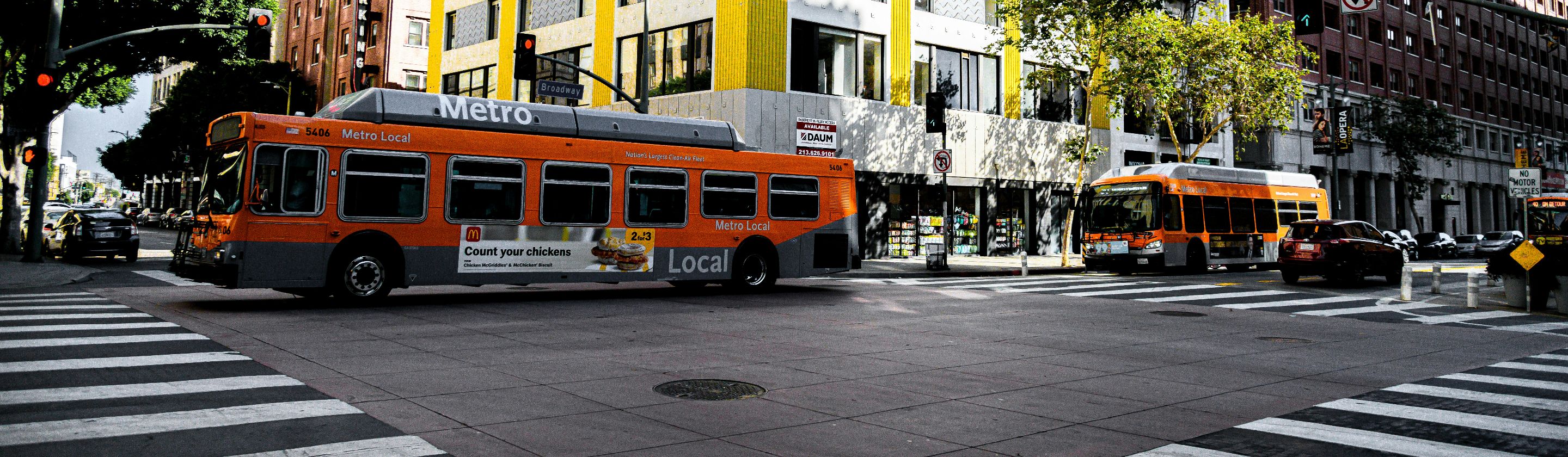
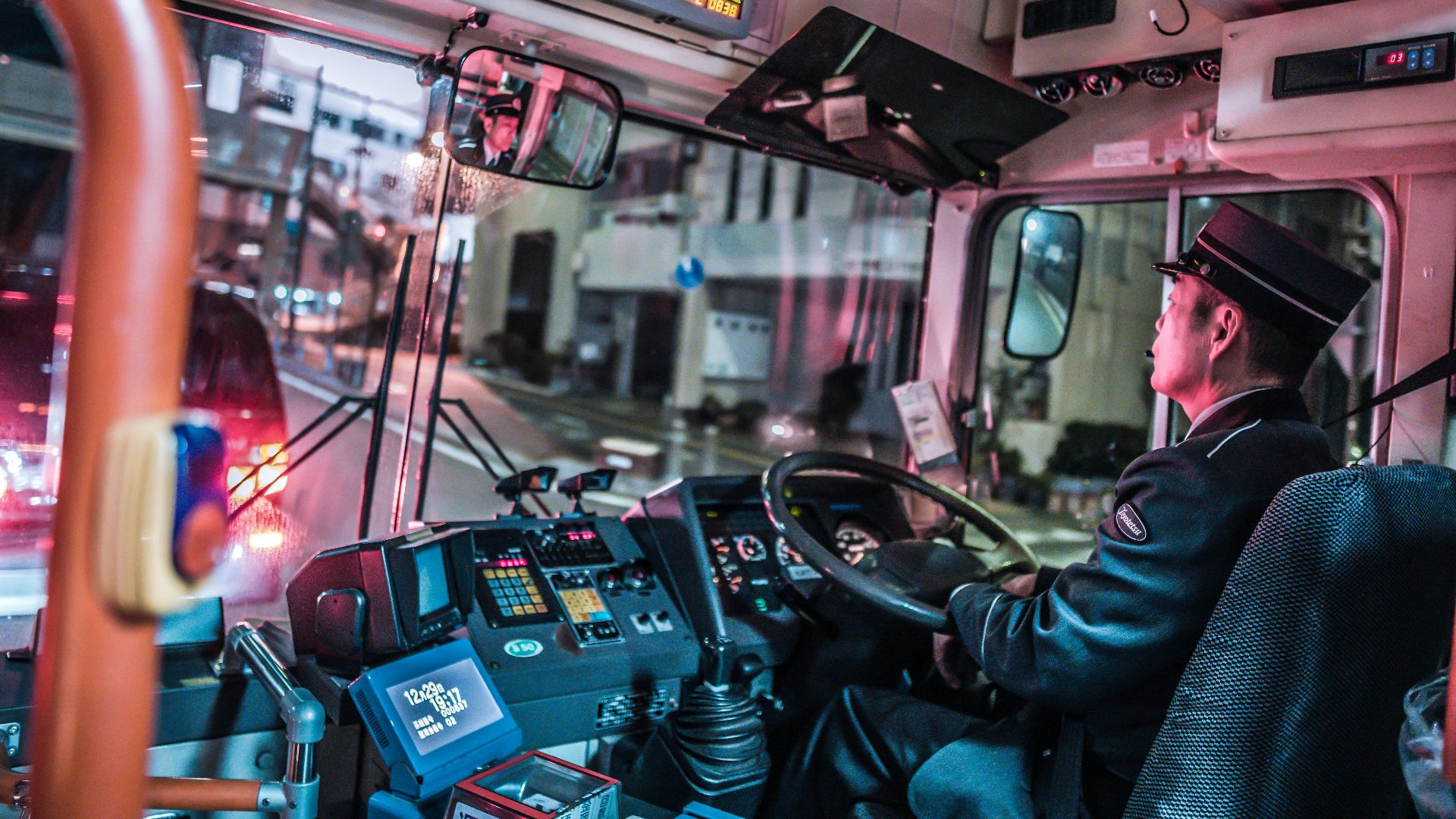
Just imagine you're sitting behind the wheel of a 40-foot vehicle weighing up to 38,000 pounds, responsible for dozens of lives while navigating rush hour traffic, dealing with aggressive drivers, and somehow staying on schedule.
Welcome to the daily reality of bus drivers, whose job is far more demanding than most people realize. Let's take a closer look at what it's really like.
The Physical Toll Of The Driver's Seat
Bus driving takes a serious physical toll. Based on the questionnaire analysis conducted by Gangopadhyay and Dev (2012), the study revealed that the bus drivers worked 8–10 hours daily over a 6-day work shift. The findings indicated that all participating drivers predominantly experienced low back pain.
The constant vibration from the road, combined with the awkward twisting required to check mirrors and blind spots, creates a perfect storm for musculoskeletal disorders. But the physical challenges don't stop there. Irregular meal times and limited bathroom access are harsh realities of the job.
Drivers often can't stop when nature calls, leading many to deliberately dehydrate themselves during shifts. This practice, while common, increases the risk of kidney problems and urinary tract infections. Add in the sedentary nature of driving, and you've got a job where cardiovascular disease rates run significantly higher than the general population.
Navigating The Human Element
If you think dealing with traffic is the hardest part, think again. Bus drivers are essentially customer service representatives trapped in a metal box with their clientele. They face verbal abuse, threats, and sometimes physical violence from passengers who are having bad days, running late, or simply looking for someone to blame.
The emotional labor is relentless. Drivers must maintain composure while dealing with fare disputes, intoxicated passengers, medical emergencies, and everything in between. They're expected to enforce rules without backup, mediate conflicts, and somehow keep a smile on their face. Many drivers describe feeling like social workers, security guards, and therapists rolled into one—none of which are in their job description.
The Pressure Cooker Of Time And Traffic
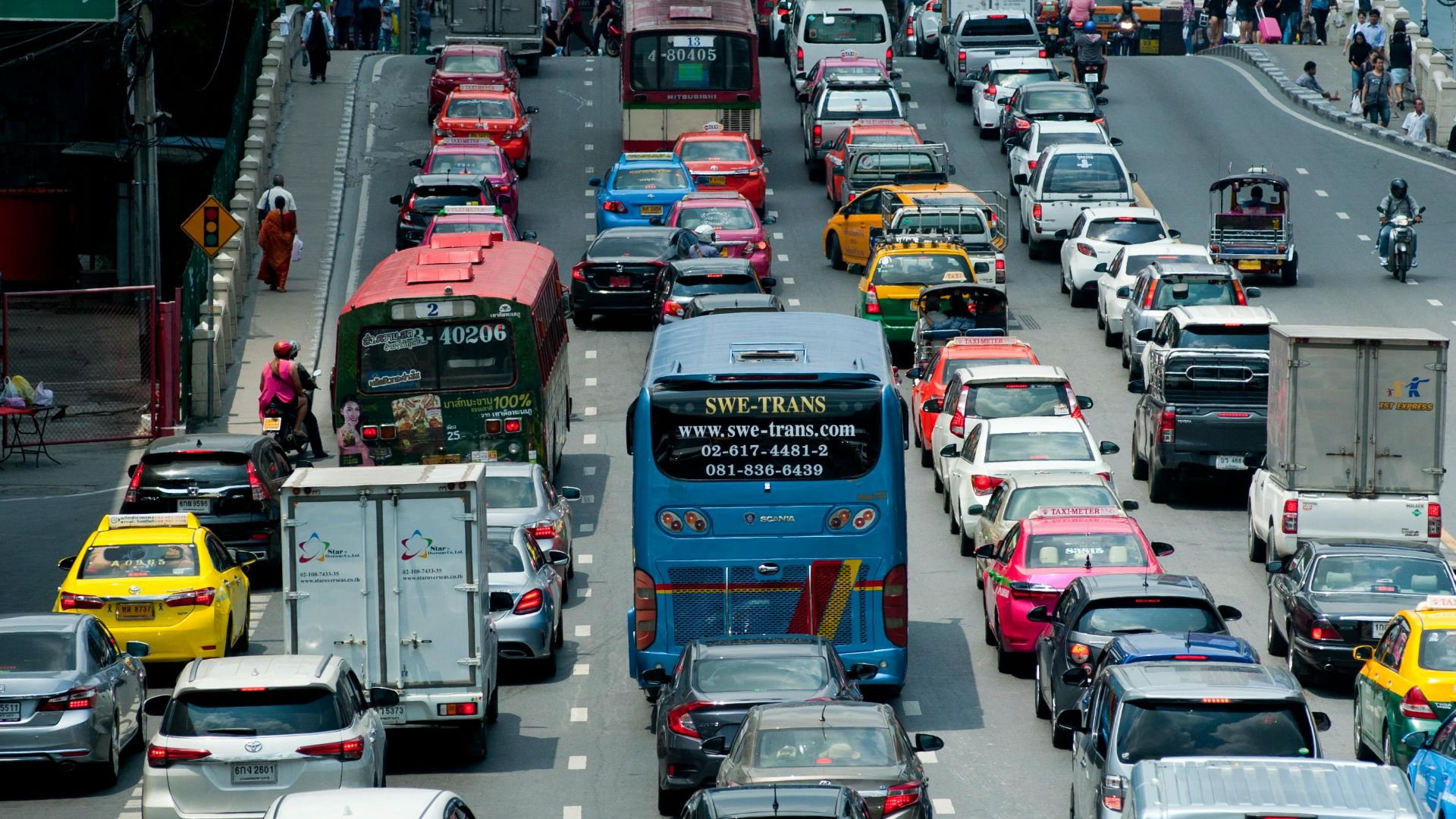
Schedule pressure creates a unique form of stress that compounds every other challenge. Drivers operate on razor-thin timetables that rarely account for real-world conditions like construction, accidents, or heavy passenger loads. Running late triggers a domino effect: frustrated passengers, missed connections, and potential disciplinary action. Yet speeding to make up time means risking everyone's safety and potential termination.
Traffic itself presents constant decision-making demands. Every intersection, every lane change, every merge requires split-second judgment while accounting for blind spots the size of entire vehicles. Throw in distracted drivers cutting off the bus, cyclists appearing from nowhere, and pedestrians stepping into traffic while staring at phones, and you've got a job where the margin for error is essentially zero. One mistake could mean catastrophe, and that weight sits on drivers' shoulders every single shift.
The next time you board a bus, remember: your driver isn't just steering a vehicle. They're managing a mobile pressure cooker while their body aches, their bladder screams, and someone in the back is yelling about being two minutes behind schedule.