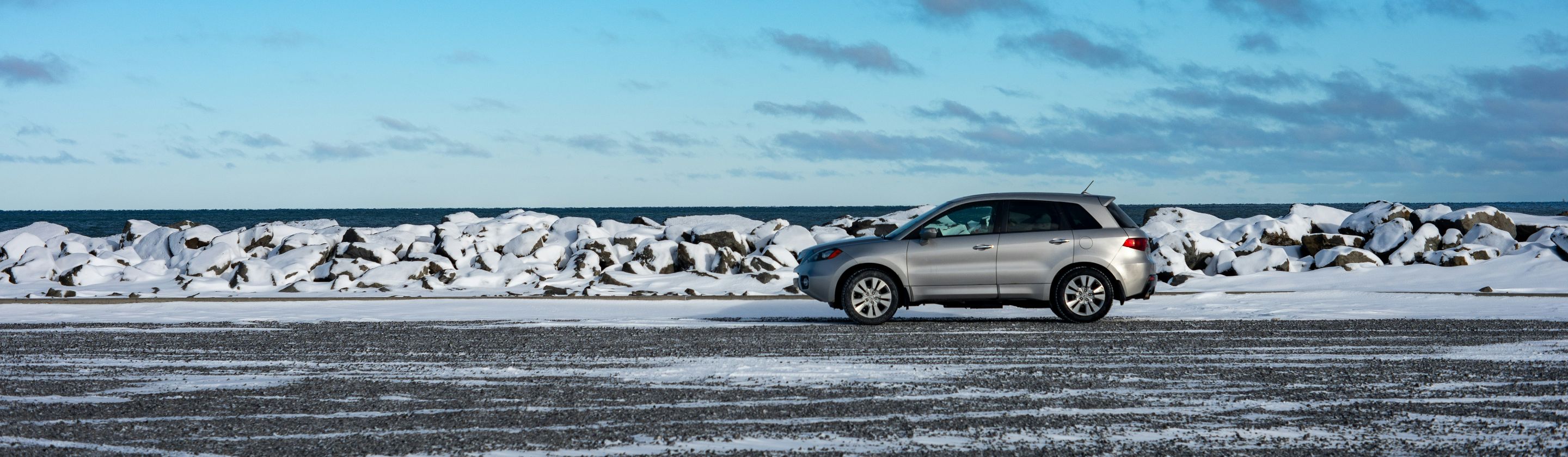
Safety Is Not the Cheap Part
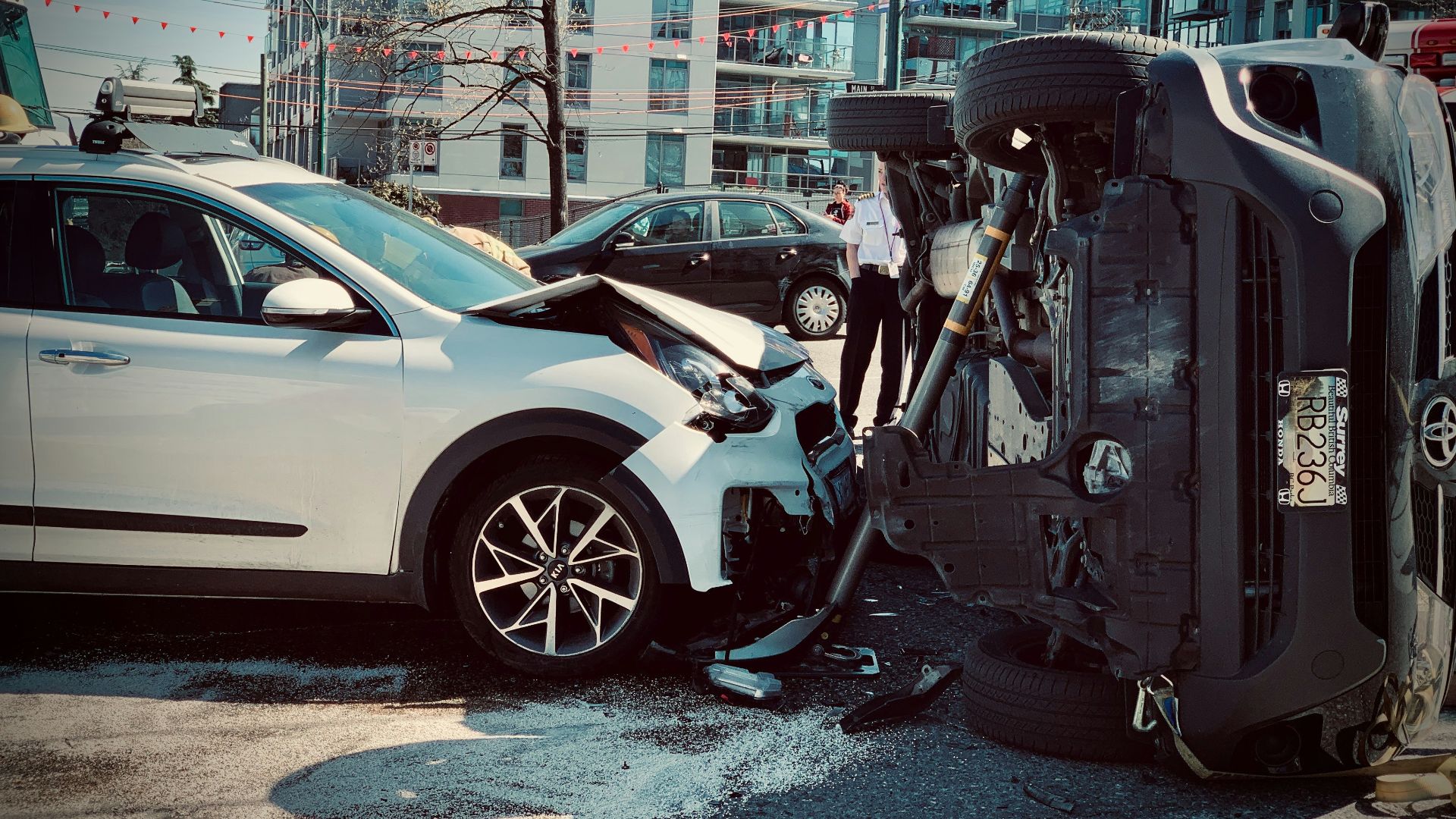
This is not a list of bad cars. It is a list of genuinely safe, highly rated vehicles that can get expensive the second a bumper, windshield, headlight, or mirror takes a hit. AAA says advanced driver-assistance systems can add up to 37.6% to repair costs after a crash, IIHS notes that those same crash-avoidance features can complicate repairs, and CCC says newer vehicles can cost more than $1,000 extra to fix in drivable front-end collisions because of sensors, labor, and parts. So yes, safe is good. Safe just does not always mean cheap once the estimate starts growing line by line. Here are 20 that prove it.
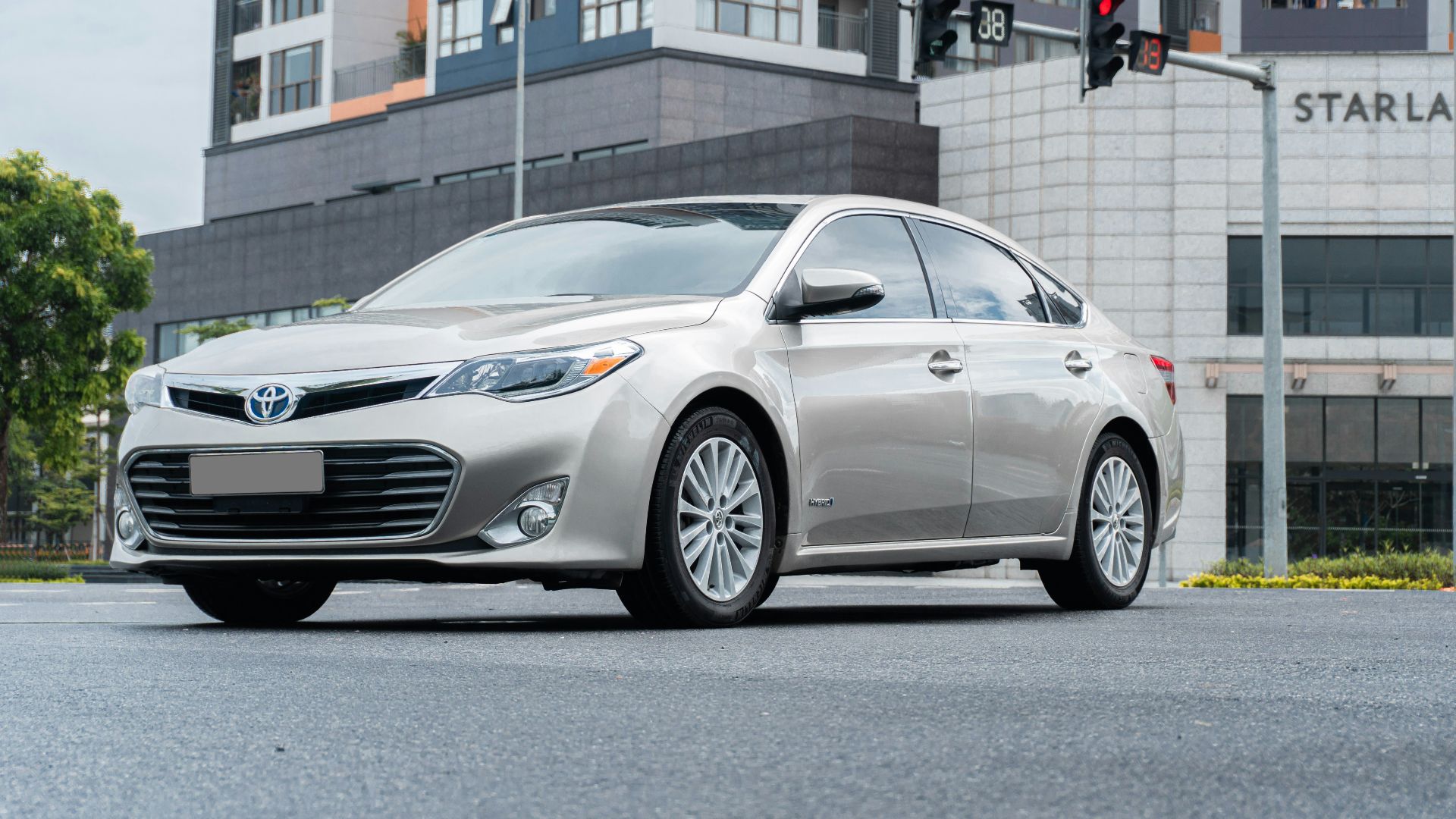
1. Toyota Camry
The Camry has become one of those cars people still think of as sensible in every possible way. It is sensible, right up until a fairly normal front-end hit turns into bumper work, camera checks, radar calibration, and headlight pricing that feels a lot less “basic sedan” than it used to.
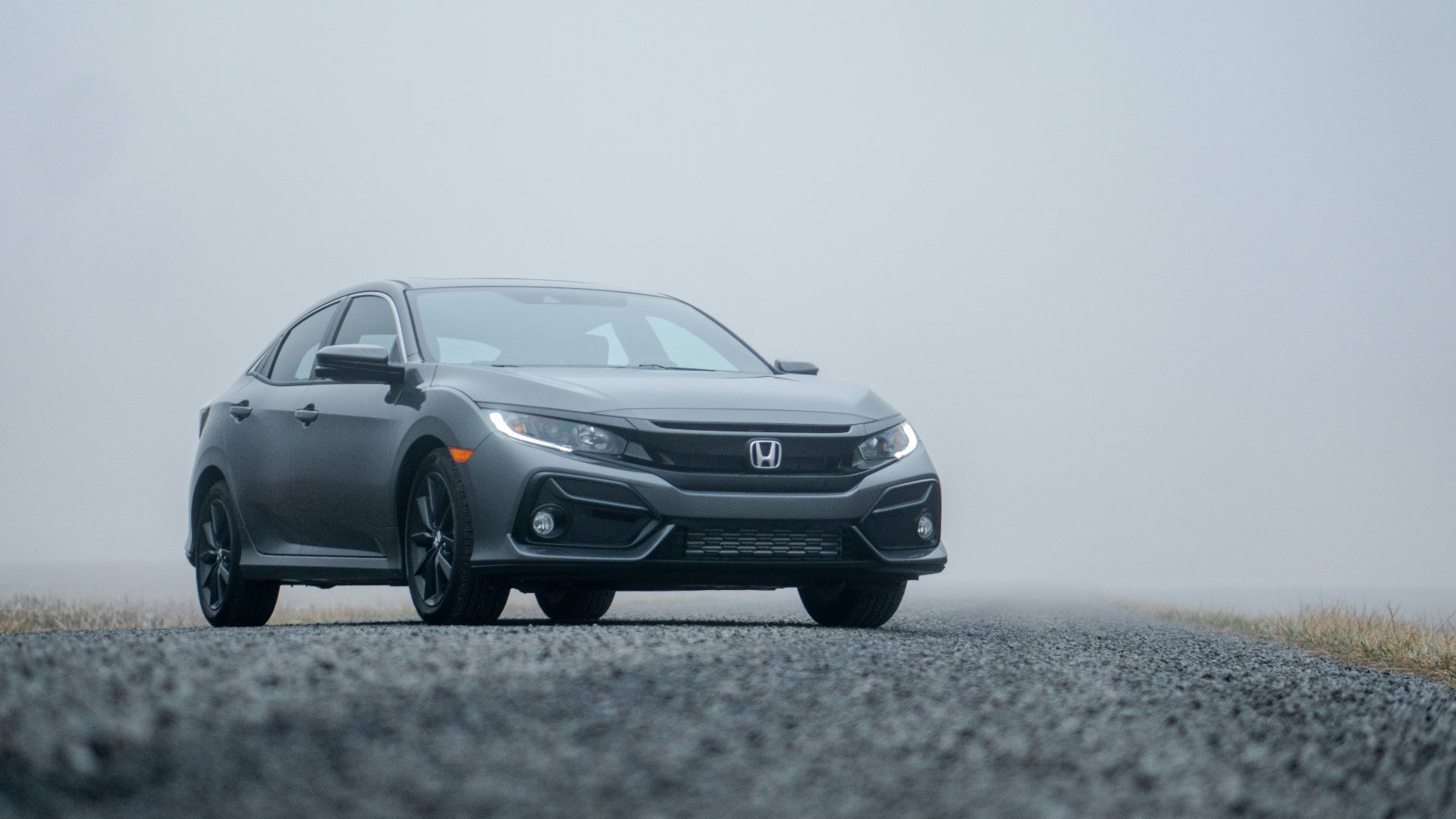
2. Honda Accord
The Accord still gives off reliable grown-up energy, which can make people assume repairs will stay in the reasonable lane. But this is a modern safety-heavy midsize car now, and modern safety-heavy midsize cars have a habit of making minor-looking damage feel strangely major once the tech gets involved.
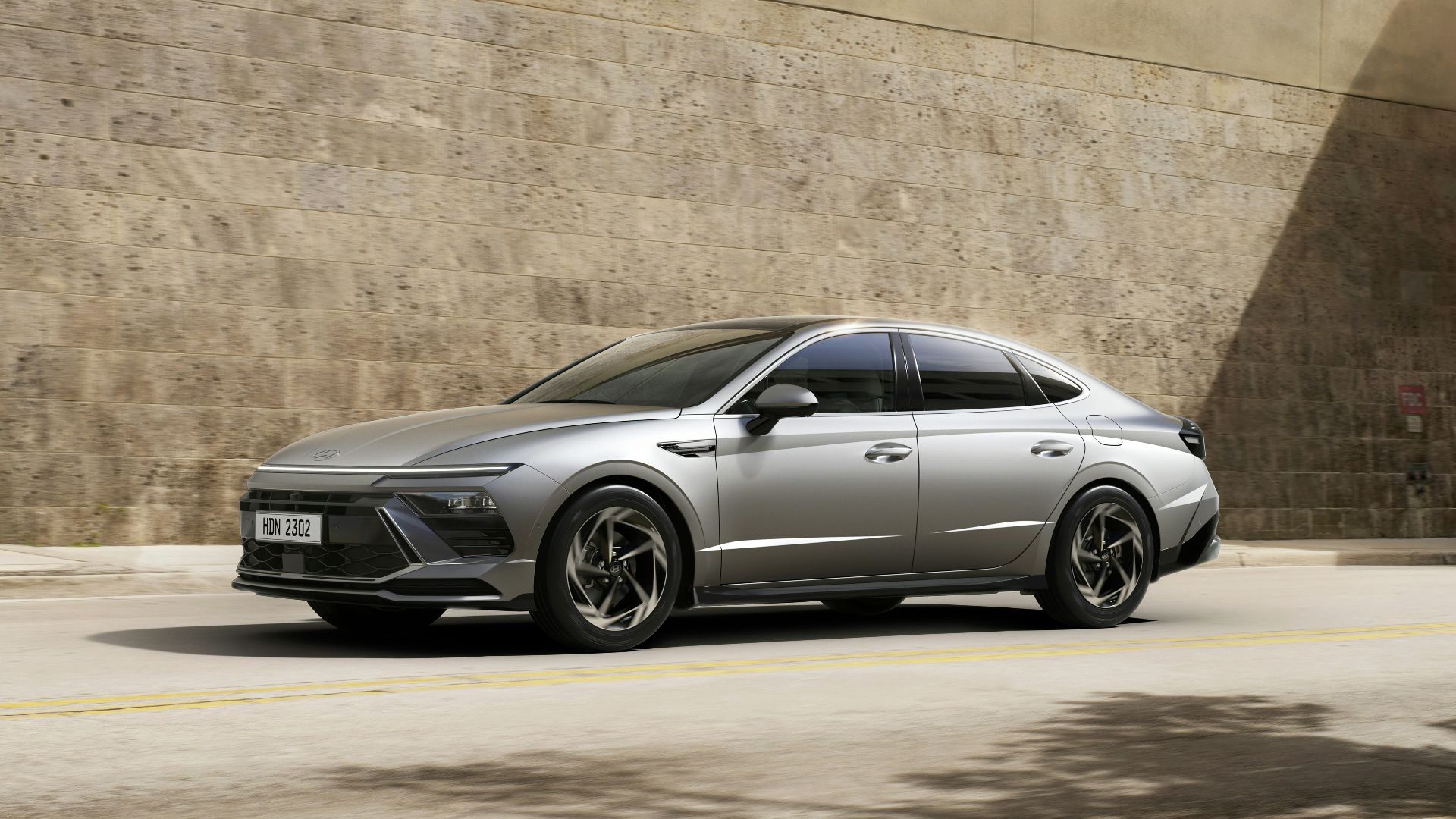
3. Hyundai Sonata
The Sonata looks sleek enough that you already expect some expensive parts, and that instinct is usually correct. Between the lighting, the driver-assistance hardware, and the fact that today’s safer front ends carry more than just painted plastic, a modest crash can stop being modest in a hurry.
 Hyundai Motor Group on Unsplash
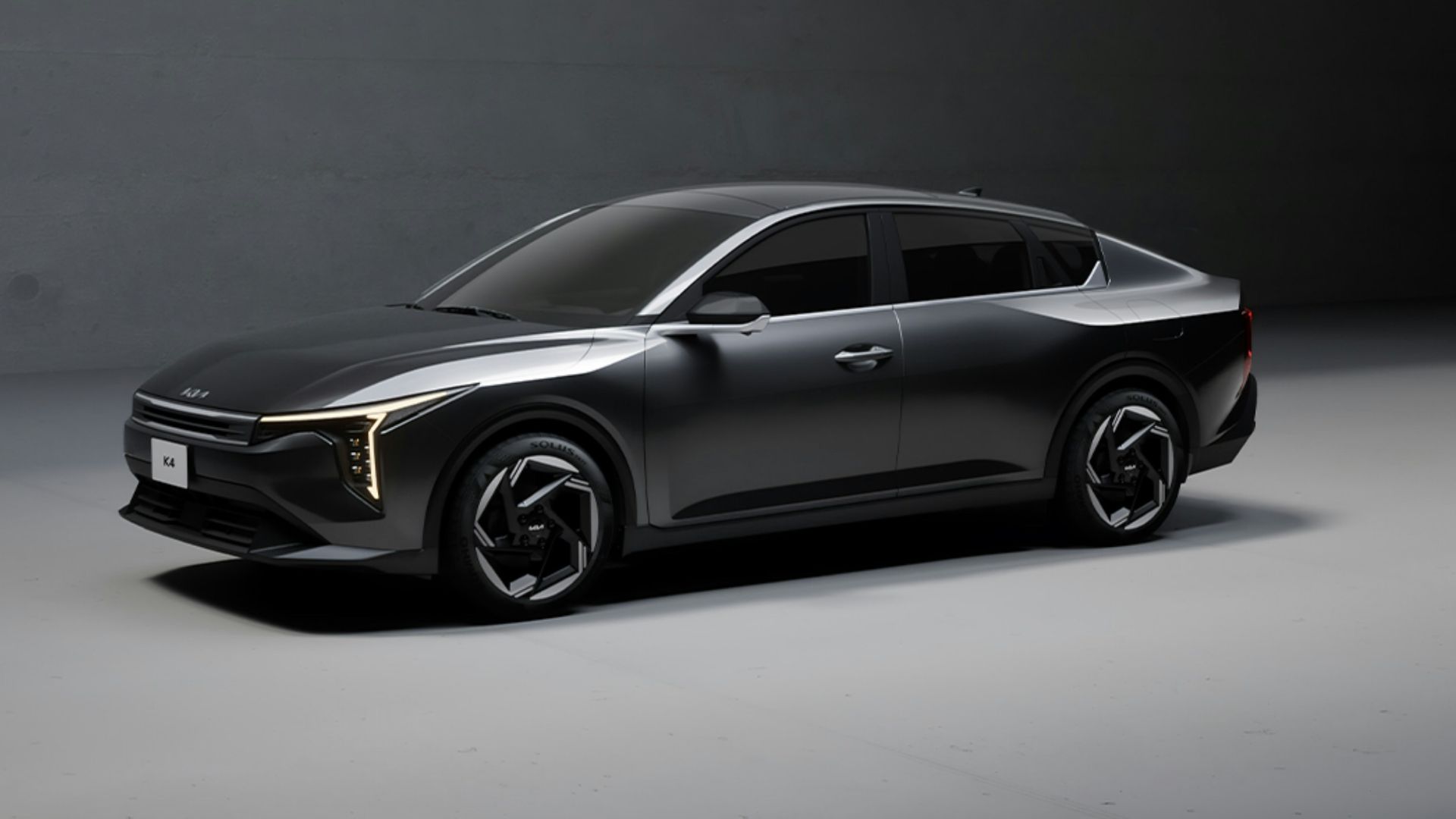
4. Kia K4
The K4 is the kind of car that can fool people because it sits in the affordable compact lane. The sticker may say one thing, but once you add standard crash-prevention tech, modern lighting, and the usual calibration work after repairs, the body-shop math starts acting like the car moved upmarket without telling you.
 Hyundai Motor Group on Unsplash
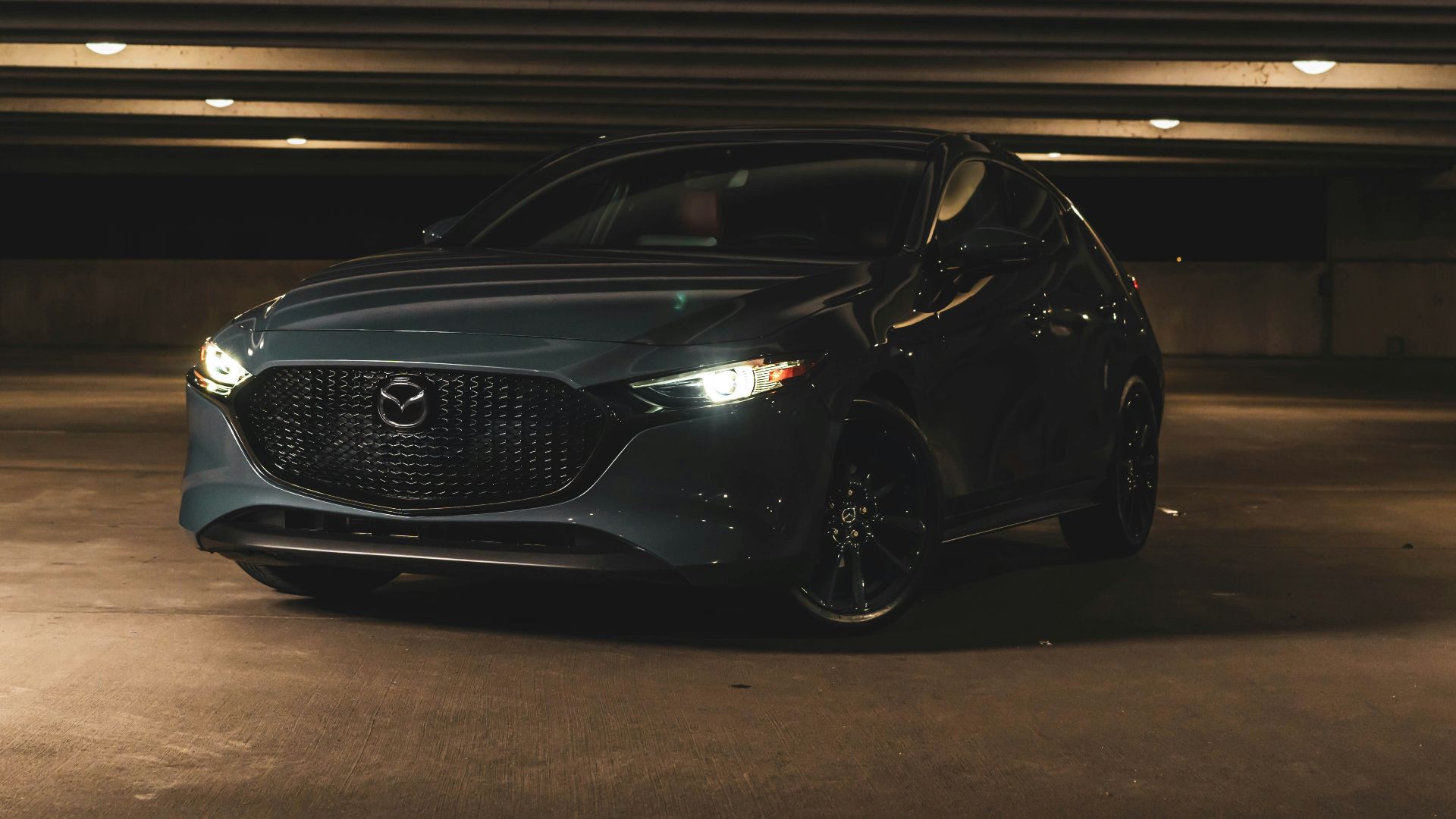
5. Mazda 3
The Mazda 3 has been doing that polished, almost entry-luxury thing for a while now, and repairs tend to follow that mood. It is still a compact car, but it is not a stripped-down compact car, which matters when a hit means you are paying for styling, safety gear, and the labor that comes with both.
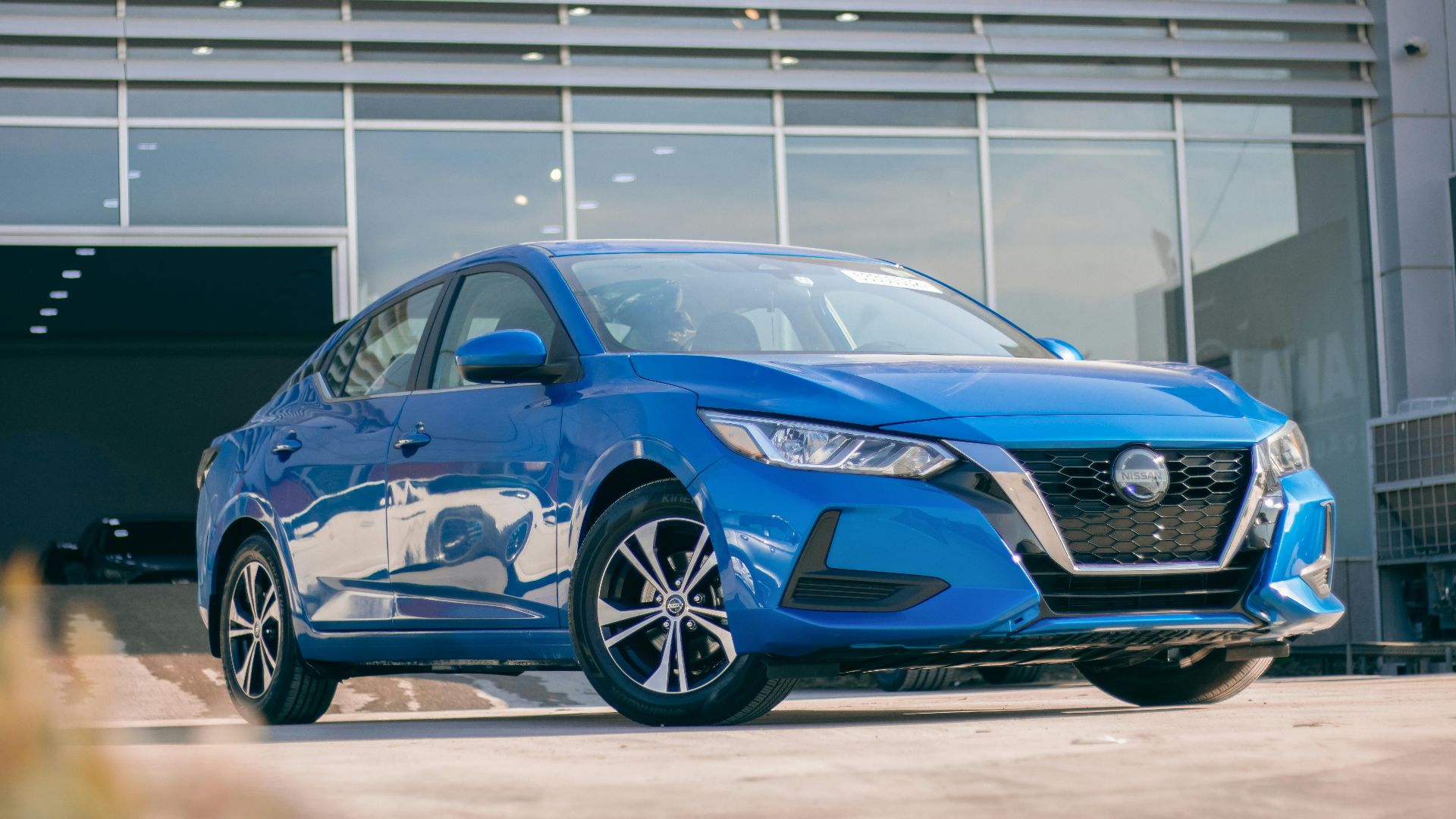
6. Nissan Sentra
The Sentra is another one that can catch people off guard because the old mental model says small sedan equals cheap fix. That logic breaks down fast with newer crash-avoidance systems, better headlights, and front-end hardware that has to do a lot more than survive a parking lot tap.
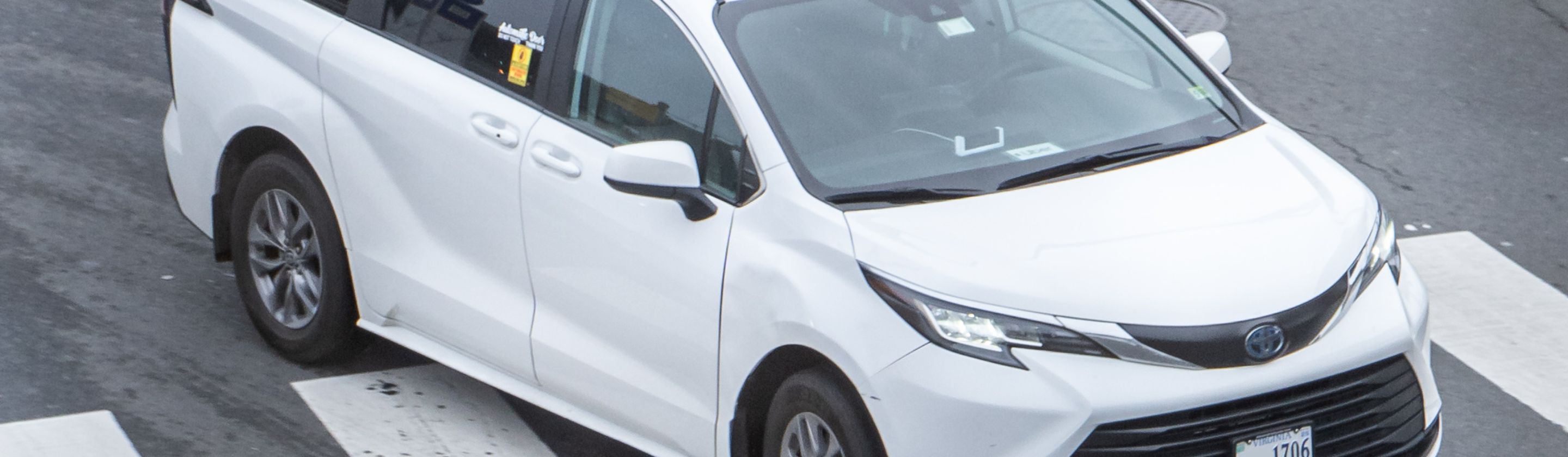
7. Toyota Prius
The Prius has always attracted practical buyers, but practical does not mean simple anymore. A car this aerodynamic and this packed with modern safety gear can turn front-end and windshield repairs into a much fancier bill than the old Prius reputation would have you expect.
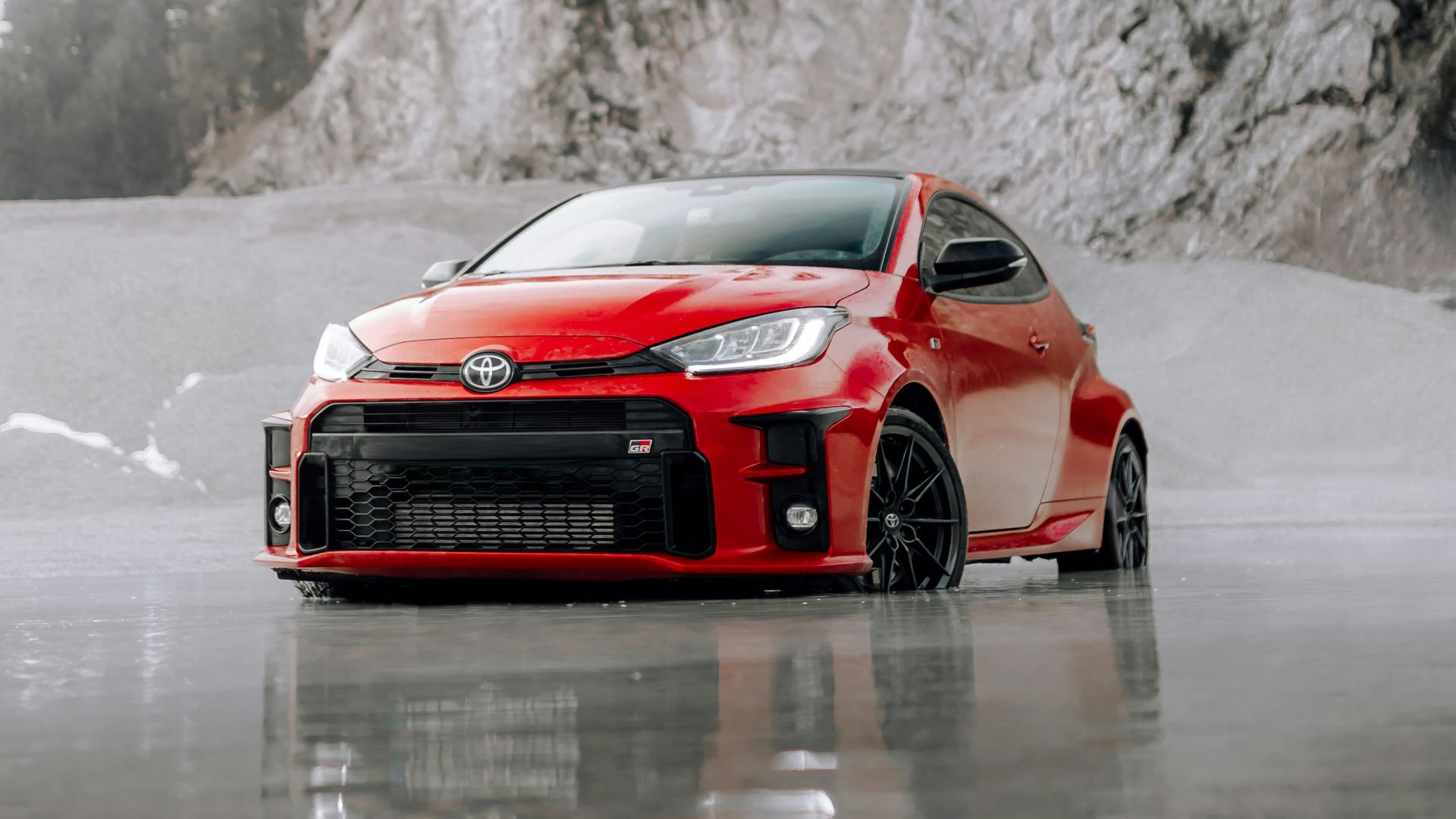
8. Audi A5
The Audi A5 is exactly the kind of safe luxury car that looks composed after a crash and then quietly destroys your expectations later. Premium lighting, premium glass, premium sensors, and premium labor rates have a way of making even a contained repair feel like an event.
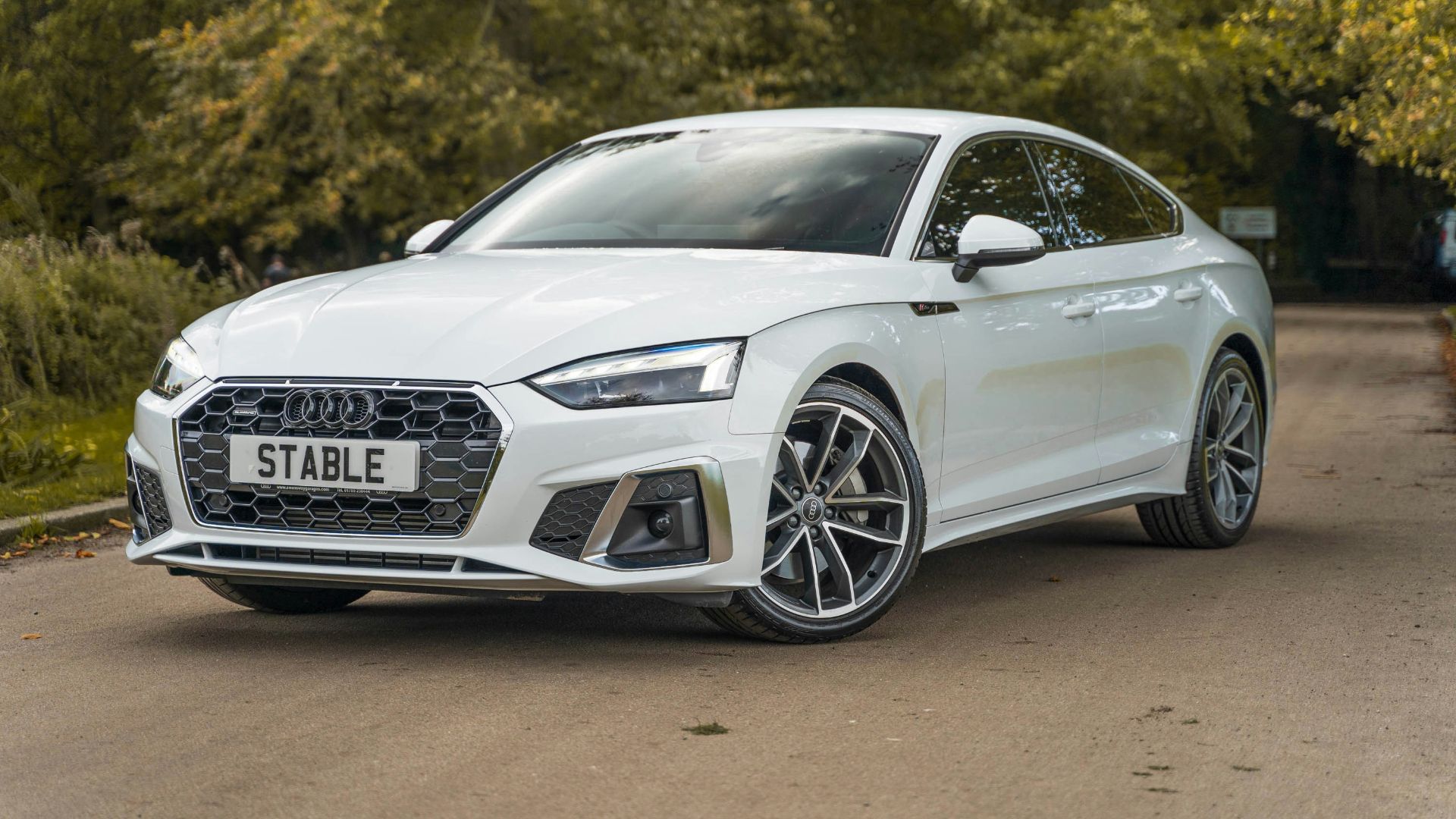
9. Genesis G80
The G80 has the calm, expensive confidence of a car that does not do anything cheaply, including getting repaired. Once a safe luxury sedan is filled with cameras, radar, driver-assistance calibration needs, and polished exterior hardware, a crash estimate can start reading like it has a personal grudge.
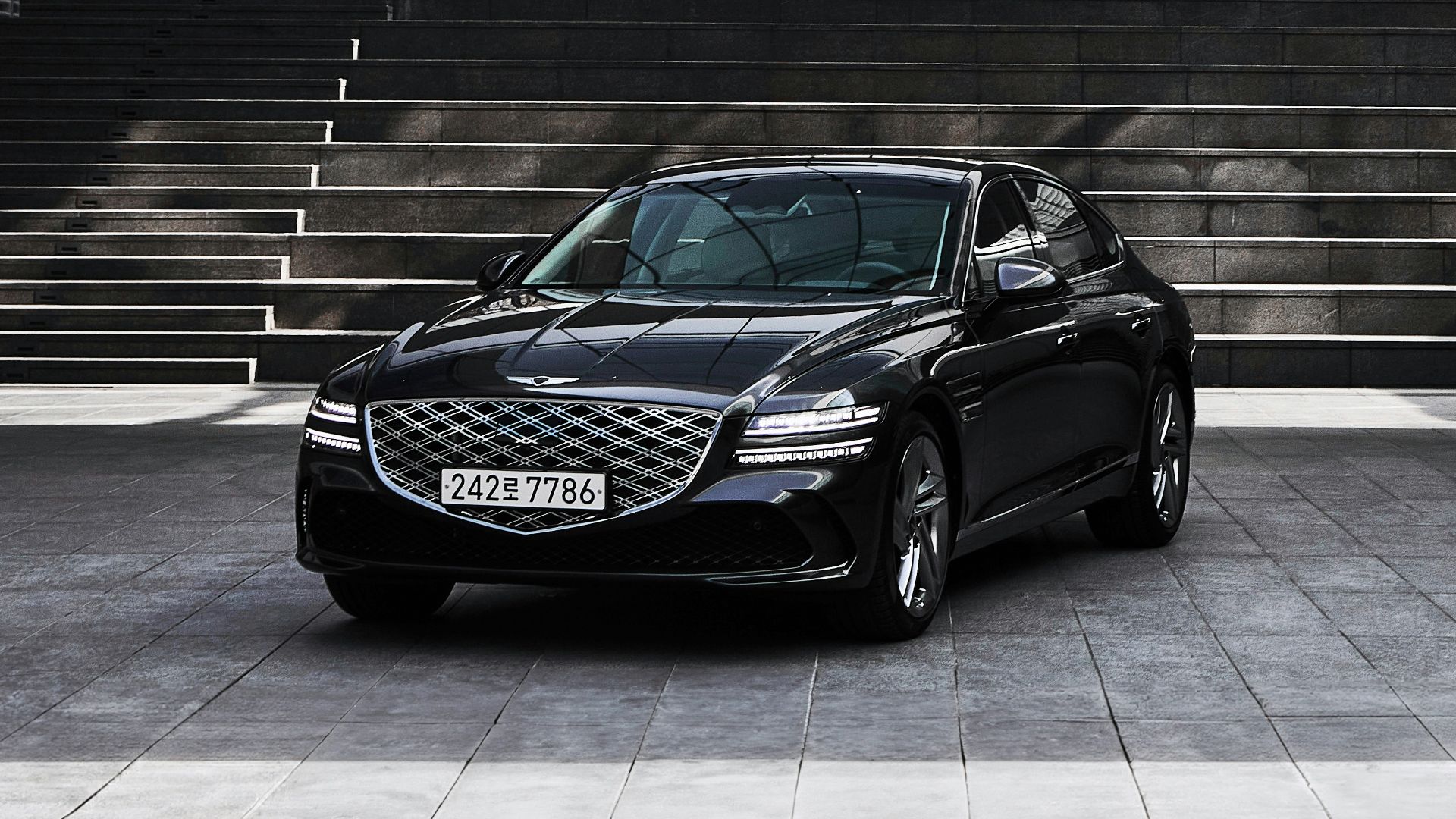 Hyundai Motor Group on Unsplash
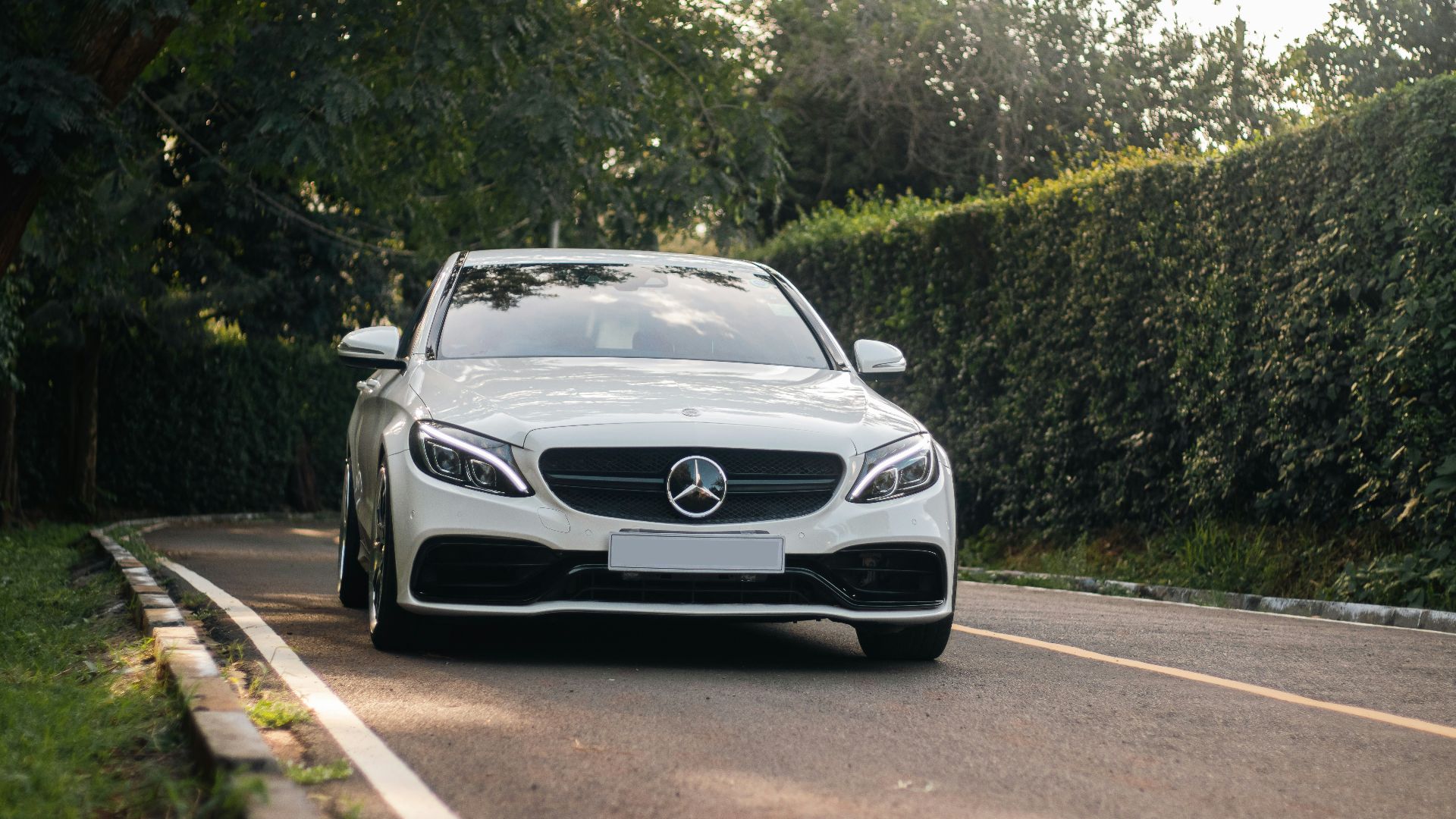
10. Mercedes-Benz C-Class
The C-Class has strong safety credentials, but nobody should confuse that with bargain crash repairs. Luxury-brand parts, technology-heavy trim, and the usual post-collision scans and calibrations mean the car can be fully right for the road again only after the invoice has made its point.
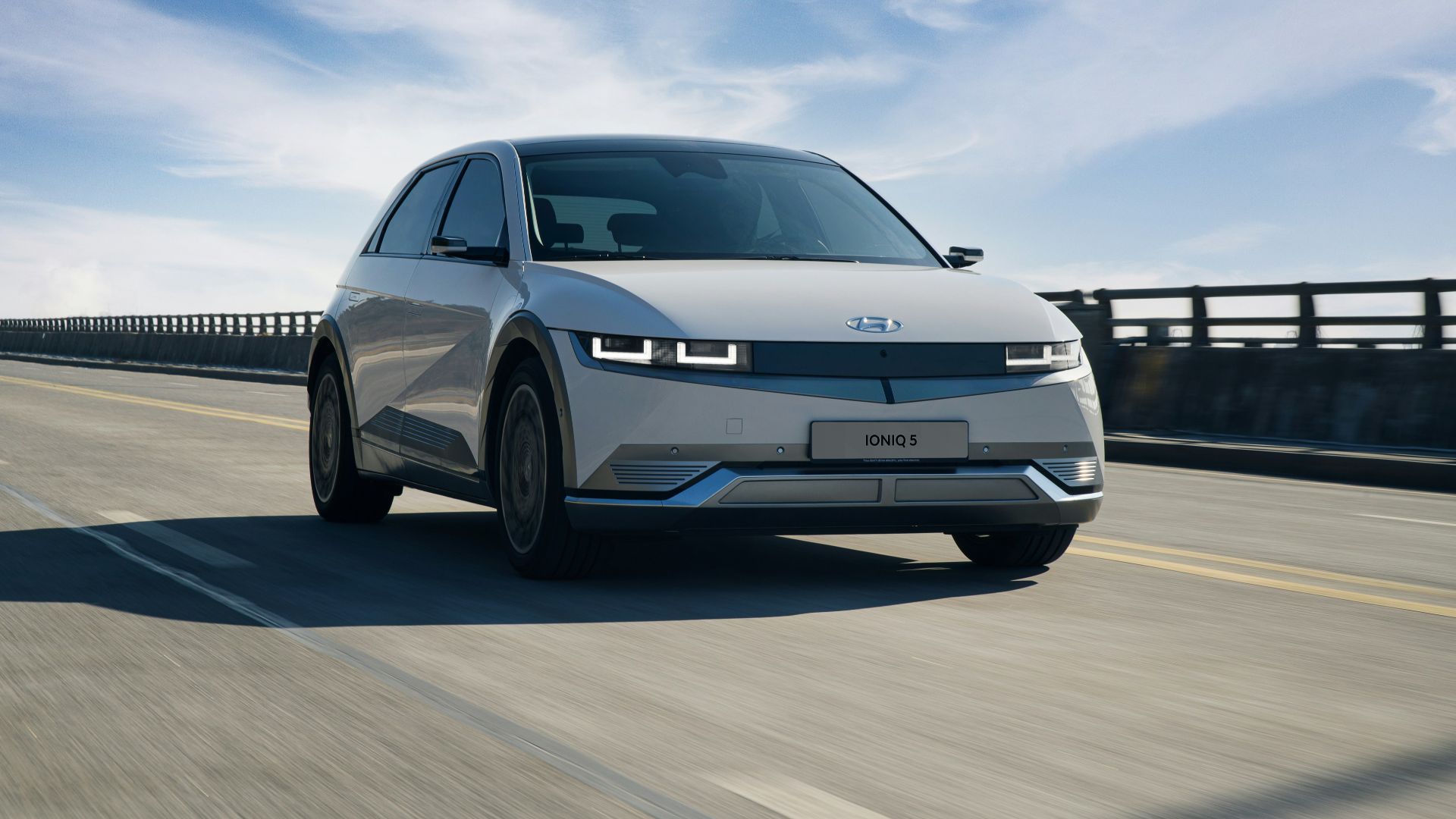
11. Hyundai Ioniq 5
The Ioniq 5 looks clean and futuristic, and crash repairs tend to follow that same futuristic energy straight into your wallet. Mitchell and CCC both point to EV-specific repair complexity and higher repair demands, which is exactly the kind of backdrop that makes a safe, tech-heavy electric crossover expensive to put right after a hit.
 Hyundai Motor Group on Unsplash
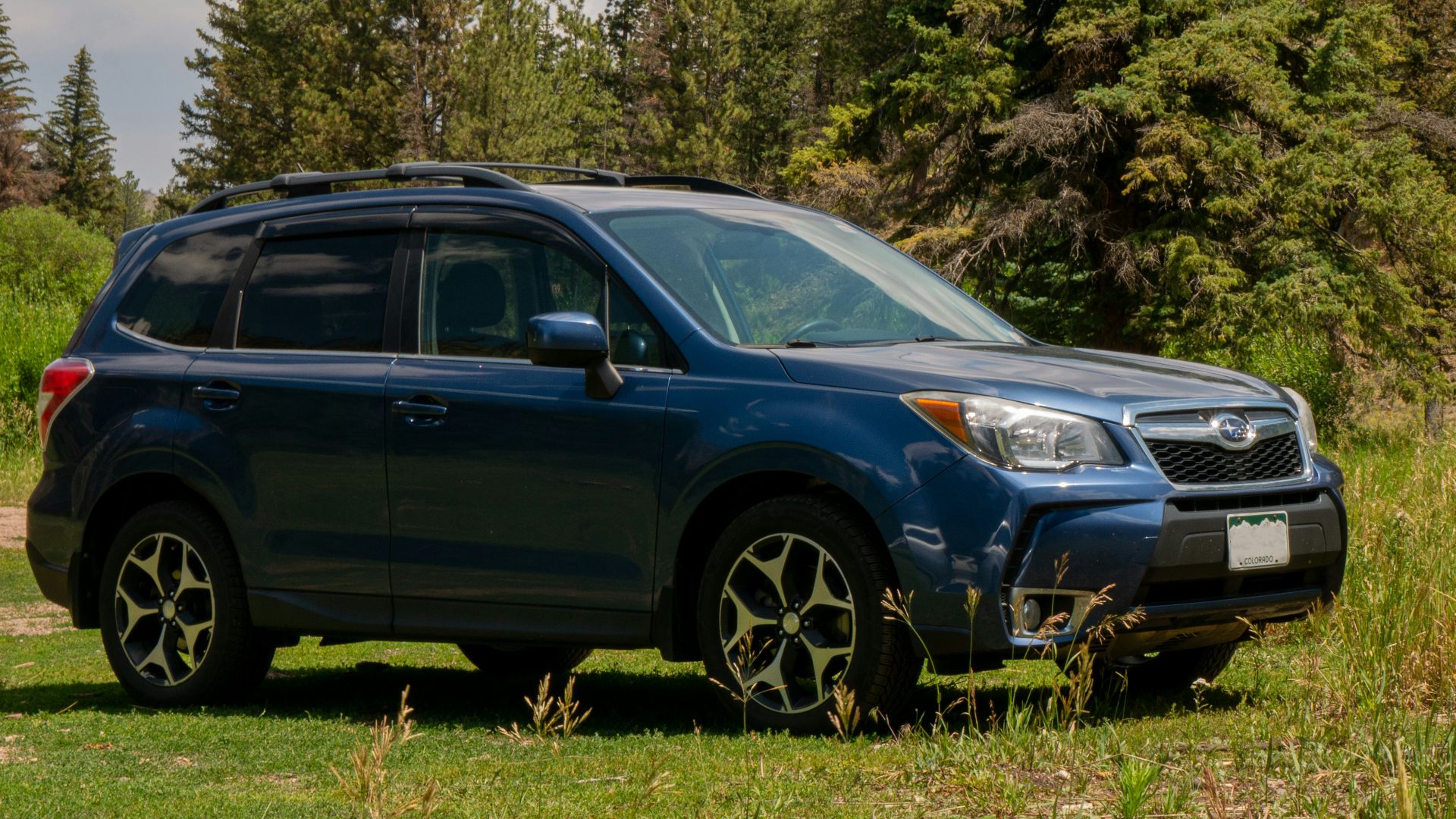
12. Subaru Forester
The Forester still feels like the sensible outdoorsy answer to almost every car question, which is part of why this stings. The problem is that sensible now includes a lot of windshield and driver-assistance dependency, and those are the kinds of repairs that stop being small once calibration enters the chat.
 Andrew Van Hofwegen on Unsplash
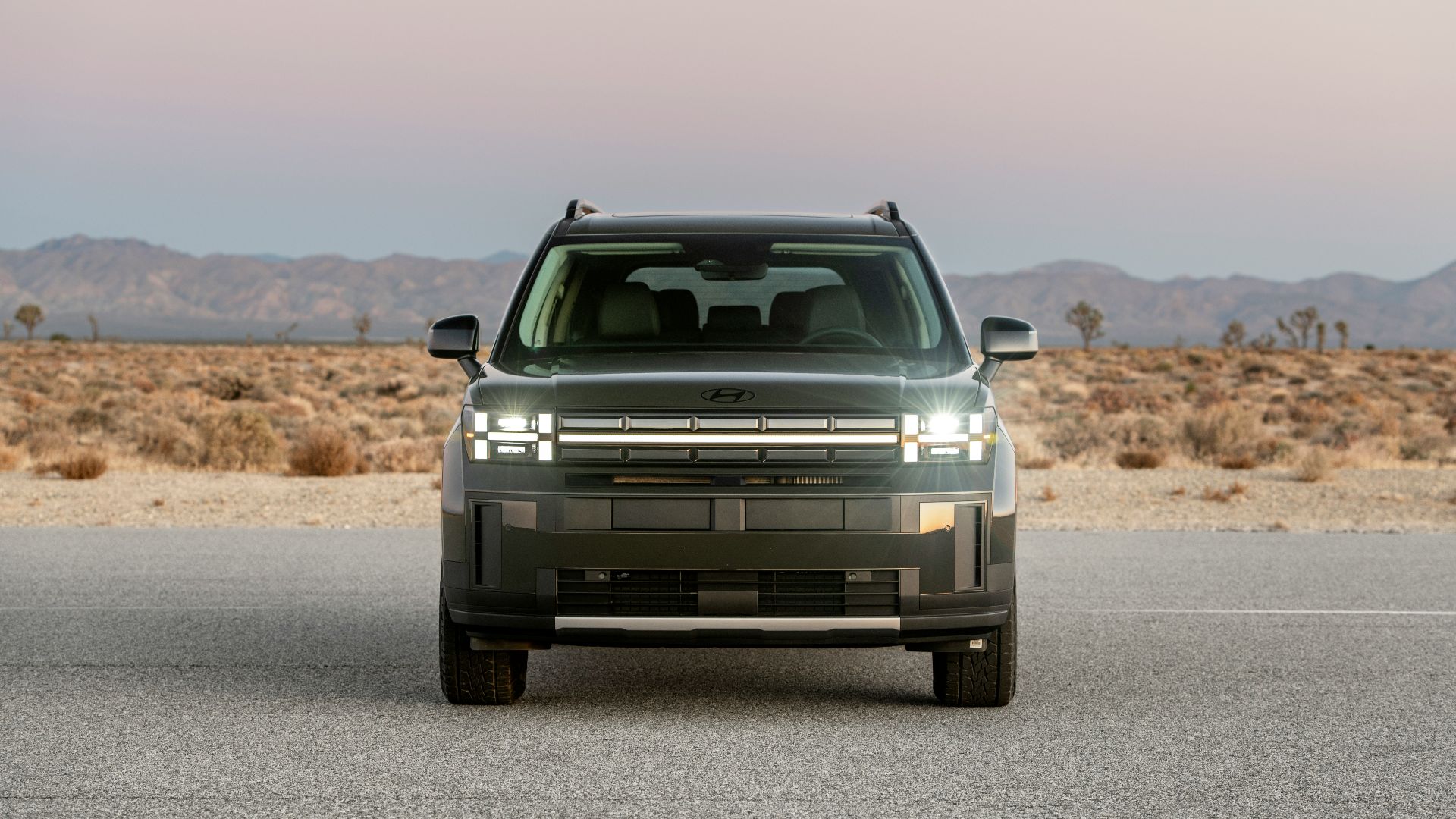
13. Hyundai Santa Fe
The Santa Fe is a big family SUV with the kind of safety reputation that makes people feel good loading kids, bags, and snacks into it. It is also a big modern SUV, and big modern SUVs do not brush off bumper, mirror, or lighting damage the way older family haulers used to.
 Hyundai Motor Group on Unsplash
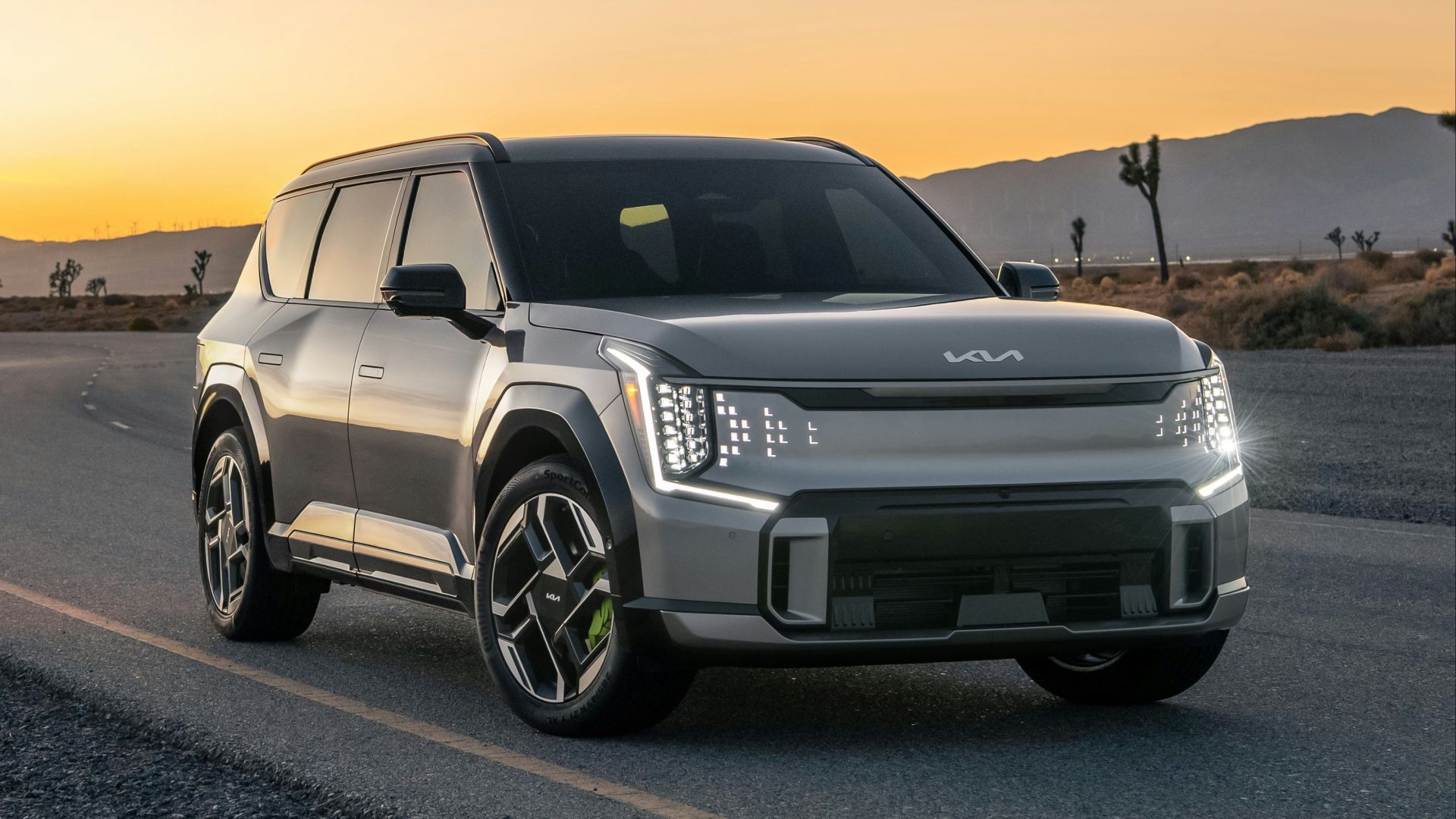
14. Kia EV9
The EV9 is impressive, safe, and full of exactly the kind of stuff that makes collision repair feel serious fast. It has the usual ADAS complexity, the usual EV repair pressures, and the usual three-row-SUV reality that nothing on the outside is especially small, cheap, or easy to replace.
 Hyundai Motor Group on Unsplash
15. Subaru Outback
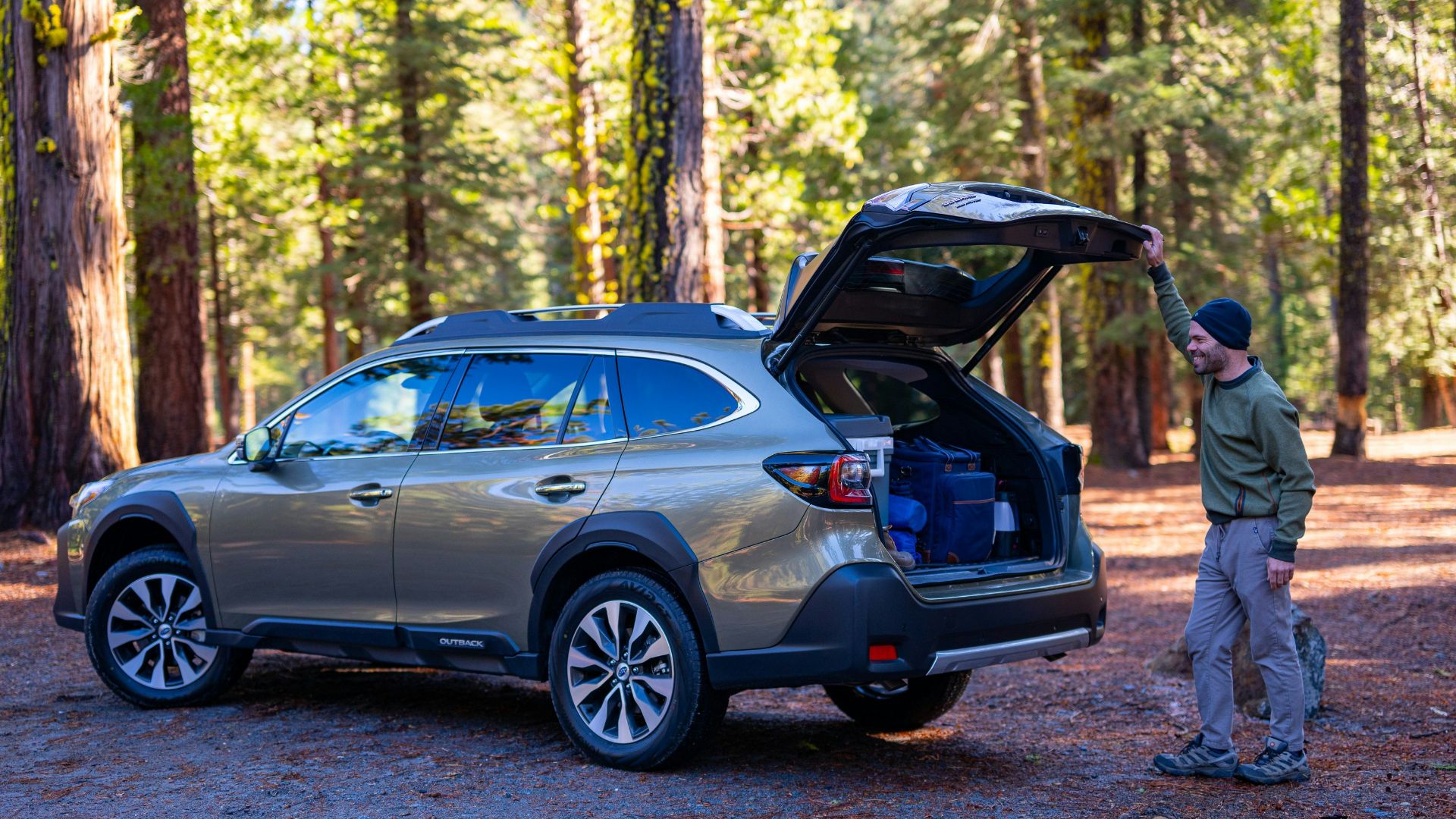
The Outback still has that practical, trailhead-friendly image, but its repair story is very 2026. IIHS has noted that more advanced headlight systems can cost far more than simpler ones, and the Outback’s long-running safety-tech reputation means a crash can easily involve more expensive components than its rugged vibe suggests.
16. Audi Q5
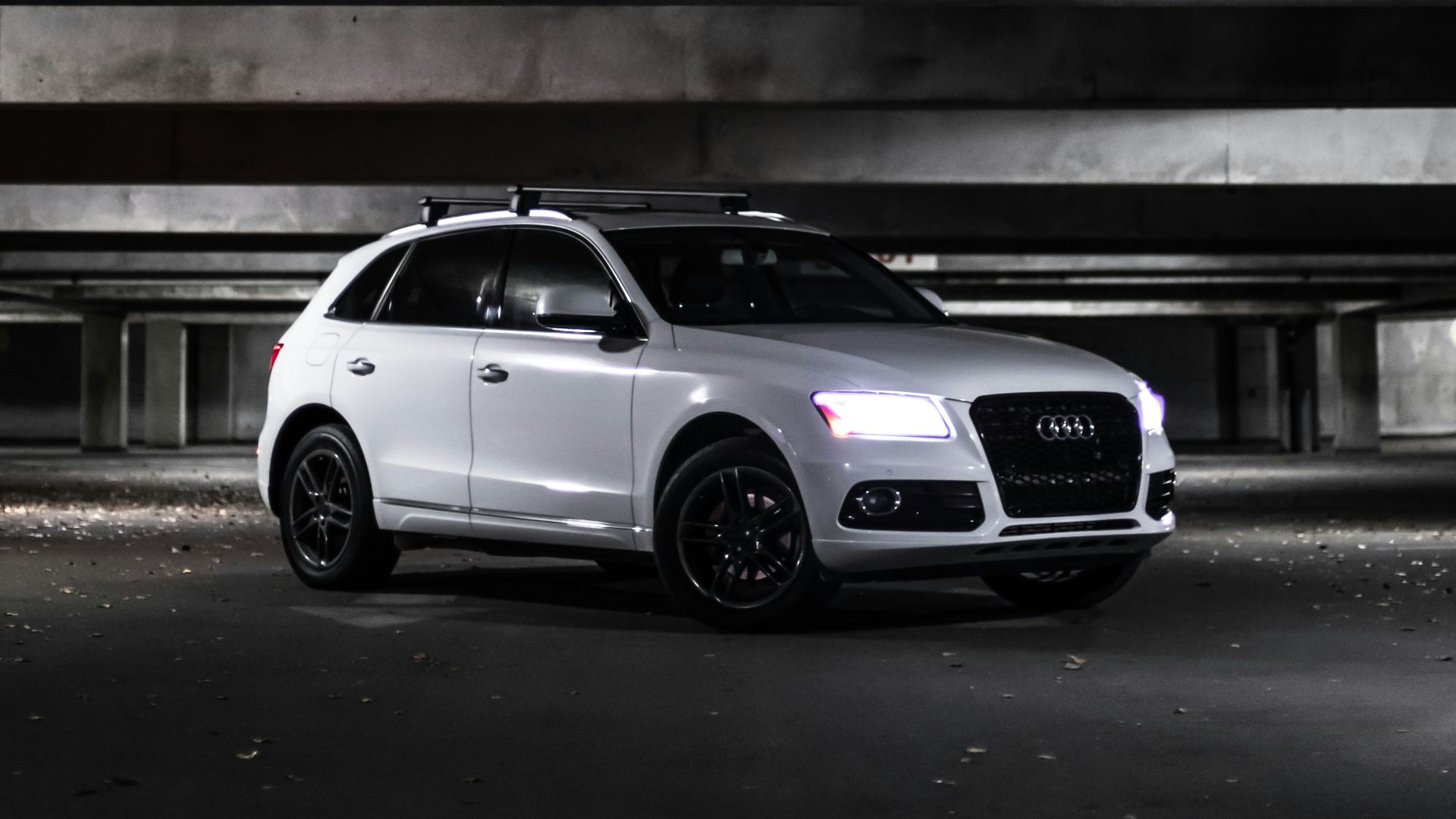
The Q5 is a safe luxury SUV, which is another way of saying there is a lot going on behind the body panels and glass. Once the damage reaches the sensors, lighting, or anything that has to be recalibrated before the car is truly finished, the repair bill usually remembers it is wearing an Audi badge.
17. BMW X3
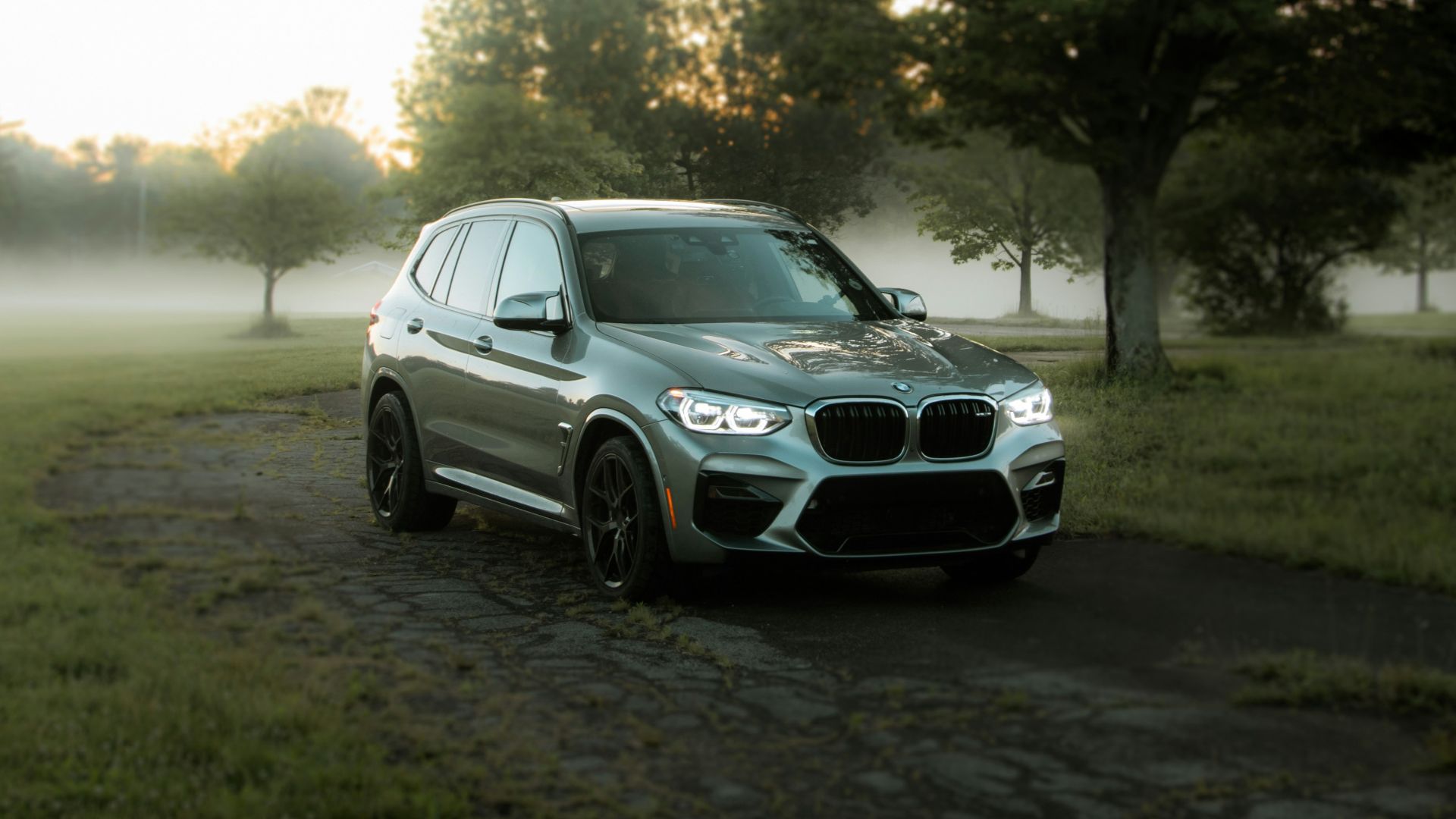
The X3 is the kind of vehicle that makes a lot of sense right up until you need body work on it. It combines strong safety credentials with premium parts and a technology stack that can turn what looks like a routine repair into a longer, pricier job than owners of older BMWs would have loved to hear.
18. Genesis GV70
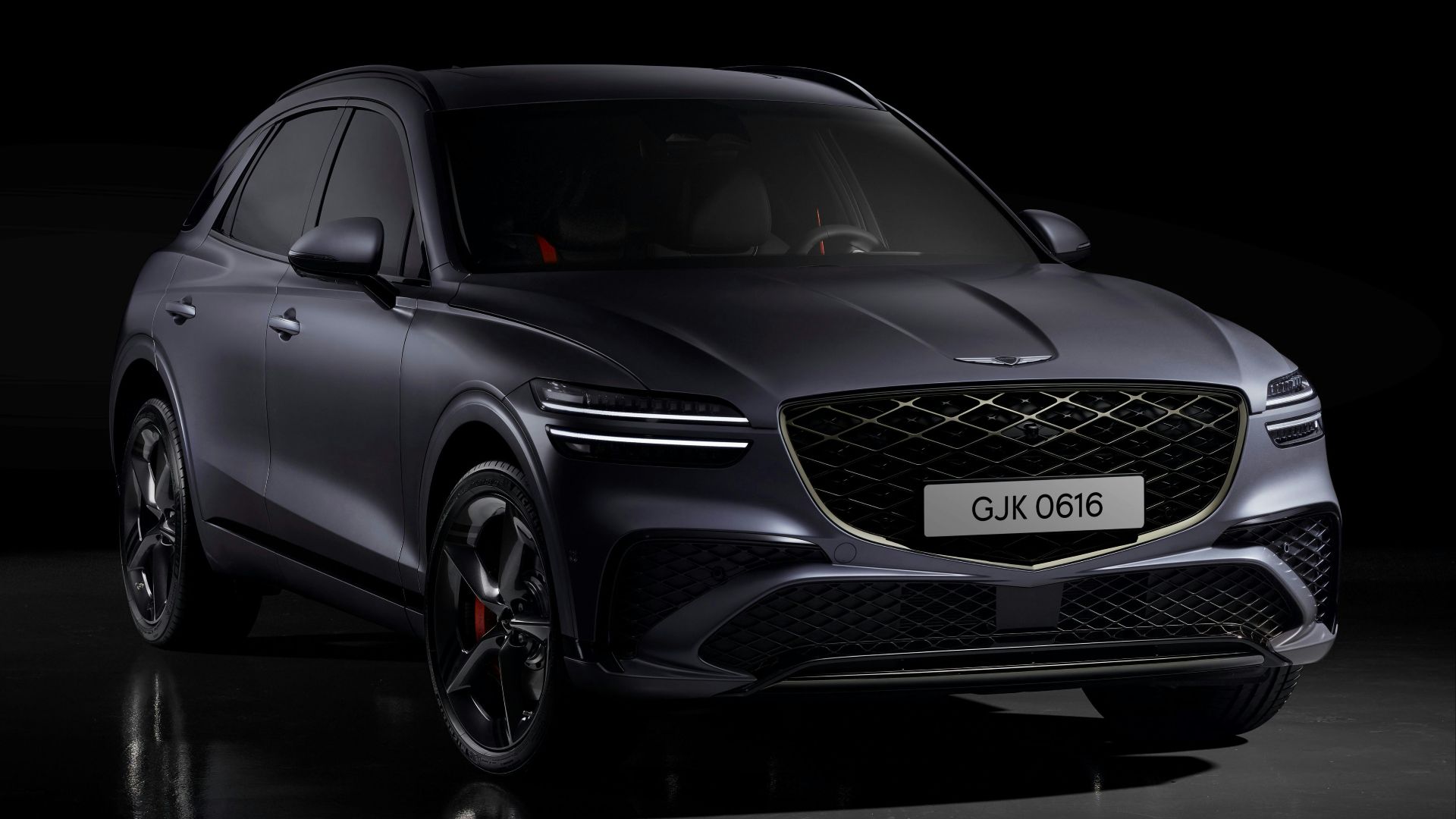
The GV70 has been praised for safety, comfort, and looking more expensive than people expect. That last part matters after a crash, because once a stylish luxury crossover also carries the full modern load of cameras, sensors, glass, and LED hardware, repairs can get premium very quickly.
 Hyundai Motor Group on Unsplash
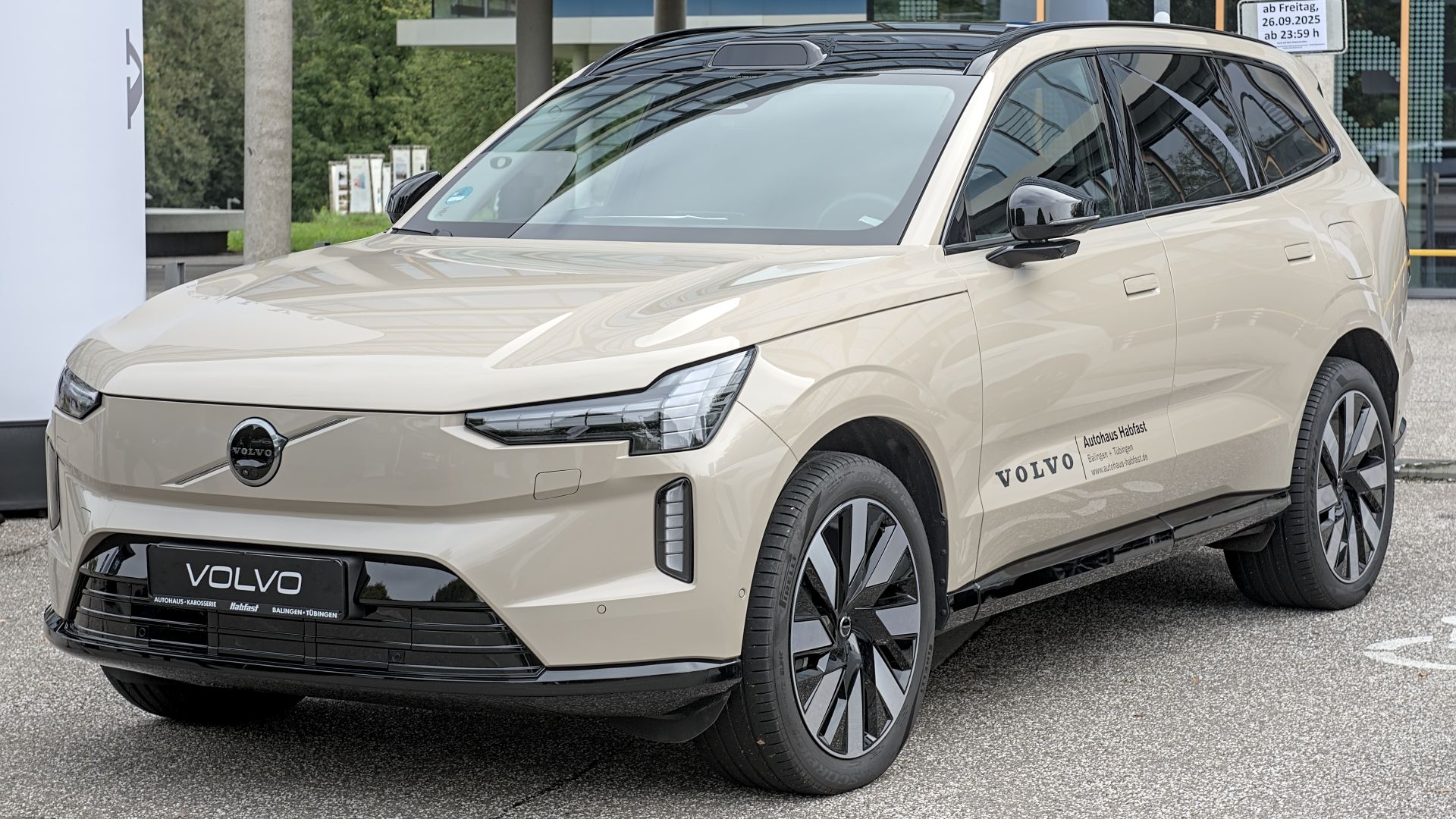
19. Volvo EX90
Volvo has built an empire on safety, so this one almost feels inevitable. The EX90 is the kind of flagship safety-first EV that promises a lot on the road and, by the same logic, can ask a lot from a repair shop after a collision because EVs and advanced safety hardware both push repair complexity upward.
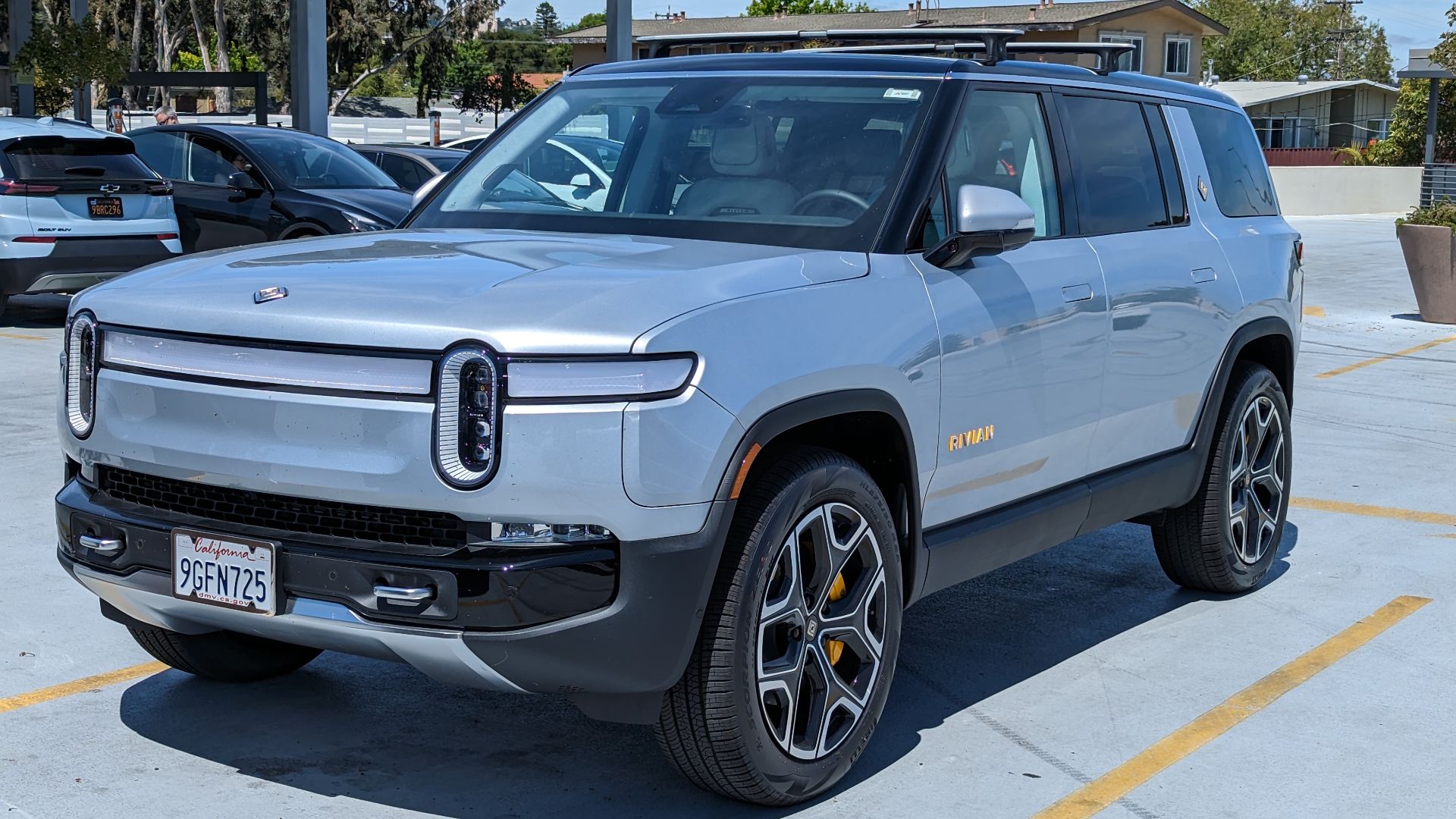
20. Rivian R1S
The R1S is safe, expensive, electric, and still relatively specialized in the repair world, which is not exactly the recipe for a cheap post-crash experience. Even before you get into parts availability or shop certification, the broader EV repair data already points in the same direction: these vehicles often cost more to bring back properly than people expect from the first glance at the damage.