
10 Common Engine Problems You Should Never Ignore & 10 Ways To Keep It Humming Forever
10 Common Engine Problems You Should Never Ignore & 10 Ways To Keep It Humming Forever
You Should Get That Checked
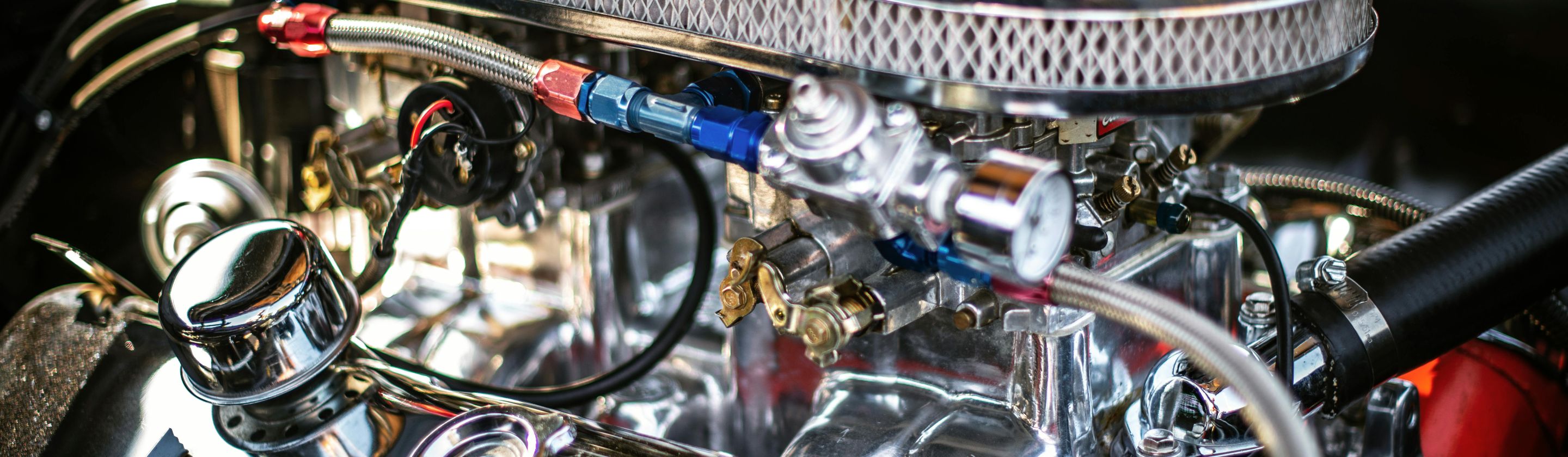
The engine in your car is a complex machine, and it’s important to keep it well maintained for safety, performance, and longevity reasons. From mysterious noises and odd smells to overheating and other red flags, there are certain engine problems you should never ignore. So with that in mind, here are 10 things to look out for and 10 tips to make your engine last.

1. Leaking Coolant
Engine coolant leaks are one of the most frequent problems drivers encounter and can cause significant engine damage if left unchecked. The coolant system has several components, including the radiator, water pump, and overflow reservoir. Leaks can develop in any of these components, resulting in a loss of coolant fluid.

2. Poor Lubrication
Engine lubrication keeps friction in check, and inadequate oil levels can lead to dire consequences. Engines overheat, parts wear out prematurely, or the engine may seize without proper lubrication. Routine oil changes and monitoring oil levels can keep engines in good health.
3. Stalling
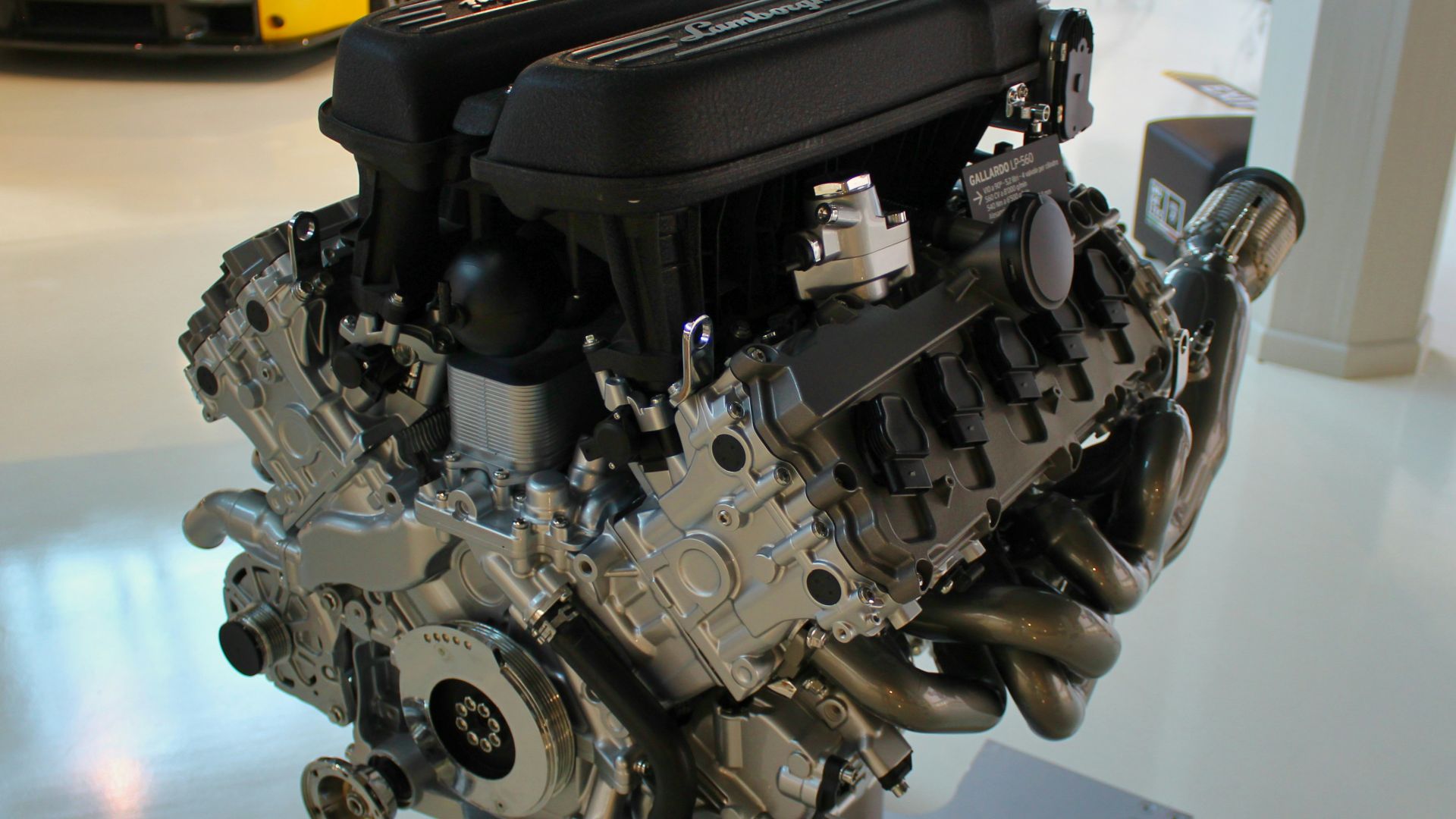
Stalling is when the engine suddenly stops working. This can be a safety issue when you're on the road. It could be due to an issue with the fuel line, fuel filter, spark plugs, or ignition components. It's a safety risk to stall while in traffic or on uneven surfaces. You should have a mechanic look at the issue, as it could be a sign of a more serious problem with the engine or fuel system.

4. Air and Fuel Compression
Poor compression of the air/fuel mixture within the engine cylinder will lead to incomplete combustion. This has a devastating effect on the efficiency of the engine. This issue may be caused by worn piston rings, damaged cylinder walls, or even broken valve seals causing air to leak out of the cylinder.
5. Overheating
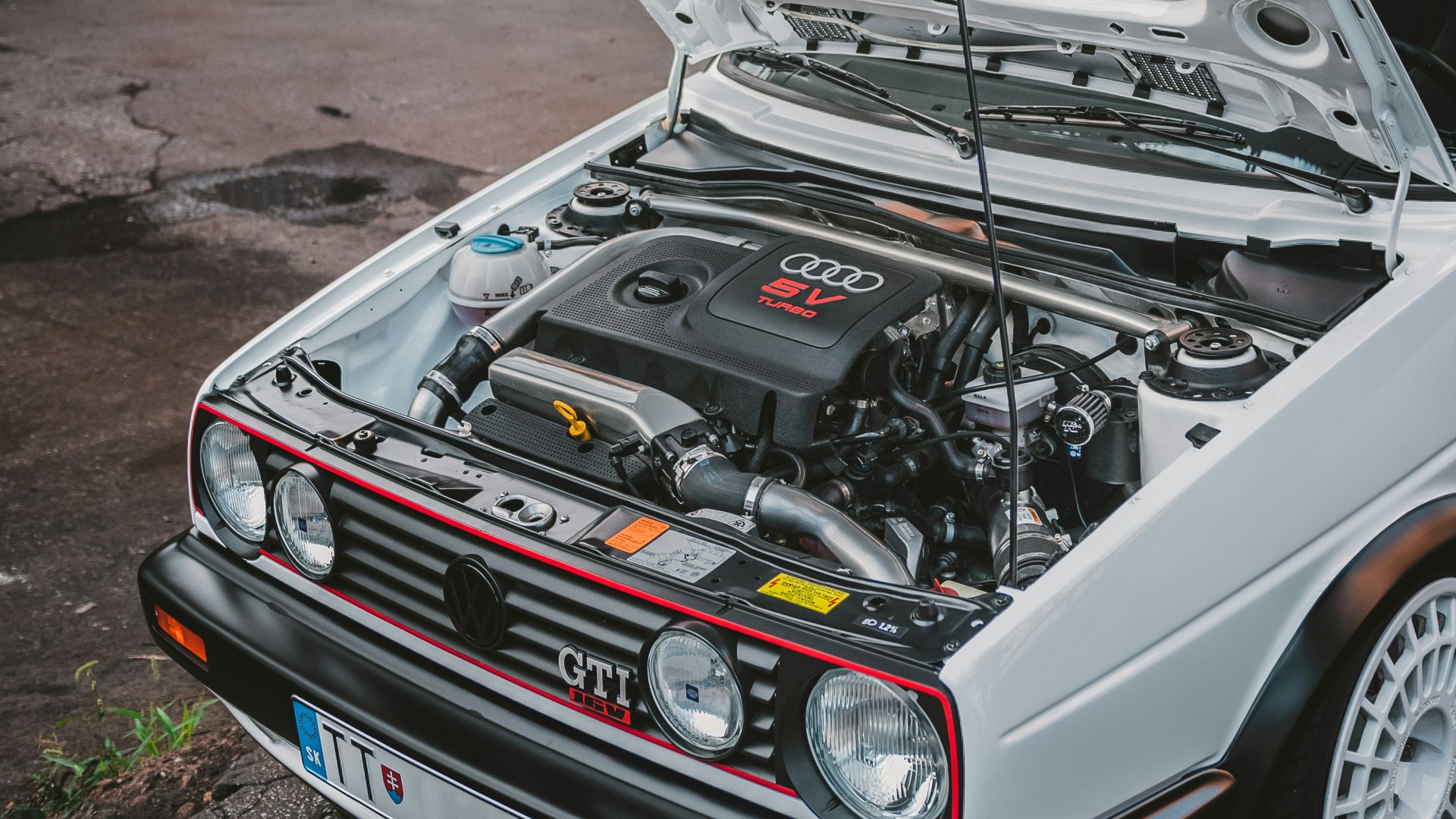
Low coolant, a damaged radiator, a broken thermostat, and leaking hoses can cause engine overheating. If the engine repeatedly overheats, it can warp parts, blow gaskets, and cause a catastrophic engine failure. Drivers will notice warning lights, steam, and a strong smell coming from the engine.

6. Smoke or Steam
Smoke or steam from the engine is another red flag that can't be taken lightly. Blown gaskets, damaged cylinders, worn piston rings, poor crankcase ventilation, and using the wrong grade of oil are possible causes. Depending on the smoke's color and consistency, it may signal coolant burning, oil leaks, or major internal damage.
7. Spark Plugs
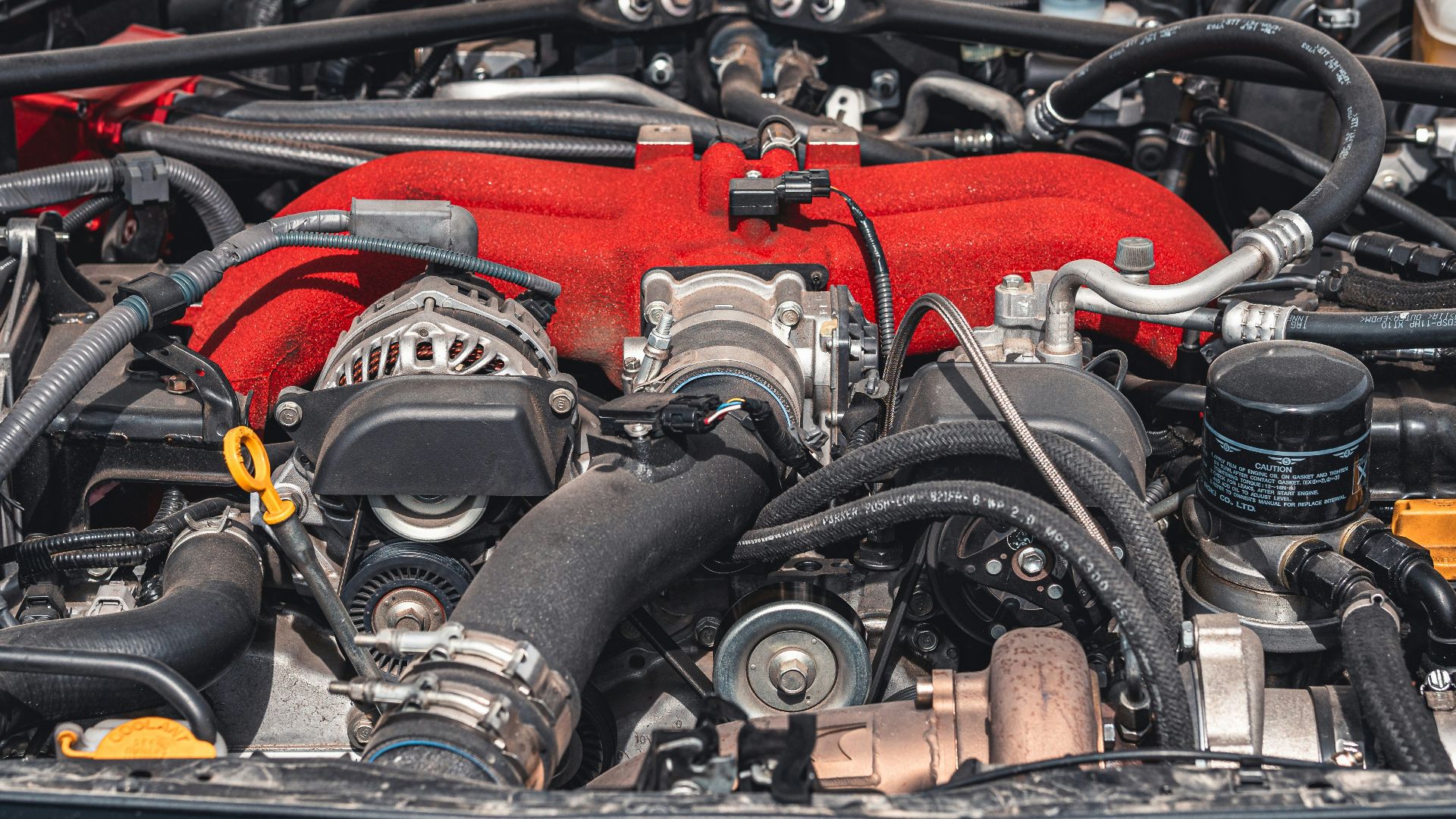
Spark plugs ignite the air-fuel mixture in the engine. Worn-out plugs can cause misfires and weak combustion. This not only lowers fuel efficiency but can also damage other engine components over time. Symptoms include rough idling, poor acceleration, and difficulty starting the vehicle.

8. Engine Won’t Start
One of the most common and frustrating problems that can occur with a car engine is when it won't start. When this happens, it could be due to a discharged battery, which will cause the engine to click but not crank, or fuel or ignition problems that allow the engine to crank but not start. The most common causes of a car engine not starting are a discharged battery, a faulty fuel pump, a clogged fuel filter, ignition switch issues, or a failing starter motor.
9. Worn-Out Combustion
Valves, piston rings, and cylinder walls are critical components in an engine that play a crucial role in facilitating efficient combustion. When these parts become worn or damaged, compression is reduced, which inhibits the burning of fuel. This can result in a loss of power, rough idling, and decreased fuel efficiency.

10. Oxygen Sensors
Damaged oxygen sensors will fail to monitor the engine’s air-fuel mixture accurately for proper combustion. This will cause your car’s emission system to work harder, resulting in poor fuel efficiency and more pollution. You will also notice engine warning lights flashing on the dashboard for a sensor malfunction.
Now that we talked about 10 major things to watch out for, here are 10 ways to make your engine truly last.

1. Drive Gently
Harsh acceleration, hard braking, and excessive idling all cause undue strain on the engine. Gentle driving practices cause less wear and tear on engine parts and can improve fuel economy and vehicle performance. Aggressive driving can shorten the life of pistons, valves, and other moving engine parts over time. Smooth, controlled driving is also safer and lessens the chances of accidents.

2. Spark Plug Replacement
Spark plugs are critical because they ignite the air-fuel mixture in your engine. Over time, they wear out and cause weak ignition, rough starts, and reduced fuel economy. Replacing spark plugs on schedule as per your car maintenance manual can prevent misfires and unnecessary engine strain. Proper spark plug maintenance ensures your engine runs smoothly and without undue wear and tear.

3. Regular Oil Changes
Regular oil changes are crucial for maintaining the health of your engine. Fresh oil lubricates the moving parts, reducing friction and wear. It also helps the engine run cooler by dissipating heat. Replacing the oil filter along with the oil every 5,000 to 7,500 miles is recommended.

4. Engine Hoses and Belts
Engine hoses and belts are exposed to extreme heat and pressure, which can cause them to wear out over time. Cracked hoses can leak coolant or other fluids, while worn belts can snap and cause serious engine damage. Regularly inspecting hoses and belts can help ensure they are in good condition, properly tensioned, and not cracked or frayed.

5. Manage Your Fuel
Fuel has sediment that naturally falls to the bottom of your gas tank over time. Running your tank to empty can suck this sediment into the fuel system, possibly damaging the engine. Keeping at least a half-tank of gas lessens the odds of debris reaching the engine and eroding internal components.

6. Clean Air Filters
Fresh air is necessary for the combustion process within the engine, so a clean air filter helps your engine get the fresh air it needs for top performance. Dirt, dust, and debris in the air can clog your engine and cause internal components to become damaged. By inspecting and changing your air filter when it becomes dirty, you can keep your engine working at its best.

7. Replace the Filter
A fuel filter blocks particles and debris from reaching your engine, preventing contamination in your fuel system. When a fuel filter is clogged or old, it can cause reduced fuel flow, increased engine strain, and reduced performance. Replacing your fuel filter at the recommended intervals prevents buildup and allows your engine to operate smoothly.

8. Coolant Checks
Coolant, also known as antifreeze, keeps your engine from overheating. Regularly checking and topping off your coolant level can help ensure your engine runs safely. Use the proper coolant mix recommended by your vehicle manufacturer to avoid corrosion. Low or dirty coolant can lead to severe engine damage, such as warped parts and blown head gaskets.
9. Listen to Your Engine
One of the ways your engine tries to tell you when it is having problems is by making strange noises. Knocking, sputtering, and whining are all common sounds that something is wrong. Don't take these noises lightly, as they could lead to more expensive and severe damage to the engine if left unchecked. The best thing to do is to get it to a mechanic as soon as you hear a suspicious noise.

10. Check for Leaks
Leaks of oil, coolant, or other engine fluids should never be ignored. Small leaks can cause overheating, lack of lubrication, or contamination of other parts. Check hoses, seals, and connections for cracks or damage. Spotting leaks early can prevent costly repairs and damage to engine components. A proactive approach will keep your engine running smoothly and efficiently.