10 Cars Tuners Love To Modify & 10 That’ll Make You Regret Trying
Where Aftermarket Dreams Either Flourish Or Fall Apart
Car tuning lives at the intersection of optimism and reality. You start with a vision, a parts list, and a belief that this time the project will stay on budget and finish before winter. Some cars reward that optimism with massive aftermarket support, forgiving engineering, and communities that have already solved the problems you are about to encounter. Others look tempting on the surface and then quietly drain your bank account, patience, and weekends once the wrenching starts. The difference usually has less to do with passion and more to do with platform design, parts availability, and how honest the car is about what it can handle. Here are ten cars that are tuner favorites for good reason and ten that are nightmares to tinker on.
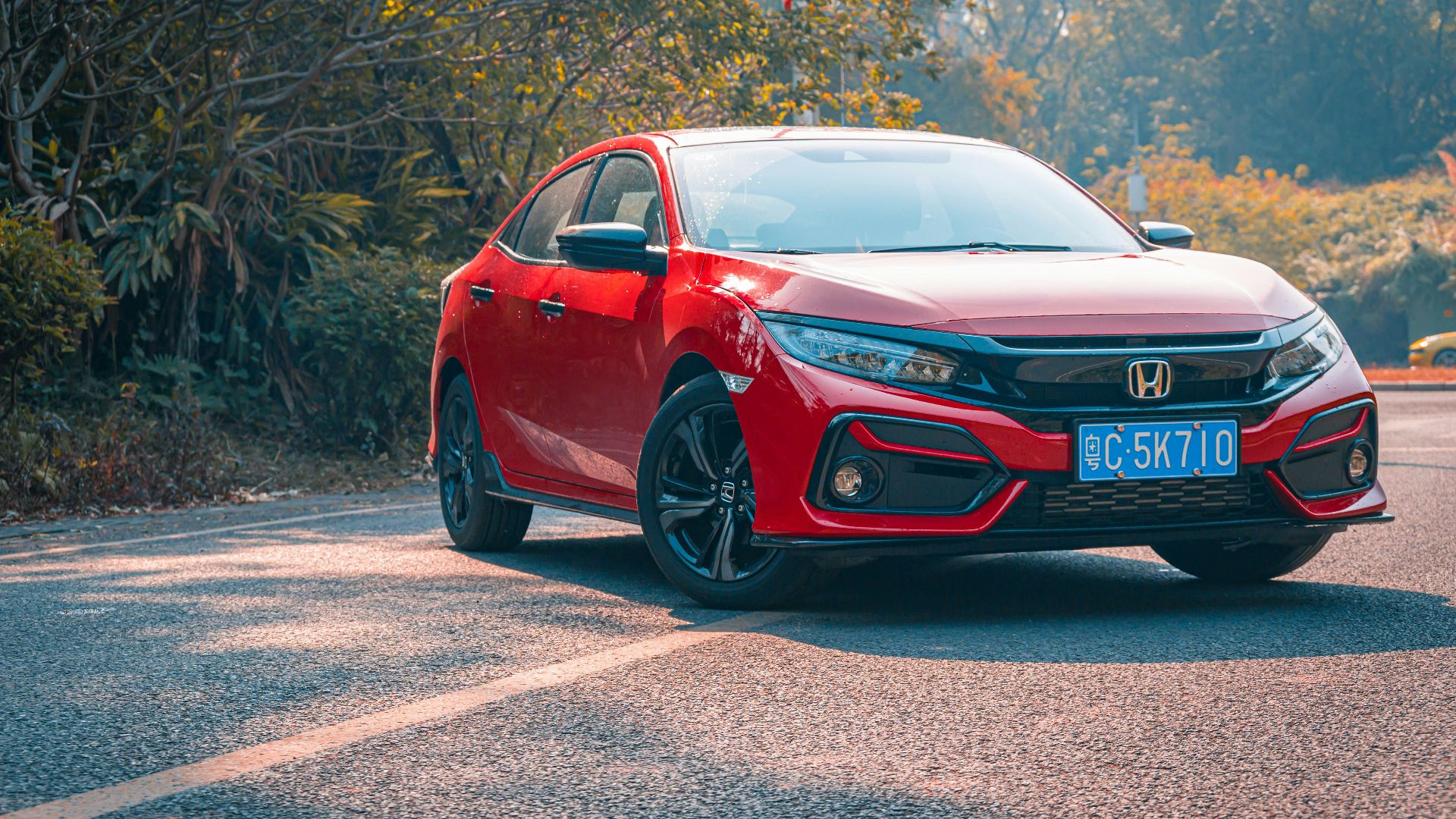
1. Honda Civic
The Civic has decades of aftermarket development behind it, especially from the 1990s and early 2000s. Engines like the B-series and K-series respond well to both bolt-ons and serious internal work. Parts are affordable, tutorials are endless, and mistakes are rarely catastrophic.
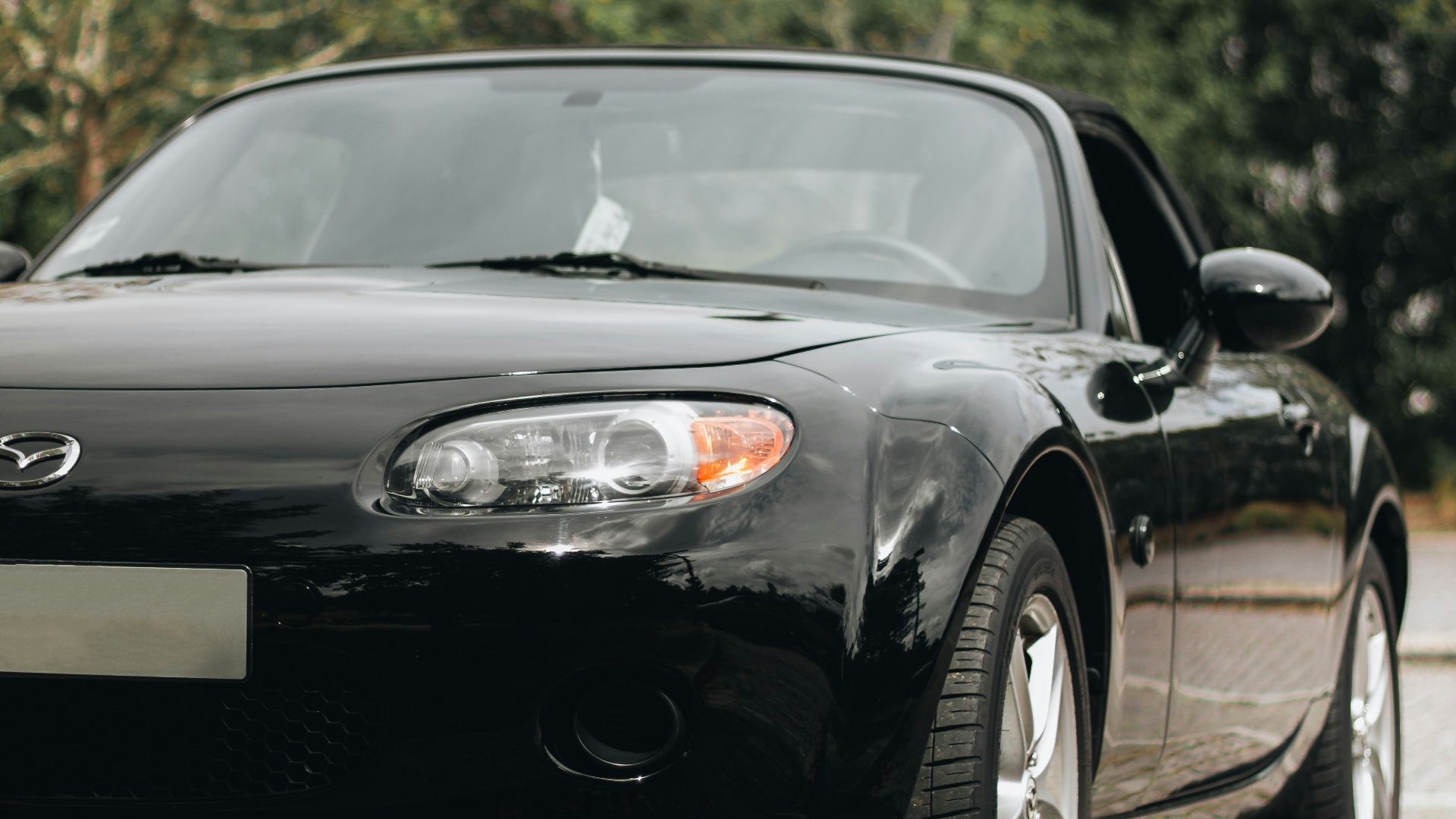
2. Mazda MX-5 Miata
The Miata’s simplicity makes it a tuner’s blank canvas. Lightweight construction means even modest power gains feel transformative, and suspension upgrades deliver immediate results. Its racing pedigree ensures strong support from reputable manufacturers.
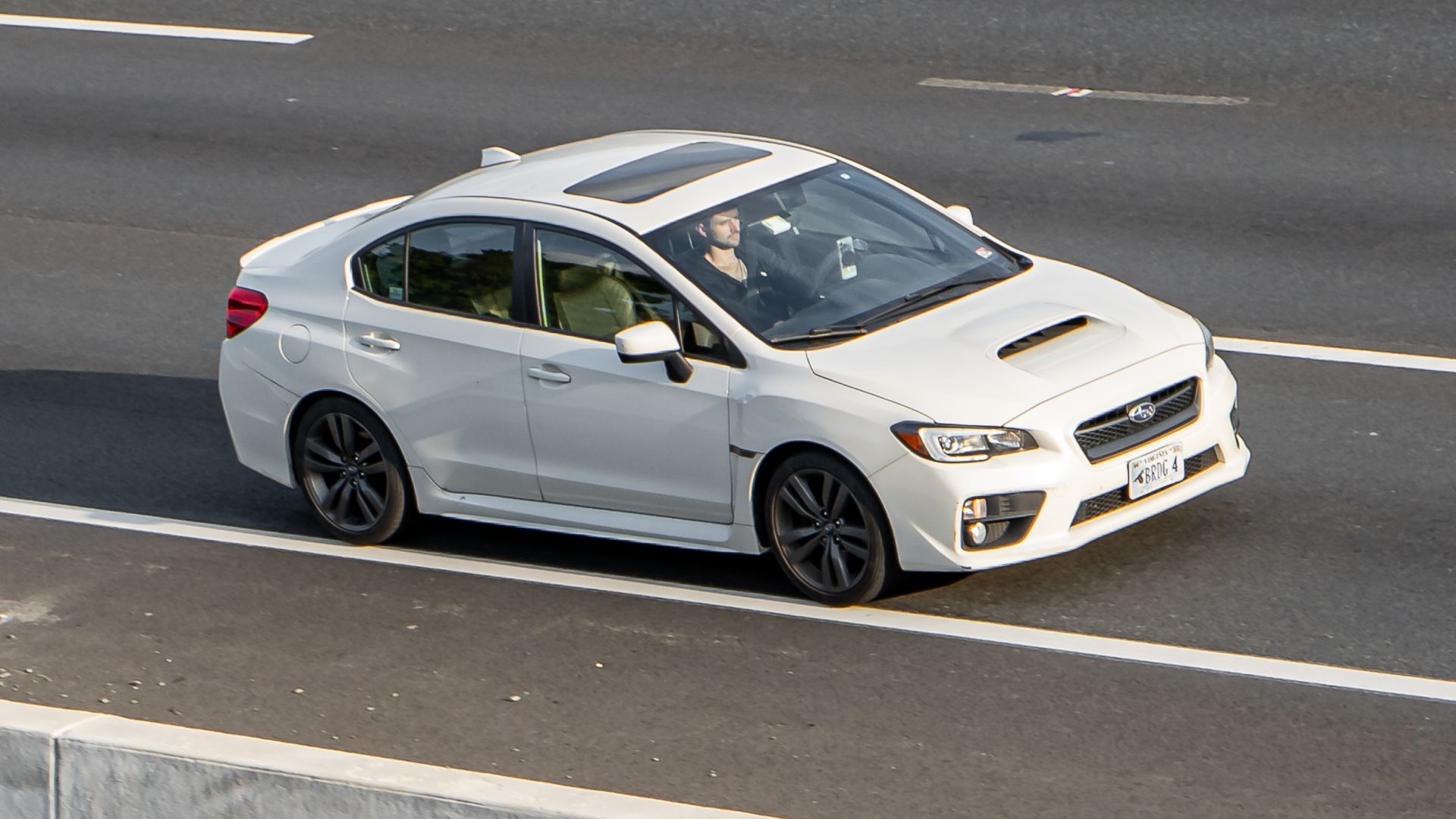
3. Subaru WRX
Turbocharged from the factory and built with rally roots, the WRX invites modification. The boxer engine has quirks, but decades of tuning knowledge help mitigate them. When done properly, power gains are dramatic and satisfying.
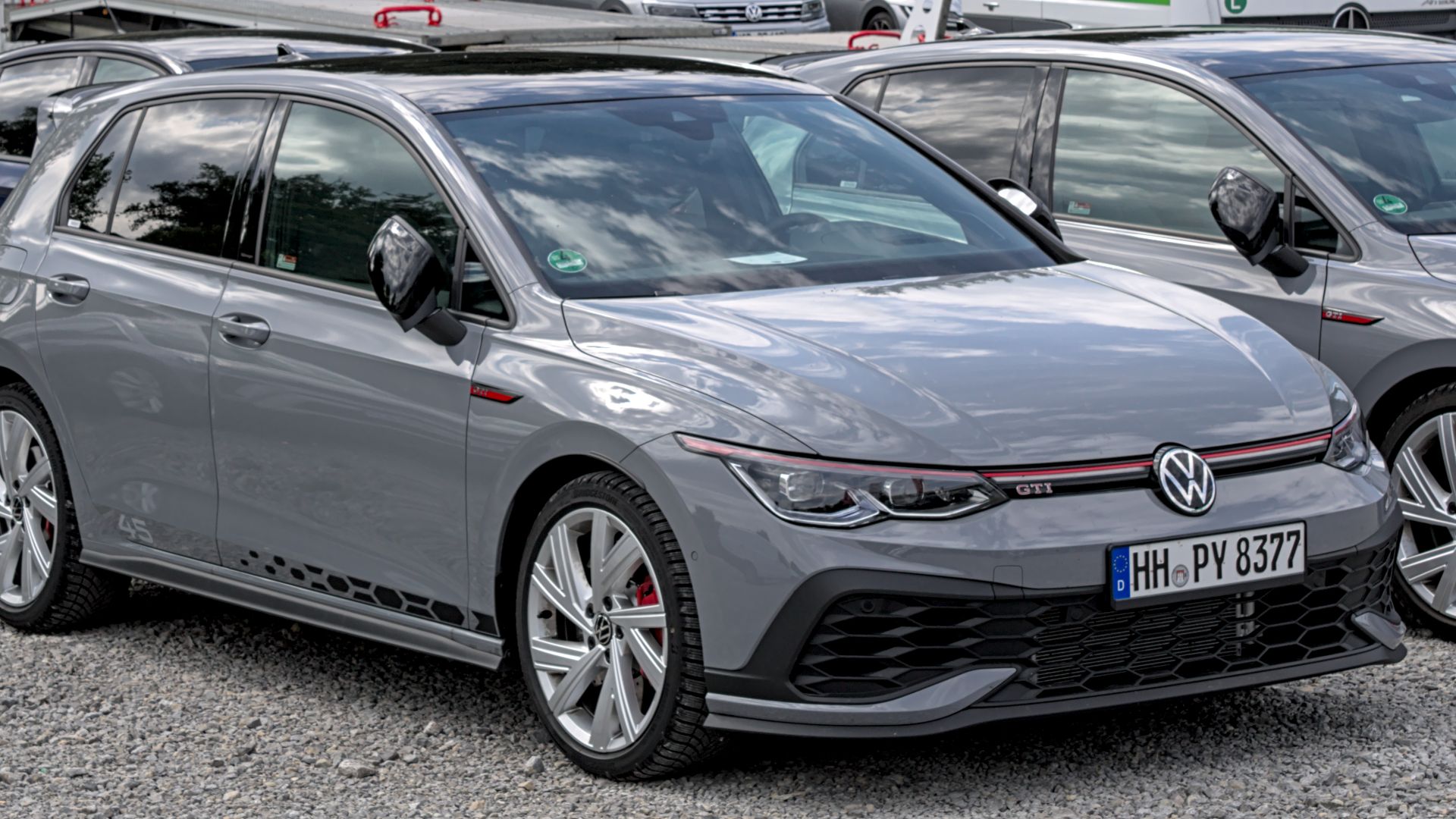
4. Volkswagen Golf GTI
The GTI balances daily drivability with tuning potential. Turbocharged engines like the EA888 respond well to software tunes, often unlocking noticeable gains with minimal hardware changes. European aftermarket depth keeps options plentiful.
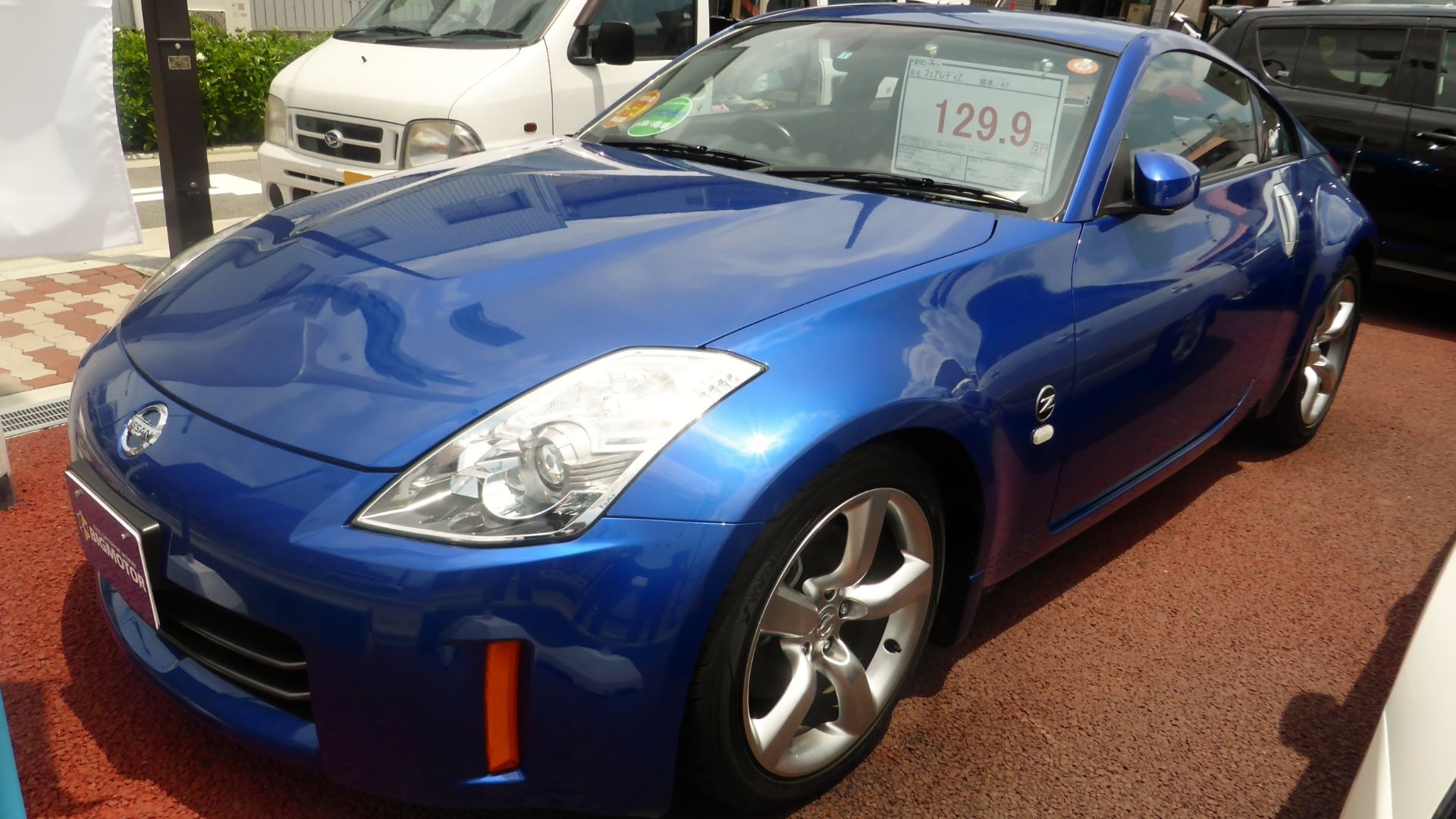
5. Nissan 350Z
The 350Z offers rear-wheel drive, a robust VQ engine, and a strong chassis at an approachable price point. Power mods, suspension upgrades, and forced induction kits are widely available. It rewards effort without demanding constant troubleshooting.
 Tokumeigakarinoaoshima on Wikimedia
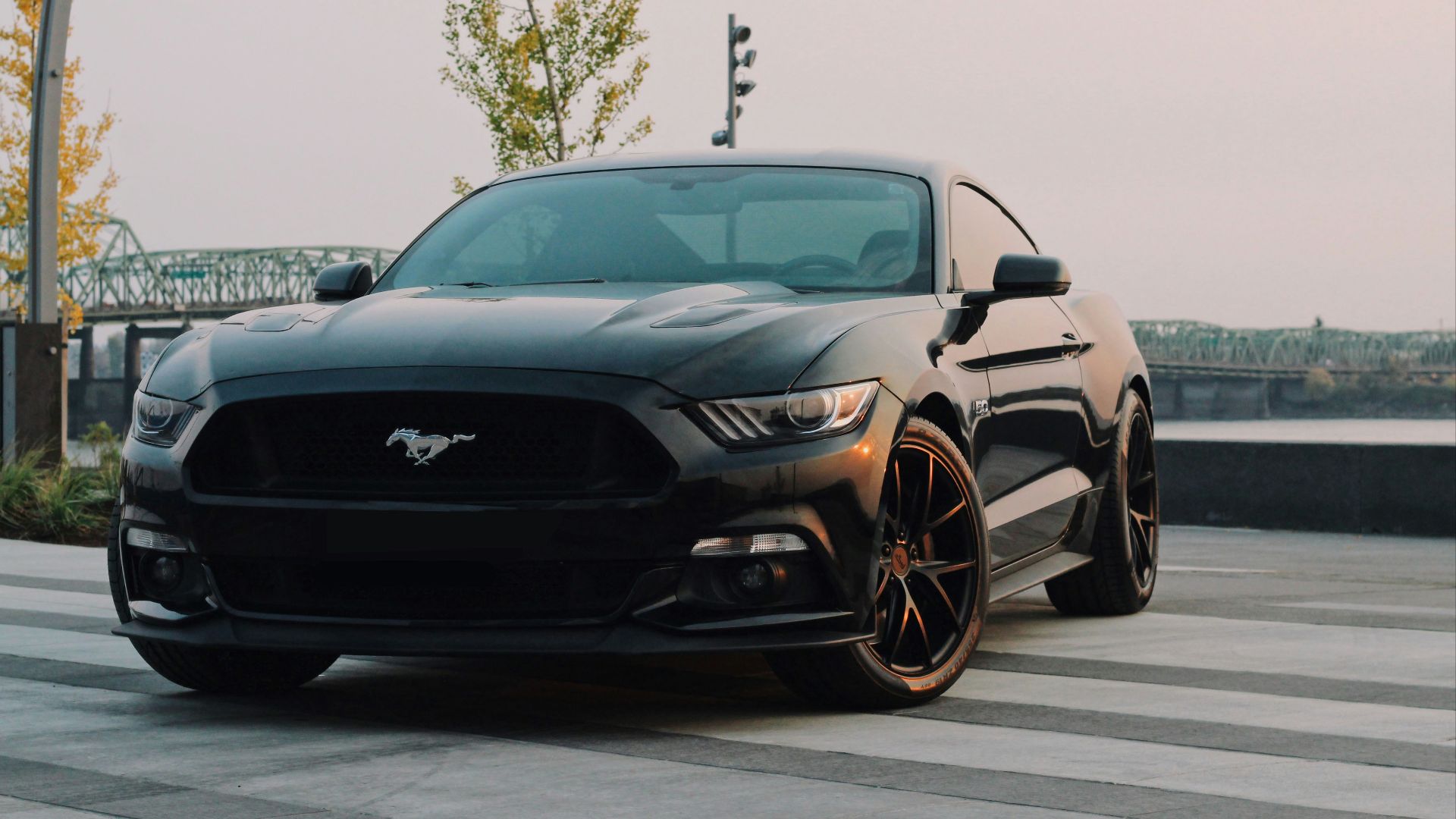
6. Ford Mustang
The Mustang’s modular nature makes it endlessly customizable. V8 variants in particular accept power upgrades with relatively few internal changes. The American aftermarket ecosystem ensures competition keeps prices reasonable.
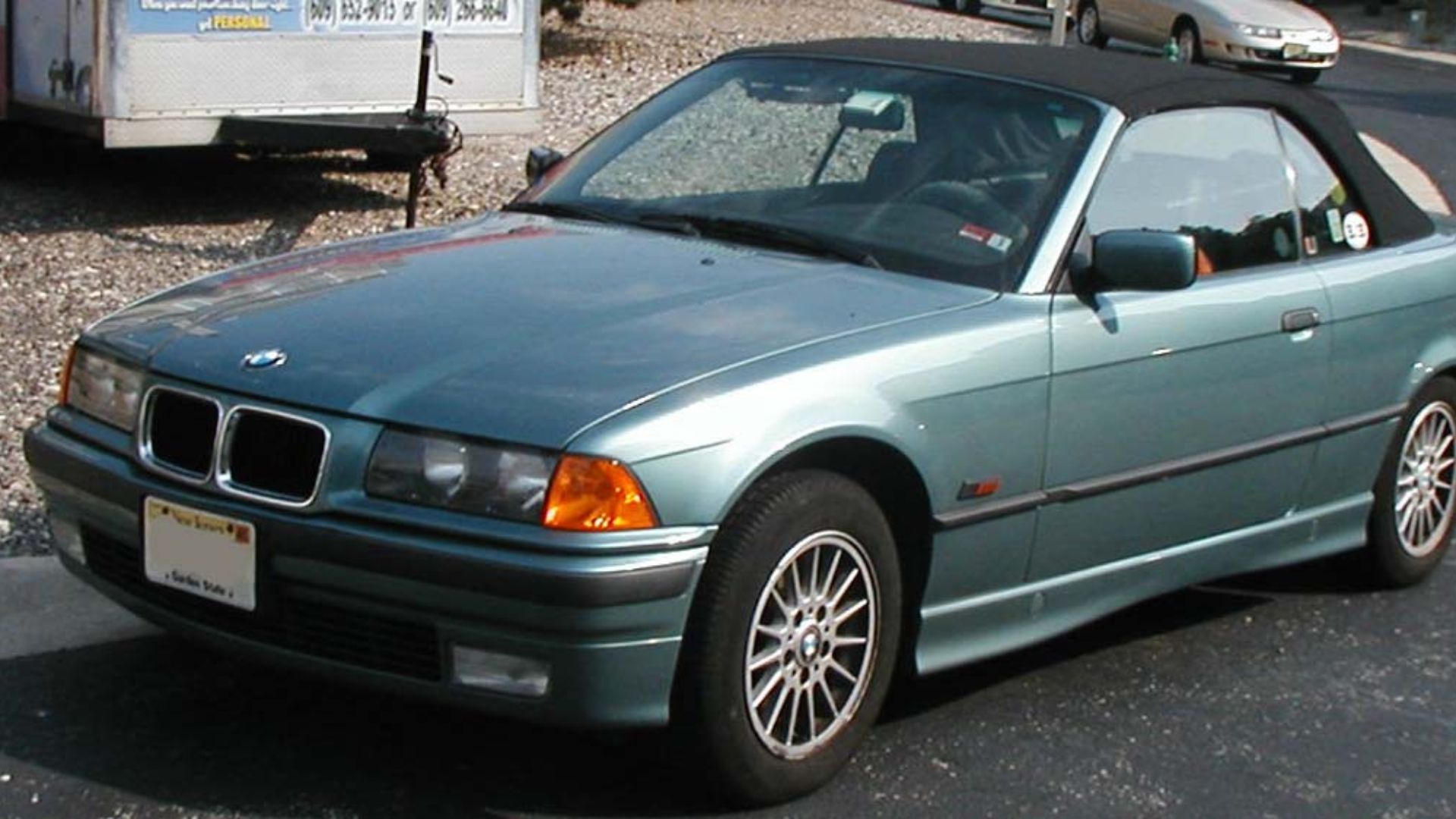
7. BMW E36 3 Series
The E36 combines balanced handling with engines that respond well to tuning when maintained properly. Its popularity in drifting and track builds has driven a deep knowledge base. Parts availability remains strong decades later.
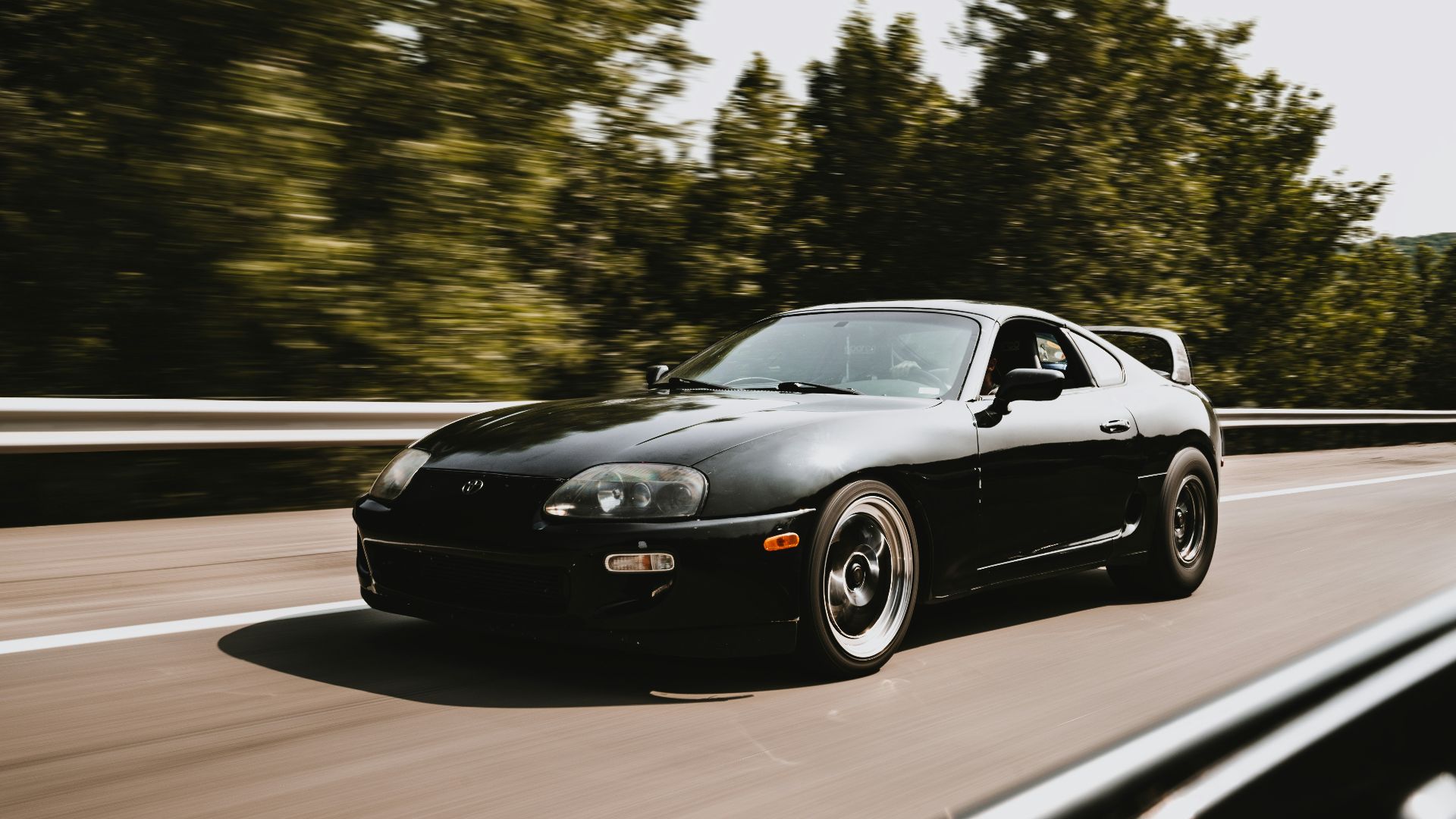
8. Toyota Supra Mk4
The legendary 2JZ engine earned its reputation through durability and tuning headroom. High horsepower builds are well-documented, reducing guesswork. Even today, the platform commands respect in serious tuning circles.
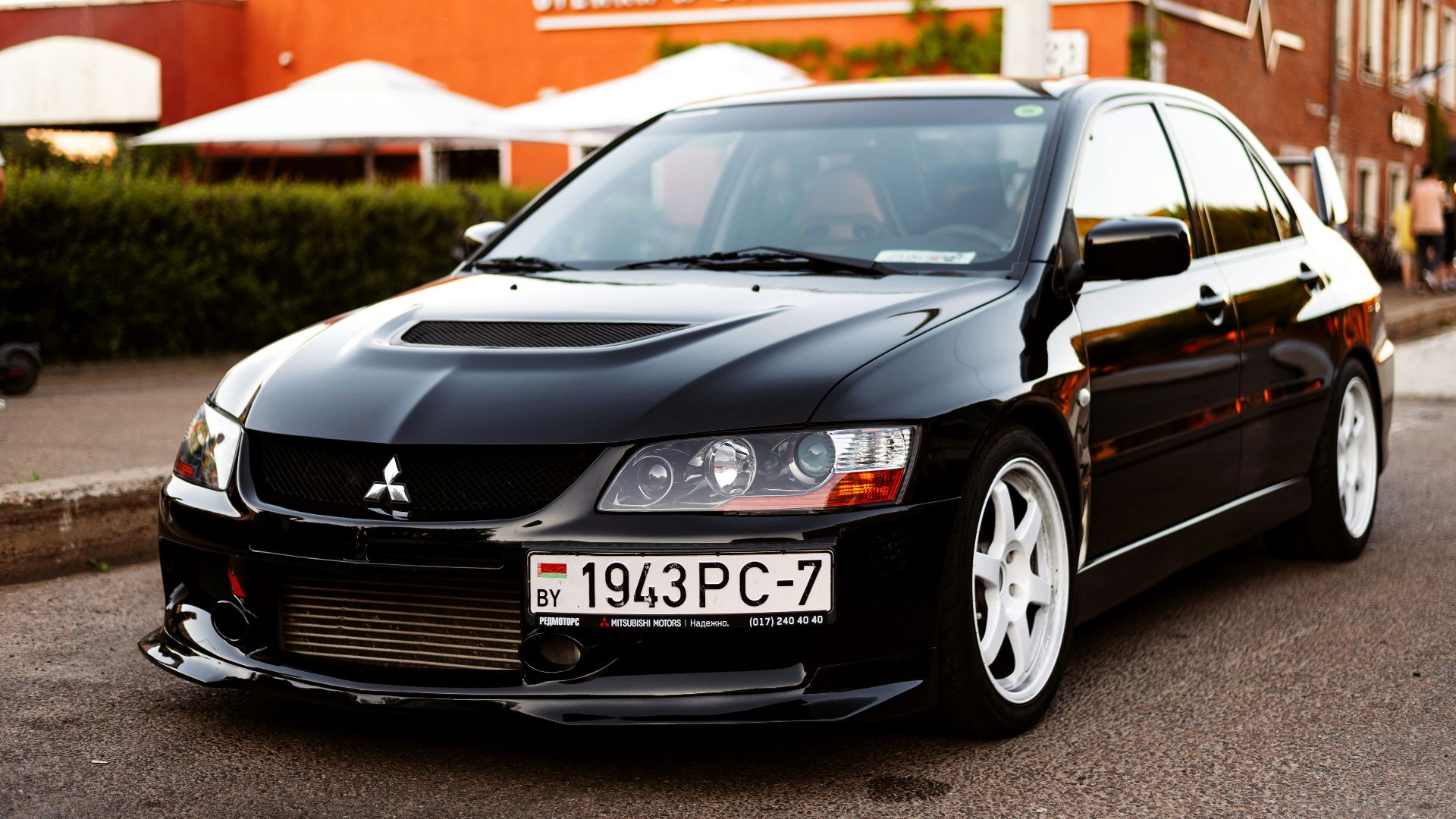
9. Mitsubishi Lancer Evolution
Built for homologation racing, the Evo was designed to be pushed. Strong internals and all-wheel drive make power increases usable. The platform rewards careful tuning with remarkable performance.
 Vitali Adutskevich on Unsplash
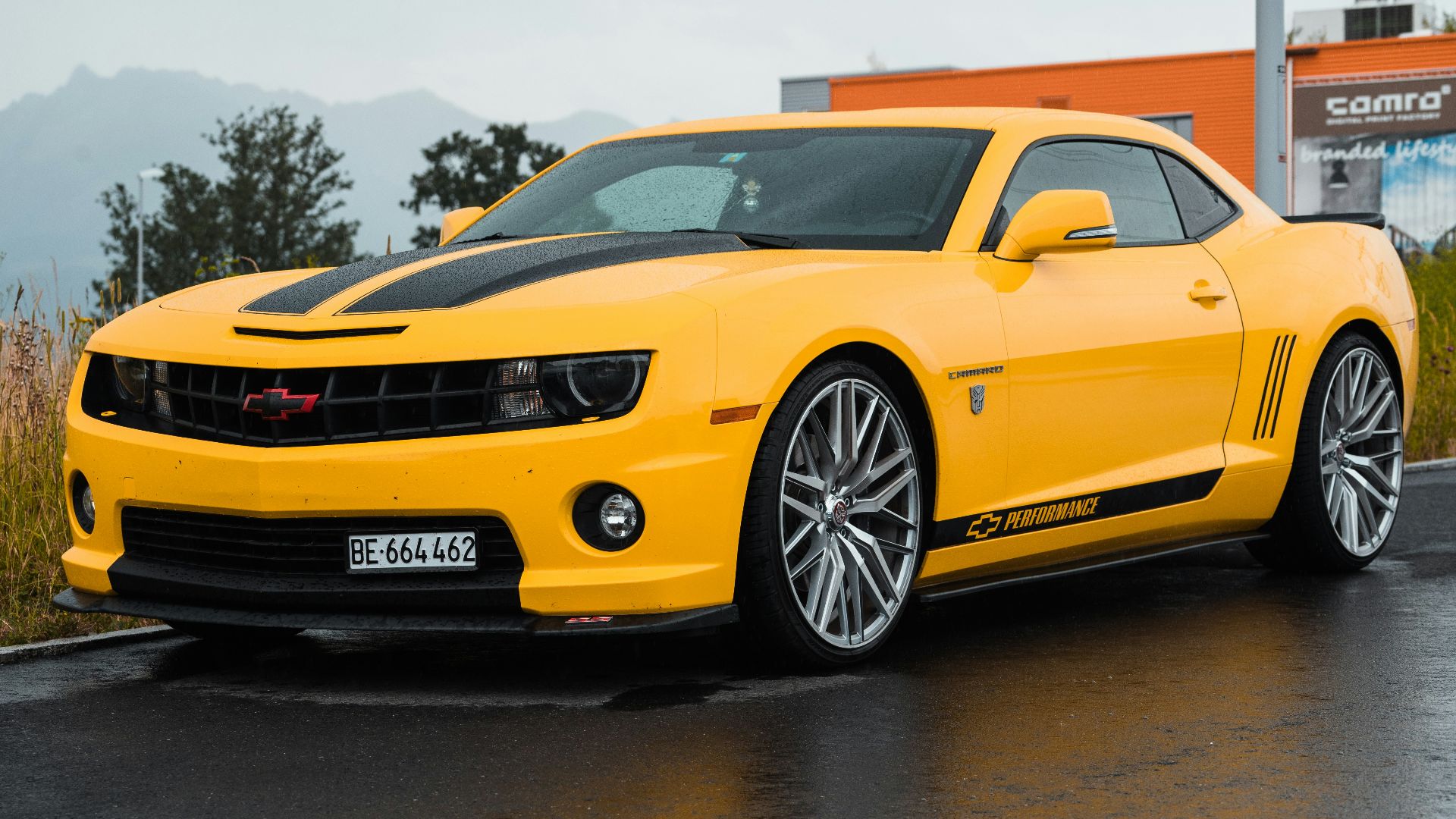
10. Chevrolet Camaro
Modern and classic Camaros offer straightforward power gains thanks to pushrod V8 simplicity. Chassis upgrades transform handling without exotic fabrication. The car welcomes modification without fighting back.
The next ten cars often lure tuners in with looks or prestige before revealing why some platforms resist being modified.
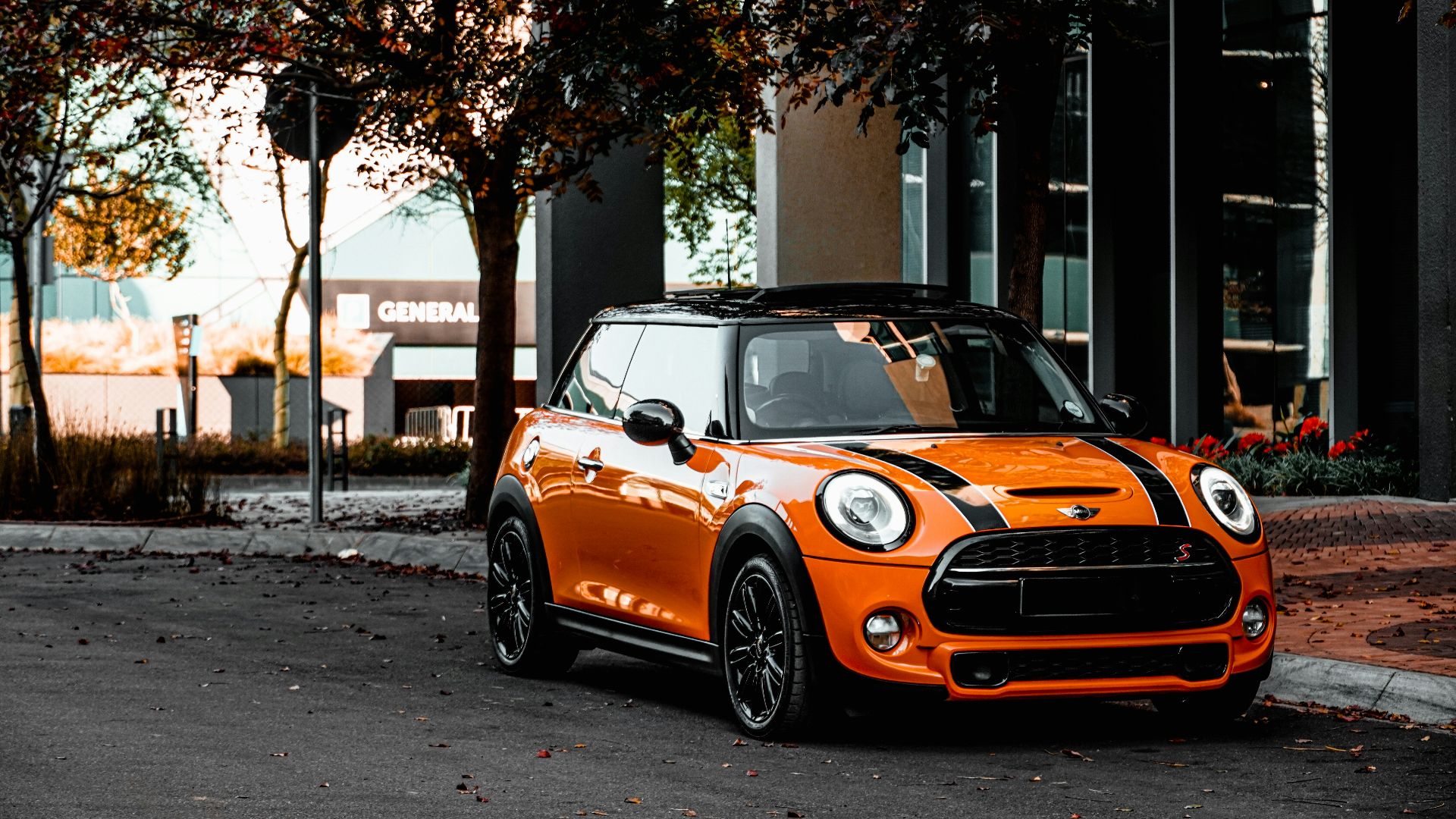
1. Mini Cooper
Tight engine bays make even simple jobs time-consuming. Turbo models add complexity that raises labor costs quickly. The charm fades once maintenance and modification overlap.
 Devon Janse van Rensburg on Unsplash
2. Chrysler PT Cruiser
The PT Cruiser looks customizable, yet its mechanical layout limits meaningful performance upgrades. Aftermarket support is thin, and gains rarely justify the effort. Cosmetic mods often outpace functional ones.

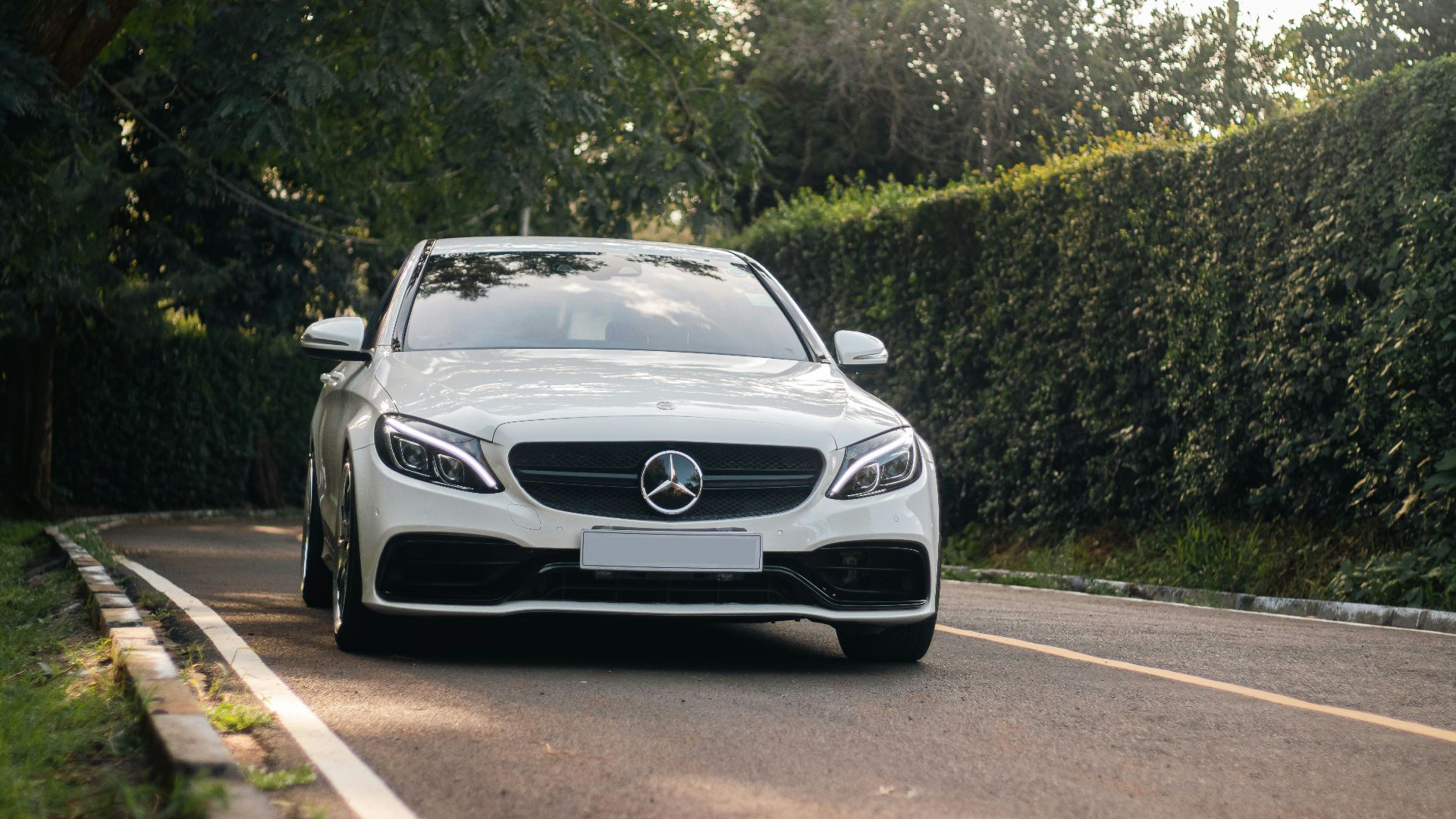
3. Mercedes-Benz C-Class
Luxury engineering complicates tuning with sensitive electronics and proprietary systems. Software changes can trigger cascading errors. The cost-to-benefit ratio rarely favors casual modifiers.
4. Chevrolet Cruze
Economy-focused design limits headroom for power increases. Transmissions and cooling systems become weak points quickly. The aftermarket never fully embraced the platform.

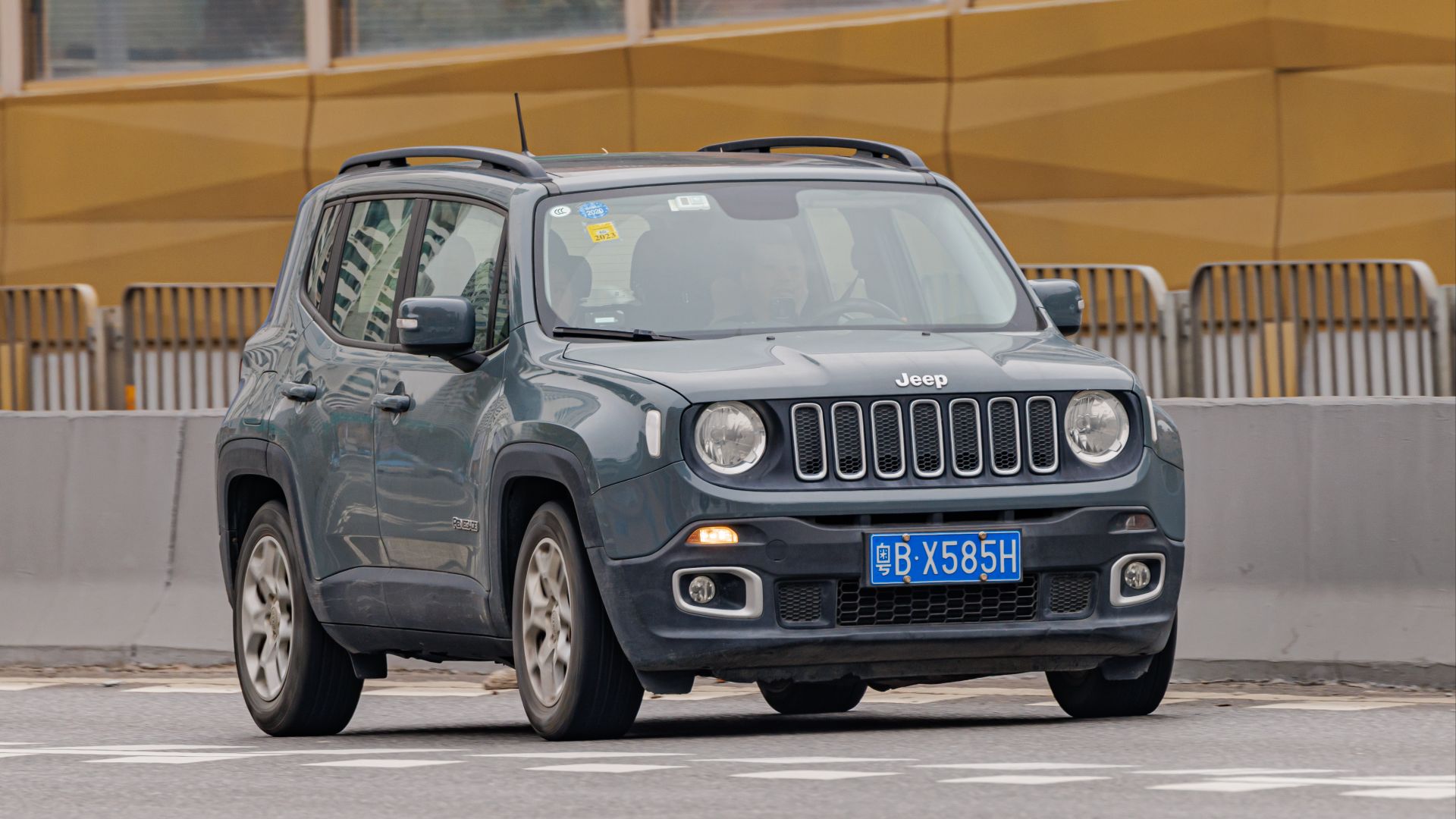
5. Jeep Renegade
Despite the Jeep badge, the Renegade is built on a compact crossover platform. Drivetrain components struggle with added stress. Off-road styling masks mechanical limitations.
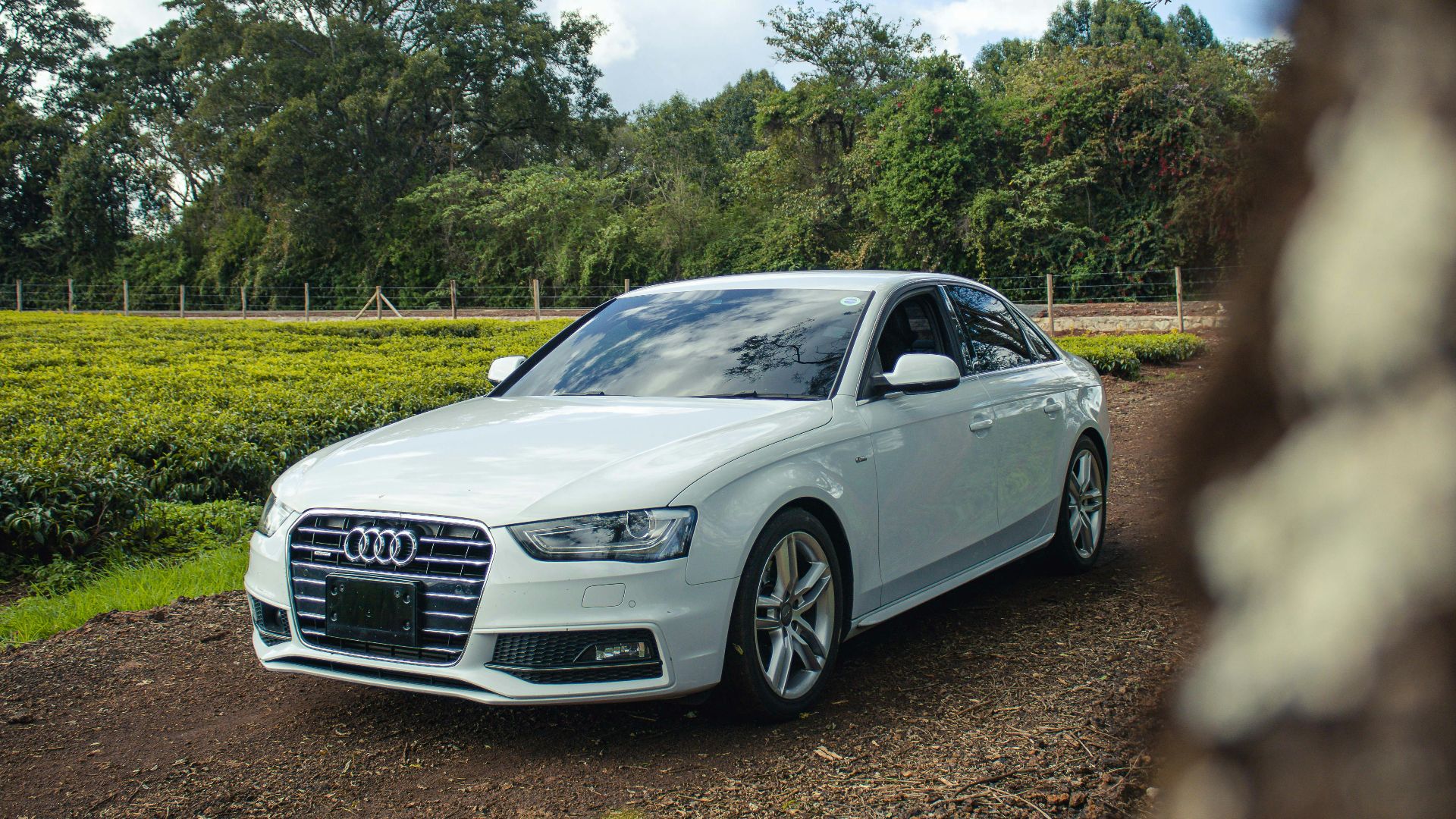
6. Audi A4
Quattro systems add traction but complicate modifications. Repairs and tuning often require specialized tools and software. Small changes can snowball into expensive fixes.
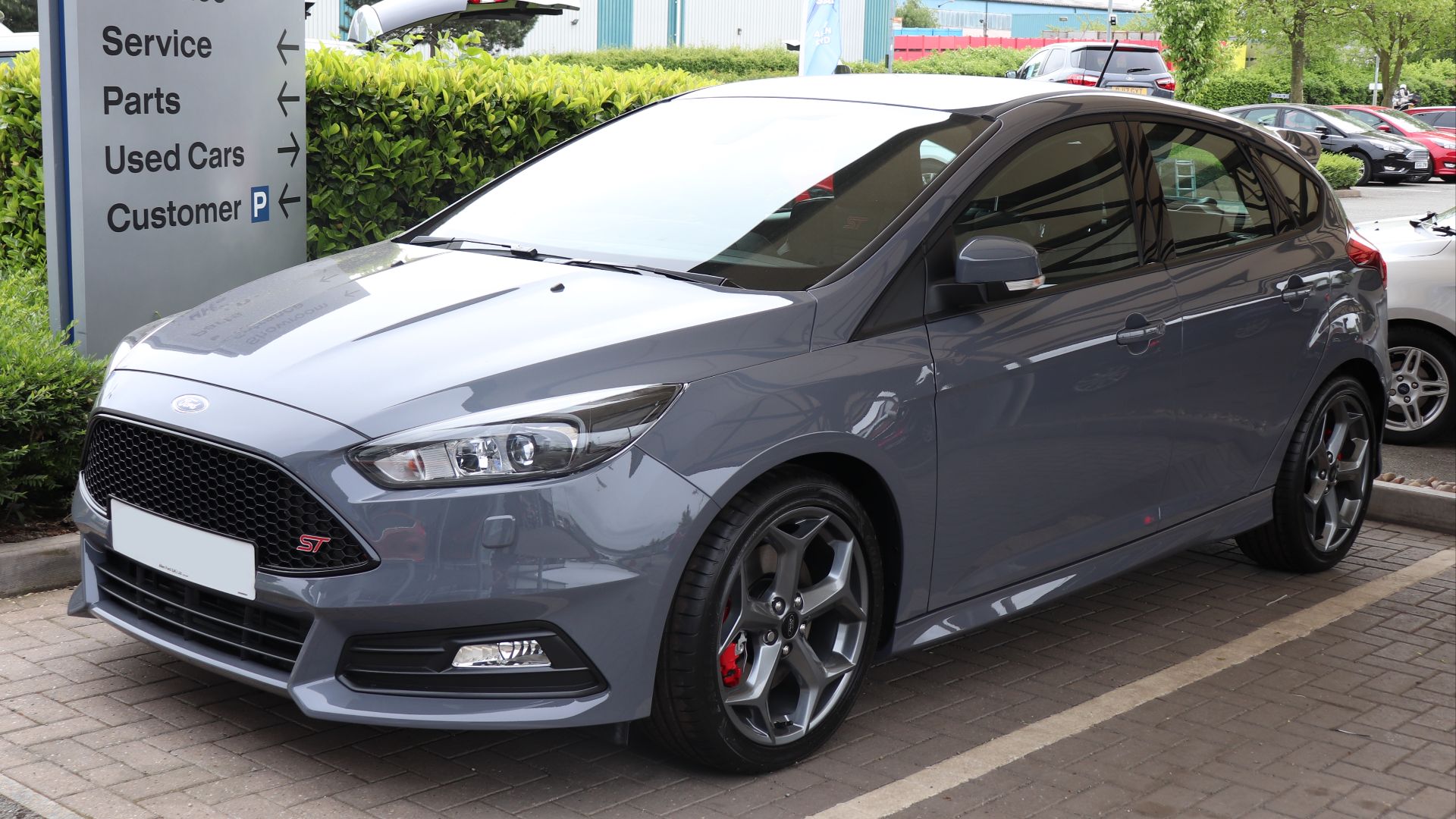
7. Ford Focus Automatic
Manual Focus models tune well, but the automatic dual-clutch transmission gained a reputation for failure. Power mods only amplify existing issues. Many tuners learn this lesson the hard way.
8. Hyundai Veloster Base Model
Turbo variants offer potential, but base models lack the hardware to support meaningful upgrades. Chasing performance becomes an exercise in frustration. The gap between versions matters more than it appears.

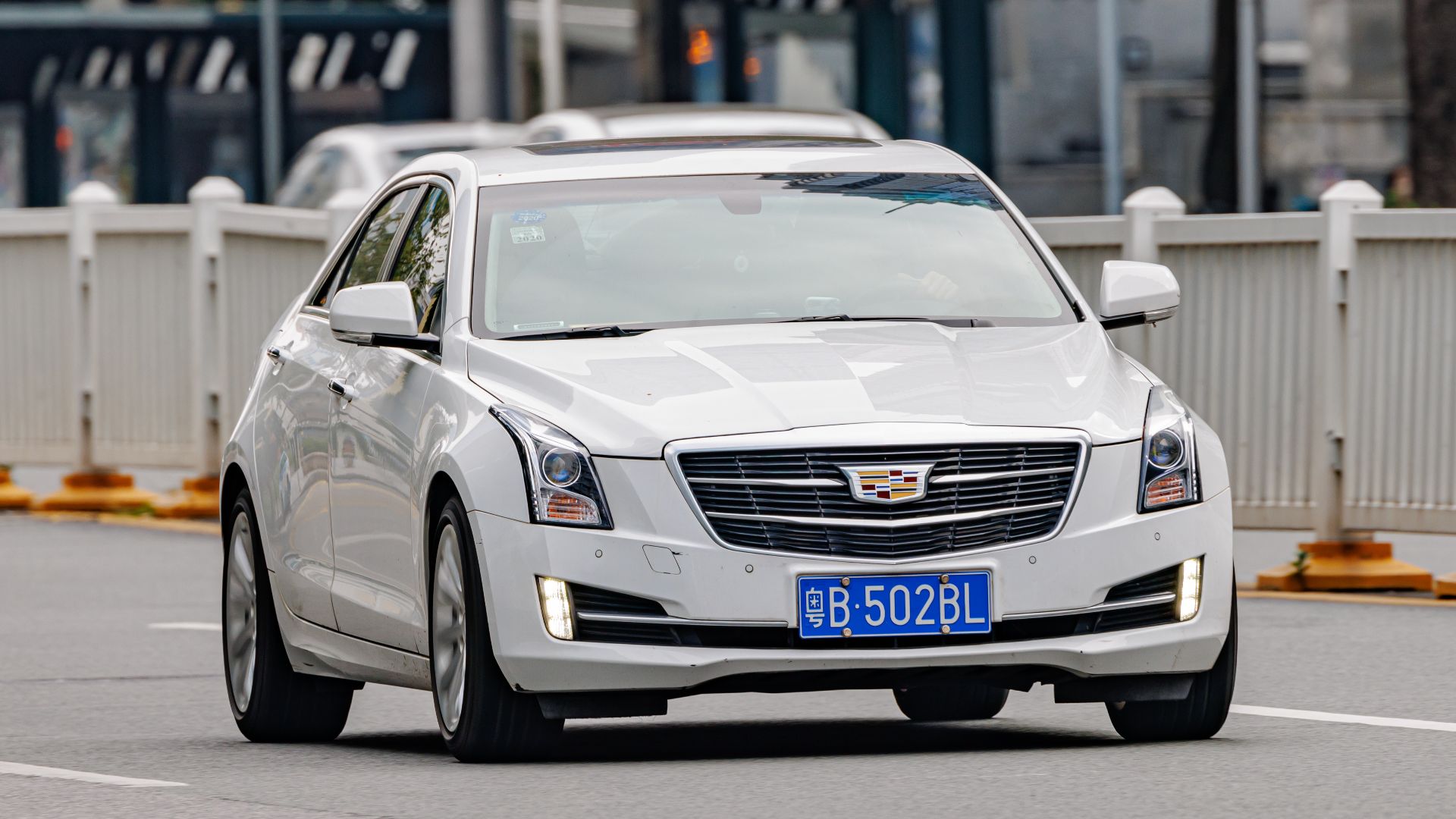
9. Cadillac ATS
The ATS handles well stock, yet aftermarket development never caught up. Limited tuning options restrict growth. Luxury complexity increases cost without expanding capability.
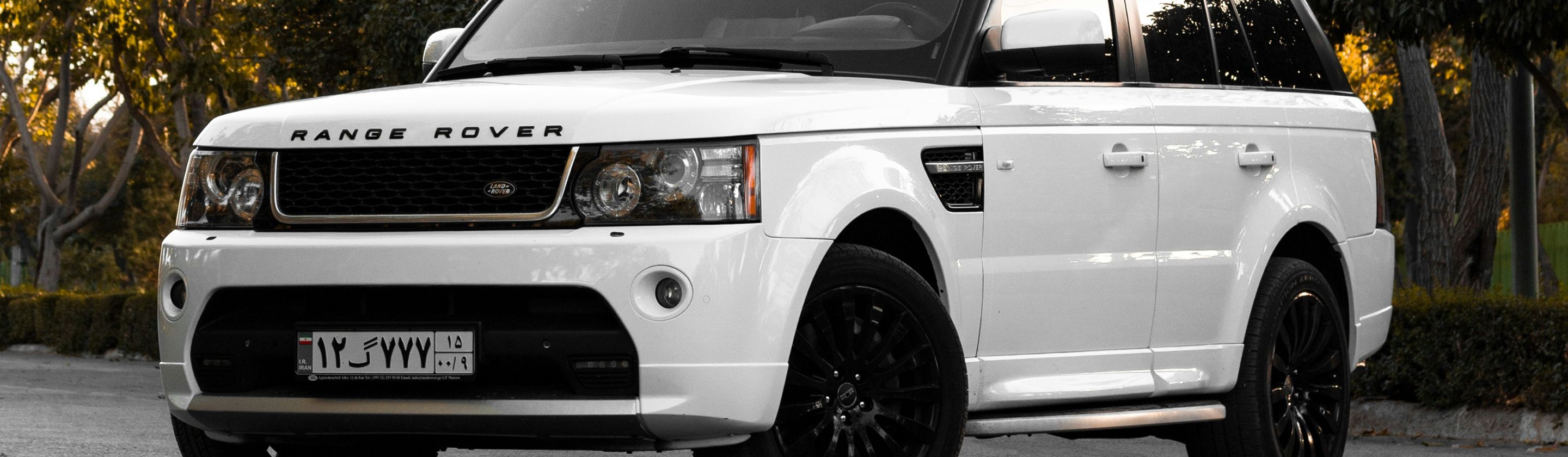
10. Land Rover Range Rover
Power and presence suggest tuning potential, yet reliability concerns loom large. Electronics and air suspension systems resist modification. Ownership already tests patience before tuning begins.