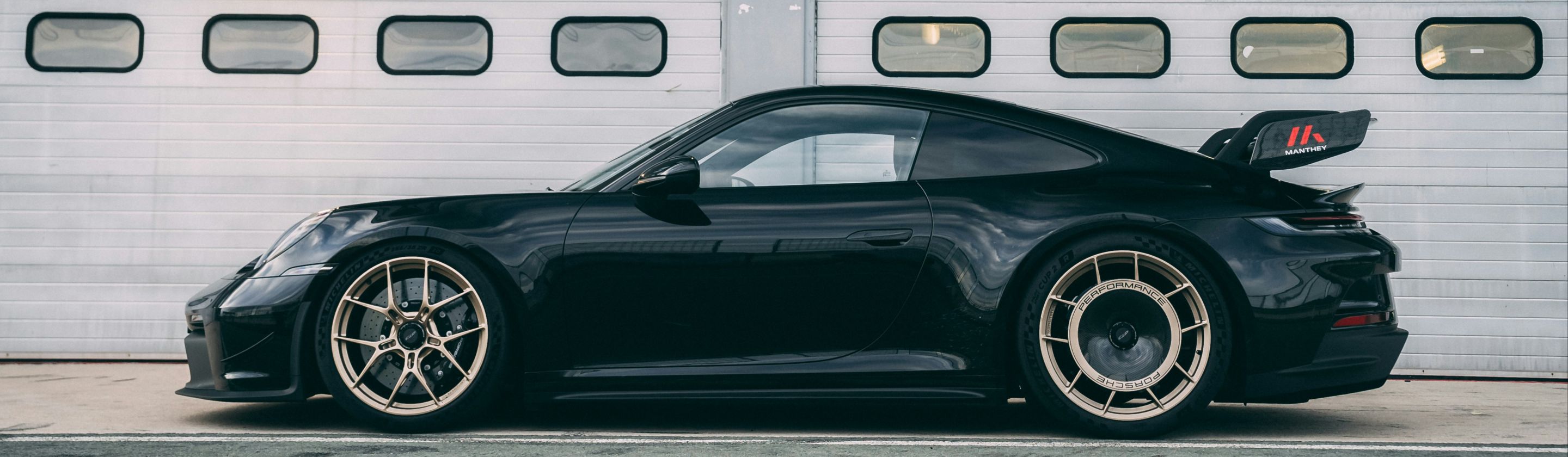
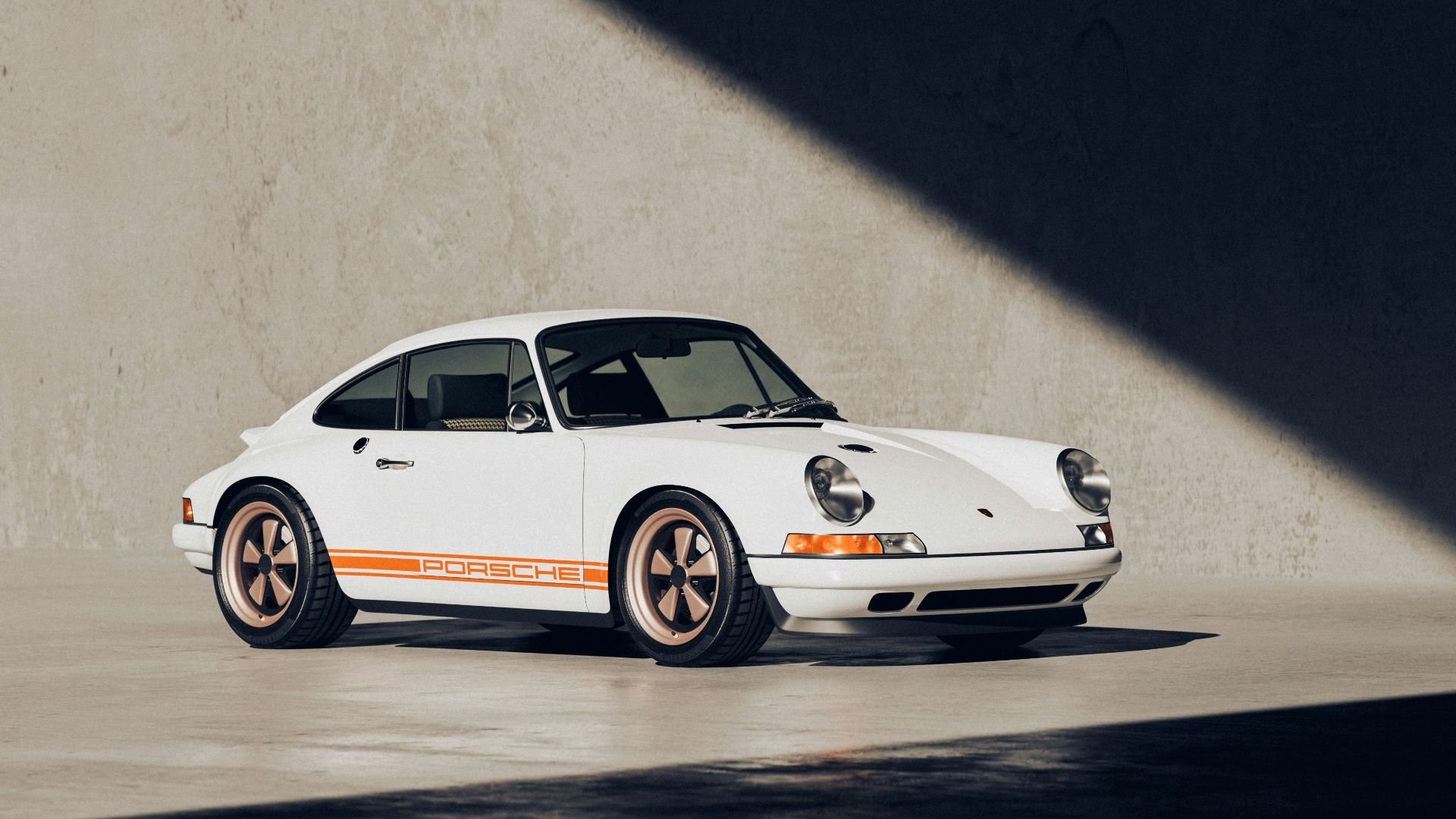
Few sports cars are as instantly recognizable as the Porsche 911, thanks to its distinctive silhouette, rear-mounted engine, and reputation for incredible driving performance. Since its introduction in 1963, the 911 has become one of the most celebrated cars in automotive history, winning over generations of passionate drivers. However, despite its legendary reputation today, there was a time when Porsche seriously considered ending its production.
During the 1970s, company executives began questioning whether the 911 could keep up with changing automotive expectations and increasingly strict regulations. Porsche even developed an entirely different sports car to replace it, believing its longtime favorite was nearing the end of the road. Thankfully, one executive's unexpected decision changed the company's course.
Why Porsche Started Losing Faith in the 911
When the Porsche 911 first arrived, its rear-engine layout and air-cooled flat-six engine helped set it apart from competing sports cars. Drivers loved its distinctive handling, although the unusual weight distribution could make early models somewhat tricky to control. By the 1970s, however, Porsche executives were growing concerned that these traditional engineering choices might eventually become more of a problem than an advantage.
Safety standards and emissions regulations were getting tougher, particularly in the American market, which was hugely important to Porsche. Engineers faced increasing pressure to improve crash protection, cut harmful emissions, and introduce technology that could meet future requirements. Some company leaders feared the 911's aging design would make these upgrades progressively more difficult and expensive.
Ernst Fuhrmann, who became Porsche's chairman in 1972, was especially doubtful about the 911's long-term future. He believed the company should embrace modern engineering rather than continue relying on a sports car whose roots stretched back to the early 1960s. Under his leadership, Porsche began planning for a future in which the 911 would no longer be its flagship sports car.
There was also the matter of changing customer expectations, as wealthy sports car buyers increasingly wanted comfort to go along with impressive performance. Traditional 911 models offered thrilling driving experiences, but their cramped interiors and demanding handling didn't appeal to everyone. Porsche's management saw an opportunity to reach customers looking for something more luxurious and easier to live with.
The Porsche 928 Was Supposed to Replace It
Porsche's answer arrived in 1977 with the introduction of the 928, a dramatically different grand touring sports car. Unlike the 911, the newcomer featured a water-cooled V8 engine mounted at the front, with its transmission positioned near the rear axle. This setup offered improved weight distribution and reflected Porsche's ambition to build a more refined, technologically advanced vehicle.
Inside, the 928 provided a more comfortable cabin, extra luggage space, and features designed to make long-distance journeys more enjoyable. Its futuristic styling was also a major departure from the familiar curves that had shaped Porsche's identity for years. Executives hoped these improvements would attract a wider audience while overcoming some of the 911's perceived shortcomings.
Initially, the 928 seemed perfectly capable of living up to those expectations, winning the prestigious European Car of the Year award for 1978. That was an impressive achievement for a sports car, particularly since the award usually went to more conventional passenger vehicles. Porsche appeared to have created a worthy successor that could confidently lead the company into a new era.
Unfortunately for Porsche's management, customers weren't nearly as eager to give up the 911 as expected. Many enthusiasts still preferred its unmistakable character, compact proportions, and engaging driving experience over the 928's more luxurious approach. While the 928 eventually developed a loyal following of its own, it never convinced enough 911 buyers that their beloved sports car had outlived its usefulness.
The Executive Who Saved Porsche's Most Famous Car
By 1980, Porsche was facing serious financial difficulties, with the company recording its first-ever losses during a particularly challenging period. The mixed results of its replacement strategy only added to the uncertainty surrounding the automaker's direction. When Peter Schutz took over as Porsche's chief executive in January 1981, he inherited a company with some difficult decisions ahead.
One of Schutz's earliest discoveries was that Porsche had already made plans to discontinue the 911 in favor of newer models. According to his own recollection, he visited engineering chief Helmuth Bott and spotted a development chart outlining the company's future vehicle plans. While the other model lines continued well into the future, the one representing the 911 came to an abrupt end in 1981.
Schutz reportedly picked up a marker and extended the 911's line across the chart and onto the wall, leaving little doubt about what he thought of the decision. The memorable gesture reflected his belief that abandoning Porsche's most recognizable sports car would be a serious mistake. By his third week as chief executive, he'd formally reversed the decision to discontinue the beloved model.
Instead of letting the 911 disappear, Schutz backed further development and encouraged Porsche to broaden its lineup. The arrival of the 911 Cabriolet in 1982 gave customers another way to enjoy the iconic sports car, while ongoing improvements helped it remain competitive. Porsche eventually recovered from its difficult period, and the 911 continued evolving through one successful generation after another.
In hindsight, the decision to save the 911 was one of the most important moves in Porsche's history. The 928 stayed in production until 1995, but in an ironic twist, the car originally designed to replace the 911 was the one that eventually disappeared. Today, Porsche's enduring sports car is proof that moving forward doesn't always mean ditching the old.