When Cars Had Soul
The roar of a turbocharged engine, pop-up headlights slicing through the night, and a cassette deck blasting your favorite track—if this sounds like automotive heaven, you're not alone. The 1980s transformed the car industry in ways that still echo today, creating machines that balanced raw performance with technology. This decade delivered automotive excellence across every segment. Let’s discover why this era remains legendary for the industry.
1. Turbocharged Performance With Driving Character
In the 1980s, turbocharging added personality to the car. Brands like Porsche and Buick embraced boost. It created cars with sudden torque hits along with thrilling unpredictability that made every hard pull feel unforgettable to the drivers.
2. Birth Of The Modern Hot Hatchback Segment
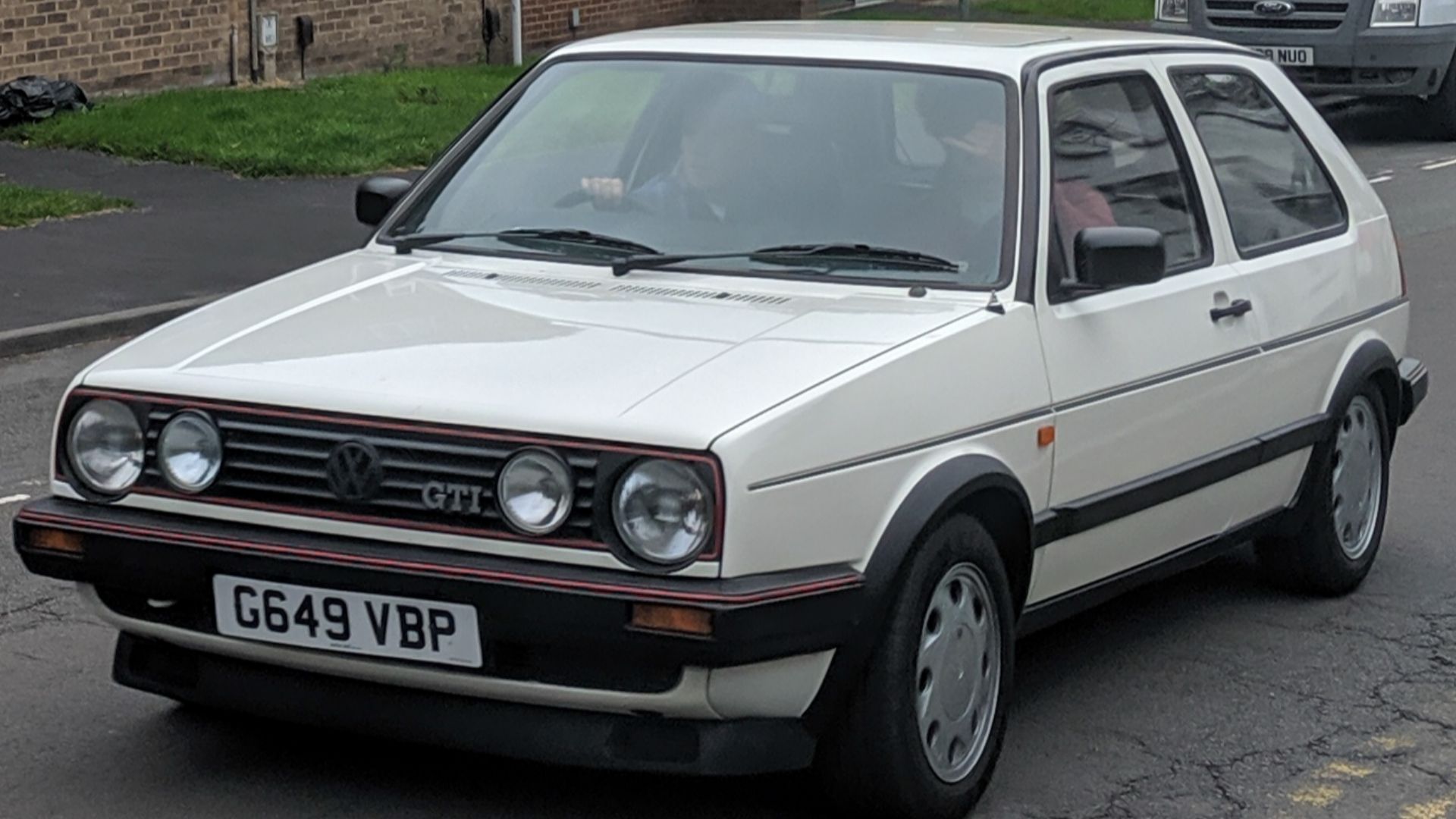
The hot hatch truly flourished here, led by the Volkswagen Golf GTI and followed by icons like the Peugeot 205 GTI and Ford Fiesta XR2. These cars brought together daily usability with sharp handling to make spirited driving accessible without supercar budgets.
3. Ferrari F40 Supercar Debut
When the Ferrari F40 debuted in 1987, it stripped luxury to the bone in favor of speed. Approved by Enzo Ferrari himself, it felt less like a car and more like a statement of intent.
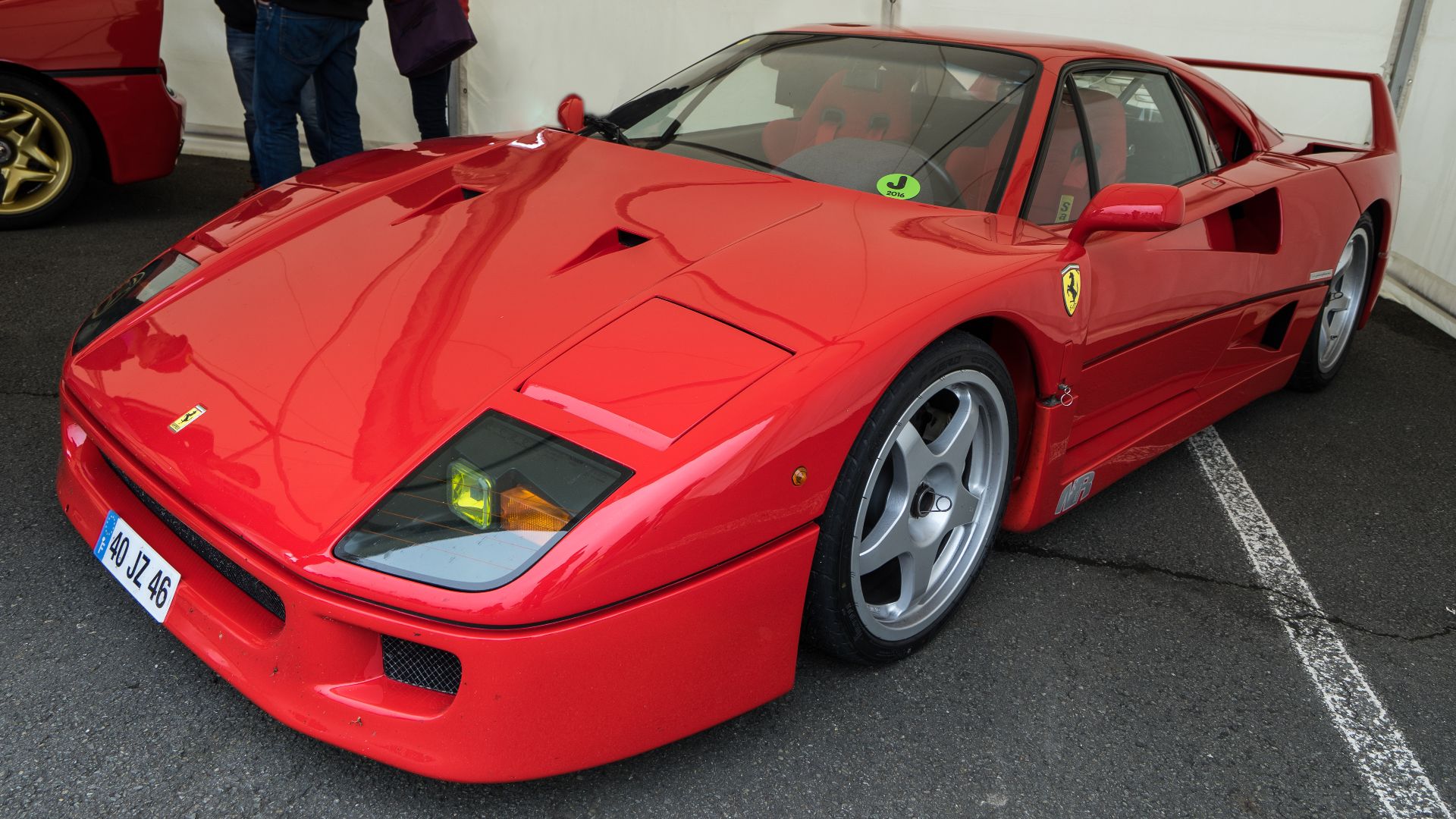 Falcon® Photography from France on Wikimedia
4. Japan’s Rise In Performance Car Culture
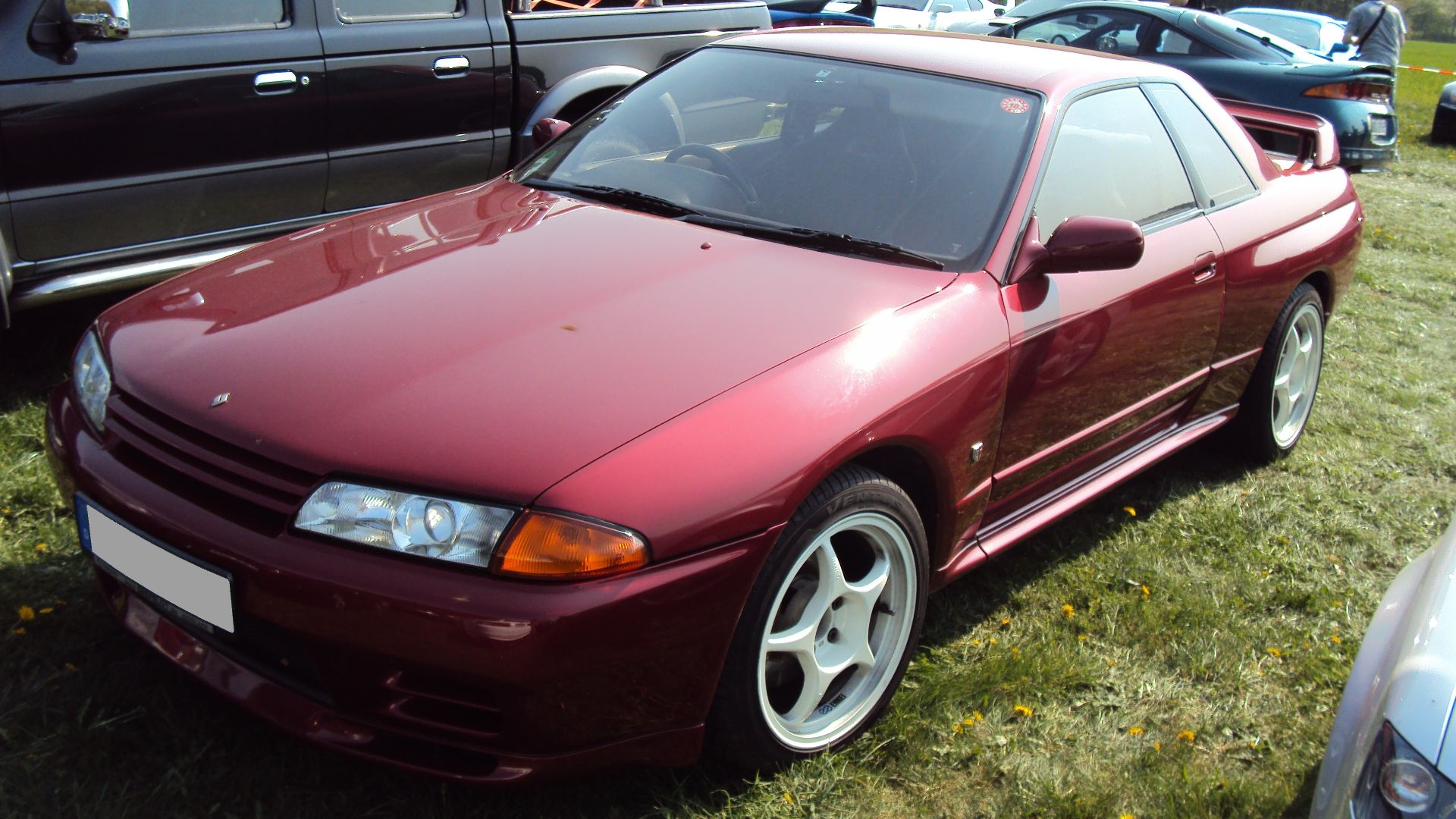
Japanese automakers embraced features like digital dashboards with precise handling while keeping prices competitive. This shift redefined global performance expectations. It also fueled tuning culture. The famous Japanese Nissan Skyline GT-R (R32) earned its “Godzilla” nickname after dominating races.
5. Electronic Fuel Injection Becoming Standard In Cars
By the mid-1980s, electronic fuel injection replaced carburetors to improve efficiency. Systems like Bosch Motronic enabled precise fuel delivery and consistent performance, quietly transforming everyday drivability without sacrificing enthusiast appeal.
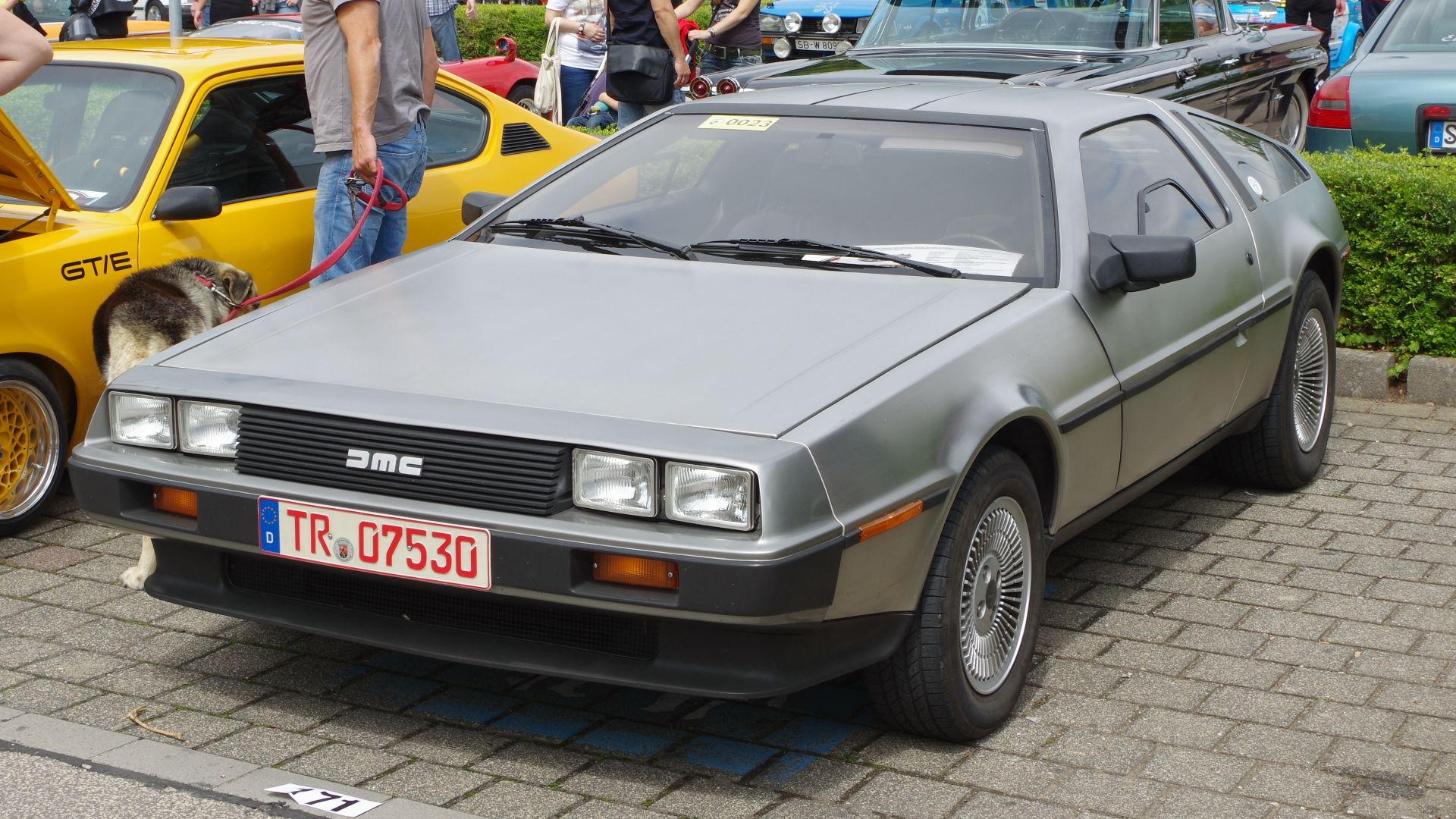
6. The DeLorean DMC-12 And Pop Culture Impact
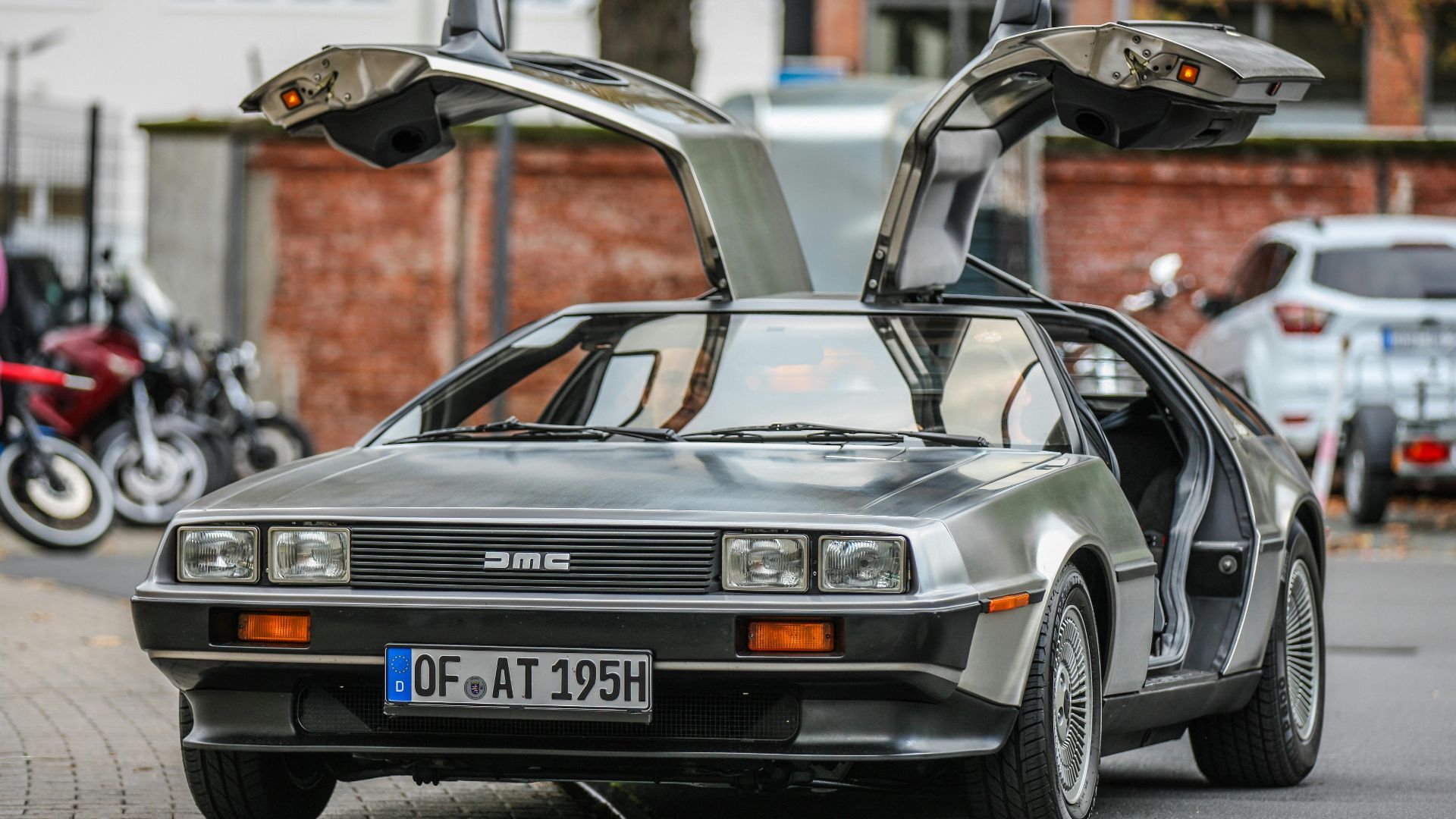
The DeLorean DMC-12 stood out with stainless steel panels and gull-wing doors, despite modest performance. Limited production added intrigue, and its role in Back to the Future cemented its status as an enduring cultural icon.
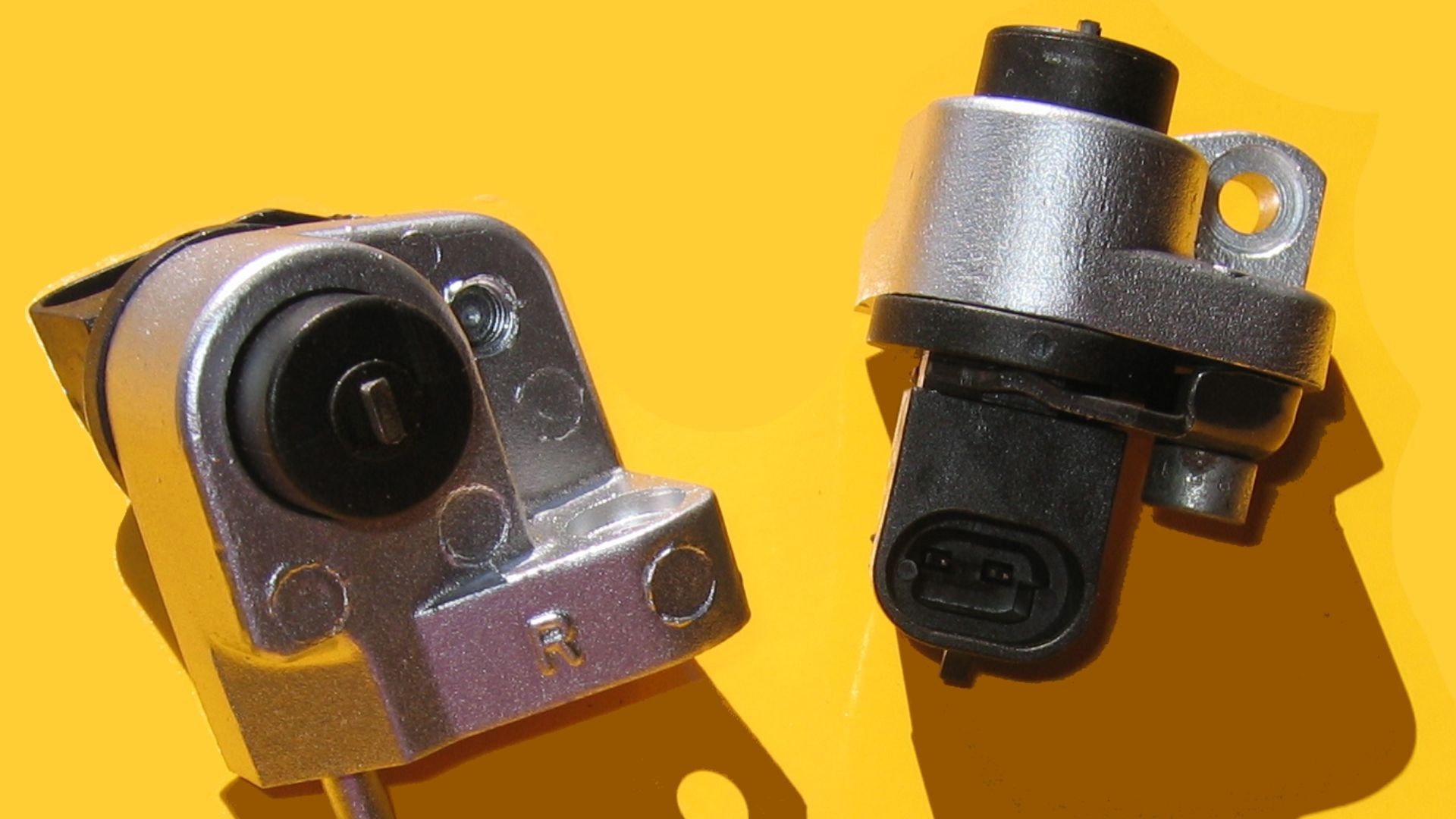
7. Anti-Lock Braking Systems In Everyday Driving
During the 1980s, safety technology took a major leap forward as premium brands like Mercedes-Benz embraced smarter braking. The result was better control in emergencies, which gave far more confidence to drive on wet roads.
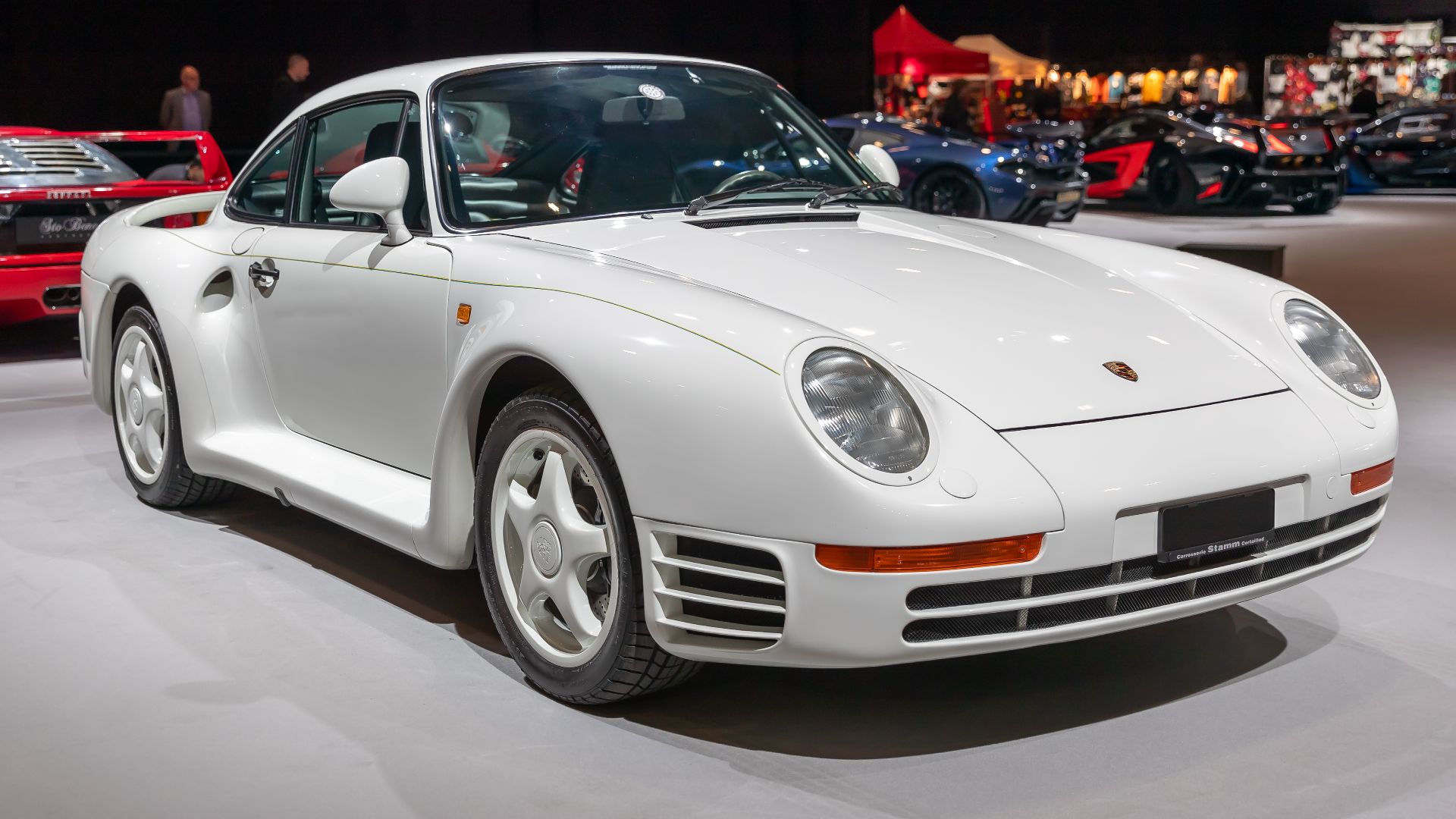
8. Porsche 959 As A Technological Showcase
The Porsche 959 blurred the line between race car and road car in this era. Advanced all-wheel drive, twin turbos, and exotic materials made it a future-forward machine that forced rivals—including Ferrari—to keep up with the momentum.
9. BMW M3 And Motorsport Dominance
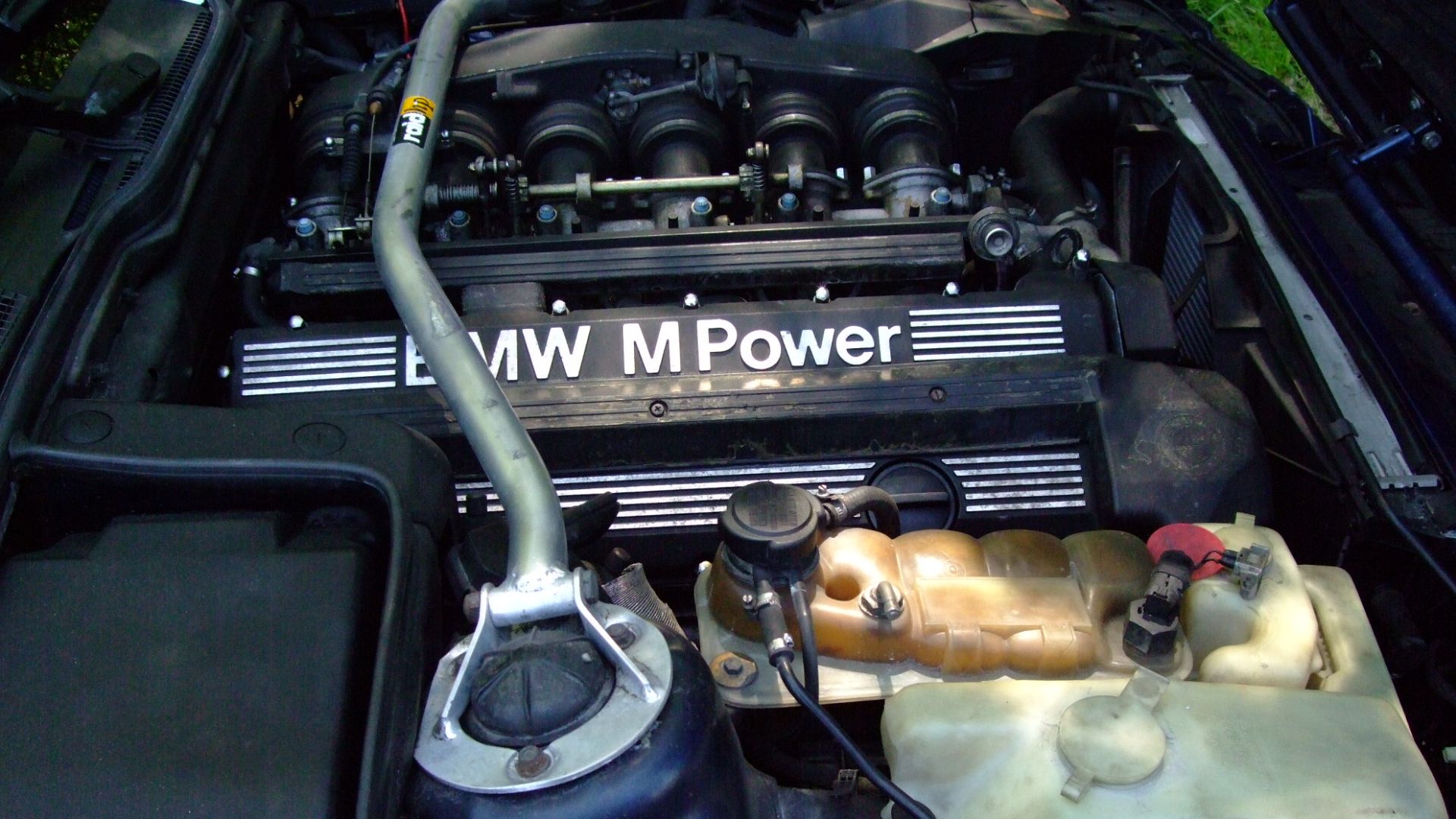
BMW M3 (E30) combined a lively engine with excellent balance. Its many race wins proved how capable it was, turning the M3 into a symbol of driver-focused performance that future models continue to follow.
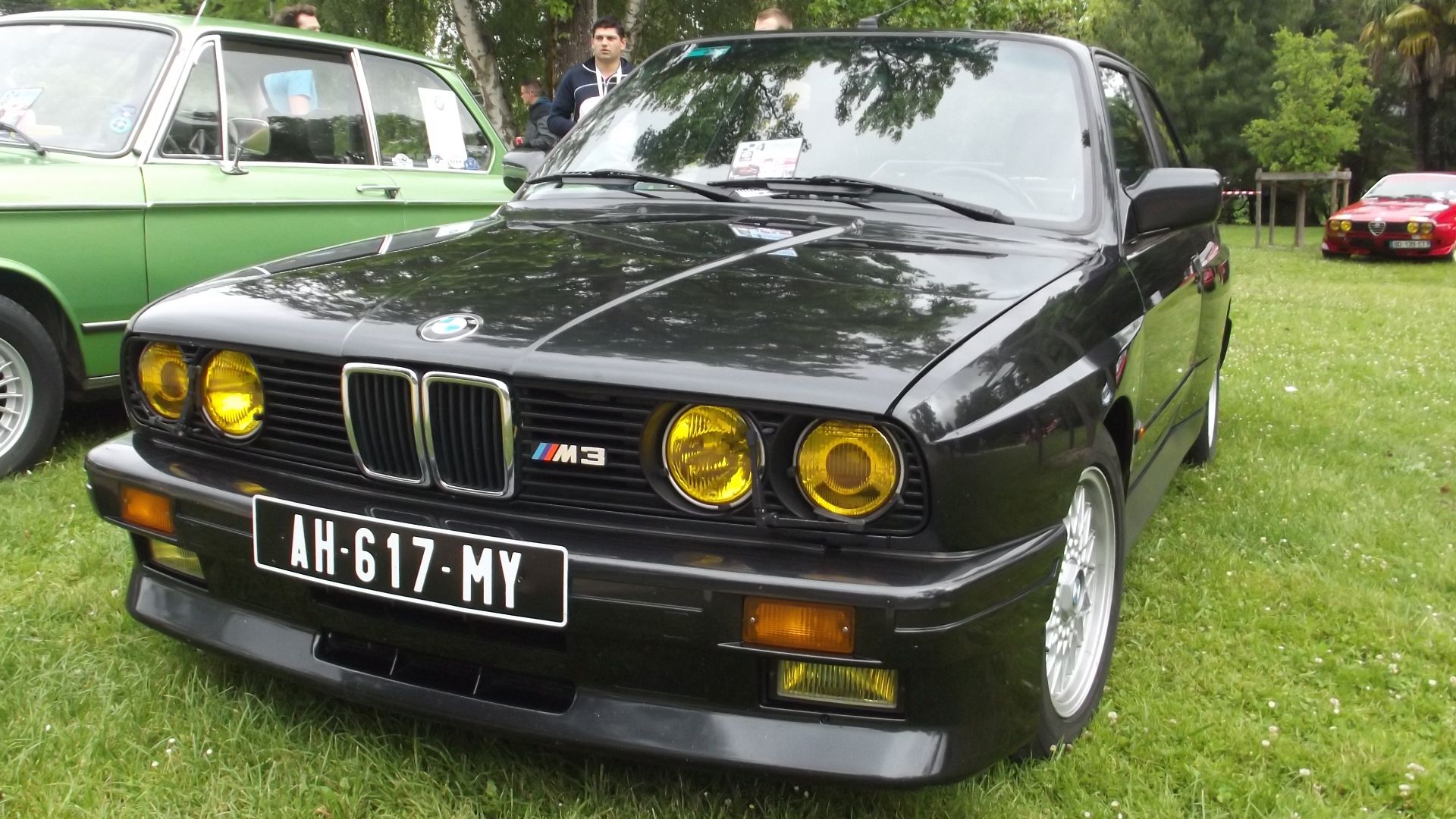 Handelsgeselschaft on Wikimedia
10. All-Wheel-Drive Revolution
Rally success in the early 1980s proved that all-wheel drive was a winner. The Audi Quattro showed how added traction improved control and speed. It also inspired road cars like the Porsche 959 to reshape performance expectations.
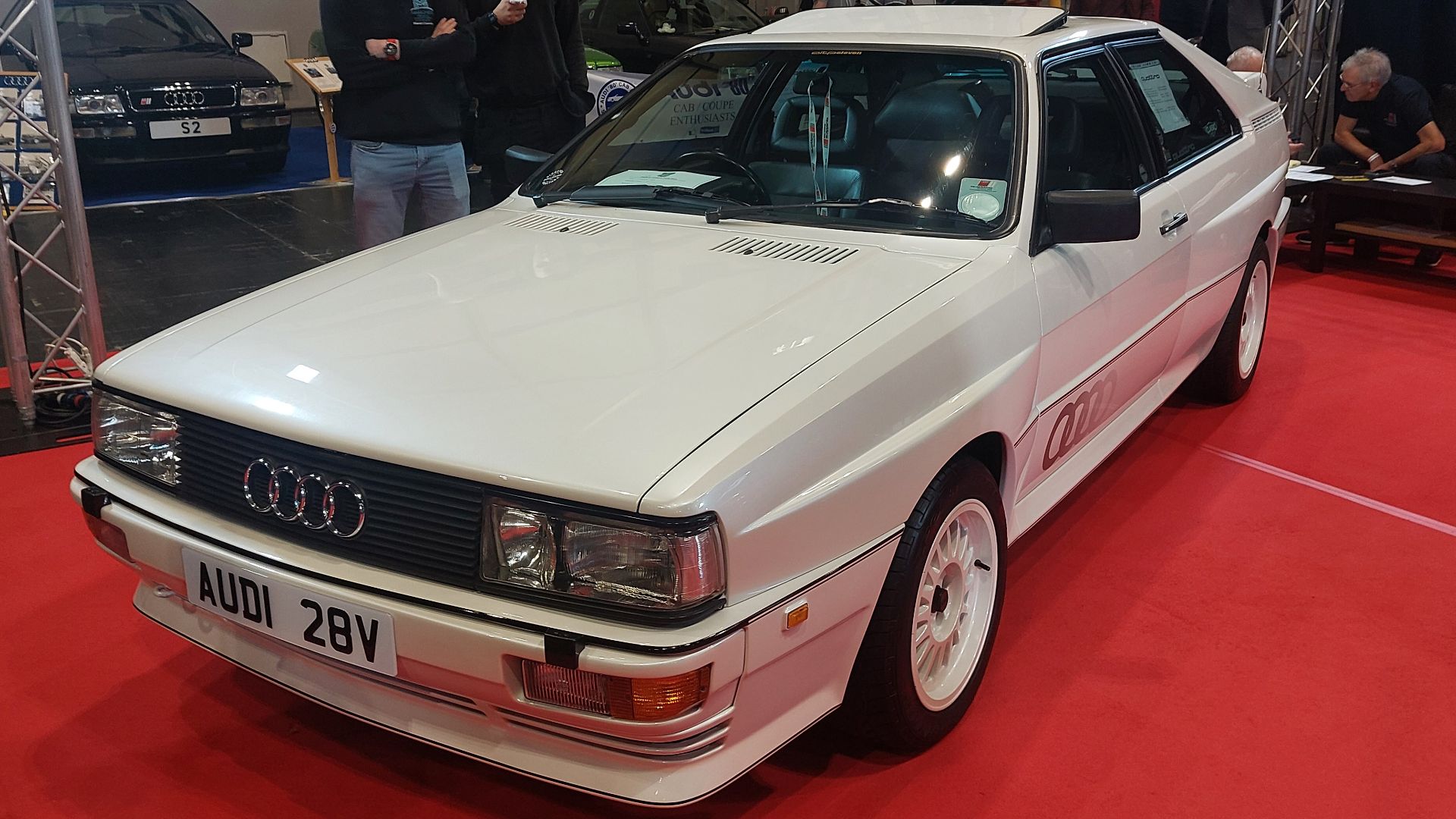 Kieran White from Manchester, England on Wikimedia
11. Digital Dashboard Instrumentation Takes Center Stage
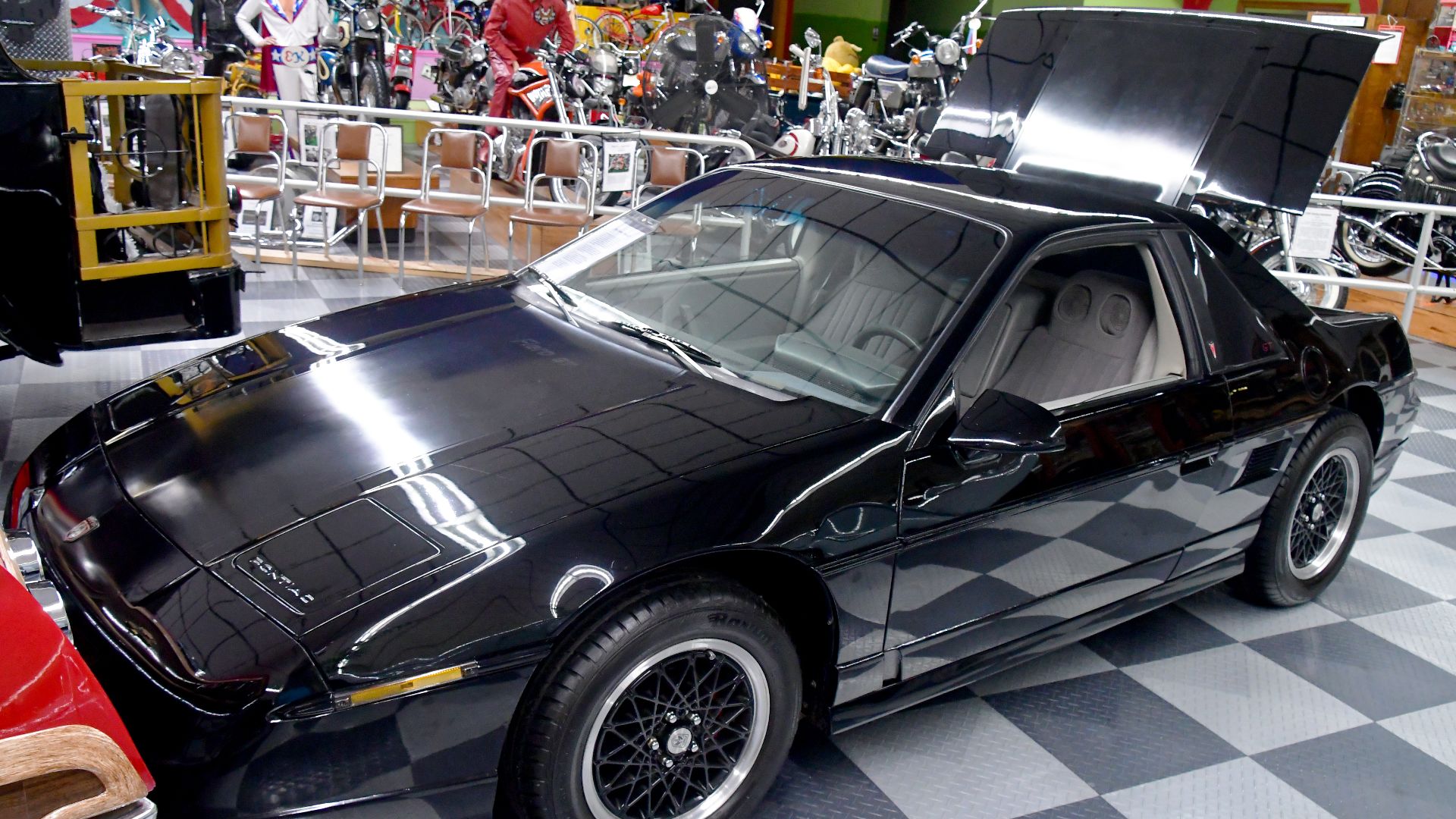
Digital dashboards became a visual signature in this era. Cars such as the Pontiac Fiero and Nissan 300ZX featured glowing displays with futuristic graphics that made driving feel distinctly high-tech. The trip computers were introduced, too.
12. Chevrolet Corvette C4 Redesign
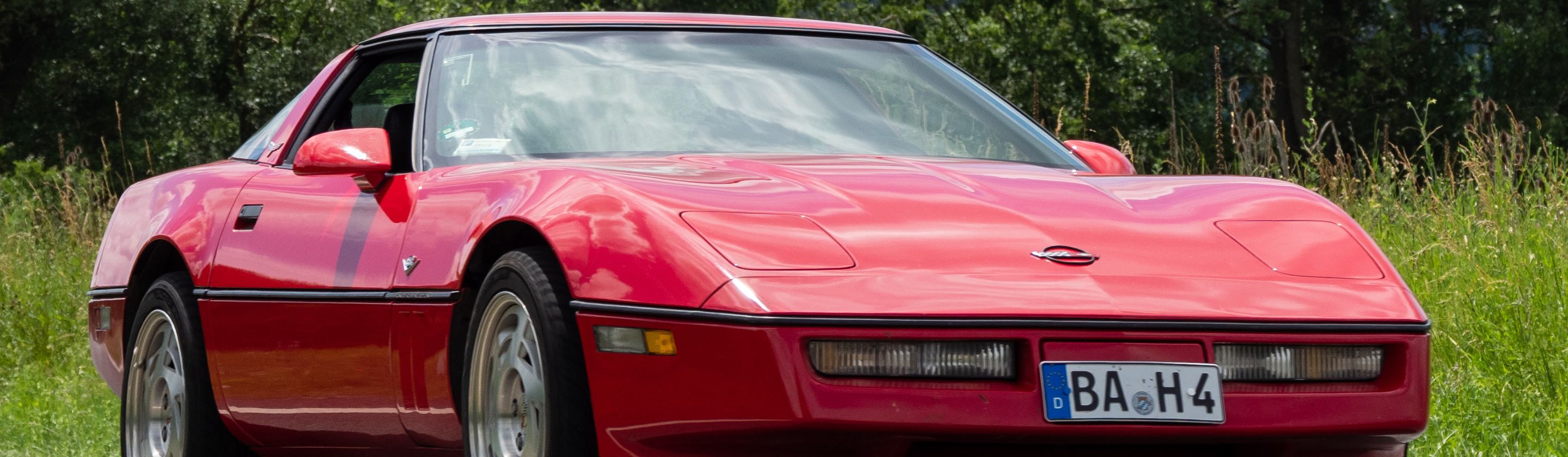
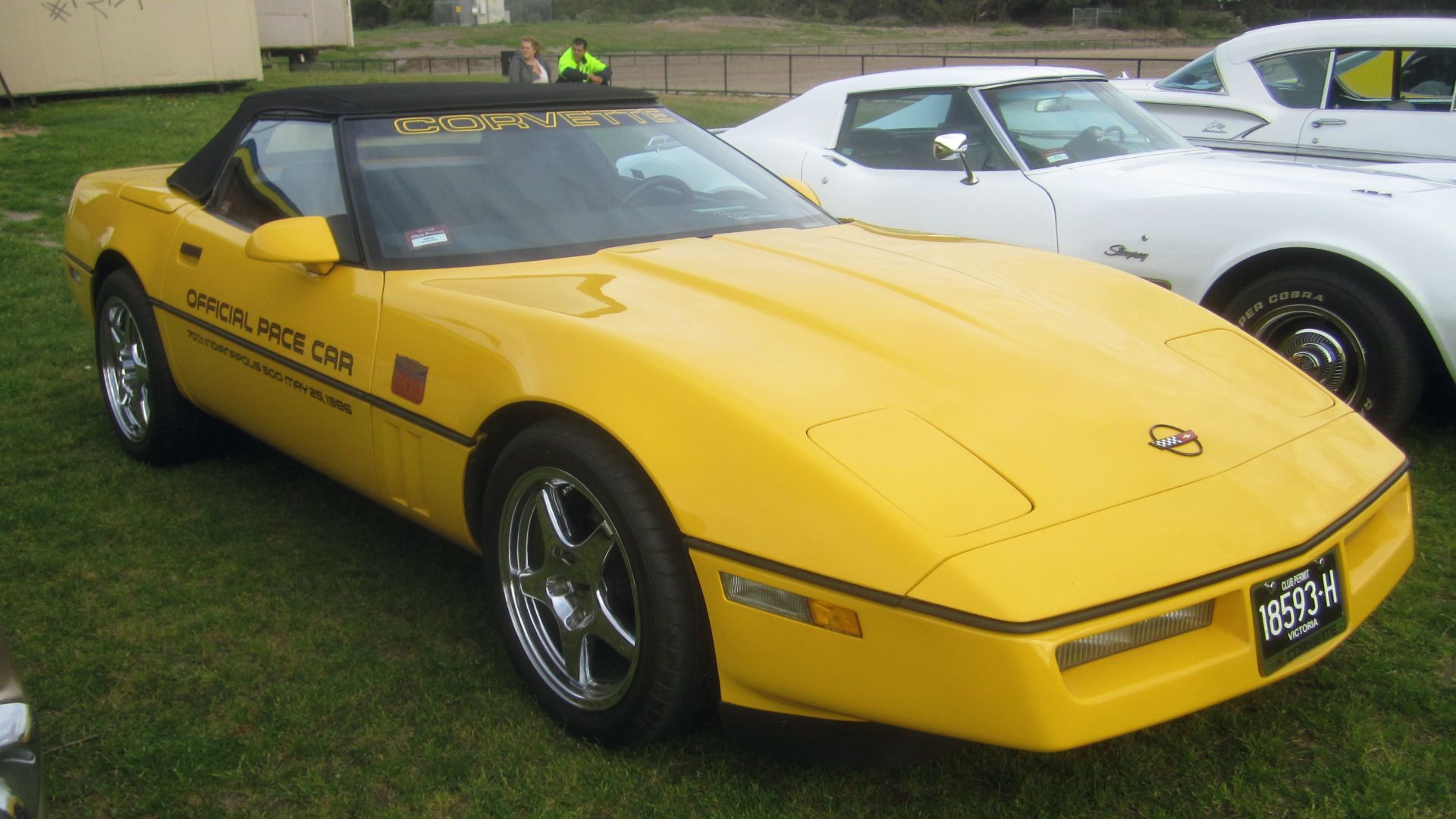
This brand did not stay behind in the race. A stiffer chassis with improved aerodynamics signaled a major leap forward in American sports car design. The focus on technology perfectly captured the decade’s performance evolution.
13. Testarossa’s Wide-Body Design Influence
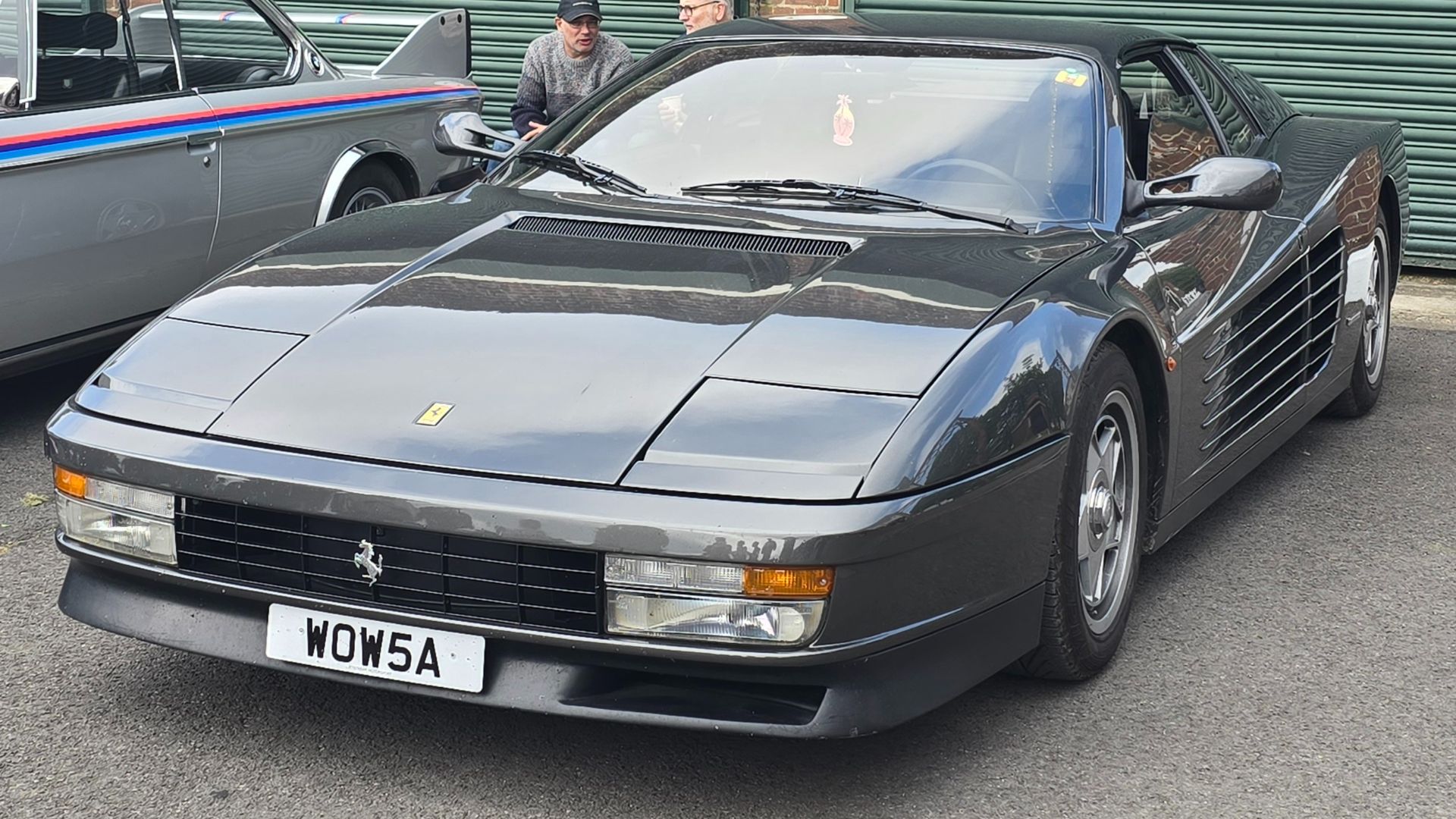
The 1980s embraced bold automotive styling that emphasized dramatic presence alongside speed. Ferrari’s Testarossa embodied this spirit, its wide‑body design symbolizing confidence, luxury, and cultural dominance across elite circles and television screens worldwide.
14. Homologation Specials For Road Use
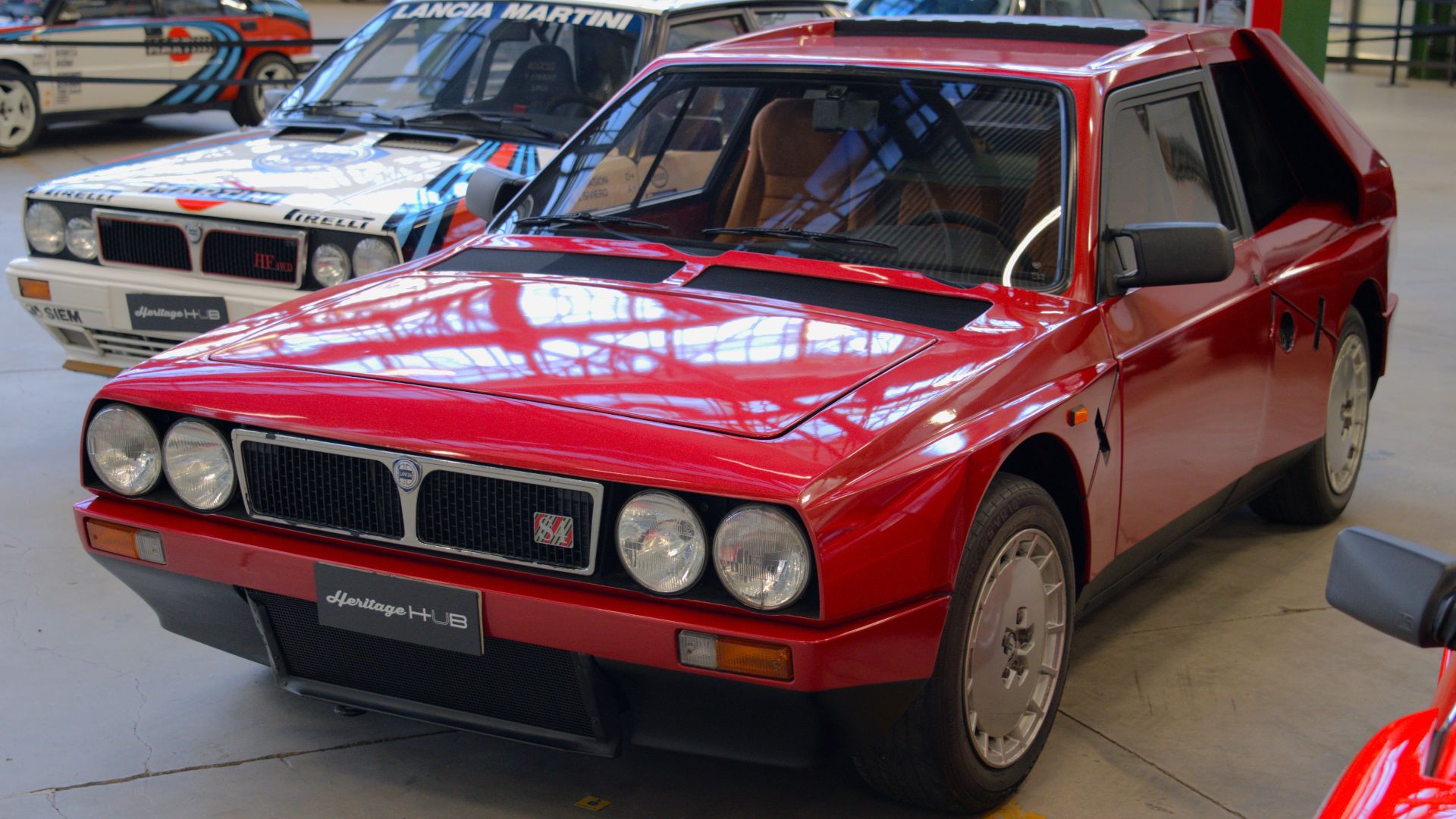
Rally rules forced manufacturers to sell road-going race cars. It created legends like the Porsche 959 and Lancia Delta S4. The 1980s uniquely allowed everyday drivers access to advanced motorsport technology.
15. Ford Mustang 5.0 Where Performance Met Affordability
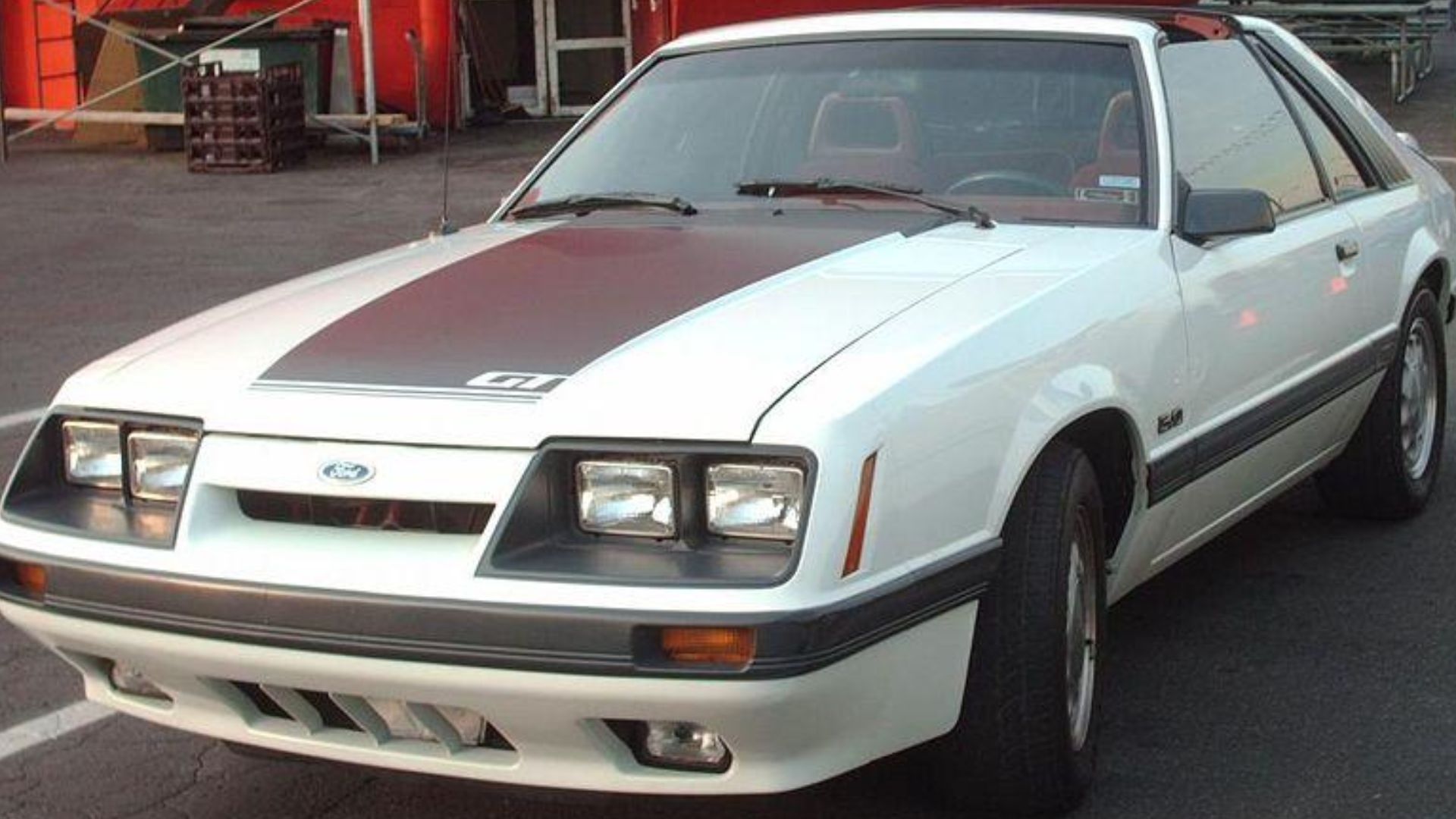
Affordable speed returned during the 1980s to put real V8 performance within reach of everyday drivers. Strong straight-line pace with easy modification fueled grassroots racing culture. It helped revive American muscle enthusiasm with the Ford Mustang 5.0.
16. Air‑Cooled 911’s Peak Era
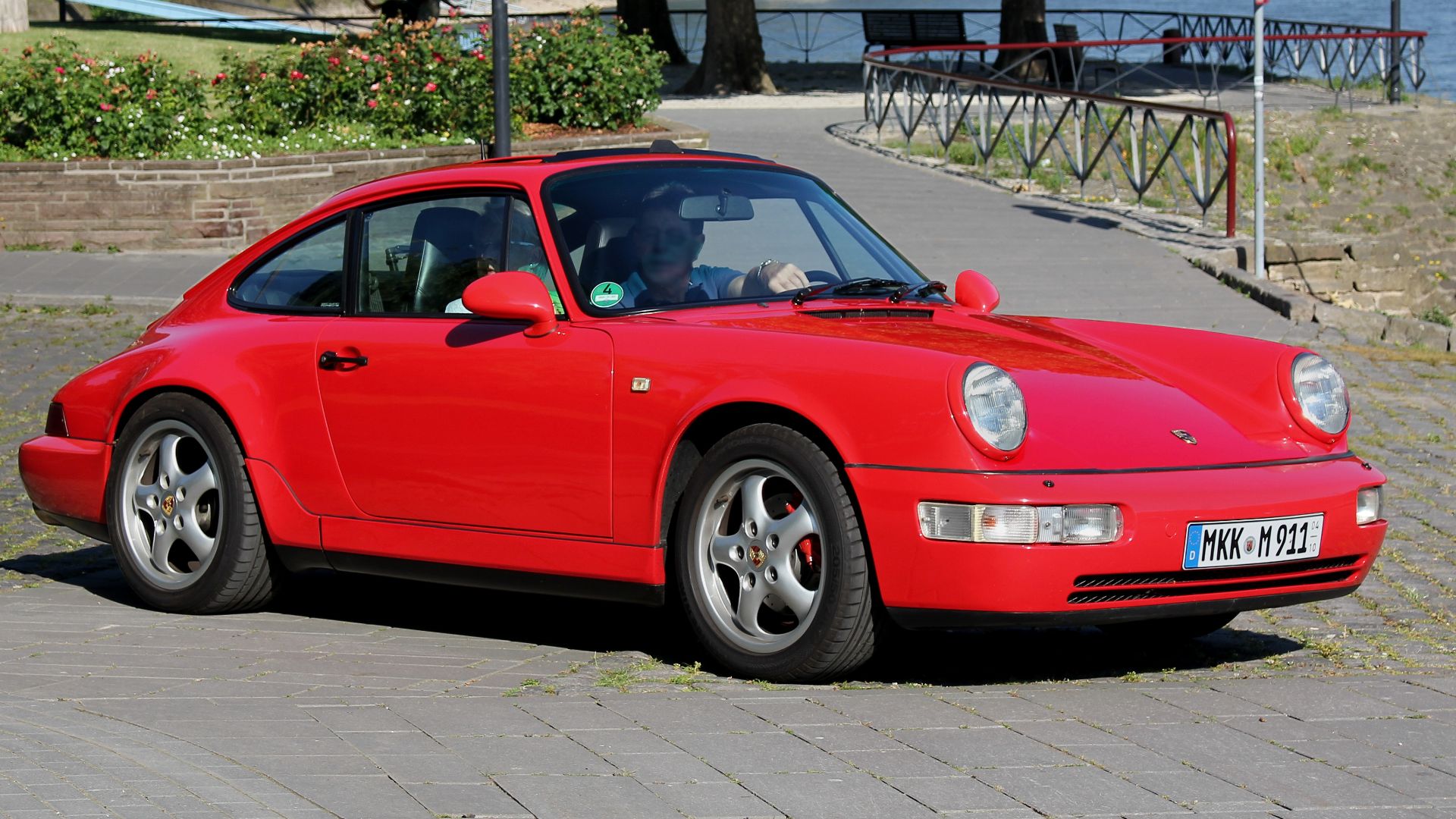
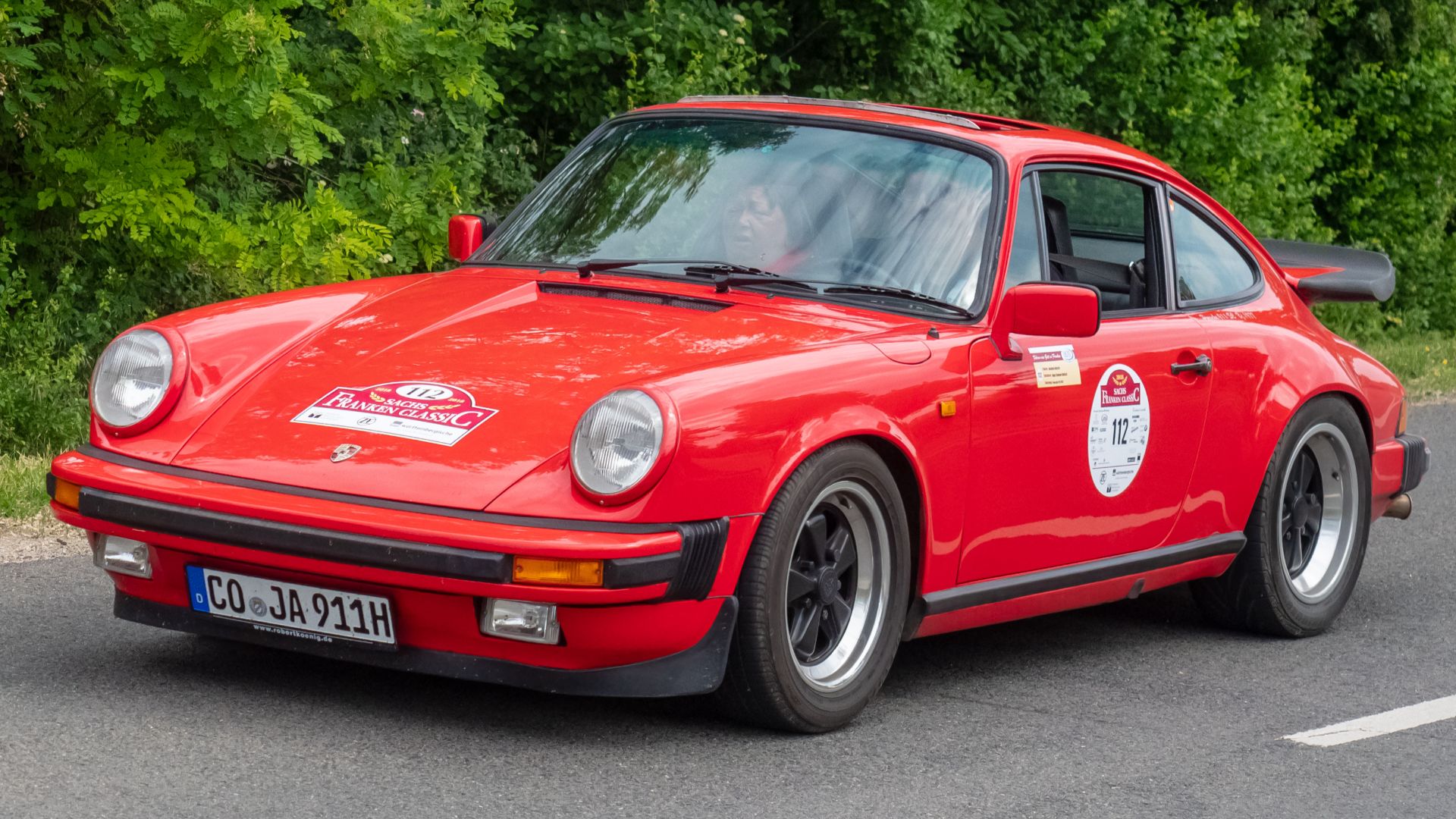
The Porsche 911 reached its defining phase during the late air‑cooled years, when engines relied on airflow over cooling fins rather than liquid radiators. This design kept the car mechanically pure while thoughtful refinements improved comfort.
17. Car Phones And Early In-Vehicle Technology
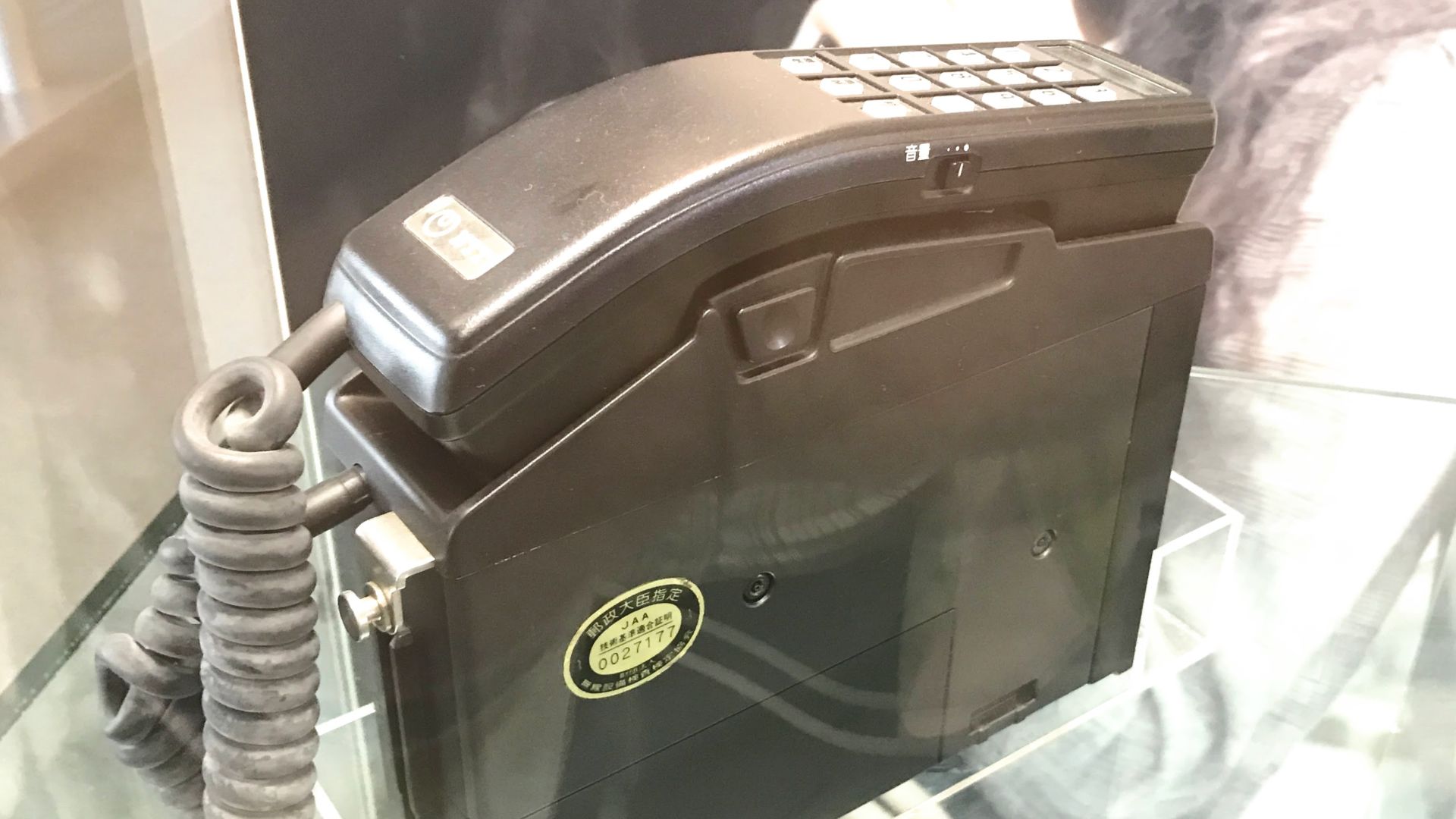
Technology became part of the driving identity in this era, with luxury cabins showcasing bulky phones and early onboard computers. These status symbols previewed the connected cars that would later become standard as the car phone.
18. Analog Driving Purity Before Electronic Nannies
Driving demanded constant involvement. Feedback came directly through the wheel and pedals, which forces drivers to stay alert. That learning curve created a stronger bond between car and driver, often remembered as the peak of analog driving.
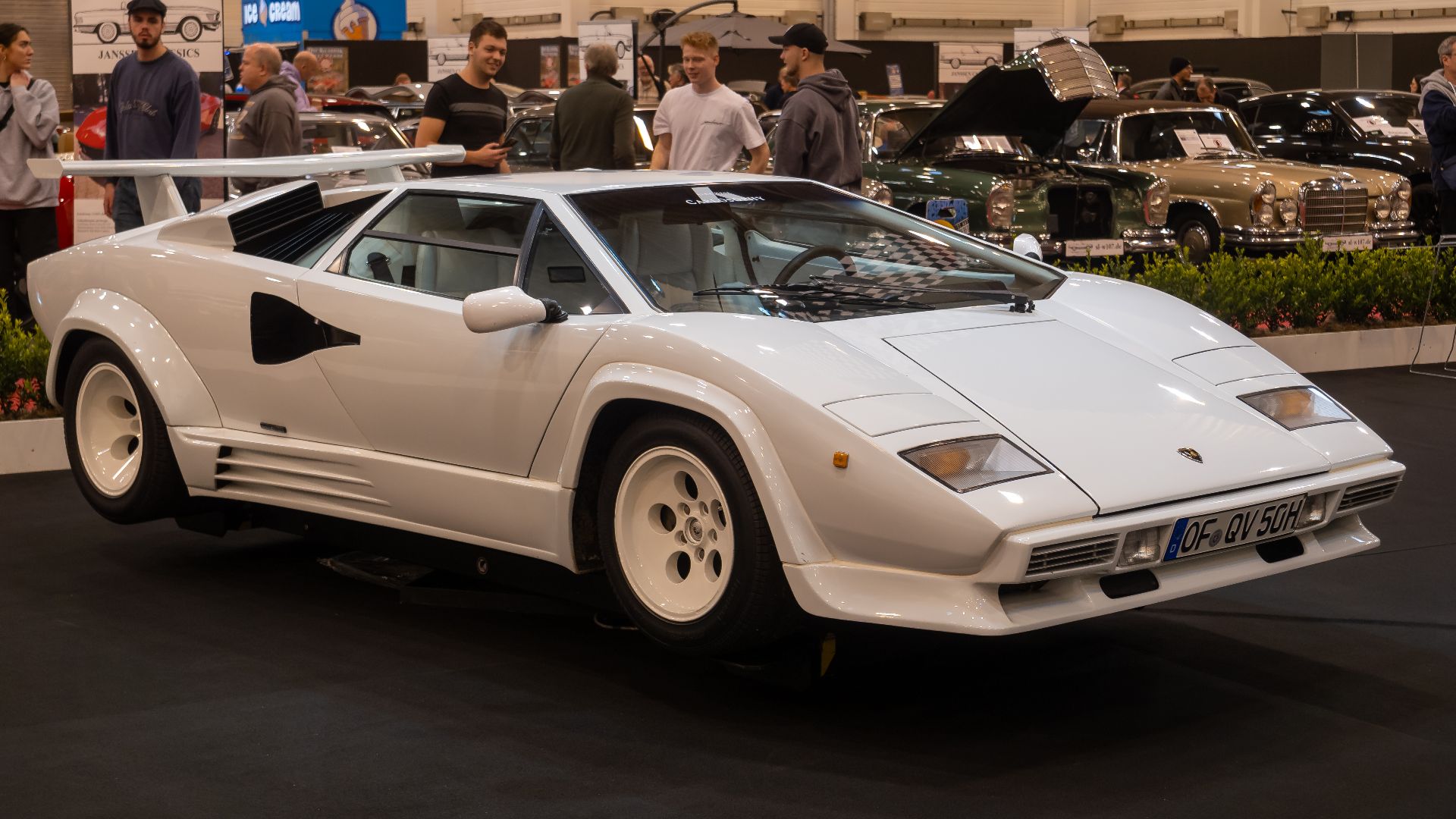
19. Lamborghini Countach As The Ultimate Poster Car
The Lamborghini Countach became an object of obsession through outrageous design alone. Its sharp angles and scissor doors symbolized style on a different level, living on bedroom walls as an automotive superhero.
20. Mazda RX-7 And Rotary Engine Refinement
The Mazda RX-7 showed that unconventional engineering could still deliver excitement. Its smooth, high-revving character rewarded driver involvement and highlighted creativity at a time when most rivals followed traditional piston-engine formulas.
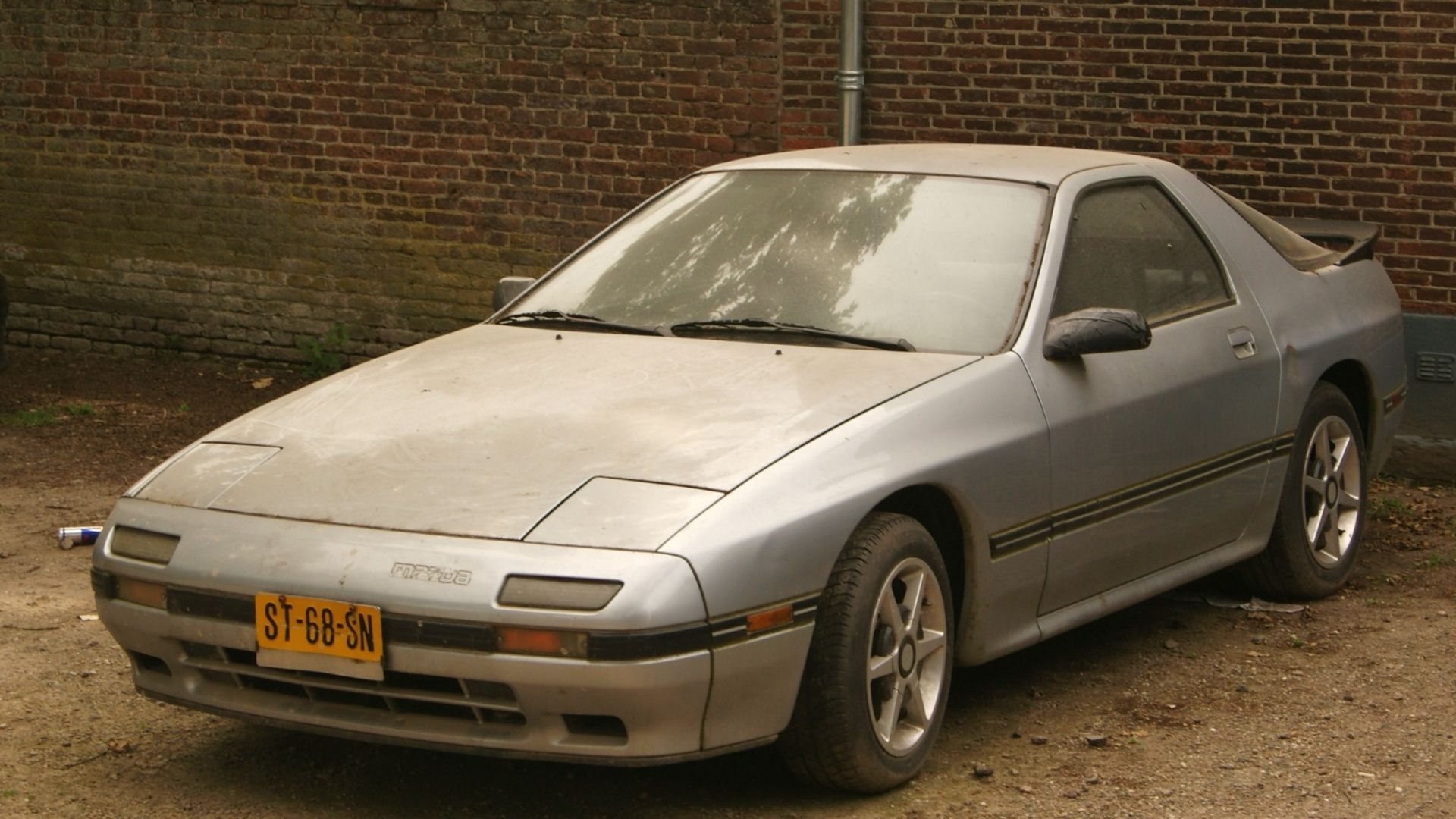 Niels de Wit from Lunteren, The Netherlands on Wikimedia