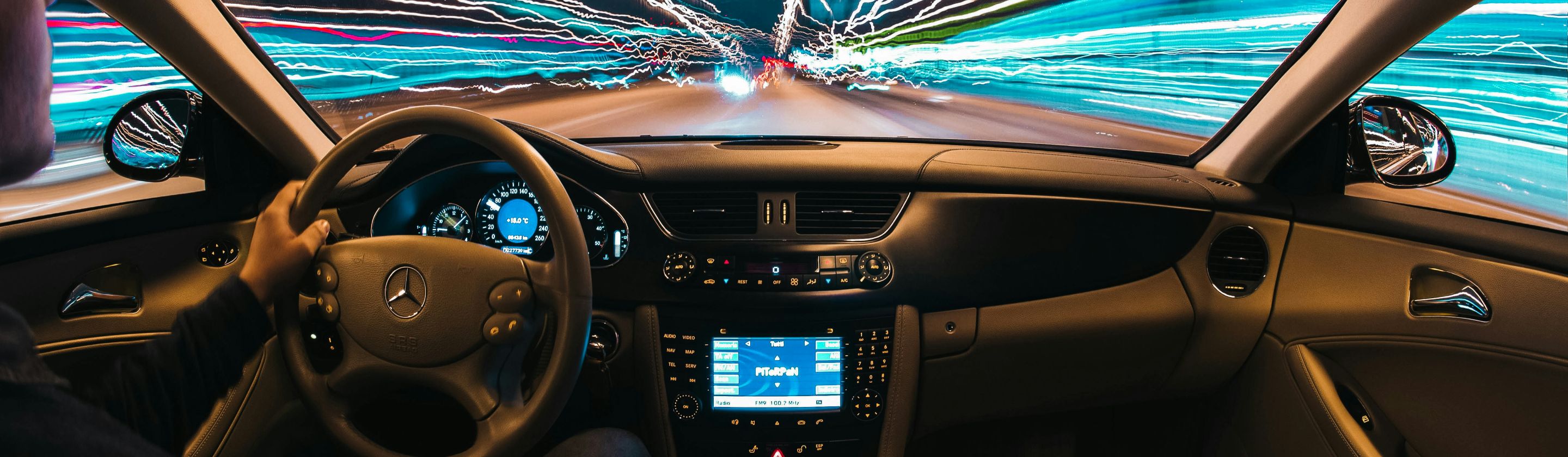
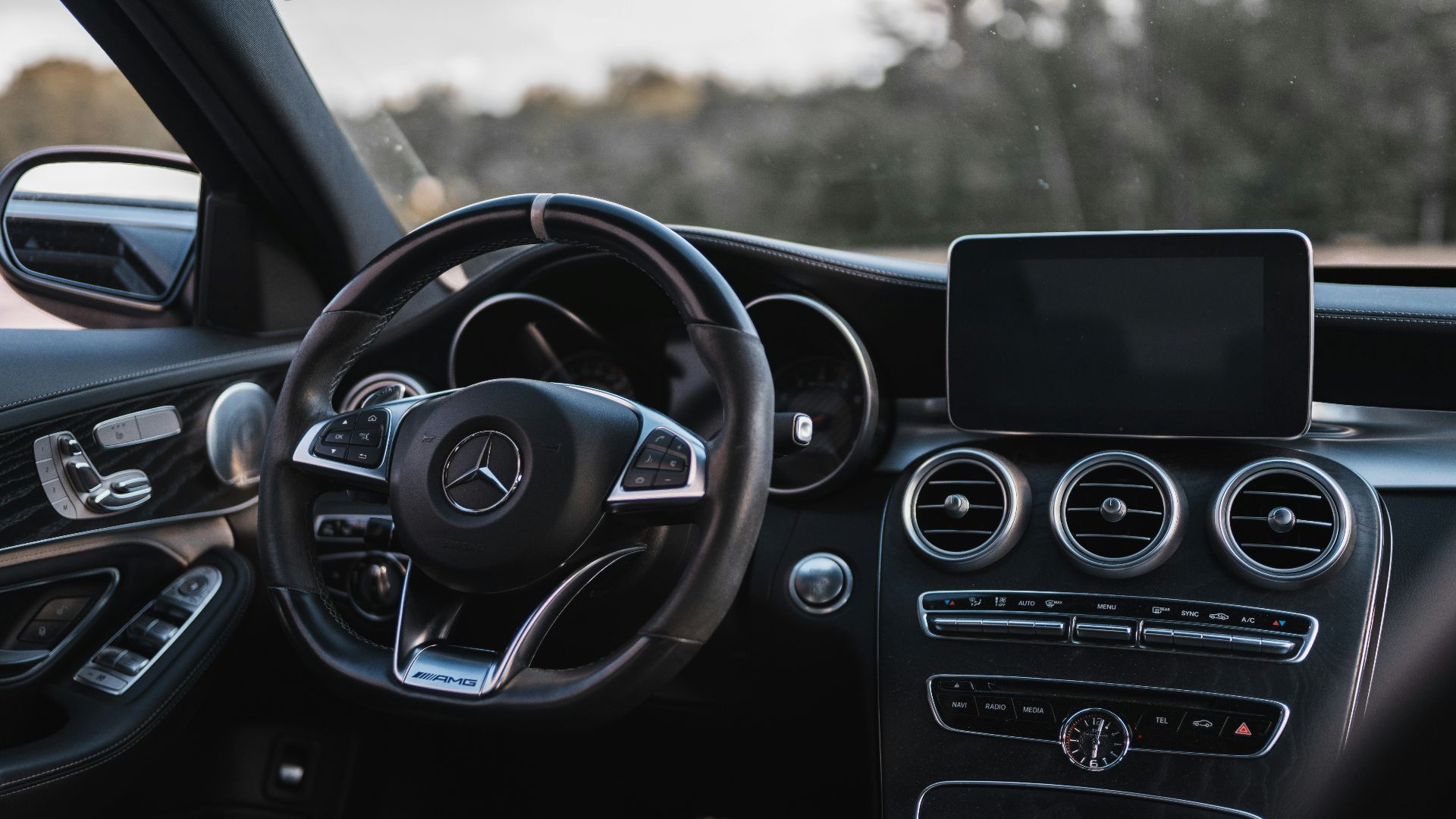
If you have stepped into a brand-new vehicle recently, you have probably noticed that the classic, tactile dashboard has completely vanished. You likely expected to find an array of satisfying buttons, heavy dials, and physical switches tailored for effortless, muscle-memory adjustments while driving down the highway. Instead, you are increasingly greeted by a massive, blinding sheet of glass that looks like it was hastily glued to the dashboard at the last possible minute. This dramatic transformation has turned the simple act of adjusting your climate control or tuning the radio into an exercise in technological frustration.
The unfortunate reality of modern automotive design is that our vehicles are rapidly losing their unique mechanical identities to become poorly optimized consumer electronics on wheels. While automakers proudly pitch these giant touchscreens as futuristic luxury upgrades, the daily driving experience often tells a completely different story. You end up navigating endless submenus and dealing with system lag just to perform basic tasks that used to take a fraction of a second. Understanding the financial and engineering motives behind this digital takeover reveals exactly why your dashboard now feels like an oversized tablet.
The Financial Allure of the Glass Screen
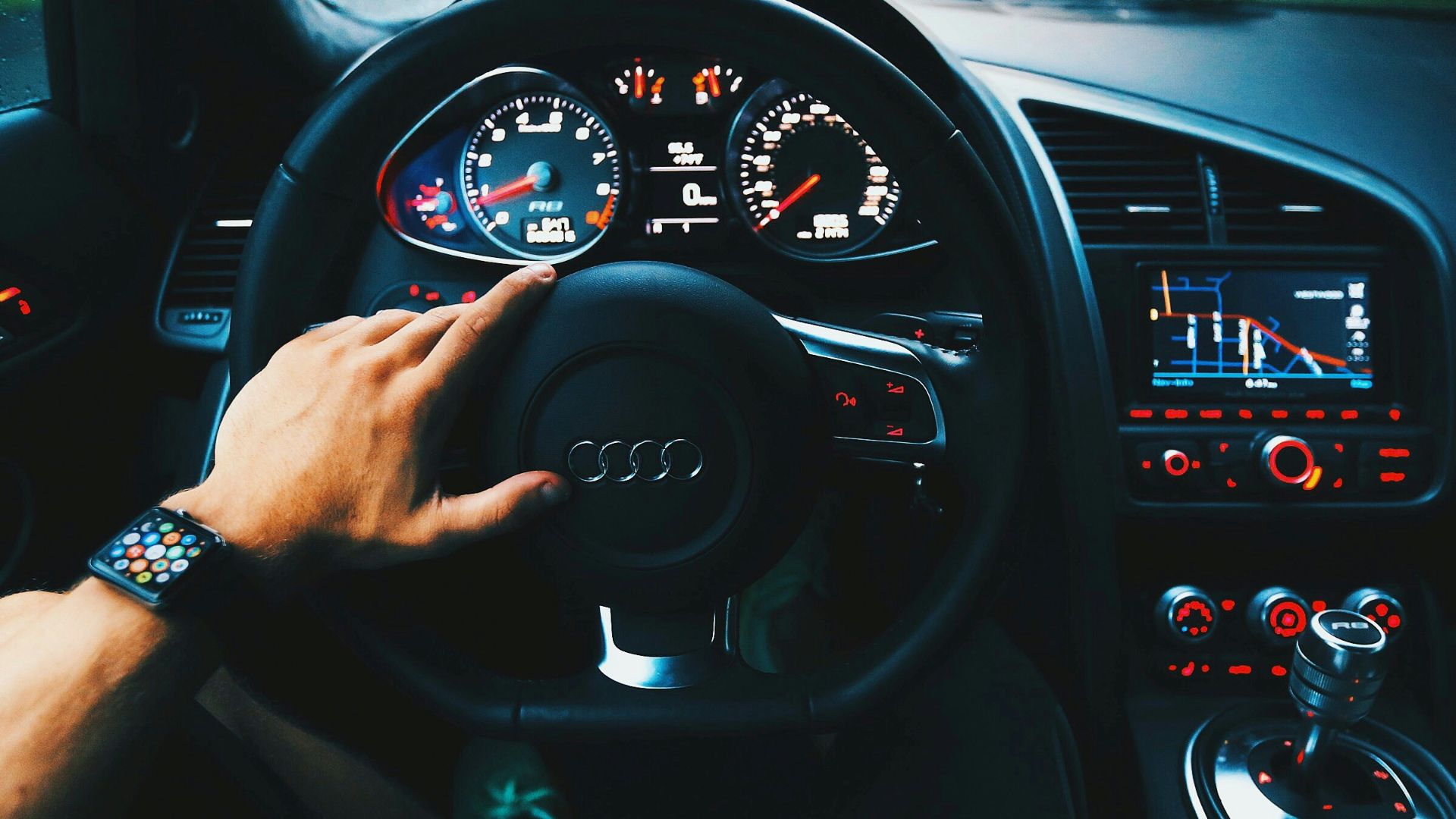
The aggressive push to replace physical switches with capacitive glass surfaces comes down to a fundamental calculation regarding manufacturing profitability. Building a traditional dashboard requires designing, manufacturing, and wiring dozens of separate mechanical components, which adds substantial cost and complexity to the assembly line. A touchscreen, by contrast, allows a manufacturer to consolidate hundreds of vehicle functions into a single, mass-produced electronic panel sourced from a third-party supplier. By shifting everything to software, car companies save millions of dollars in hardware production costs while charging you a premium for a high-tech aesthetic.
This digital shift also grants automotive designers incredible flexibility when it comes to updating vehicle features late in the production cycle. If a manufacturer wants to alter the layout of the climate control or introduce a new heated seat setting, they no longer need to redesign a physical plastic molding. They can simply push a quick code alteration to the software interface without pausing the physical factory assembly lines for even an hour. This convenience means you are essentially buying an unpolished product with the expectation that the manufacturer will fix its interface bugs later down the road.
Furthermore, these massive digital displays open up lucrative new revenue streams for automakers through software updates and ongoing subscription models. When your vehicle features physical buttons, the manufacturer cannot easily restrict your access to the heated steering wheel or navigation system after you drive off the lot. By locking these everyday comforts behind a software paywall on a central screen, they can easily charge you a monthly fee to keep using features your car already possesses. The dashboard is no longer just a control center; it has transformed into a digital storefront designed to continuously target your wallet.
The Safety and Ergonomic Breakdown
The most glaring flaw of the touchscreen takeover is the complete elimination of muscle memory from the modern driving experience. When you want to adjust a traditional, physical dial, your hand can easily locate the control and gauge the adjustment through tactile feedback without your eyes ever leaving the road. Touchscreens provide absolutely no physical landmarks, forcing you to look away from traffic to ensure your finger hits the exact pixel designated for the air conditioning. This brief distraction may seem minor, but taking your eyes off the road for just a few seconds at highway speeds dramatically increases your risk of an accident.
To make matters worse, automotive software engineering rarely matches the smooth, lightning-fast responsiveness of your smartphone or personal tablet. Because vehicles must endure extreme temperature swings and decades of vibration, car companies utilize ruggedized, lower-powered processors that frequently struggle with complex user interfaces. You are left dealing with stuttering animations, delayed responses, and occasional system crashes while attempting to perform critical driving adjustments. It is incredibly jarring to realize that the navigation screen in your fifty-thousand-dollar vehicle operates with more lag than a cheap, decade-old smartphone.
The physical environment of a moving automobile also presents a unique set of visual challenges that flat glass panels are poorly equipped to handle. Direct sunlight routinely washes out these glossy displays, making it incredibly difficult to read vital information during bright afternoon commutes. Your pristine dashboard quickly accumulates a messy layer of smudges, oily fingerprints, and dust that becomes glaringly obvious the moment the sun hits the screen. What looked sleek and futuristic under the carefully controlled lighting of an auto show showroom ends up looking messy and frustrating in real-world conditions.
Fortunately, the growing chorus of frustrated drivers has finally started catching the attention of automotive safety regulators and consumer advocacy groups worldwide. Testing organizations have begun explicitly pointing out that overly complex touchscreen menus directly degrade a vehicle's ergonomics and safety ratings. Starting very soon, major safety bodies will even penalize vehicles that do not feature physical switches for critical functions like turn signals, wipers, and hazard lights. This regulatory pressure is forcing car companies to reconsider their screen-only strategies before their safety credentials take a massive hit.