
How Emissions Rules Killed Some of the Most Exciting Cars Ever Made

Emissions rules have done a lot of good, even if car enthusiasts don’t always enjoy admitting it. Cleaner air, better fuel efficiency, and lower pollution are real benefits, especially in cities where traffic once made the atmosphere feel heavy and unpleasant. Nobody wants to go back to the days when performance came with a permanent cloud hanging over the road.
Still, there’s no denying that tighter regulations helped push some wonderful cars out of production before fans were ready to say goodbye. The casualties were often the exact models enthusiasts loved most: high-revving coupes, rally-inspired sedans, loud V8s, strange little sports cars, and engines with more personality than common sense. These cars died because the world around them changed faster than they could.
Regulations Changed the Math Behind Fun Cars
Most exciting cars weren’t killed by one rule arriving like a villain with a clipboard. The bigger problem was that every new emissions standard made performance cars more expensive to develop, certify, and sell. Automakers had to invest in cleaner engines, improved exhaust systems, extra testing, and sometimes, entirely new powertrains. For a popular family SUV, that kind of money could be spread across huge sales numbers, but for lower volume enthusiast models, that was harder to justify.
A sports car that sells in small numbers may earn plenty of admiration, but admiration doesn’t pay for regulatory compliance. If the company had to choose between spending millions updating a niche coupe or putting that money into crossovers, hybrids, or electric vehicles, the practical answer was usually obvious. It may not have been romantic, but automakers are not famous for keeping slow-selling passion projects alive out of kindness.
The Lotus Elise showed how fragile that equation could be. Its whole appeal came from being small, light, simple, and wonderfully direct. Adding weight, complexity, and expensive updates risked dulling the exact thing people loved about it. Once safety rules, engine requirements, and emissions expectations moved forward, keeping the same basic idea alive became harder and harder.
Characterful Engines Became Harder to Justify
A lot of the most beloved cars were built around engines that felt special because they were completely excessive. High-revving naturally aspirated engines, big-displacement V8s and V10s, and turbocharged rally motors delivered sound, drama, and response in ways that made drivers grin. The trouble was that those same traits could make them harder to clean up. What felt thrilling from behind the wheel often looked inconvenient in a corporate emissions report.
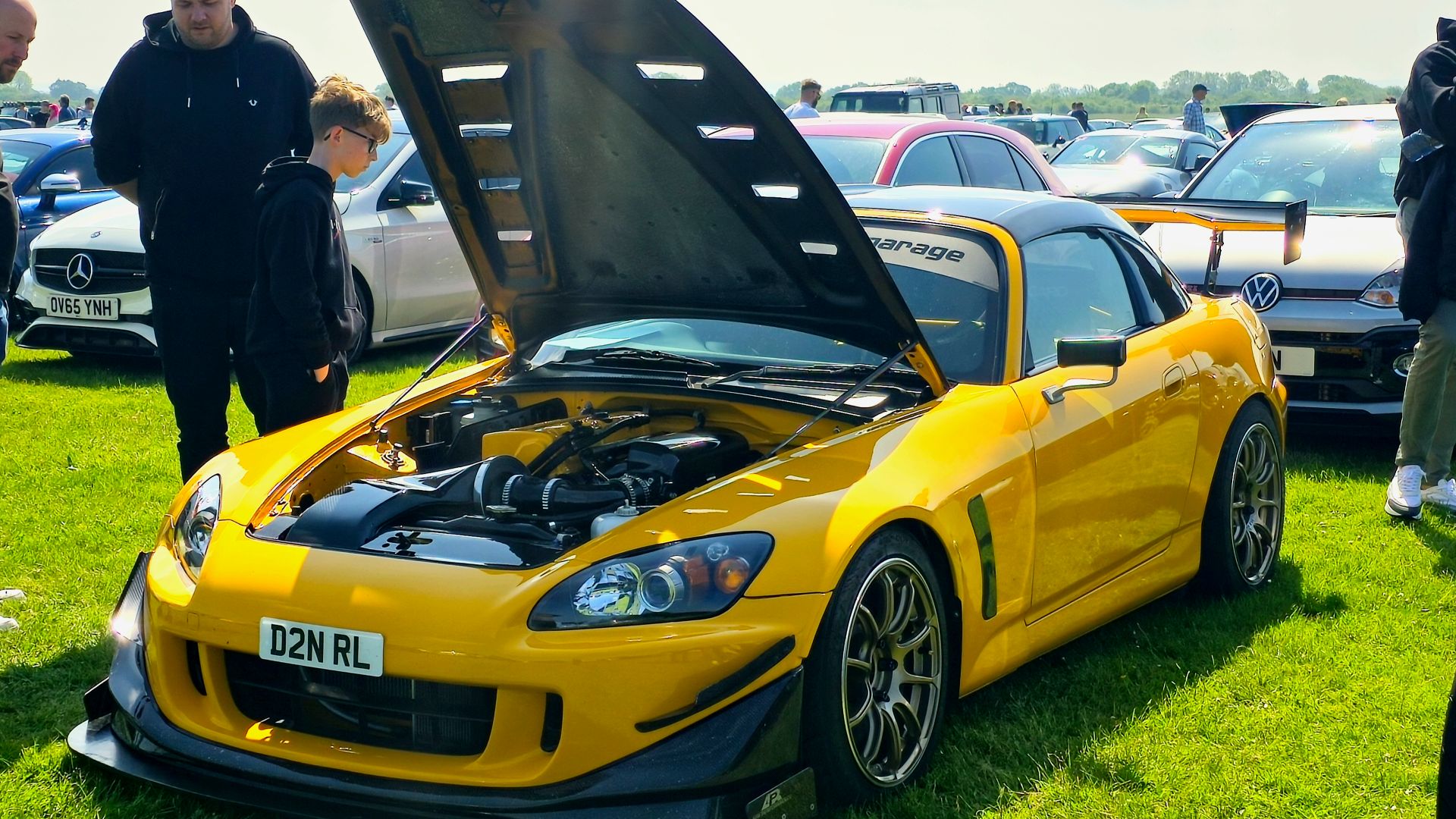
The Honda S2000 is a perfect example of the problem. Its four-cylinder engine wasn't huge, but it made its magic by revving like mad and rewarding drivers who worked for the power. That kind of engine gave the car a unique personality, yet it belonged to an era when automakers could still justify building something so specialized. As emissions standards tightened and buyer interest shifted toward practical vehicles, another S2000 became harder to imagine.
The Mitsubishi Lancer Evolution faced a different version of the same issue. It was a turbocharged, all-wheel-drive sedan with rally roots, aggressive handling, and the ability to make a normal road feel more exciting than it had any right to be. By the end, though, Mitsubishi was moving away from that kind of car and toward a more efficiency-minded lineup. The Evo’s engine, image, and engineering no longer fit neatly into the company’s future.
Then there was the Dodge Viper, which practically existed to annoy sensible planning. Its massive V10, raw behavior, and outrageous personality made it unforgettable, but they also made it hard to keep alive in a world of tightening rules and changing priorities. The Viper was never supposed to be polite or efficient. That was the fun, and eventually, that was also part of the problem.
The Market Moved While the Rules Got Tougher
Emissions rules didn’t act alone, which is important to remember. Many exciting cars disappeared because regulations arrived at the same time buyers were drifting toward SUVs, trucks, and more practical daily drivers. A company might have been willing to update a beloved sports car if sales were strong enough.
This is why some cars vanished from certain markets even before they disappeared everywhere. Europe became especially difficult for some performance models because fleet emissions targets and certification costs made low-volume enthusiast cars less attractive to sell.
A giant automaker could balance a thirsty performance model with hybrids, EVs, and efficient bestsellers, but smaller brands couldn't stomach the extra costs so easily. That’s why lightweight sports cars, boutique performance machines, and quirky enthusiast models often had such short lives once the rules became stricter.
The sad part is that many of these cars were exciting because they were imperfect. They made noise, used too much fuel, vibrated, demanded attention, and felt like they had been designed by people who cared more about driving than spreadsheets. Modern cars are often faster, cleaner, safer, and easier to live with, but that doesn’t always make them more fun or memorable. Sometimes the rough edges were the whole point.
Exciting Cars Aren’t Gone, but They’ve Changed
The good news is that emissions rules didn’t kill automotive excitement completely. They forced it to evolve. Hybrid supercars, high-performance EVs, turbocharged engines, and clever lightweight engineering have all shown that speed and cleaner technology can exist together. These cars aren't like the old ones, but that doesn't mean they're boring.
Still, something real was lost when emissions pressure helped end cars built around old-school mechanical drama. A screaming engine, a manual gearbox, and a car that felt slightly unreasonable could make driving feel special in a way that numbers alone can’t recreate. Regulations made the air cleaner, and that matters. They also helped close the book on some of the most thrilling machines ever made, and car lovers are allowed to miss them.