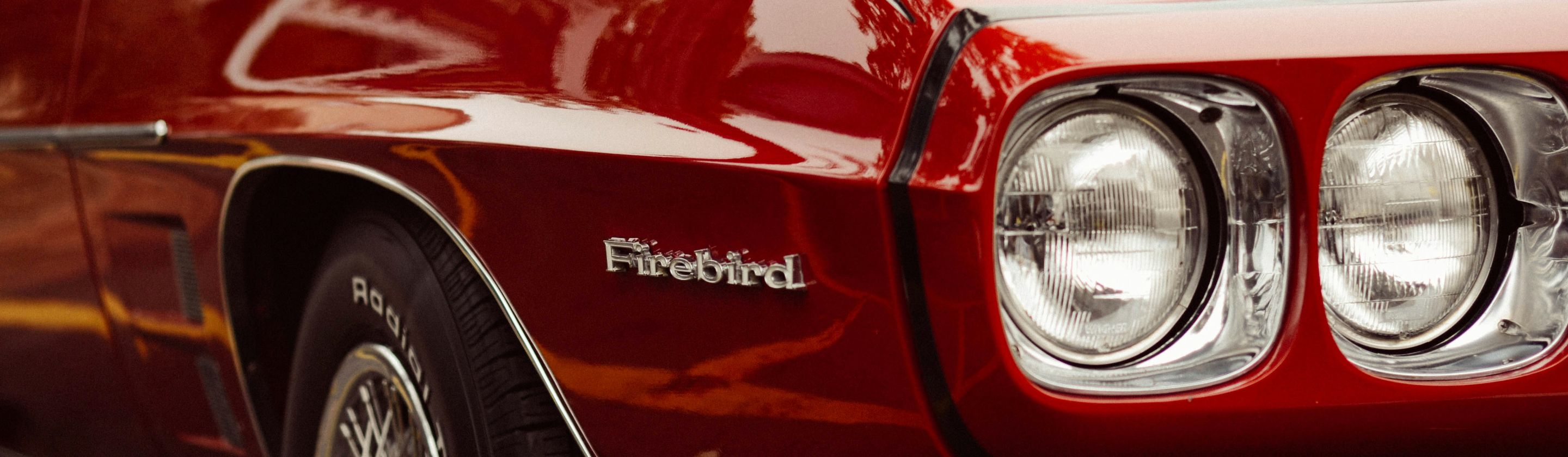

Classic car restoration has always required more than a wrench, a can of paint, and a willingness to spend Saturday afternoons in the garage. A proper restoration can involve bodywork, mechanical repairs, electrical work, upholstery, paint, chrome, fabrication, and countless small decisions about how a car was originally built. Today, many of those specialized skills are becoming harder to find, making restoration an increasingly demanding craft.
That doesn't mean traditional cars will go extinct and no one under a certain age cares about them. There are young people who want to collect these cars as well, and many of the popular ones still have big parts and restoration availability. Just knowing how to properly restore a car to its original glory may be harder than it once was.
The Hardest Part Is Finding the Right Skills
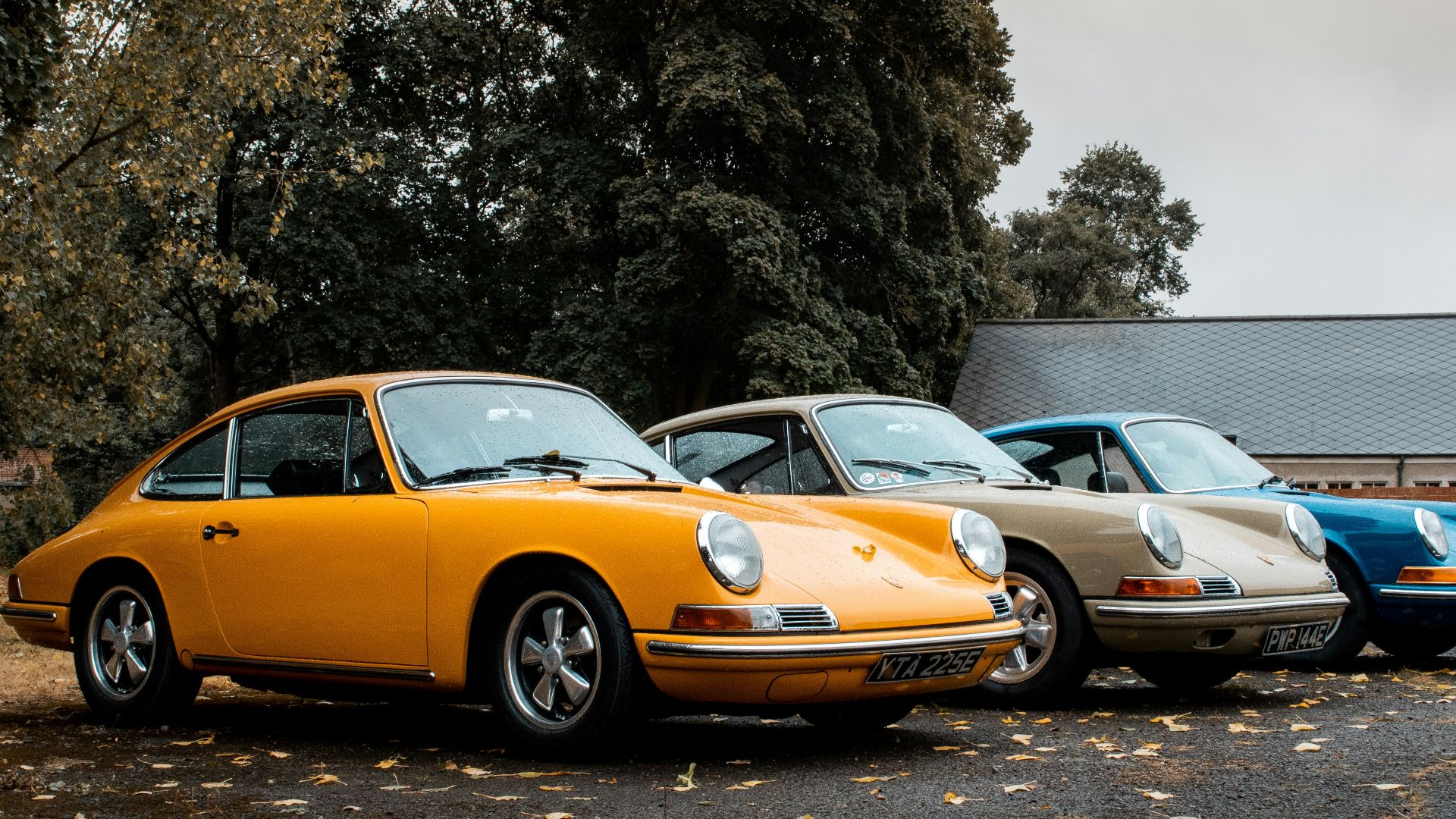 Valdemaras Januška on Unsplash
Modern cars have made automotive repair increasingly specialized, but classic restoration requires a different collection of abilities. A restorer might need to understand mechanical systems that disappeared from everyday vehicles decades ago, while also knowing how to repair old wiring, rebuild vintage transmissions, straighten metal, or reproduce details that aren't available at a parts store. SEMA has specifically reported difficulty finding people trained in transmission and wiring work for classic vehicles.
This becomes an issue if you want your vehicle properly restored. There may be someone who knows how to install newer products into a vehicle but may not know how to restore an older system. Of course, you can learn from restoration shops, but sometimes knowledge takes years to obtain, especially if you're trying to keep it as close to factory as possible.
Another factor to consider is the difference between fixing an old car and restoring it. If you're just trying to fix something that isn't working, it's not too hard if parts are readily available. Restoring can become tricky if you're looking for what a certain part may have looked like and/or how it worked. Especially if you don't have enough information or those who knew these things are now scarce. When documentation is incomplete and experienced craftsmen are scarce, even a seemingly minor detail can become a surprisingly complicated project.
Parts availability creates another major obstacle. Classic cars aren't supported by manufacturers in the same way newer vehicles are, and older cars can suffer from limited parts availability and inconsistent quality among replacement components. Popular models have much healthier ecosystems of reproduction and aftermarket parts, while rare cars can leave owners searching salvage yards, parts cars, clubs, and online communities for something as simple as a missing component.
Reproduction parts have helped keep countless classics on the road, but they don't automatically solve the problem. SEMA has noted that the scarcity of original equipment components has encouraged manufacturers to produce replacement parts, yet reproduction pieces can present their own challenges with fit, appearance, and function. For a driver who simply wants to enjoy an old car on Sunday, that may be perfectly acceptable, but concours-level restoration is a different standard entirely.
If it's a cool classic that was made in small numbers, things can get a little more tricky. There are millions of people out there who want to restore their '60s U.S. muscle cars, and parts are easily accessible for most of those vehicles. When it's a rarer vehicle, you're going to have to be a bit more creative. There are many factors that play into what parts are available. Due to most cars being popular, they're able to find parts more easily. Which leaves us with having to get more creative when it comes to restoring our rarer classics.
The Hobby Is Changing, Too
It also has to do with how the collector car world is evolving as well. Of course, these individuals want newer classic cars as well, so it's not that restoring cars will die out. Just the cars we look at to be collector cars may change from what our ancestors thought were classic.
It's also easy to see why people may shy away from restoring a vehicle. It can take hundreds of hours to professionally restore a vehicle. Older articles have said it can take 1,000–2,000 hours to completely restore a car. Once you add specialized paintwork, chrome, rare parts, machining, upholstery, and unexpected discoveries beneath the surface, the project can become a serious commitment of both time and money.
On a bright note, people are still restoring cars just as much as ever. With new owners learning how to fix their carburetors, work on old wires, create parts, and figure out correct colors, they're doing more than just working on an old car. They're helping preserve a collection of skills that could otherwise disappear, one garage project at a time.
The future of classic restoration will probably depend on that willingness to teach as much as it depends on finding parts. Digital communities, clubs, reproduction manufacturers, instructional material, and hands-on mentorship can all help bridge the gap between generations. The machines may be old, but the knowledge required to keep them alive doesn't have to become obsolete.