For car enthusiasts, a manual transmission represents something far more profound than simply a means of changing gears. They'll be the first to tell you it's not a preference, it's a lifestyle.
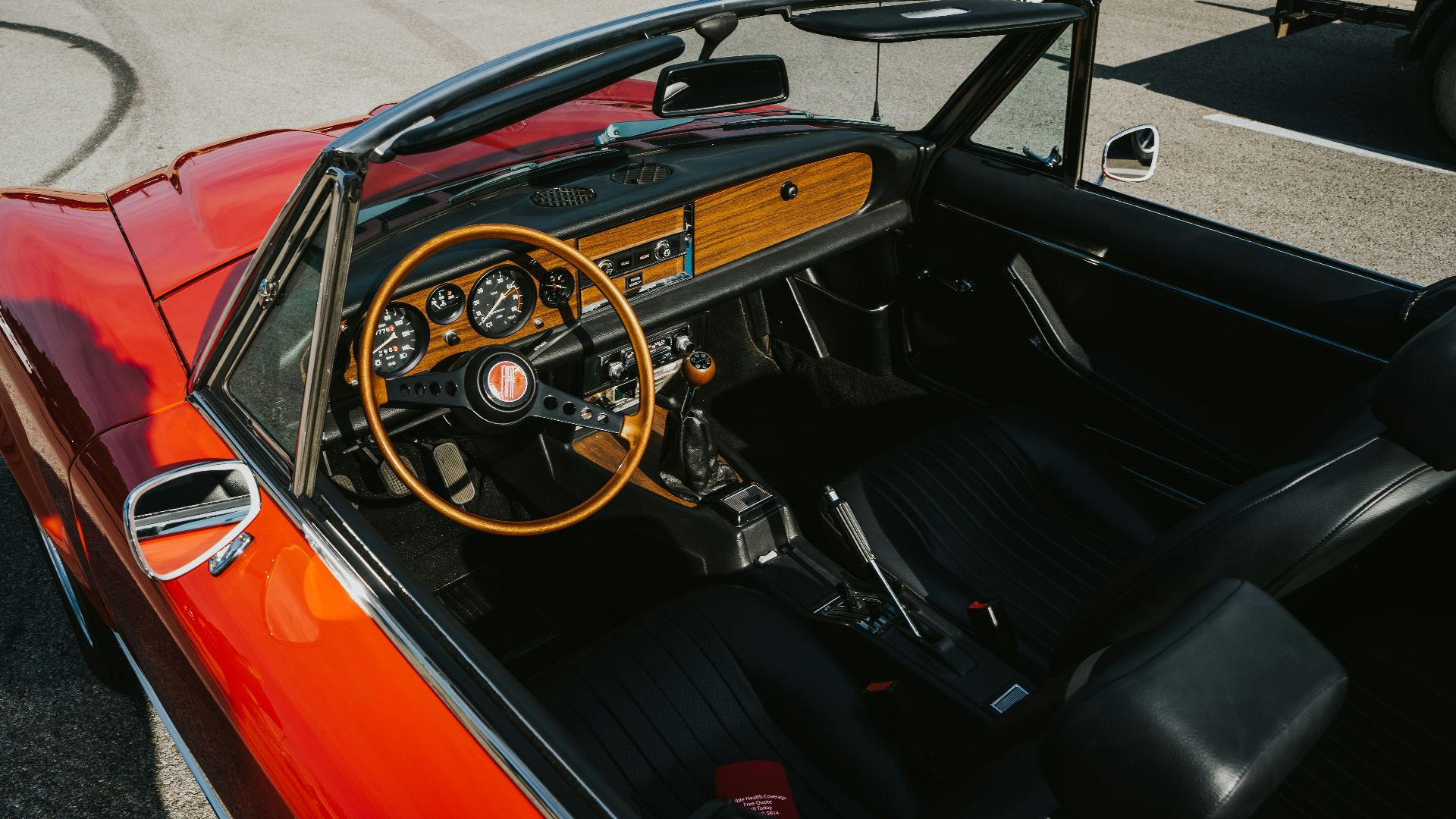
When you grip a manual shifter, your hand becomes physically connected to the transmission—a direct mechanical link to the heart of the vehicle. Each shift requires deliberate movement, creating a dialogue between human and machine that automatic transmissions simply cannot replicate.
The Intimate Connection
This connection manifests in subtle vibrations through the shifter, communicating the engine's state with unparalleled clarity. The slight resistance when downshifting at high RPMs, the satisfying mechanical "click" when finding the perfect gear—these sensory experiences form what enthusiasts call "mechanical sympathy," an almost sixth sense about what the car is doing and what it needs.
Unlike driving an automatic, where the computer makes decisions for you, manual driving demands presence. You can't check your phone or zone out—your mind must remain engaged with the driving experience. This forced mindfulness turns even ordinary commutes into active experiences rather than passive transportation.
The Art And Skill Of Perfect Execution
Manual transmissions turn driving from a simple task into a craft that can be continuously refined. The exact heel-toe downshift—simultaneously braking, blipping the throttle, and downshifting—requires hundreds of hours of practice to master. When executed flawlessly, these techniques produce a smooth, seamless transition between gears that feels deeply satisfying.
Car enthusiasts cherish these skills because they cannot be automated or purchased; they must be earned through dedication and practice. The learning curve of a manual transmission follows the classic trajectory of skill acquisition: initially challenging, then competent, and eventually intuitive. This progression creates a sense of accomplishment that is absent in automatic driving.
For many enthusiasts, this mastery connects them to automotive history and racing tradition. The same fundamental techniques that racing drivers have perfected on racetracks for generations creating a lineage of driving knowledge passed down through time. When an enthusiast matches engine speed during a downshift, they're performing the same action as their motorsport heroes.
The Counterculture Of Control
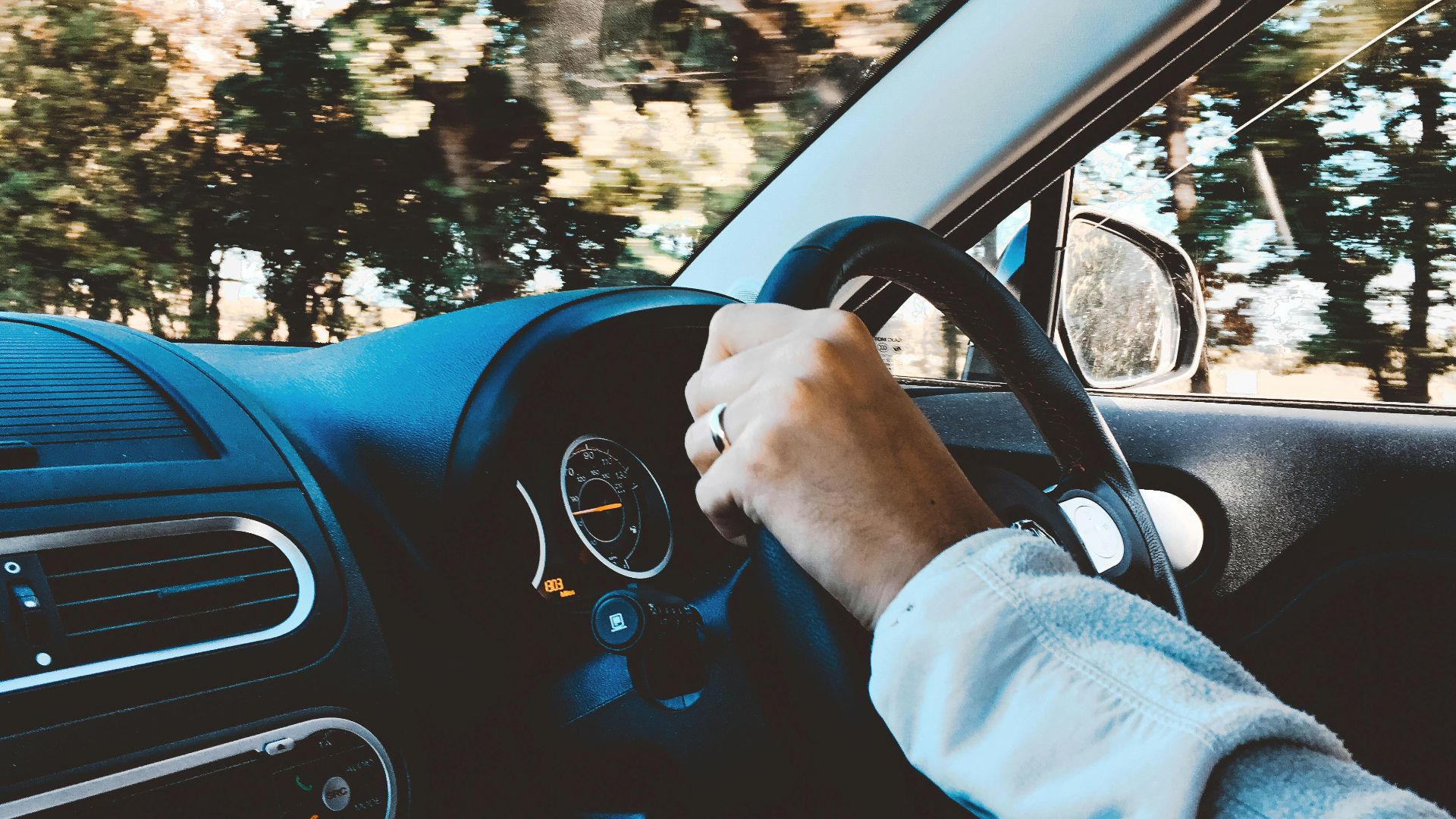
In an era of rising automation and technological intervention, choosing a manual transmission is a deliberate rejection of convenience in favor of control. While the rest of the world chooses self-driving features and automated systems, manual enthusiasts move in the opposite direction, seeking more involvement rather than less.
This choice reflects a broader philosophy extending beyond cars—a belief that some experiences should remain unmediated by technology. Manual driving enthusiasts often share common ground with vinyl record collectors, mechanical watch aficionados, and others who value analog experiences in digital times.
The manual transmission community has evolved into something of a modern automotive counterculture, complete with its own language, rituals, and shared values. The knowing nod between manual drivers stuck in traffic acknowledges their shared commitment to a driving experience that prioritizes connection.
For the dedicated manual enthusiast, the extinction of the stick shift in mainstream vehicles only strengthens their resolve to preserve this driving tradition for as long as possible.