Polarizing Fleet Choices
Delivery vans usually fly under the radar—boring boxes on wheels doing thankless work. But some actually turn heads for looking surprisingly sleek, while others make you wonder if designers were playing a cruel joke. Electric evolution brought fresh thinking to commercial vehicles, spawning genuinely attractive models that prove cargo haulers don't need to be eyesores. Then there are the disasters. But first, let's look at 10 of the sleekest delivery vehicles.
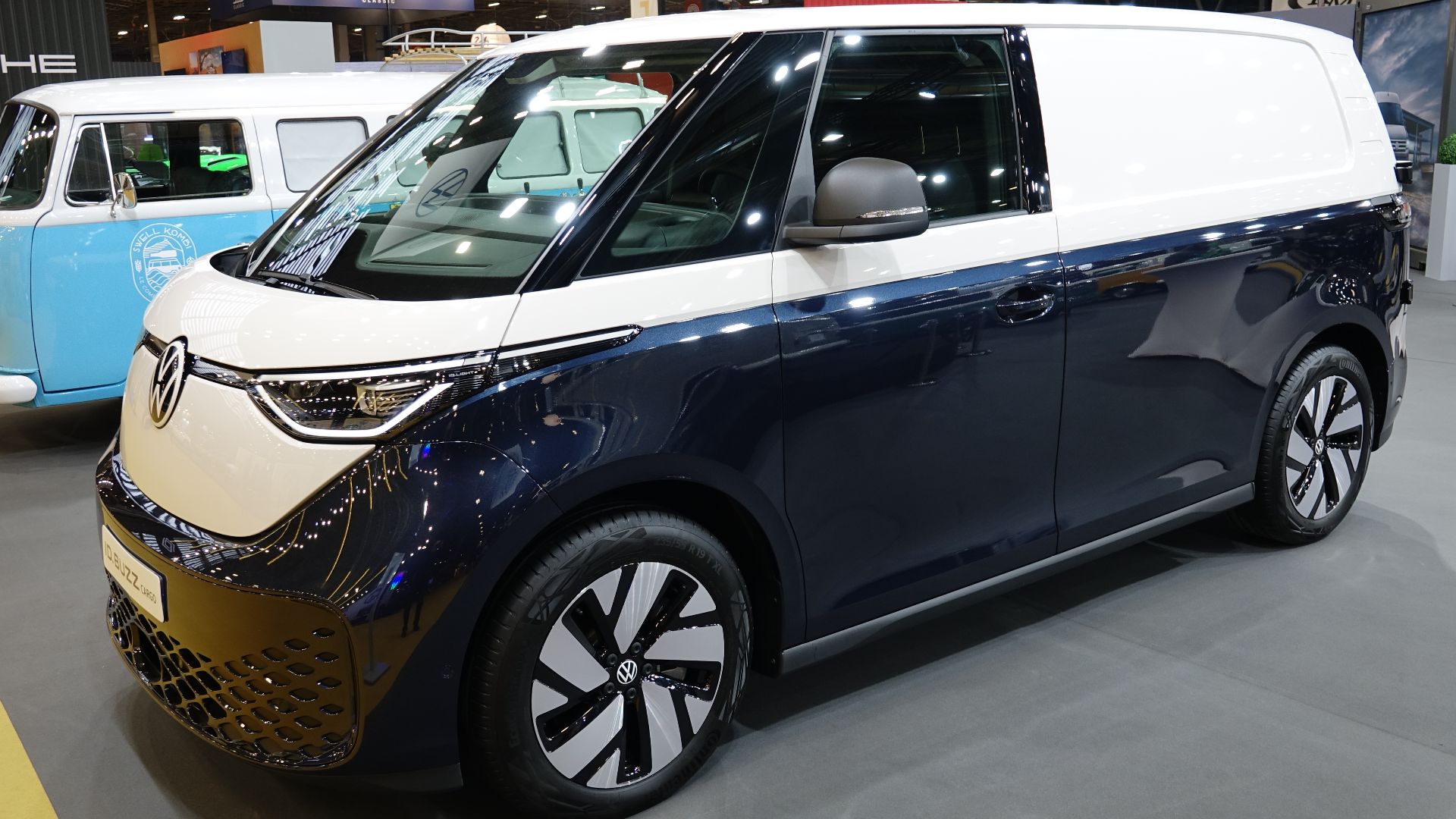
1. Volkswagen ID. Buzz Cargo
When Car and Driver praised this electric van in 2023, they weren't just talking about functionality—they were celebrating a design triumph that merges nostalgia with EV elegance. The ID.Buzz Cargo channels the beloved classic VW Microbus through retro-futuristic rounded curves.
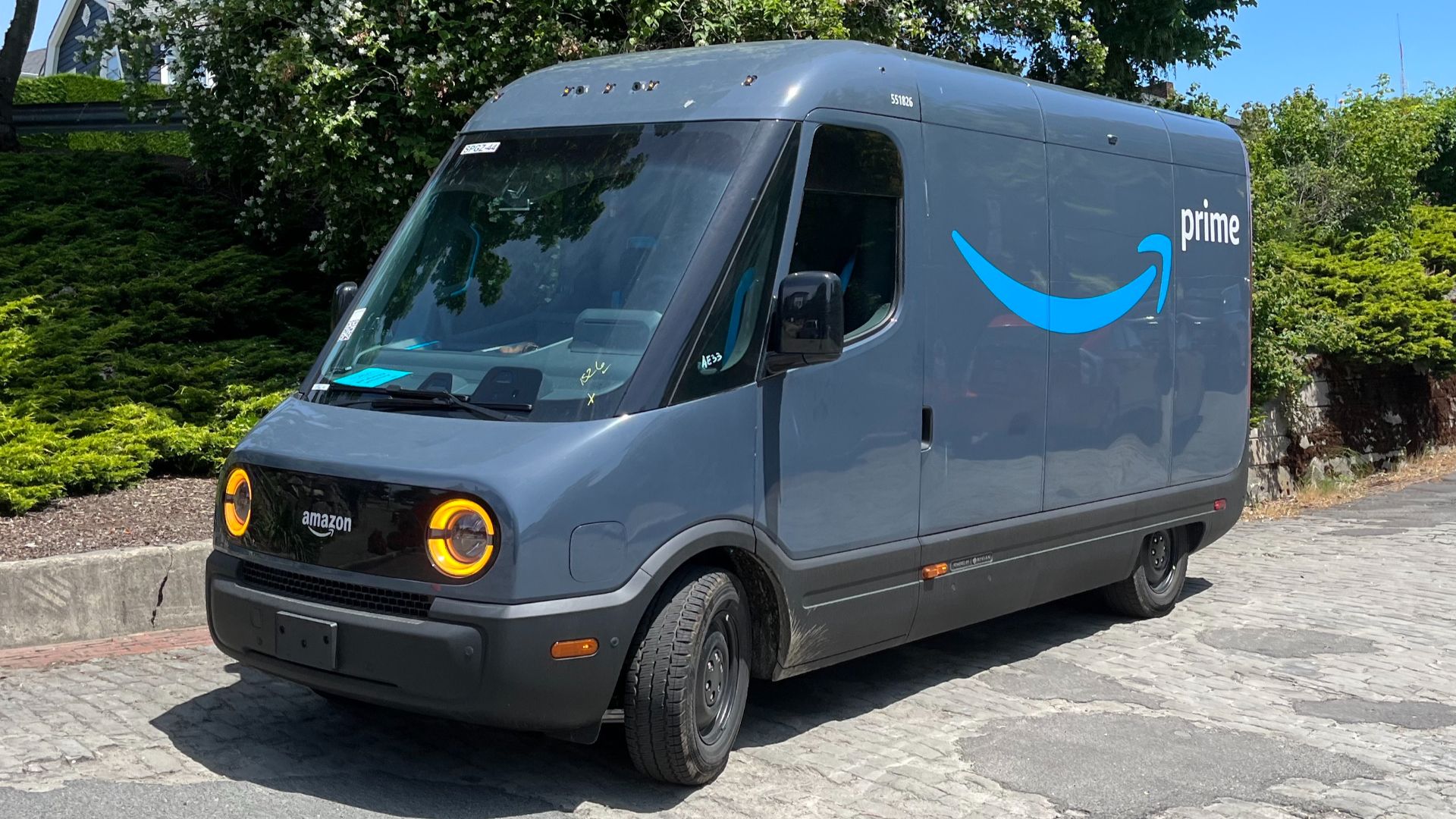
2. Rivian EDV (Electric Delivery Van)
The genius behind Rivian's electric delivery van lies in its intentionally welcoming design philosophy. Engineers deliberately aimed for a "cute" appearance so frequent neighborhood sightings would feel friendly. This EDV was designed with Amazon's substantial input to balance functionality with contemporary styling.

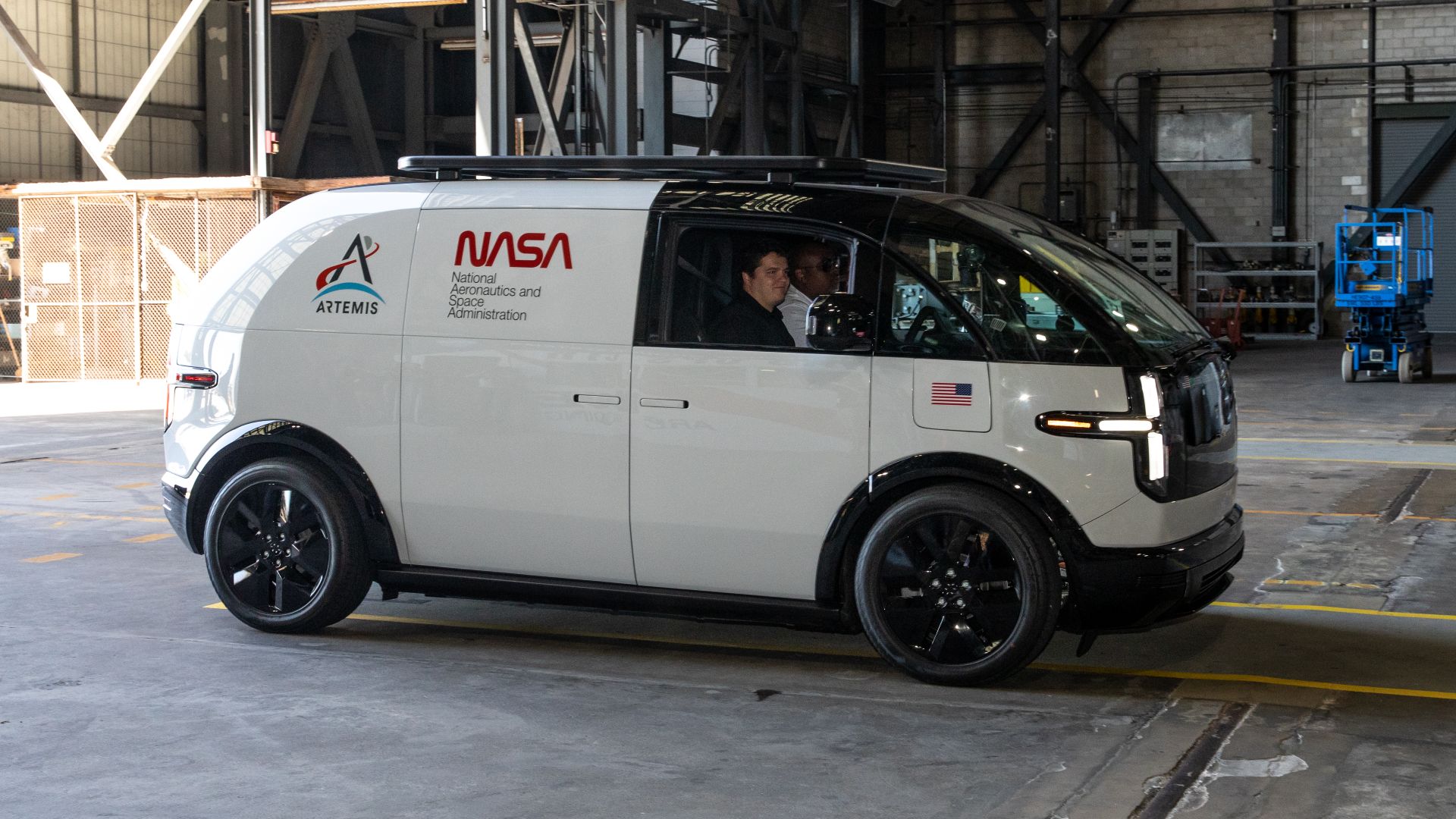
3. Canoo LDV
Breaking completely from traditional boxy van conventions, Canoo's LDV showcases what happens when designers start from scratch with purpose-built EV architecture. The skateboard platform enables sleek, low-profile cargo integration paired with enhanced driver visibility proportions.
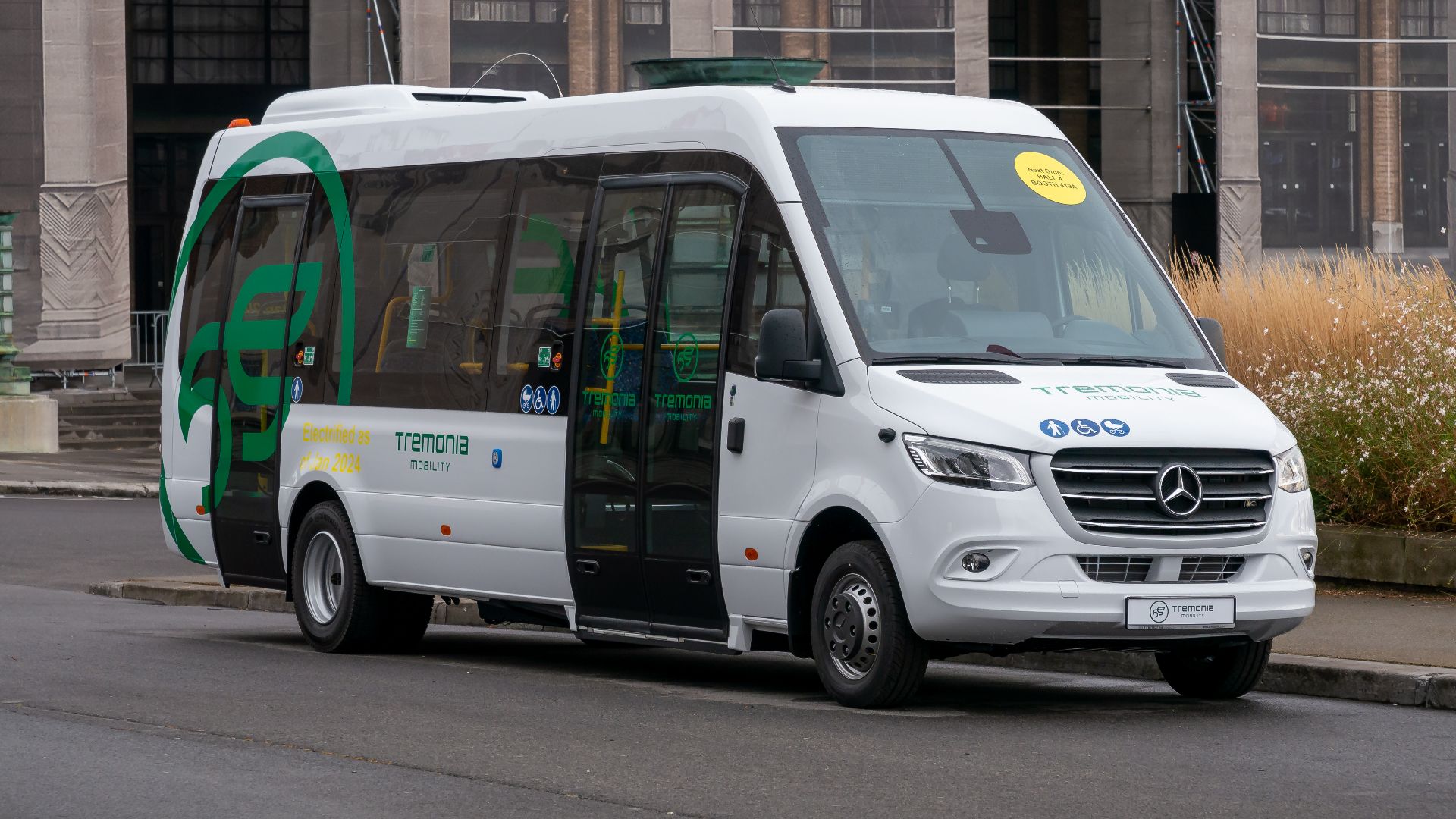
4. Mercedes-Benz eSprinter
Mercedes luxury standards don't disappear just because a vehicle hauls packages instead of passengers, and the eSprinter proves this emphatically. Clean aerodynamic lines merge with premium grille integration and refined detailing to deliver a high-end professional aesthetic.
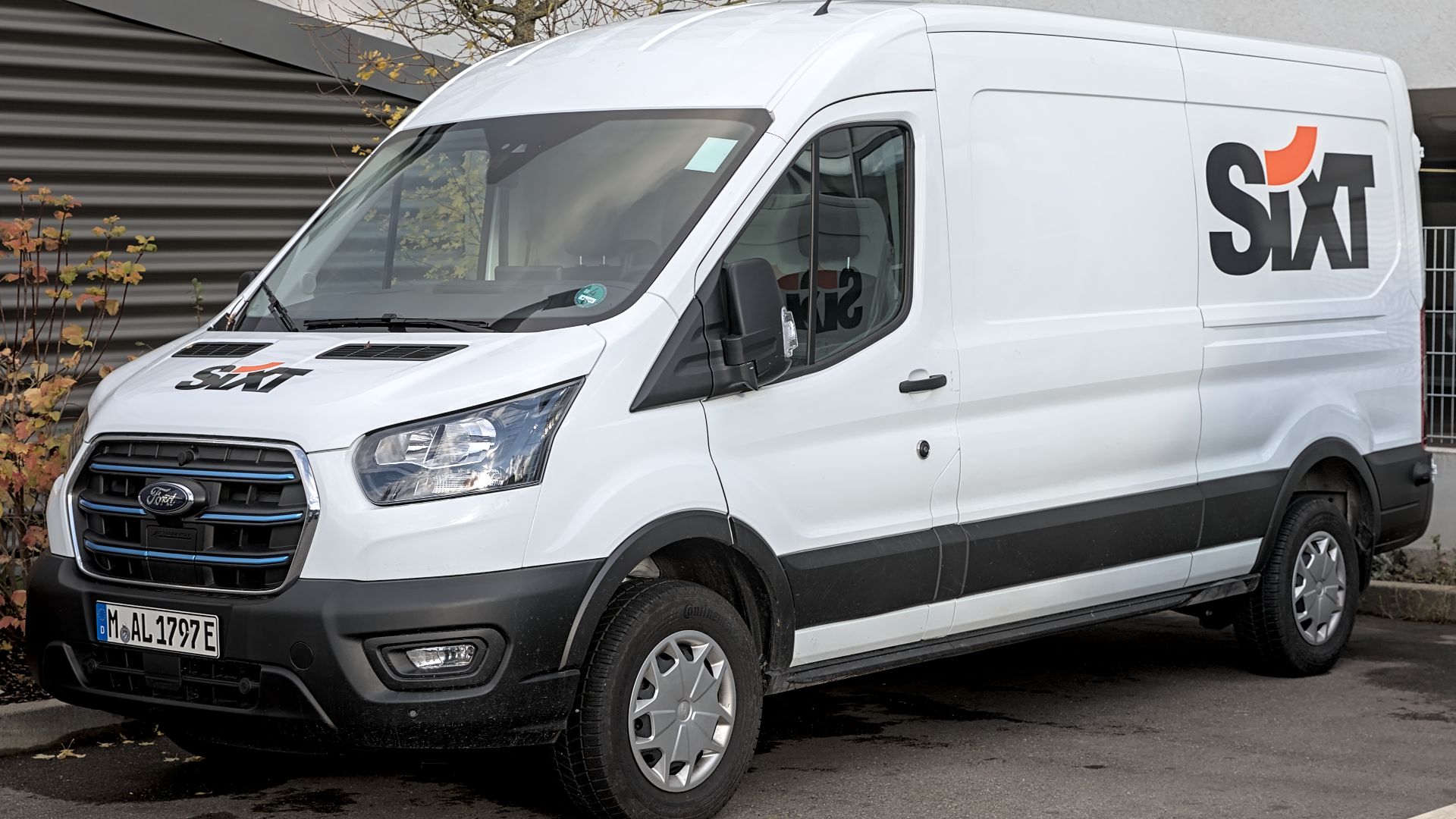
5. Ford E-Transit
Decades of Transit evolution culminate in a silhouette specifically tailored for electric drivetrains, representing Ford's commitment to modernizing an icon. The updated front fascia and smooth body panels don't abandon the recognizable Transit shape—instead, they refine it for contemporary EV efficiency perception.
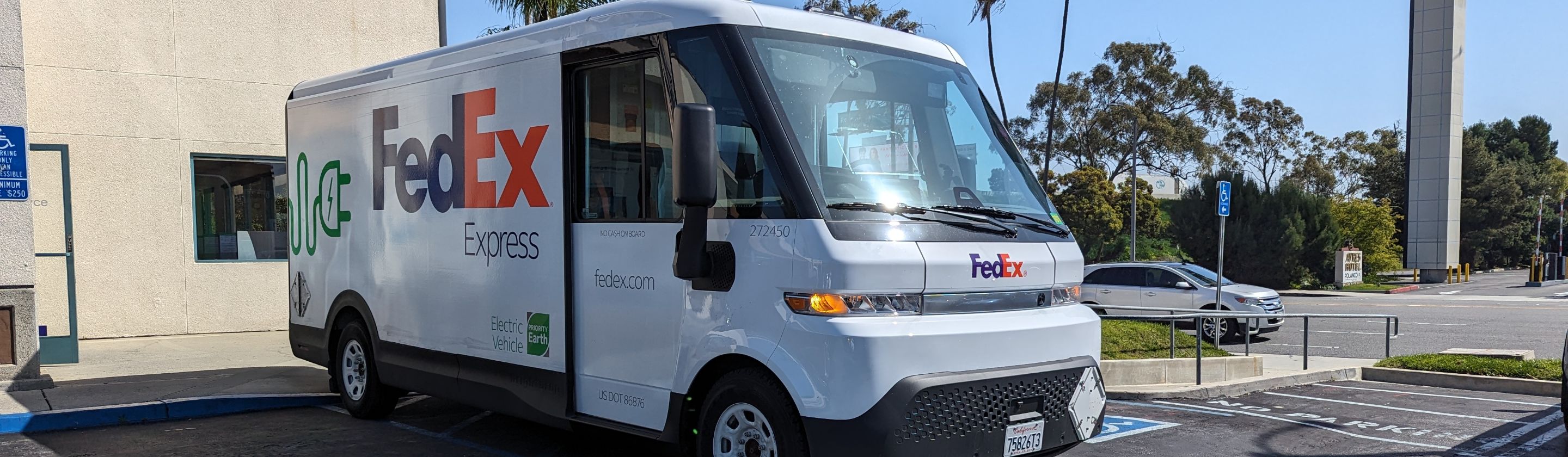
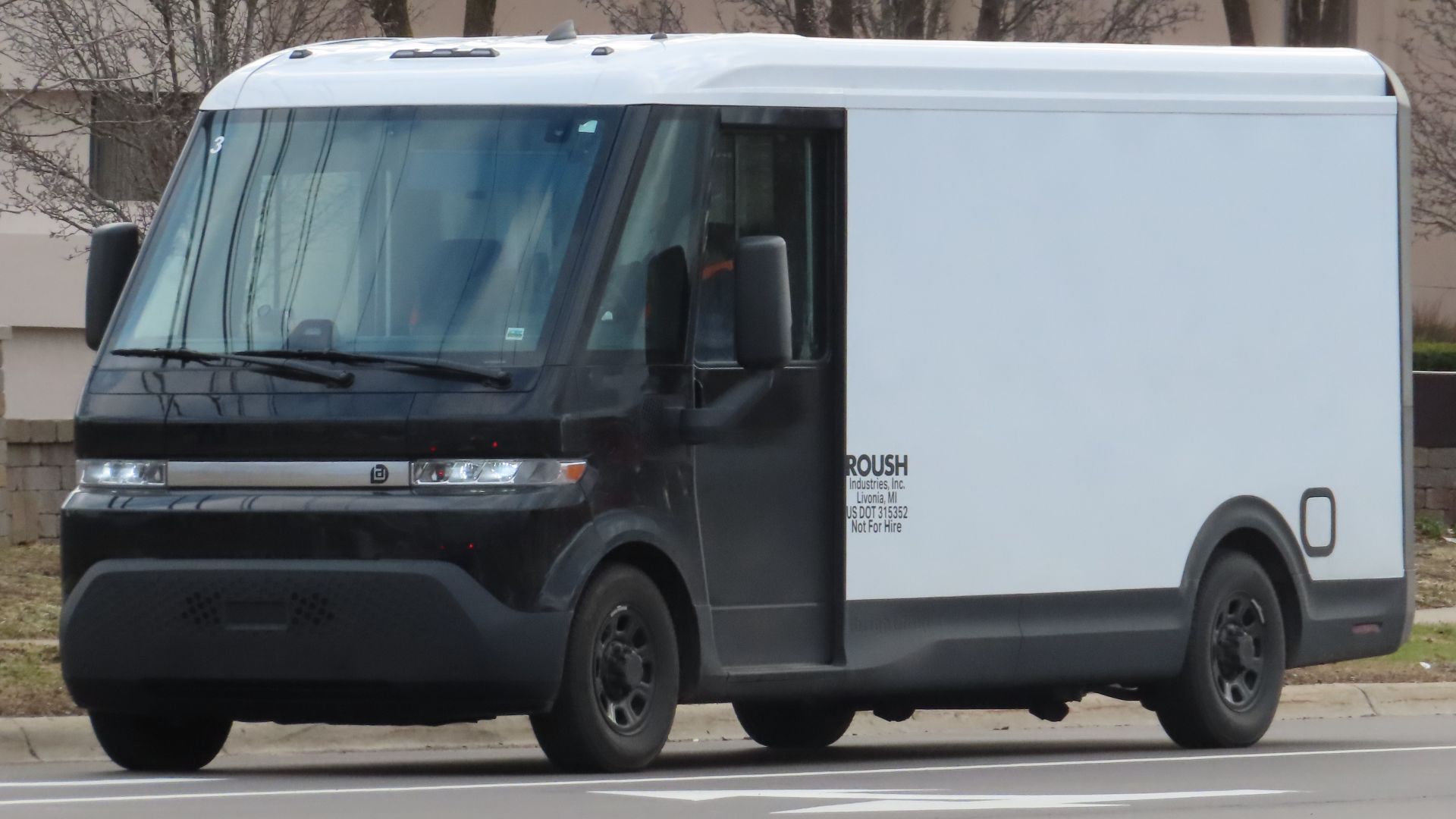
6. Chevrolet BrightDrop Zevo
Fleet-oriented doesn't have to mean forgettable, and BrightDrop's Zevo proves this through thoughtful design choices that prioritize both form and function. The low step-in height that makes it look approachable while maximizing cargo efficiency is more than a practical detail.
7. Mercedes-Benz eVito
The eVito's near-identical styling to non-EV models allows seamless fleet integration with modern electric appeal. This is a strategic choice that eliminates the visual disruption some companies fear when transitioning to electric. It is praised for its agile, premium appearance.

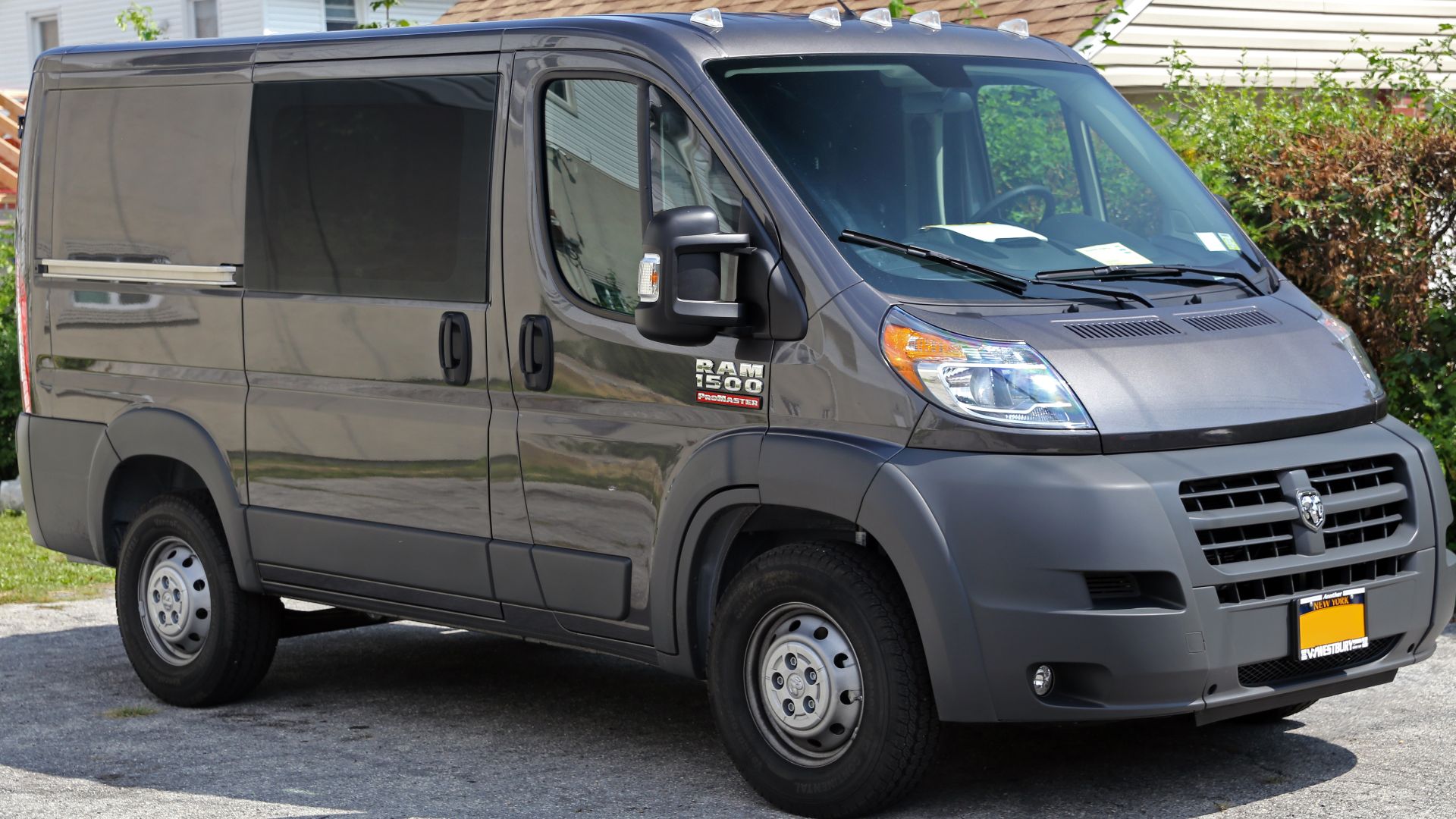
8. Ram ProMaster EV
Updated front fascia with efficient LED headlamps creates cleaner, contemporary proportions than predecessors, addressing one of the original ProMaster's most criticized design elements. The professional appearance benefits from customizable configurations for diverse delivery needs, letting fleet operators tailor the vehicle's look.
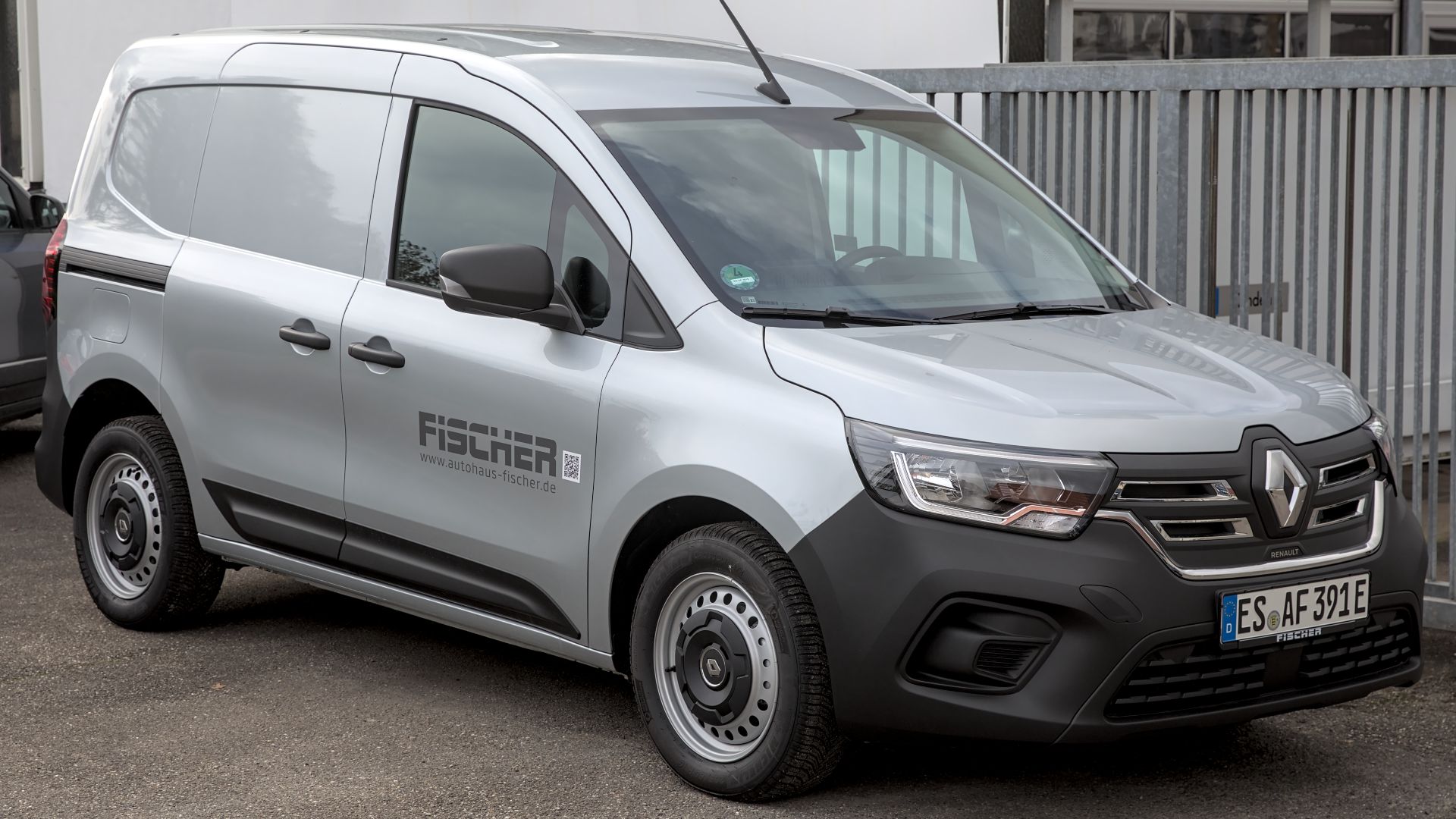
9. Renault Kangoo E-Tech
European design philosophy emphasizes clean, proportional elegance in EV cargo format, and the Kangoo E-Tech mirrors this perfectly through its compact footprint. Smooth forms and integrated features enhance visual appeal, specifically for urban operations where vehicles constantly navigate tight spaces.
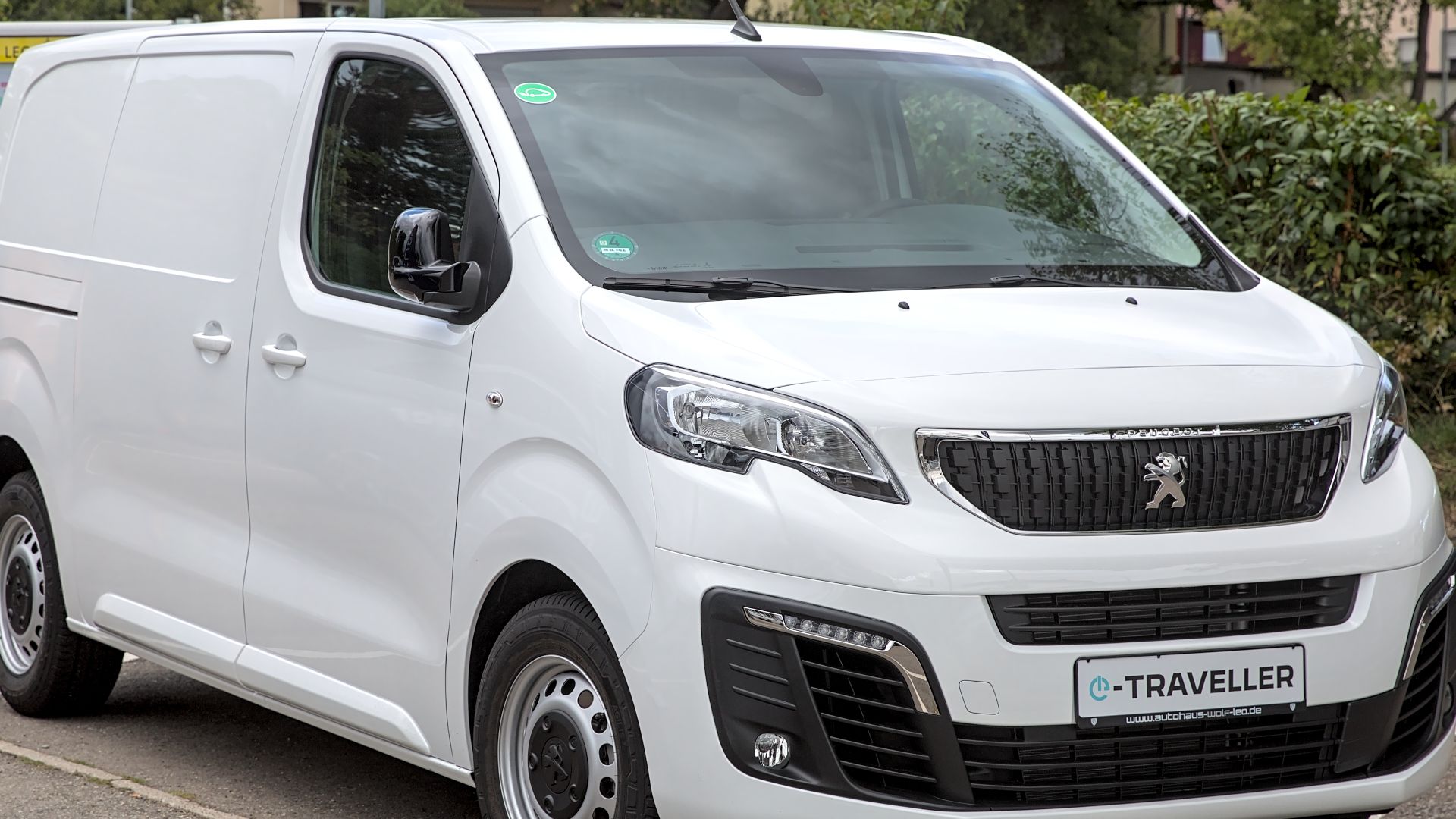
10. Peugeot e-Expert
Sharp contemporary lines and refined detailing align with premium European delivery aesthetics, positioning the e-Expert as something more sophisticated than typical cargo haulers. The e-Expert's design shares platform elements that maintain visual consistency across Stellantis siblings.
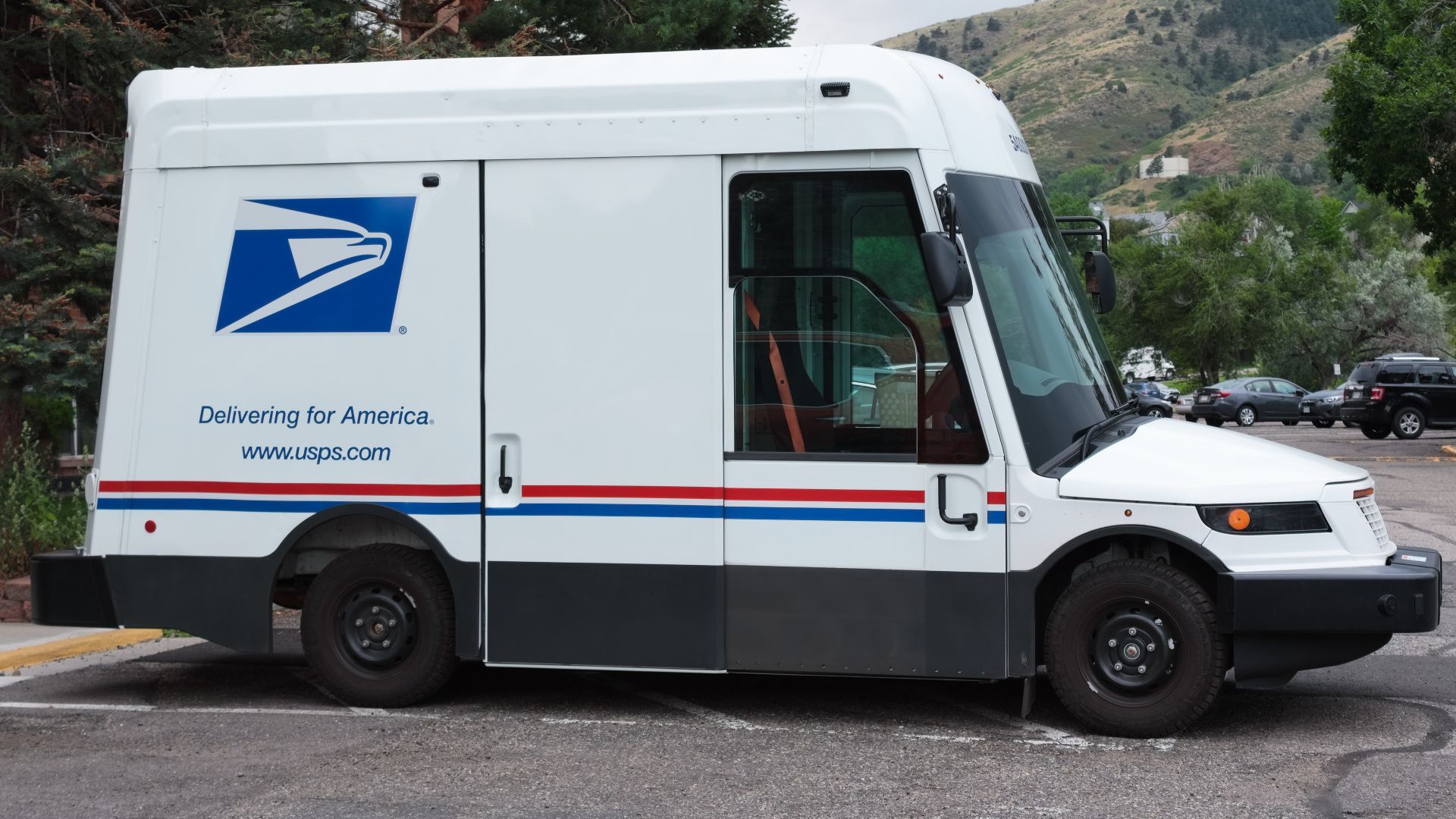
1. Oshkosh NGDV (USPS Next Generation Delivery Vehicle)
Car and Driver and The Guardian have mocked its excessive roof height and duck-like proportions extensively, with critics labeling it the "ugly duckling" despite functional safety improvements. The high cab prioritizes visibility superbly but creates an unbalanced top-heavy visual profile that looks absurd.
2. Grumman LLV (USPS Long Life Vehicle)
Pop culture immortalized this boxy aluminum beast through films and memes, turning aesthetic failure into iconic status. The extremely boxy body features disproportionate 1980s proportions that appear dated and unrefined today, with its squat high-roofed form lacking any aerodynamic or stylish elements.

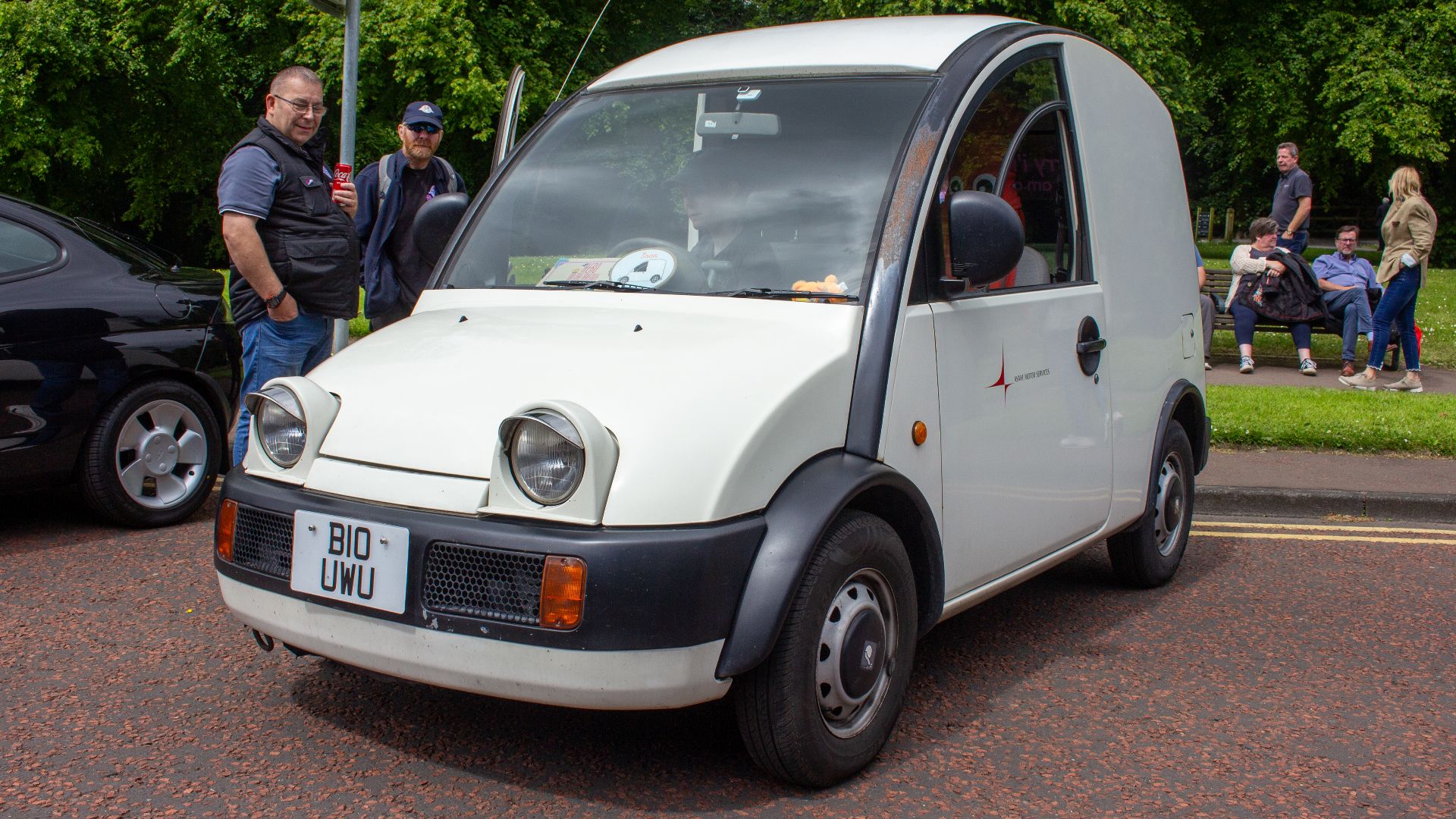
3. Nissan S-Cargo
Deliberate weirdness defines this snail-inspired oddity—Nissan intentionally crafted bizarre postmodern whimsy rather than accidental ugliness. Curbside Classic documented its rounded shell body with protruding headlamps as creating clashing curves, with postmodern proportions often ranked among the oddest production vans ever manufactured.
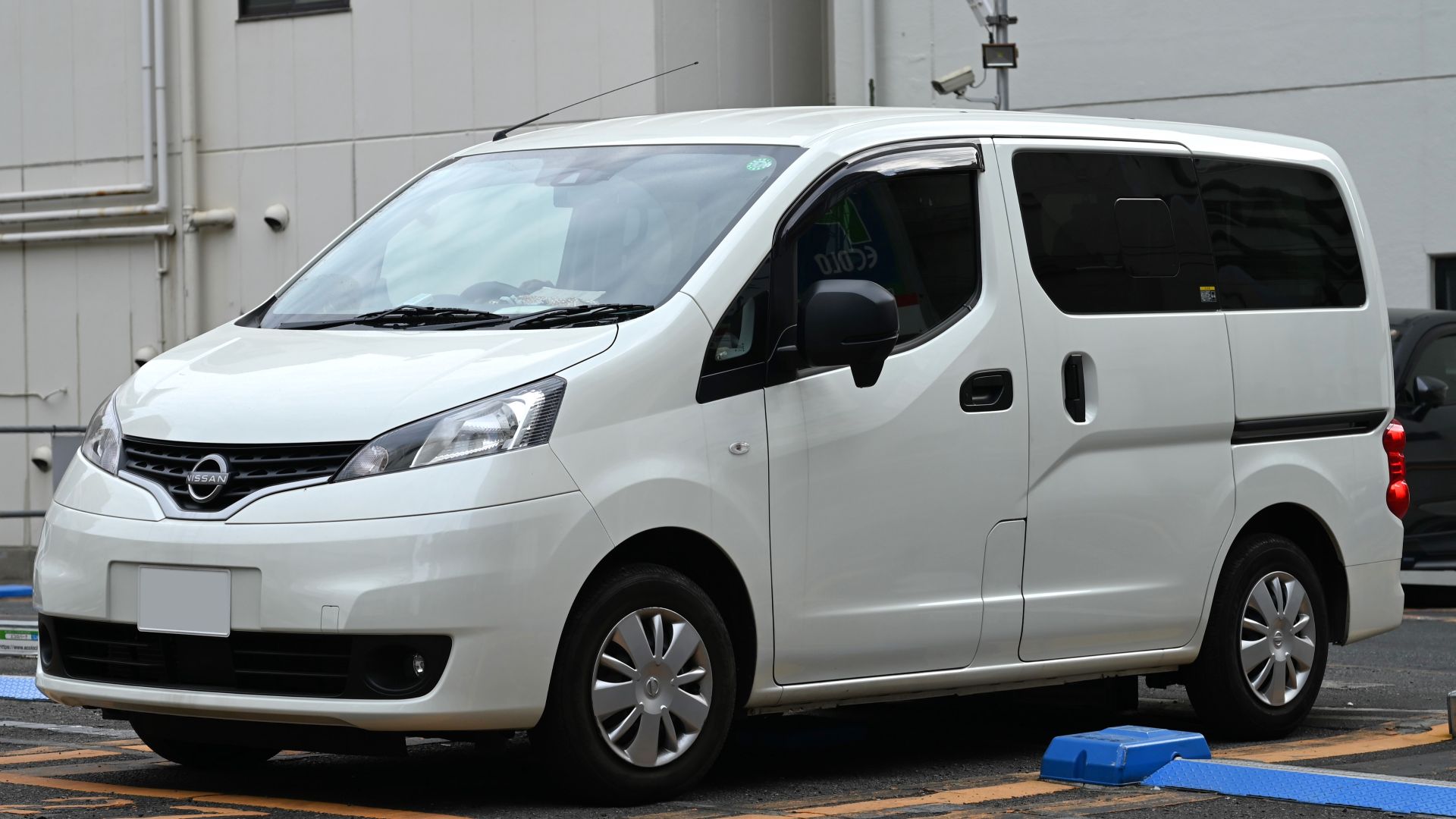
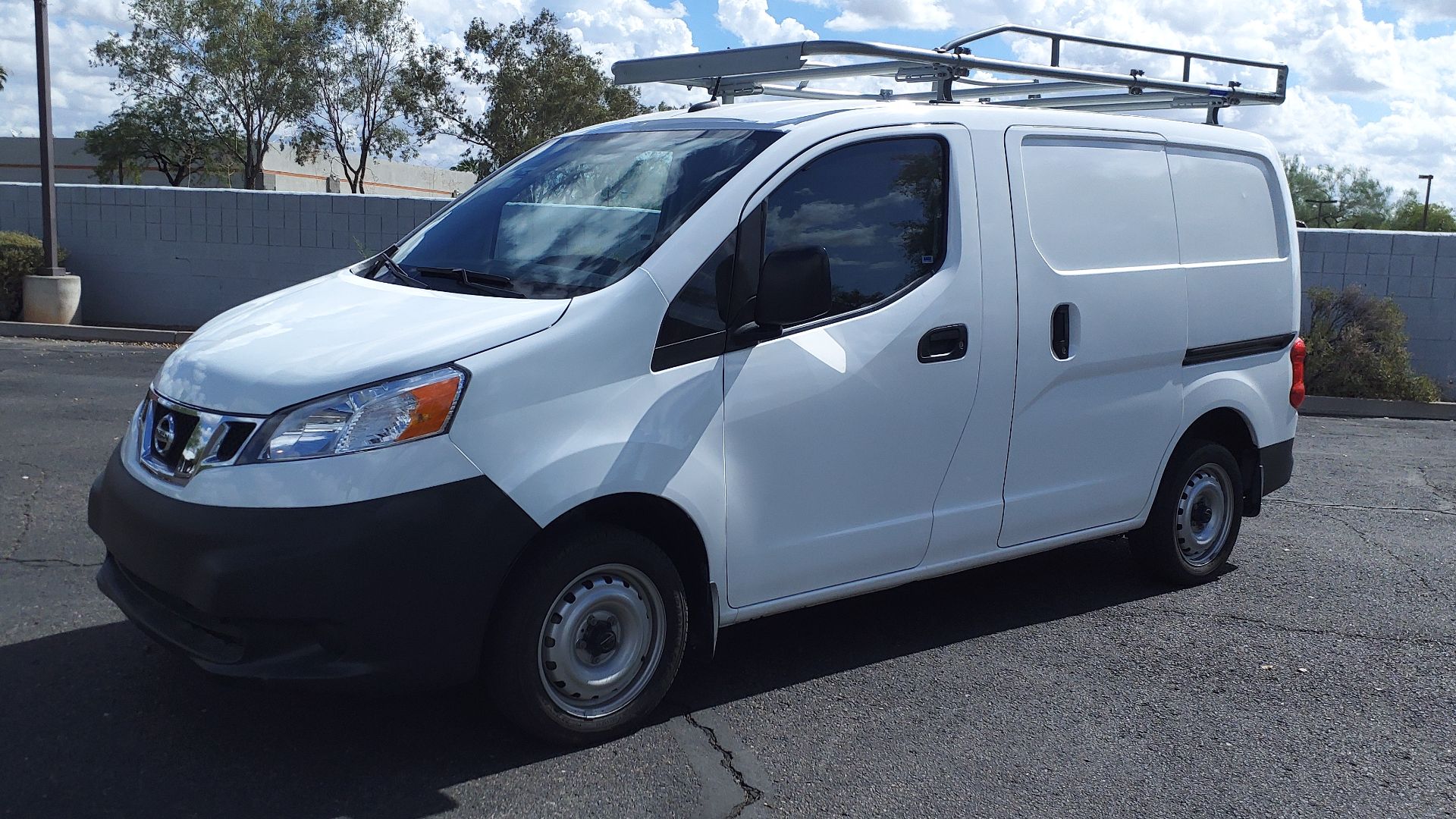
4. Nissan NV200 (Chevrolet City Express)
Maximizing cargo space in tight urban footprints justified the boxy plainness, though aesthetics suffered completely in the process. Compact dimensions result in awkward, stubby cab-to-cargo proportions that appear unremarkable, with generic, unadorned panels lacking any distinctive styling whatsoever.
5. Mercedes-Benz Metris
Camper conversion enthusiasts unexpectedly embraced what fleet operators rejected. The Metris's awkward sizing found a surprising second life despite delivery criticism. Its in-between dimensions give rise to clumsy proportions, criticized as visually unappealing in fleet use.

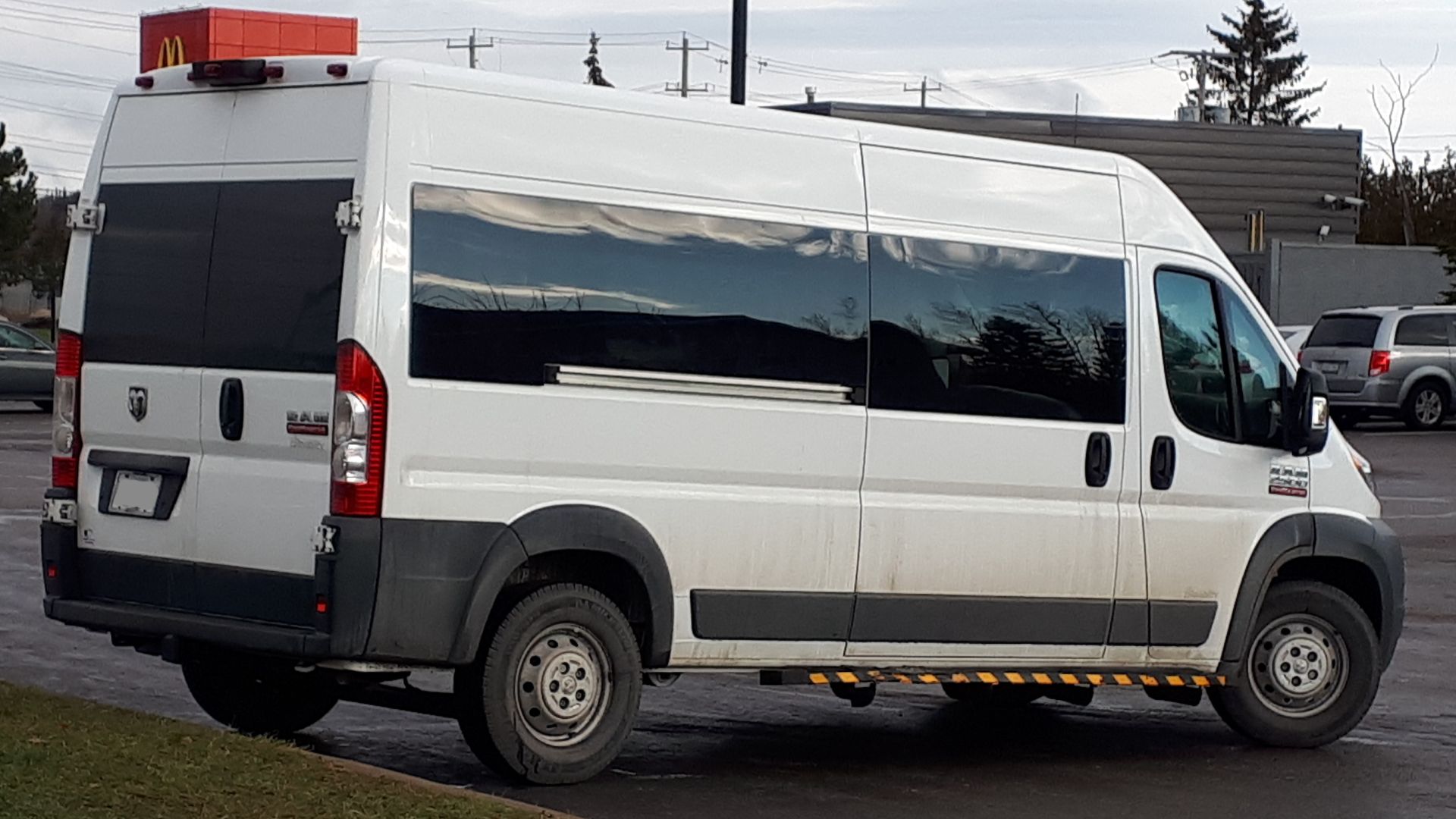
6. Ram ProMaster (Pre-EV Versions)
Forward visibility improvements came at aesthetic cost—the controversial beak front helped drivers see, but looked perpetually awkward. Prominent "beak" front end and unbalanced proportions get cited repeatedly as clunky and disproportionate, with industrial bulkiness lacking refined detailing common in competitors.
7. Ford Econoline E-Series
American work van heritage runs through the Econoline's DNA. Its rugged boxy look became synonymous with blue-collar reliability despite aesthetic critiques. An overly bulky industrial body has dated lines, creating visually heavy, unrefined proportions reminiscent of rolling shipping containers.
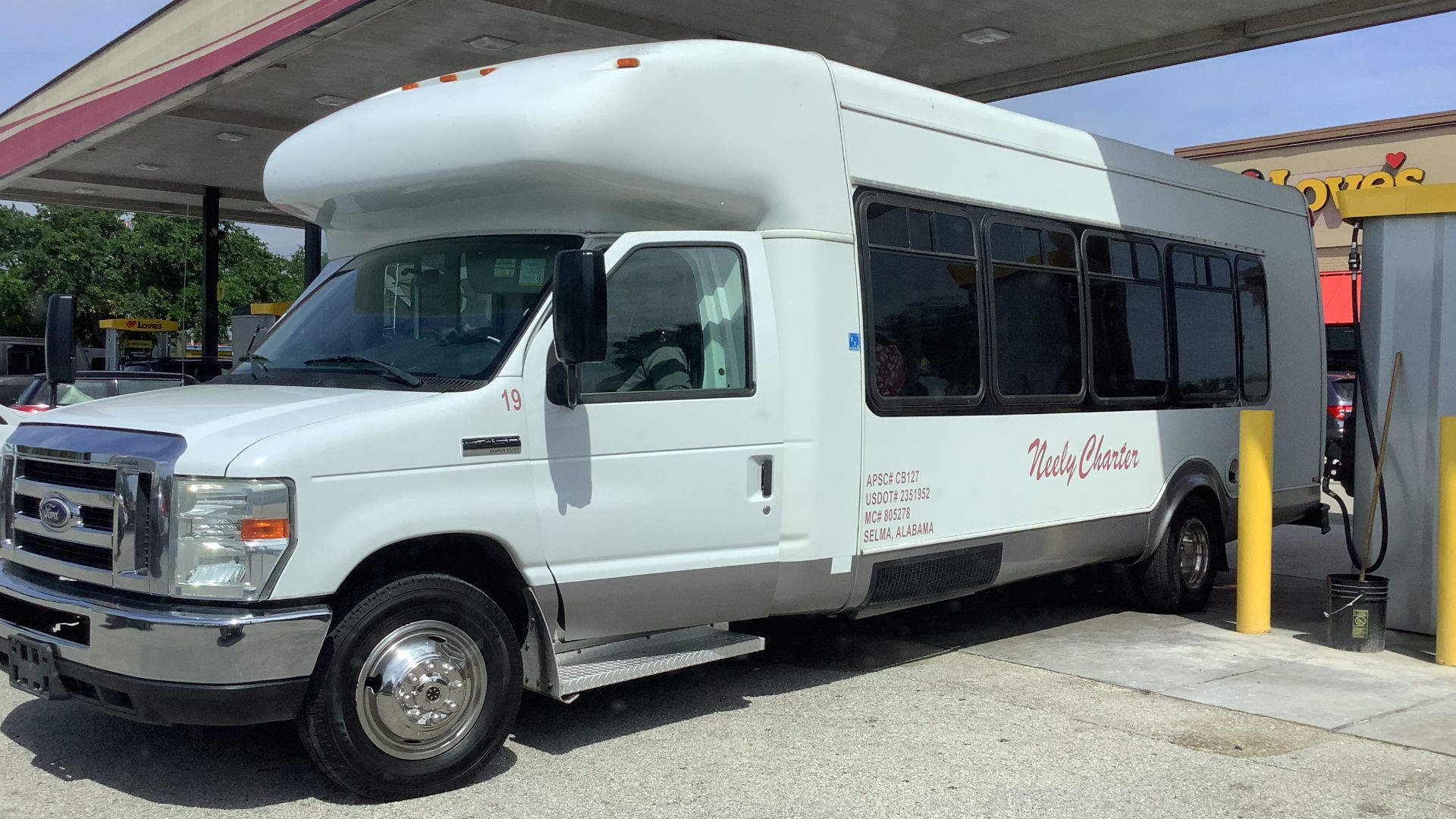 Computermusic1999 (Nicholas Osorio) on Wikimedia
8. Chevrolet Express Cargo
Decades of fleet service prove that ugly works when reliability matters more. The Express's simple box layout became a durable staple despite visual mediocrity. Generic high boxiness with minimal refinement leads to a plain, dated visual presence instantly forgettable among commercial vehicles.
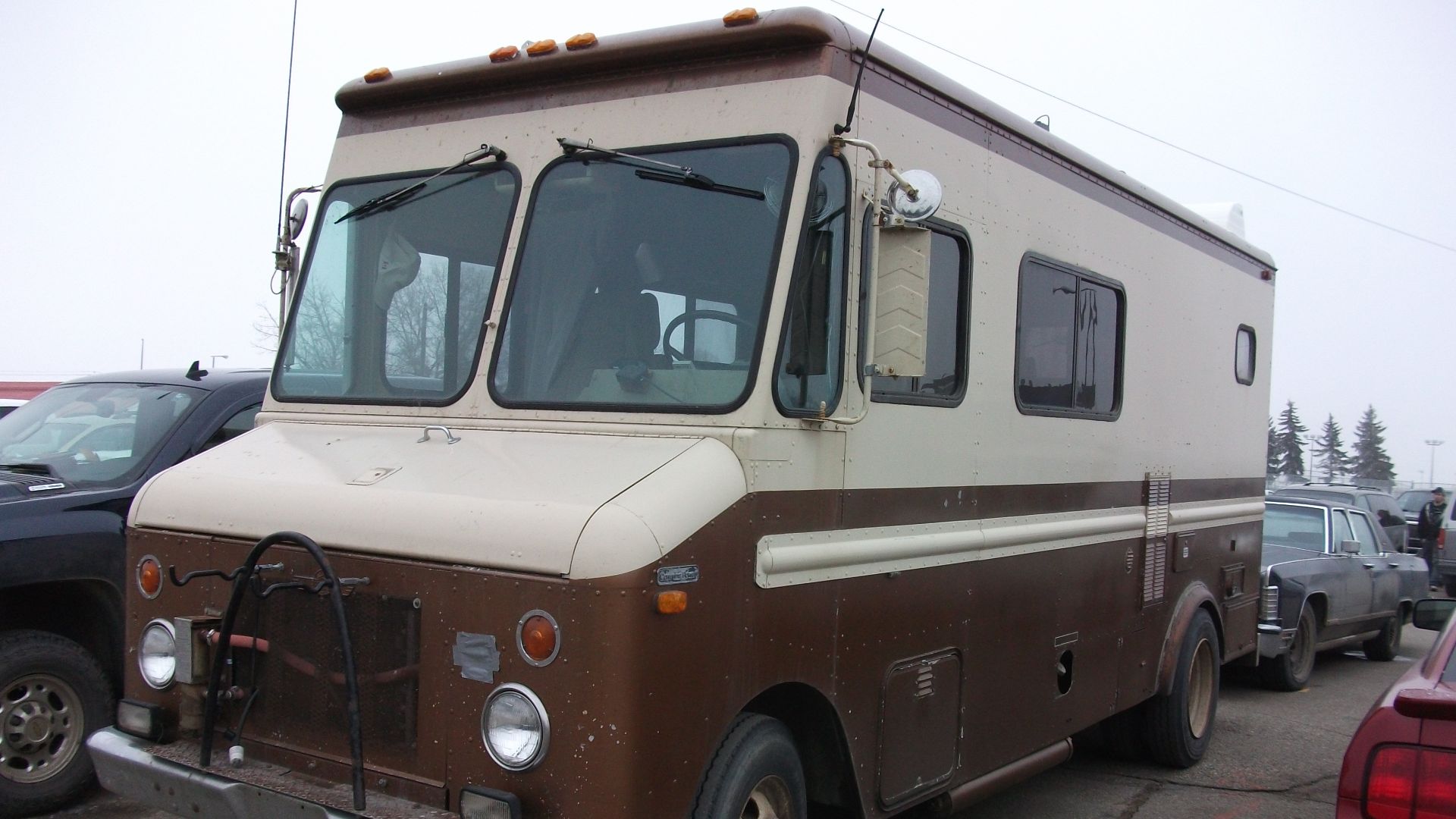
9. Utilimaster Step Van
Clunky industrial step-van styling features harsh lines and poor proportions, screaming pure utility with zero visual appeal apology. Functional focus results in no aesthetic refinement whatsoever, with every design decision serving practical delivery needs while just ignoring whether the results look decent.

10. Morgan Olson Kurbmaster
Easy curb access inspired the name and justified awkward proportions, though functional reasoning doesn't improve visual appeal. Disproportionate cab-to-cargo ratio paired with dated step styling appears weird in ways suggesting designers never examined finished products. Outdated curves clash dramatically with modern delivery expectations.