Stop Corrosion In Its Tracks
Nature can be tough on your car, but with the right precautions, you can prevent rust from taking over your precious vehicle. So let's start things off with 20 simple steps you can take to keep your ride looking sharp and running like new for years to come! After all, your car deserves long-lasting protection that goes the extra mile so that it can too.
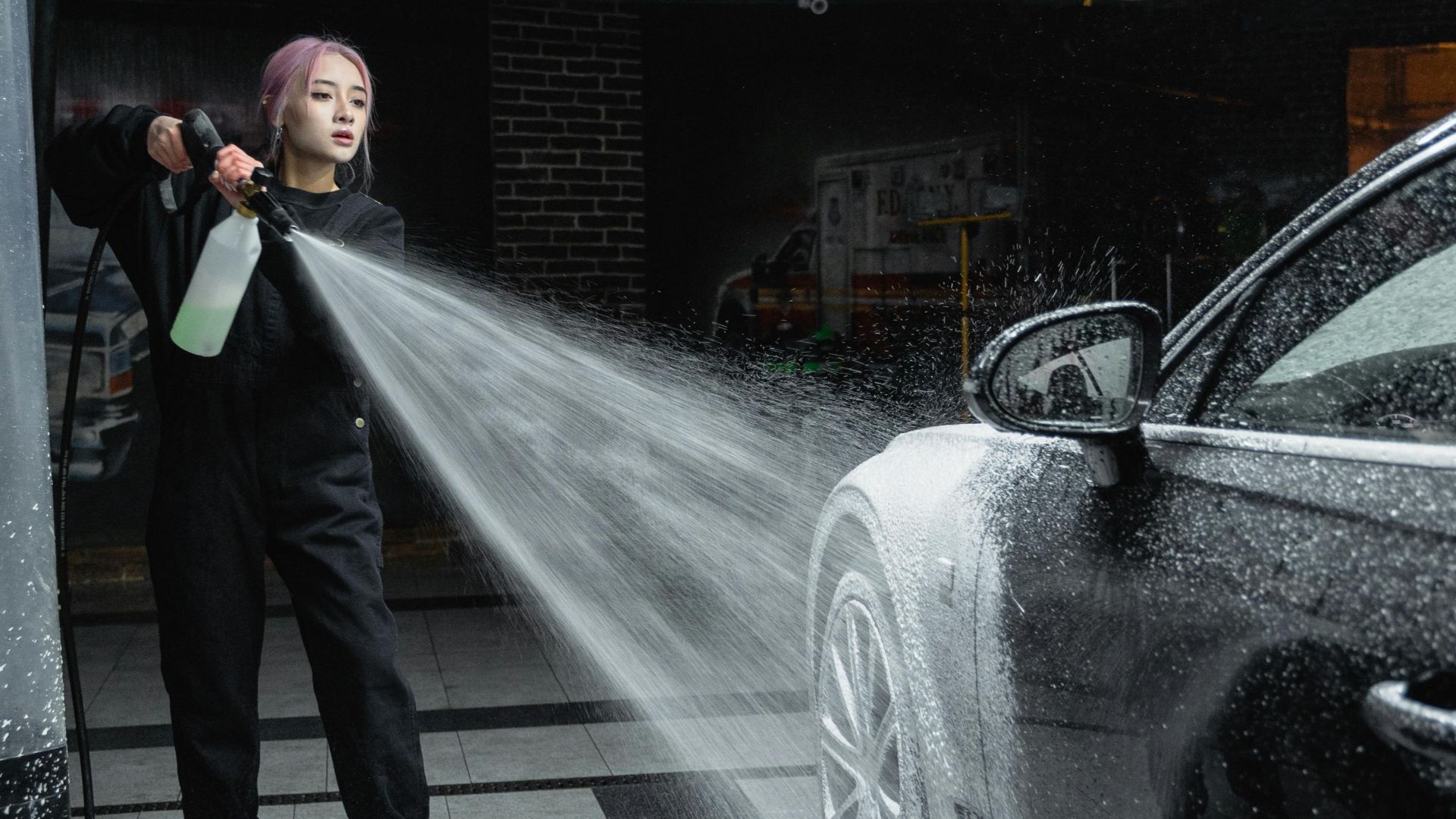
1. Regular Washing Removes Harmful Contaminants
Don't give rust a chance to begin. Bird droppings and tree sap cling to your car like a magnet for moisture. Wash weekly, especially after rain or a dusty drive. That garden hose and a soft sponge are your armor against oxidation.
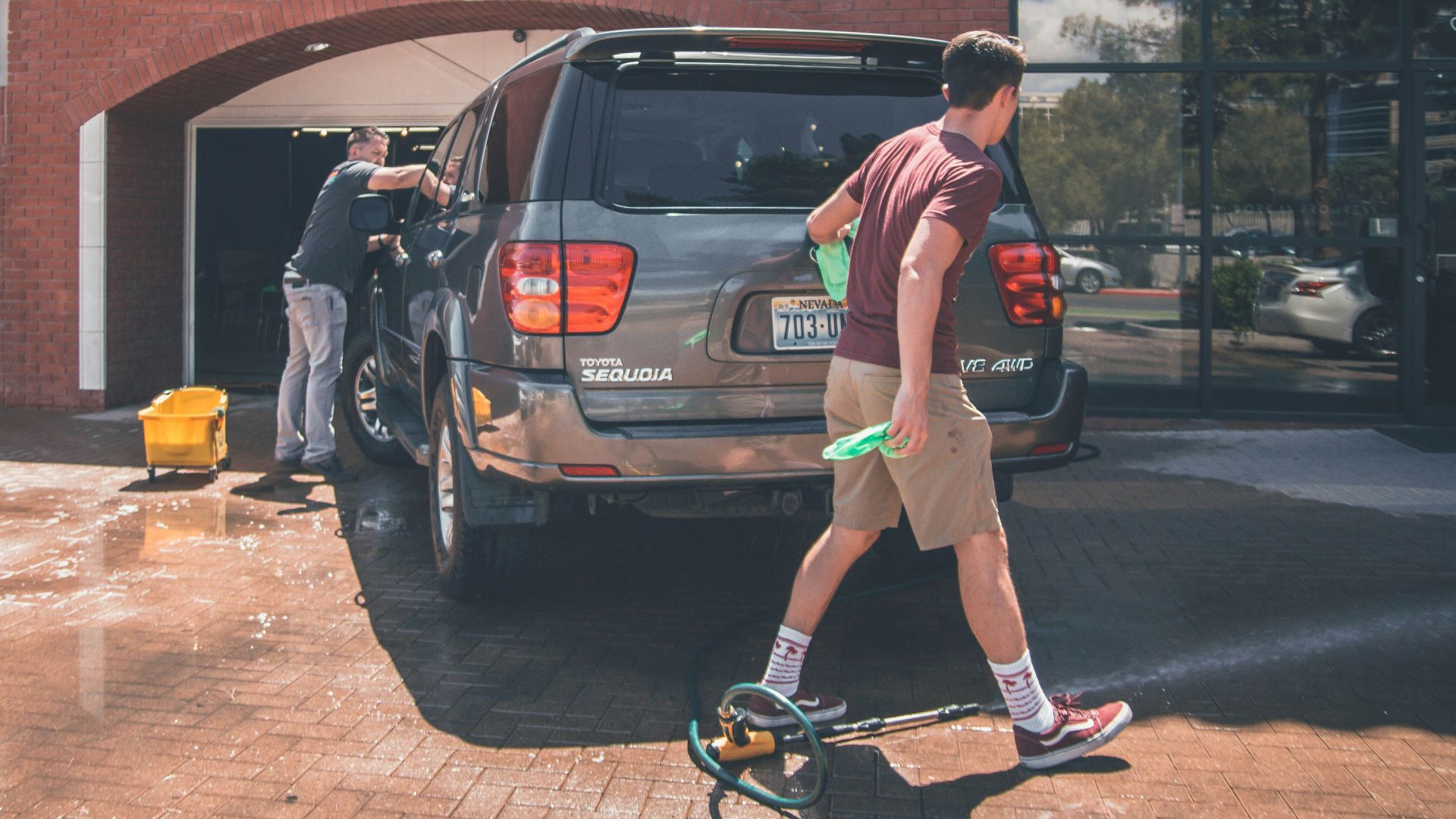
2. Waxing Provides A Protective Barrier
Twice a year, lay down that glossy shield. Wax repels water like a duck's back, keeping oxygen and grime from nesting in micro-scratches. Think of it as sunscreen for your paint job—without it, UV rays and moisture ruin everything.
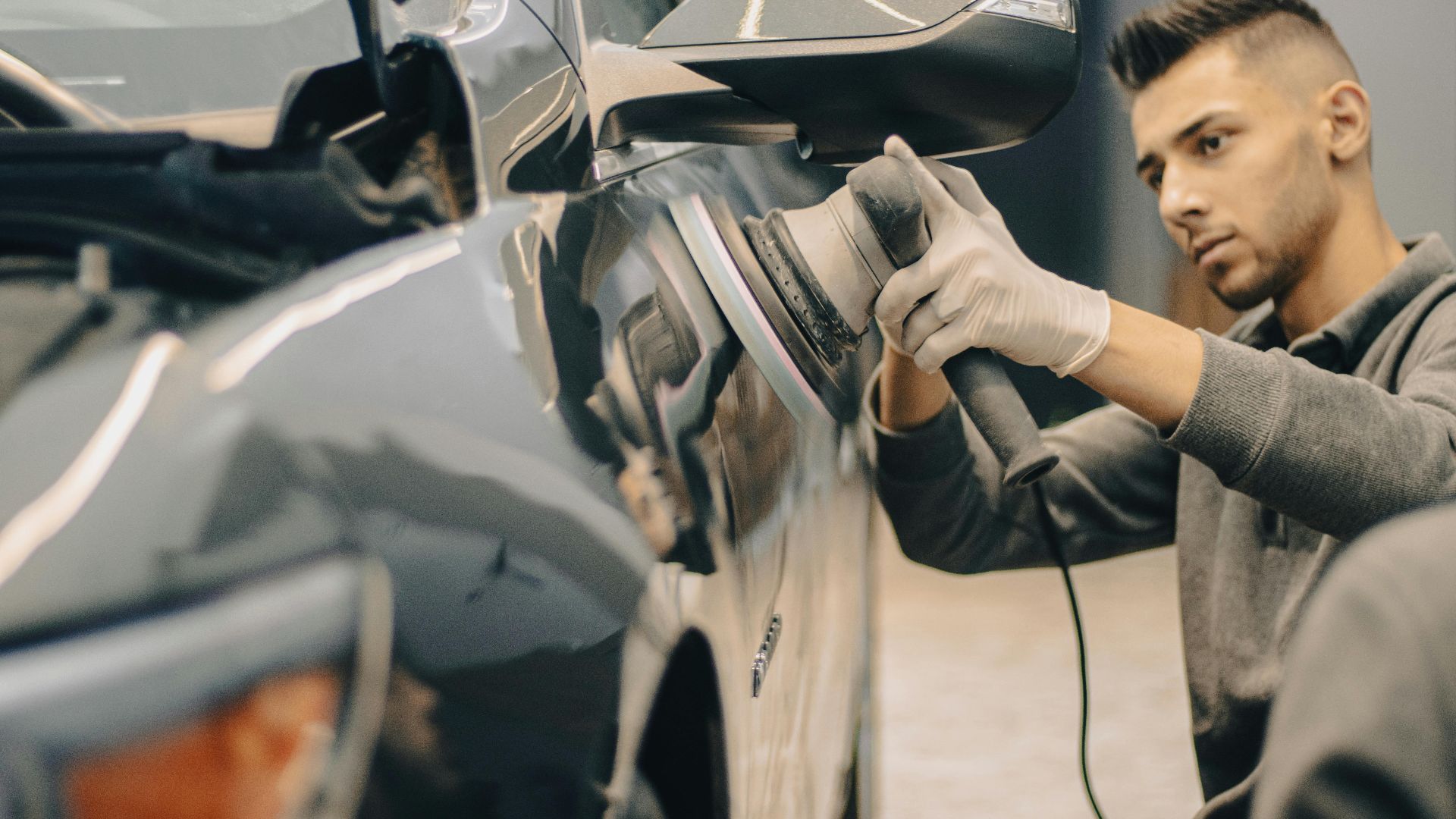
3. Promptly Repair Paint Chips And Scratches
A small paint chip can quickly lead to decay. Even a tiny pebble on the freeway can expose bare metal. Fix it quickly with touch-up paint, or you might find rust spreading faster than you'd expect. No matter how small the spot, it’s important to act fast.
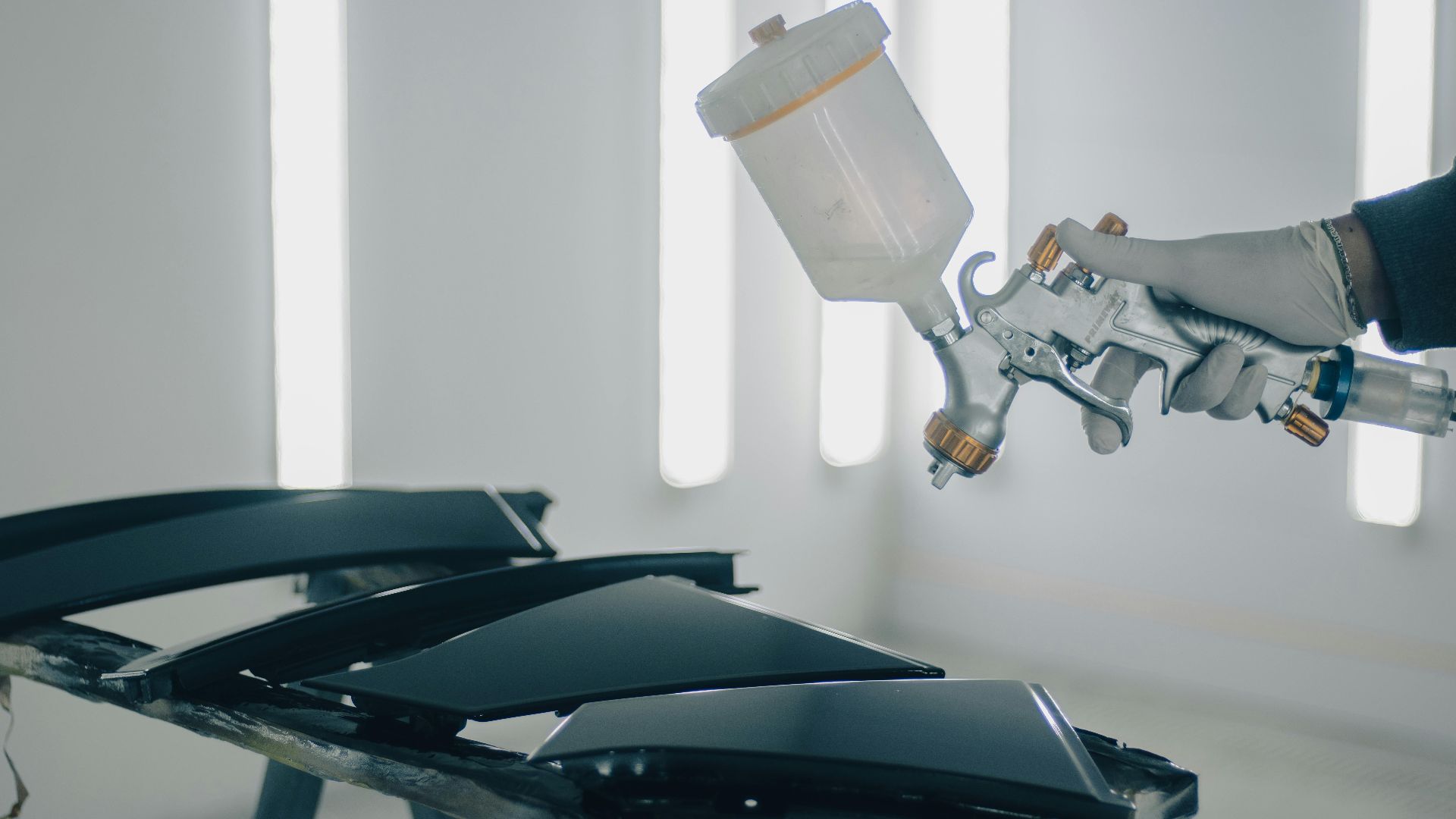
4. Apply Underbody Sealant For Extra Protection
Beneath your car is its most vulnerable defense. Daily road salt and slush constantly attack it. Sealants, like rubberized coatings or oil sprays, provide a protective barrier. A professional can coat your undercarriage in less than an hour, making it a quick and effective solution.
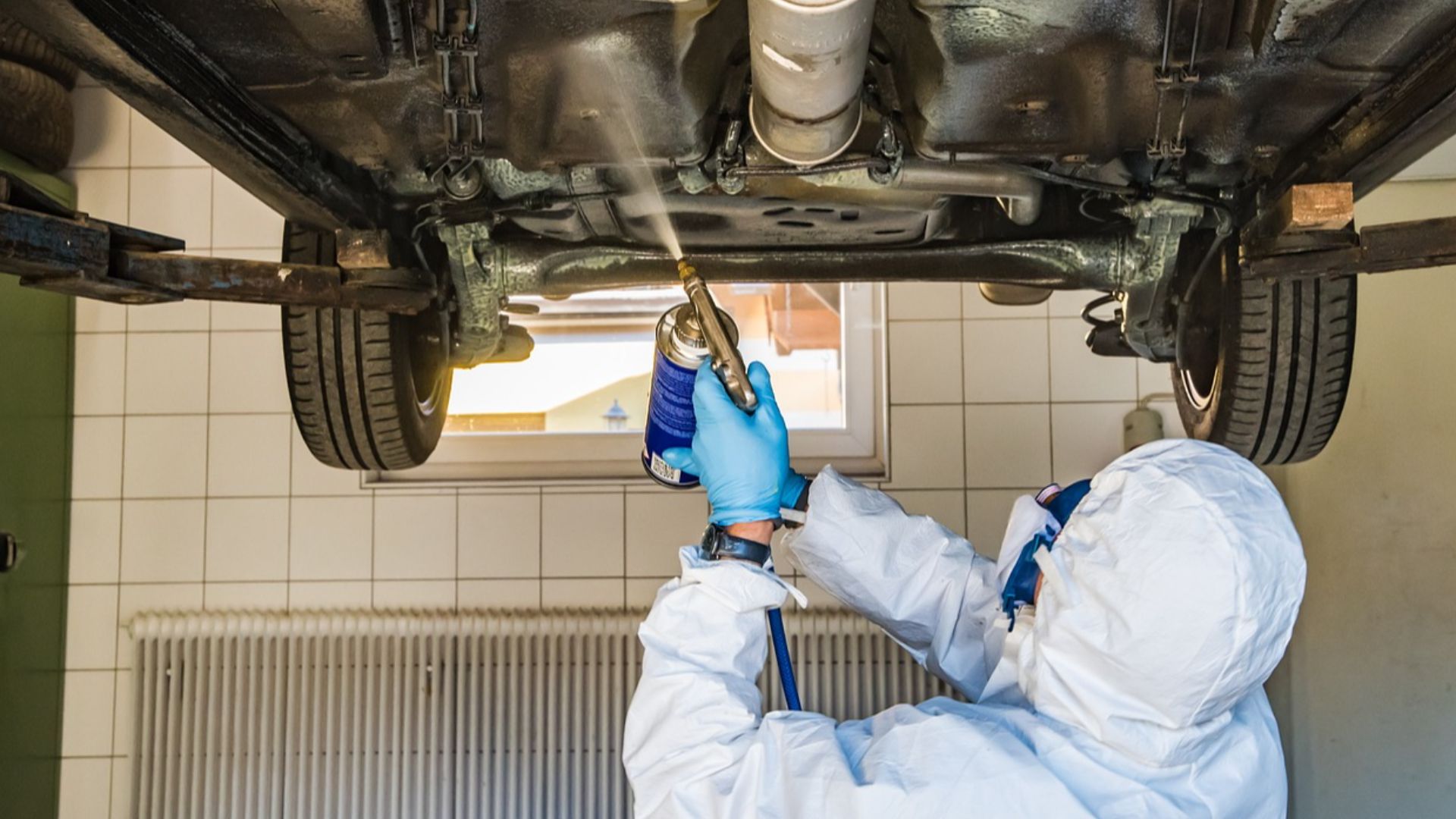
5. Use Rust Inhibitors In Vulnerable Areas
Target trouble zones like wheel arches and inside door panels. Spray-on inhibitors cling to crevices where rust loves to breed. You'll find them in shops or detailing garages. In places where salt hits hardest, like Michigan or Canada, this trick will protect your car's look.
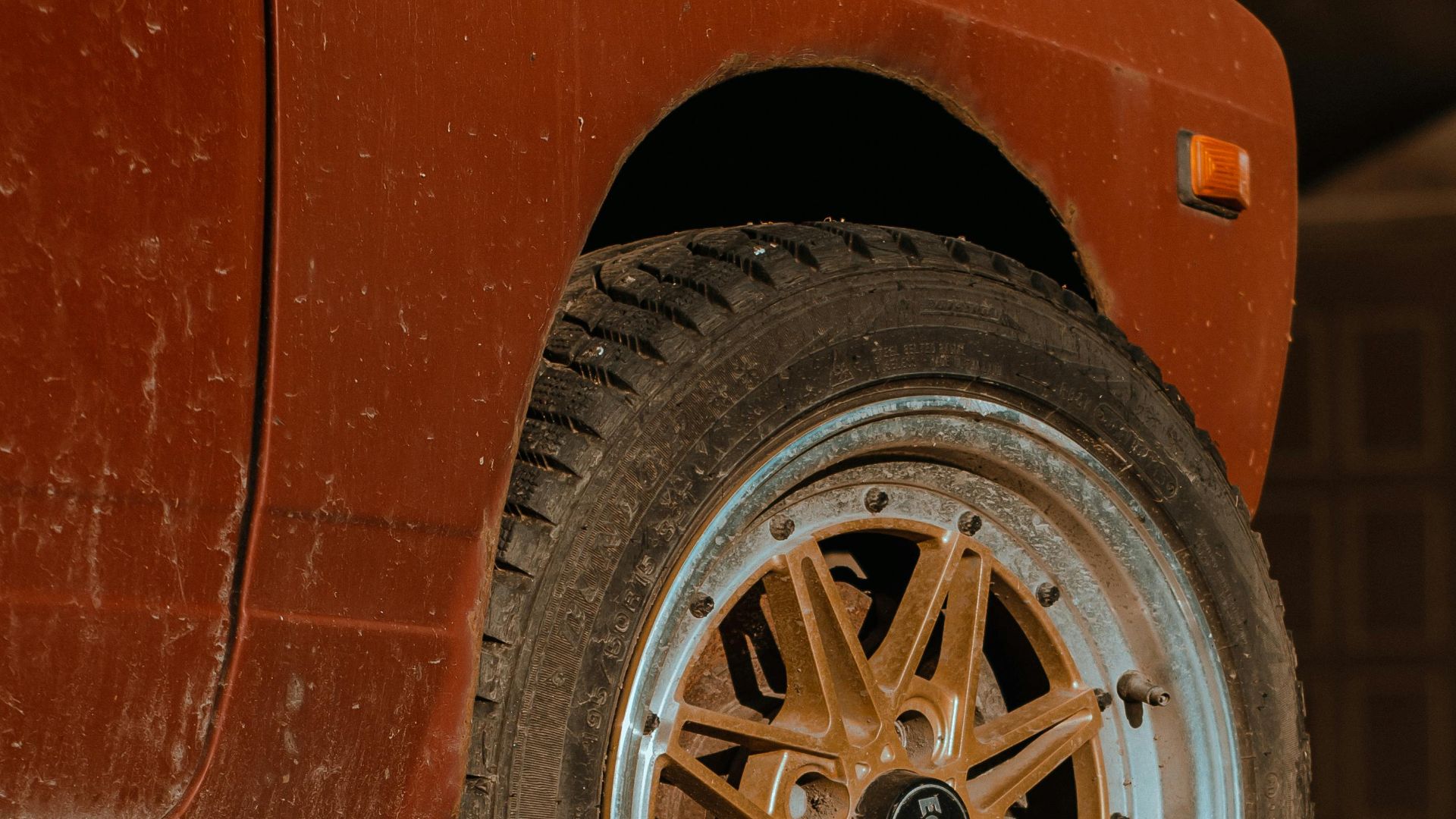
6. Store Your Vehicle In A Dry, Covered Space
Humidity lurks in every corner of an open driveway. Garage your vehicle, and you significantly reduce the risk of rust. Even a carport has its limitations. Moisture breeds corrosion, especially overnight, when temperatures drop and dew forms. Ensure to clean before garaging.
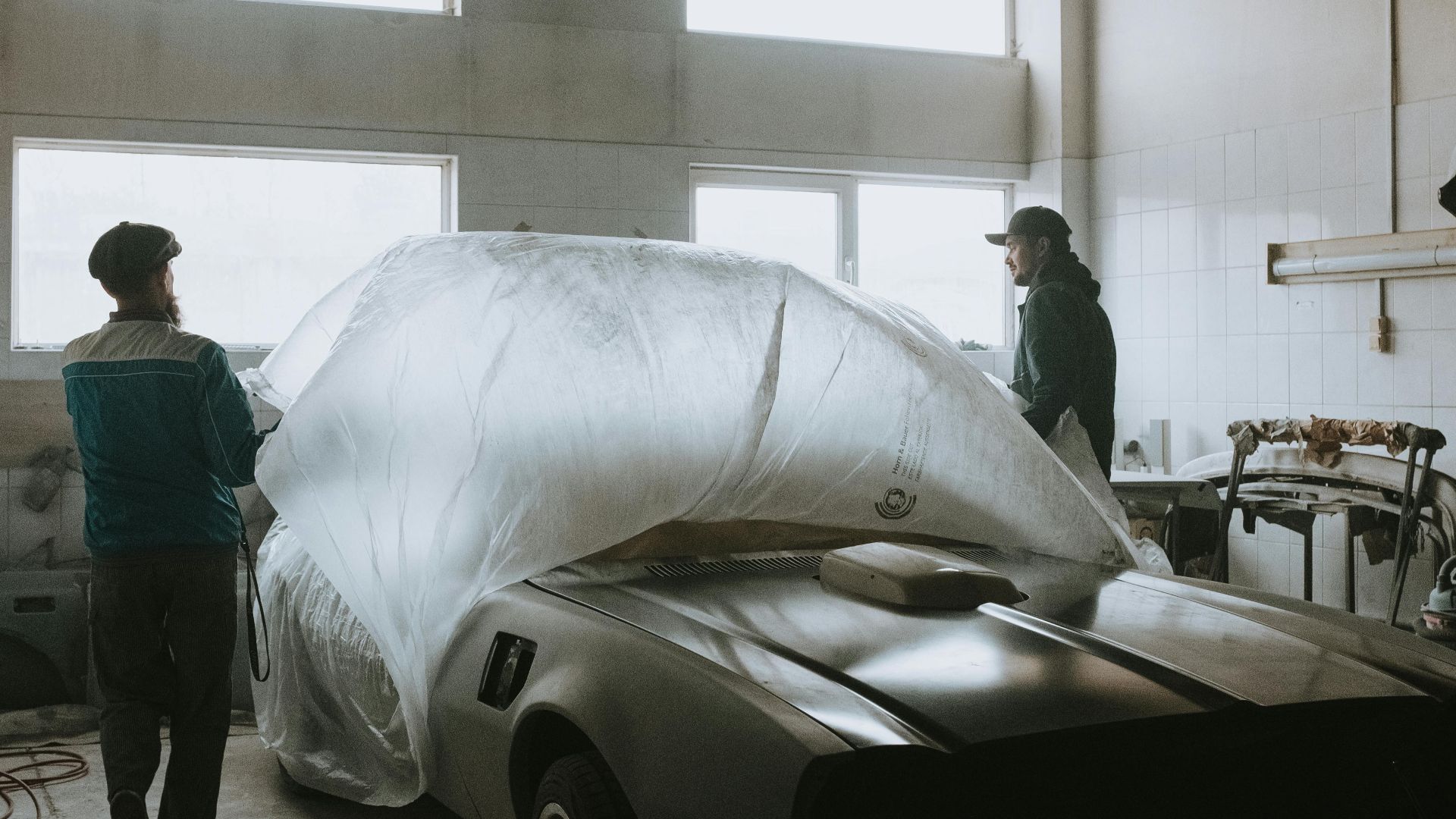
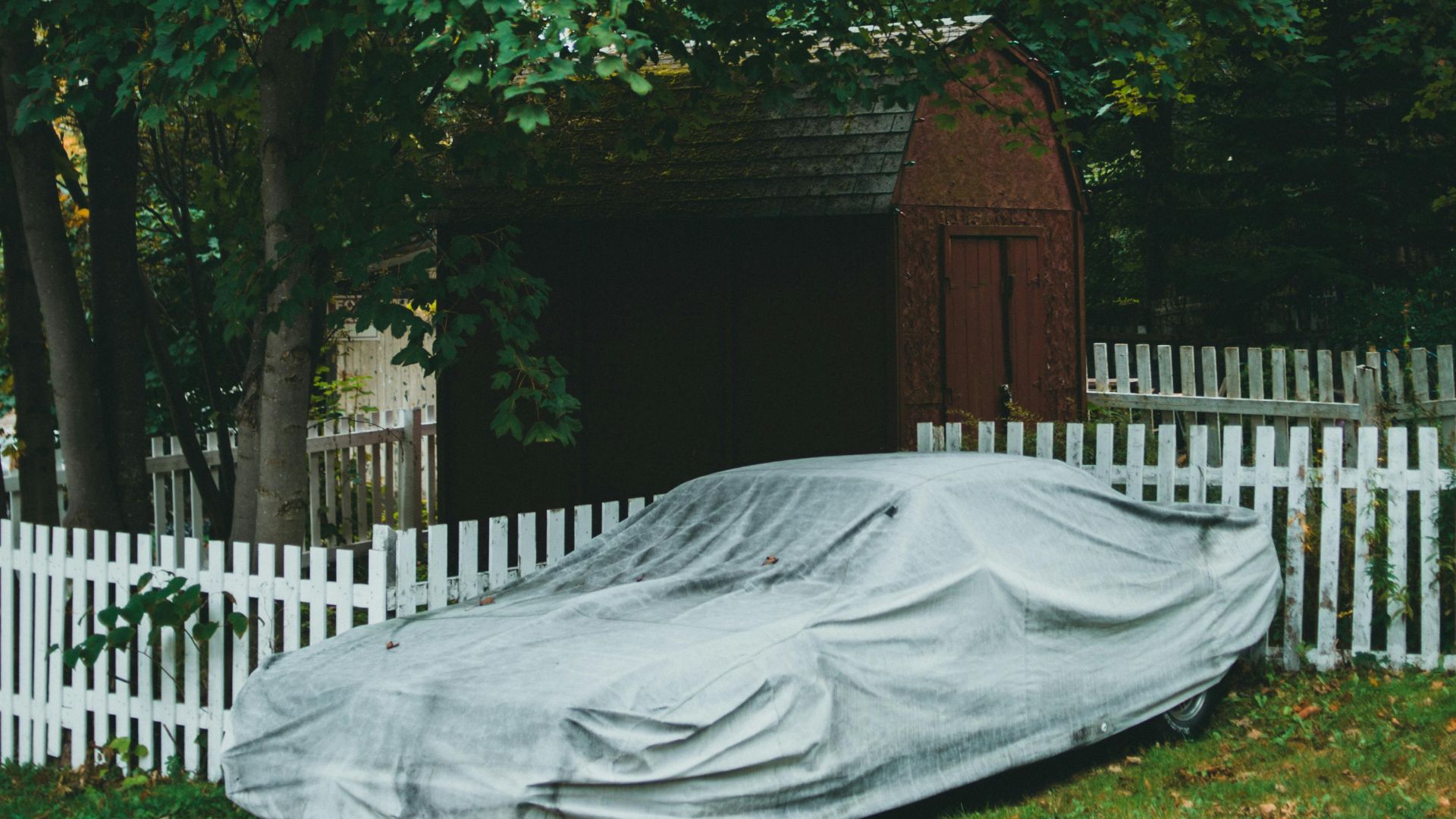
7. Use A Breathable Car Cover When Parking Outdoors
Plastic covers trap moisture like a raincoat on a hot day. However, breathable fabric covers allow trapped humidity to escape while still blocking dust and rain. Parking outside? Switching to one of these might shield your paint from damage.
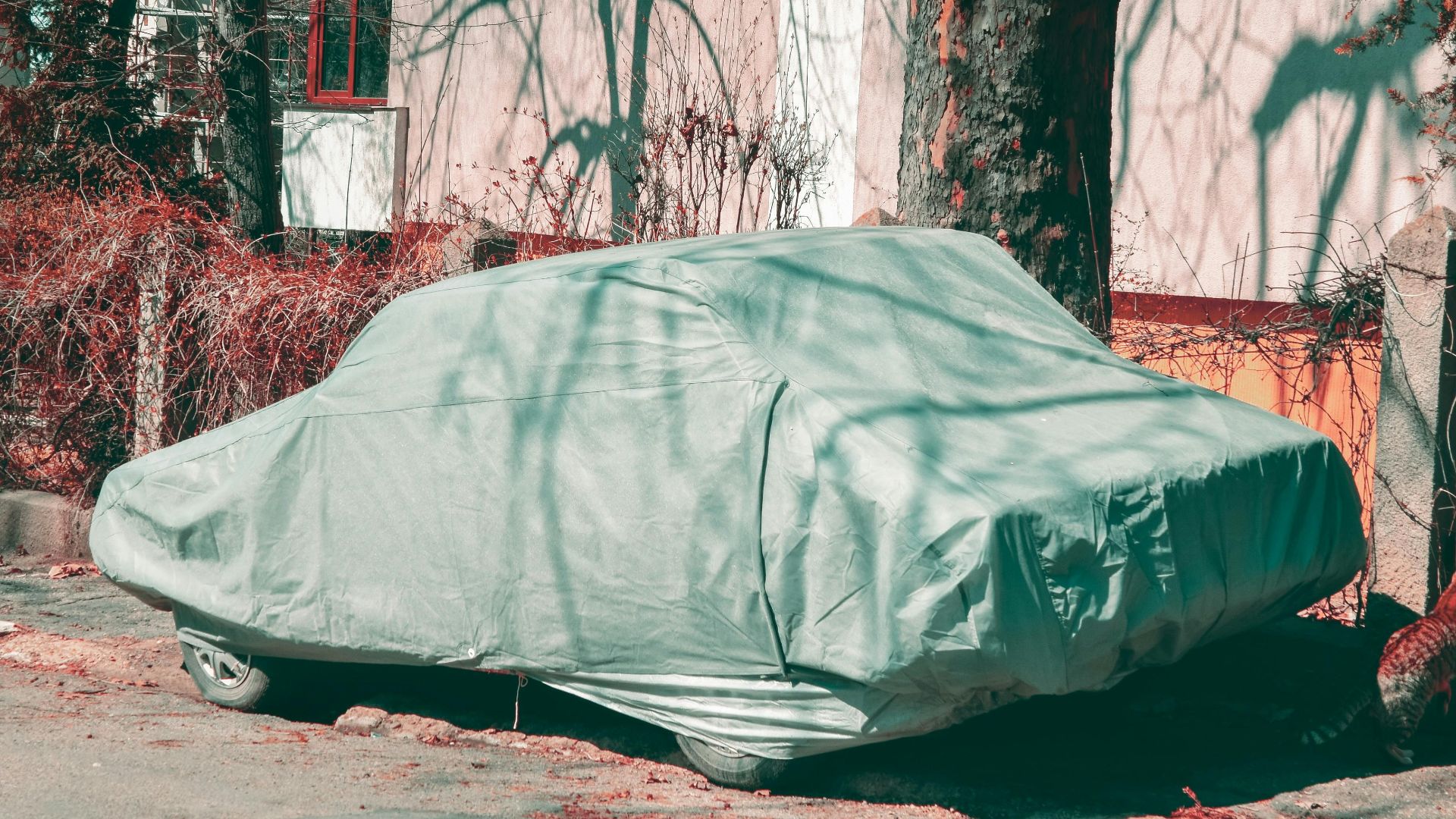
8. Regularly Inspect For Early Signs Of Rust
Lift the hood and inspect the wheel wells. Don’t forget to check under the doors, too. Spotting rust early makes it easier to fix before it spreads into bubbling paint and flaking metal. A quick once-a-month check is all it takes. If you notice anything brown or gritty, address it immediately.
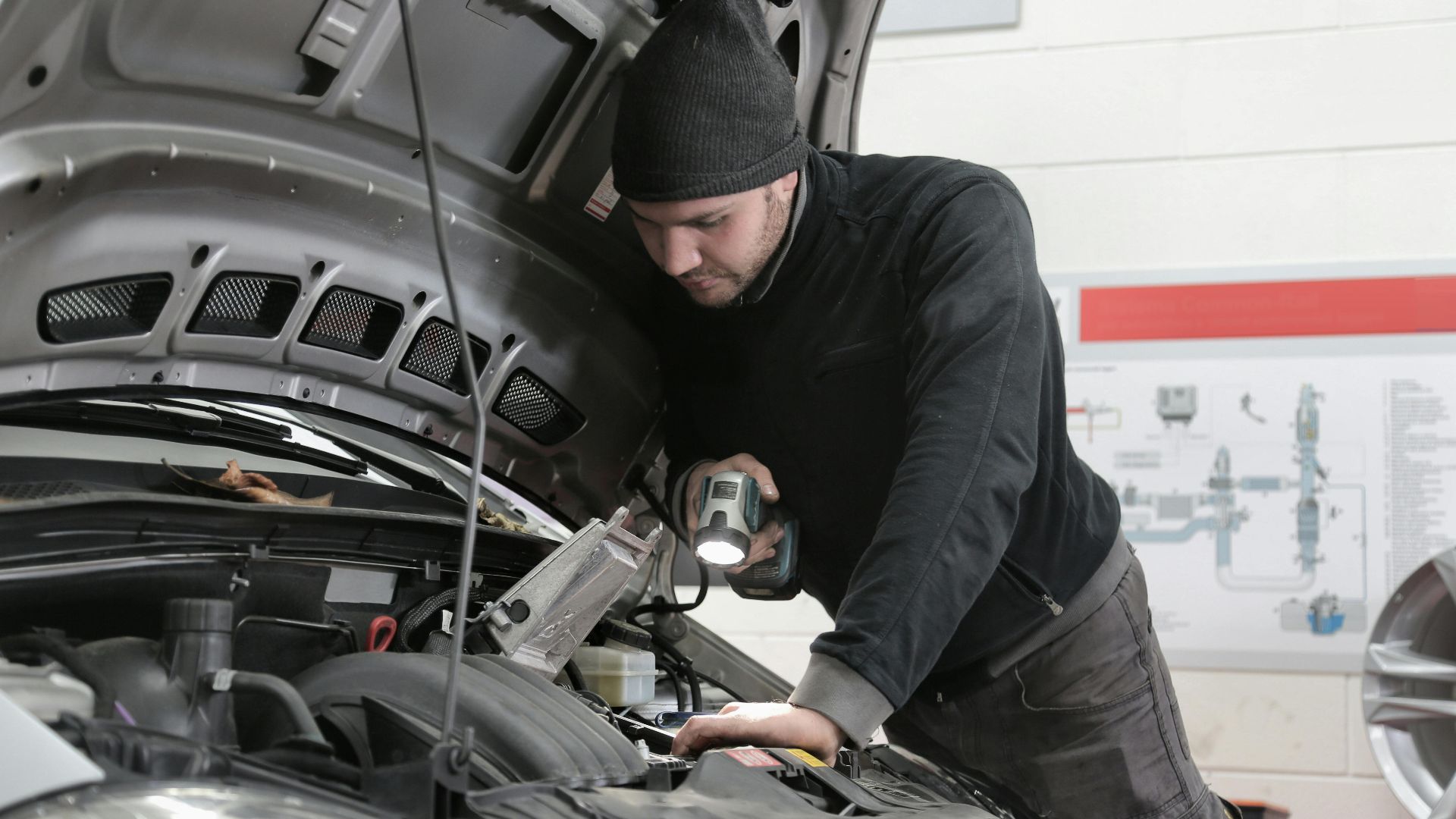
9. Rinse Undercarriage After Driving On Salty Roads
Road salt is a sneaky culprit when it comes to rust. It sticks to your car’s underside, hanging around long after the snow melts. Just a quick rinse can remove this hidden risk before it causes harm to key parts.
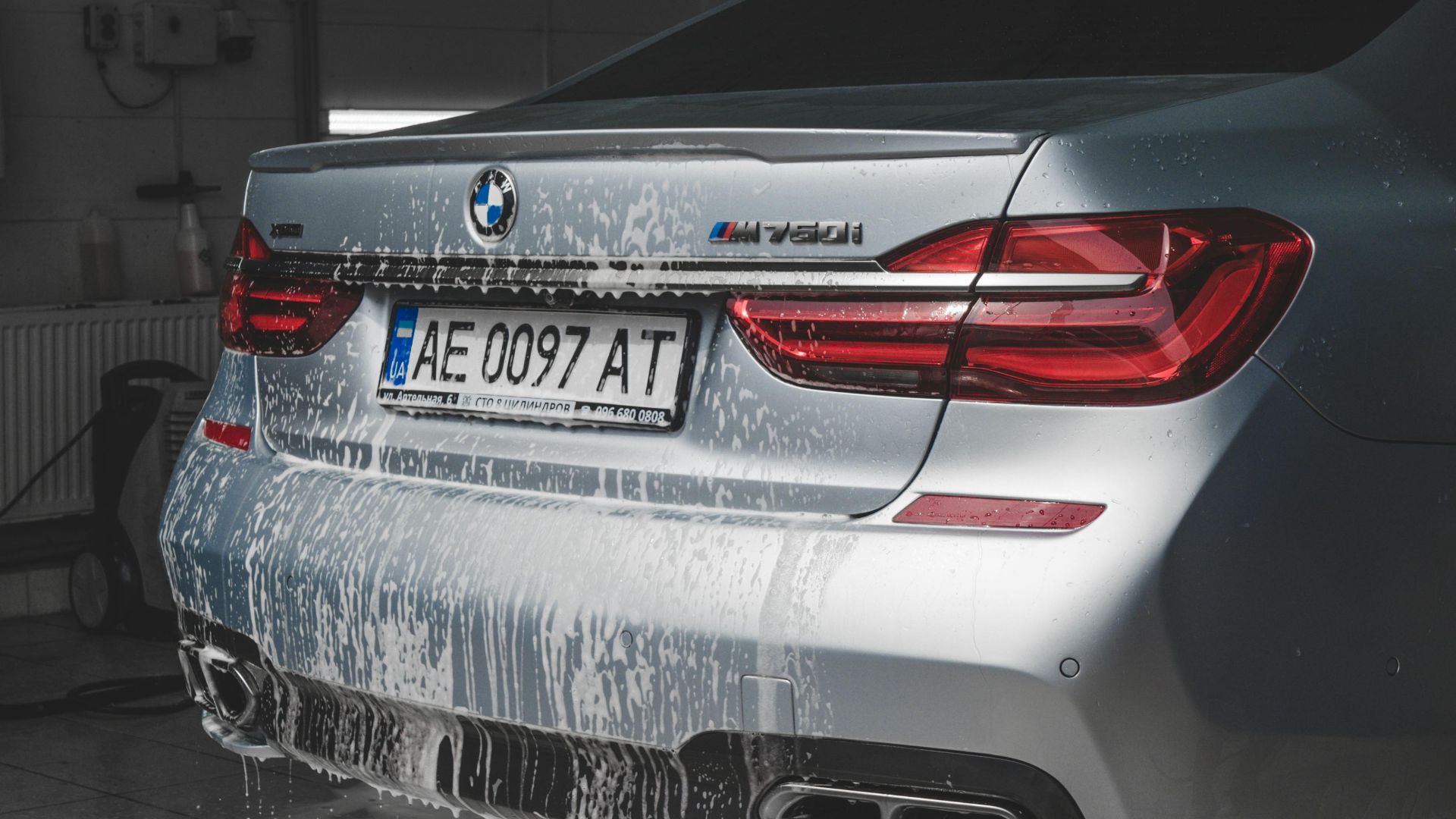
10. Avoid Parking Under Trees To Prevent Leaf Accumulation
Fallen leaves seem safe, but they cause big damage. Their acids eat away at your paint, and just a week under a tree can clog drains and trap moisture. That buildup stews and leads to corrosion. Opt for an open spot or a covered area to keep your car safe
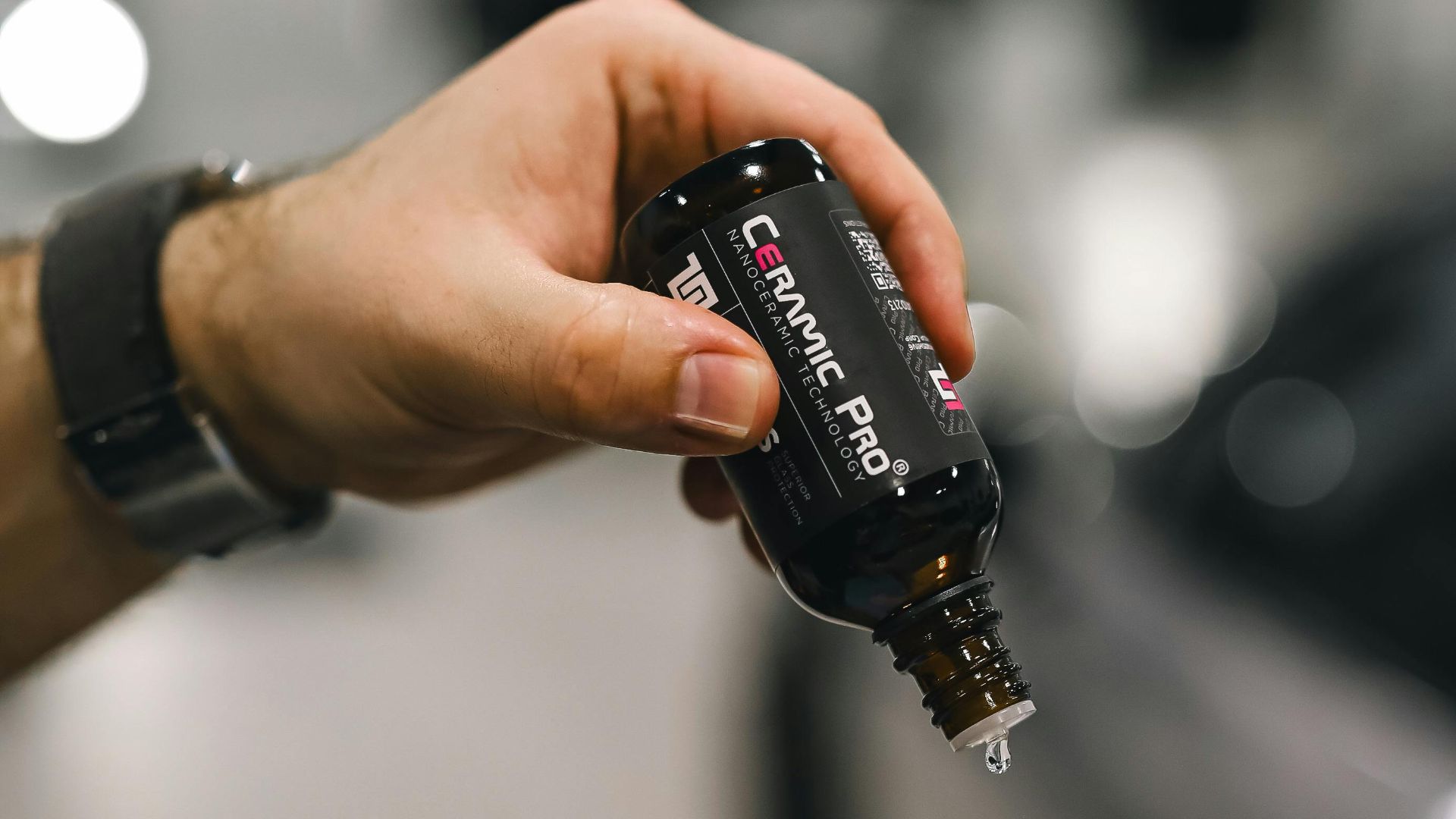
11. Apply Ceramic Coating For Long-Term Protection
A ceramic coating provides a hardened shield against water and UV damage. Applied by a detailing professional, it bonds to the paint surface and repels contaminants that cause rust. If you're looking for durable protection, this coating can outlast traditional wax.
12. Ensure Proper Drainage In Vehicle Design
Blocked drainage points can lead to rust. When dirt and debris clog the channels, moisture gets trapped in hidden spots. Be sure to clean outdoor drains and rocker panel holes. This quick action keeps water moving, stopping the moist conditions that lead to harmful rust.
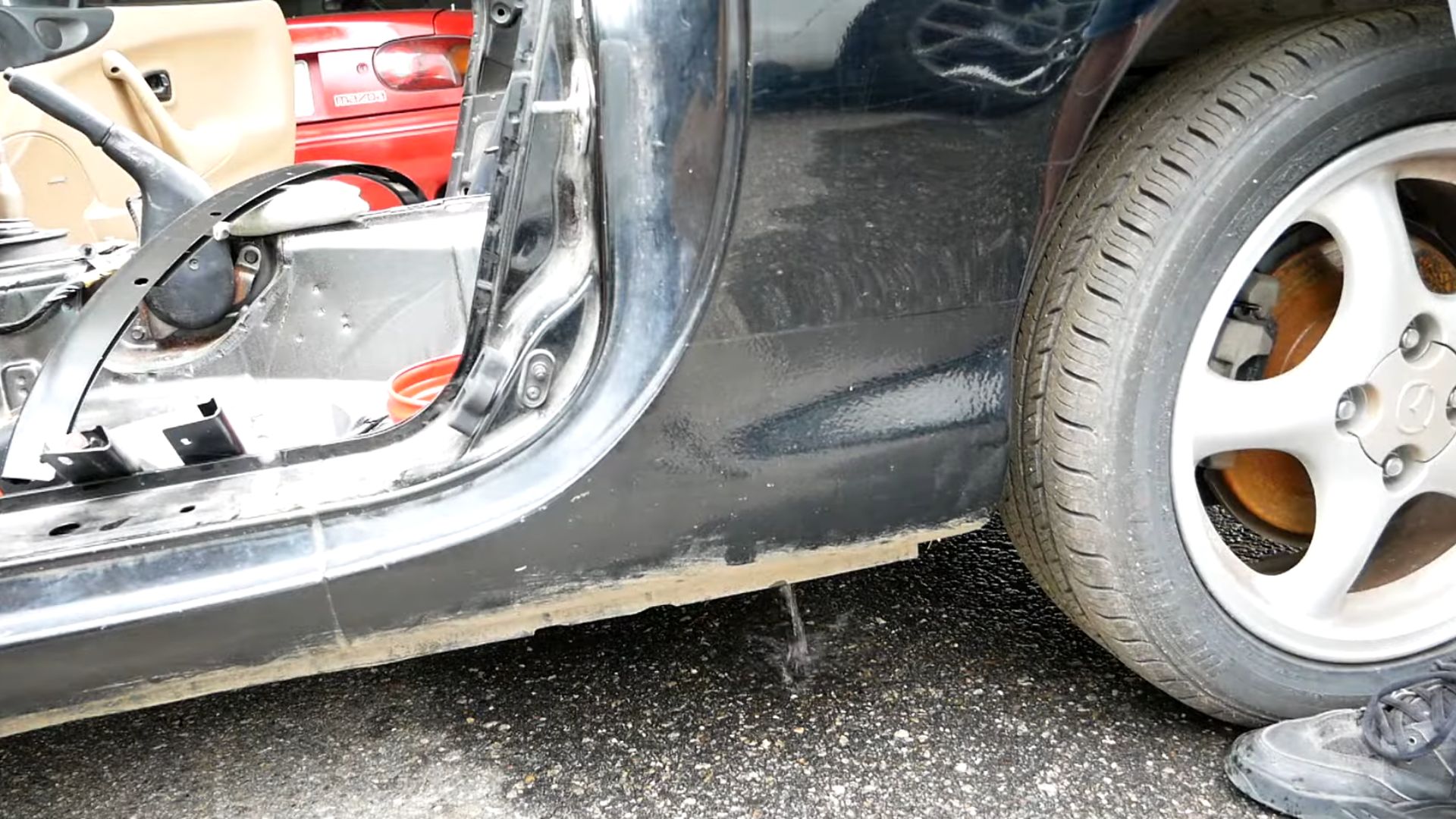 MX5 Miata Top Drain Cleaning | Stop Wet Interiors and Prevent Rust! by CashedOutCars
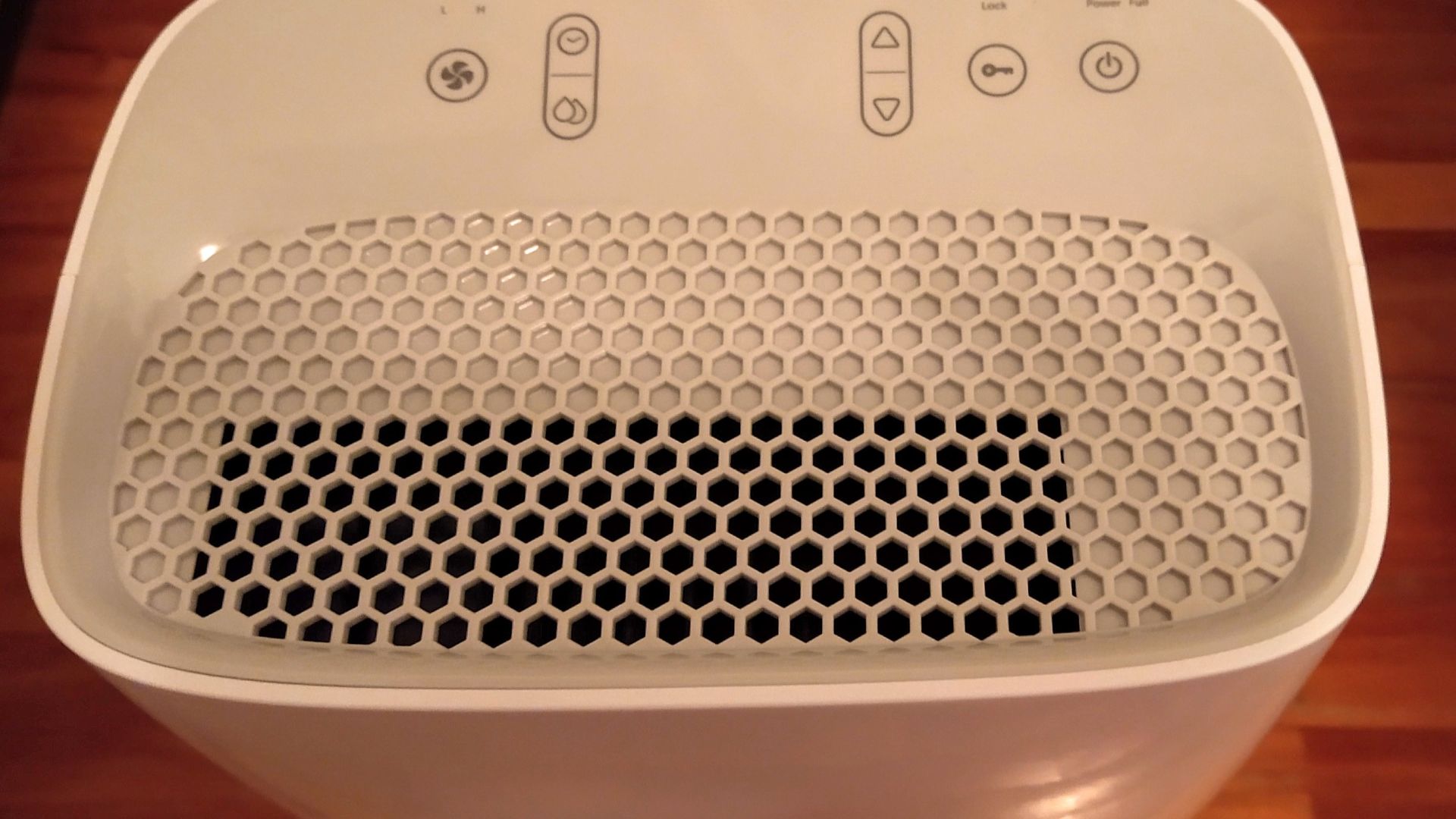
13. Use Dehumidifiers In Storage Areas
Moisture thrives in enclosed spaces, and your garage is no exception. A dehumidifier can keep the air dry and your car rust-free, especially in humid climates or during rainy seasons. If you've ever noticed that musty garage smell, it's definitely time to get one.
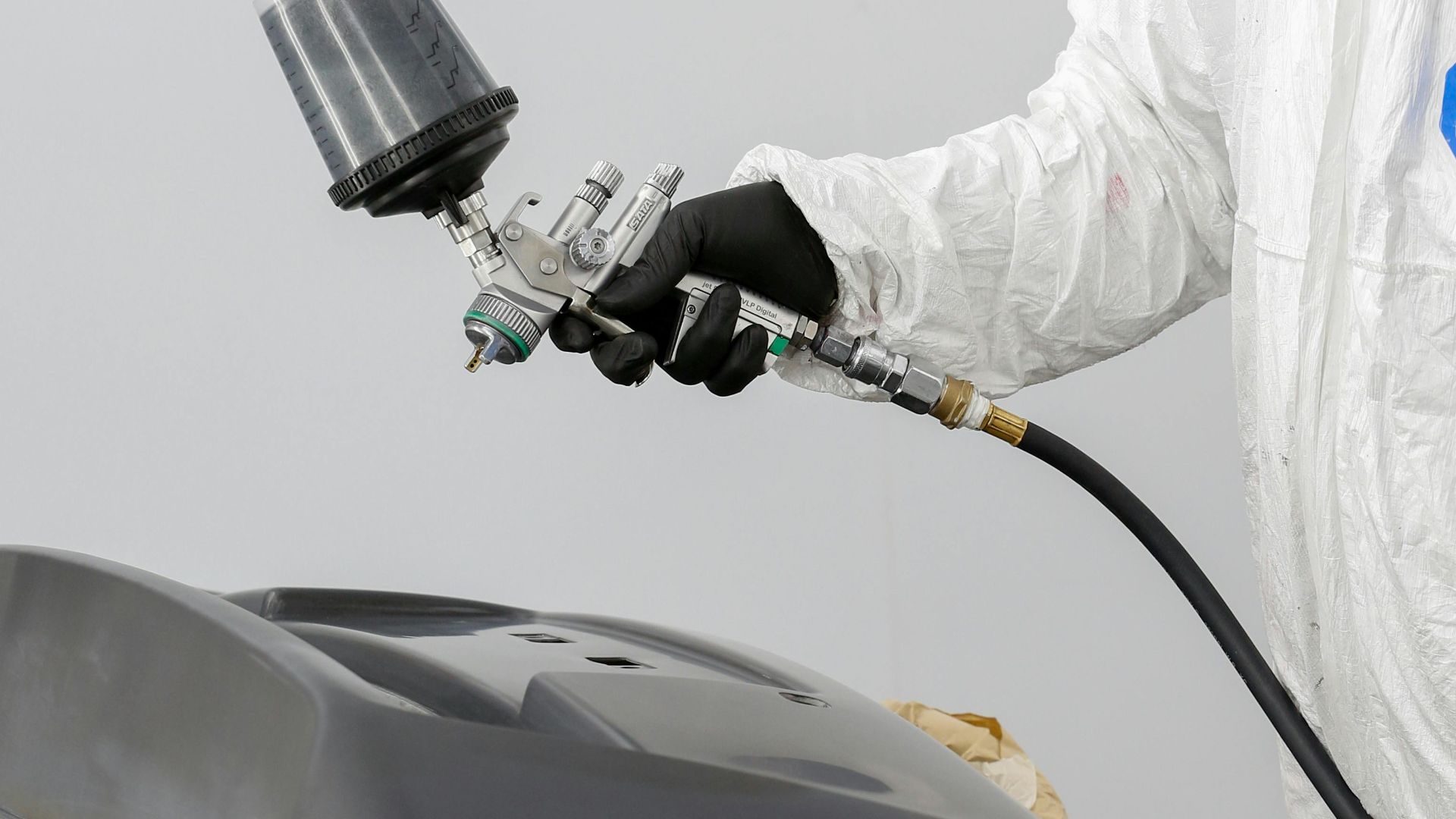
14. Apply Protective Coatings To Exposed Metal Parts
Brake lines and undercarriage brackets are constantly exposed to moisture and grime. Applying rust-resistant spray to exposed parts builds a layer that blocks moisture from getting inside. Regularly treating these spots, especially after wet seasons, keeps your car's foundation sturdy and rust-free.
15. Regularly Clean Wheel Wells And Fenders
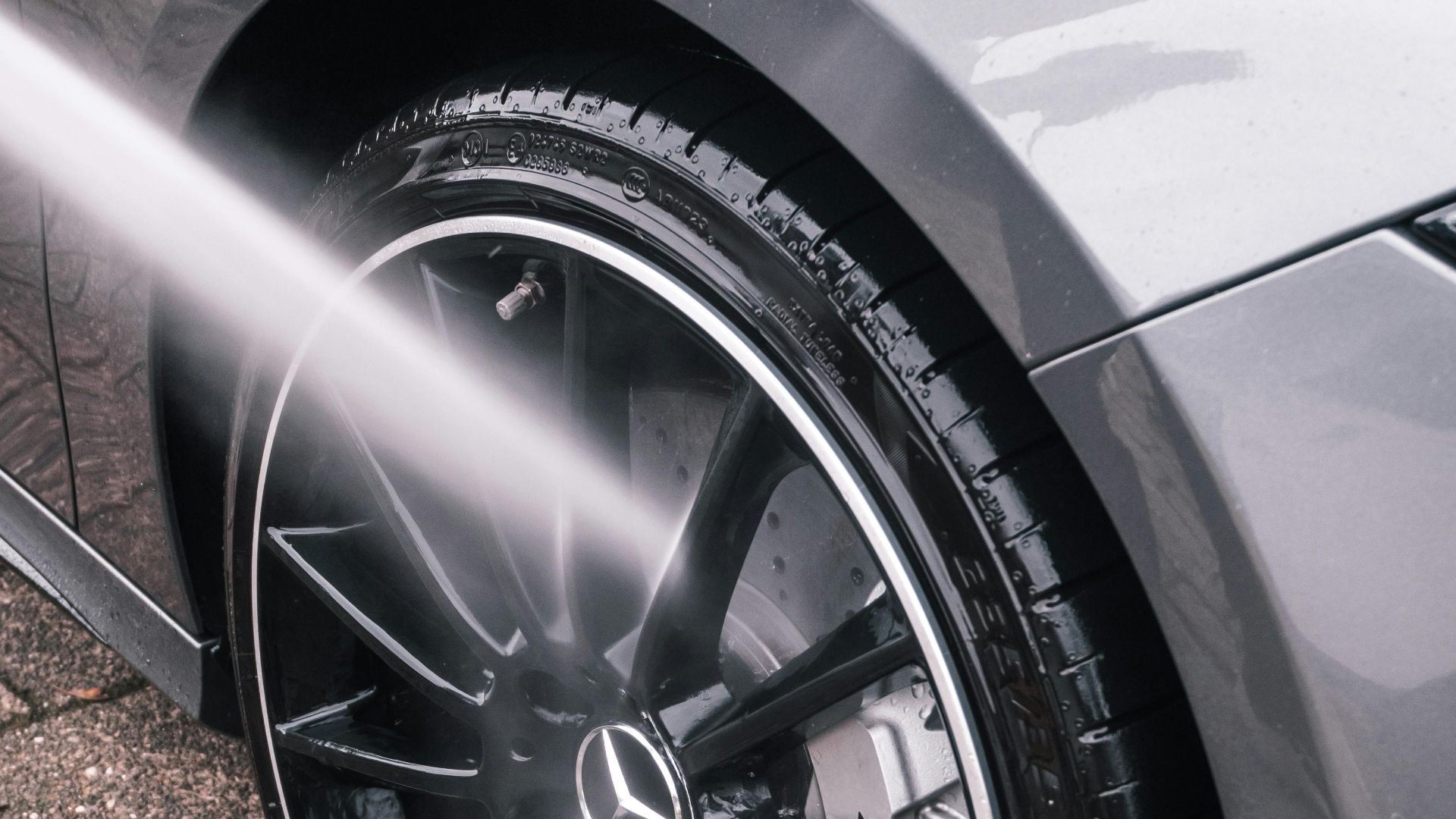
Wheel wells collect mud and grime, allowing rust to thrive. To prevent them from harming your car, rinse them thoroughly after rainstorms or trips on salted roads. Keeping these areas spotless not only prevents corrosion but also ensures your vehicle looks great.
16. Avoid Driving Through Deep Water
Flooded streets and deep puddles seem harmless, but they saturate your car's underside. Prolonged wet conditions lead to rust in hard-to-reach spots. Even after drying off, the damage persists. If you must drive through water, rinse your car promptly.

17. Use Rust-Resistant Materials For Repairs
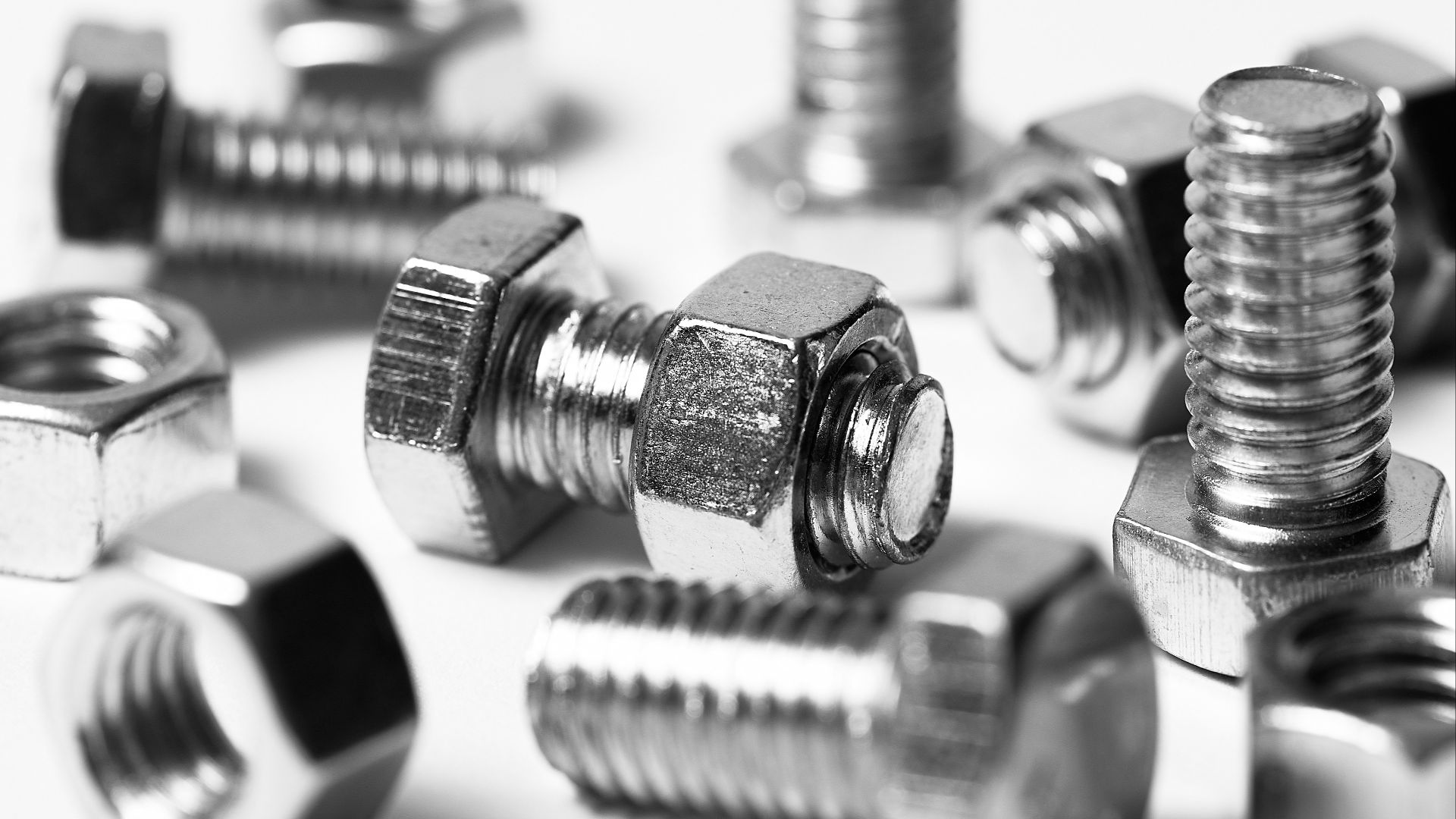
Always use corrosion-resistant materials in repairs, such as stainless steel or galvanized metal parts. Some replacement parts start rusting quickly, but investing in corrosion-resistant options ensures you're not fixing the same problem twice.
18. Apply Anti-Rust Spray To Hidden Areas
The insides of doors and the seams of panels are some areas where rust can hide. Anti-rust sprays penetrate these hidden spots and create a barrier that halts oxidation before it starts. Be sure to spray these trouble zones every six months.
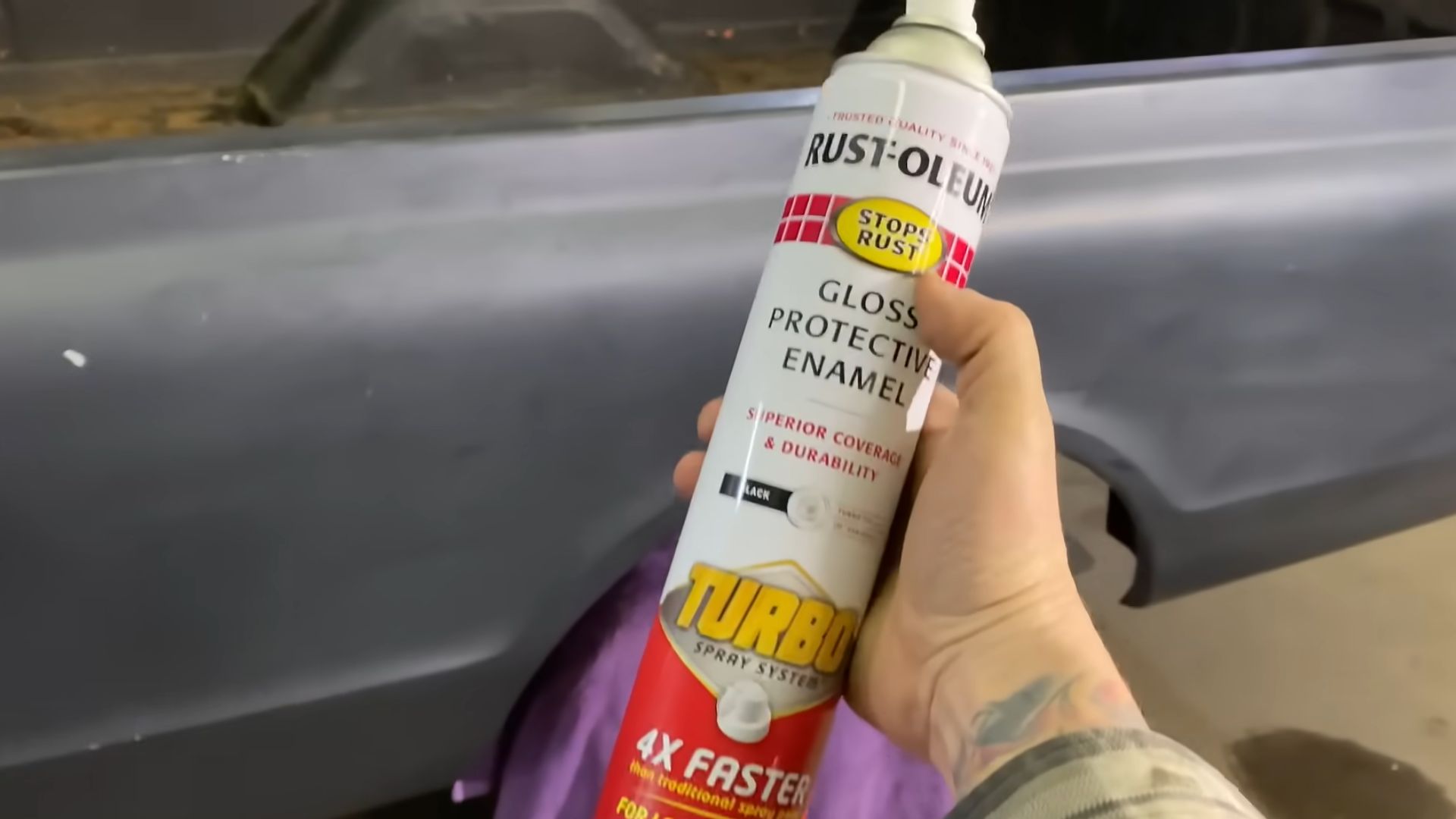 Rustoleum Turbo Spray Paint! Wow!! by Rides By Ryan
19. Ventilation Stops Moisture From Lingering
Proper airflow in enclosed spaces, like garages or storage sheds, keeps moisture from building up. Trapped humidity encourages rust to flourish. When you install vents or use fans, you prevent that damp, stale environment. With dry air, your car's interior metal components stay solid.

20. Schedule Professional Rustproofing Treatment
For ultimate peace of mind, book a professional rustproofing treatment. Experts apply specialized coatings to your vehicle's most vulnerable spots for thorough protection. In climates with harsh winters or salty air, this annual or biennial service can be a game-changer.
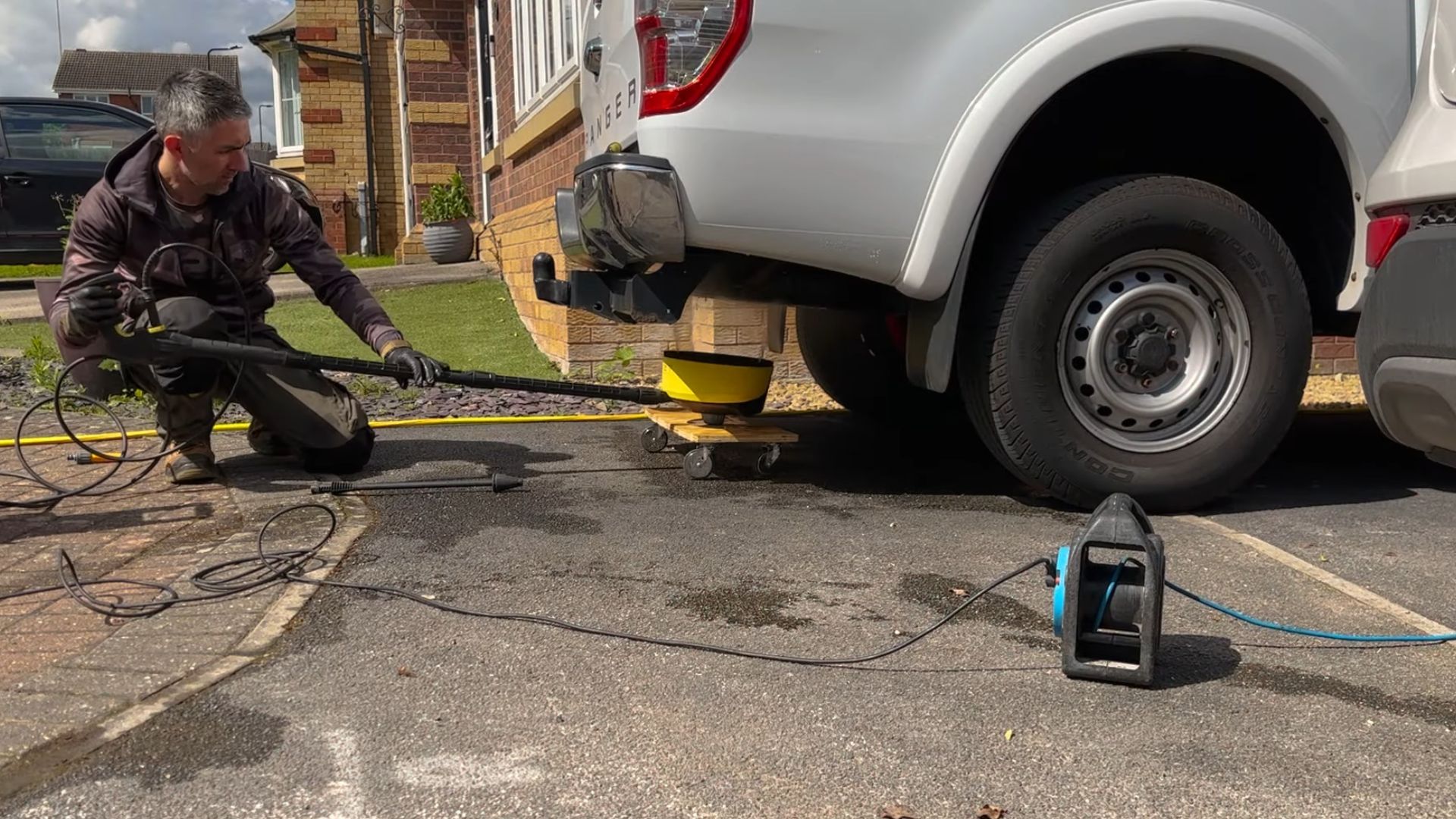 Ford Ranger Rust Removal (Rust Converter + Lanoguard Application) by Chris Spooner Motoring