Cars have picked up a lot of new tricks over the past decade, and lane assist might be the one drivers argue about most.
On paper, it sounds helpful. Yet plenty of people say the feature feels more annoying than reassuring. That tension is exactly why lane assist has become such a hot topic, and it’s worth exploring why a tool designed for safety manages to frustrate so many.
The Feature That Tries To Help A Little Too Much
Lane assist was built with good intentions. Automakers wanted a system that keeps drifting in check and reduces accidents caused by tired or distracted drivers. When it works smoothly, it adds a light guiding hand so the vehicle stays aligned with road markings. The idea is simple, but reality feels different for many drivers.
Plenty of users describe a tugging sensation in the wheel that throws off their natural driving style. They expect a gentle reminder, but end up fighting the steering through curves or construction zones. Instead of boosting confidence, the system can create awkward moments where the driver and the car disagree on the right line. Some drivers say this pushback feels intrusive, almost like someone else grabbed the wheel without warning.
There’s also the uneven performance that comes from unpredictable road conditions. Faded paint or worn pavement can confuse sensors, which leads to sudden vibrations or steering nudges at the wrong time.
Why Drivers Are Losing Patience
A big part of the frustration comes from expectations. Drivers assume modern safety features will work quietly in the background. Lane assist, however, sits at the intersection of safety and control, which is a tricky balance. Many drivers also mention the mental load that comes with the alerts. The beeps and blinking icons can add more anxiety than the drifting they’re supposed to prevent.
There’s also the challenge of learning how each car handles the system. One brand uses a firm correction. Another relies on vibration. Some stay active until power is fully cut, while others switch off after a few seconds without a human touch. With no consistent experience across models, drivers feel like they need a short course every time they get behind the wheel of something new.
It Might Improve, But Drivers Still Want A Choice
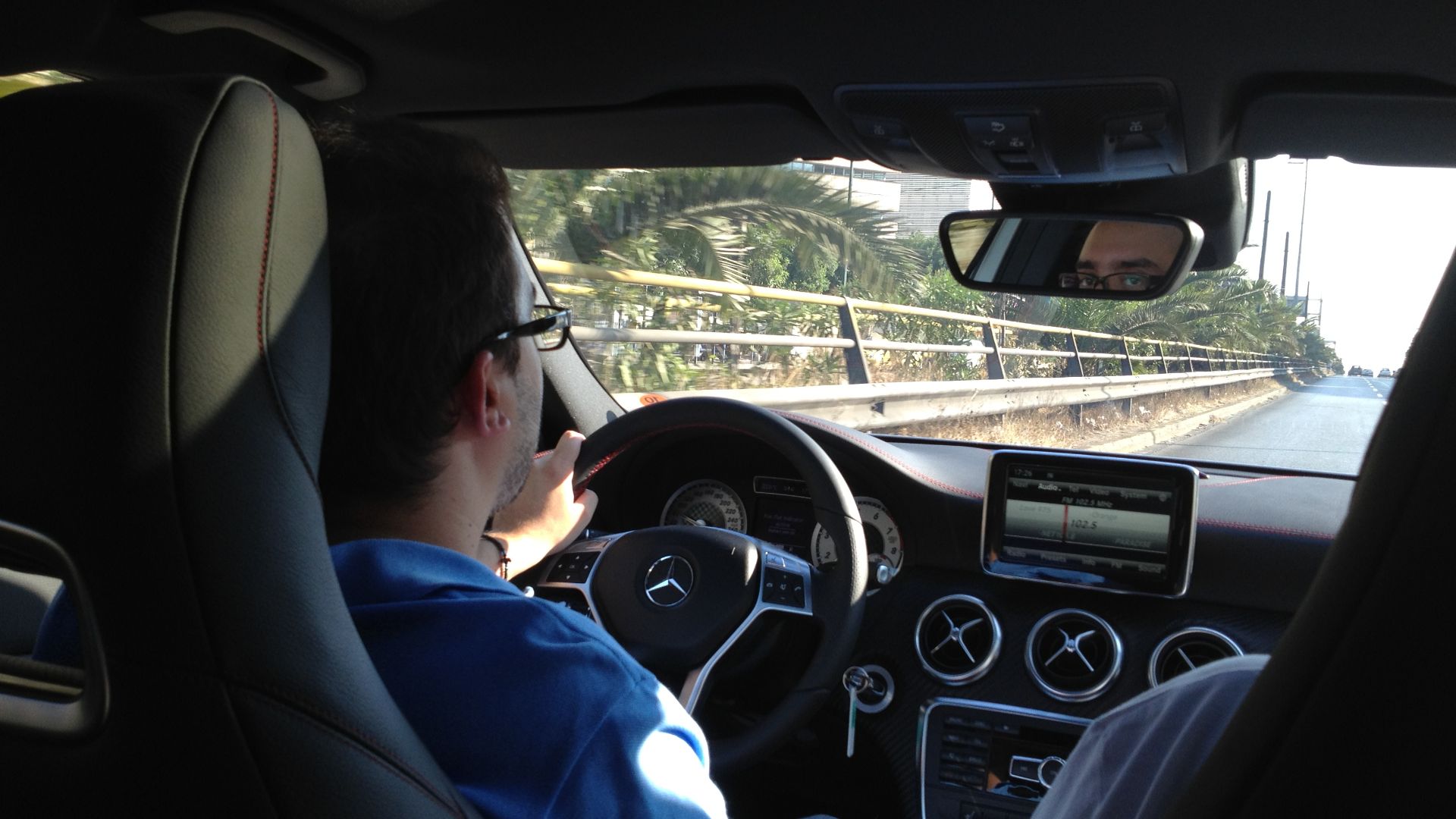 John Karakatsanis from Athens, Greece on Wikimedia
As the sensors get better and the software learns from more edge cases, the corrections may feel more natural over time. Still, even with improvements, what drivers want most is control. They want the freedom to use lane assist when it makes sense and turn it off when it interrupts the flow of driving. Drivers appreciate innovation, but they also appreciate a sense of autonomy. Lane assist shows how delicate that balance can be.
As cars continue toward higher levels of automation, that relationship between human instinct and digital correction will only get more important.