In the early 1950s, America lacked a prominent, mass-produced sports car to call its own. Europe had sleek machines from Jaguar, Ferrari, and Porsche. Therefore, Chevrolet wanted to prove that the United States could build something just as thrilling, something that captured both freedom and innovation. What followed was a decades-long evolution that turned the Corvette into an American legend.
Keep reading to see how a fiberglass experiment from the ’50s became one of the world’s most recognizable performance machines.
The Risk That Paid Off
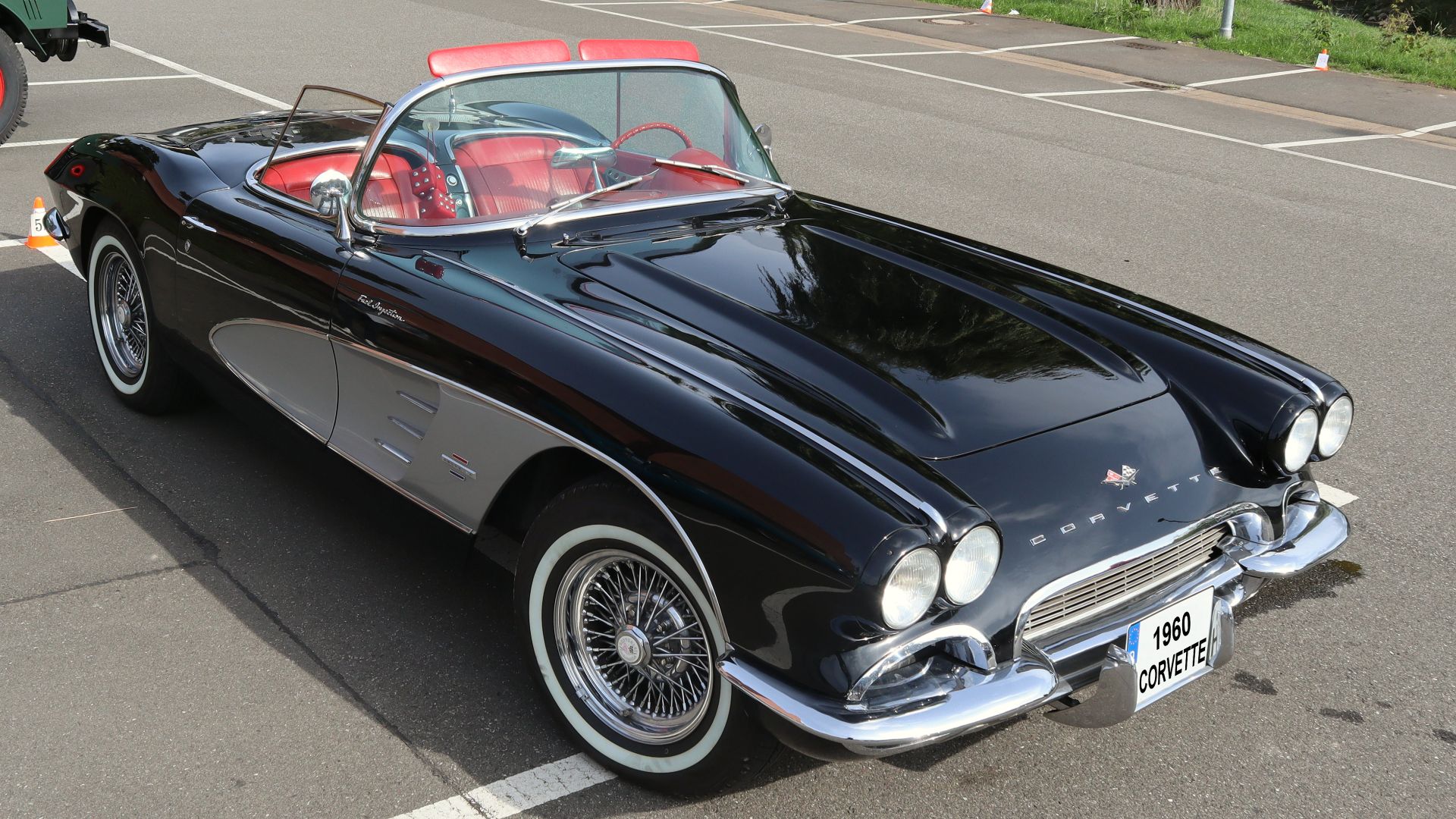
When the first Corvette appeared at the 1953 Motorama, it looked bold but wasn’t quite the performer people hoped for. Harley Earl, the visionary behind it, pushed Chevrolet to take a chance on a true American sports car. The debut model relied on a six-cylinder engine and a simple two-speed automatic, leaving many skeptics unconvinced at first.
Then in 1955, Chevrolet dropped in a small-block V8. The Corvette was no longer just a pretty face. Engineer Zora Arkus-Duntov pushed it further, fine-tuning the engine and chassis until it became something formidable. His vision and stubborn belief in speed gave the Corvette its backbone.
Where Art Meets Attitude
If the Corvette’s engineering made it great, its design made it unforgettable. Each generation carried a look that told its own story, reflecting the mood of its time.
The 1963 Sting Ray was the turning point. With its split rear window and knife-edge lines, it looked alive. It was art in motion, combining aerodynamic precision with a sense of drama no other car could match. Inside, the driver sat low, surrounded by gauges and chrome, as if inside a fighter jet.
The 1970s brought wilder curves and an unmistakable swagger. Though performance waned during the oil crisis, the Corvette remained a fantasy on wheels. Its long nose and wide hips defined an entire decade of automotive style.
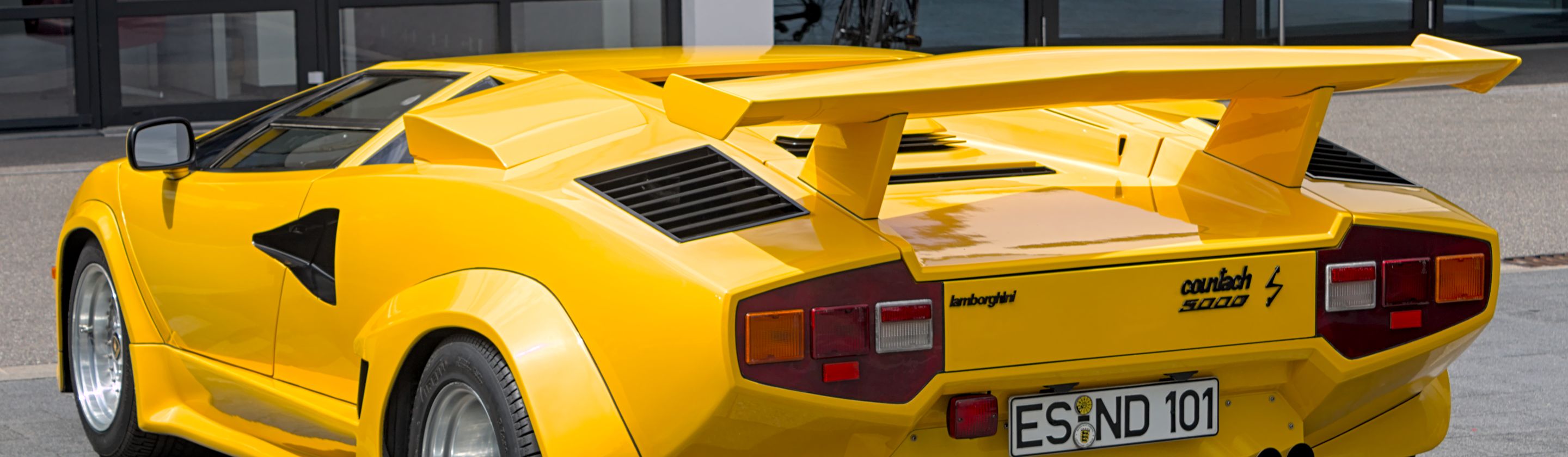
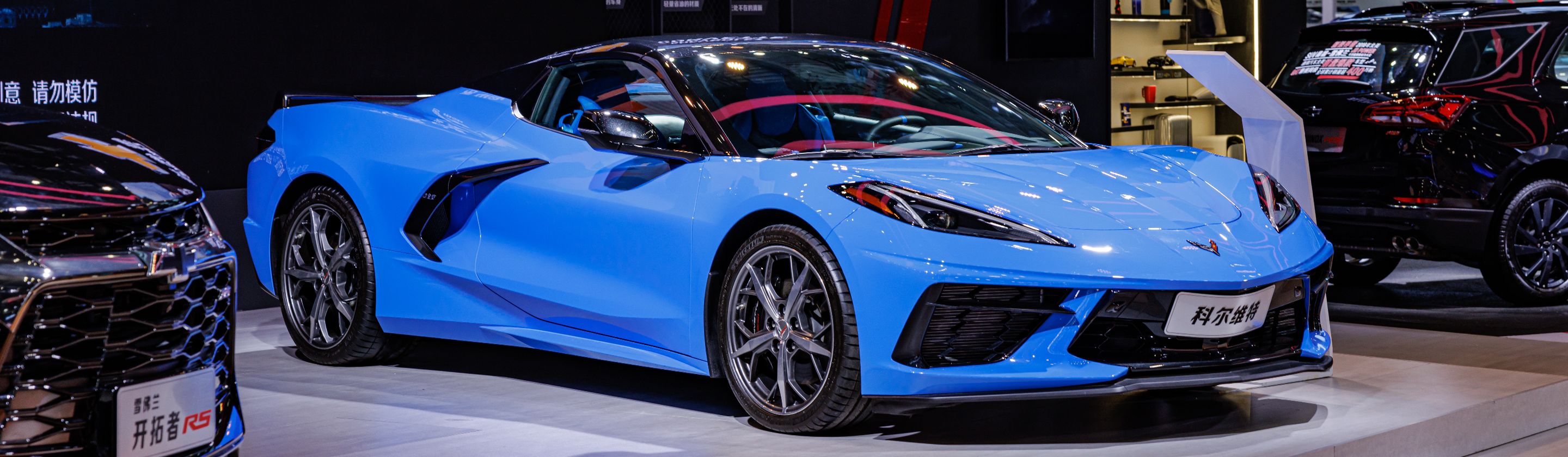
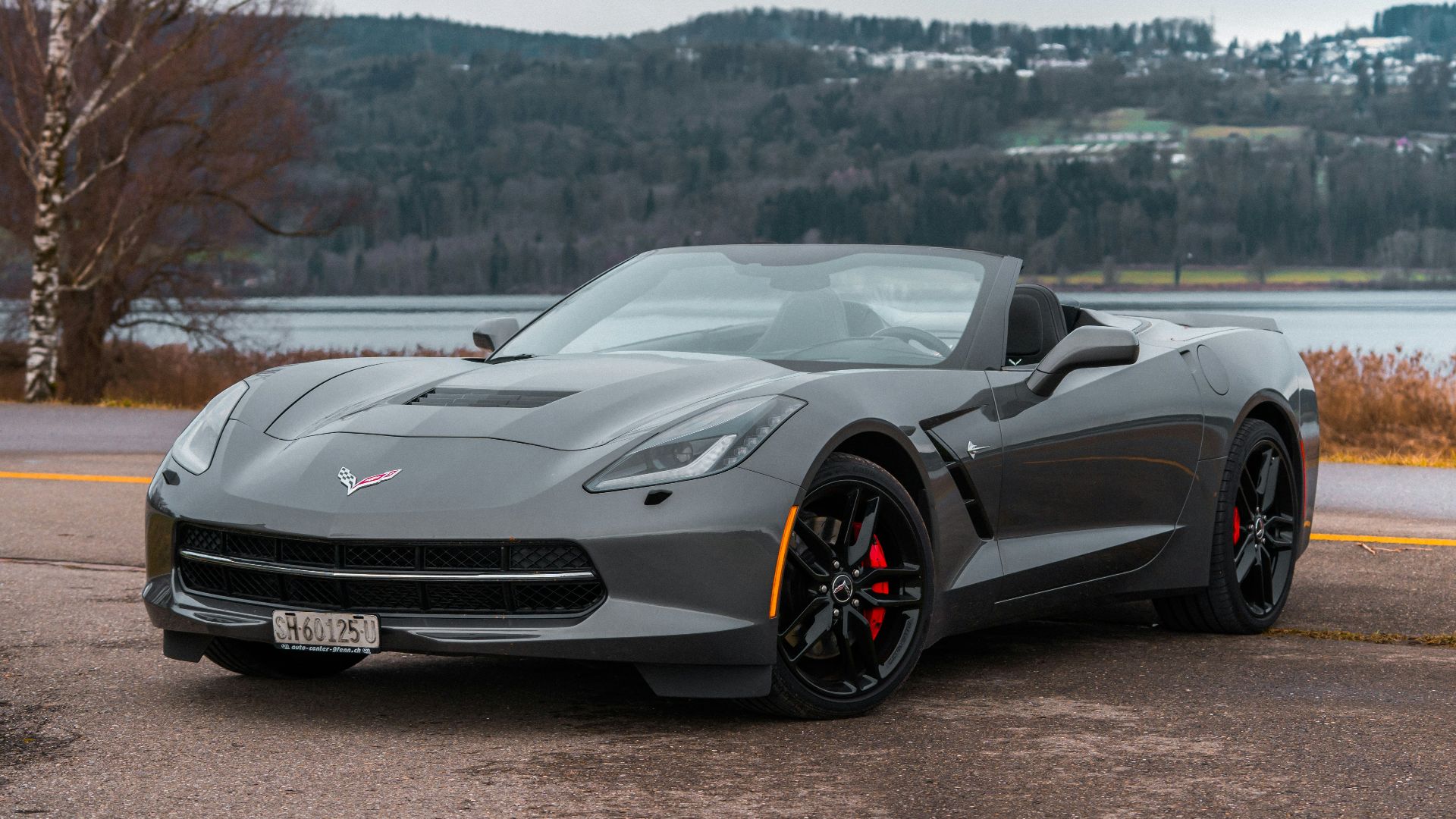
By the 1980s, the Corvette’s shape sharpened. Digital displays and wedge-like profiles gave it a futuristic edge. The C4 generation looked ready to break the sound barrier. Then, entering the 21st century, the C6 and C7 generations blended aggression and elegance.
Always Chasing The Next Horizon
The Corvette never stopped improving beneath the surface. By the time the 1980s arrived, new materials and advanced technology reignited its performance edge. The ZR-1, introduced in 1989 and co-developed with Lotus, pushed top speeds beyond 170 miles per hour.
In the decades that followed, performance became pure science. The C5 and C6 generations introduced advanced hydroformed frames and race-bred engineering. Suddenly, the Corvette wasn’t just keeping up with Ferraris and Porsches; it was outpacing some of them.
For over seventy years, Chevrolet has balanced nostalgia and innovation in a way few brands ever manage. Every Corvette has a distinctly American spirit, one that values creativity and the thrill of pushing limits. It’s a story about what happens when people refuse to stop improving something they love.