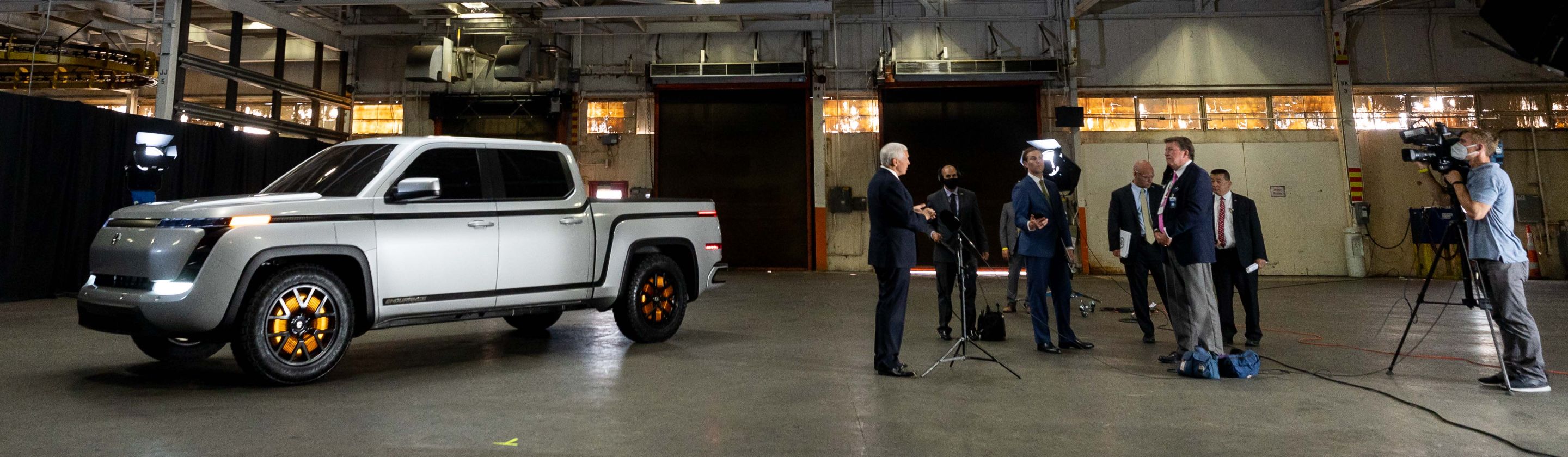
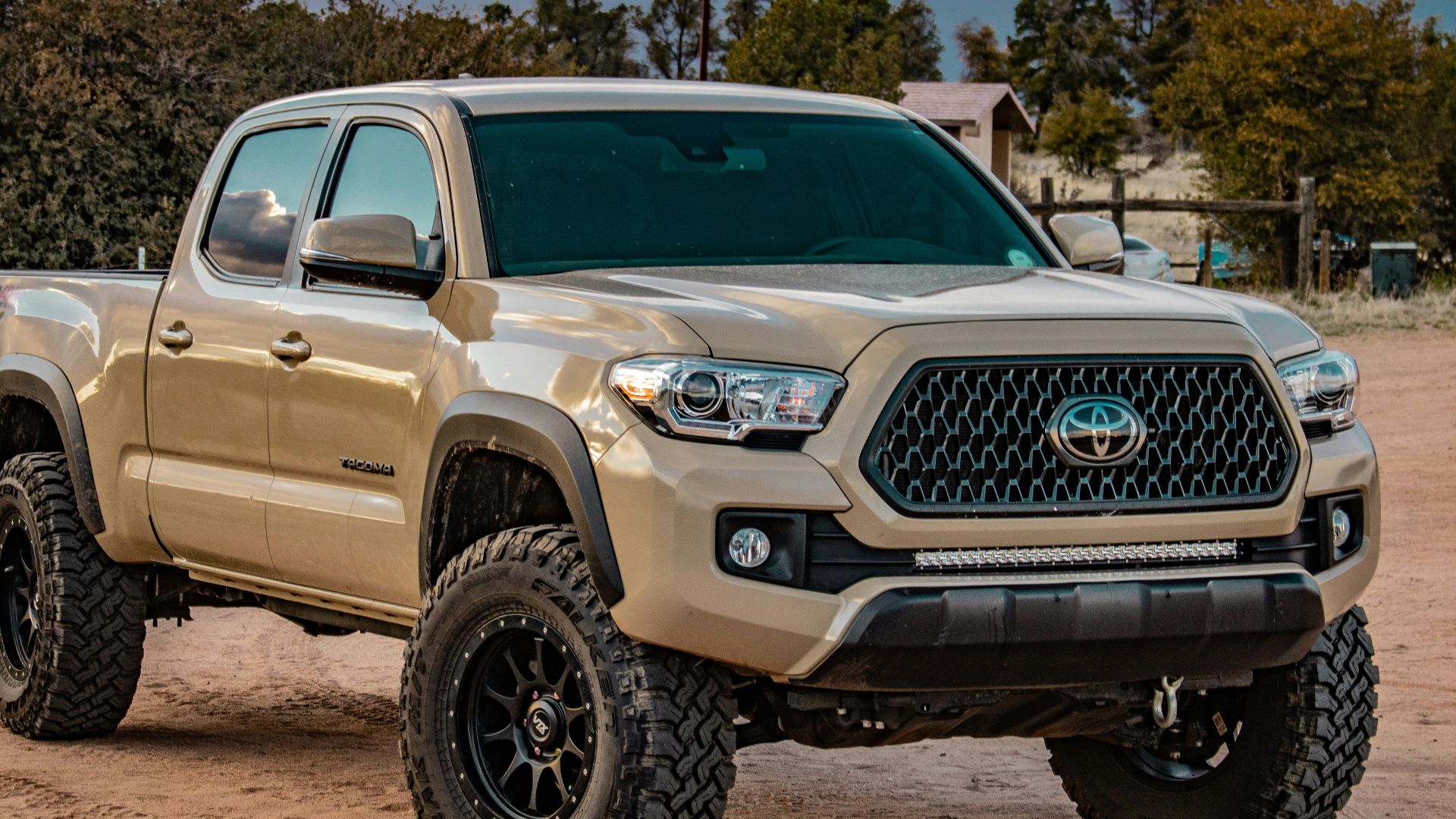
The battle of the American car versus the Japanese has been ongoing for decades. Two wildly different philosophies on engineering, manufacturing, and consumer expectations have dominated the automotive landscape. Both countries have left their mark on car history and culture, but when you look at the stats, reliability, and global impact side by side, one side inevitably comes out on top. But why? It helps to examine how each industry has evolved, what they are each great at, and why Japanese manufacturers are able to outpace their American competition in so many of the most significant categories.
The Origin Stories
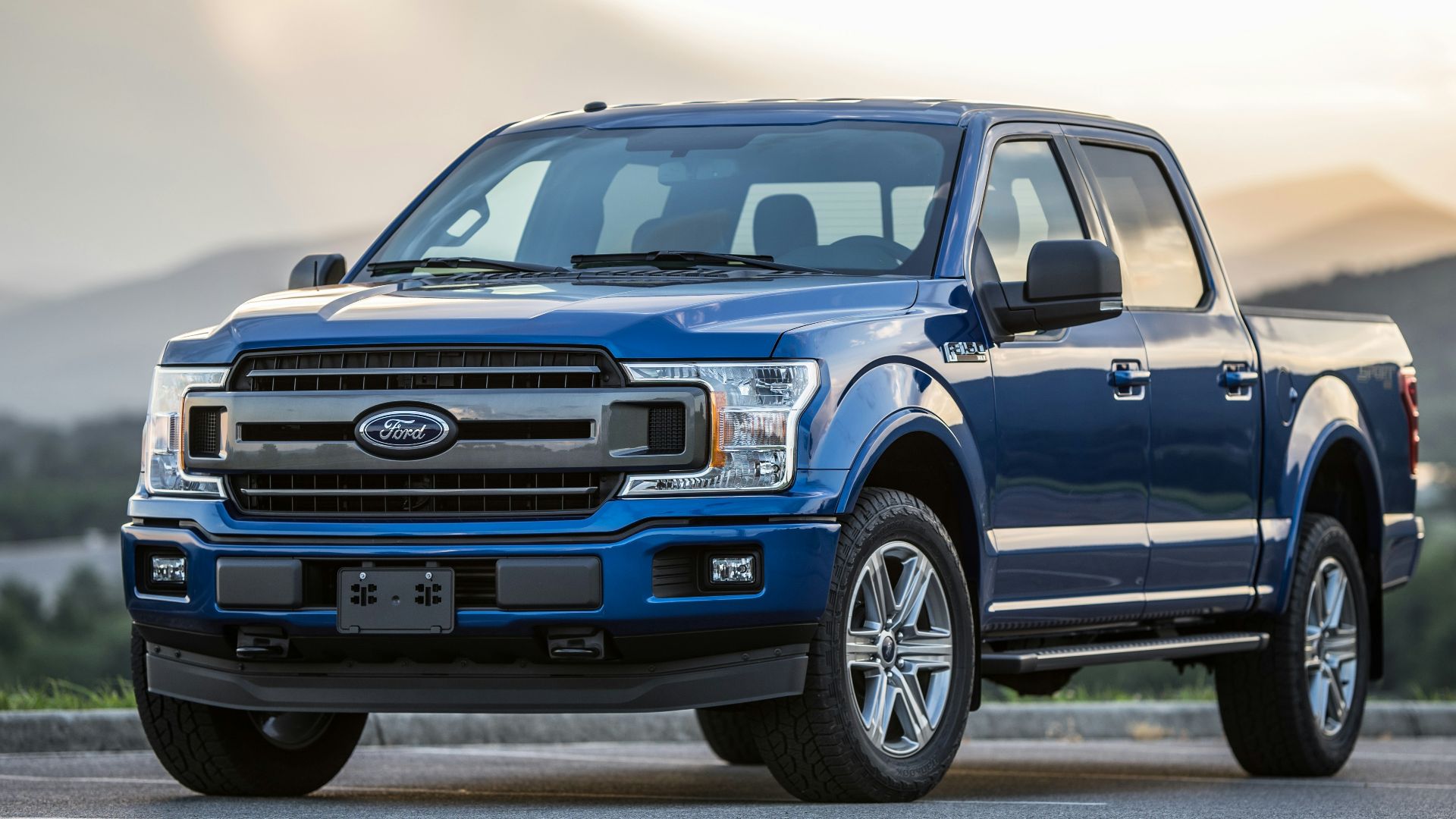
The story of the American car starts with one of the most significant advancements in industrial history: the Model T. Arriving in the early 1900s, it had a profound effect on the entire world. Ford’s moving assembly line proved cars could be made quickly, efficiently, and at a price most families could afford. The post–World War II economic boom only solidified the American lead as a new generation of buyers dreamed about Mustangs, Camaros, and Chargers. The U.S. built a reputation on power, affordability, and sheer numbers.
The Japanese emergence came later, and for vastly different national reasons. Rebuilding after World War II, Japanese automakers had to put an emphasis on efficiency, durability, and restraint. Honda, Nissan, and Toyota invested in reliability and fuel economy. Then came the 1973 oil crisis, sending fuel prices through the roof. Japan had been perfecting the exact type of car the world needed for years. The shift permanently changed global buying habits, and the Japanese boom began.
Modern Standing
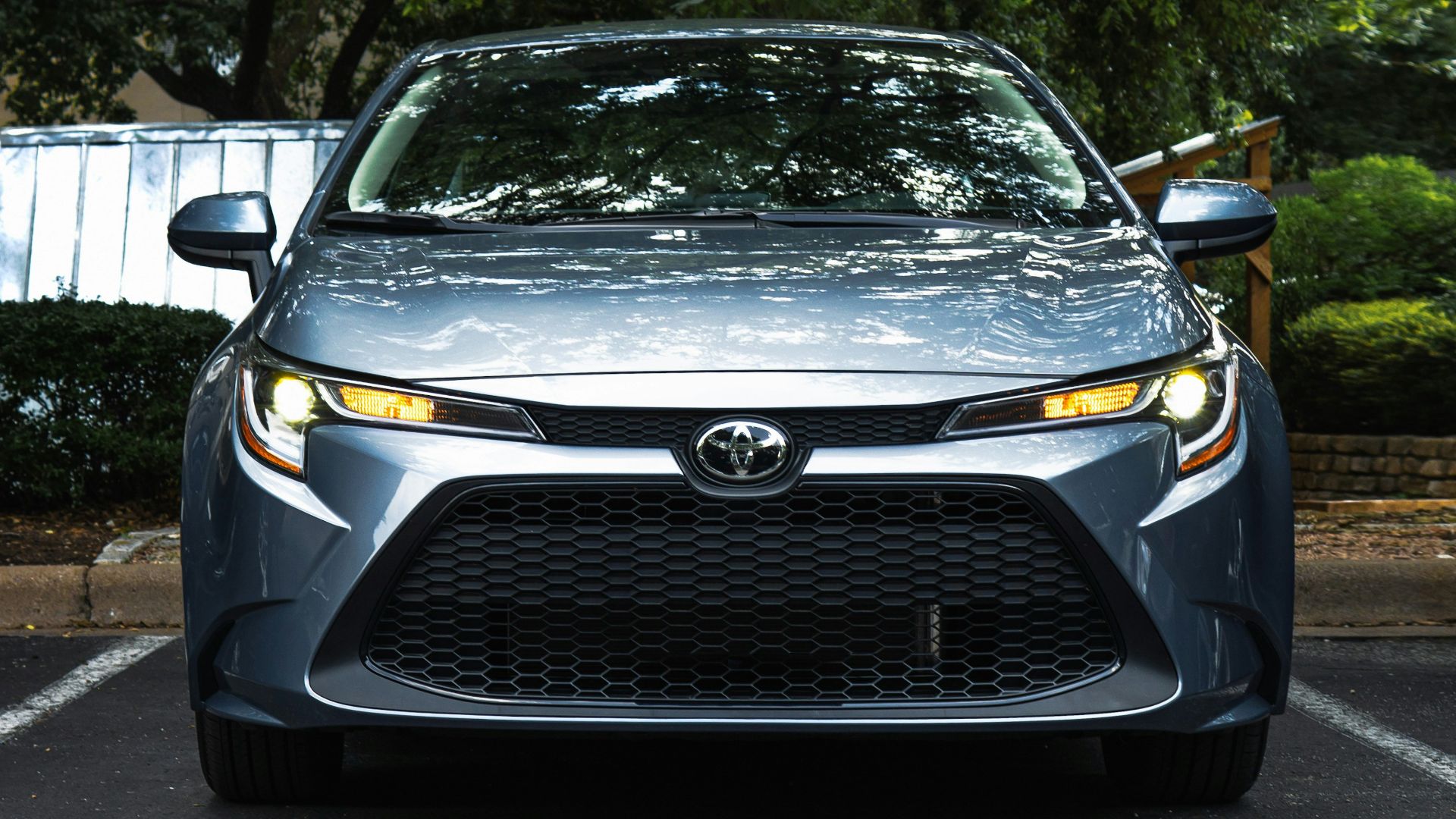
The two sides have some attributes in common. Both have a global presence, though unevenly. Japan builds almost 9 million cars a year and has factories all over the world making cars to suit local needs. The variety of models, from pint-sized urban cars to all-terrain SUVs, has made Toyota and Honda familiar brands on almost every continent. A robust used-car export industry also exports reliability to Africa and Southeast Asia, further boosting demand.
American automakers have a powerful global presence of their own, with the strongest market shares in the U.S., Canada, and the Middle East. They have developed niches in electric cars through the innovation of startups like Tesla, and they are a truck-buying powerhouse with the Ford F-Series, a direct descendant of the Model T pickup that is still the bestselling vehicle in America. Japan and the U.S. are both innovation leaders, but they both innovate for different people. Japanese cars have gained a reputation for hybrids and long-term reliability, while American cars are moving into EVs and performance engineering.
Where the two markets differ is in long-term reliability and resale value. A series of studies that date back decades show the same story: Japanese cars break down less, on average. The difference was considerable even in the 1980s, when one survey found that nearly twice as many American-built cars had significant defects compared to Japanese-built ones. Japanese reliability has been maintained by high manufacturing standards and by the country's universal vehicle inspection program, which sends millions of lightly used and well-maintained cars into foreign markets every year. This has also resulted in cars that hold their value much better than American cars.