So Close, Yet So Far
Le Mans has a well-earned reputation for punishing even the fastest cars on the grid, and plenty of genuine race winners were built by teams who'd already tasted heartbreak the year, or the decade, before. Twenty-four hours leaves enormous room for mechanical failure, bad weather, and pure bad luck to undo a car that led for most of the race. Some of the closest calls in Le Mans history involve cars that were faster than the eventual winner and still came up just short. Others simply ran into a dominant rival at exactly the wrong moment in that rival's history. Here's 20 cars that nearly won Le Mans.
1. Ford GT40 Mk II (1966)
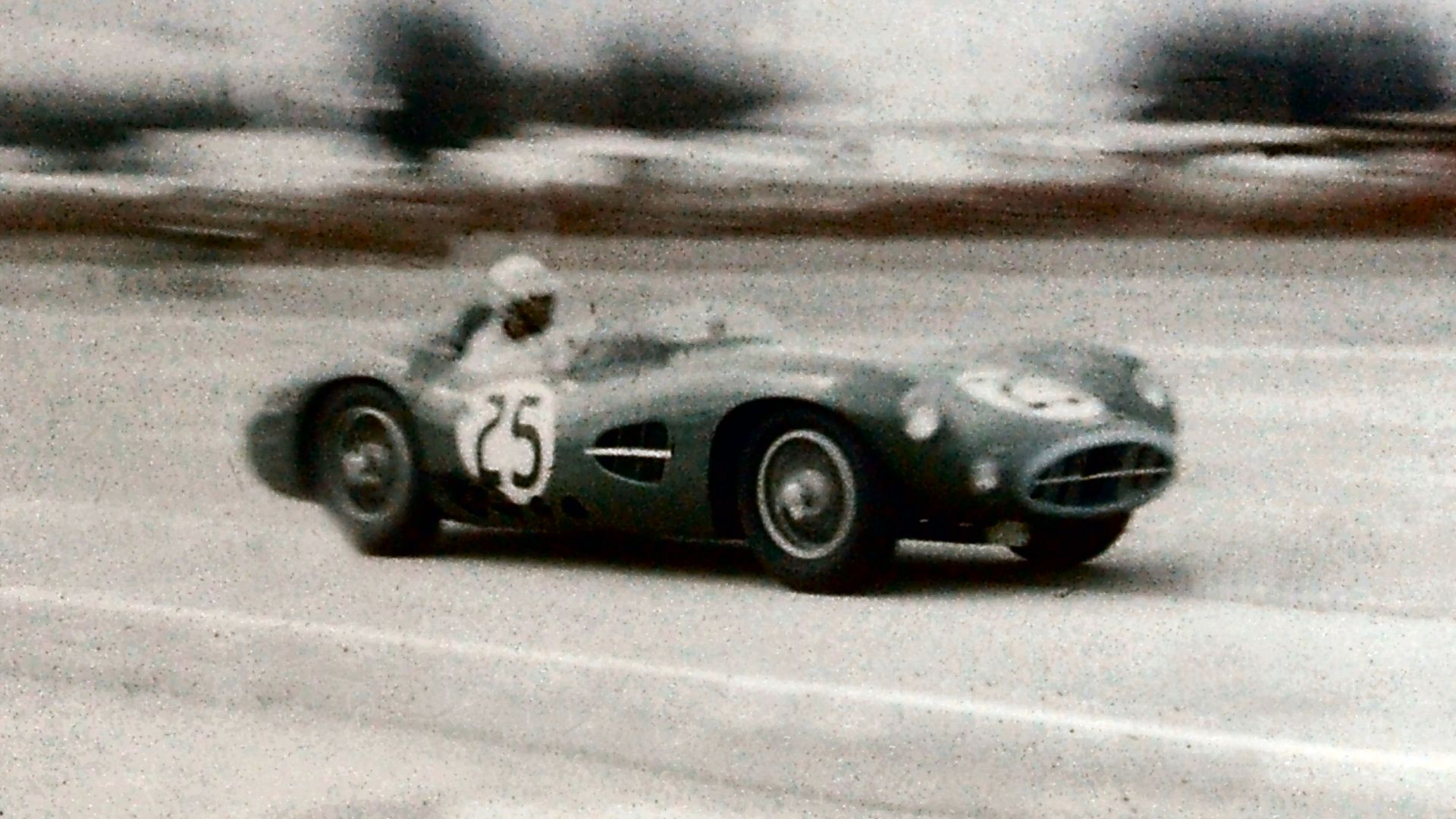
Ken Miles was leading the 1966 race and appeared set to become the first driver to win Le Mans, Daytona, and Sebring in the same year, until Ford orchestrated a staged photo finish with a teammate's car. Because of how the cars had been staggered at the start, Miles' car had actually covered less distance, and officials awarded the win to the other Ford instead, denying Miles the victory most people watching assumed was already his.
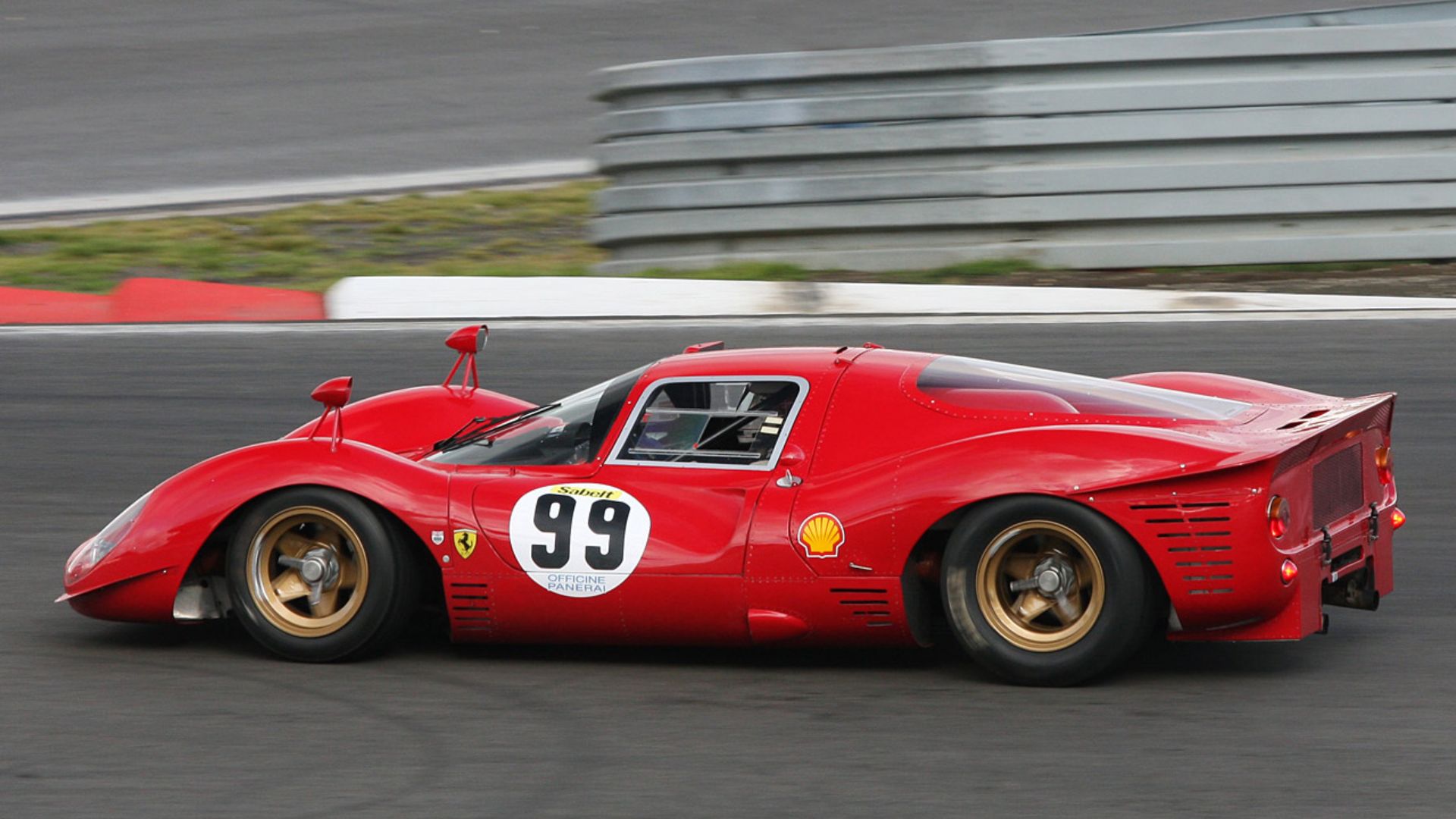
2. Ferrari 330 P4 (1967)
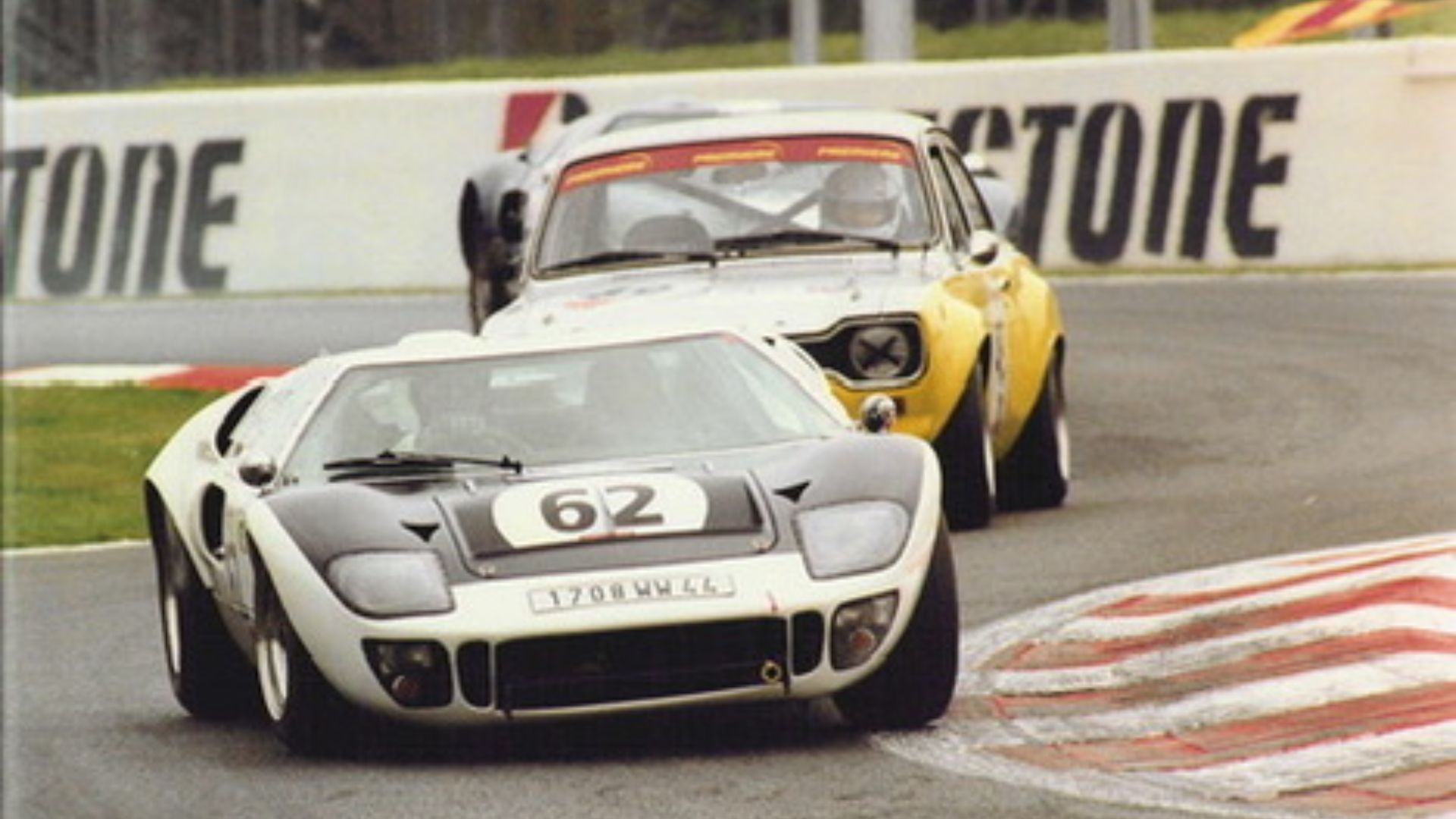
Ferrari built a fleet of P4s specifically to reverse the previous year's loss to Ford, and Ludovico Scarfiotti and Mike Parkes pushed their car to second place, four laps behind the winning Ford Mk IV. Motorsport historians still point to 1967 as the closest Ferrari has come to adding another overall win at Le Mans in the decades since.
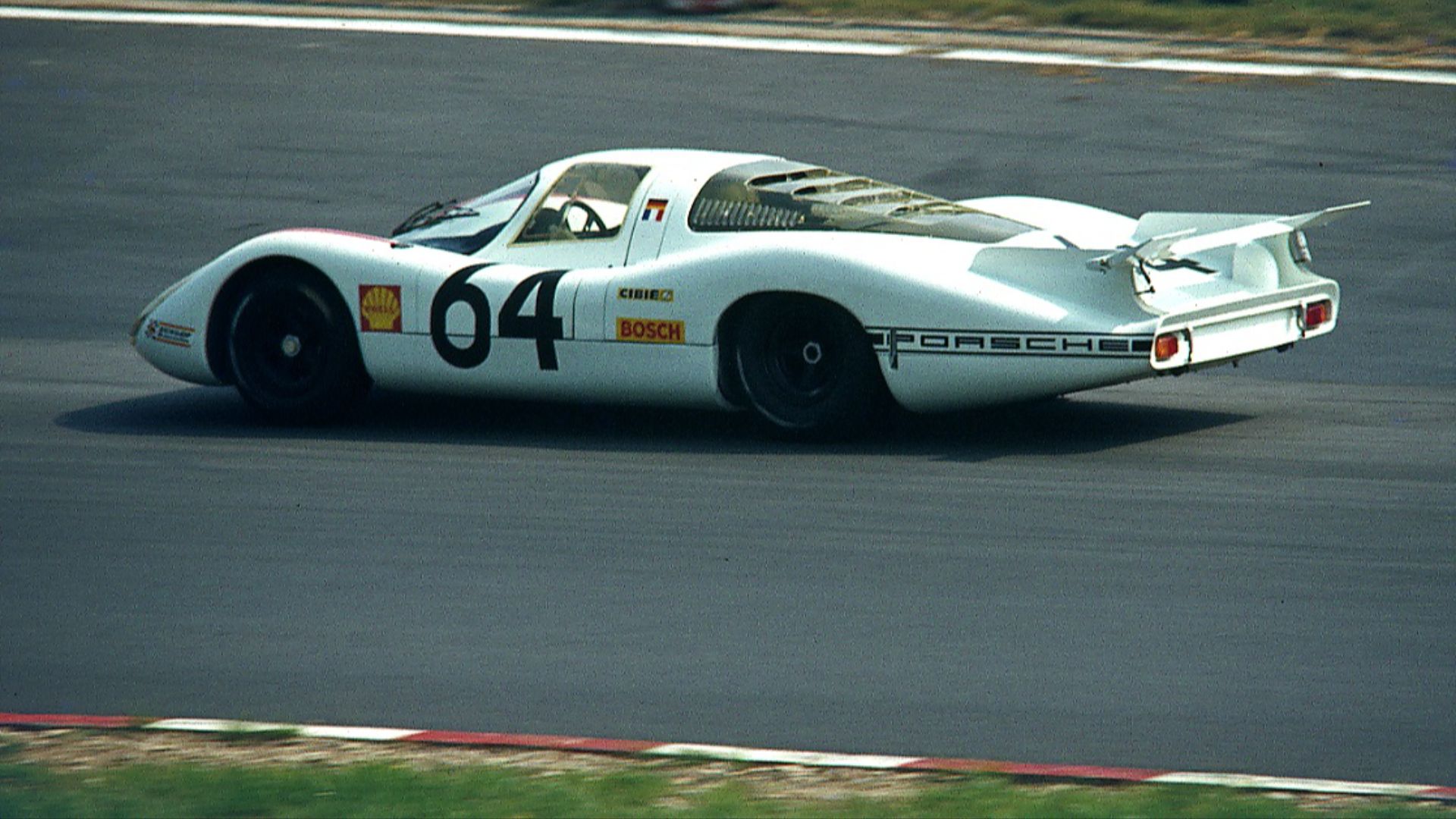
3. Porsche 908 (1969)
Hans Herrmann and Gérard Larrousse lost the 1969 race to Jacky Ickx's Ford GT40 by roughly 120 meters after 24 hours of racing, still recognized as the closest finish in Le Mans history. The two cars swapped the lead multiple times in the race's final laps before Ickx's fresher brakes and slipstream tactics settled it right at the line.
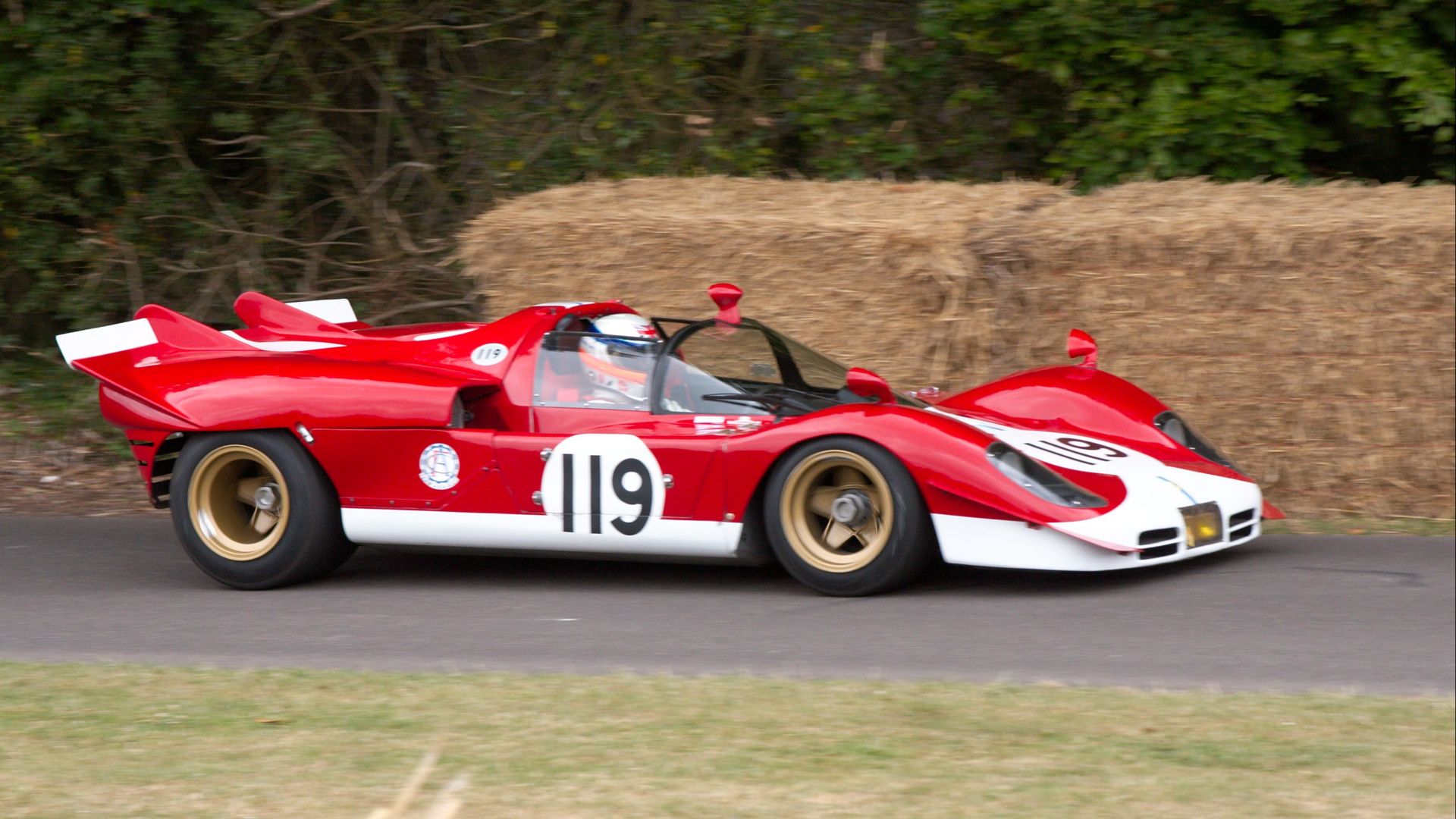
4. Ferrari 512S (1970)
Ferrari entered eleven cars in 1970 specifically to overwhelm Porsche's new 917 through sheer numbers, but the strategy still only produced a third-place finish behind two Porsches in torrential rain. The scale of the effort made the result feel like a bigger loss than a typical podium finish usually would.
 Andrew Basterfield on Wikimedia
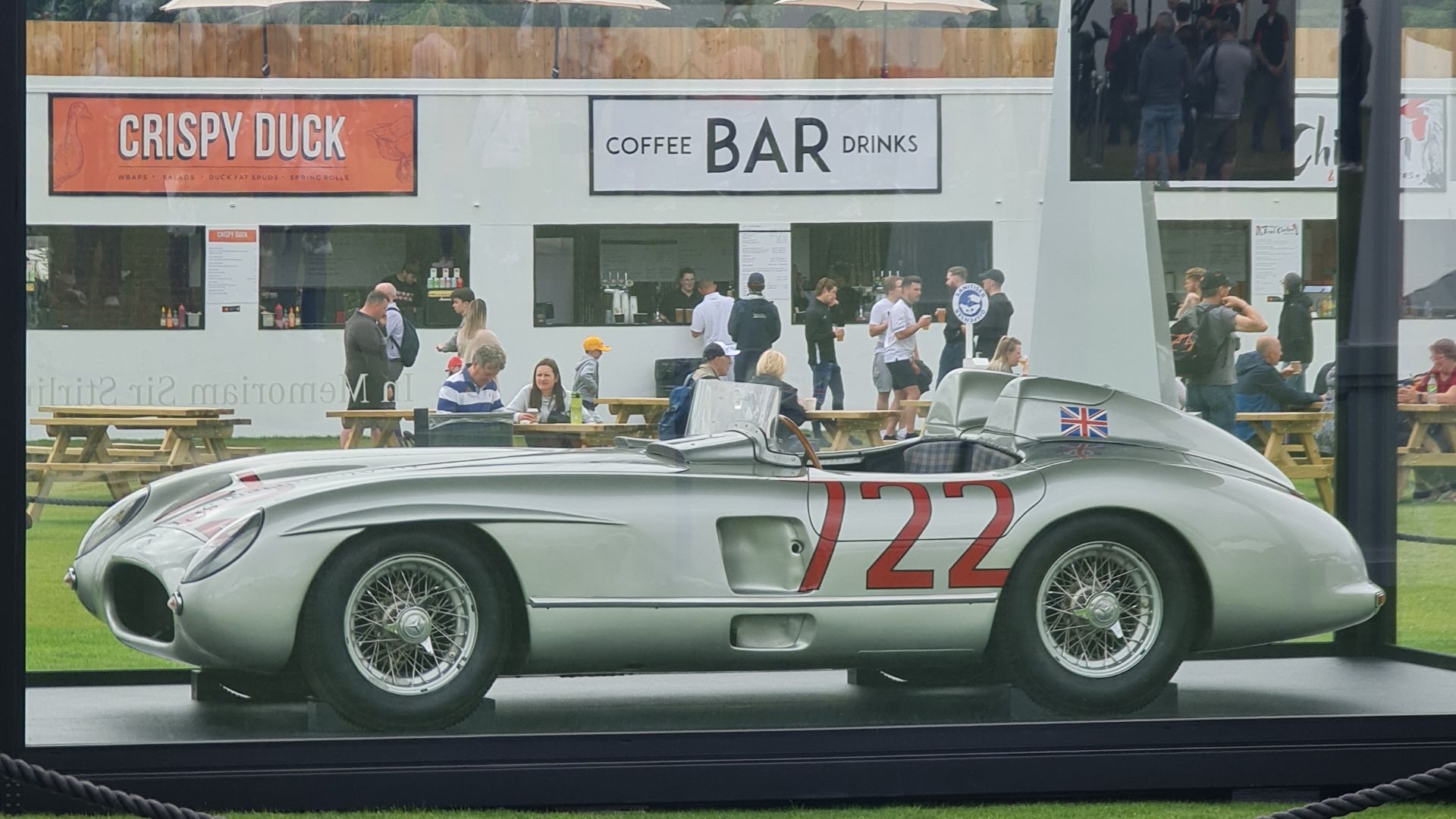
5. Mercedes-Benz 300 SLR (1955)
Mercedes held a commanding position in the race before withdrawing all of its remaining cars following a catastrophic crash that killed driver Pierre Levegh and more than eighty spectators. The decision to pull out while leading remains one of the most somber "nearly won" stories in the race's history, made for reasons that had nothing to do with speed.
6. Cunningham C-4R (1953)
Briggs Cunningham's American-built C-4R finished third overall in 1953, an unusually strong result for a small independent team competing against factory efforts from Jaguar and Ferrari. It remains one of the best finishes ever posted by an American manufacturer at Le Mans outside of Ford's later factory program.
7. Aston Martin DBR1 (1958)
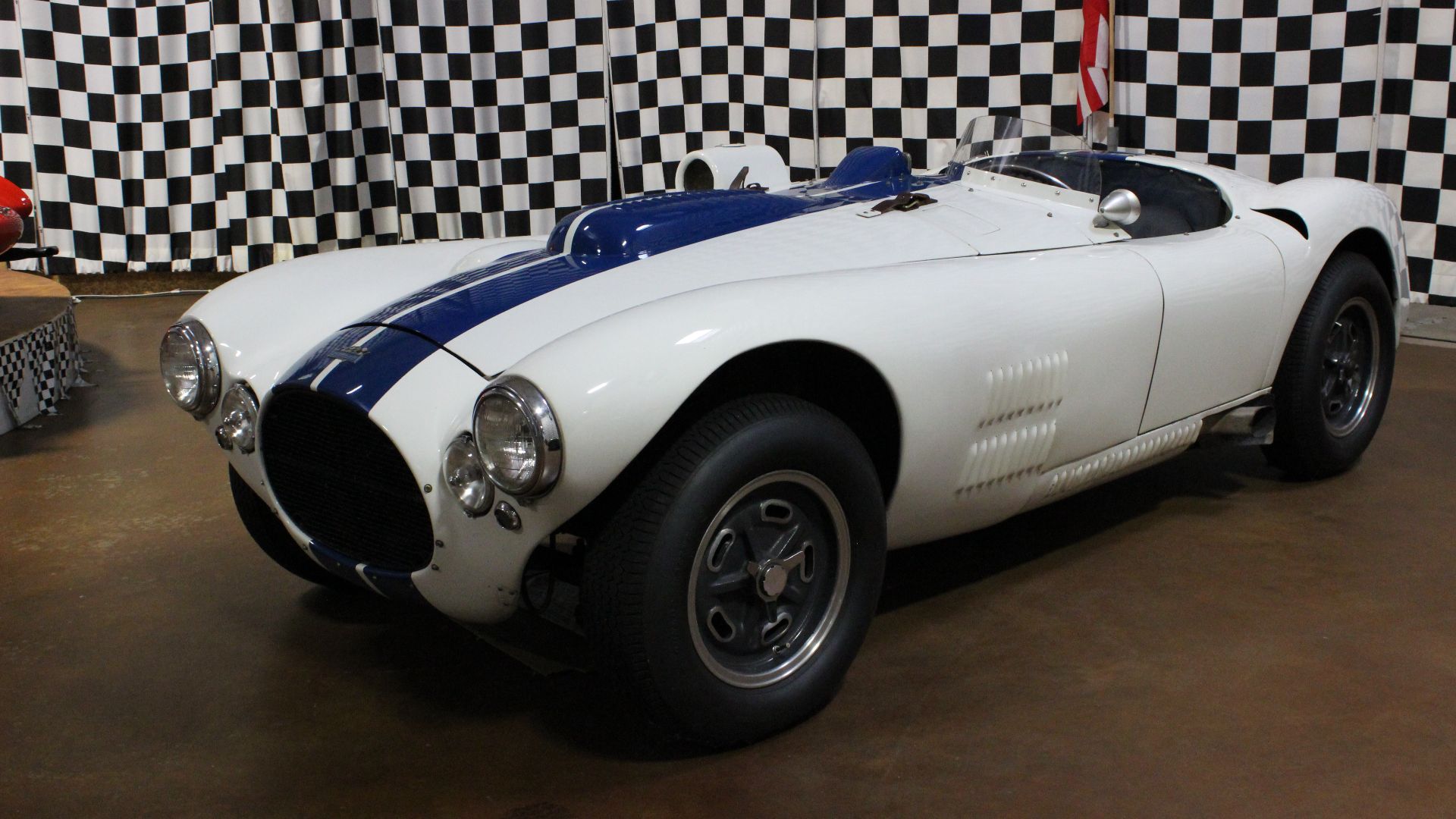
Aston Martin's DBR1 program spent years chasing an overall win before finally breaking through in 1959, with earlier attempts producing strong but ultimately unsuccessful runs against Ferrari's dominant sports cars. The 1958 season in particular showed the DBR1 was fast enough to compete, even before the pieces fully came together the following year.
8. Nissan R390 GT1 (1998)
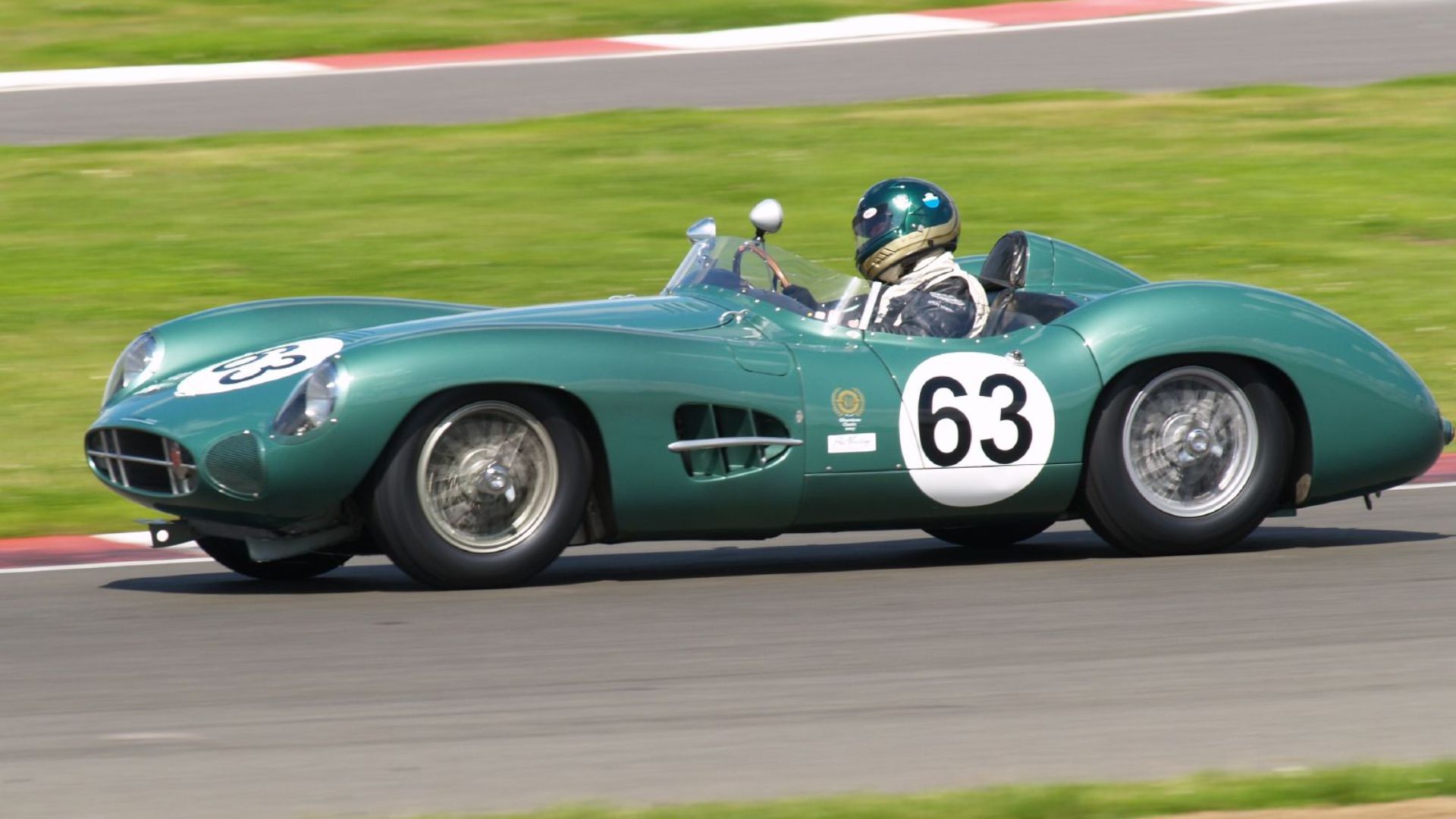
Nissan's purpose-built GT1 challenger finished third overall in 1998, a strong result against the factory Porsche and Toyota programs it was up against. The result remains one of the high points of Nissan's various attempts to win Le Mans outright over the following decades.
9. Bentley EXP Speed 8 (2001)
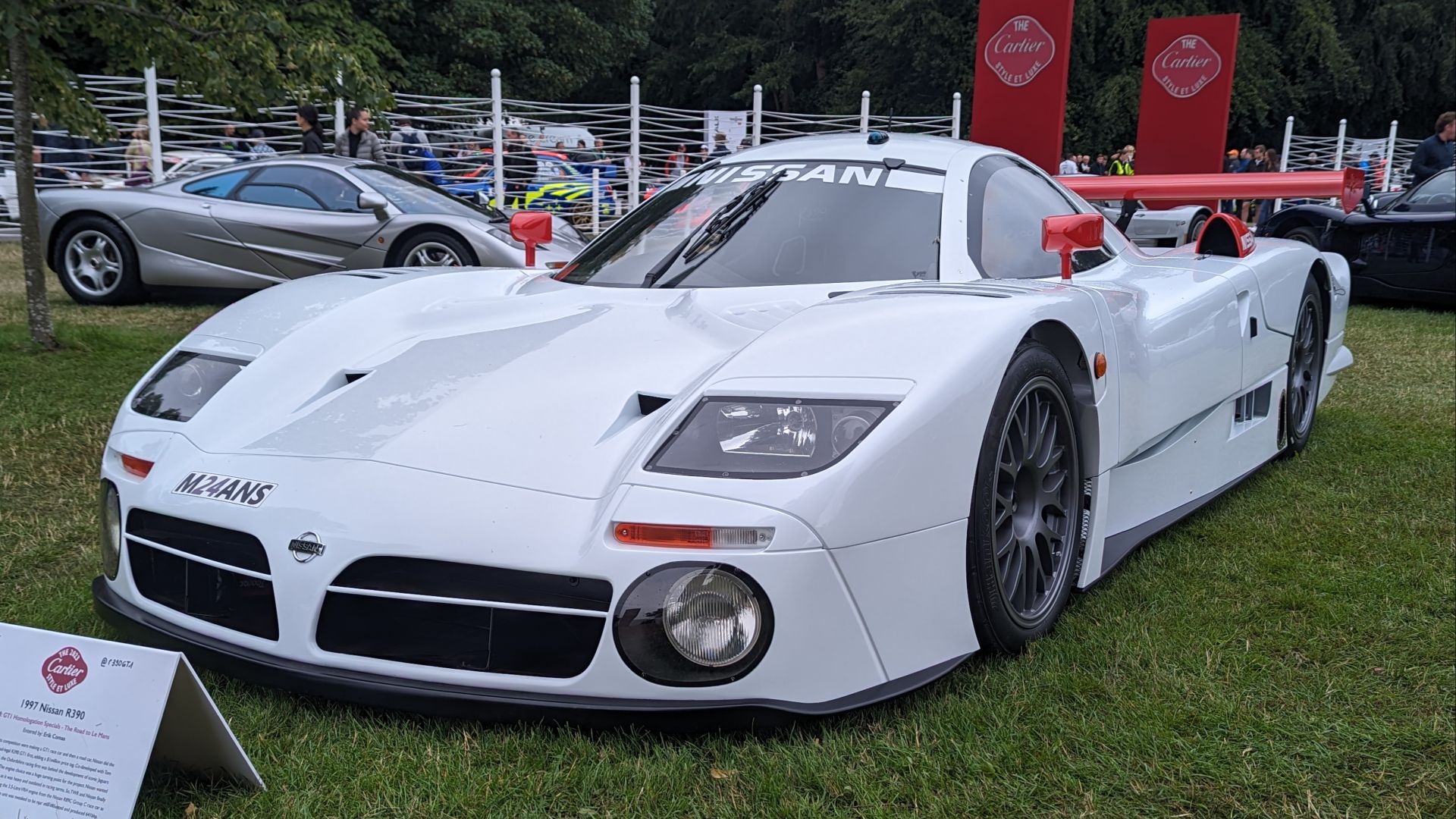
Bentley's factory return to endurance racing produced a competitive car right away, with the EXP Speed 8 finishing on the podium against Audi's dominant prototypes in the early 2000s. The strong showing set up Bentley's full factory-backed win just two years later in 2003.
 Martin Lee from London, UK on Wikimedia
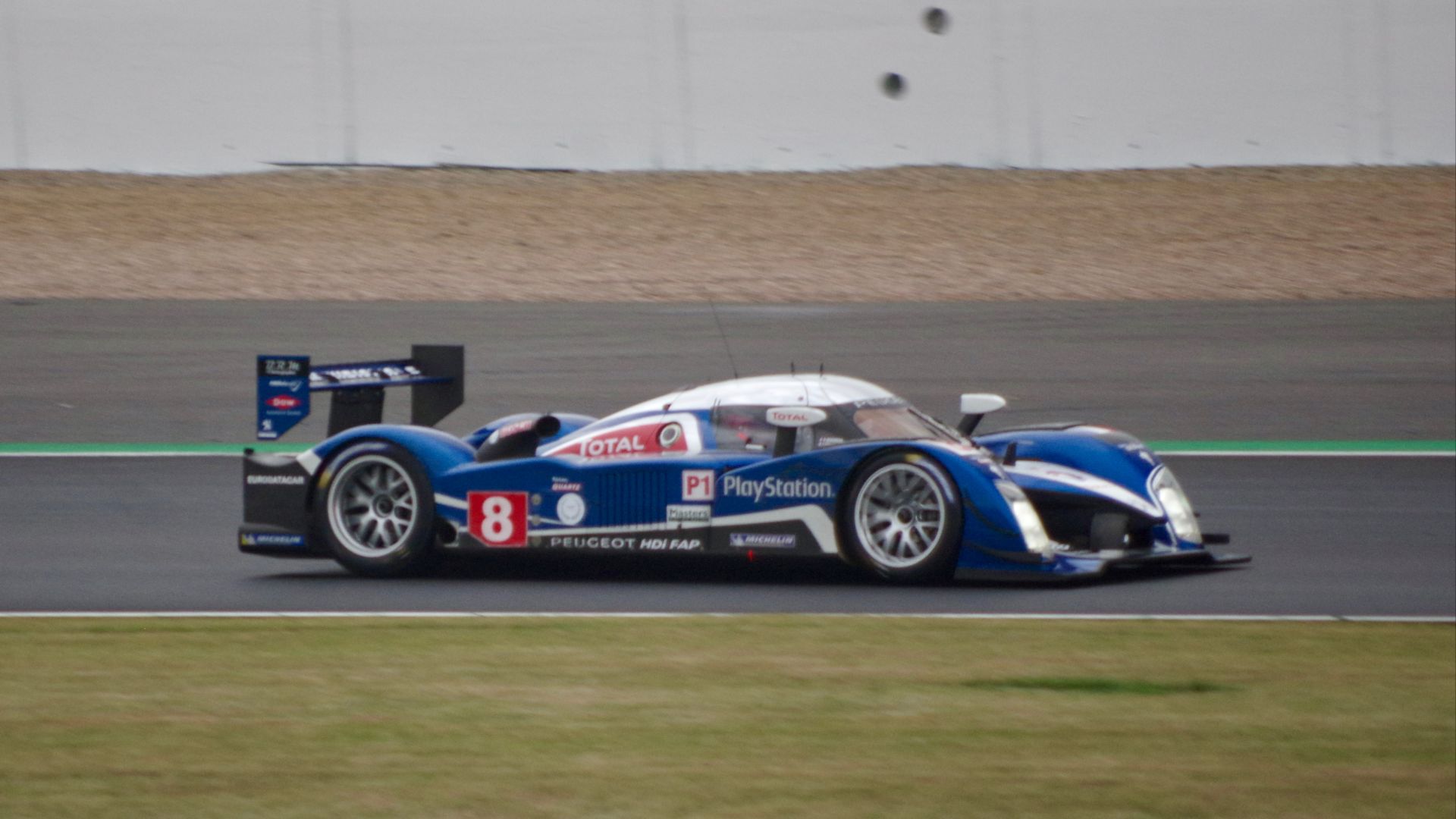
10. Peugeot 908 HDi FAP (2009)
Peugeot's diesel prototype pushed Audi hard throughout 2009, ultimately finishing second in a much closer contest than Audi had faced in recent years. The margin between the two manufacturers had narrowed enough that the outcome stayed in doubt for much of the race.
 David Merrett from Daventry, England on Wikimedia
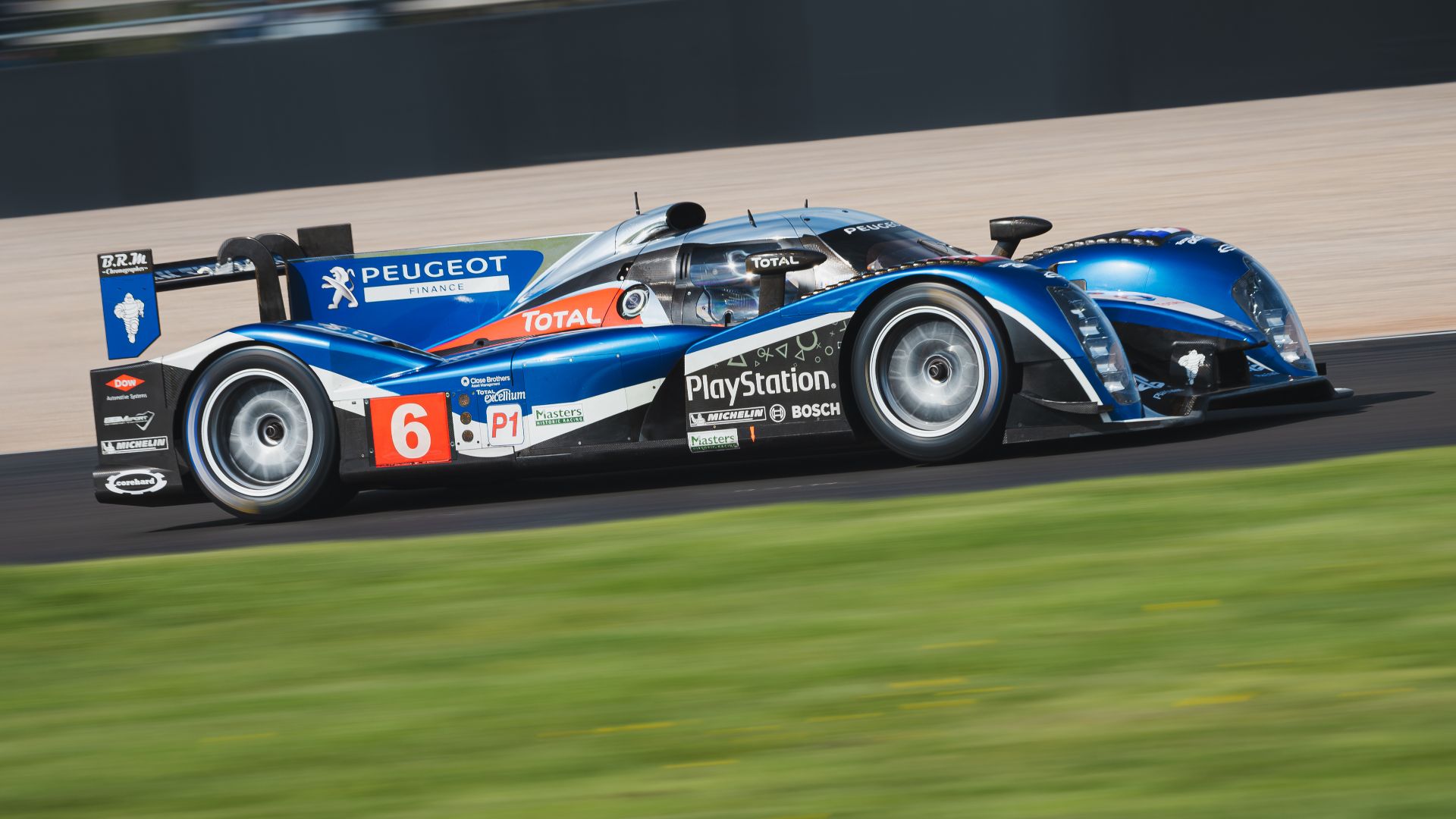
11. Peugeot 908 (2011)
Audi entered 2011 with three cars and lost two of them to high-speed crashes early in the race, leaving Peugeot in a strong position to capitalize with a full team still running. Audi's remaining car still managed to hang on for the win, leaving Peugeot's competitive effort as one of the race's more dramatic near misses.
 Julian Herzog (Website) on Wikimedia
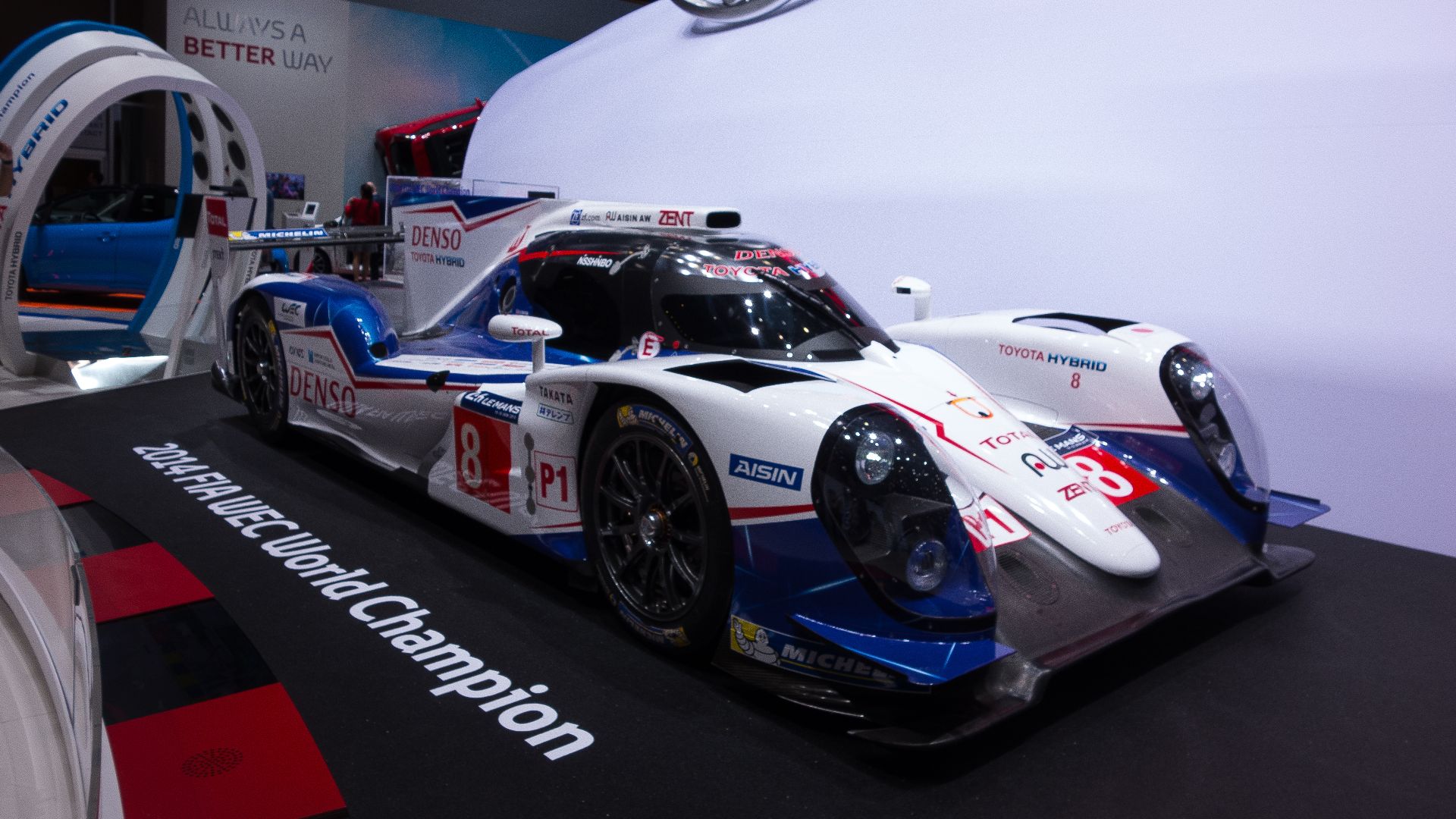
12. Toyota TS040 Hybrid (2014)
Toyota's hybrid prototype program was competitive throughout 2014 but ultimately finished behind Audi's e-tron quattro, continuing a stretch of strong results that fell just short of an overall win. The performance gap between the two manufacturers had become remarkably thin by that point in the hybrid era.
 Falcon® Photography from France on Wikimedia
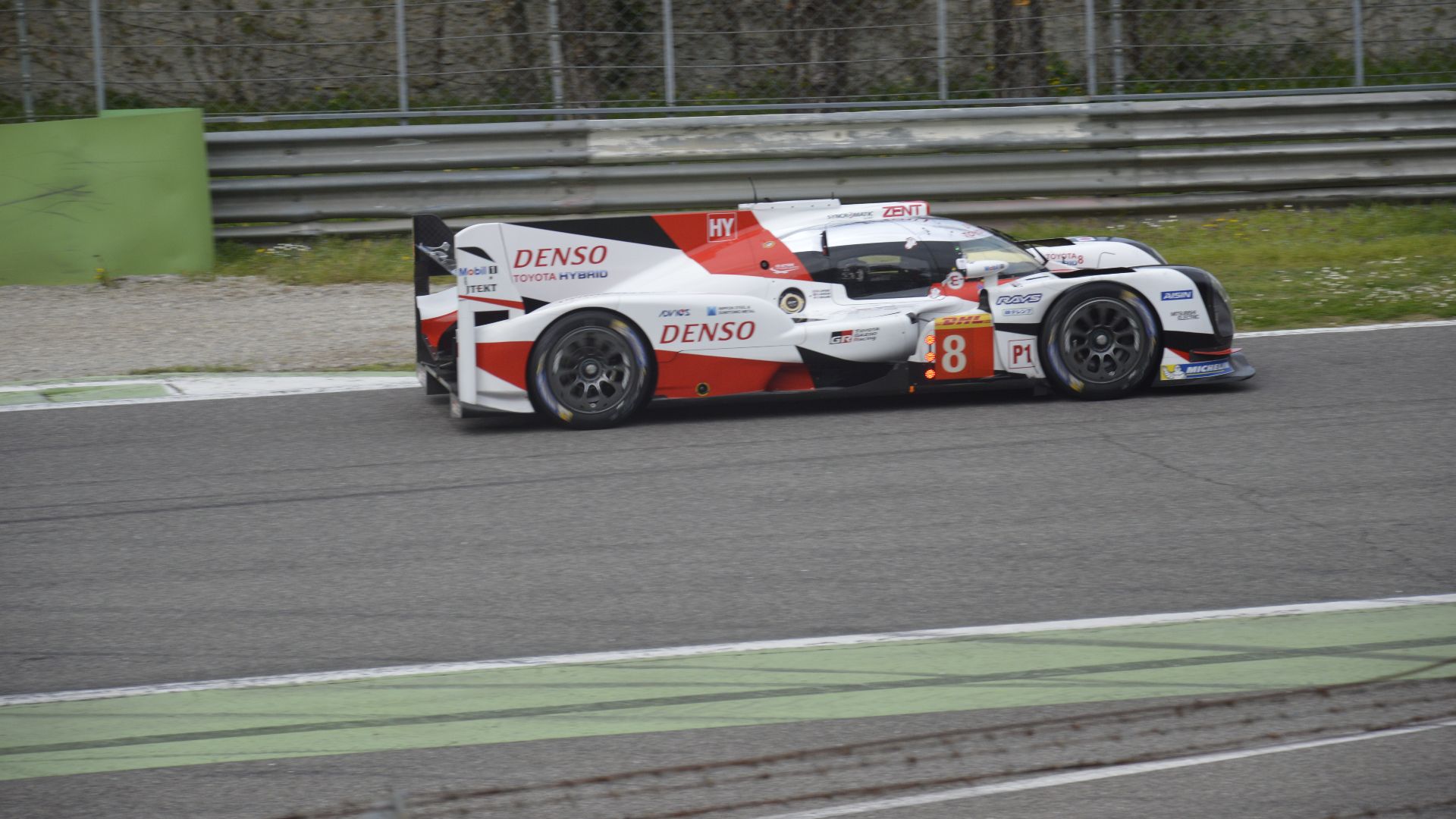
13. Toyota TS050 Hybrid (2016)
Toyota's leading car was cruising toward what would have been the manufacturer's first overall Le Mans win when a turbocharger failure struck with only minutes left on the clock, dropping the car out of the race entirely. The loss, after leading for almost the entire final hour, remains one of the most devastating finishes in the race's modern history.
14. Alpine A480 (2022)
Alpine's privateer-run prototype finished second overall in 2022, competing against Toyota's factory hybrid program with a considerably smaller budget and program. The result stood as one of the strongest non-factory efforts in recent Le Mans history.
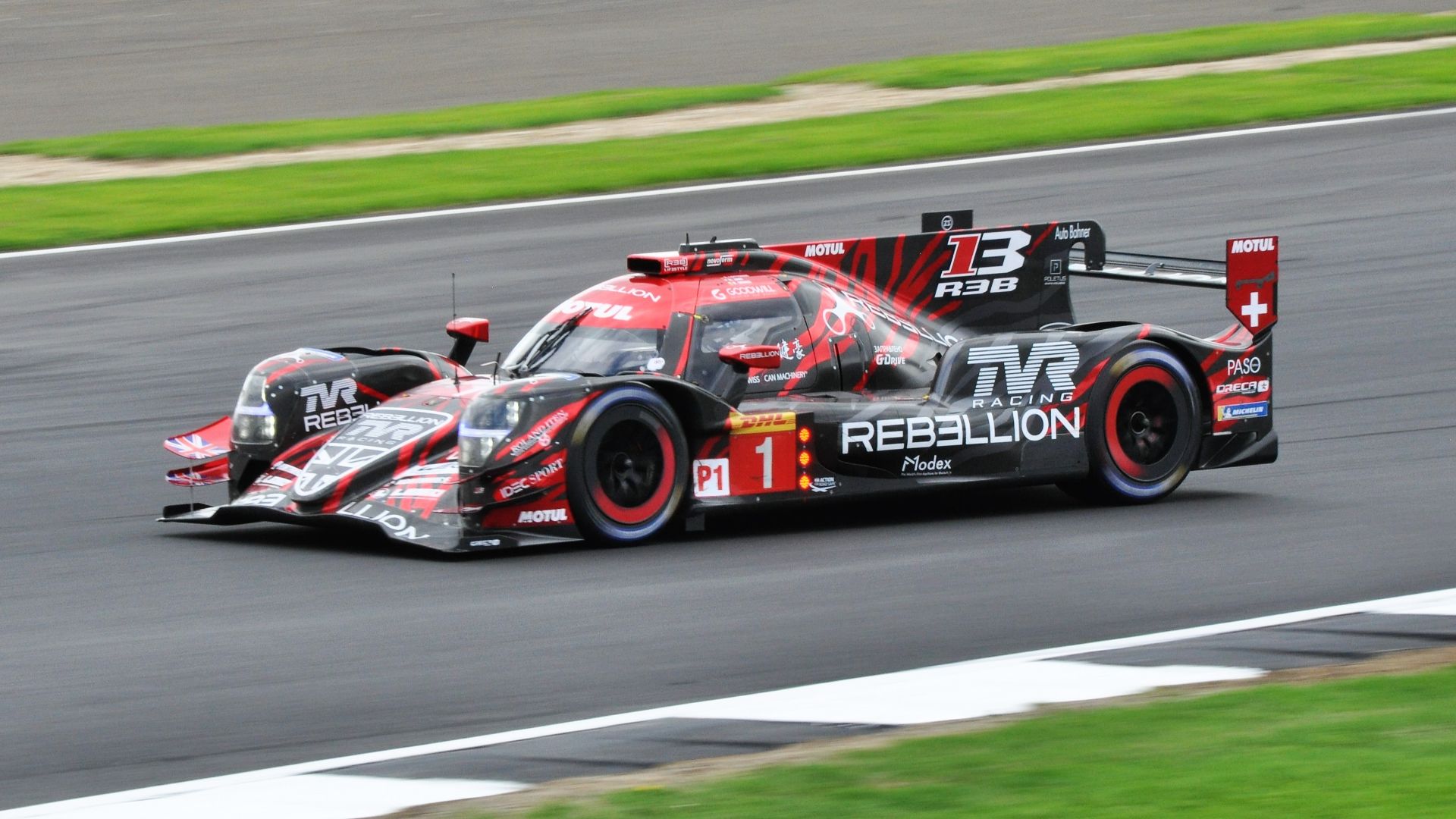
15. Jaguar XJR-9 (Mid-1980s)
Jaguar's factory program spent several years finishing on the podium behind Porsche's dominant 956 and 962 prototypes before finally breaking through with an overall win in 1988. The years of near misses that preceded it were part of what made the eventual victory feel so significant to Jaguar's fanbase.
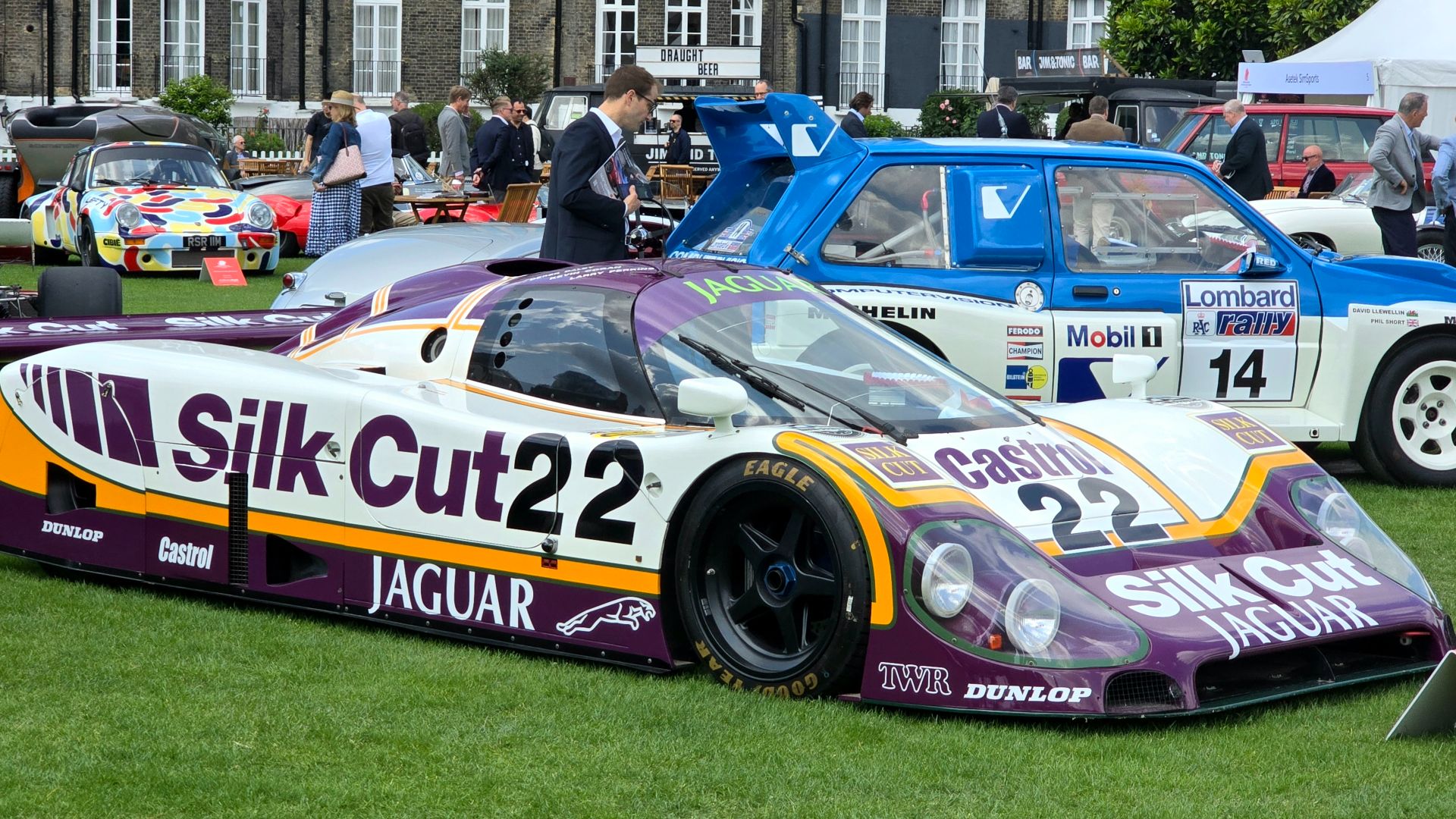
16. Matra-Simca MS660 (Early 1970s)
Matra's early prototypes struggled to match Porsche's dominant 917 in the early 1970s, finishing behind the German cars before Matra's own program matured into the outright wins that followed from 1972 through 1974. The years of coming up short helped shape the car that eventually did win.
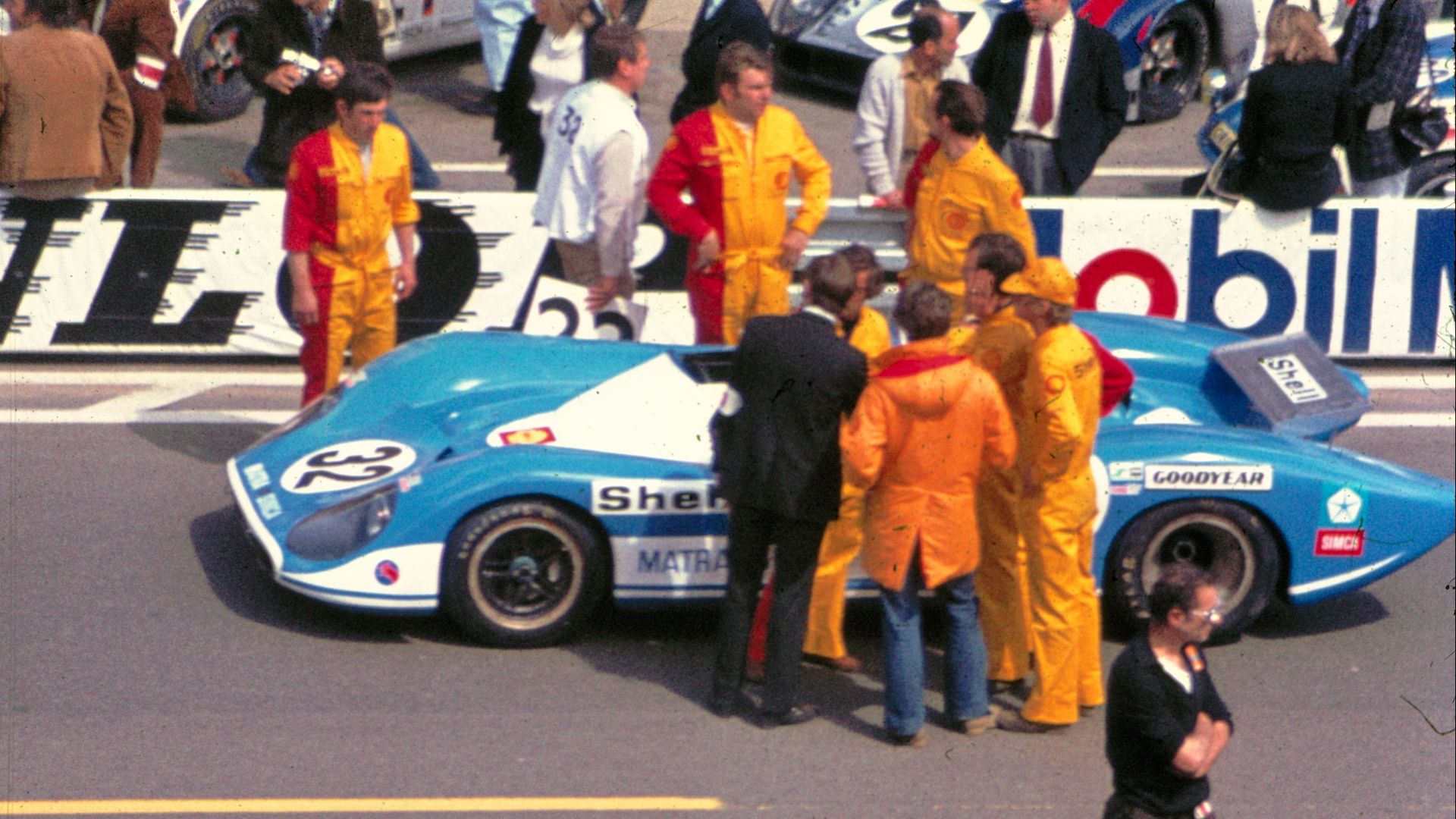
17. Toyota TS030 Hybrid (Early 2010s)
Toyota's early hybrid prototypes were competitive against Audi's diesel program without quite closing the gap, part of a stretch of near misses that eventually led to Toyota's first overall win in 2018. The early hybrid technology showed promise well before it delivered an actual victory.
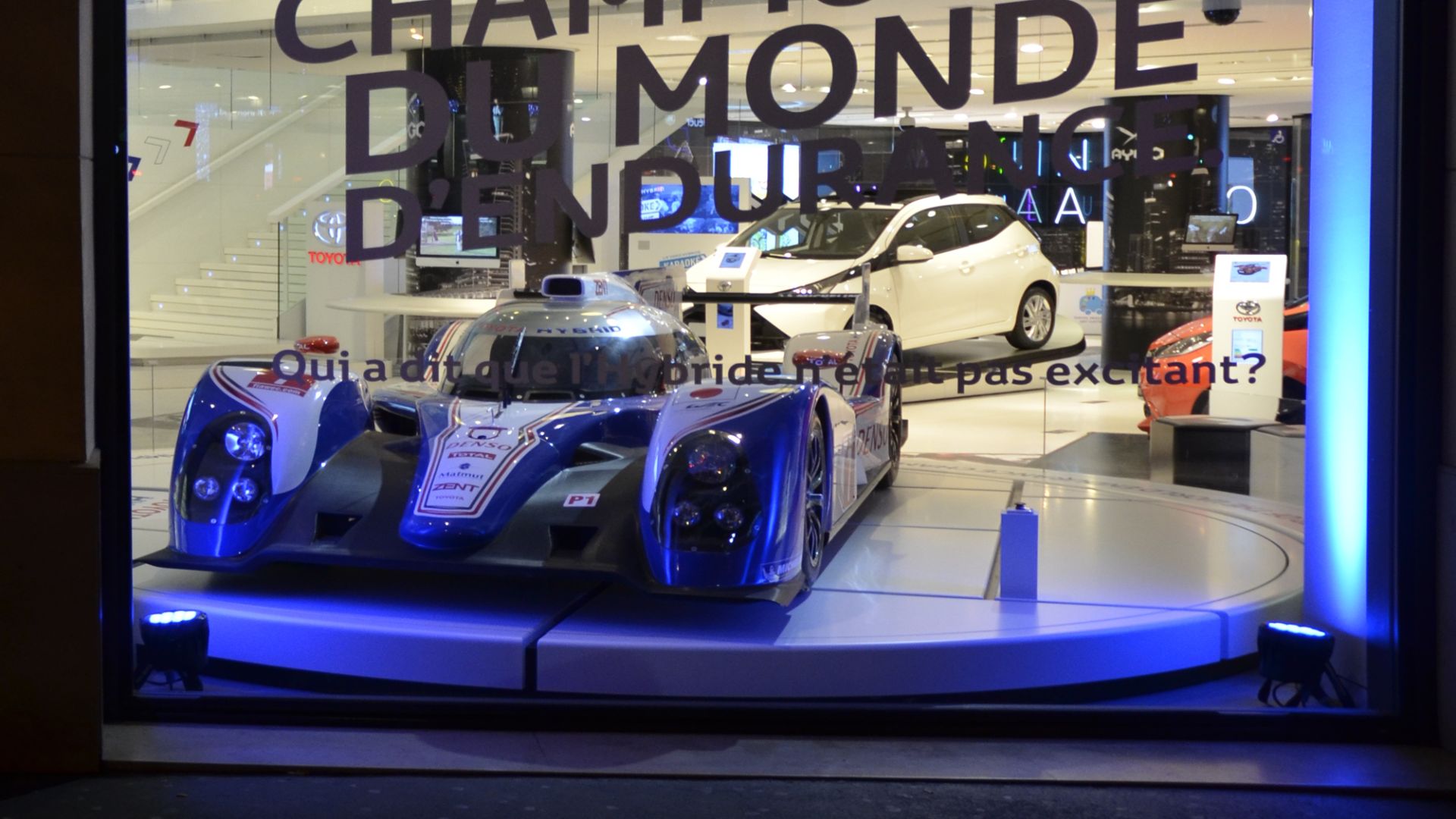
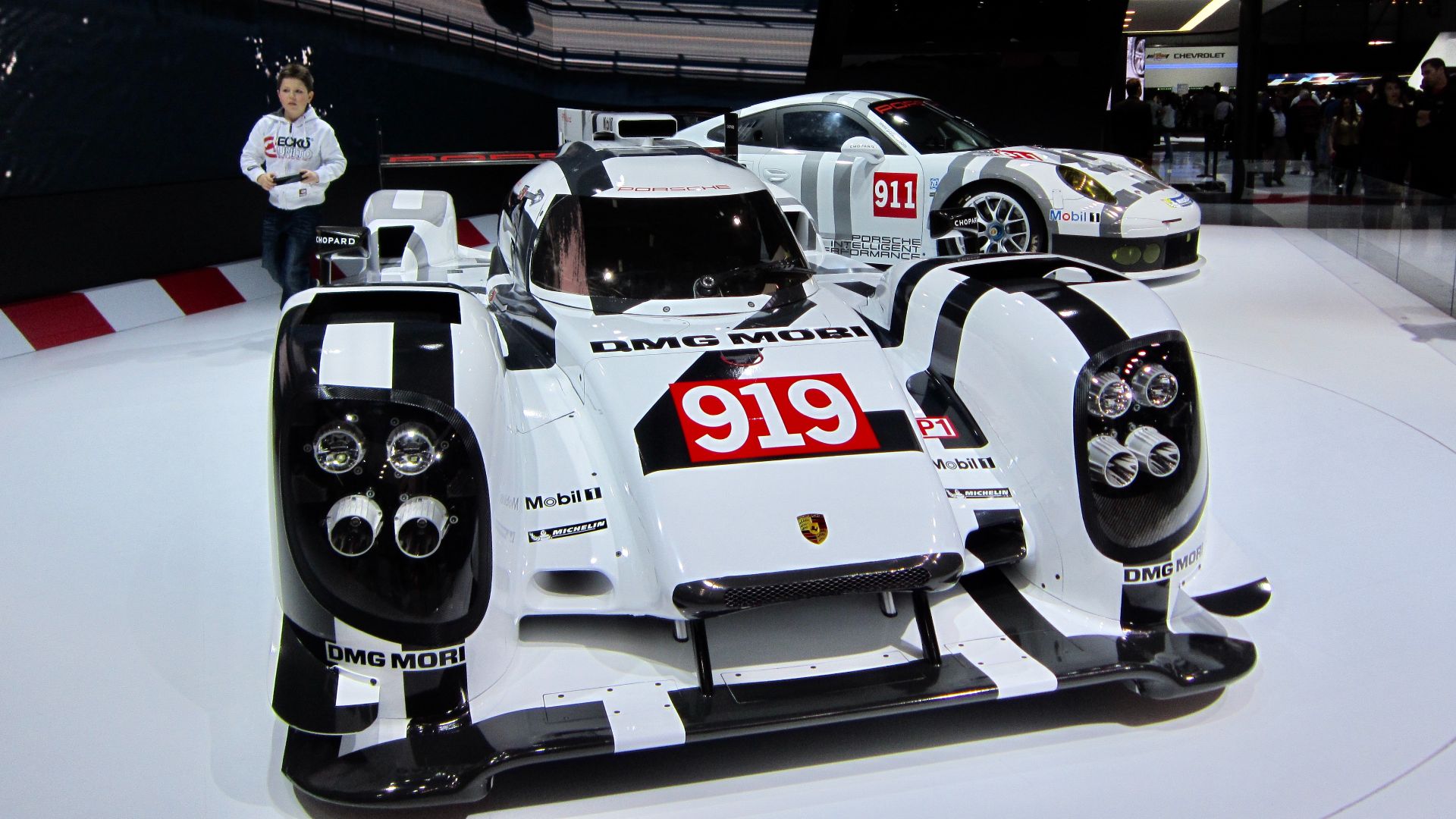
18. Porsche 919 Hybrid (2014)
Porsche's returning LMP1 program had a rocky opening season in 2014, competitive in pace but not yet reliable enough to challenge for the win against Audi and Toyota. The foundation built that year led directly into Porsche's string of overall wins starting the following season.
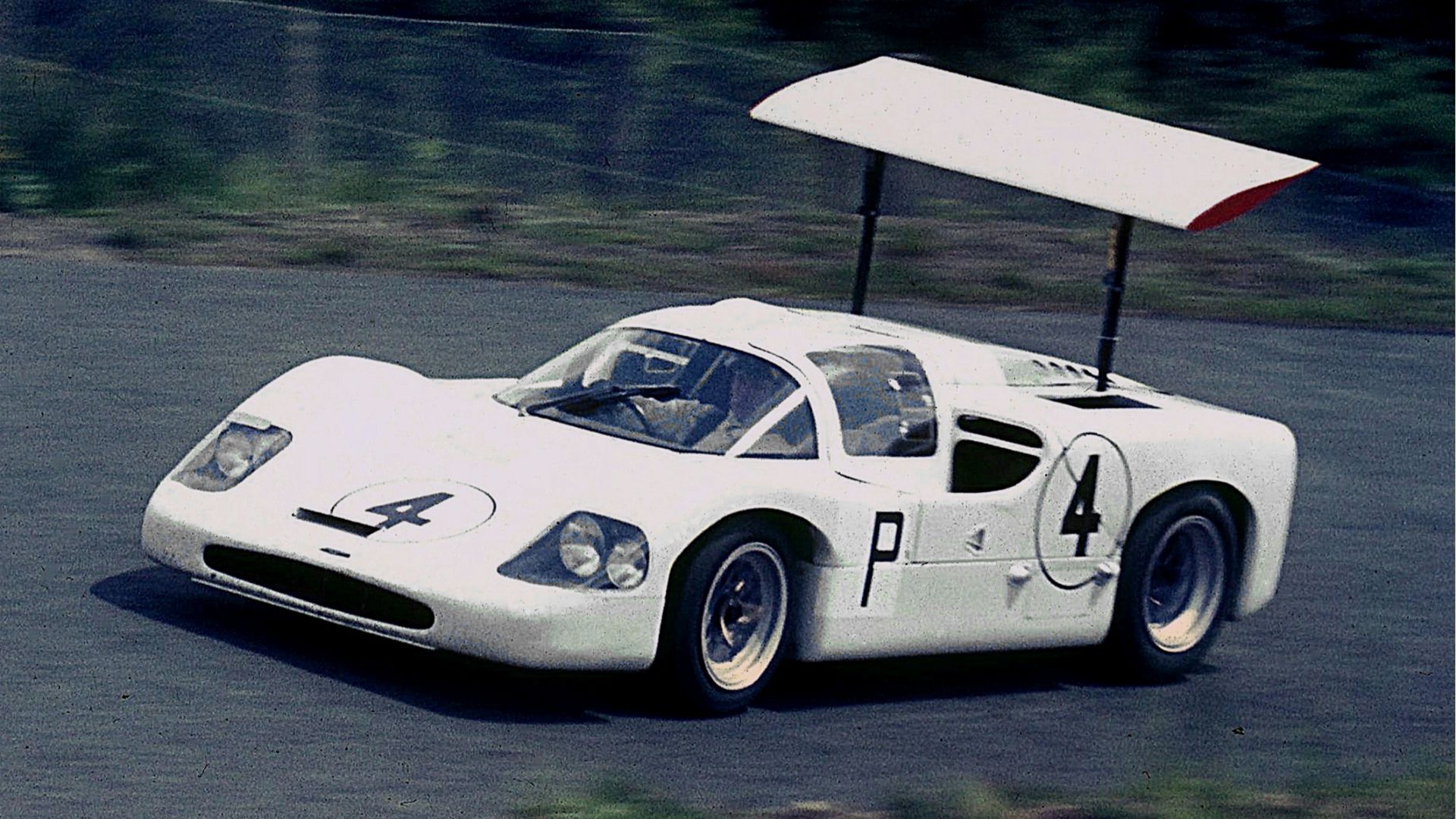
19. Chaparral 2F (1967)
Chaparral's radical prototype showed race-leading pace at Le Mans in 1967 before mechanical problems ended its run well before the finish. The car's innovative aerodynamics influenced sports car design well beyond its own limited results.
20. Panoz LMP-1 Roadster S (Late 1990s)
Panoz's unconventional front-engine prototype competed directly against factory efforts from Porsche and Toyota in the GT1 era, an ambitious project for a small American manufacturer. Though it never seriously threatened for the overall win, the car earned a lasting reputation as one of the era's most distinctive underdog efforts.