When Fast Became Frightening
Some cars get built to be fast, and a smaller handful get built fast enough that the people who designed them start second-guessing what they've done. Tires can melt and aerodynamics can turn unpredictable at exactly the wrong moment, and more than one driver has come back from a top-speed run visibly shaken by what just happened. Here's 20 cars so fast they terrified their own engineers.
1. Bugatti Veyron
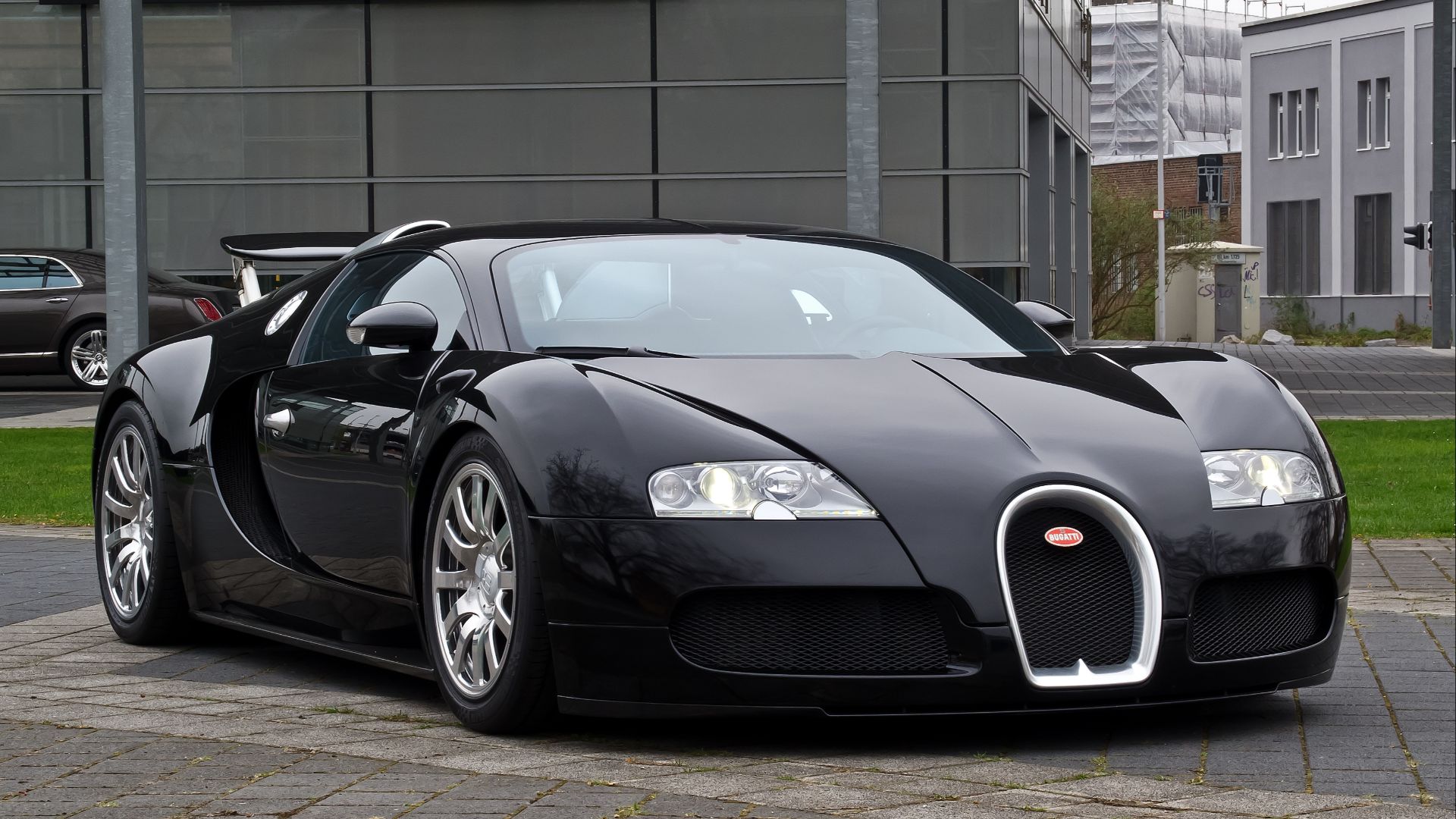
Pushing past 250 mph required tires that could survive extreme heat and centrifugal force for only about fifteen minutes before needing replacement, and testing had to happen on a runway long enough to safely reach and slow from that speed. Engineers reportedly treated the top-speed runs with a level of caution usually reserved for aircraft testing, not road cars.
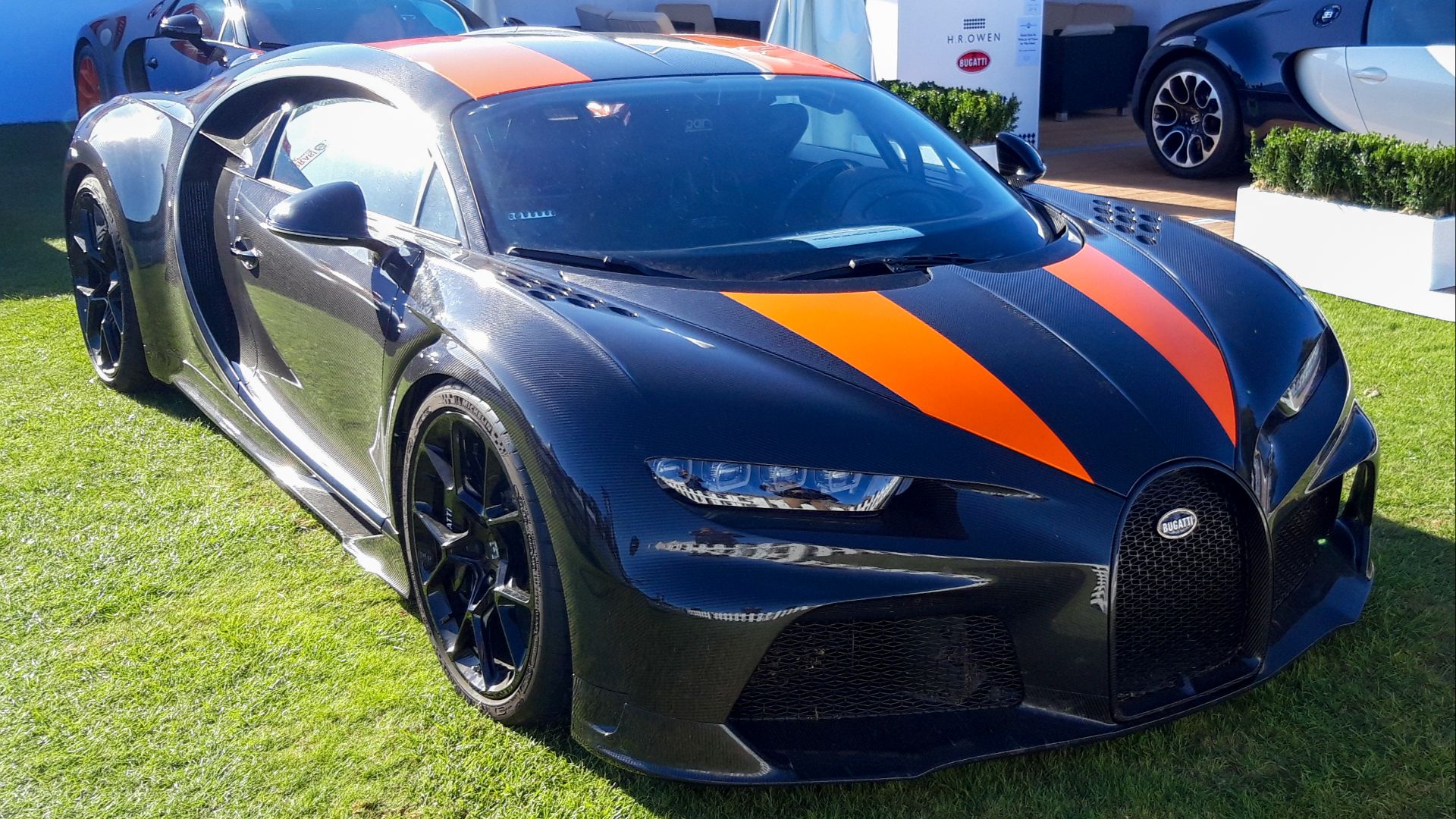
2. Bugatti Chiron Super Sport 300+
In 2019, test driver Andy Wallace took a modified Chiron to just over 304 mph on Volkswagen's private Ehra-Lessien test track, a run that required custom-developed tires rated for that exact speed and nothing beyond it. Bugatti pulled the car from further top-speed attempts immediately afterward, unwilling to push the same tires or chassis any further.
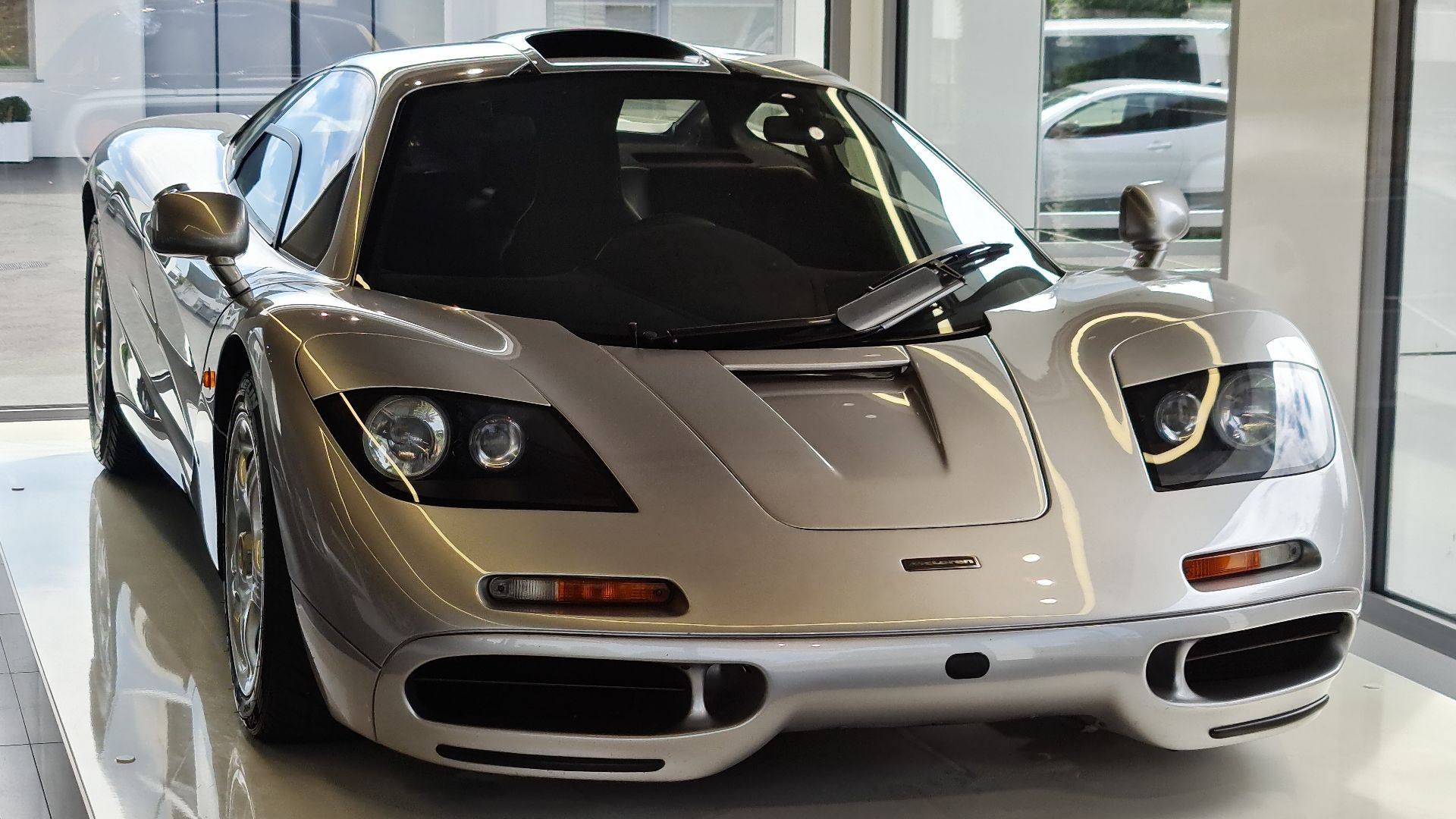
3. McLaren F1
Designer Gordon Murray built the F1 without power steering or anti-lock brakes, betting that a lighter, more direct car would be safer than one wrapped in electronic assistance at speeds over 240 mph. Early test drivers described the car as demanding total concentration, since a small mistake at that speed left almost no margin for correction.
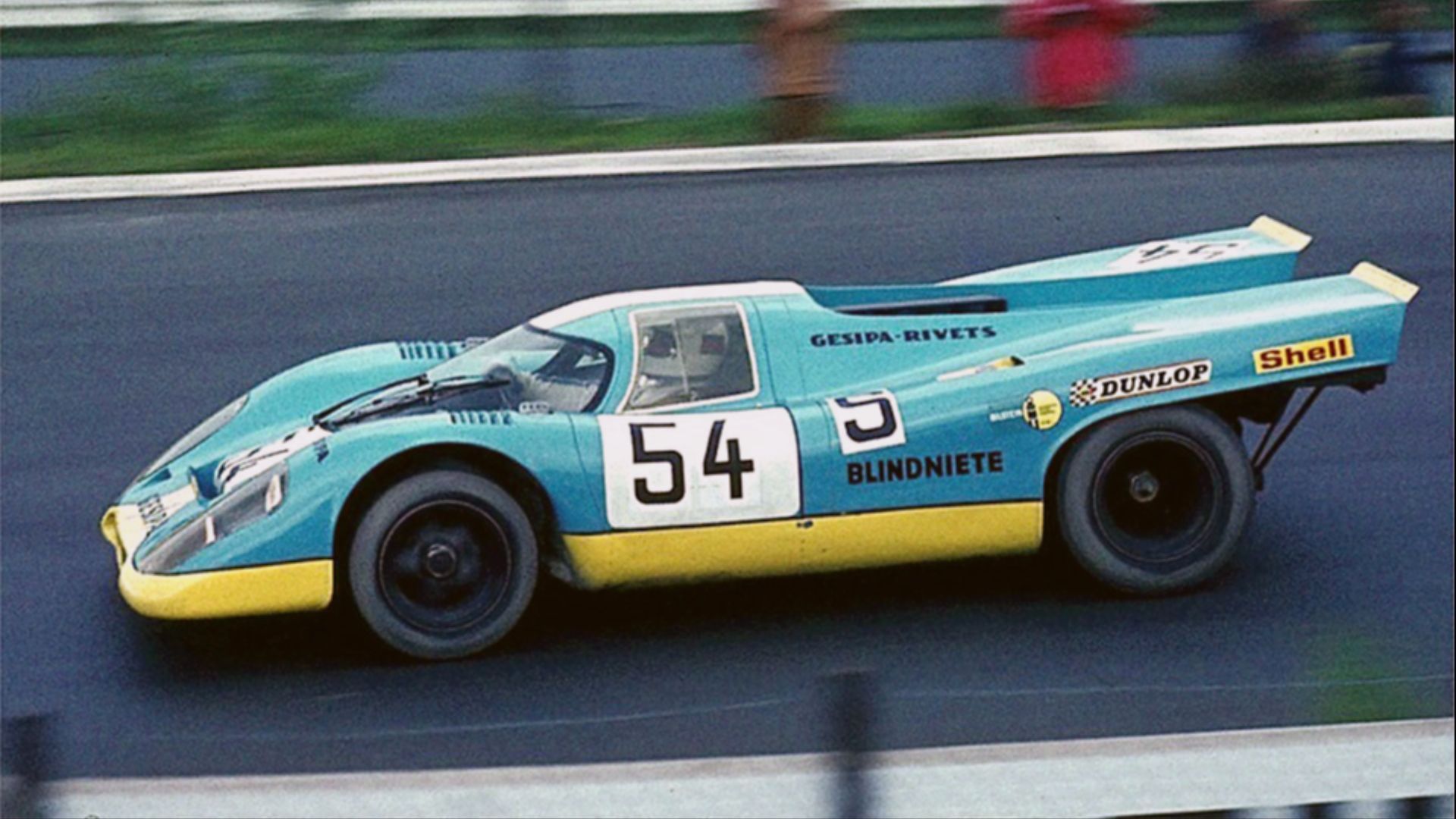
4. Porsche 917
Early versions of the 917 developed dangerous aerodynamic lift at high speed, enough that several factory drivers reportedly refused to race it until Porsche reworked the bodywork with input from driver John Wyer's team. Once the aerodynamics were fixed, the same chassis went on to dominate endurance racing for years.
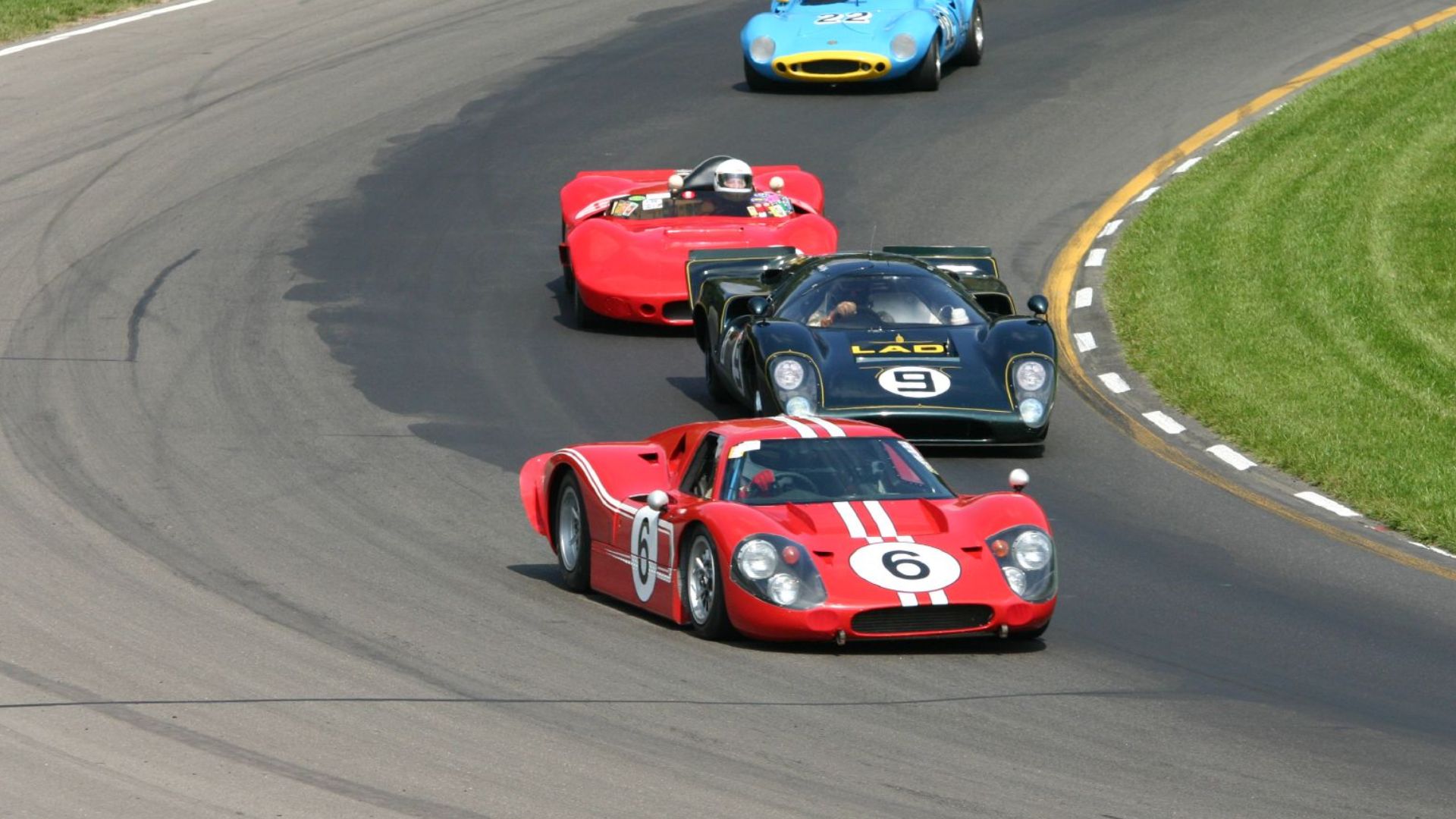
5. Ford GT40 Mk IV
Built specifically to win Le Mans at sustained speeds over 200 mph down the Mulsanne Straight, the Mk IV's handling at that velocity left almost no room for driver error on a track without modern runoff areas. Drivers who raced it described the car as brutally fast but unforgiving the moment conditions changed.
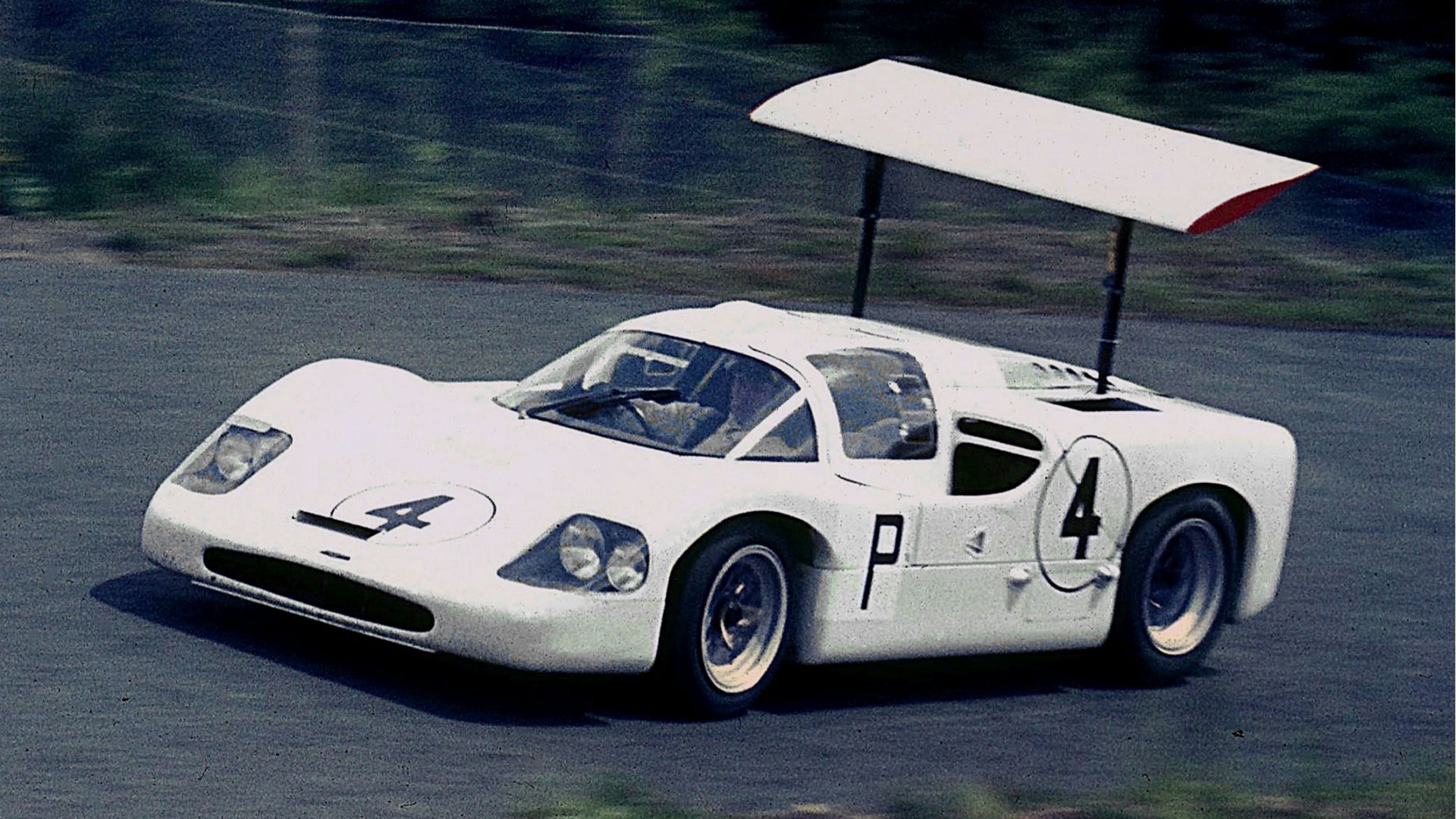
6. Chaparral 2J
The 2J used a separate engine to power fans that sucked the car down onto the track, generating downforce unlike anything else racing in the late 1960s. Rival drivers and even some Chaparral engineers found the sudden, artificial grip unsettling to trust at speed, and the car was banned from competition within a year.
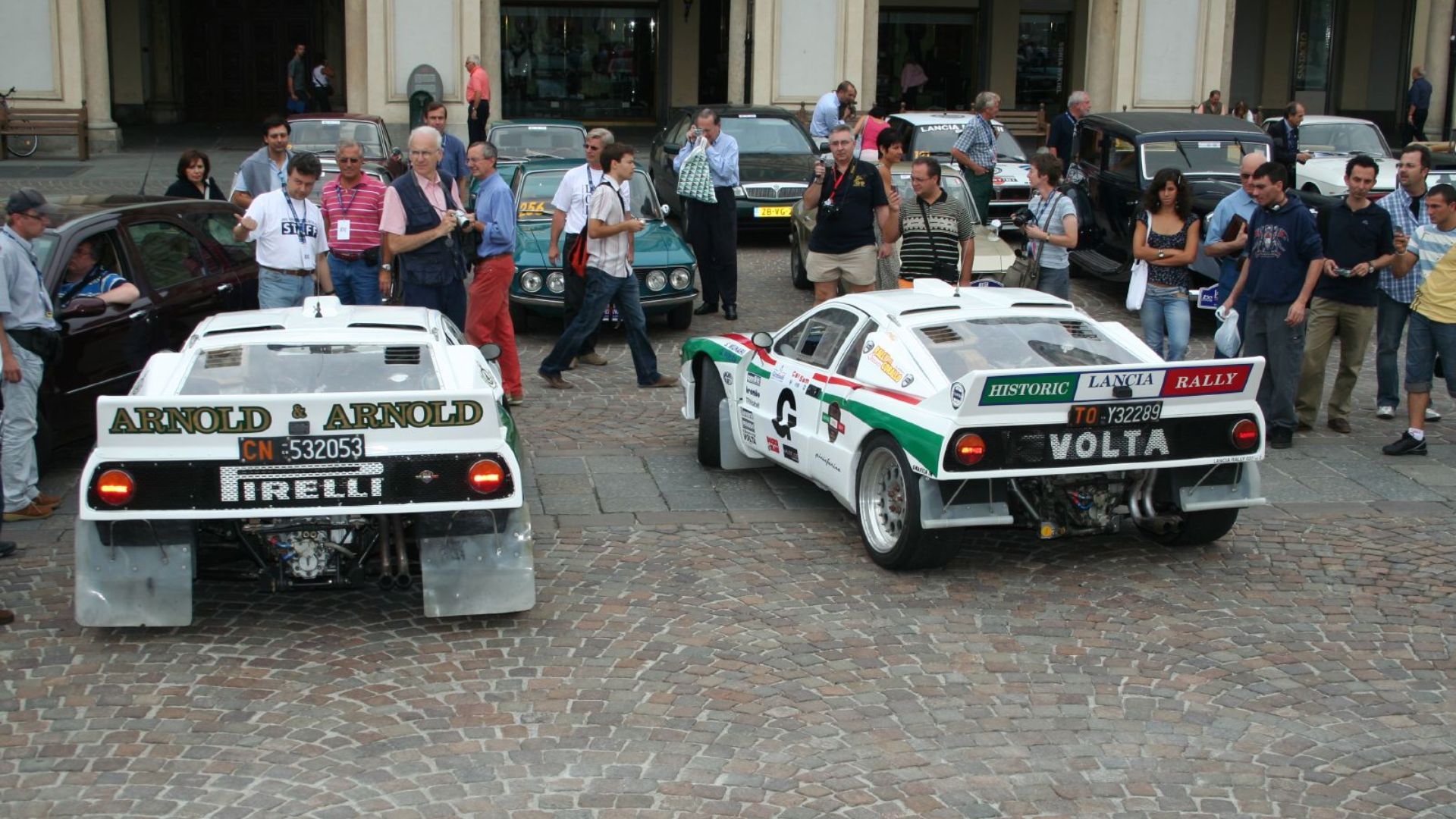
7. Group B Rally Cars
Manufacturers in the mid-1980s built rally cars with turbocharged engines pushing 500 horsepower into lightweight bodies never designed to handle that kind of power on narrow public roads. After a string of fatal crashes involving drivers and spectators, including the death of Henri Toivonen in 1986, the entire category was banned within the season.
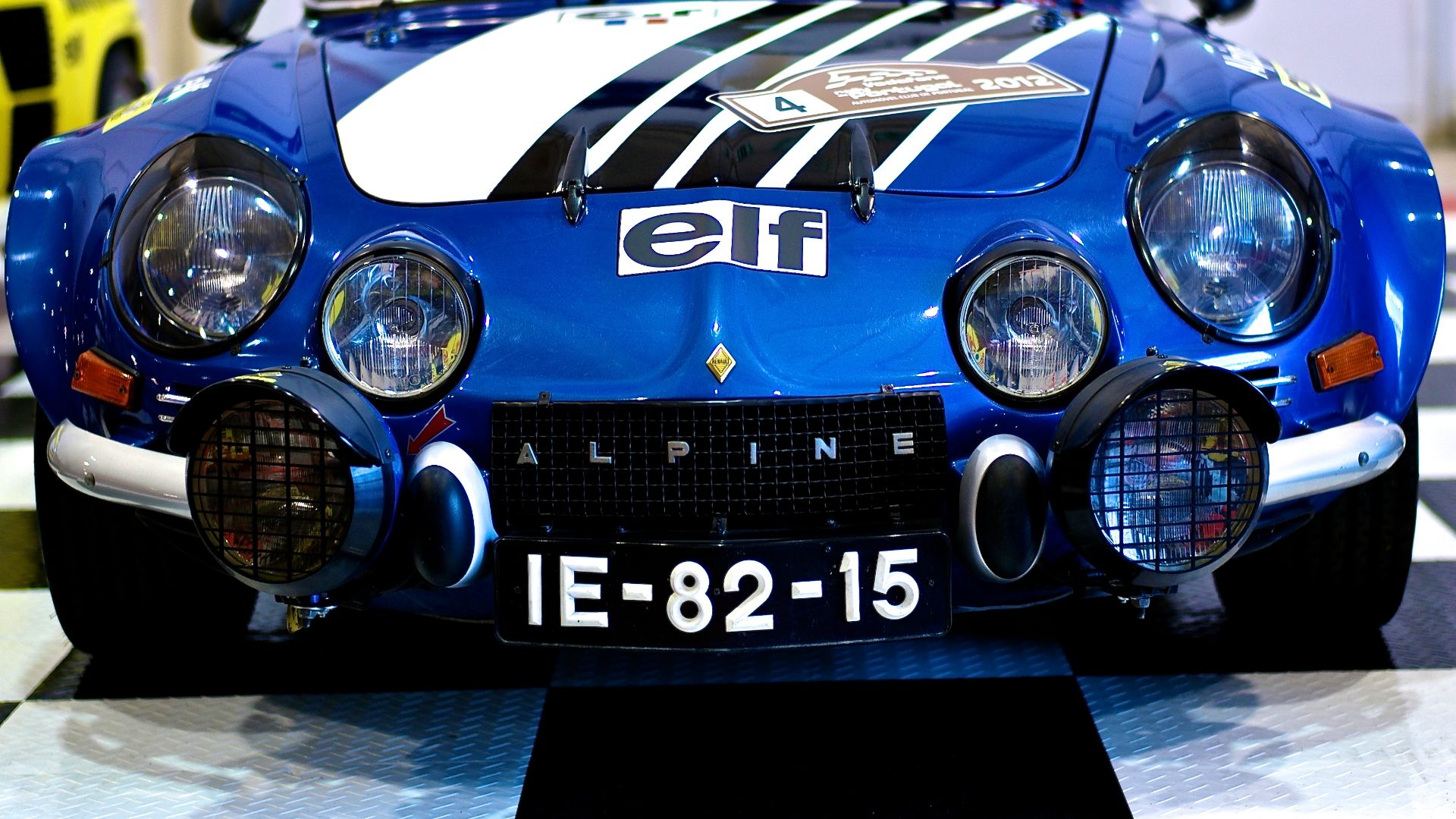
8. 1980s Formula 1 Turbo Cars
Qualifying-spec turbo engines from this era produced over 1,000 horsepower with power delivery so delayed and sudden that drivers described the experience as unpredictable even at speeds they'd raced for years. Several drivers from the period have said openly that these cars scared them more than any other era of the sport.
 Pedro Ribeiro Simões from Lisboa, Portugal on Wikimedia
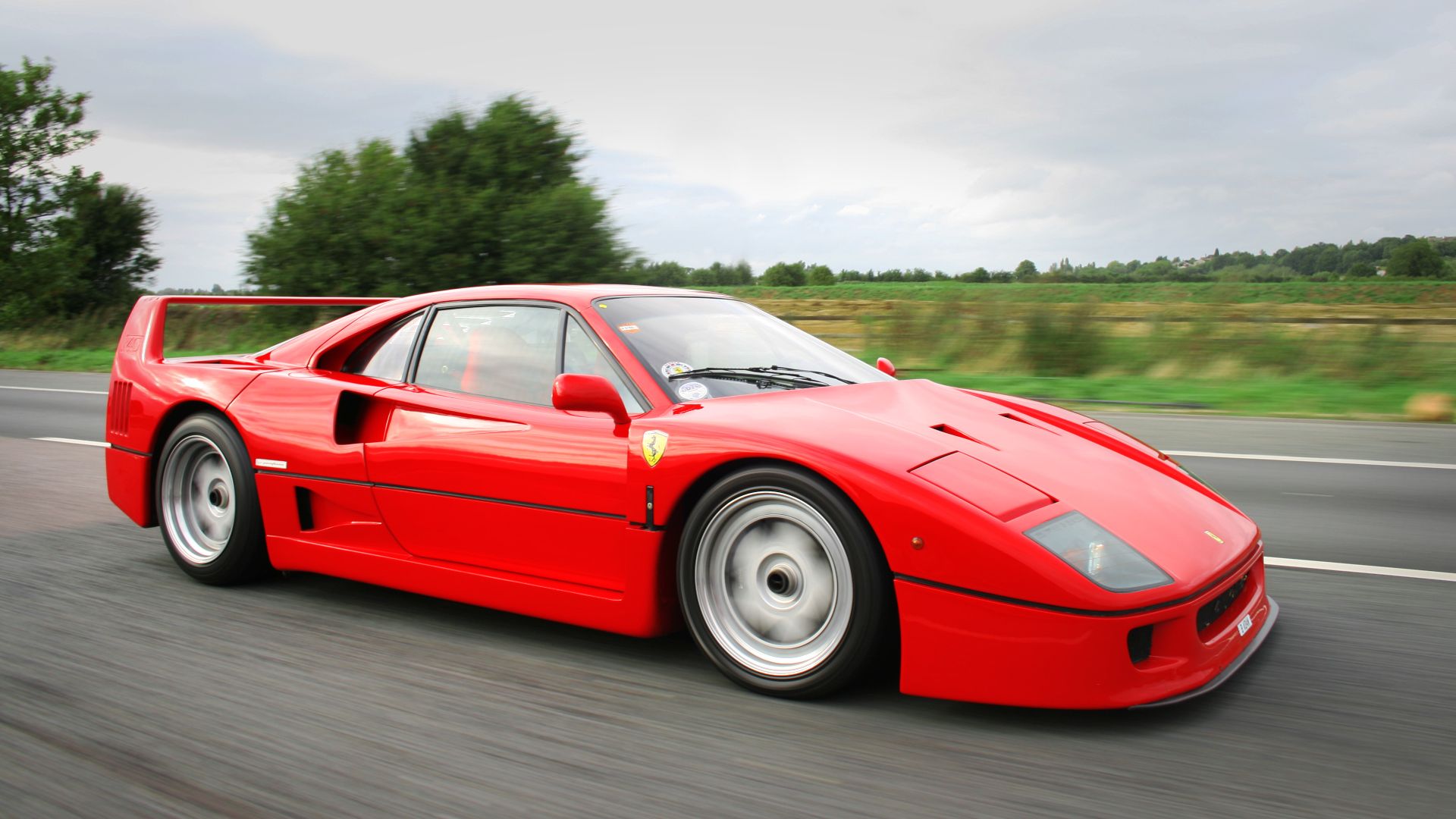
9. Ferrari F40
As Enzo Ferrari's final approved project, the F40 paired a raw twin-turbo engine with minimal driver aids, and its notorious turbo lag meant power arrived all at once rather than smoothly. Journalists and drivers testing it at the time frequently described the experience as intimidating, closer to piloting a race car than driving a road-legal one.
10. Mercedes-Benz CLR
During practice for the 1999 Le Mans race, a Mercedes-Benz CLR became airborne and flipped completely, and a second car flipped again during the race itself. Mercedes withdrew its remaining car and pulled out of the event entirely once engineers realized the aerodynamic instability could recur at any moment.
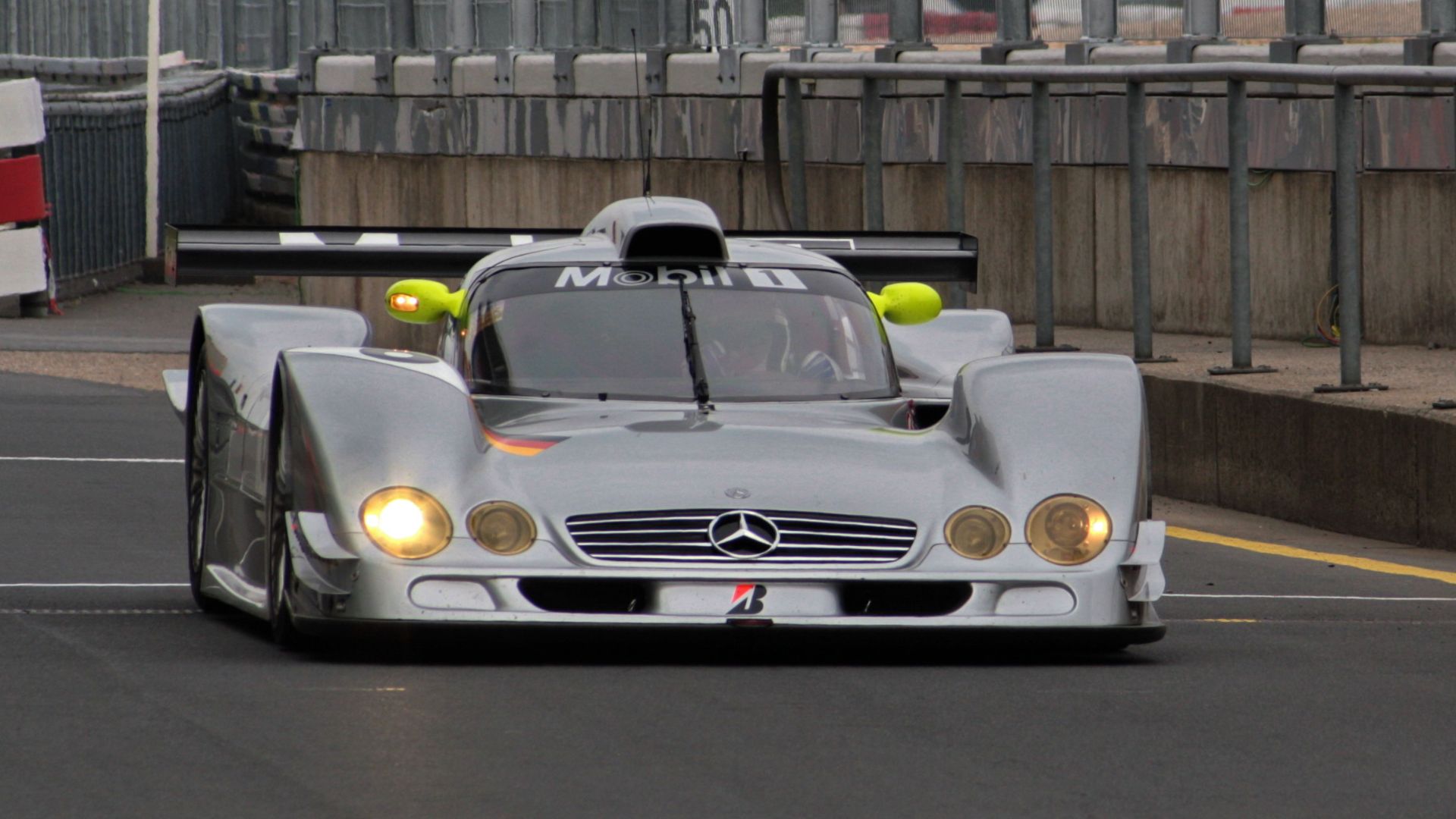 Marc Oliver John from Wachtberg, Deutschland on Wikimedia
11. WM Peugeot P88
Built purely to set a top-speed record on the Mulsanne Straight, the P88 reached over 251 mph in 1988 despite a chassis that wasn't fully stable at that velocity. Driver Roger Dorchy has since described the run as terrifying, made in a car that was never really finished being developed.
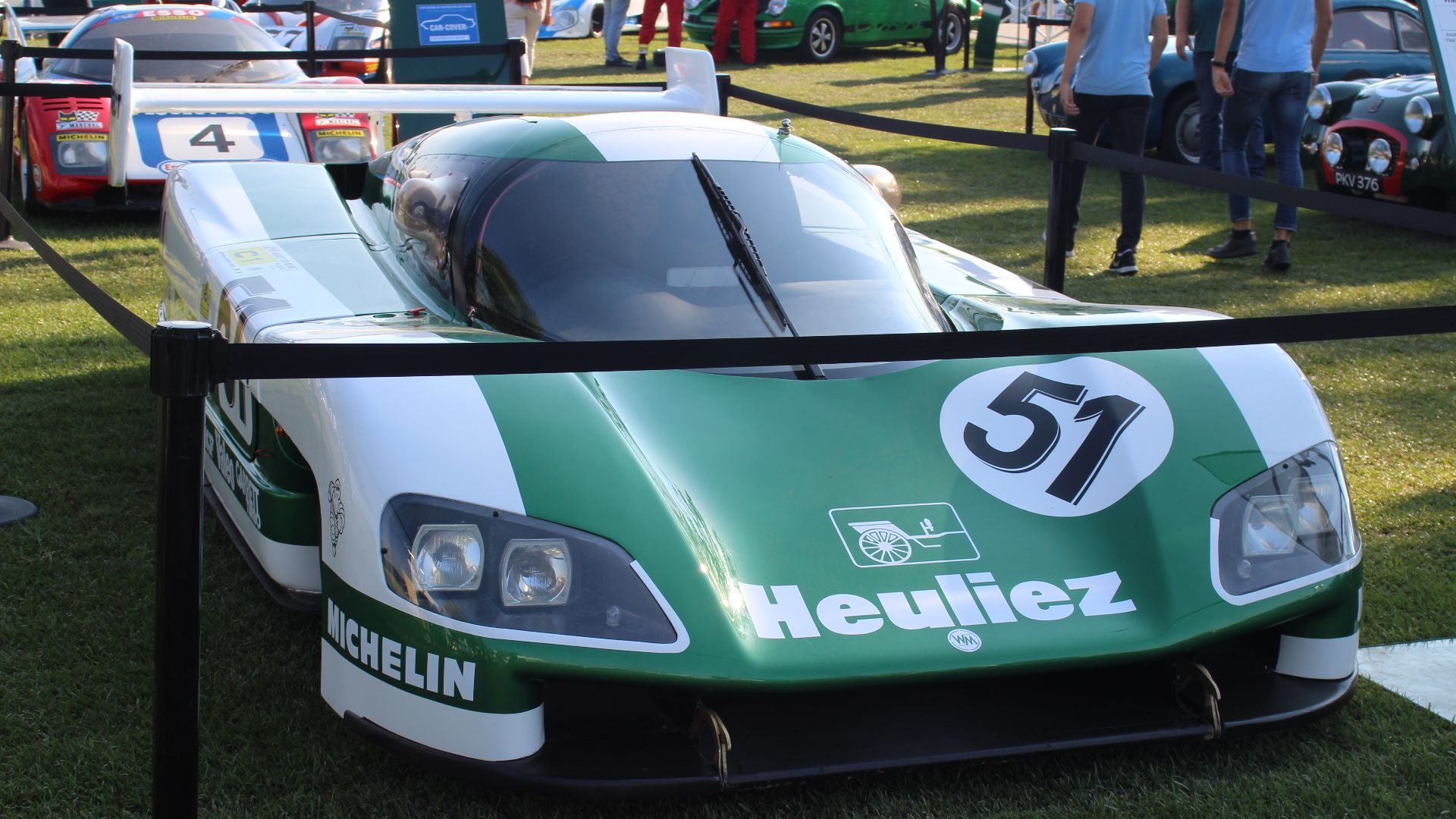
12. SSC Ultimate Aero TT
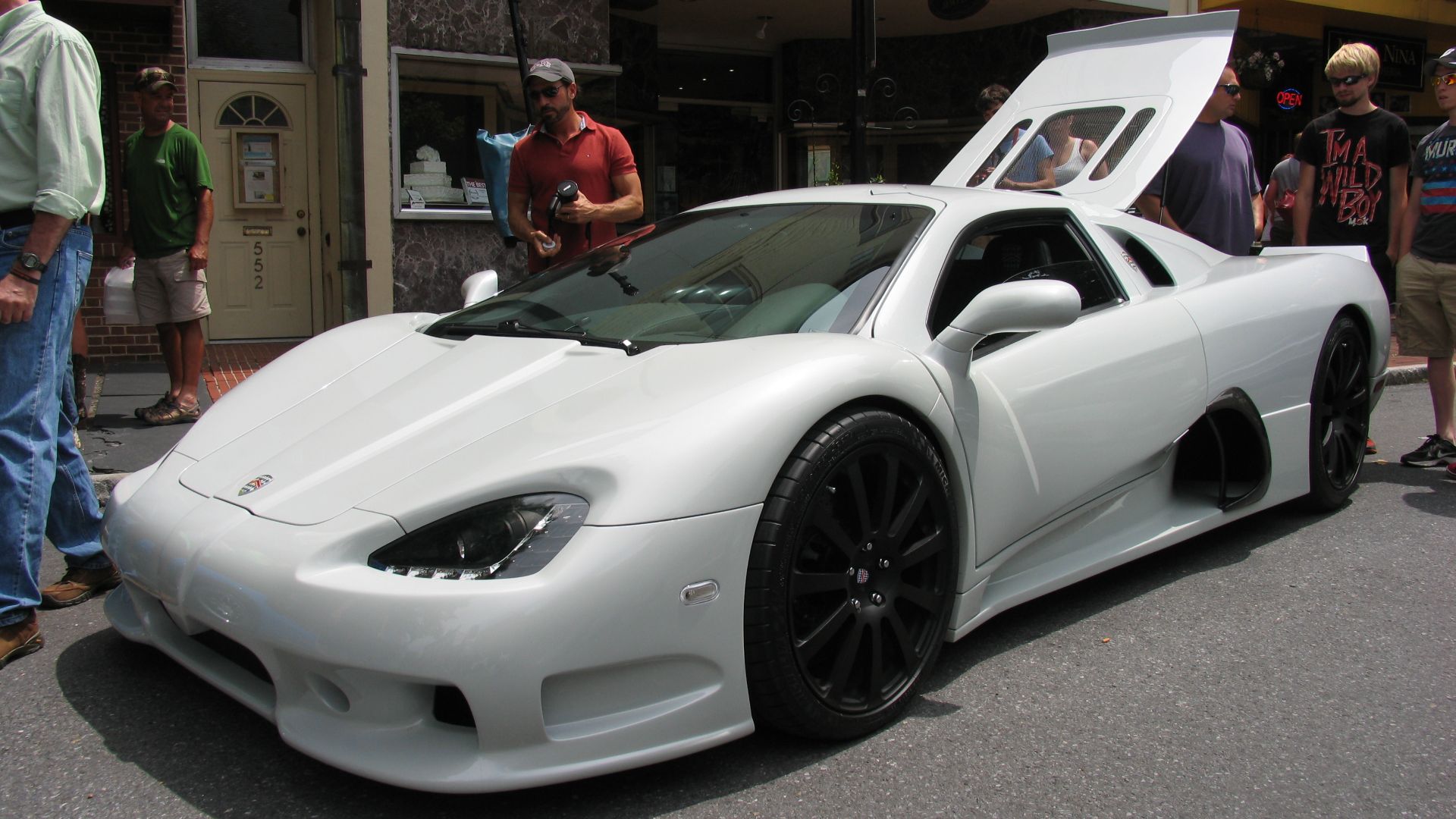
In 2007, this Washington-built hypercar set a two-way top speed record of 256.18 mph, but the run happened on an ordinary public highway closed off for the occasion rather than a proving ground built for that kind of speed. The small team behind the car has described the attempt as nerve-wracking specifically because a normal road, with normal pavement seams and shoulders, offers none of the margin a purpose-built test track provides.
13. ThrustSSC
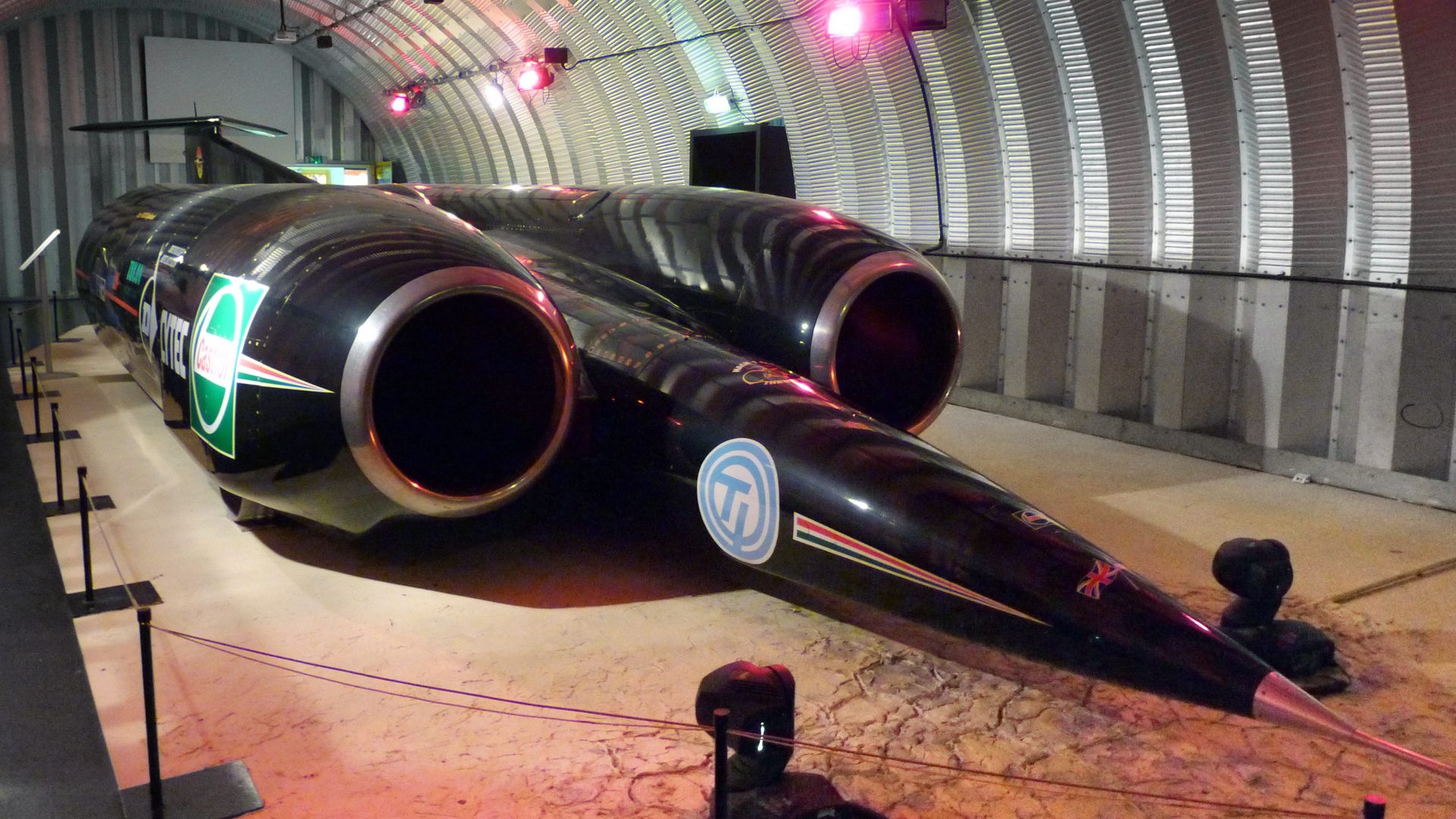
In 1997, this jet-powered car became the first land vehicle to officially break the sound barrier, reaching over 763 mph in the Nevada desert. Driver Andy Green and the engineering team treated every run with extreme caution, aware that even minor instability at that speed could be catastrophic.
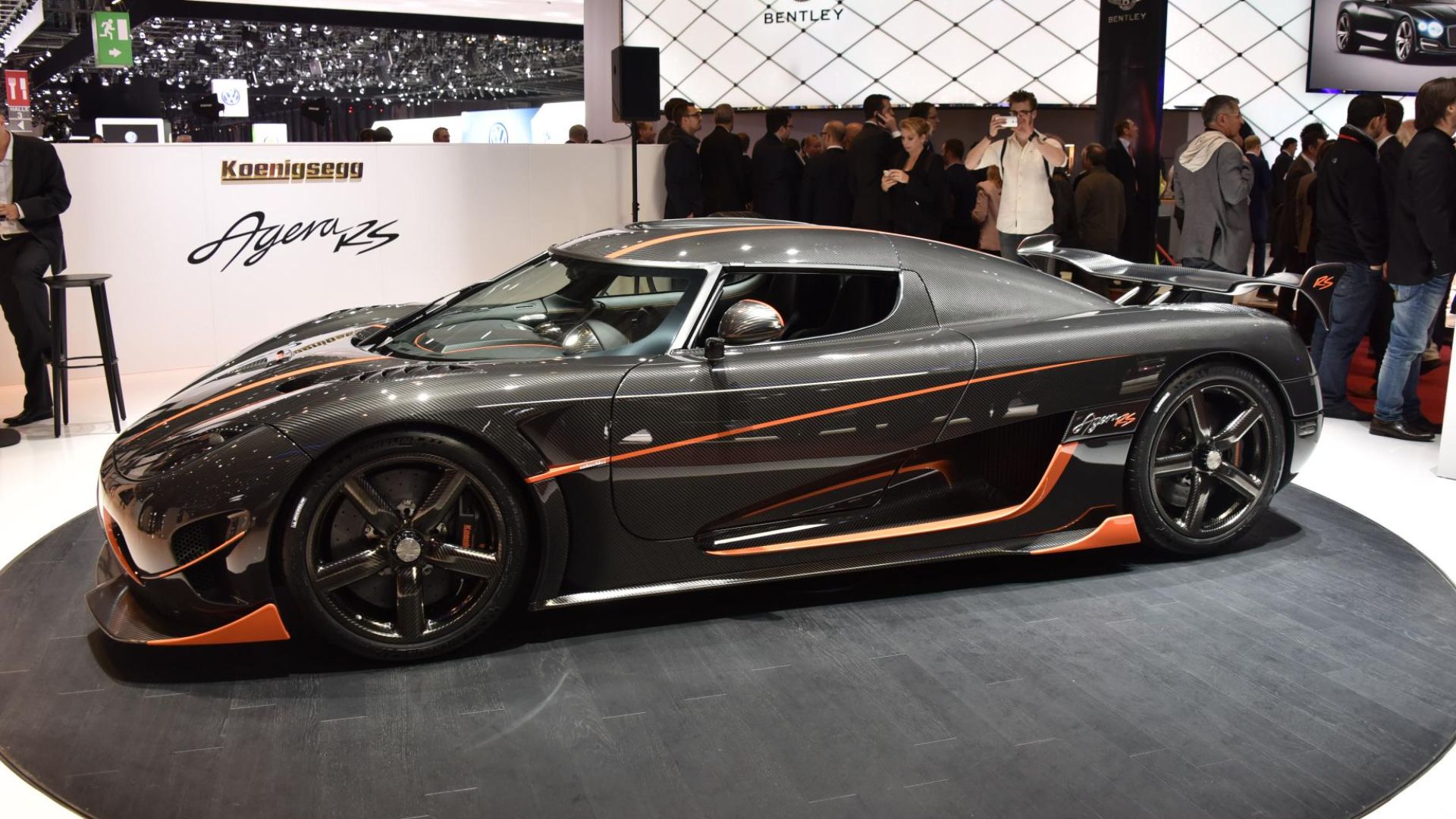
14. Koenigsegg Agera RS
This Swedish hypercar set a production car top-speed record of 277.9 mph in 2017, a run that required a closed public highway in Nevada and extensive tire and aerodynamic testing beforehand. Engineers reportedly reworked parts of the test protocol after realizing how little margin existed for error at that velocity.
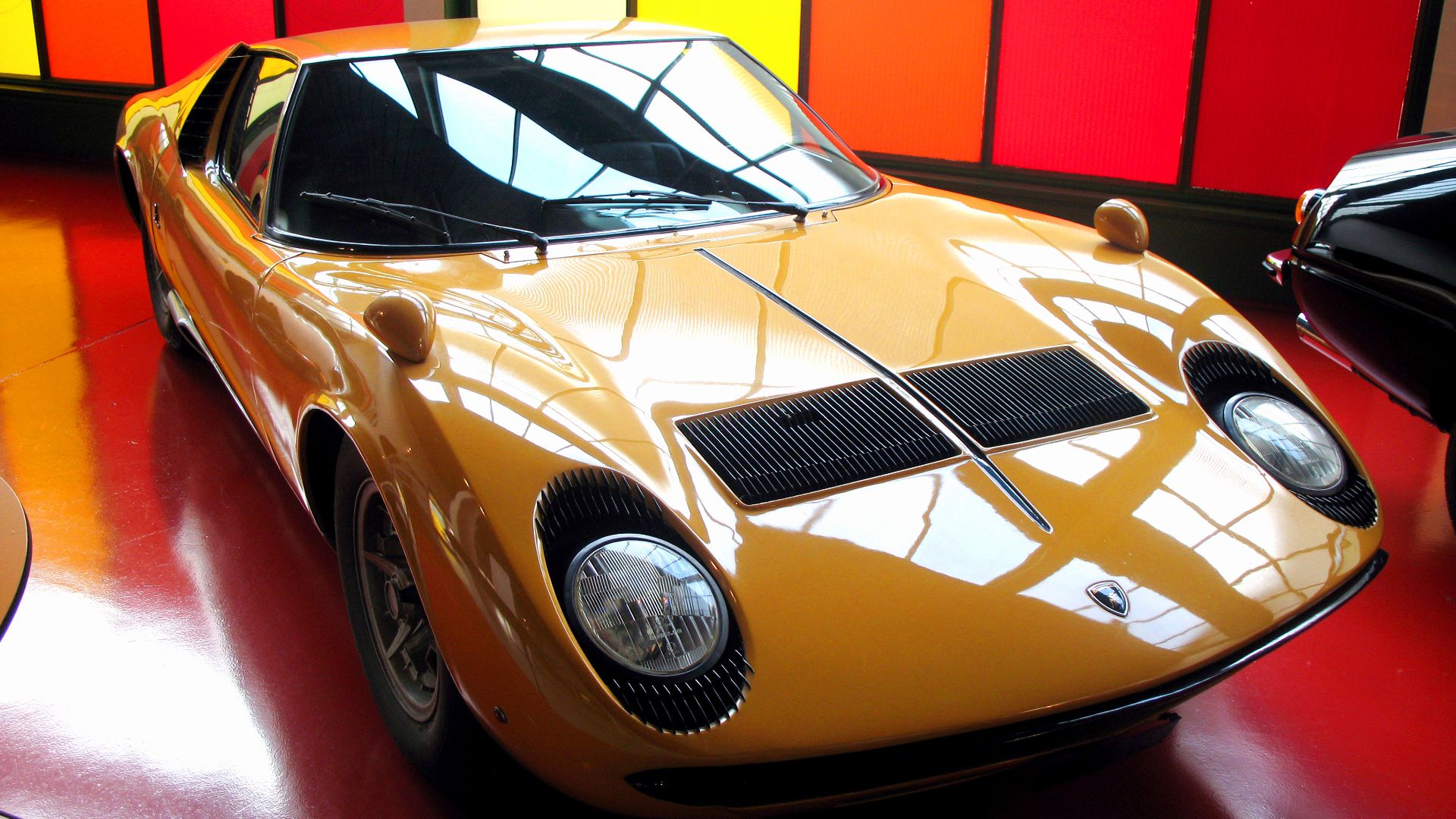
15. Lamborghini Miura
Contemporary road tests in the late 1960s noted that the Miura's front end grew dangerously light at speeds approaching its 170 mph top end, a side effect of styling that prioritized looks over aerodynamic downforce. Several period journalists described backing off well before reaching the car's actual limit simply out of caution.
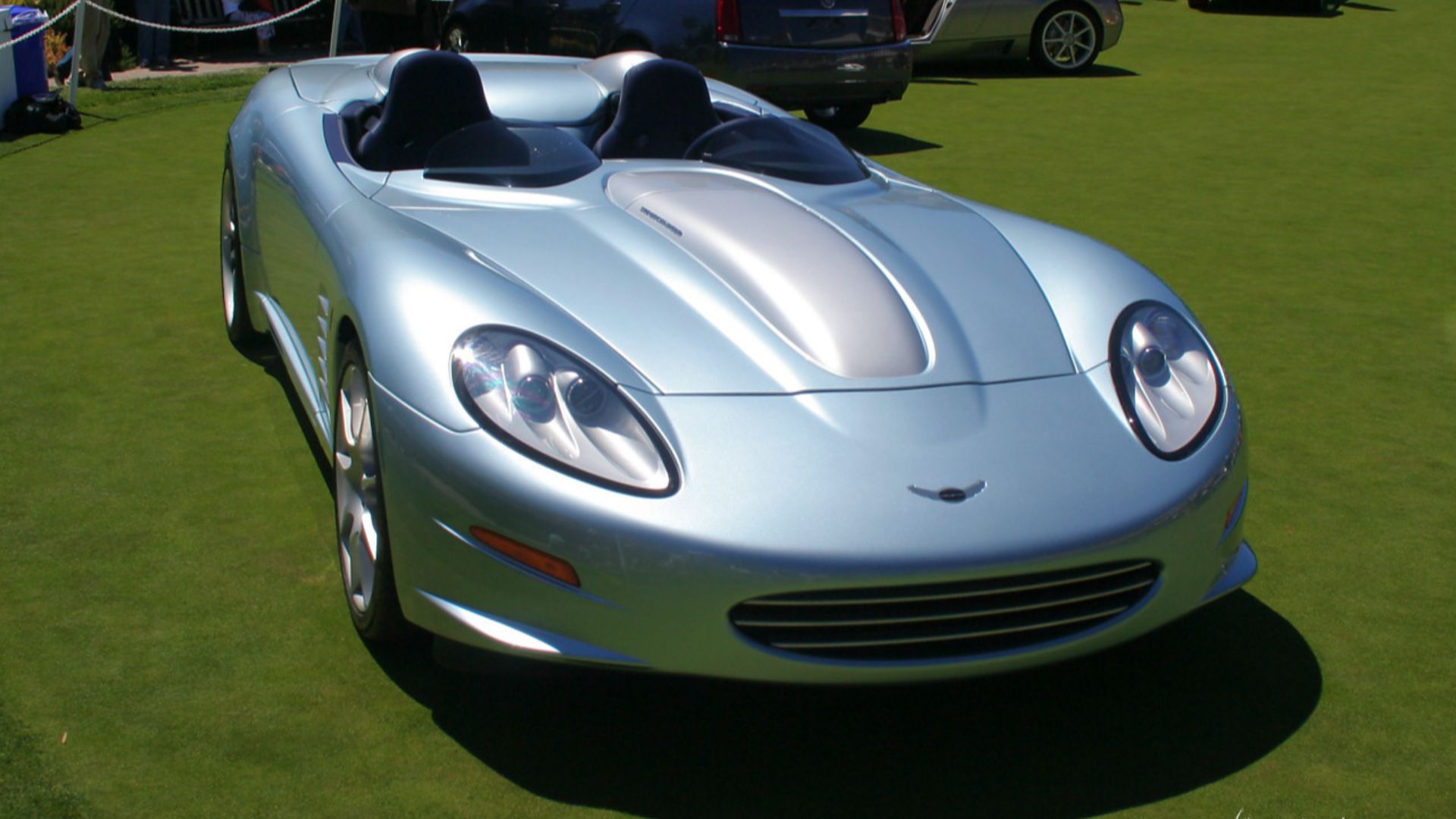
16. Callaway Corvette Sledgehammer
Built in 1988 to prove a modified Corvette could hit 254 mph on a public road, the Sledgehammer was driven by engineer John Lingenfelter on a closed stretch of Ohio highway. The team reportedly held its breath through the entire run, aware that a public road offered none of the safety margins of a closed track.
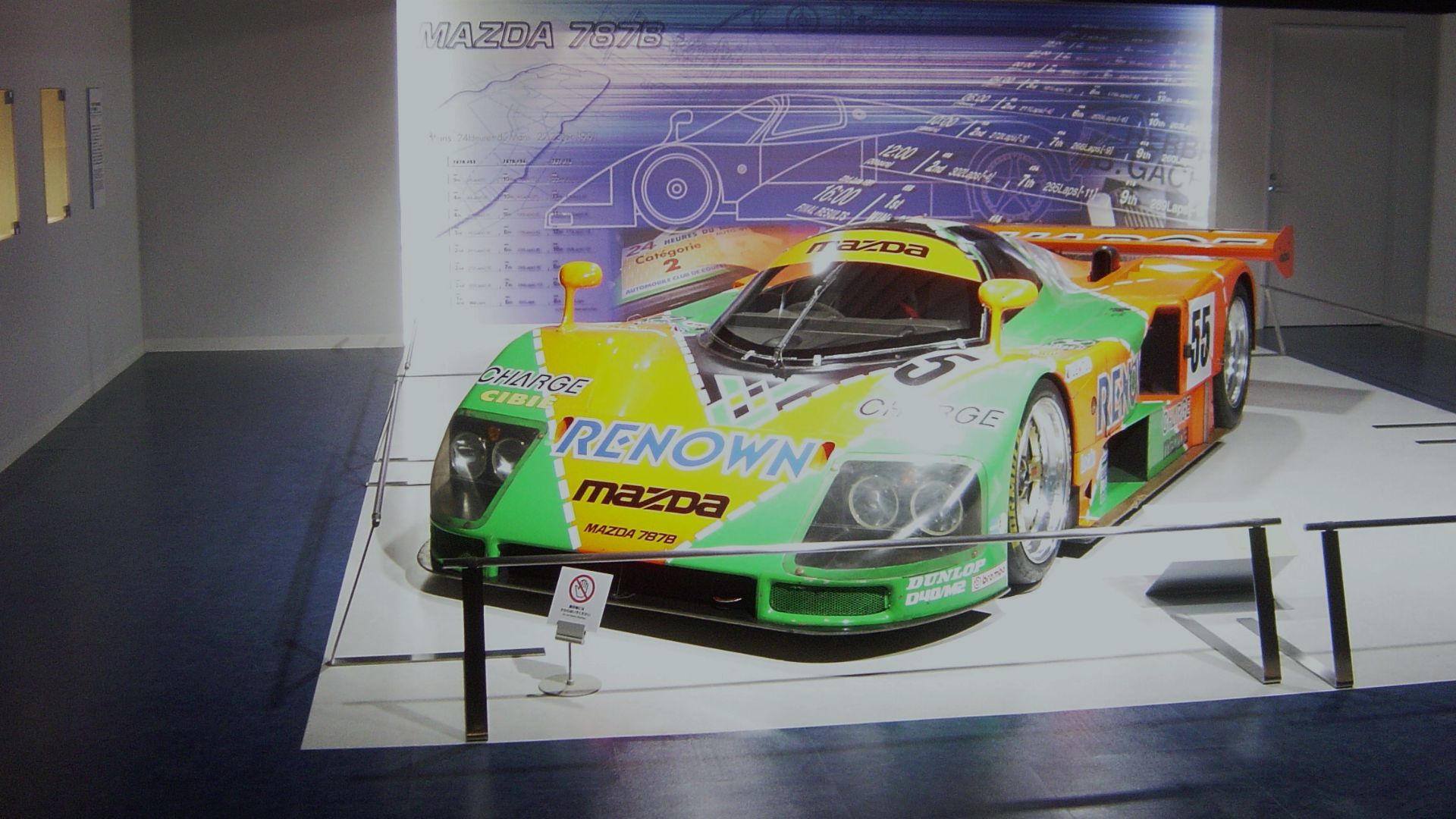
17. Group C Le Mans Prototypes
By the late 1980s, prototypes racing at Le Mans were hitting over 240 mph down the Mulsanne Straight, speeds organizers eventually decided were too dangerous for a public road circuit. Two chicanes were added to the straight in 1990 specifically to force cars to slow down before reaching those velocities again.
18. Bloodhound LSR
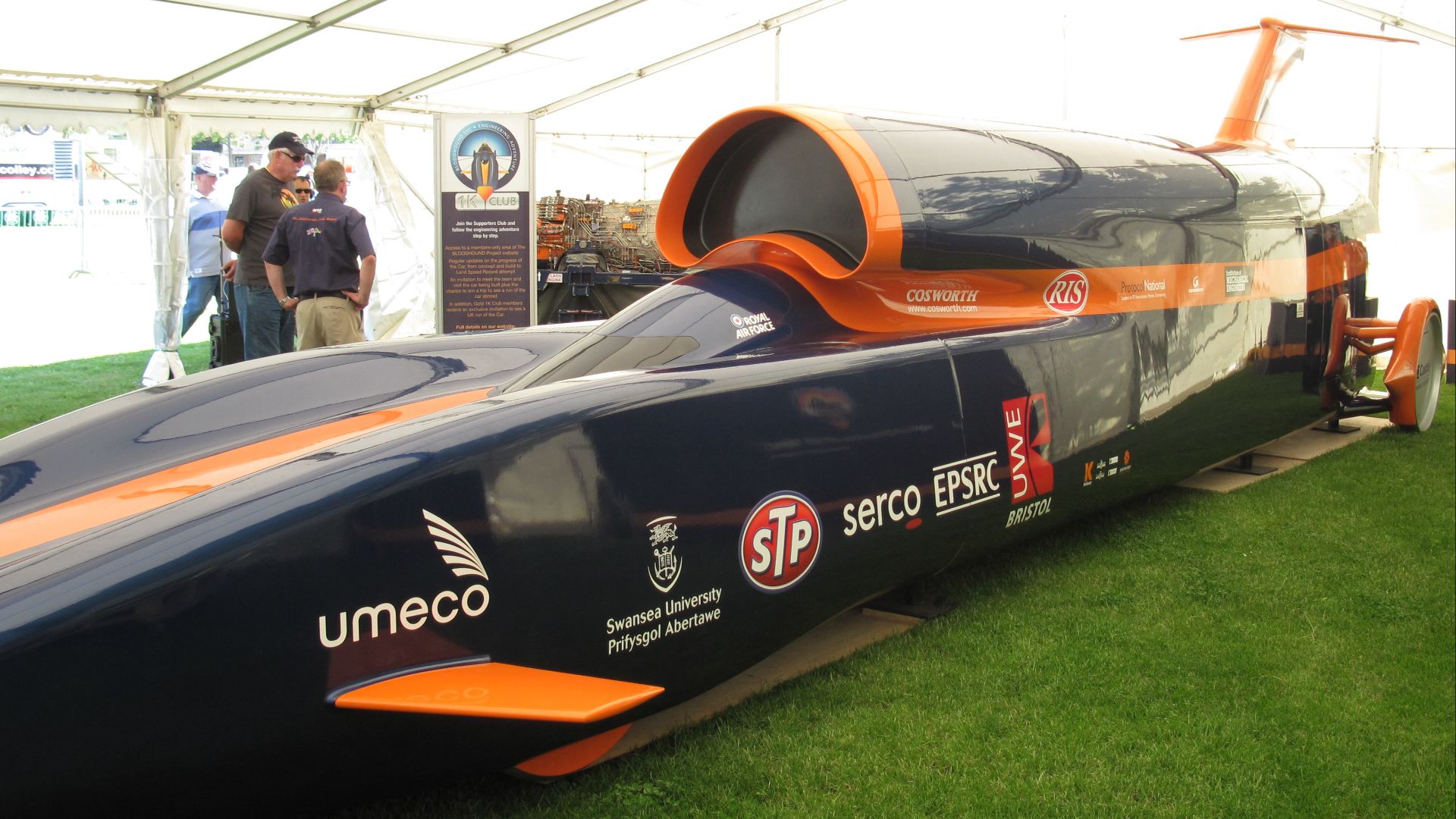
This British project aims to push a purpose-built car past 1,000 mph, a speed that requires wheels machined from solid aluminum since no tire could survive the forces involved. Driver Andy Green has spoken openly about the extreme risk built into every stage of testing toward that goal.
19. Ruf CTR Yellowbird
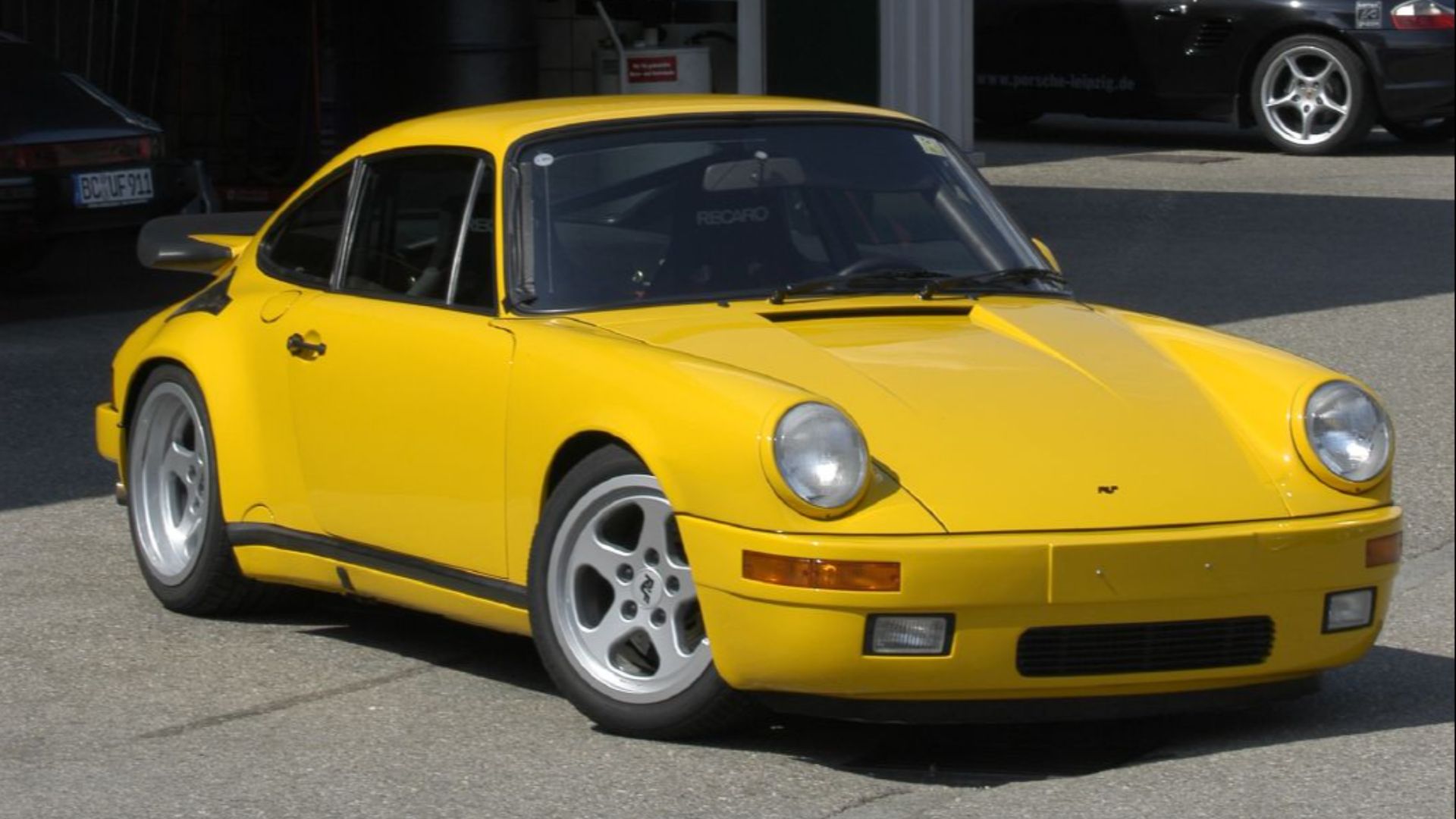
Built on a lightweight 911 body with a twin-turbo engine, the Yellowbird's power delivery was famously abrupt, with turbo lag that could suddenly double the car's thrust mid-corner. A widely viewed 1987 test at the Nürburgring showed the journalist driving it visibly rattled by how the car behaved near its 211 mph top speed.
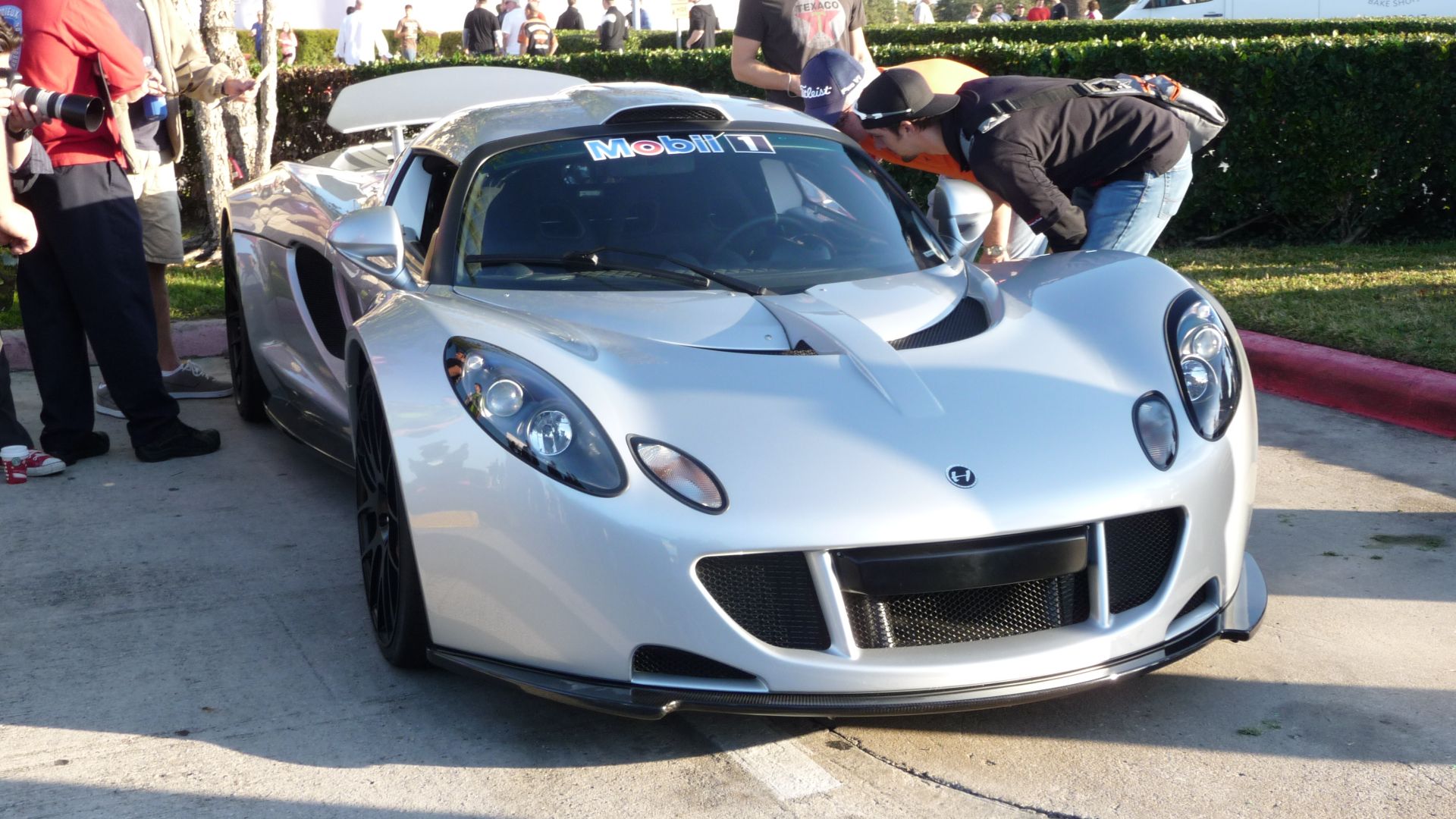
20. Hennessey Venom GT
In 2014, this American hypercar hit just over 270 mph on a runway at the Kennedy Space Center, a location chosen because few public roads offered enough length to safely reach and slow from that speed. The run wasn't completed in both directions required for an official record, but the team has said the runway's length still left little margin for error.