Practicality Changes Often at Volkswagen
Volkswagen has built its impressive reputation partly on sensible cars that make everyday driving pleasantly simple, although the company has occasionally wandered into much less practical territory. Spacious wagons, smart MPVs, city cars, and family SUVs have demonstrated how much usefulness can fit into relatively straightforward packages, while coupes, convertibles, and ambitious niche models have sometimes prioritized other qualities. Here are 10 Volkswagen models that nailed practicality and 10 that missed the point.

1. Volkswagen Golf Variant
The Golf Variant took the classic Golf formula and added more cargo capacity without turning it into an oversized vehicle. Even the third-generation version offered 466 liters of luggage room, while later generations expanded the concept considerably further.
2. Volkswagen Touran
Few Volkswagens have been as focused on usefulness as the Touran, which arrived in 2003 as a compact MPV based around family driving needs. Depending on configuration and generation, it offered seating for up to seven, fold-flat arrangements, and numerous storage compartments. Its relatively compact exterior dimensions also kept daily maneuvering manageable.
3. Volkswagen Sharan
Families requiring more space than the Touran could provide had the option of buying a Sharan, which combined three-row seating with an interior designed around frequent passenger use. Later versions featured sliding rear doors and seats that could fold into the floor, making reconfiguration considerably easier.
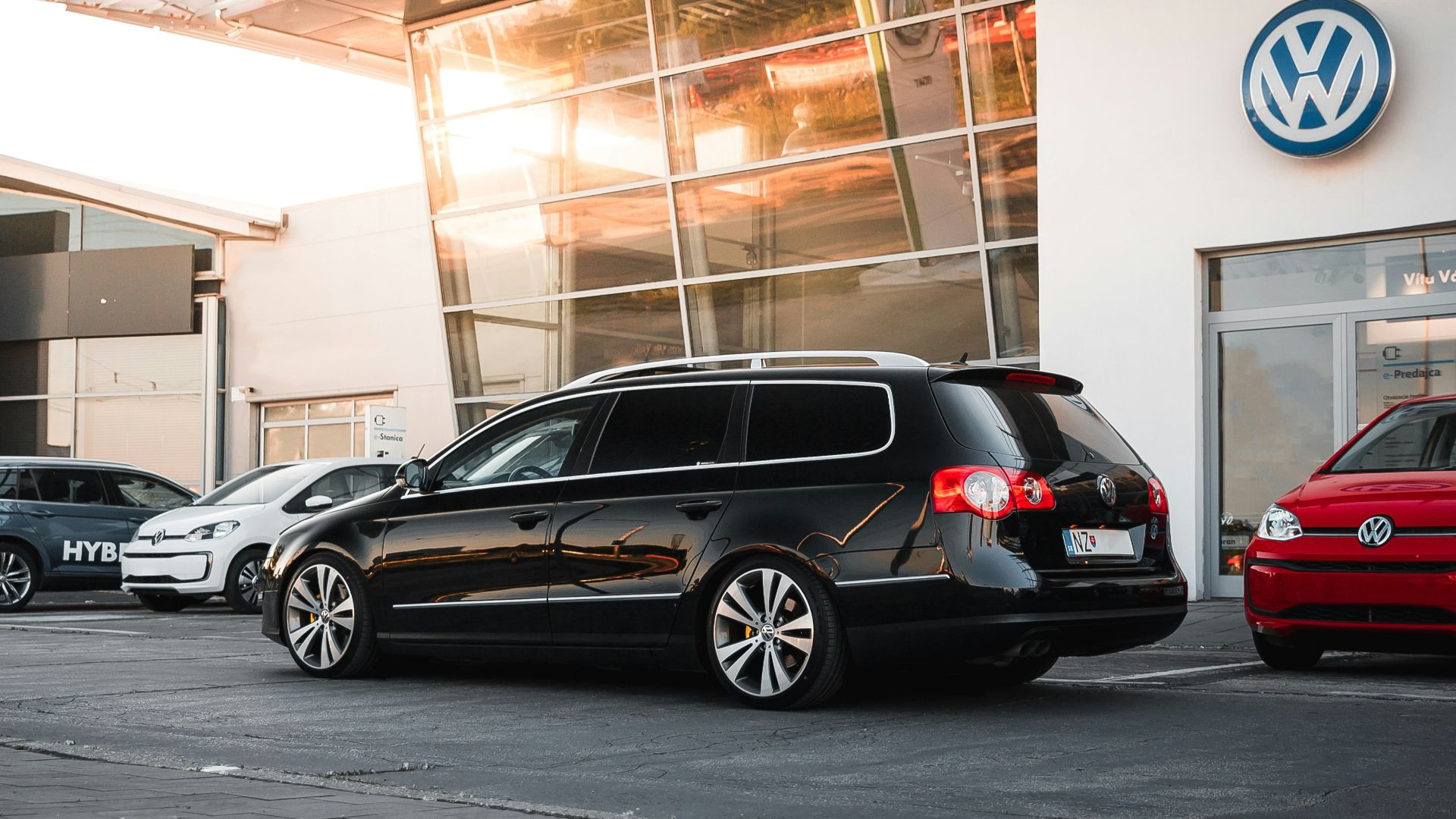
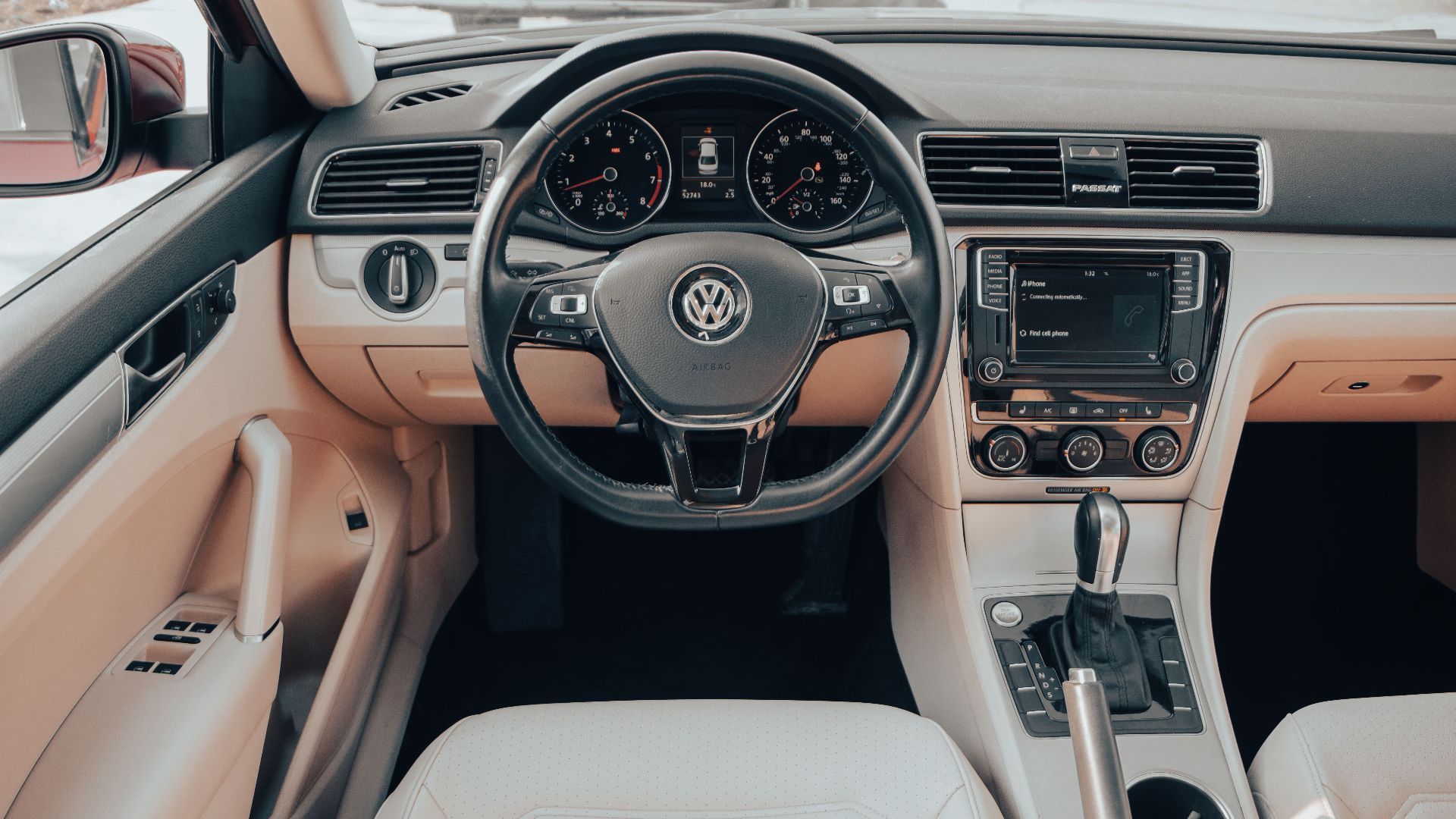
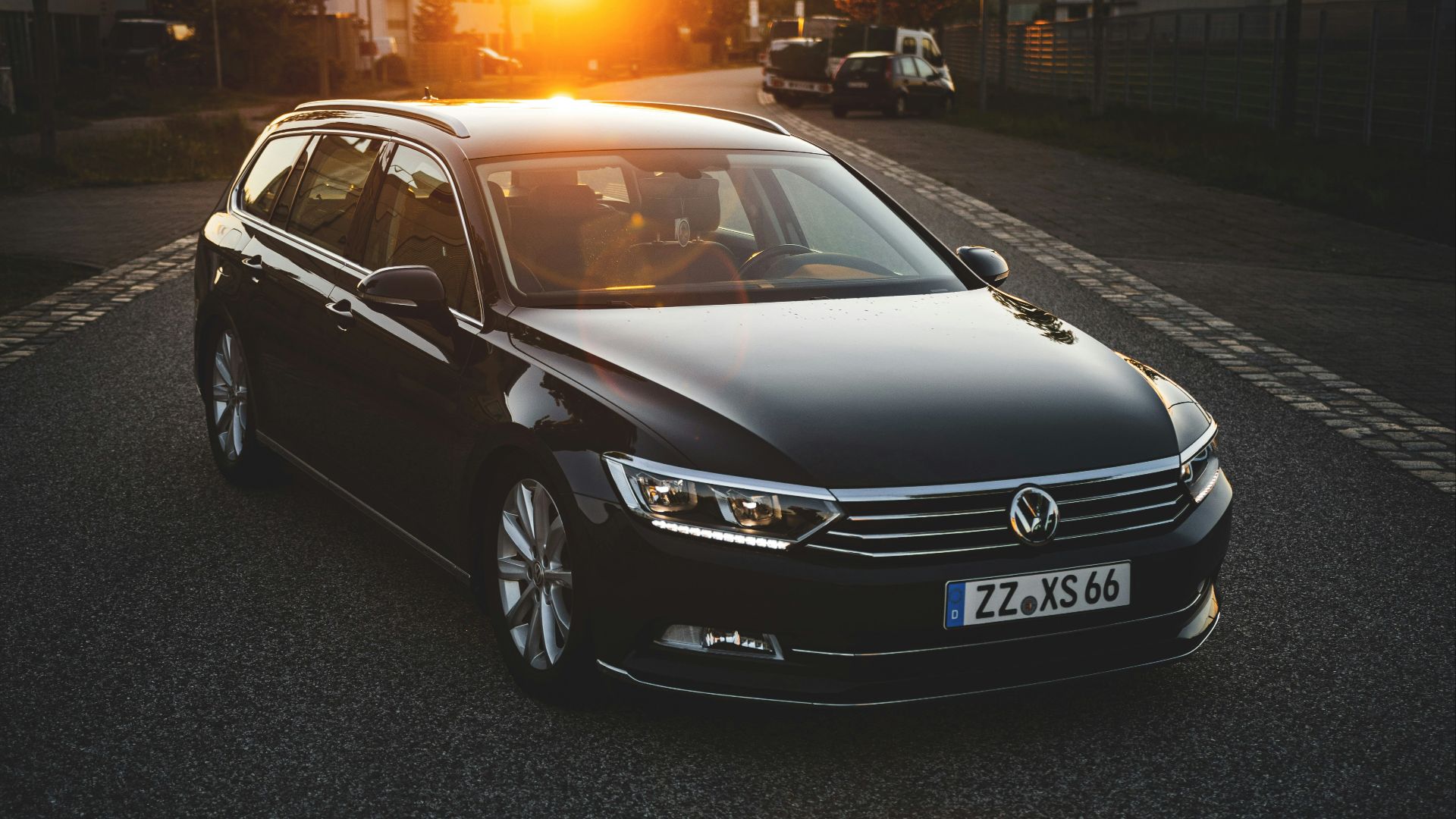
4. Volkswagen Passat Variant
The wagon version of the Passat has long been one of Volkswagen's most straightforward answers to drivers who want passenger comfort and generous luggage space together. That makes it especially effective for road trips, work equipment, strollers, and running everyday errands.
5. Volkswagen Caddy
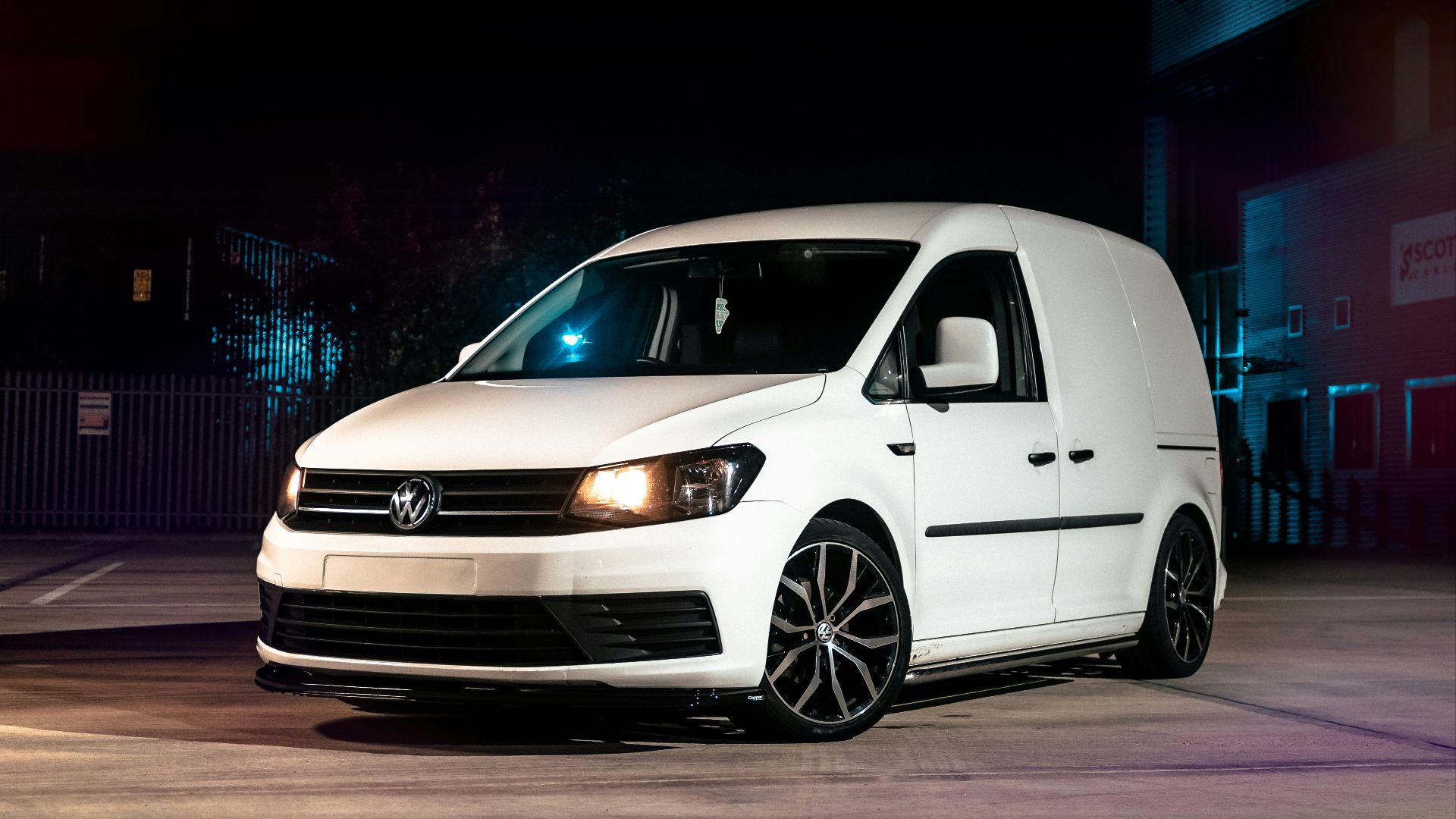
Originally developed with commercial work in mind, the Caddy eventually became just as useful as a passenger-oriented family vehicle. Its boxier dimensions create abundant interior room, while large doors and flexible seating make carrying passengers or awkward cargo relatively easy. Few Volkswagen nameplates have adapted so successfully to both business and personal use.
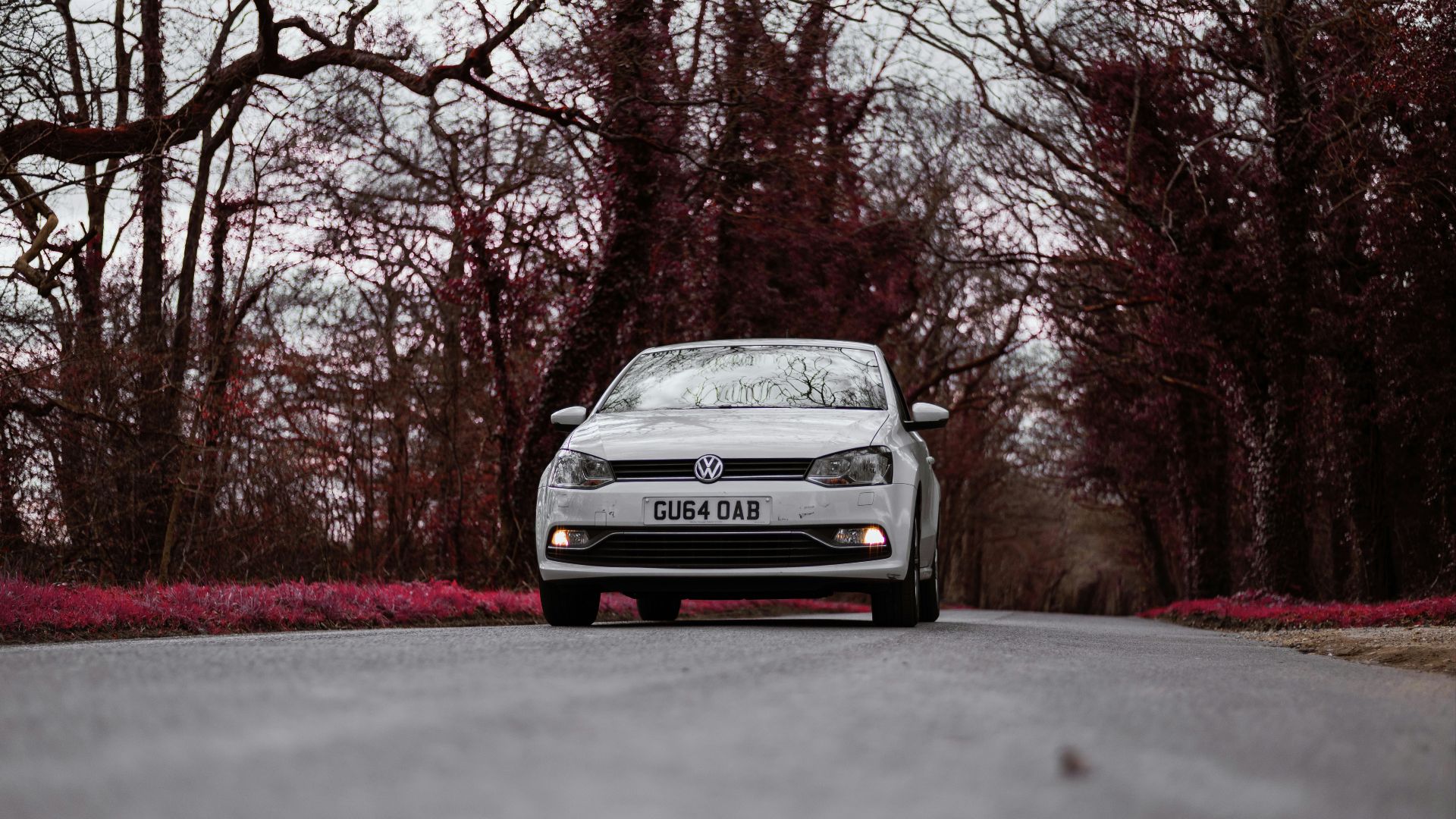
6. Volkswagen Polo
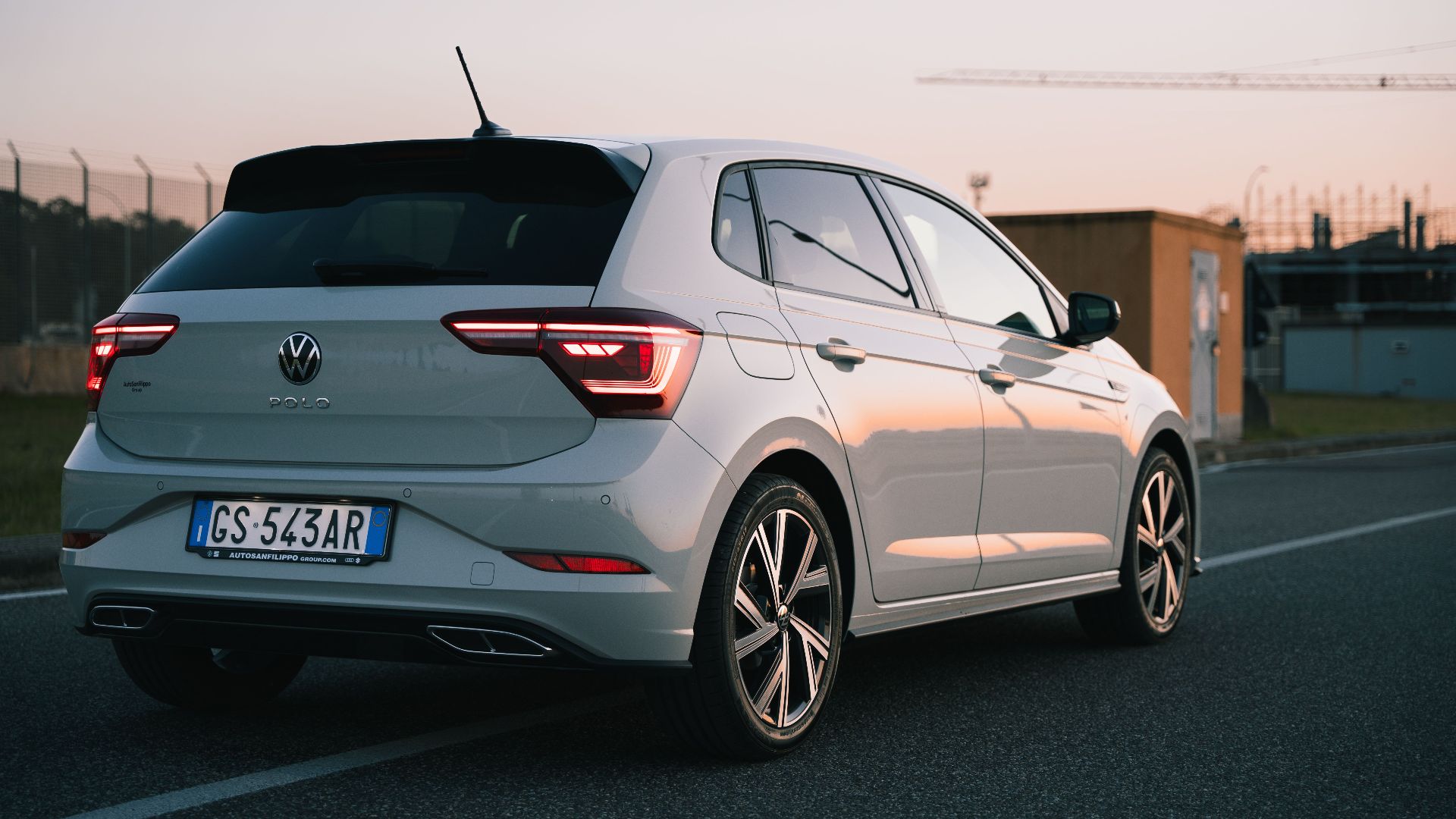
The Polo has repeatedly demonstrated that a small footprint doesn't necessarily mean an inconvenient ownership experience. Volkswagen gradually increased its interior room across generations while retaining dimensions well suited to crowded streets and tight parking spaces.
7. Volkswagen up!
At only around 3.5 meters long, the up! was created primarily for city driving, yet Volkswagen paid considerable attention to its interior packaging. Four-door versions improved passenger access, while practical features included bottle holders, storage areas, bag hooks, and an available variable cargo floor.
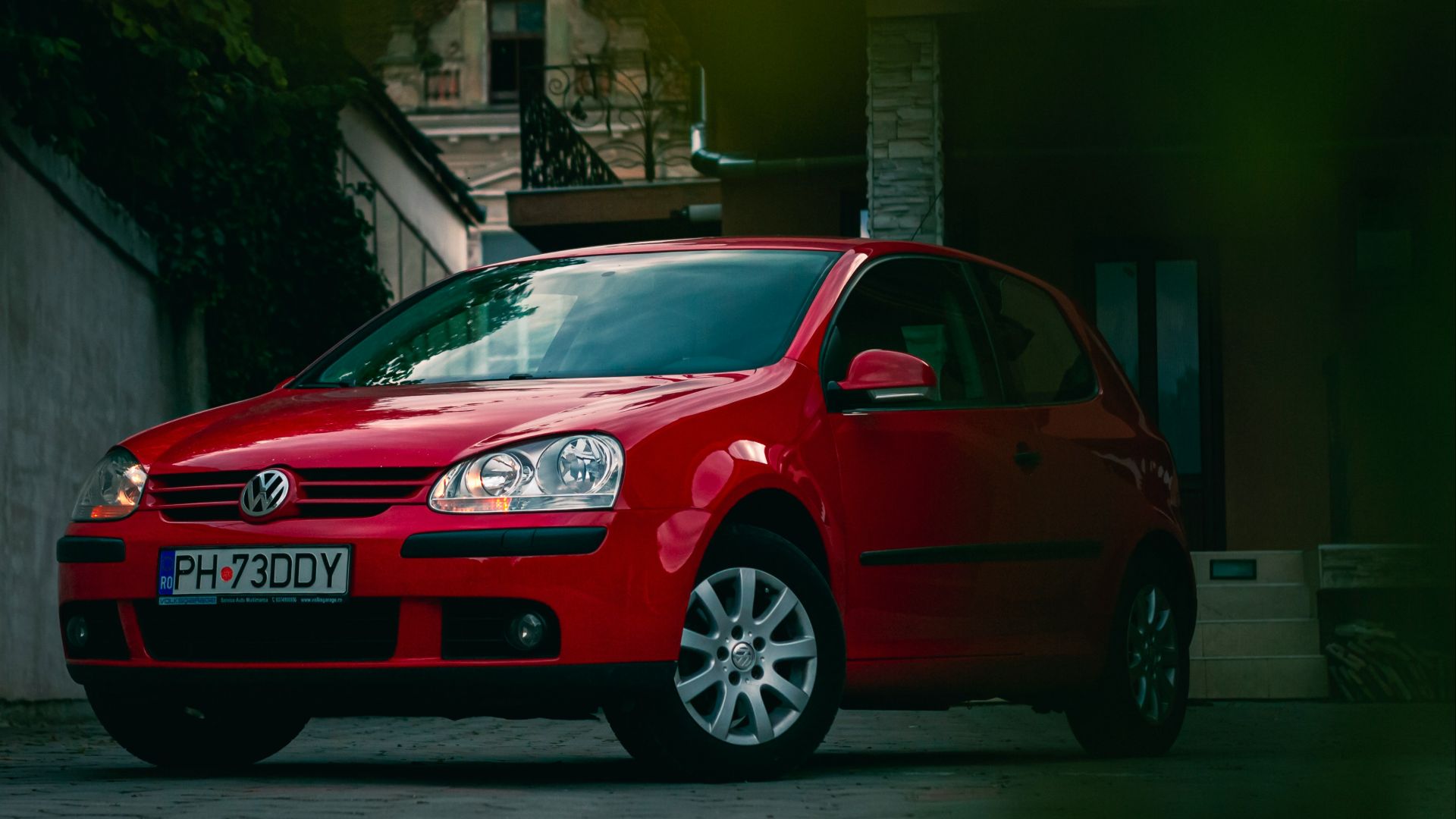
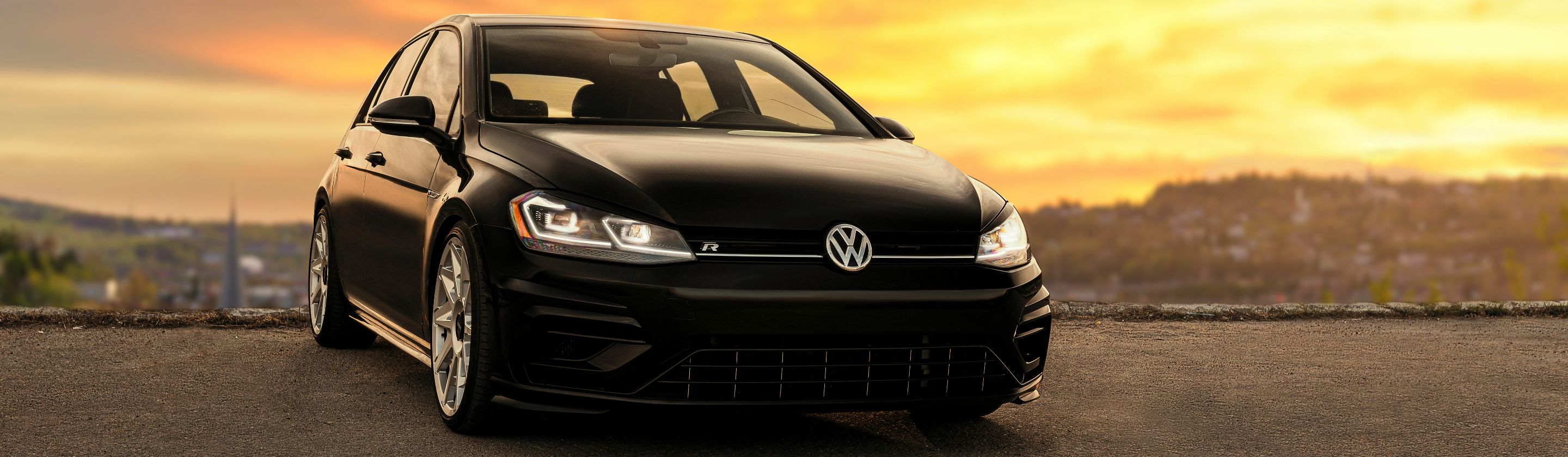
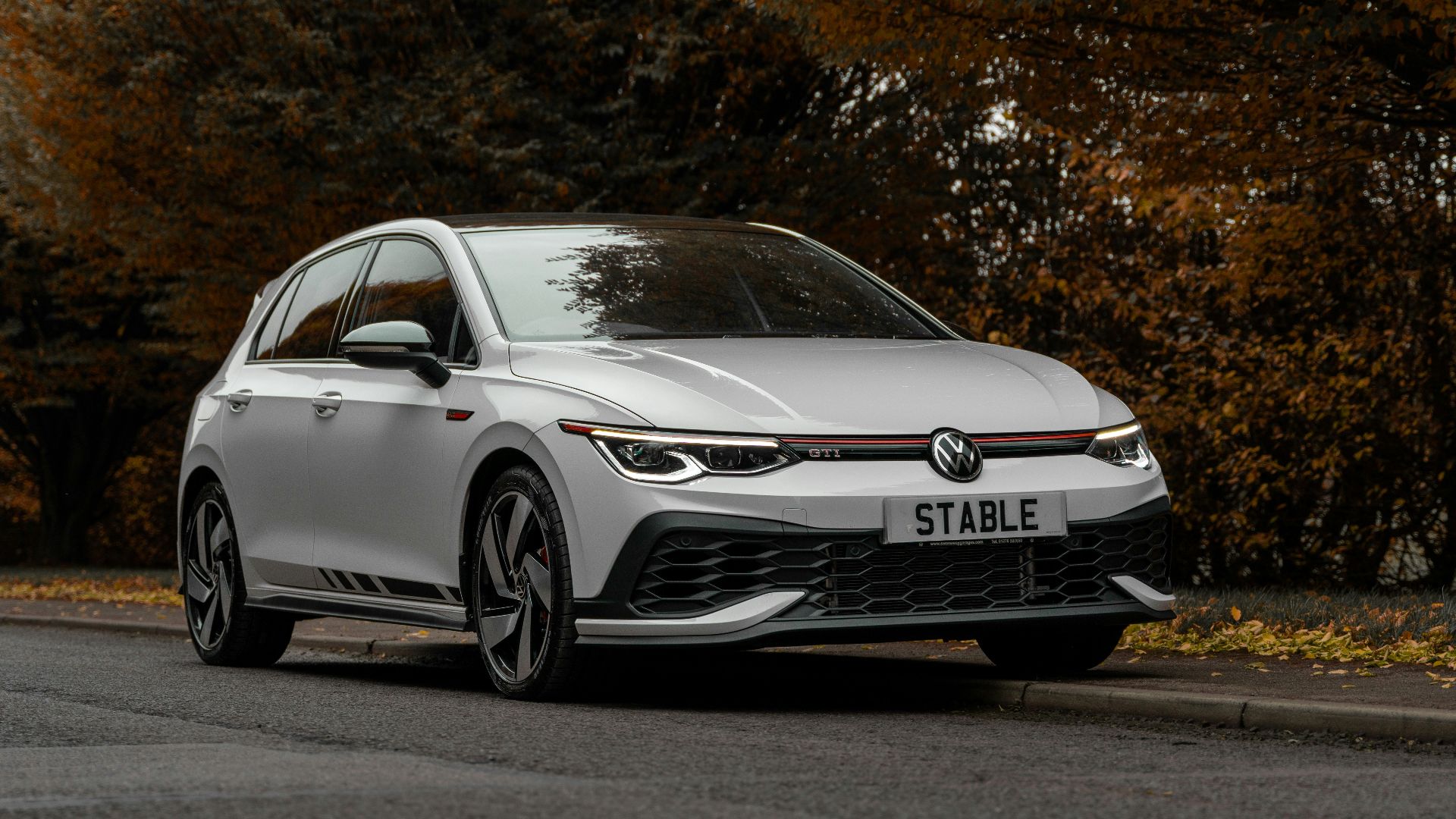
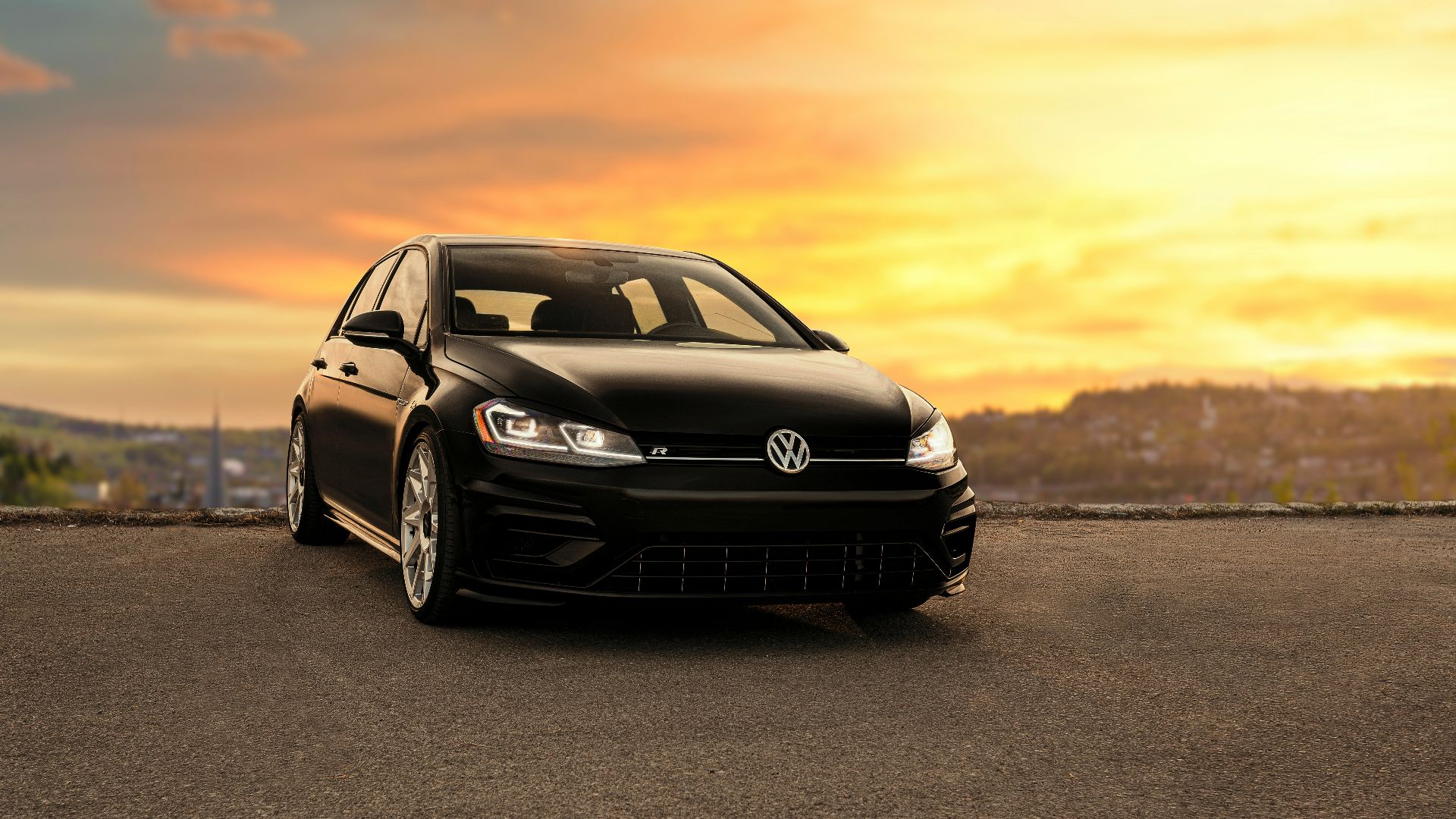
8. Volkswagen Golf
The standard Golf deserves recognition because practicality has always been central to its enduring appeal. Its hatchback body provides easier cargo access than a traditional sedan, while folding rear seats allow the luggage area to fit larger items when necessary.
 Charles Gaudreault on Unsplash
9. Volkswagen Atlas
Volkswagen developed the Atlas specifically with the needs of North American families in mind, and its proportions reflect that commitment. Buyers who genuinely use seven seats can appreciate its less compromised approach.
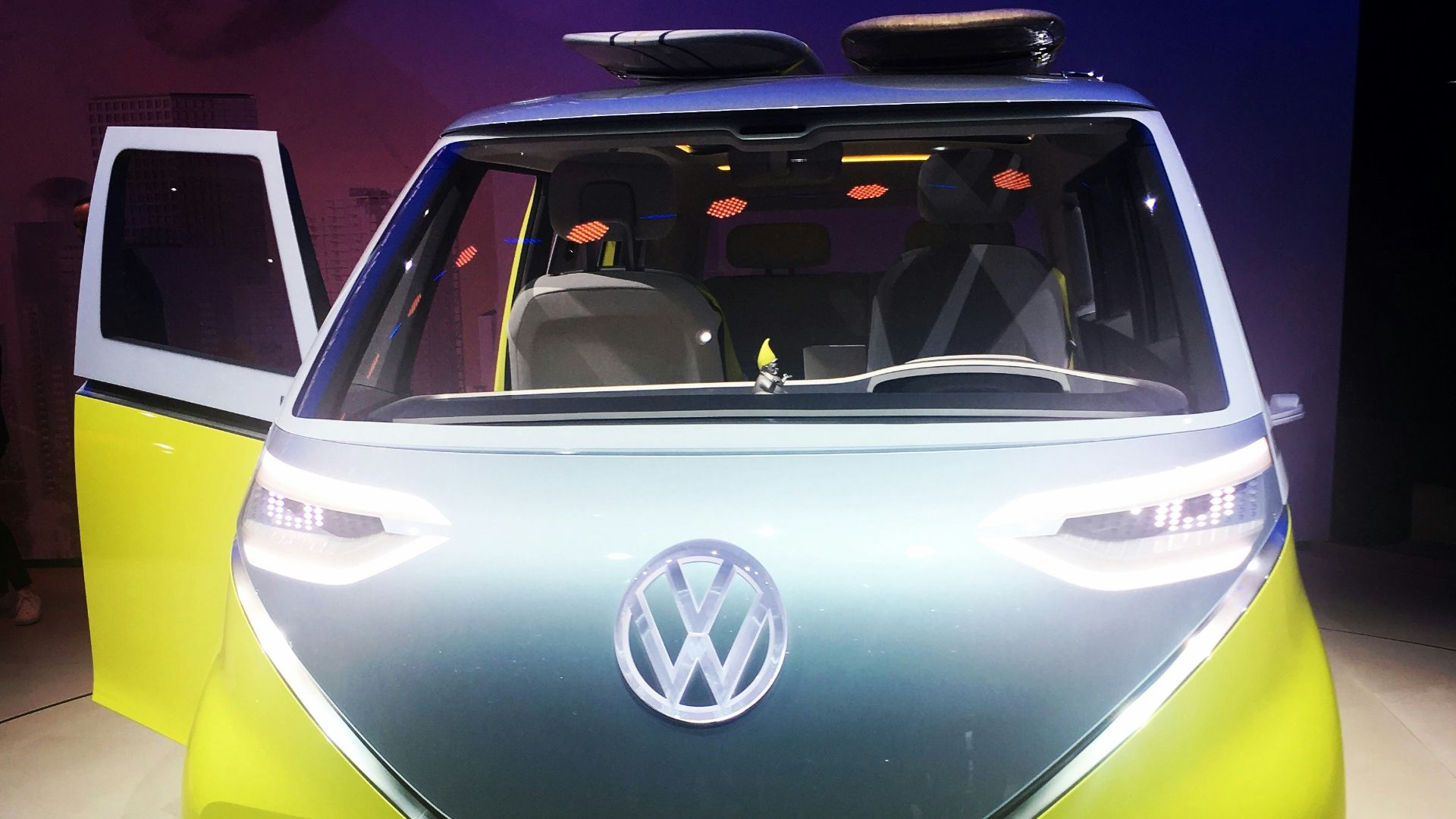
10. Volkswagen ID. Buzz
The ID. Buzz combines an electric platform with the upright proportions that make passenger vans so useful. North American versions provide seating configurations for up to seven people, giving families meaningful and reliable flexibility rather than merely SUV-inspired styling.
1. Volkswagen XL1
The XL1 was an extraordinary engineering exercise, but everyday practicality clearly wasn't its primary purpose. Its carbon-fiber construction, two-seat cabin, plug-in hybrid powertrain, and exceptionally aerodynamic body helped Volkswagen pursue extreme efficiency.
2. Volkswagen Phaeton
Volkswagen's Phaeton delivered remarkable technology, craftsmanship, and luxury, yet its fundamental concept was difficult to reconcile with the brand's mainstream identity. Measuring more than five meters long, it wasn't convenient in confined urban environments.
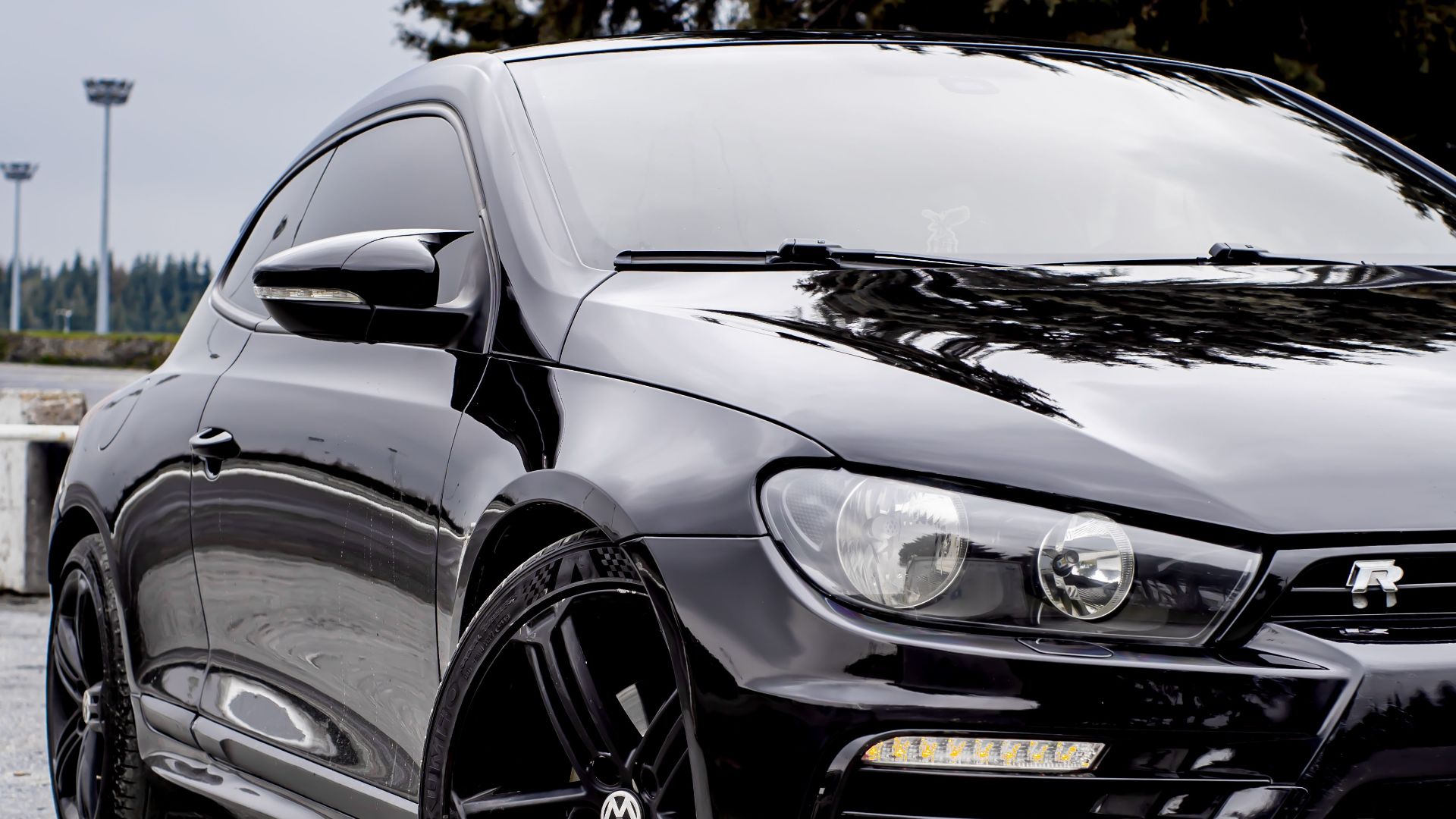
3. Volkswagen Scirocco
The Scirocco's low roofline and three-door coupe layout made considerably more sense for drivers more intrigued by style and sporty character than maximum convenience. Accessing the rear seats wasn't as straightforward as it was in a conventional Golf.
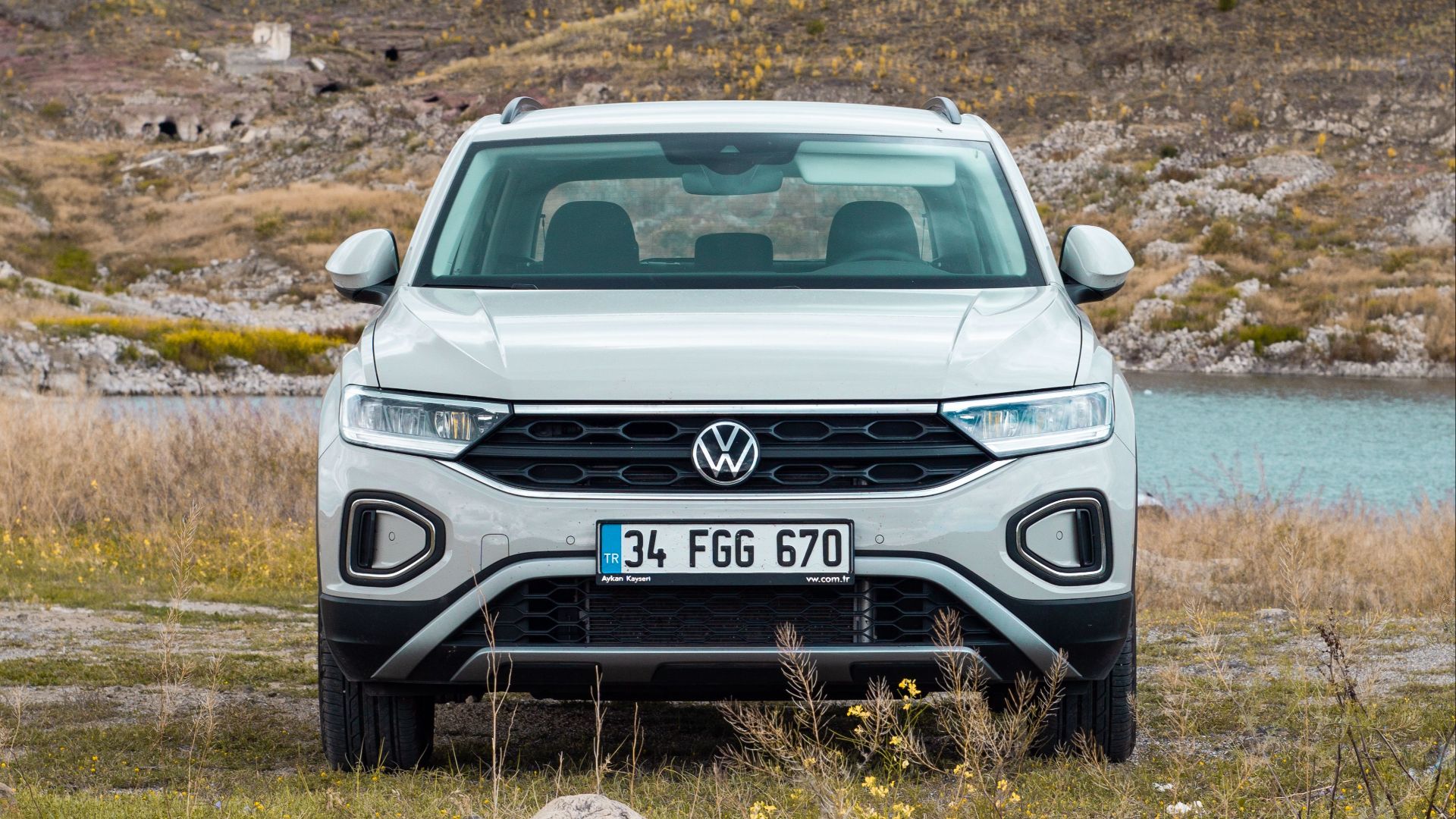
4. Volkswagen T-Roc Cabriolet
Turning a compact crossover into a two-door, four-seat convertible inevitably removed some of the practicality buyers usually associate with SUVs. The T-Roc Cabriolet offers a 284-liter luggage compartment, but its fixed-roof sibling provides a more conventional everyday package.
5. Volkswagen Eos
The Eos tried to combine coupe refinement with convertible enjoyment through an elaborate folding hardtop arrangement. It seated four, but storing the multi-piece roof inevitably consumed much-needed space at the rear when lowered.
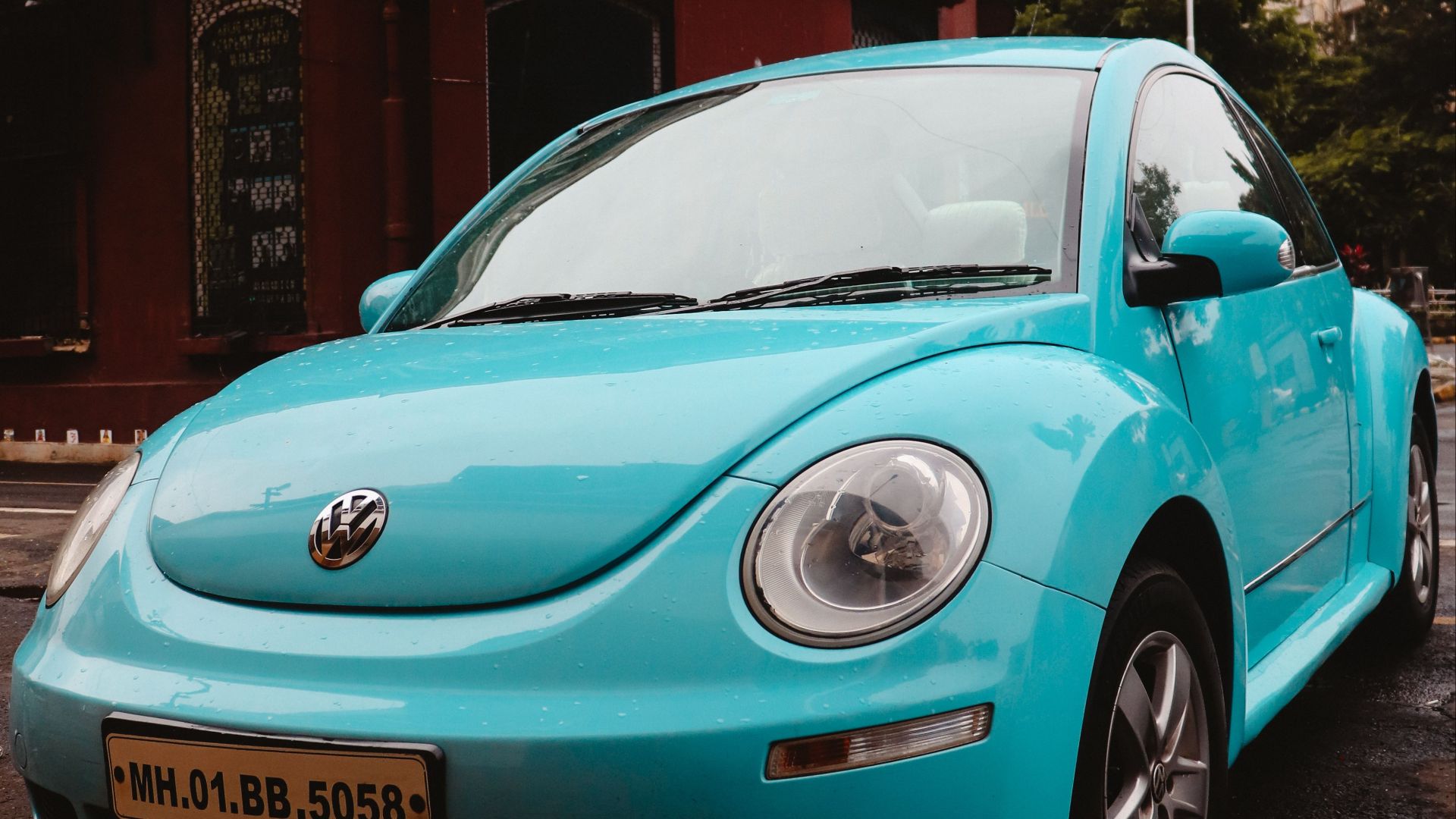
6. Volkswagen New Beetle
The New Beetle's distinctive rounded styling was fundamental to its appeal, but those nostalgic proportions weren't designed around maximizing cabin efficiency. Its dramatic roofline and body shape meant buyers accepted packaging compromises that a Golf avoided while serving a similar market.
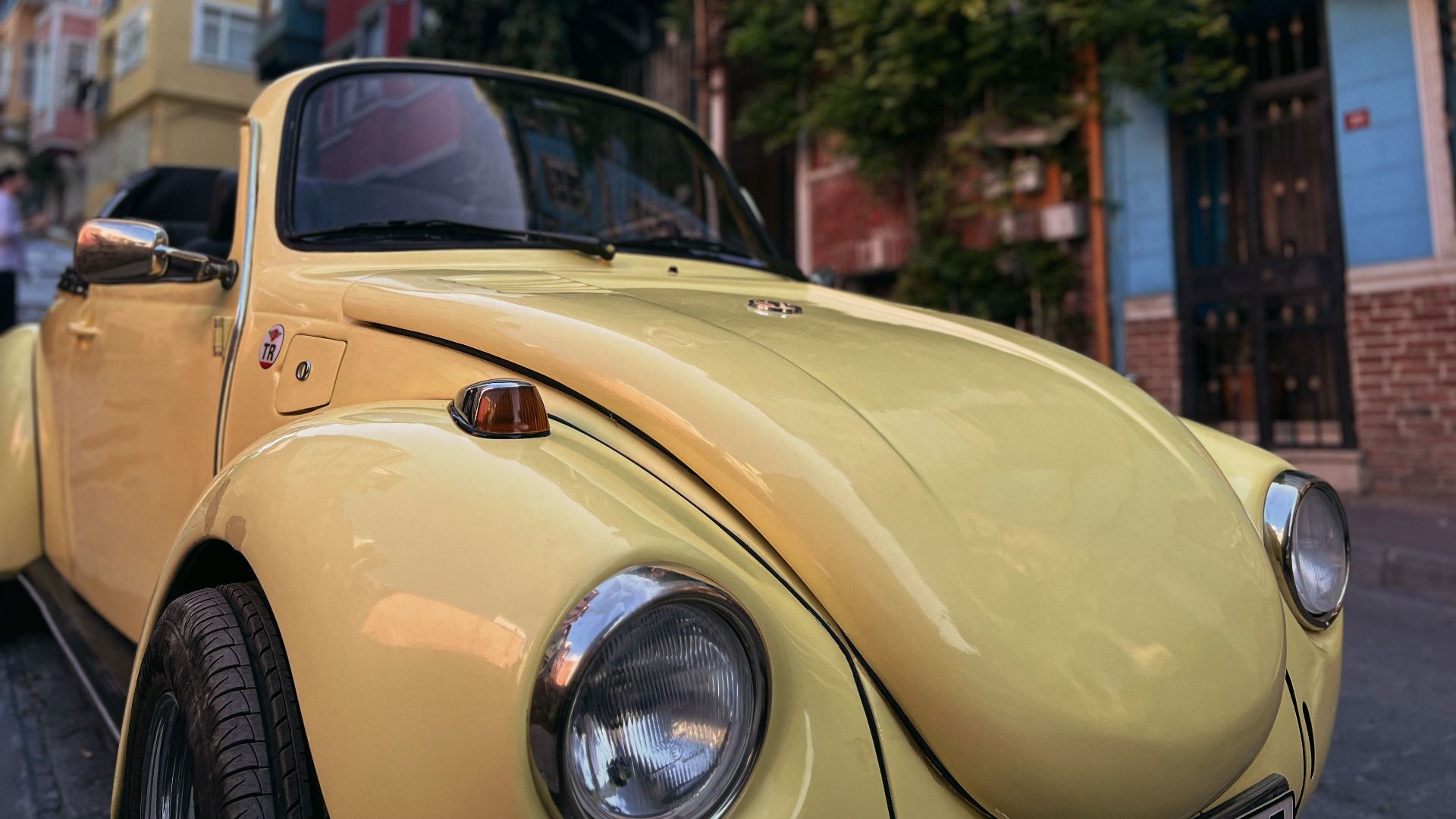
7. Volkswagen Beetle Cabriolet
Removing the Beetle's fixed roof made an already style-led car even less focused on usefulness. The later Beetle Cabriolet improved upon its predecessor with a stunning 225-liter trunk and folding rear backrests, yet four-seat convertible packaging still imposed obvious limitations.
 Mehmet Turgut Kirkgoz on Pexels
8. Volkswagen Passat CC
The original Passat CC deliberately traded some of the regular Passat's practicality for sleeker four-door coupe proportions. Its lower, more dramatic roofline helped set it apart visually, but it also made the conventional Passat sedan and Variant look more sensible for families.
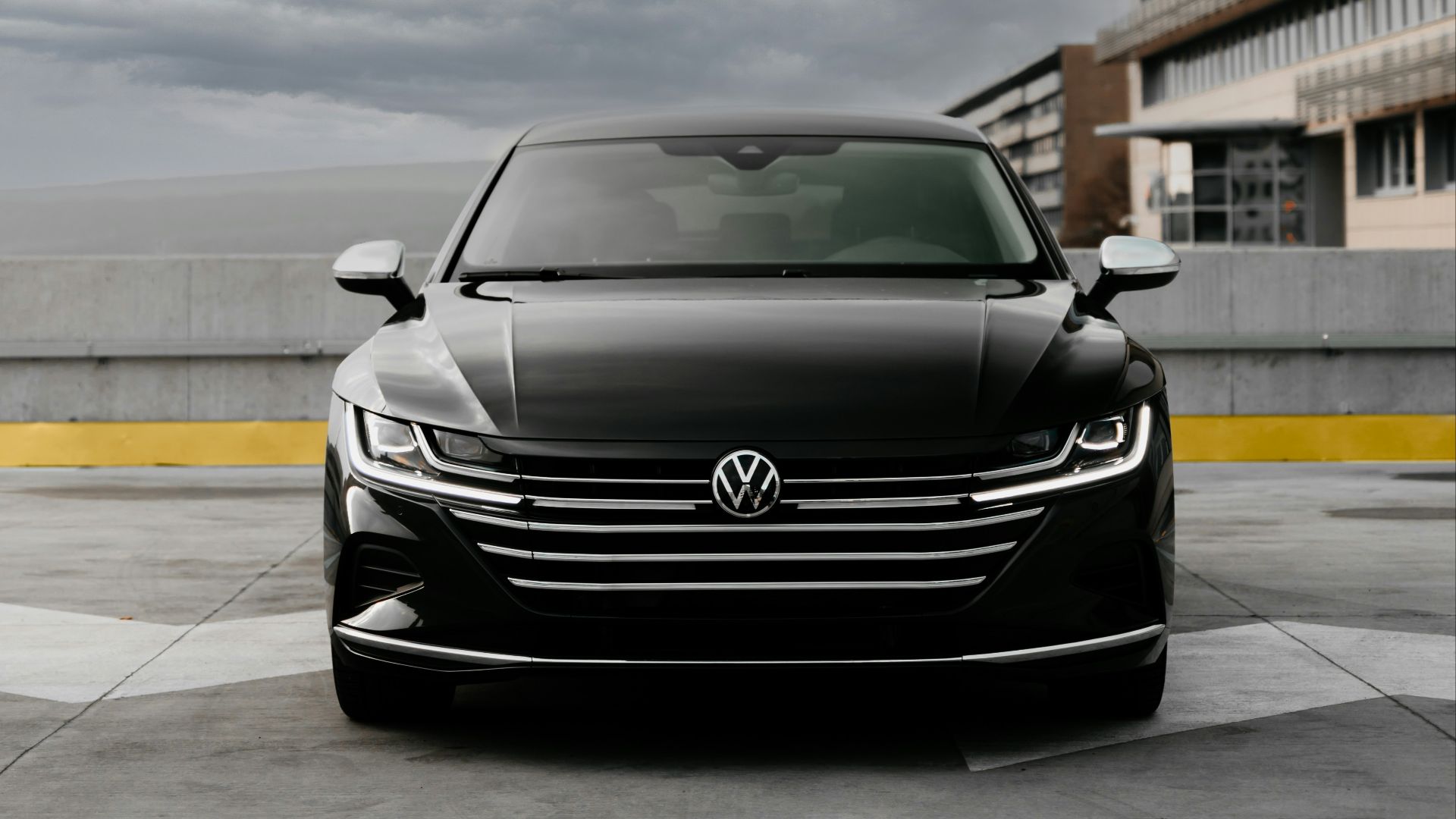
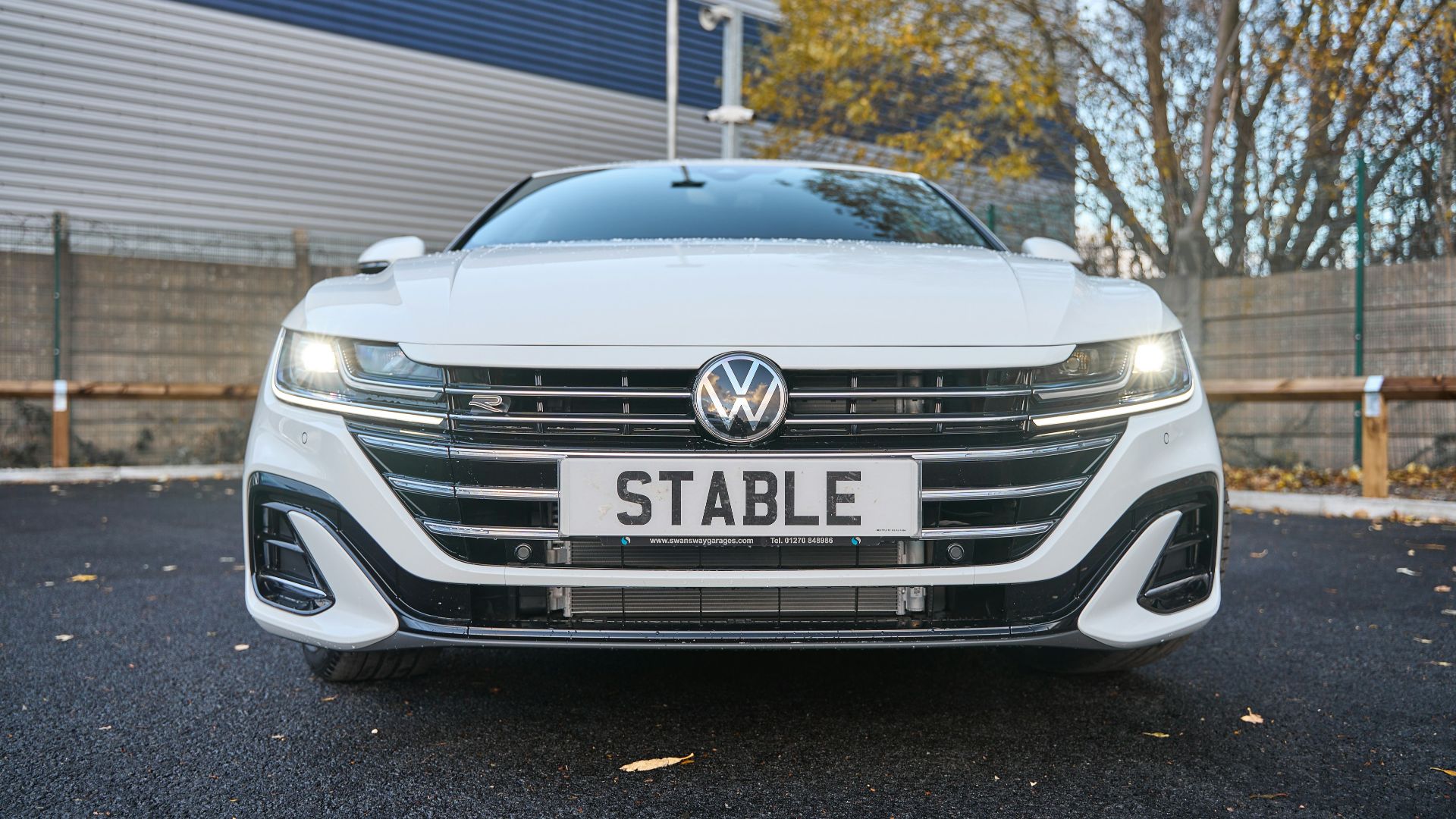
9. Volkswagen Arteon
As the eventual successor to the CC, the Arteon continued Volkswagen's attempt to combine premium presentation with more dramatic bodywork. Its fastback design delivered useful luggage space, so it certainly wasn't impractical.
10. Volkswagen Lupo 3L
The specialized Lupo 3L was engineered around exceptionally low fuel consumption, with weight-saving measures and efficiency taking high priority. It achieved its efficiency objective impressively, but versatility wasn't part of the bargain.