Grudges With a Production Line
Some cars get built because a company sees a gap in the market. Others get built because an executive got insulted at dinner and decided the fastest way to get even was through a production line. The auto industry has a long history of grudges turning into actual machines, cars engineered with one specific rival in mind rather than the market in general. Here's 20 cars designed to embarrass a rival.
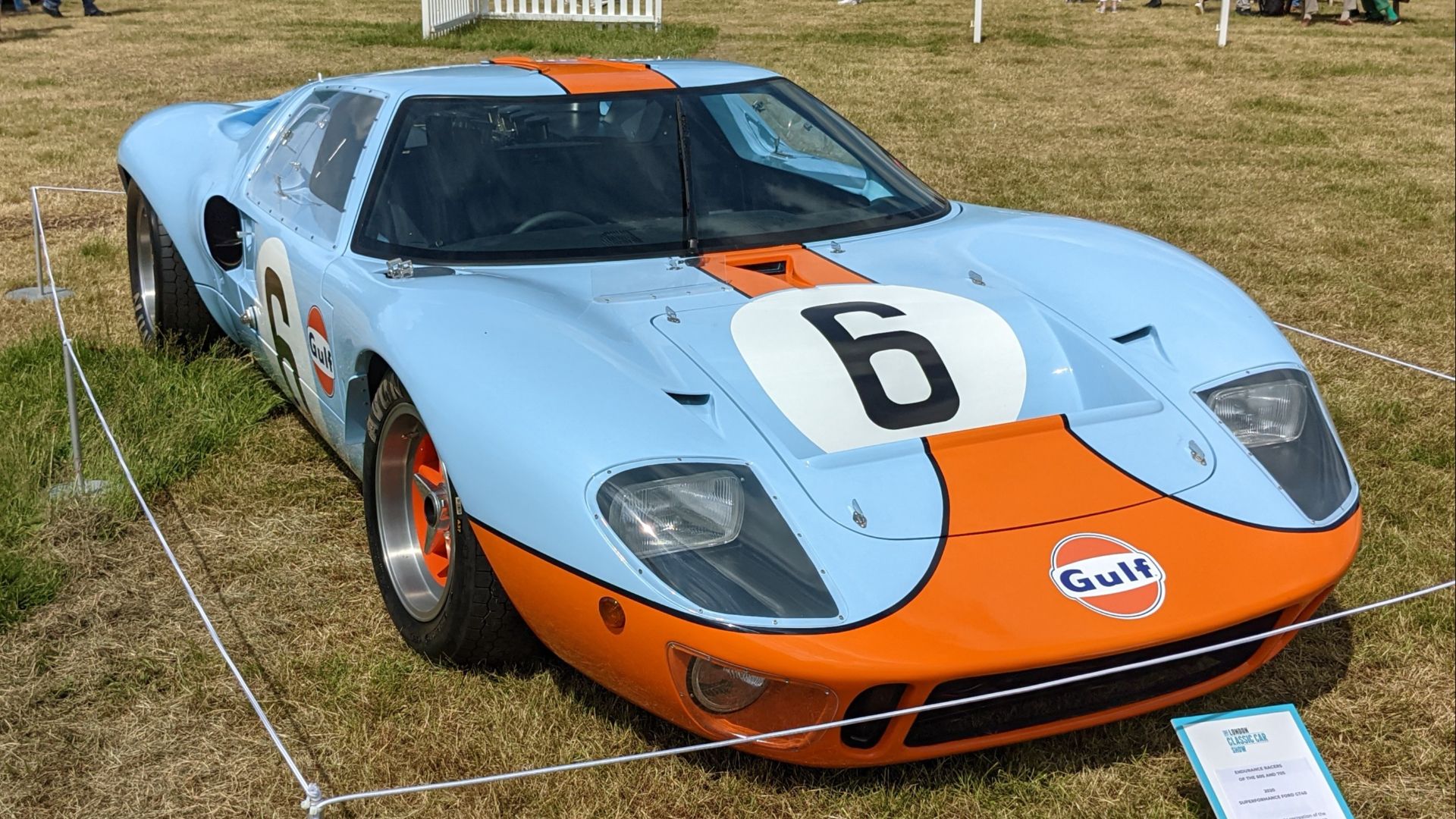
1. Ford GT40
Henry Ford II tried to buy Ferrari outright in 1963, and when Enzo Ferrari pulled out of the deal at the last minute, Ford redirected the money into building a car specifically to beat Ferrari at Le Mans. The GT40 finished the job in 1966, sweeping the podium at Le Mans and ending Ferrari's six-year winning streak at the race.
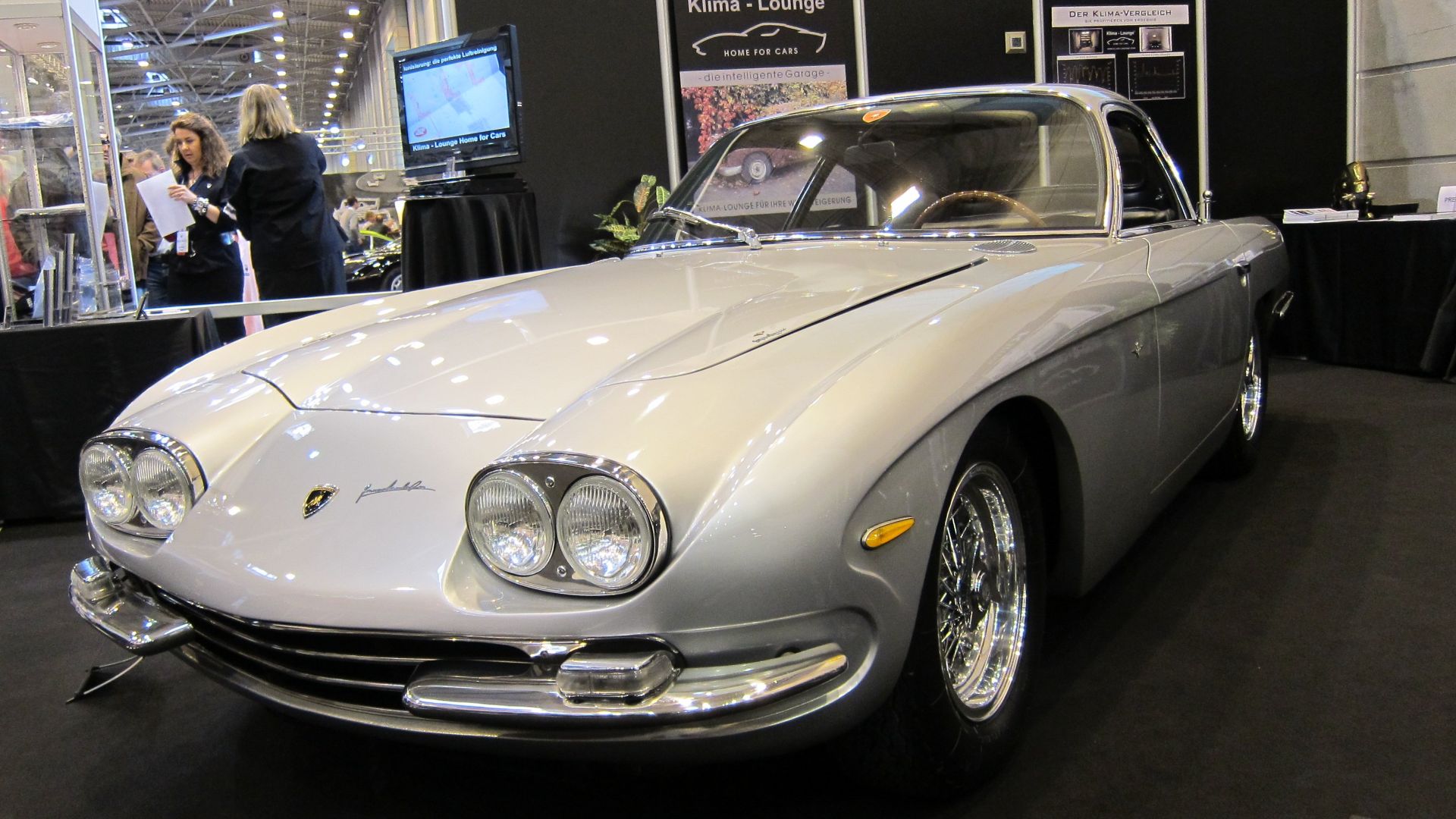
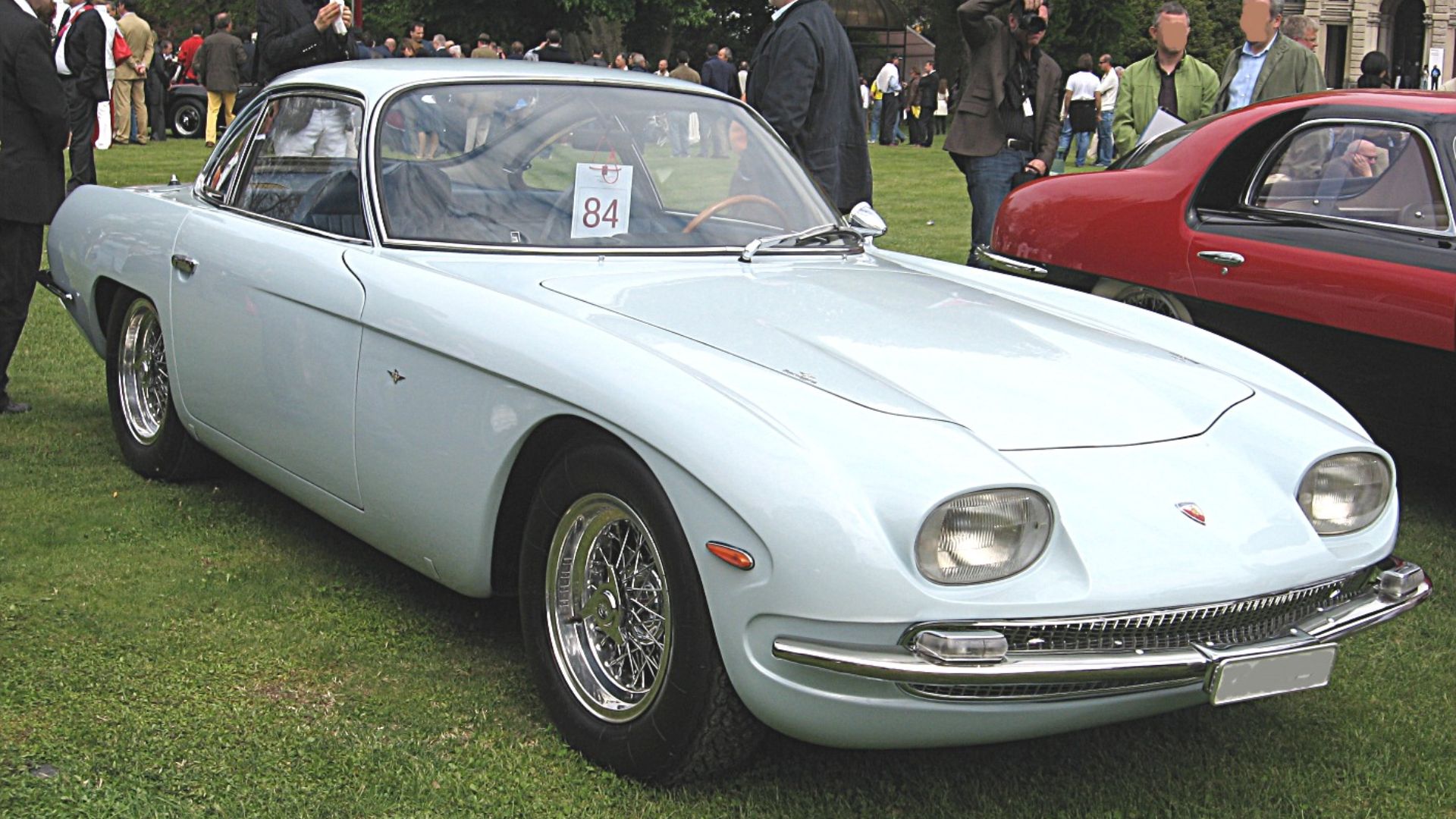
2. Lamborghini 350 GT
Ferruccio Lamborghini reportedly complained to Enzo Ferrari about a clutch issue on his own Ferrari and got dismissed for his trouble, so he decided to build a better GT car himself. The Lamborghini 350 GT arrived in 1964 as a direct answer to Ferrari's lineup, and the rivalry between the two brands never really cooled off after that.
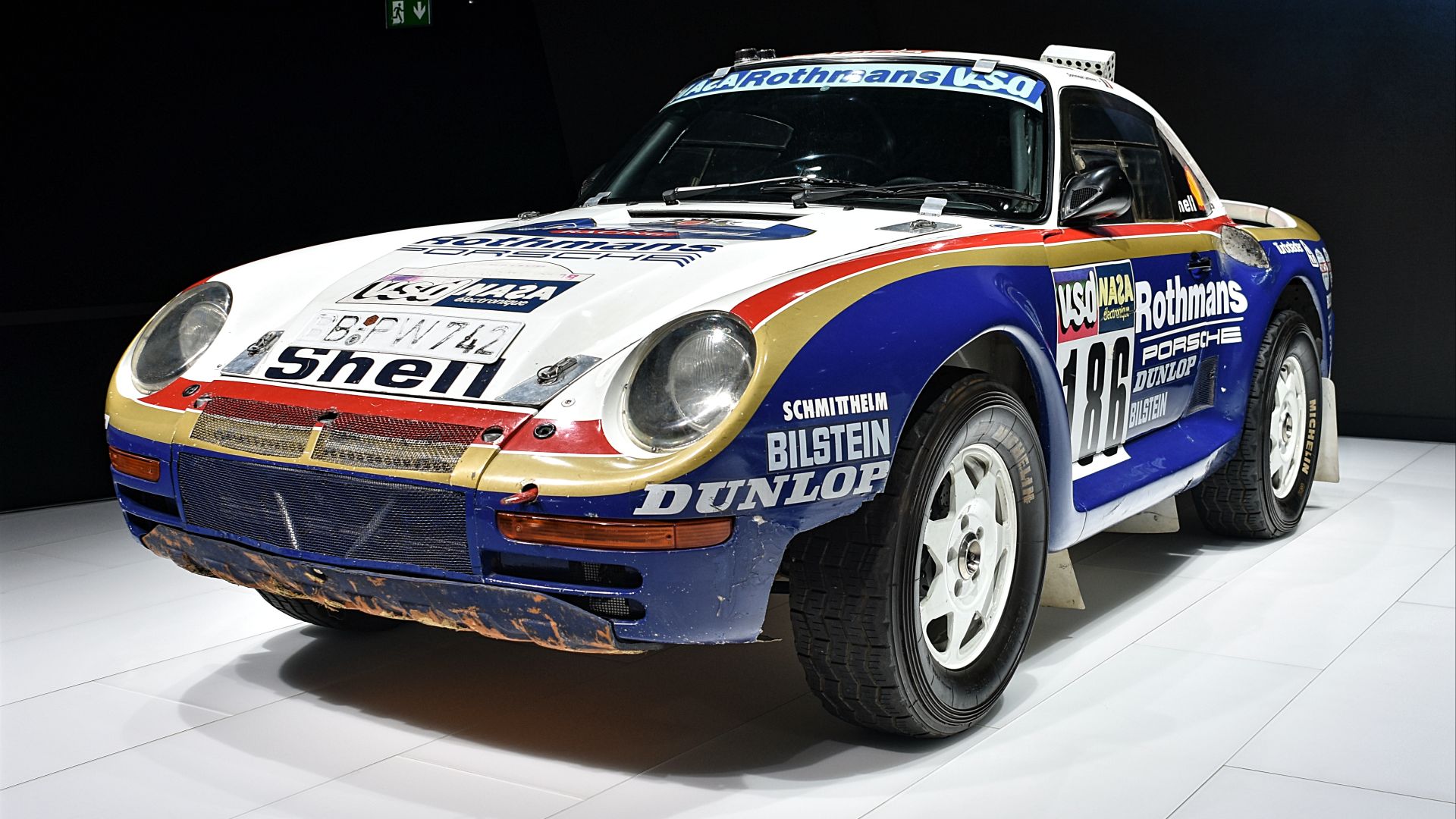
3. Porsche 959
Porsche built the 959 in the mid-1980s to dominate Group B rally racing and to put its road-going technology ahead of anything Ferrari had on offer at the time. It became one of the first cars with adjustable all-wheel drive, embarrassing rivals who were still relying on simpler engineering.
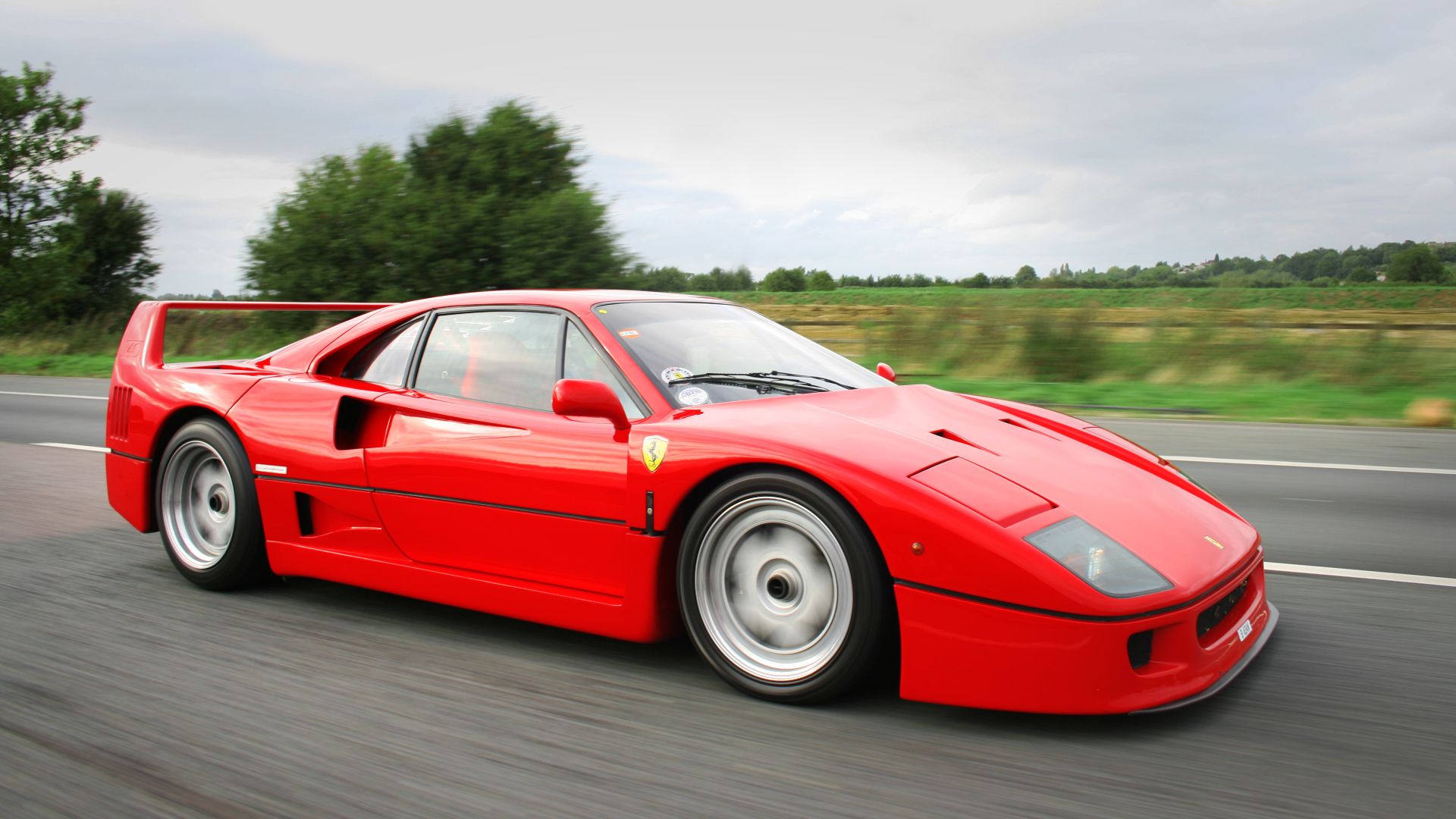
4. Ferrari F40
Enzo Ferrari personally commissioned the F40 as his final project, largely as a direct response to Porsche's 959 taking the title of the world's fastest and most advanced road car. It arrived in 1987 as the first production car to break 200 miles per hour, putting the crown back where Ferrari felt it belonged.
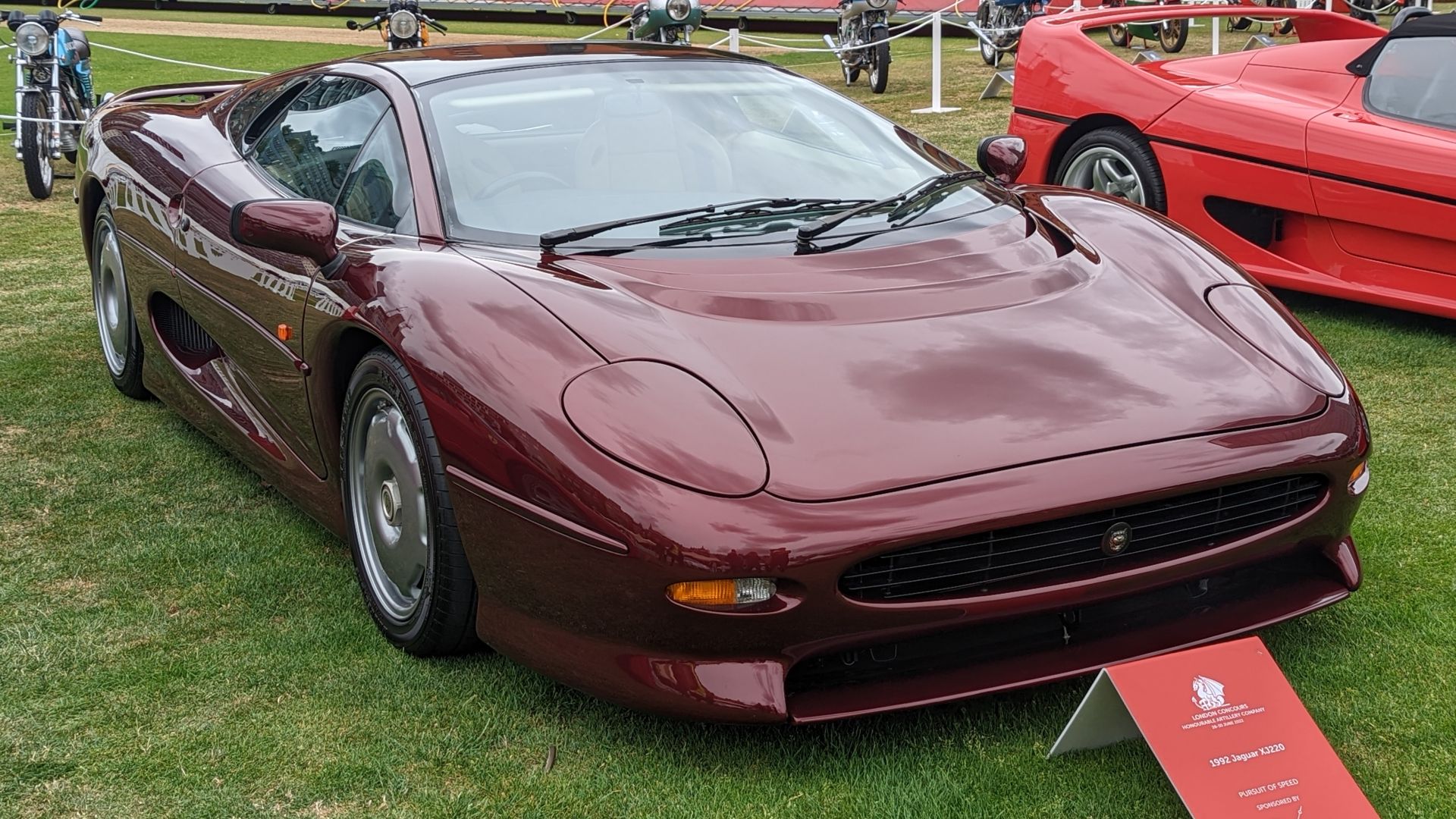
5. Jaguar XJ220
Jaguar built the XJ220 to reclaim the title of the world's fastest production car, a crown that kept bouncing between manufacturers through the late 1980s. It briefly held the record at over 210 miles per hour in 1992, though the win didn't last long once other manufacturers responded.
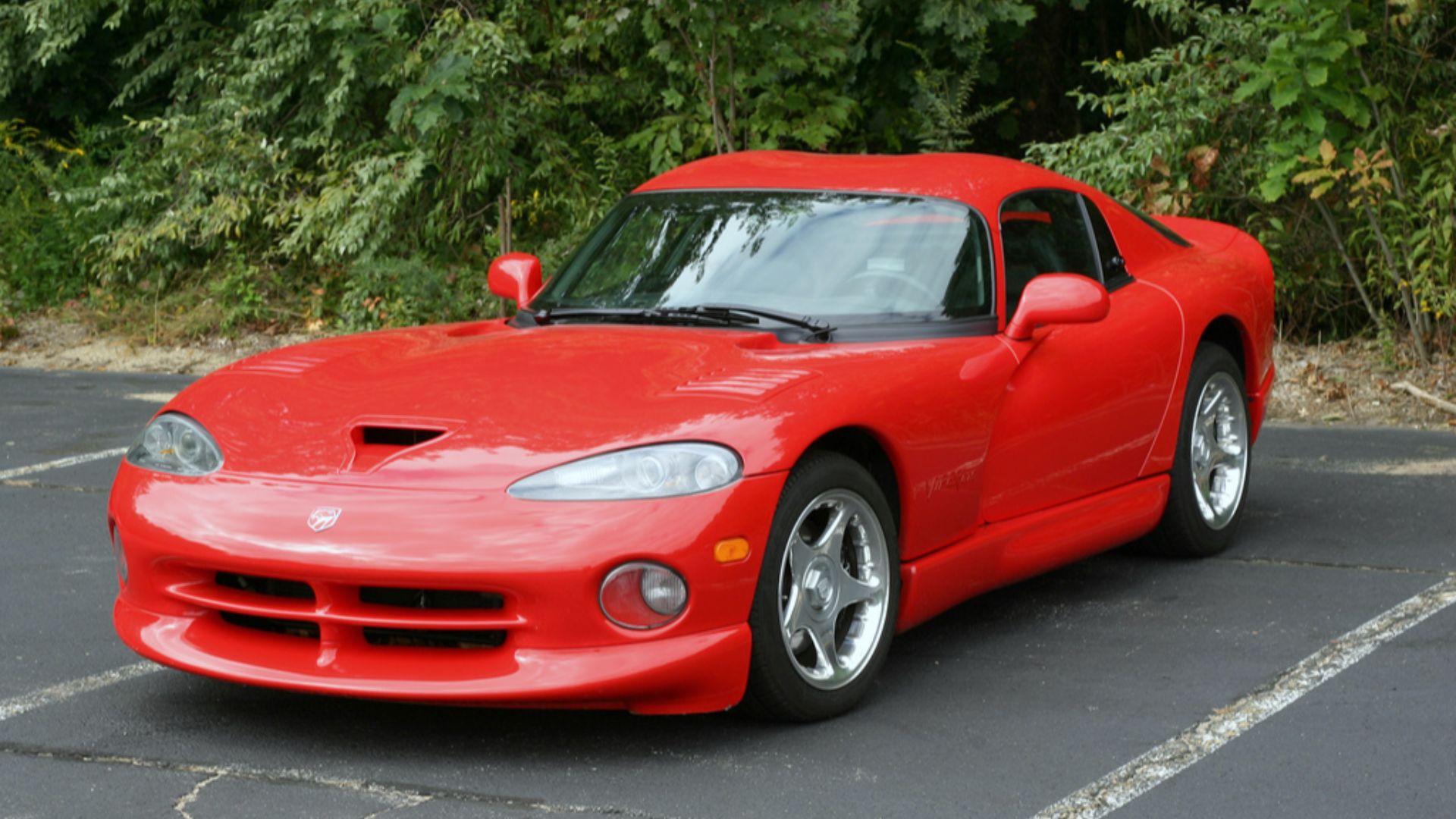
6. Dodge Viper
Dodge built the Viper in the early 1990s as a modern successor to the Shelby Cobra, with the explicit goal of out-muscling the Chevrolet Corvette on raw power and attitude. It arrived with a massive V10 engine and almost no driver aids, making the Corvette look tame by comparison.
 The original uploader was NineKnuckles at English Wikipedia. on Wikimedia
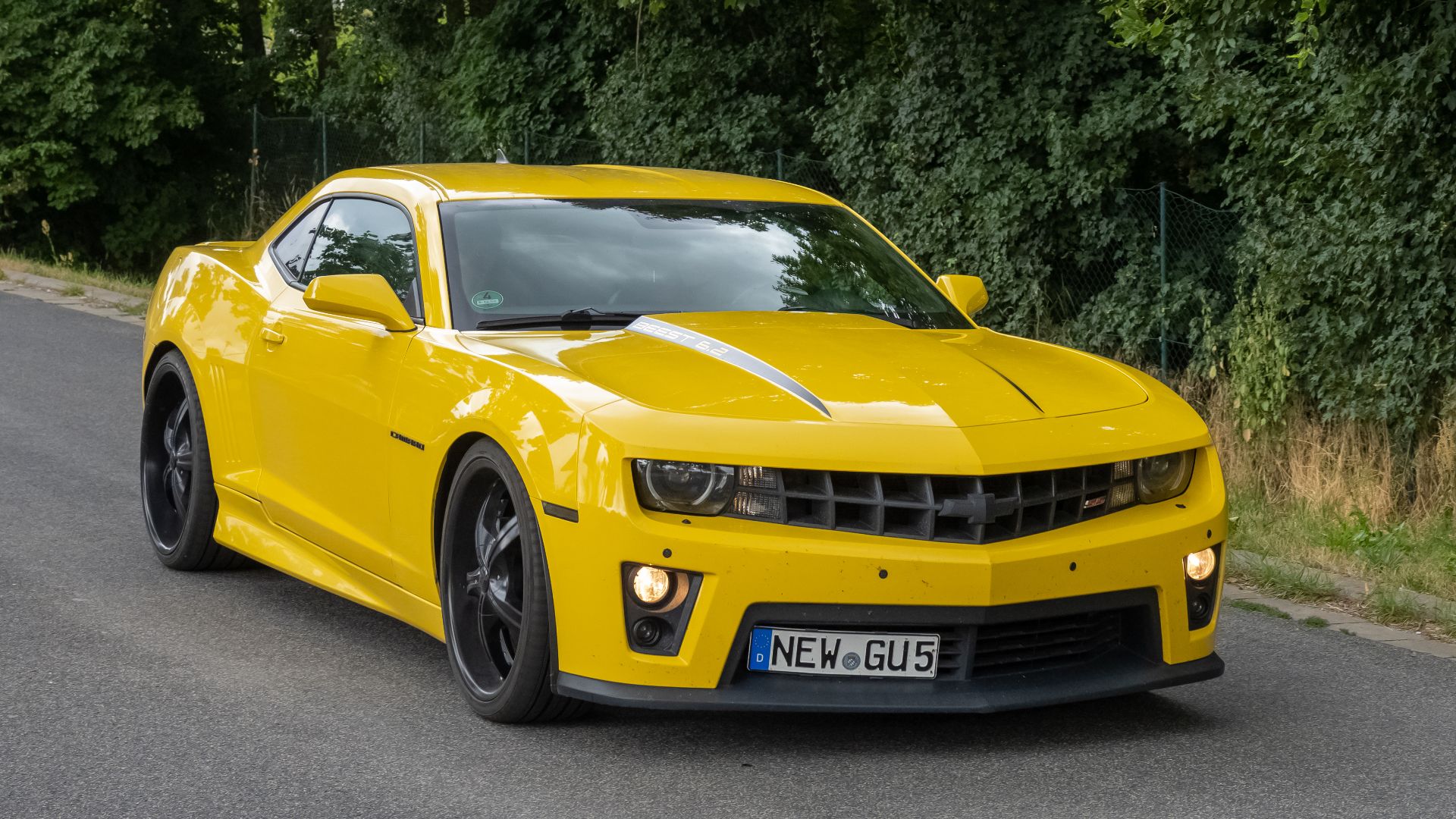
7. Chevrolet Camaro
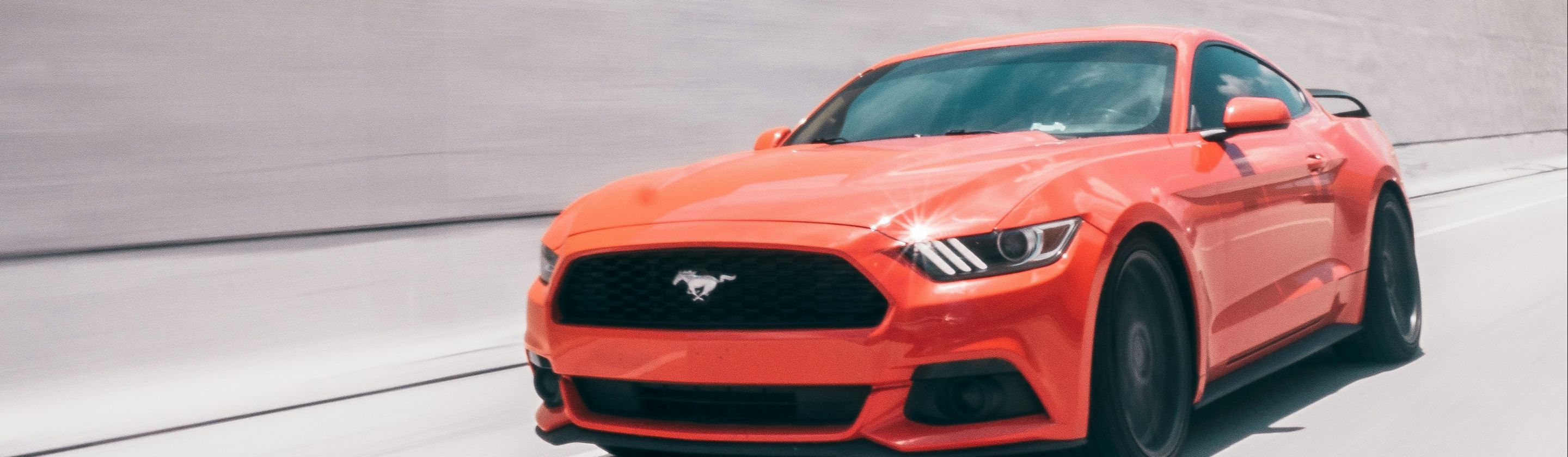
General Motors rushed the Camaro into production after Ford's Mustang became an unexpected sales phenomenon in 1964, giving Chevrolet just over two years to respond. The Camaro launched in 1967 built specifically to compete for the same buyers the Mustang had already claimed.
8. Plymouth Superbird
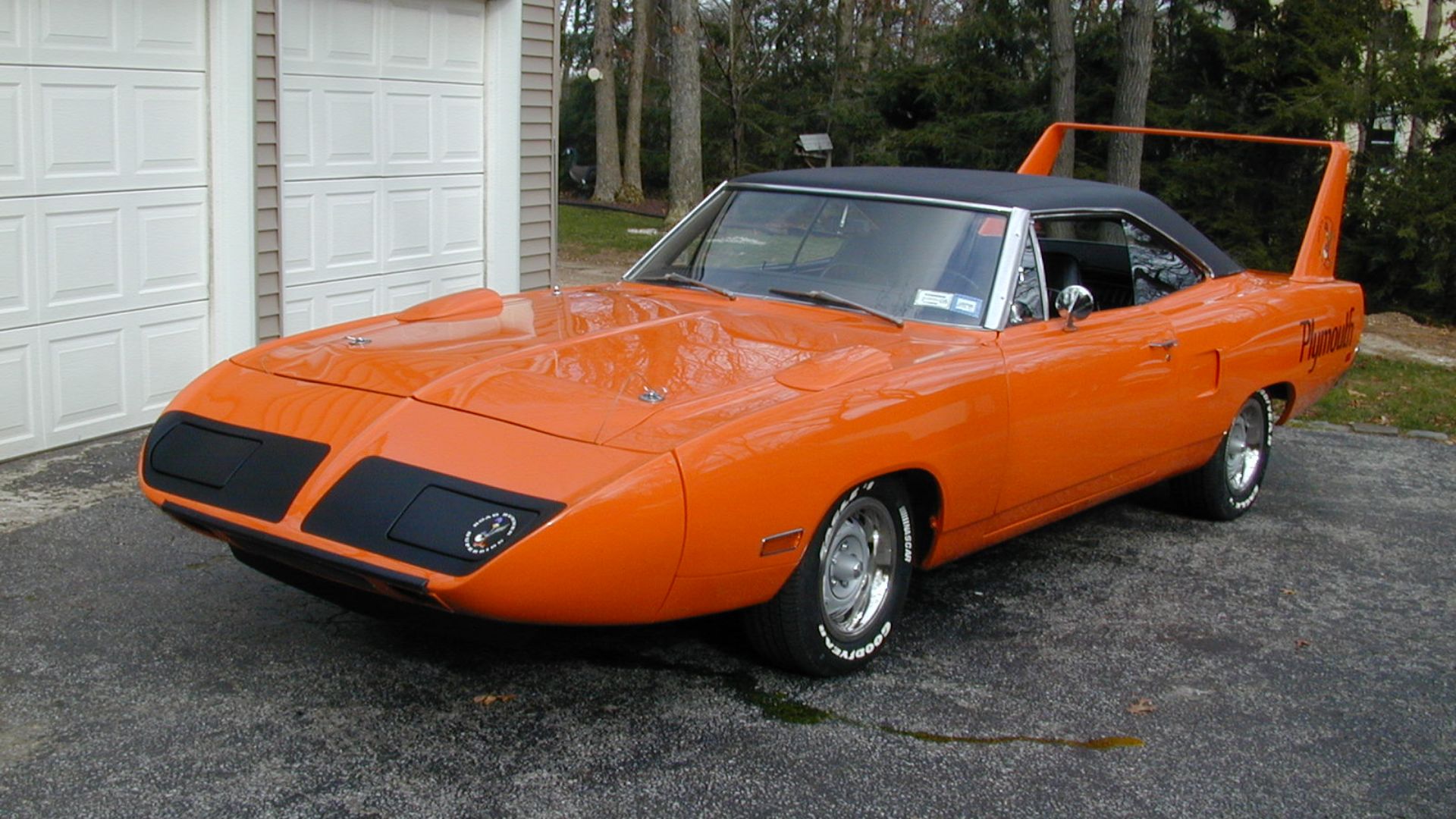
Plymouth built the Superbird in 1970 with a towering rear wing and an aerodynamic nose cone specifically to beat Ford and Mercury's aero cars in NASCAR and lure driver Richard Petty back to the brand. The car dominated on the track, but it looked strange enough on the street that Plymouth reportedly struggled to sell off the leftover units.
 Ferrari 4 ever at Italian Wikipedia on Wikimedia
9. Datsun 240Z
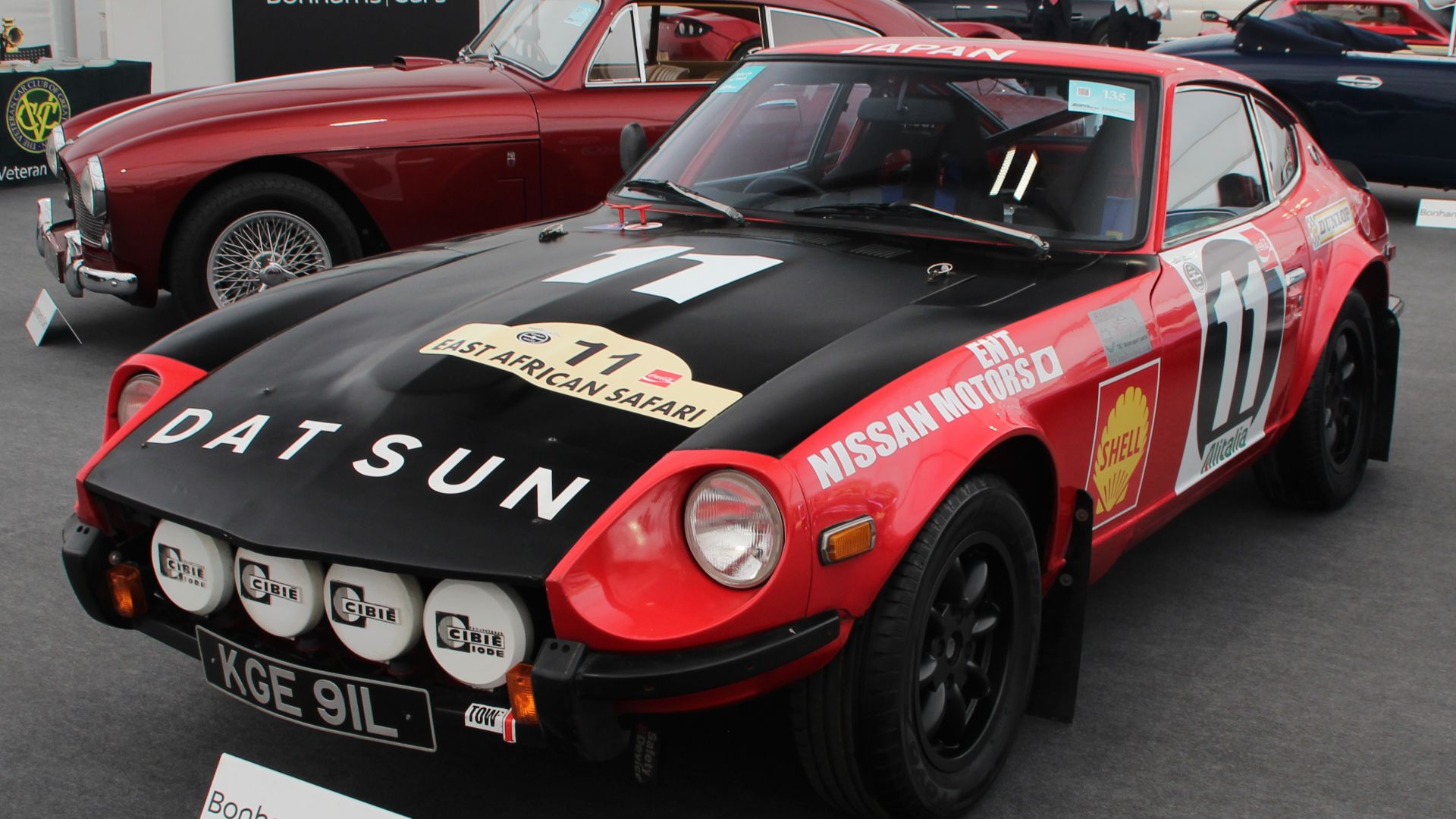
Nissan built the 240Z to undercut European sports cars like the Jaguar E-Type on price while matching or beating them on performance and reliability. It arrived in 1969 and embarrassed the British sports car industry so thoroughly that some manufacturers never fully recovered their share of the American market.
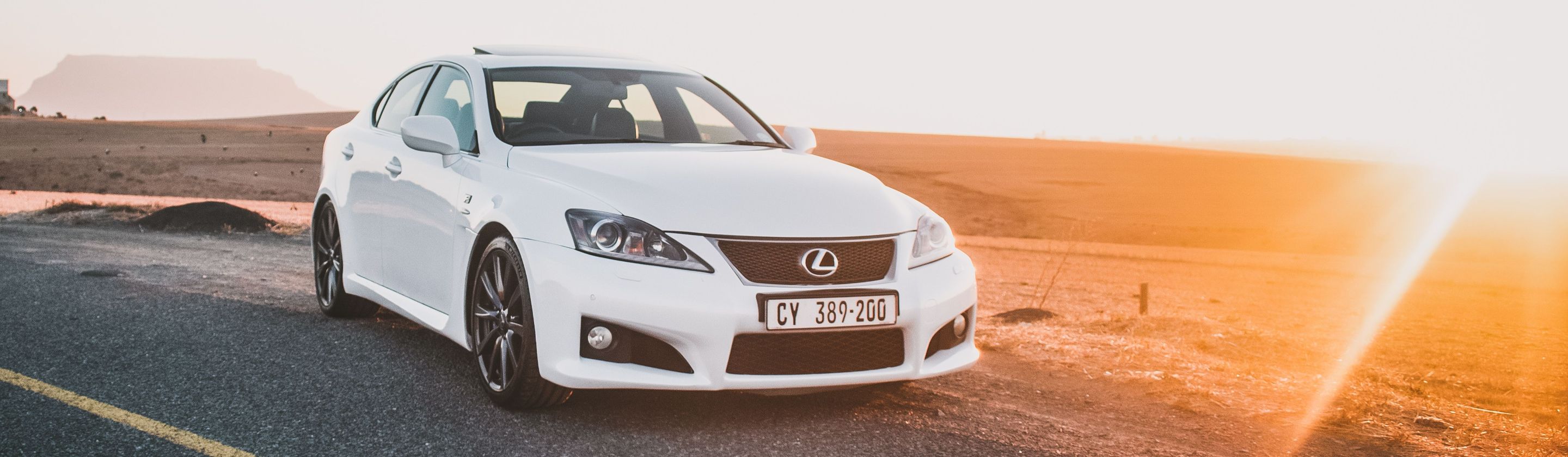
10. Toyota Lexus LS400
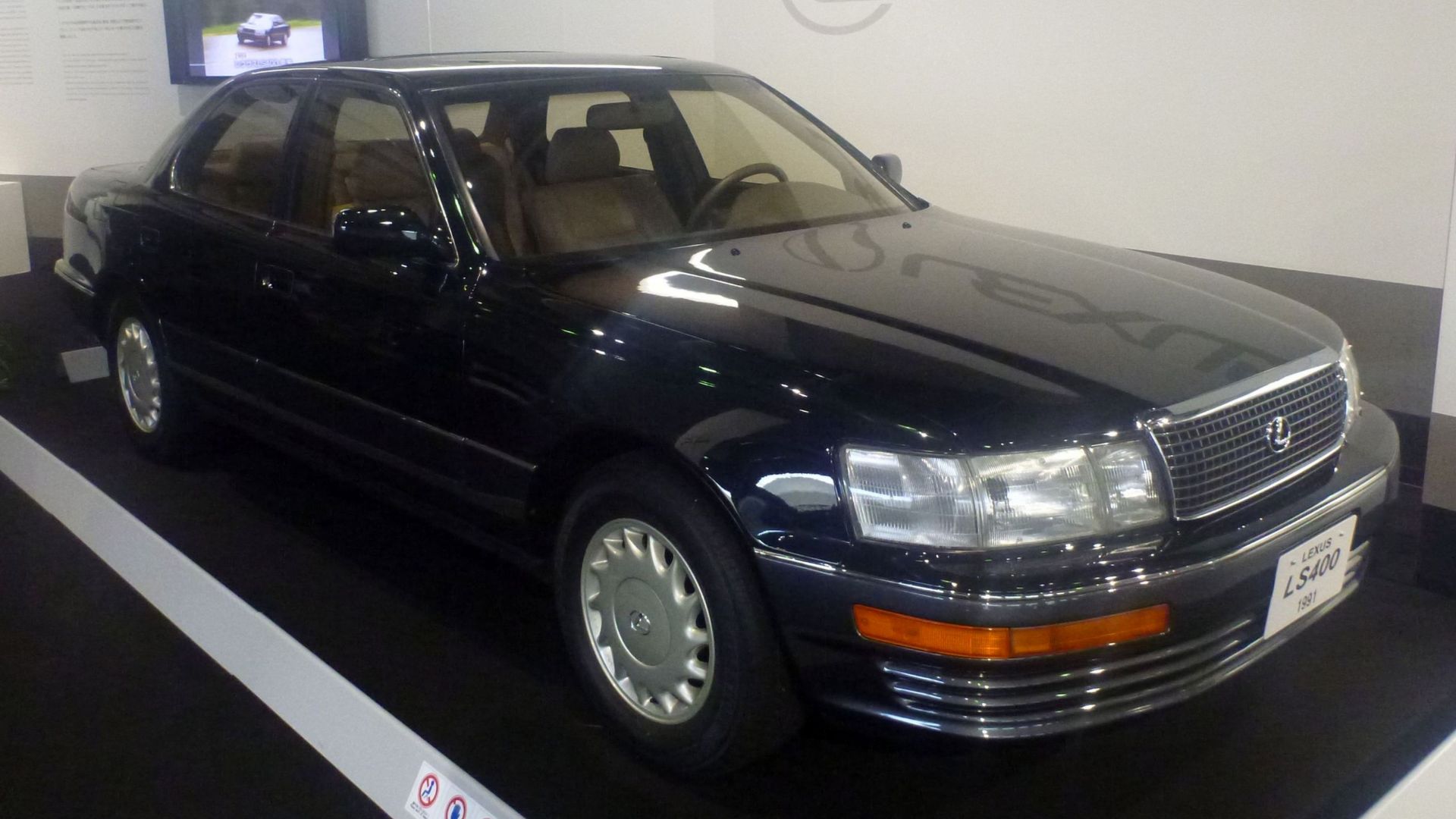
Toyota engineers reportedly bought and tore apart a Mercedes-Benz S-Class to figure out what made it feel like the benchmark for luxury, then built the Lexus LS400 to beat it on refinement while undercutting it on price. The car launched in 1989 and forced Mercedes and BMW to take a Japanese luxury brand seriously for the first time.
11. Honda NSX
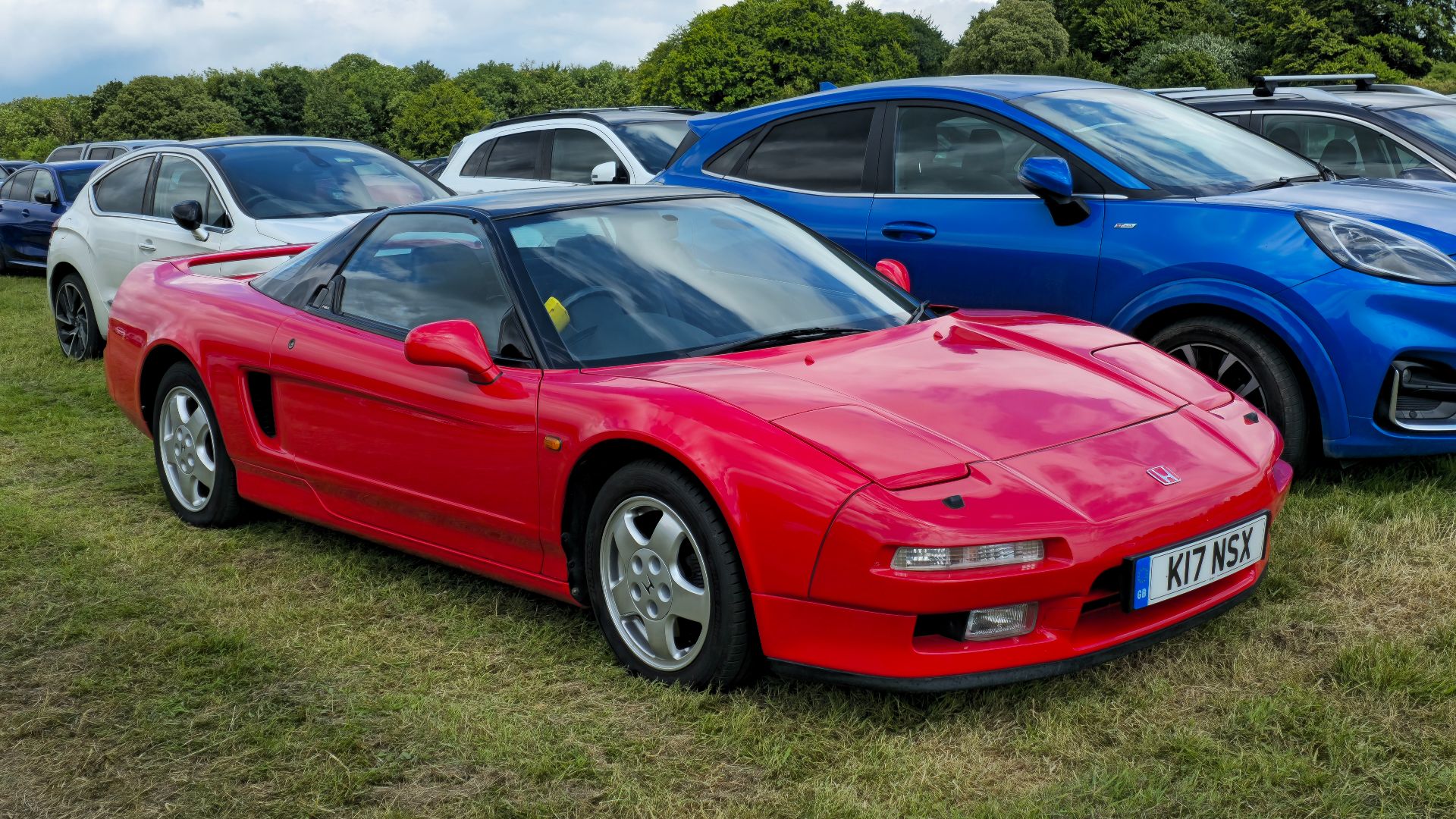
Honda built the NSX in the late 1980s specifically to combine Ferrari-level performance with everyday reliability, a pointed jab at Ferrari's reputation for cars that looked incredible and broke down constantly. Ayrton Senna helped fine-tune the chassis during development, and the finished car reportedly influenced how Ferrari approached its own future models.
12. Nissan GT-R
Nissan engineered the R35 GT-R specifically to beat Porsche's 911 Turbo around the Nürburgring and then released onboard lap footage to prove it. The car earned the nickname "Godzilla" for how thoroughly it outperformed cars that cost two or three times as much.
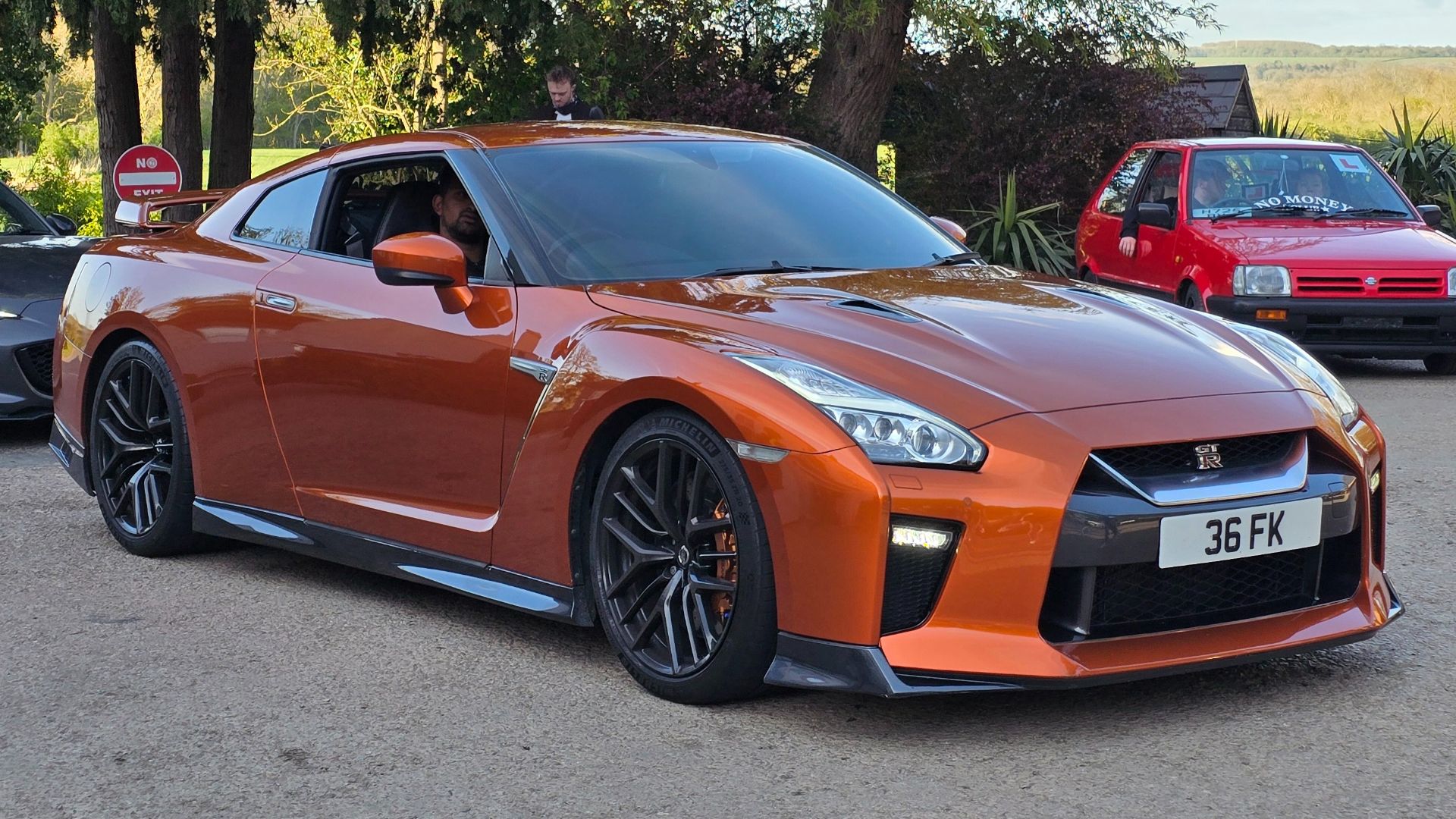
13. Cadillac CTS-V
Cadillac built the CTS-V to go head-to-head with the BMW M5 on both the street and the racetrack, chasing a faster Nürburgring lap time to prove the point. It succeeded, and the rivalry pushed both brands to keep raising the performance bar on their sedans for years afterward.
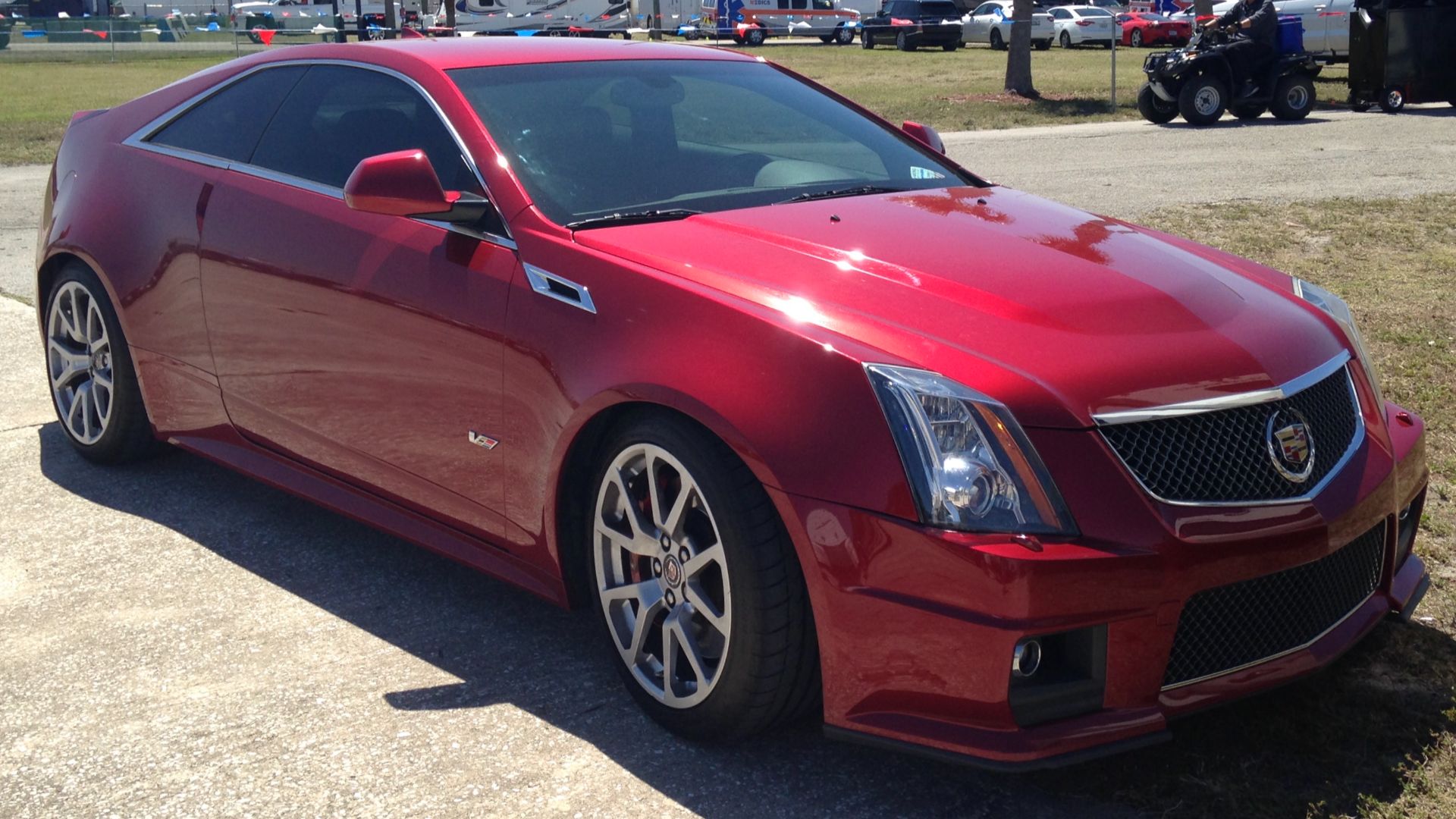
14. Chevrolet Corvette ZR1
Chevrolet built the ZR1 to match supercar performance from Ferrari and Lamborghini at a fraction of the price, embarrassing rivals who charged four or five times as much for similar lap times. The car's nickname, the "Blue Devil," came directly from how badly it outperformed expectations for an American sports car.
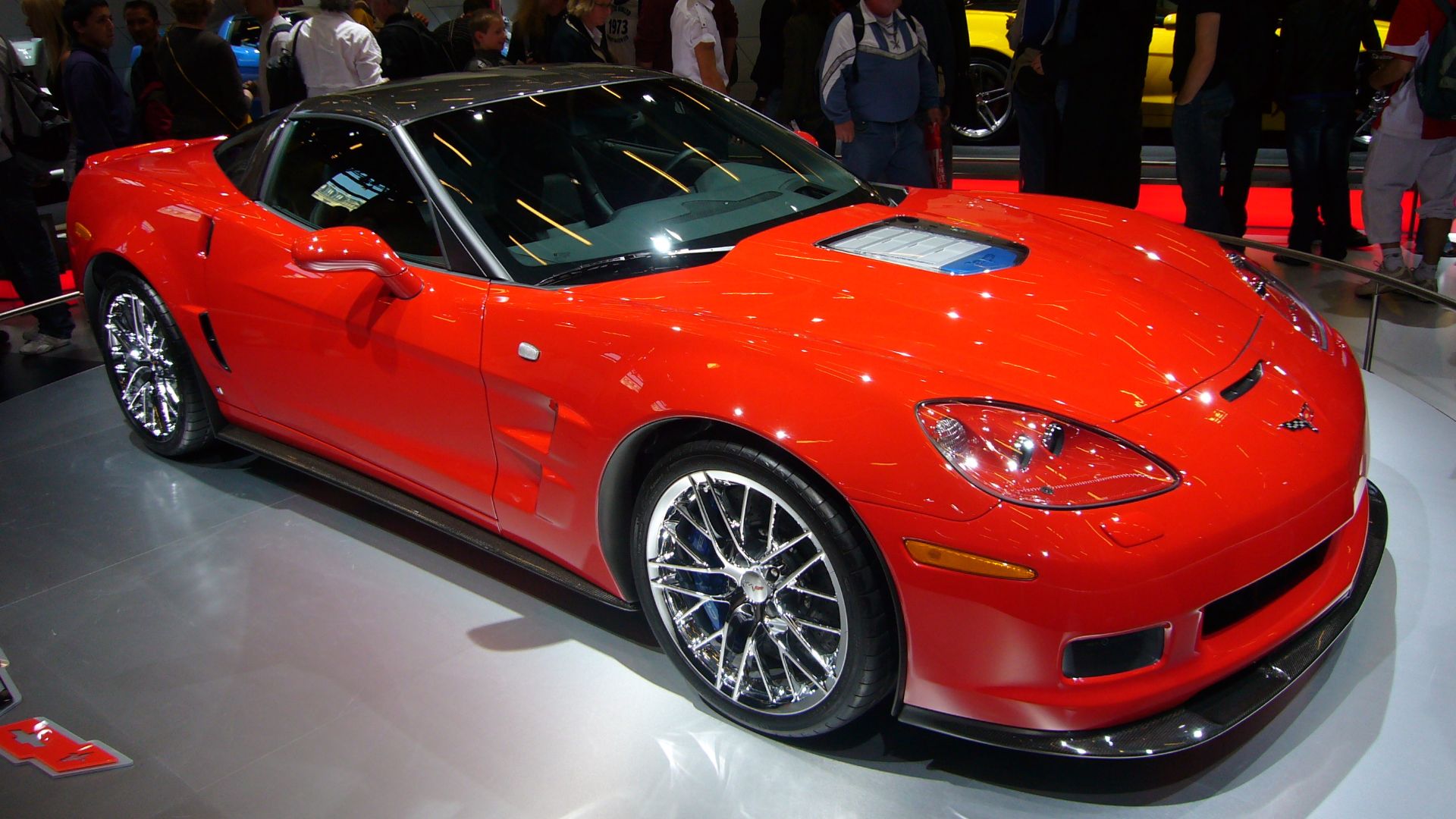 Rutger van der Maar on Wikimedia
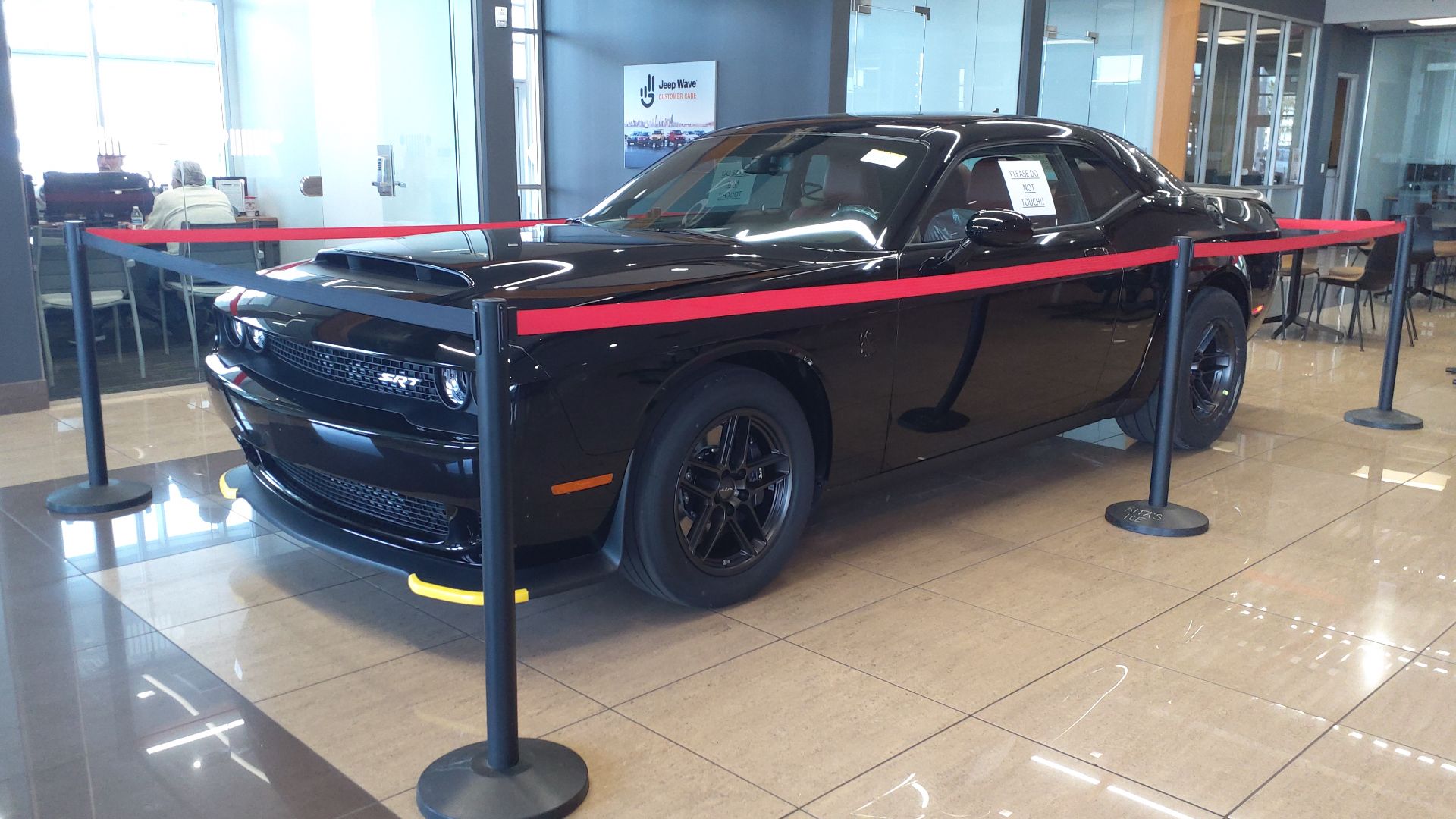
15. Dodge Challenger SRT Demon
Dodge built the Demon specifically to out-drag cars that cost far more, advertising quarter-mile times that beat several genuine supercars in a straight line. The marketing leaned hard into the comparison, openly needling brands that Dodge felt had been looking down on American muscle cars for years.
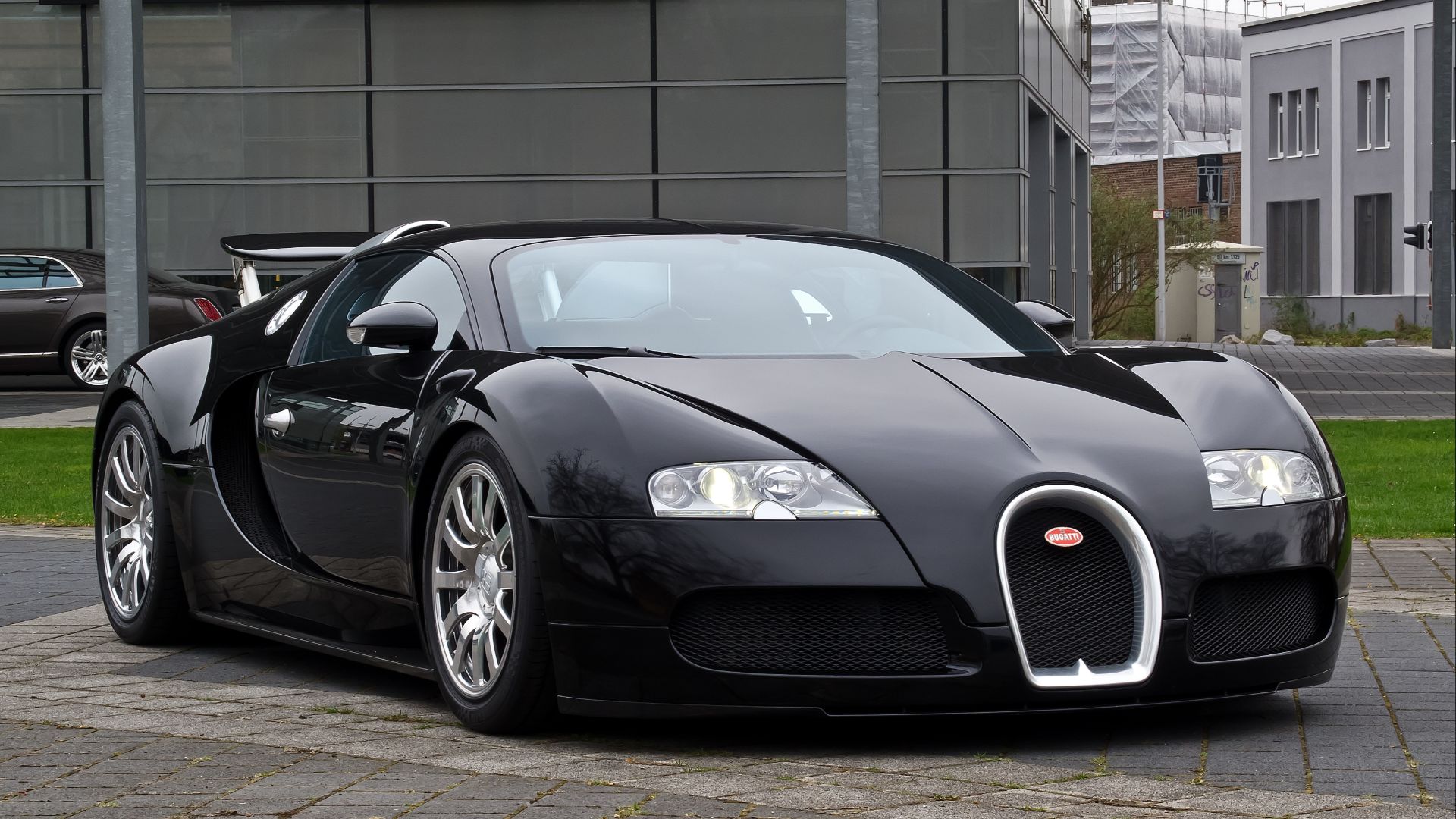
16. Bugatti Veyron
Volkswagen built the Bugatti Veyron in the early 2000s to reclaim the title of world's fastest production car from the McLaren F1, a record that had stood for over a decade. It launched in 2005 with over 1,000 horsepower and a top speed north of 250 miles per hour, resetting expectations for what a hypercar could do.
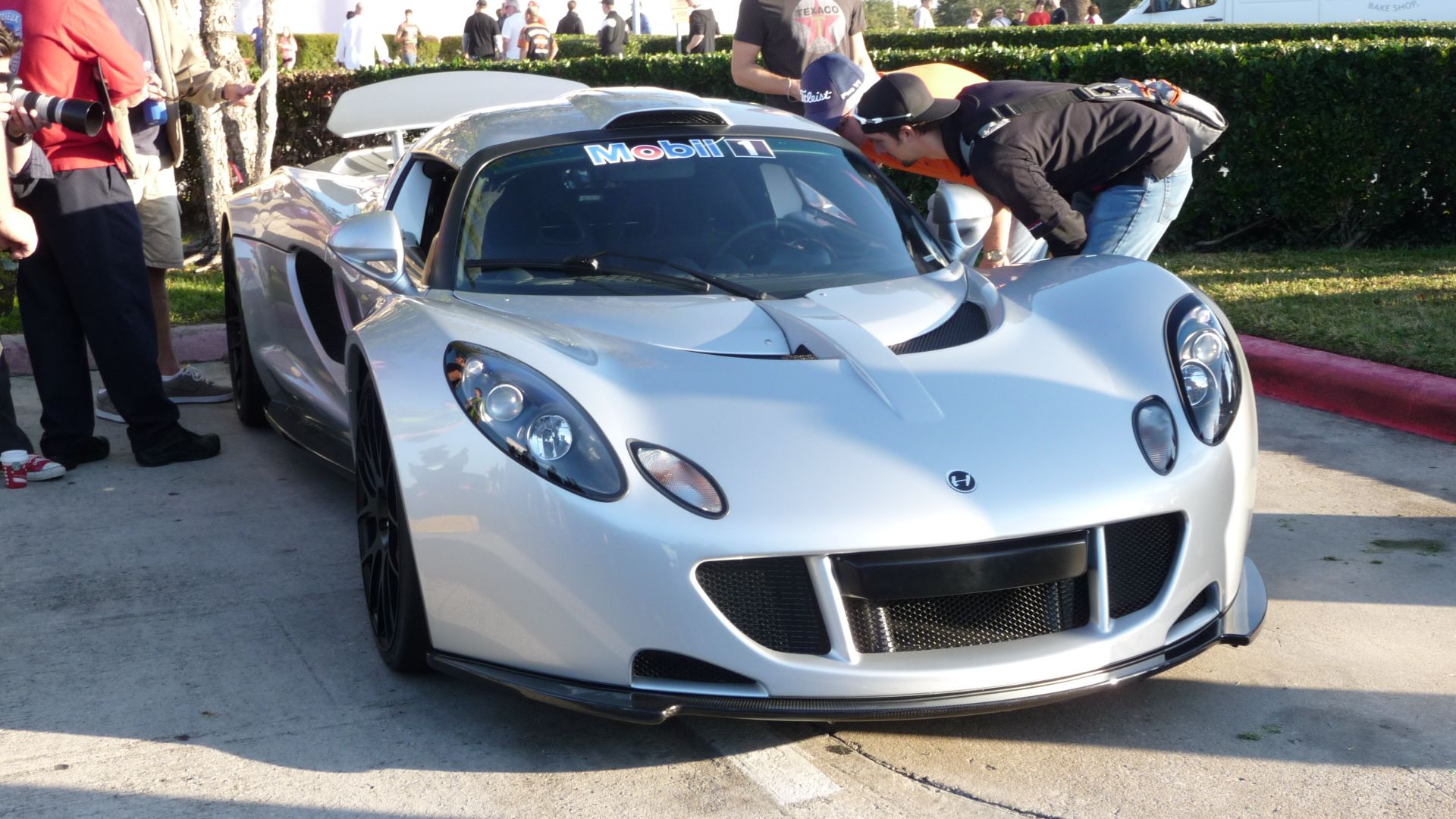
17. Hennessey Venom GT
Hennessey, a small Texas tuning shop, built the Venom GT specifically to beat the Bugatti Veyron's top speed record using a fraction of Bugatti's budget. It hit over 270 miles per hour in a 2014 test run, though its low production numbers kept Guinness from officially recognizing it.
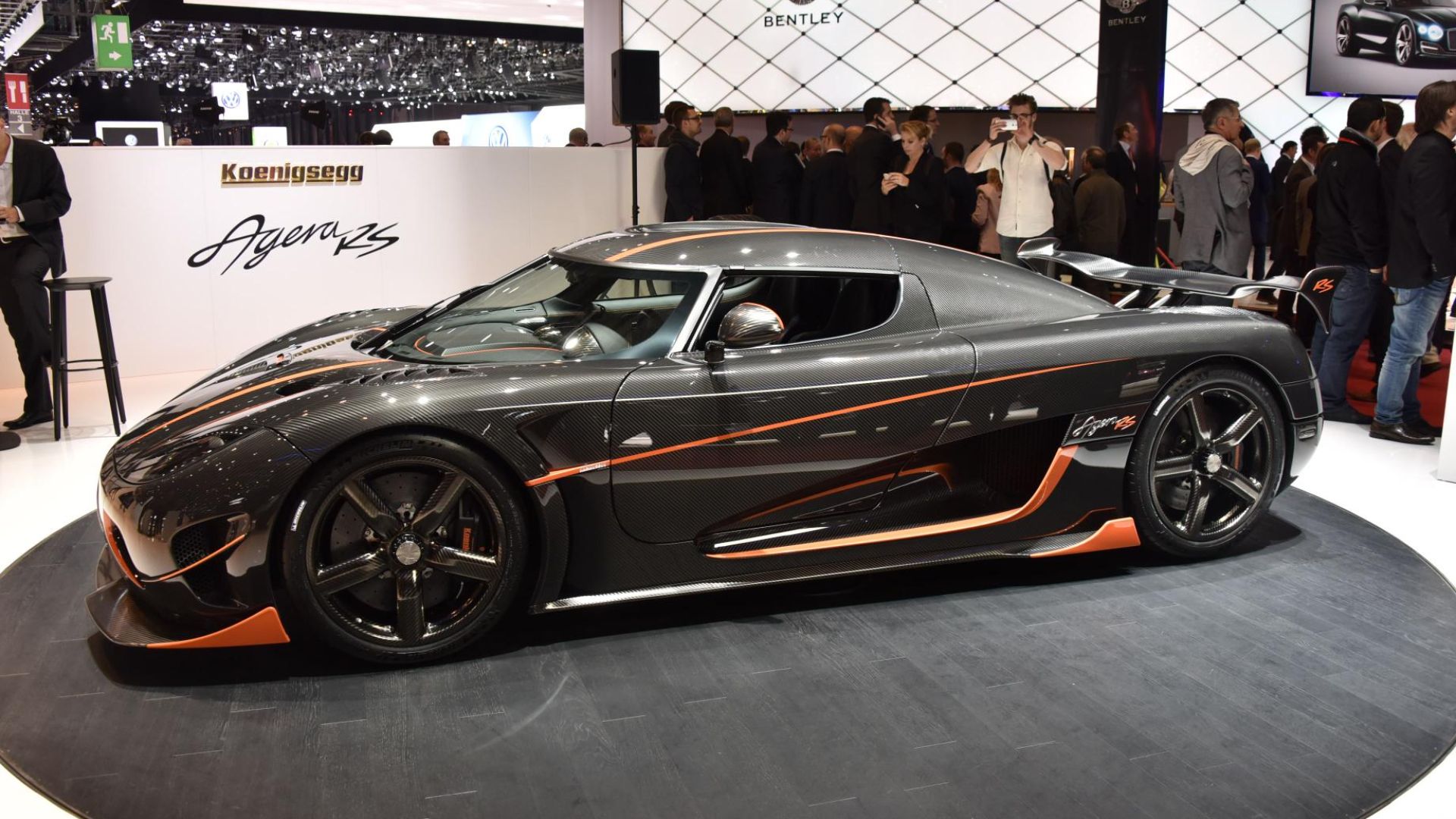
18. Koenigsegg Agera RS
Koenigsegg built the Agera RS to take the production car speed record away from the Bugatti Chiron, and in 2017 it did exactly that on a closed highway in Nevada. The run also broke several other speed records in a single session, embarrassing a rival that had barely held the title for a few months.
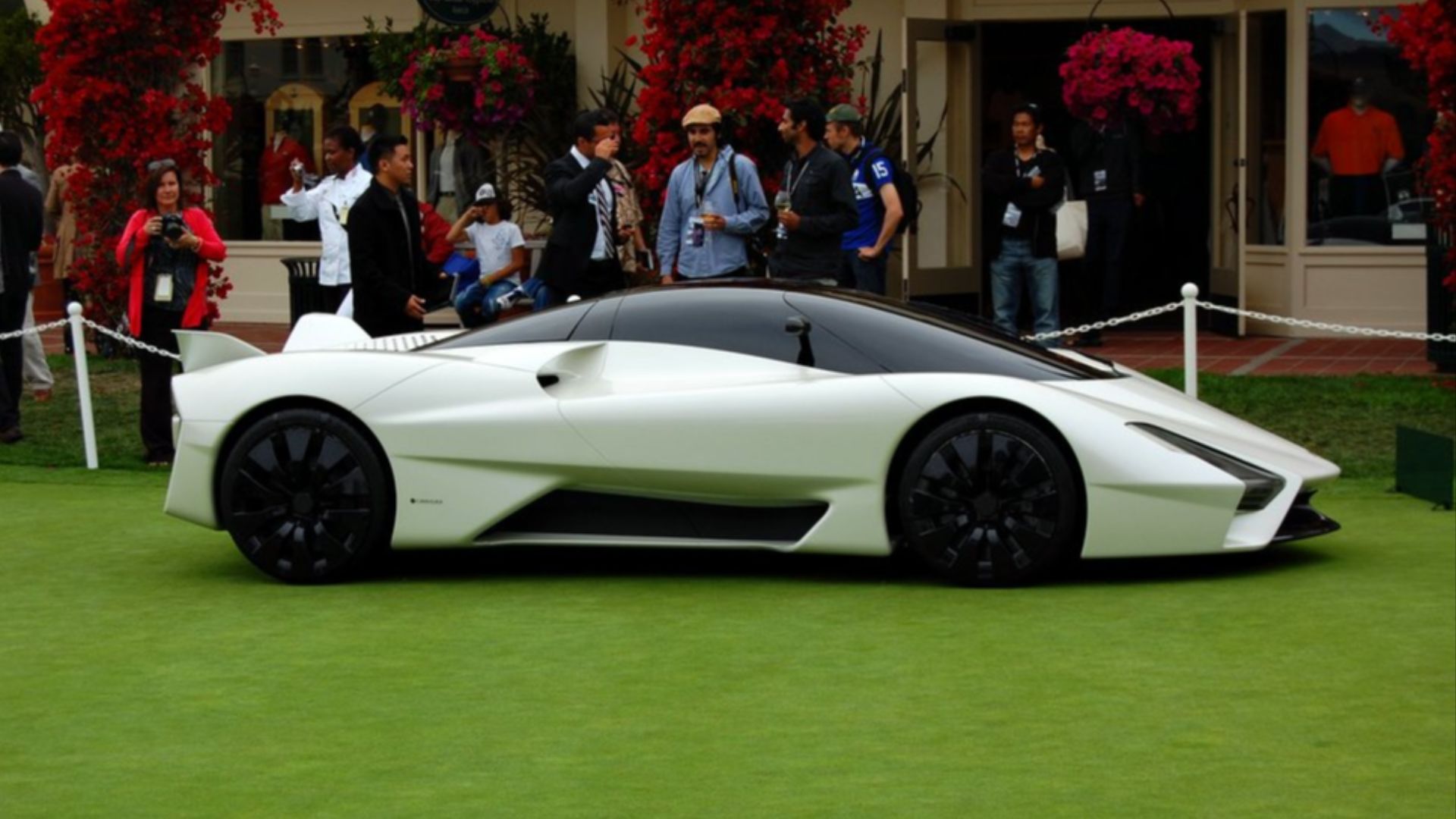
19. SSC Tuatara
SSC built the Tuatara to beat both Koenigsegg and Bugatti on top speed, and in 2020 the company claimed a run of over 300 miles per hour. Independent analysts later found inconsistencies in the data, forcing SSC to retract the claim and return the following year with a slower, verified run instead.
20. Porsche 918 Spyder
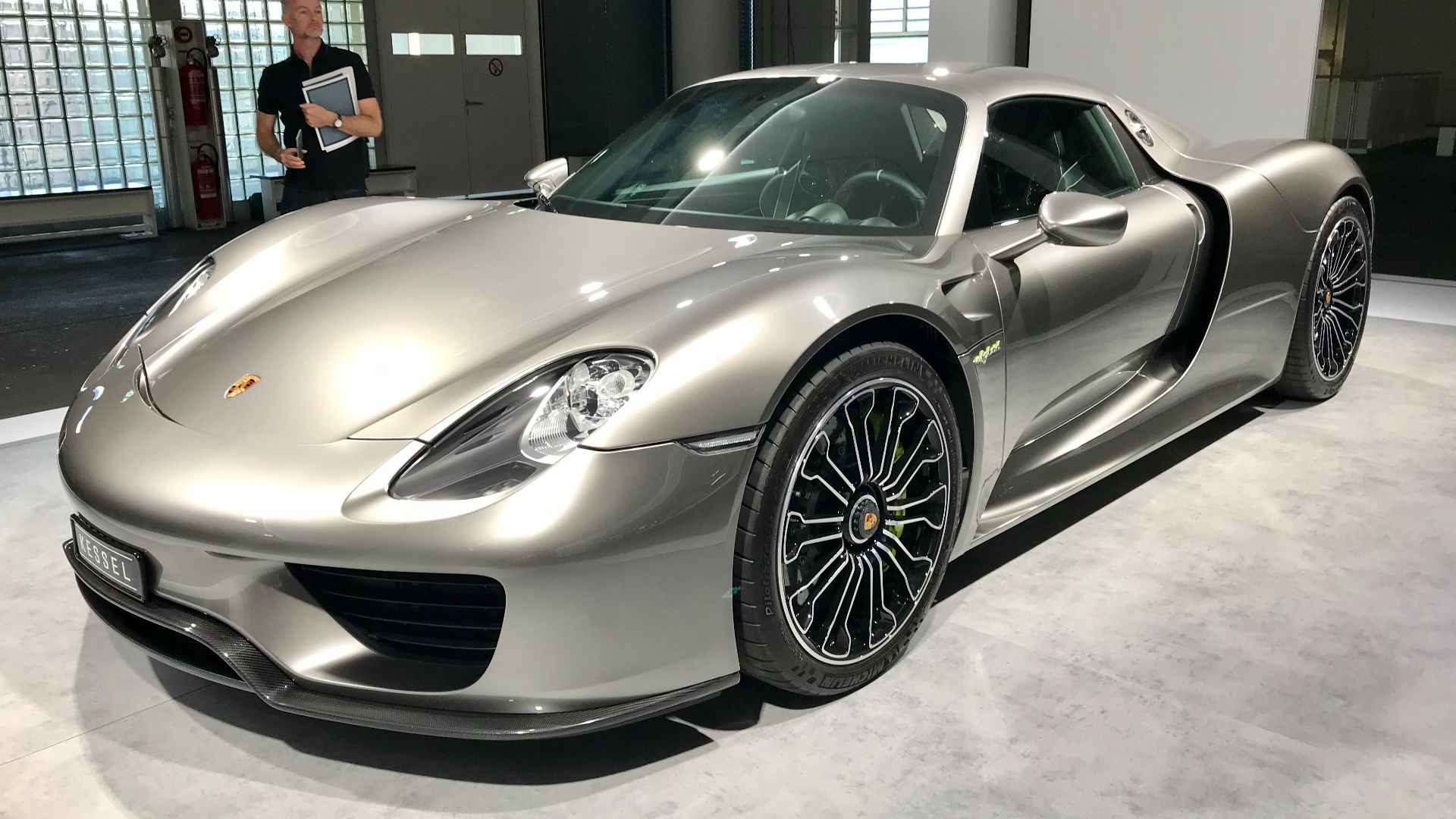
Porsche built the 918 Spyder alongside a wave of rival hybrid hypercars from McLaren and Ferrari in the early 2010s, aiming specifically to beat both of them around the Nürburgring. It became the first road car to break the seven-minute barrier at the track, a benchmark the other two so-called "Holy Trinity" cars couldn't quite match.