
Badges, Rallies, And Regrets
Nissan spent roughly $500 million in the early 1980s replacing a name it had spent decades building. By then, Datsun had sold everything from tiny economy cars to rally winners, and some of those models helped establish Japanese cars in markets that had once dismissed them. Others were cheap, forgettable, or simply bad. Here are 10 Datsuns that earned the badge its reputation and 10 that did their best to undo it.
1. Datsun 113
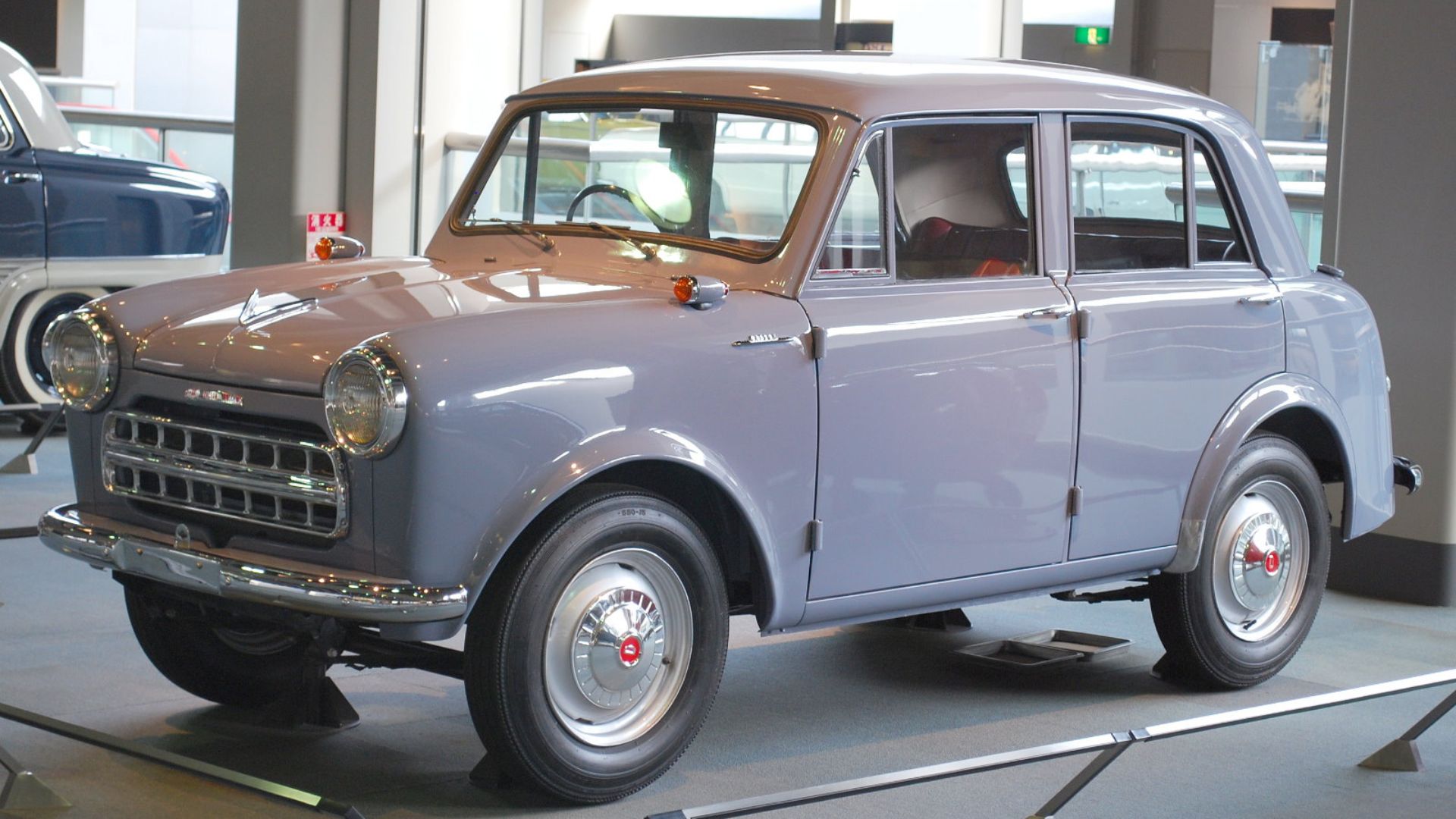
The company's American beachhead did not look like a threat to Detroit. It was a 25-horsepower sedan with an 850cc engine, landing in California in 1958. Dealers spread across the country the following year, with the Bluebird-based 310 arriving behind it.
2. Fairlady Roadsters
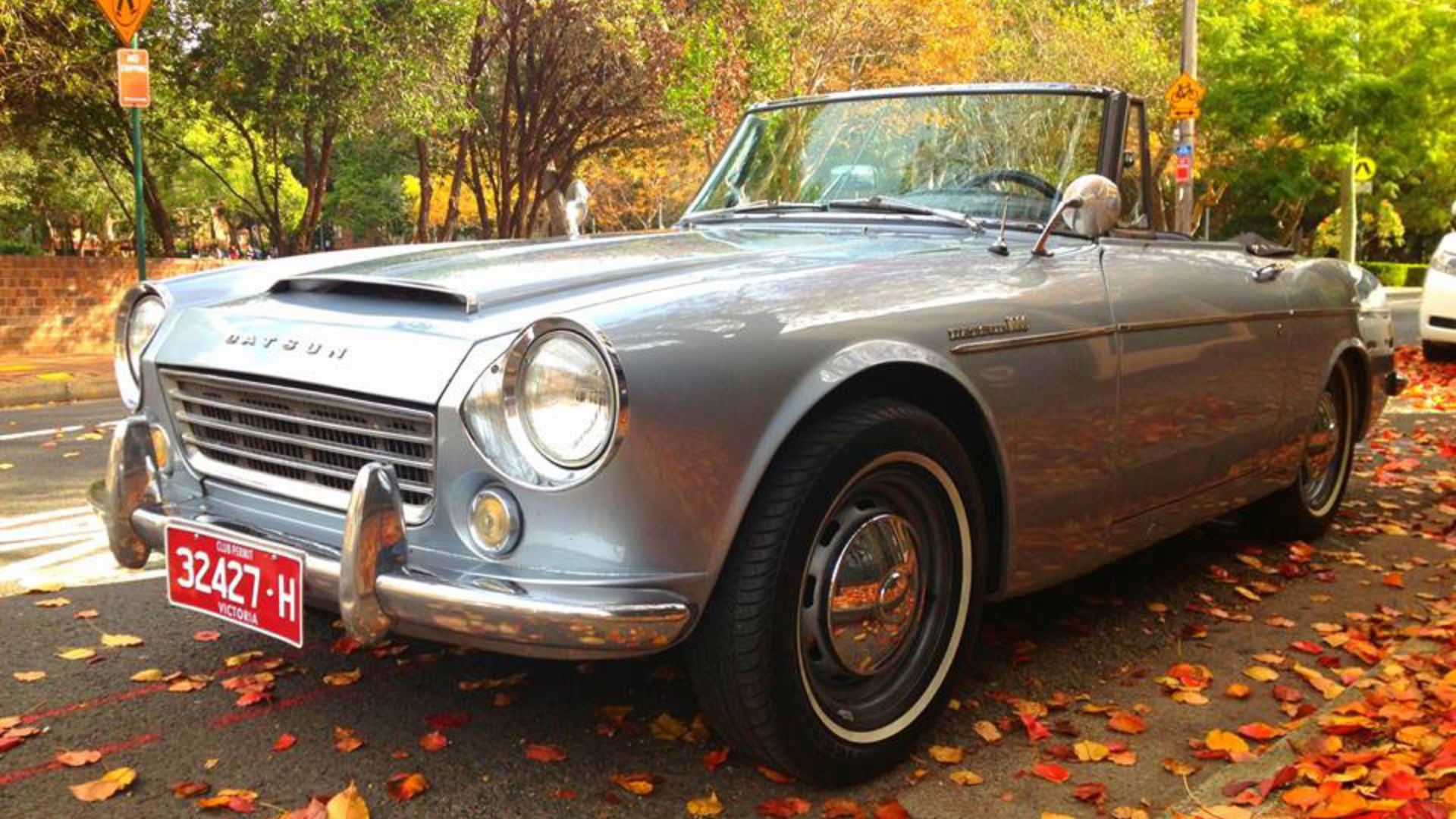
Long before the Z, sports car credibility came from a line of small roadsters built from 1960 onward. The 1600 and 2000 versions took ten national SCCA championships between them. The 2000 carried a two-liter overhead-cam four rated at 135 horsepower, with 150 available through the competition package.
 commons.wikimedia.org on Google
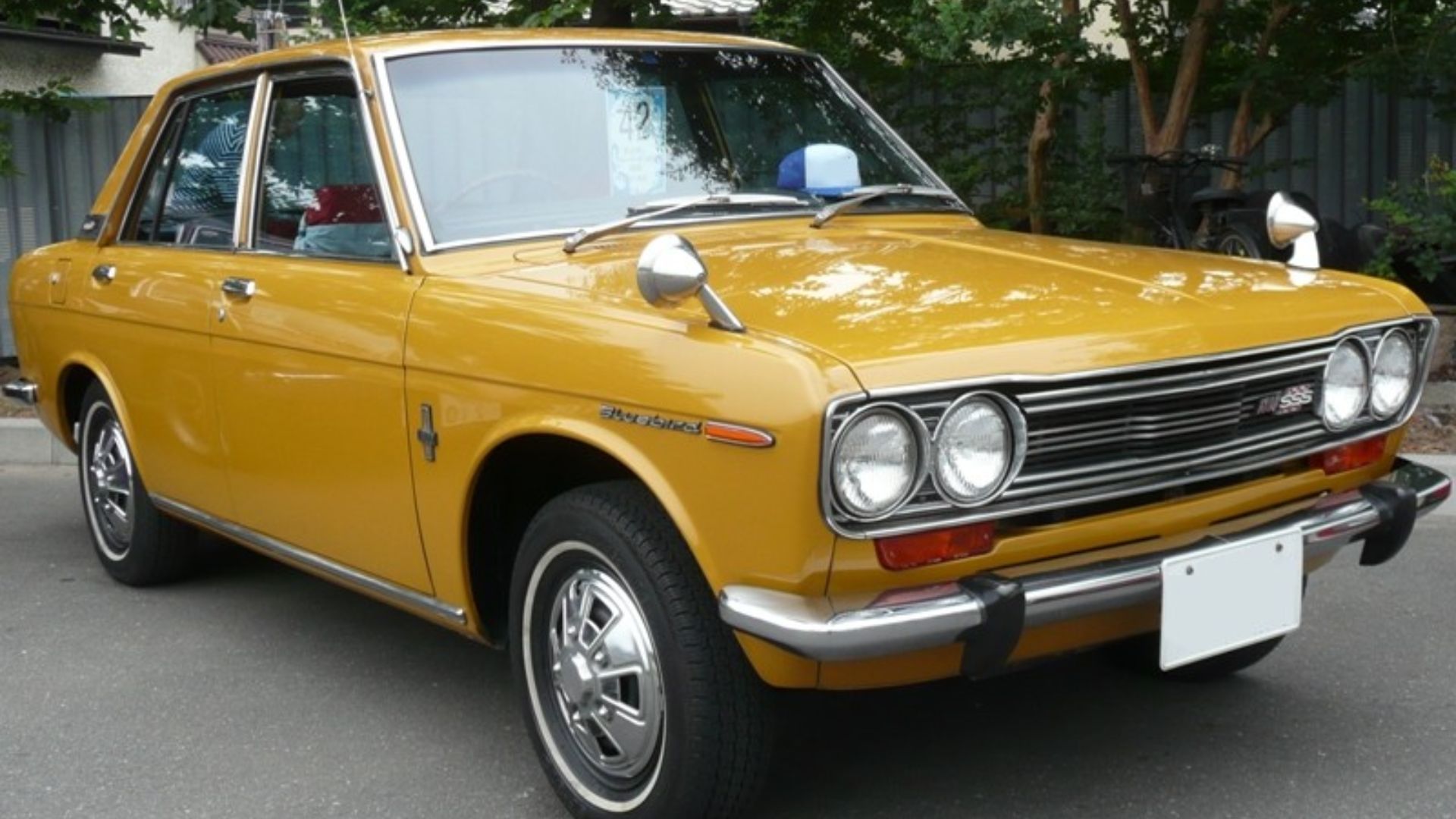
3. Datsun 510
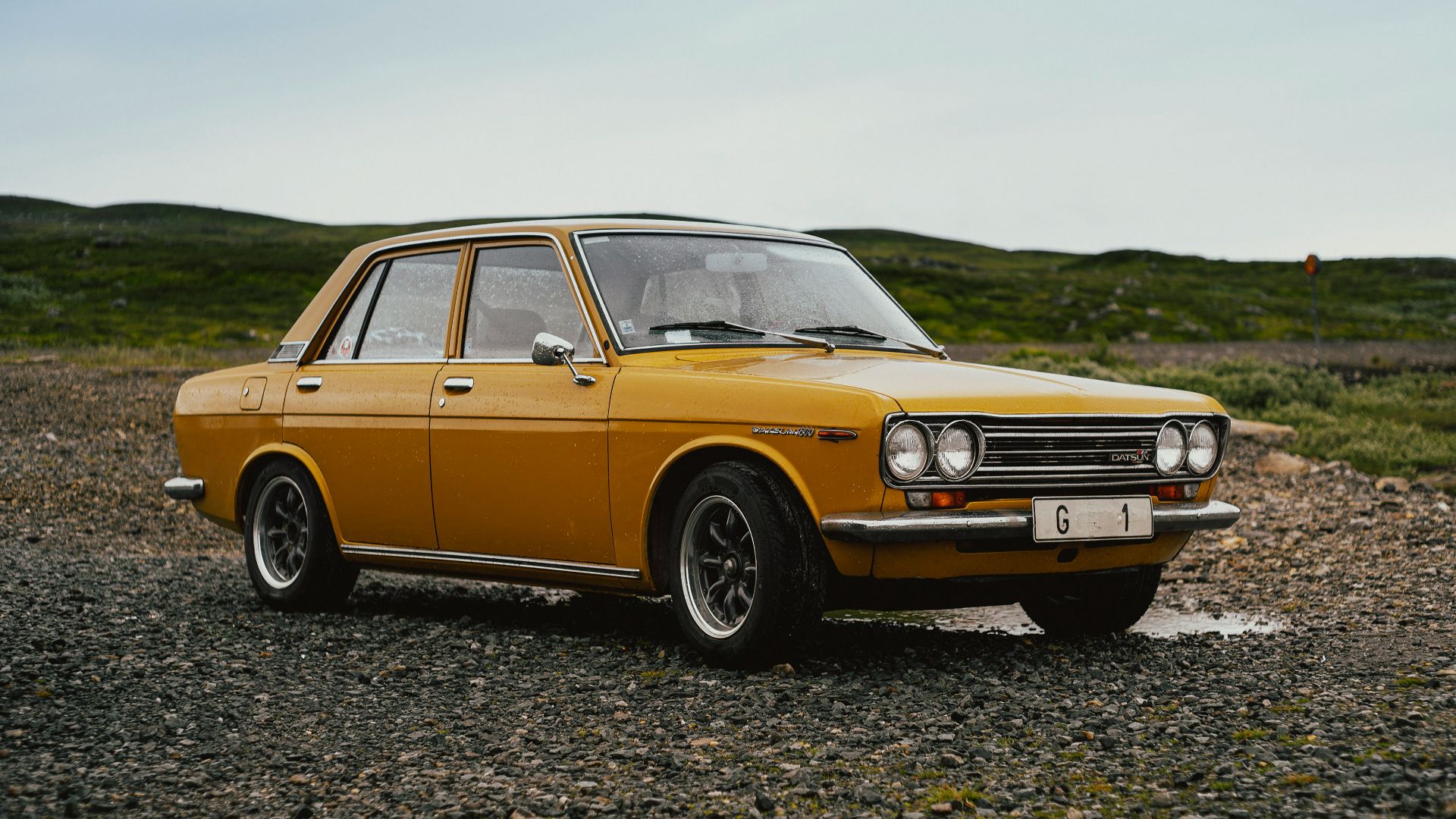
Four-wheel independent suspension on a cheap sedan was close to unheard of, which is most of why people still talk about this one. The North American version made a modest 96 horsepower gross from a 1.6-liter four, starting in 1967. John Morton took the Trans-Am 2.5 championship in Pete Brock's BRE car in 1971 and again in 1972.
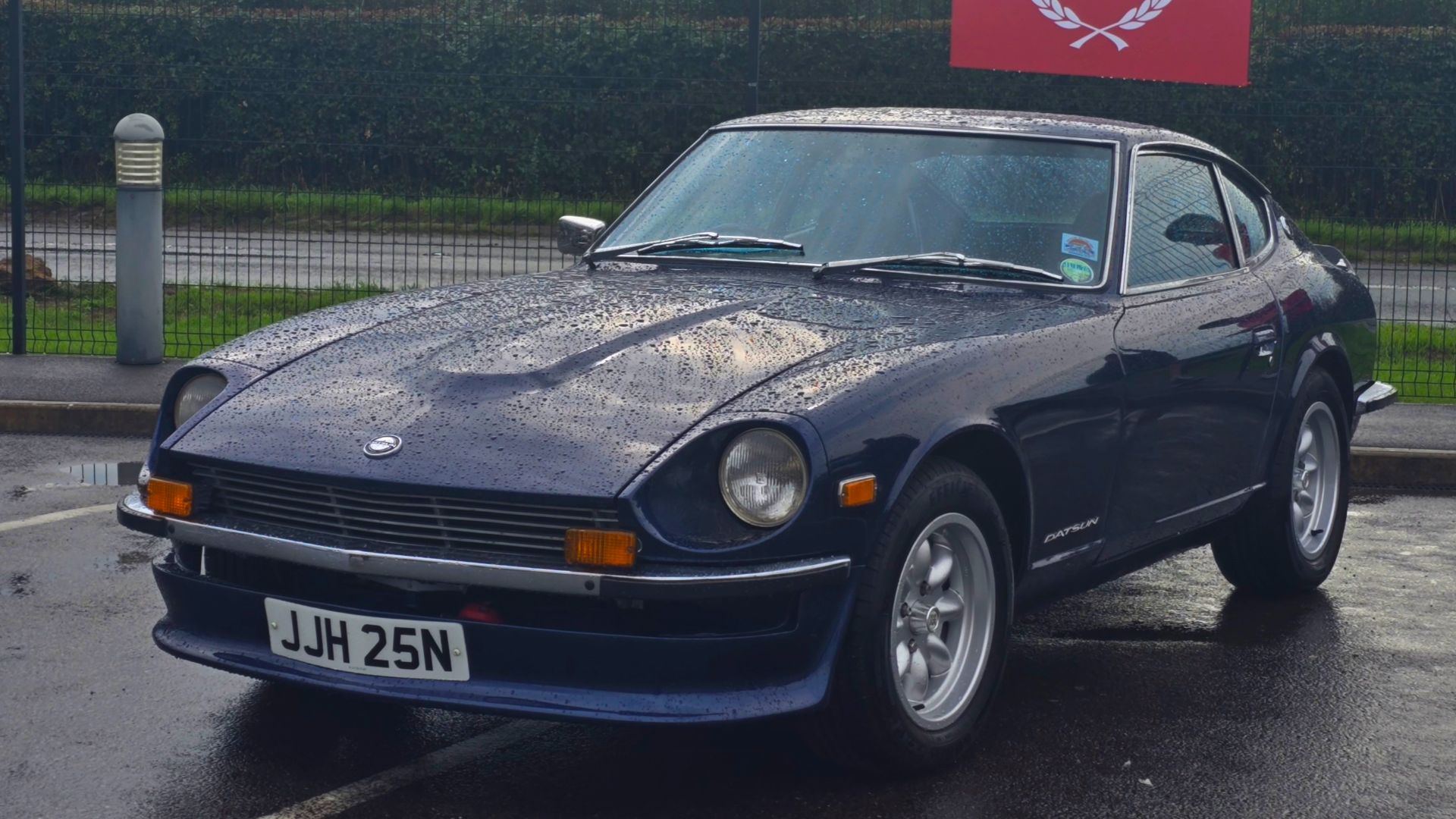
4. Datsun 240Z
The shape undercut European coupes by thousands of dollars. Underneath sat a 2.4-liter straight six making 151 horsepower gross, on sale from October 1969. Edgar Herrmann won the East African Safari Rally in one in 1971, and Shekhar Mehta repeated it in 1973.
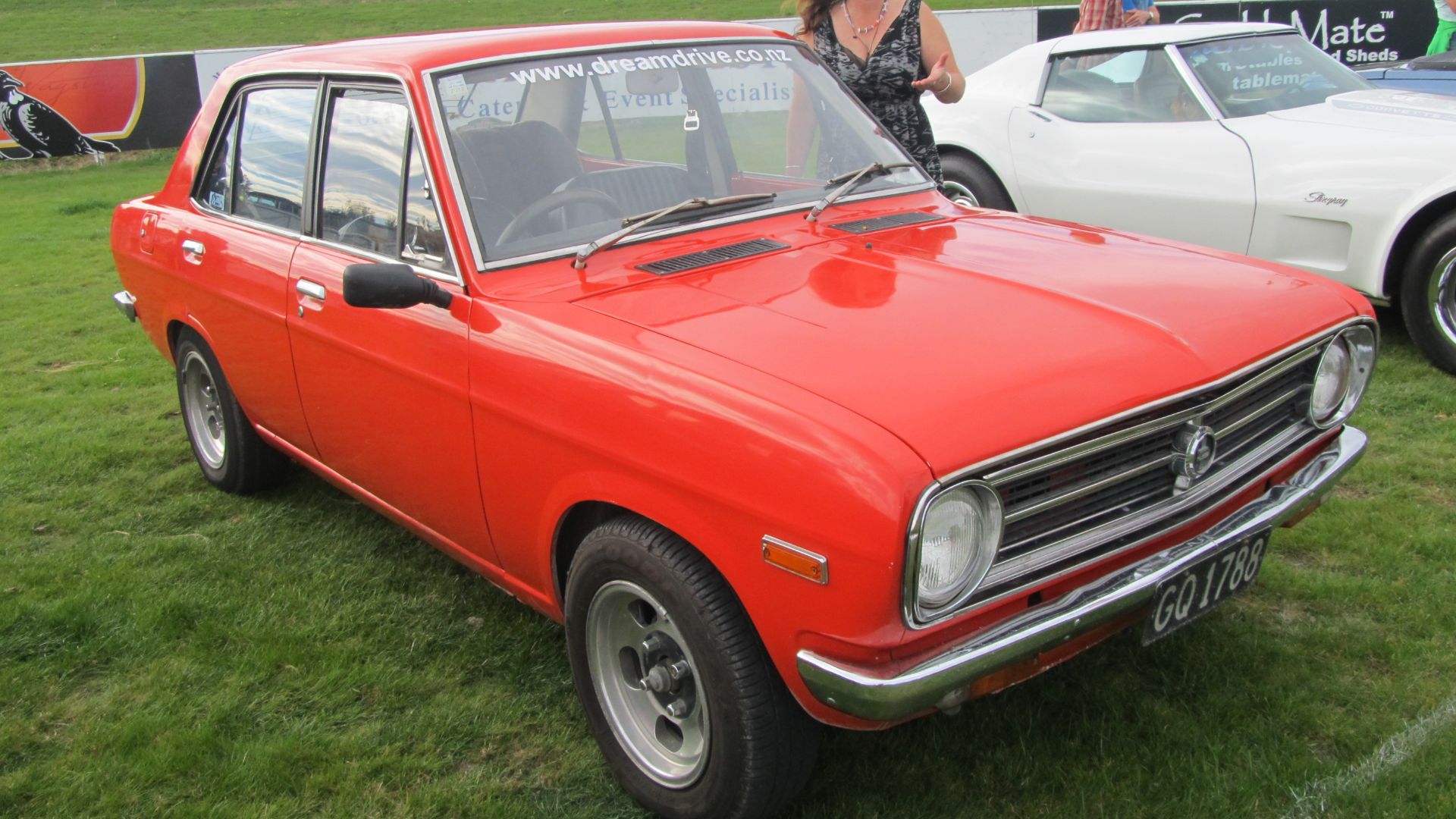
5. Datsun 1200
The EPA named this the most fuel-efficient car in the United States in 1973, at 28.7 mpg. A 1.2-liter engine in a car weighing almost nothing will do that. It also won first time out at the Fuji 200-mile race in November 1970, and that says something about the chassis underneath.
 commons.wikimedia.org on Google
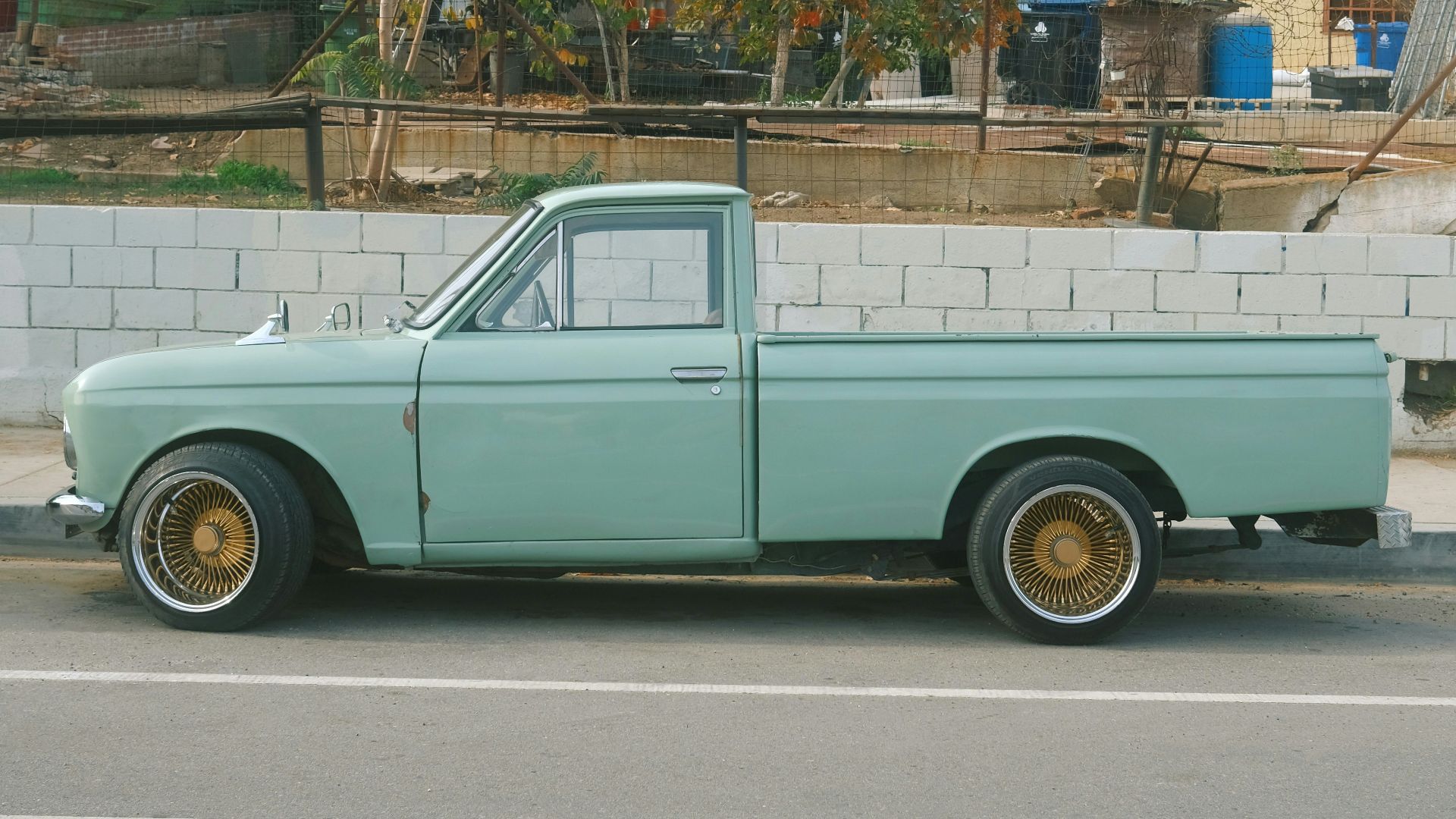
6. Datsun 620 Li'l Hustler
Small trucks were already a Datsun specialty by the time this one appeared. The 620 arrived in February 1972, and its King Cab, added in 1977, gave the segment its first stretched cabin. Roughly 40 percent of buyers reported never using the truck for work at all.
7. Datsun 160J
Four straight Safari Rally wins, 1979 through 1982, every one of them with Shekhar Mehta driving and Mike Doughty beside him. The first two came in the single-cam 160J, the last two in the twin-cam Violet GT. Nothing Nissan has entered in the World Rally Championship since has matched it.
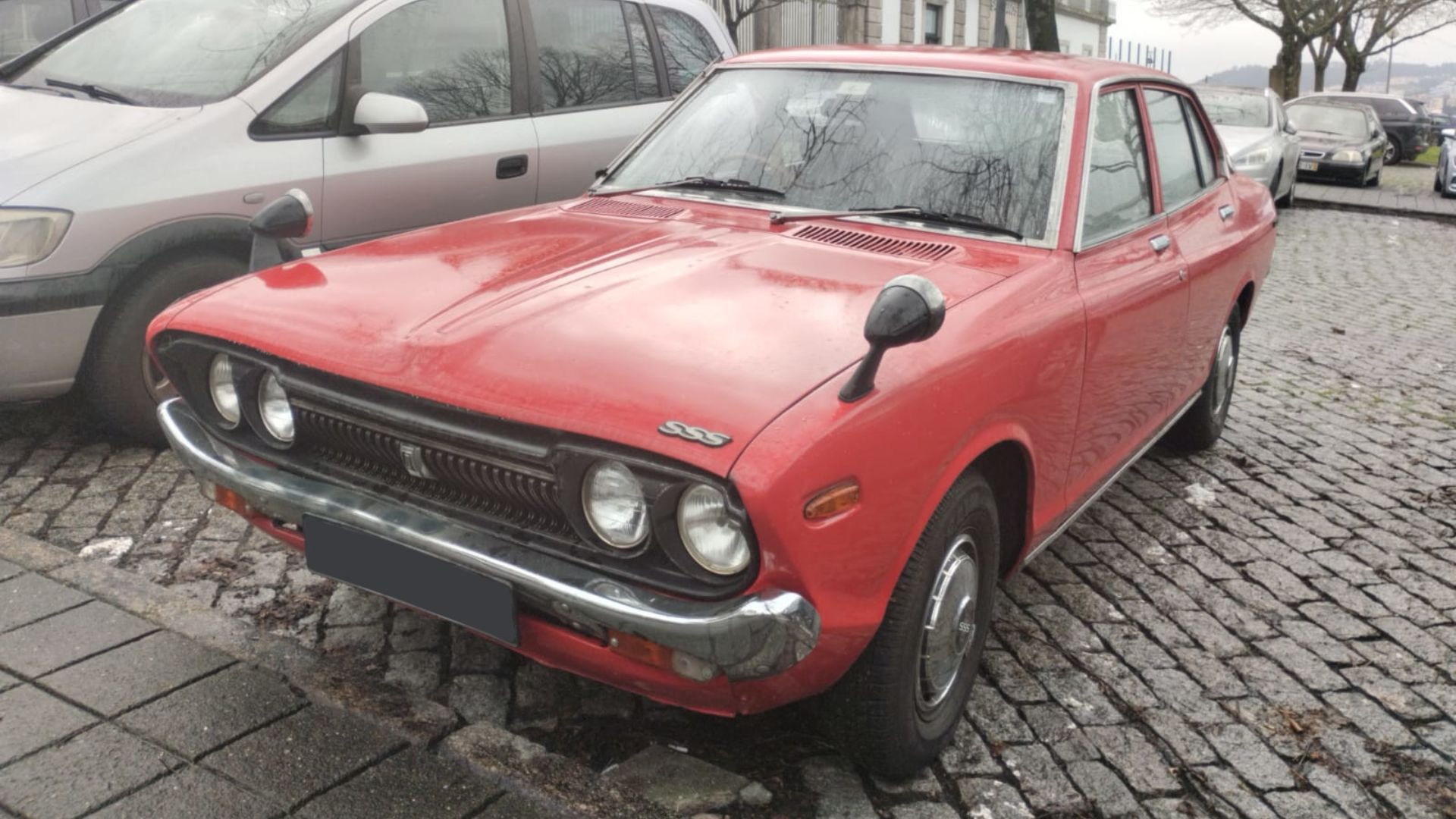
8. Datsun Patrol
The Patrol dates to September 1951, with a 3.7-liter engine borrowed from a bus and bodywork that resembled a Willys Jeep. American and Canadian buyers could order one through Datsun dealers between 1962 and 1969. It wore Nissan badges the entire time, and nothing else in those showrooms did.
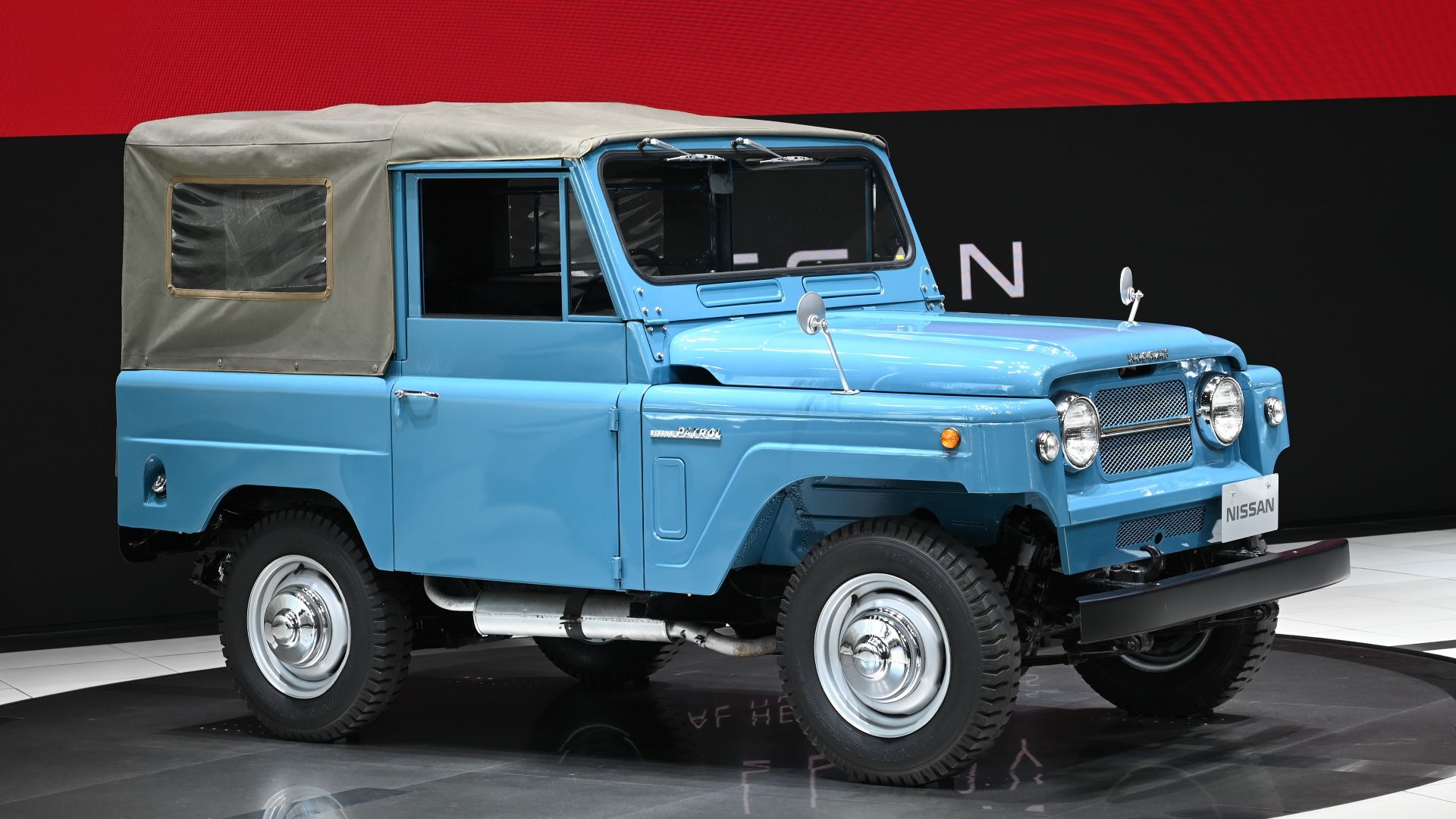
9. Datsun 280ZX
Motor Trend named the 280ZX its Import Car of the Year for 1979. Purists complained the Z had gone soft into a grand tourer, which was true and did nothing to slow sales. T-tops followed in 1980, and the turbo reached the States in 1981.
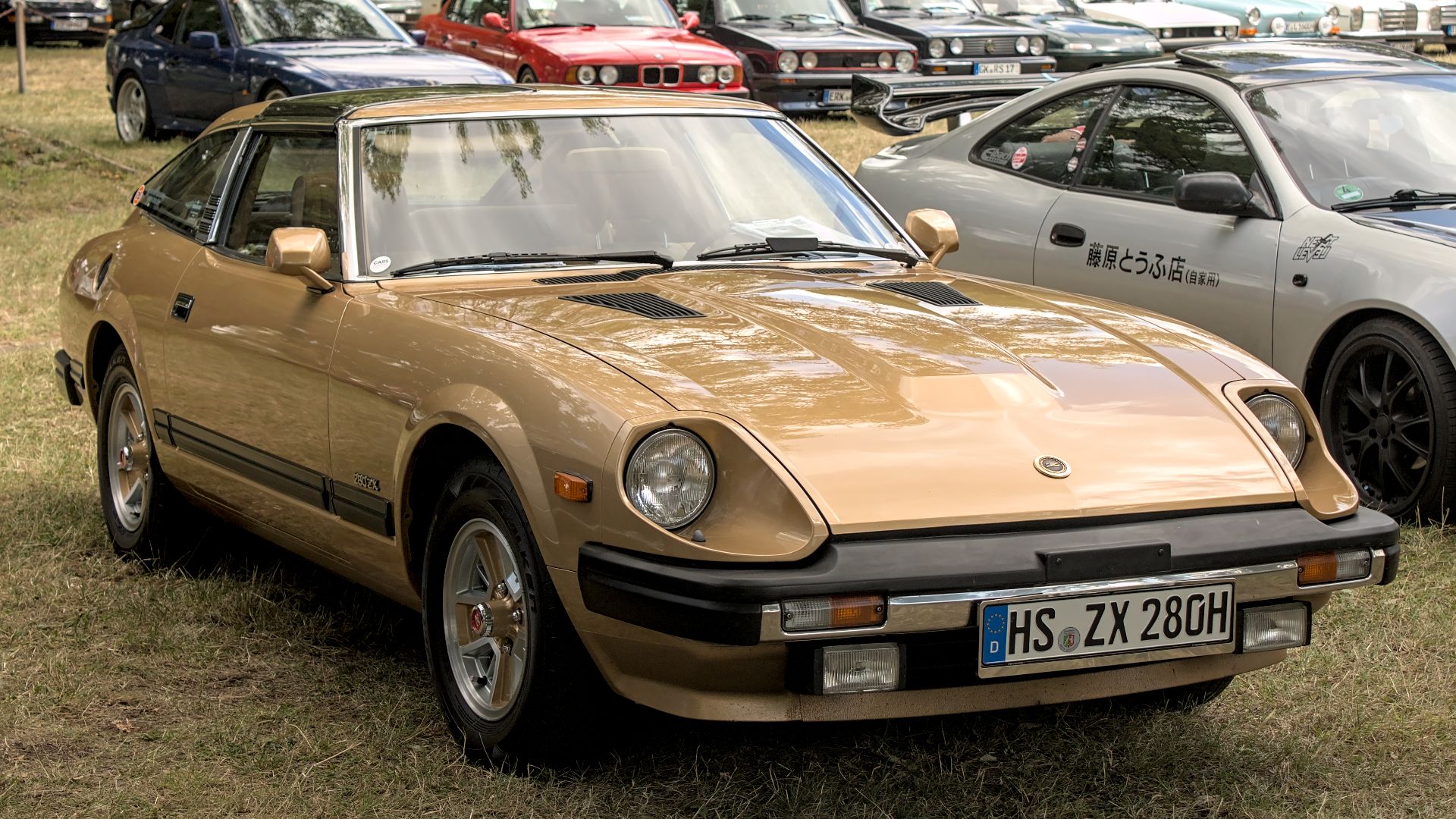
10. Datsun 810 Maxima
Going upmarket meant a four-door with a decent interior and 118 horsepower from a 2.4-liter six, on sale for 1981. A 2.8-liter diesel followed from the middle of that year. The name on the trunk became a model line that outlived the brand on the hood.
Now, here's 10 nobody needs to remember.
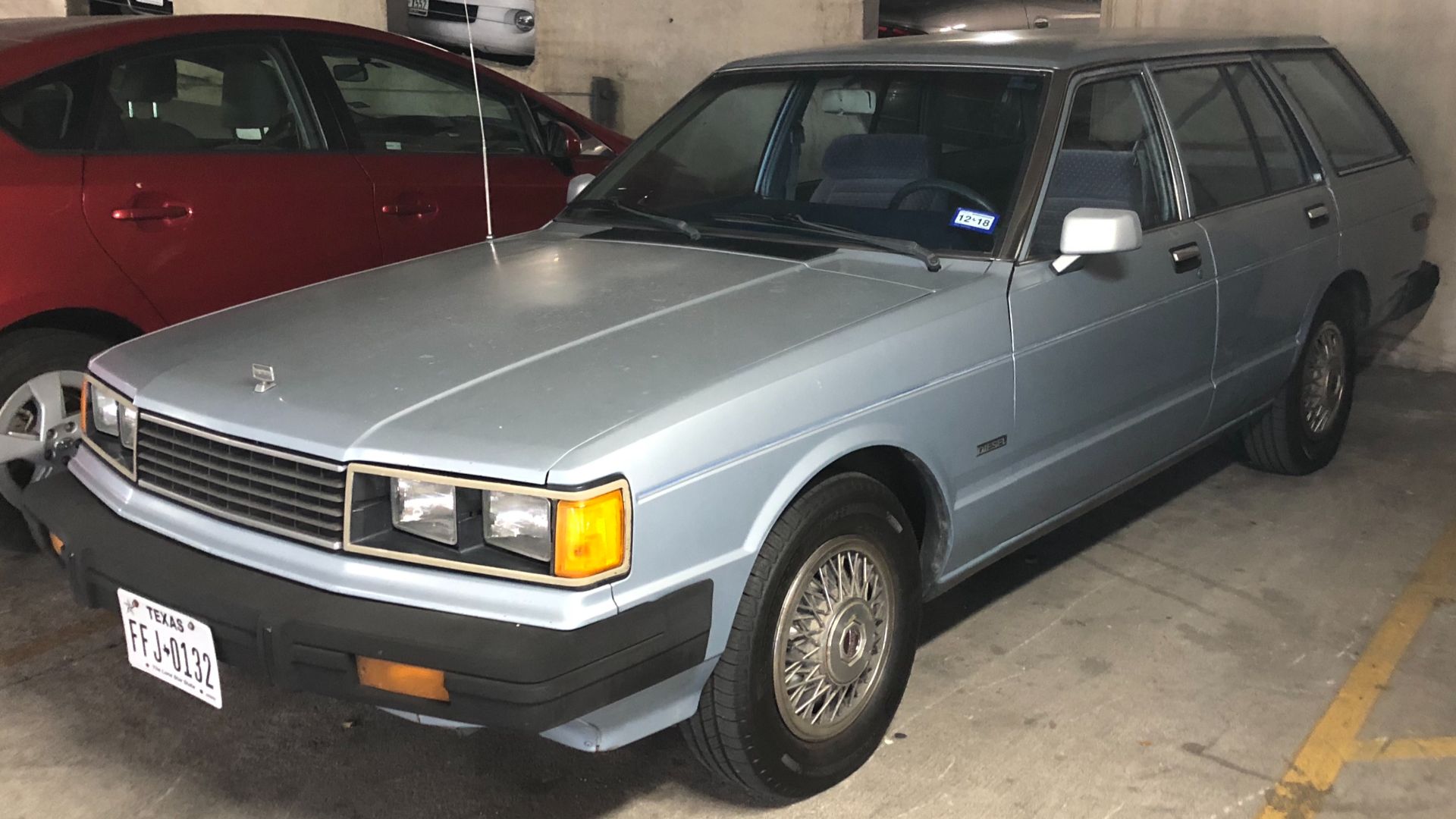
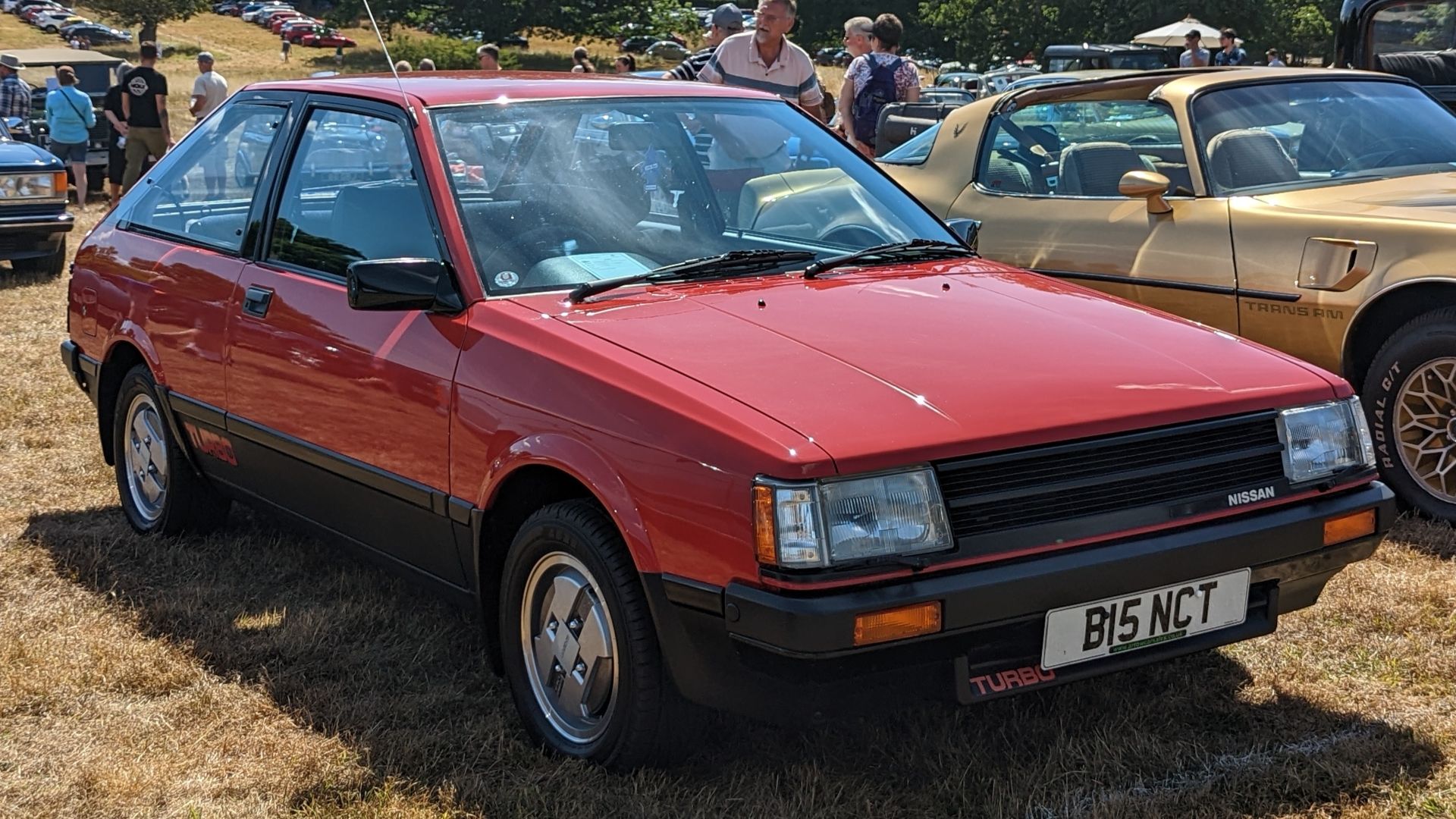
1. Datsun F10
Nissan's first front-wheel-drive car for North America sold poorly, and the styling is the explanation usually offered. It managed 70 horsepower from 1.4 liters. Buyers kept choosing the rear-drive models parked next to it.
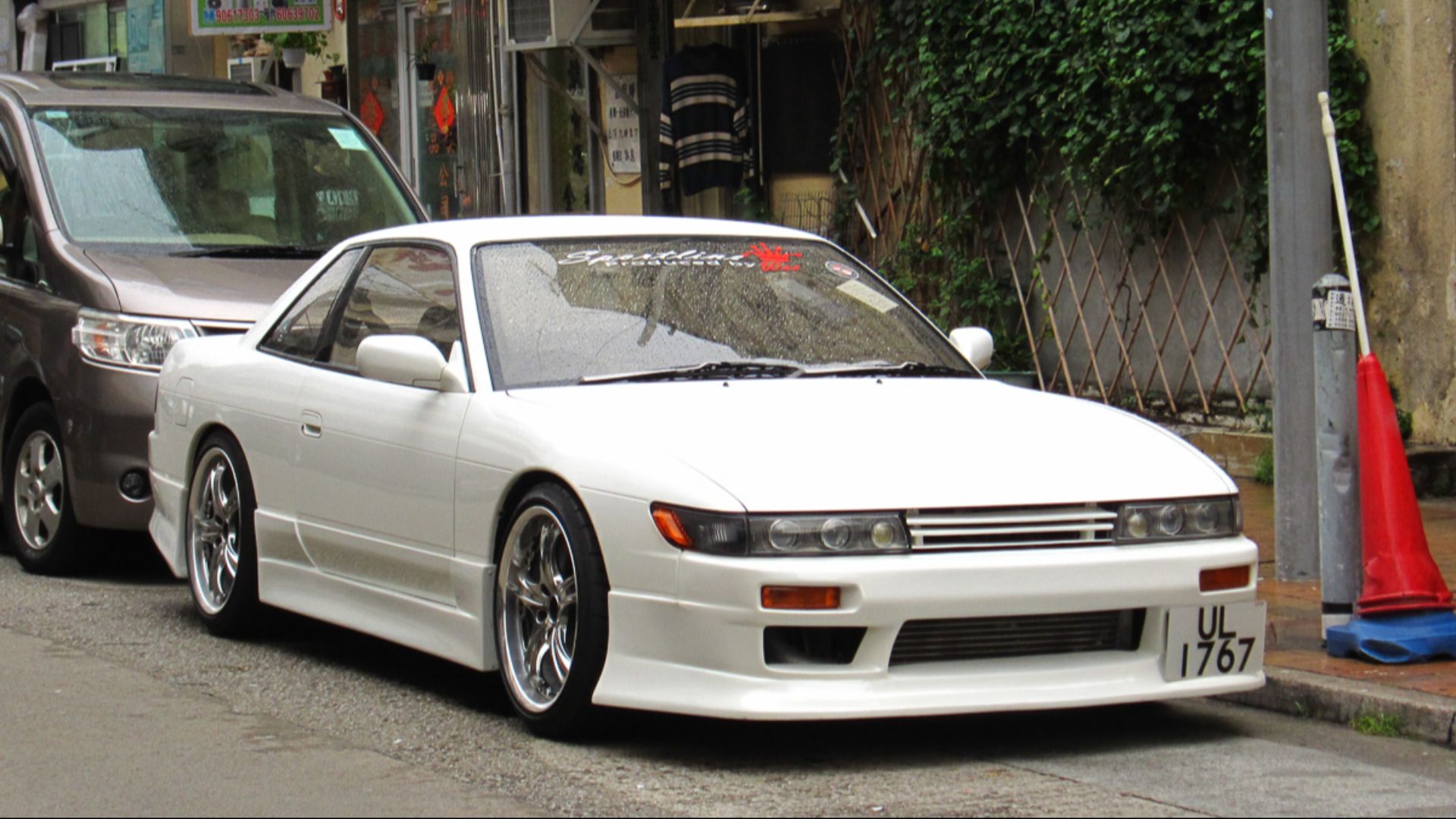
2. Datsun 200SX
Roughly 145,000 were built between 1976 and 1979, and America wanted very few of them. Its two-liter four was good for 100 horsepower, and the rear suspension reverted to leaf springs after the 510 had demonstrated something better. Shoppers bought the Toyota Celica instead.
 Rutger van der Maar on Wikimedia
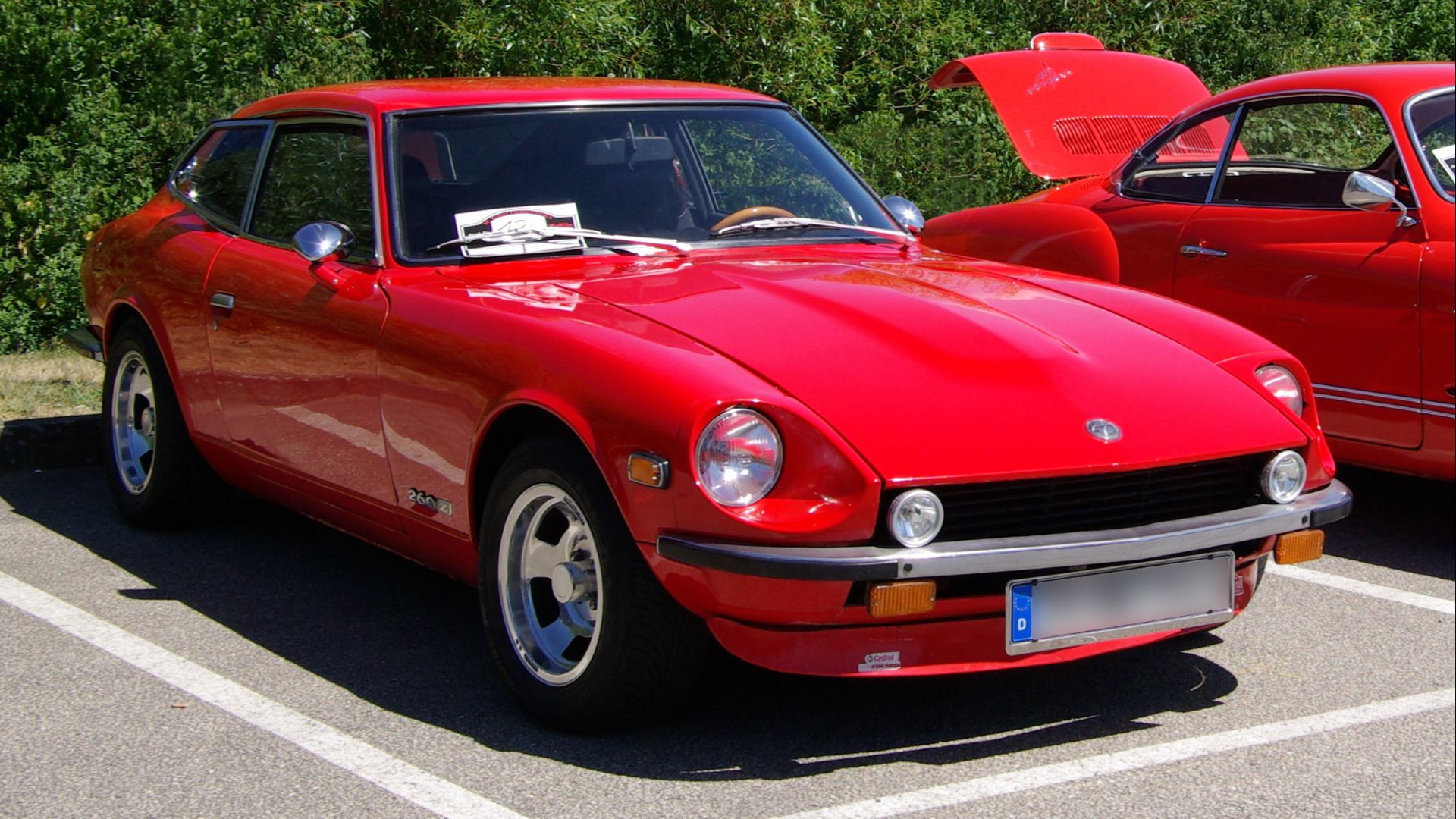
3. Datsun 260Z
A bigger engine with less power is a hard thing to sell. Federal emissions rules forced down timing and compression, so the 2.6-liter 260Z managed 139 horsepower where other markets saw 165. US dealers had it for the 1974 model year only.
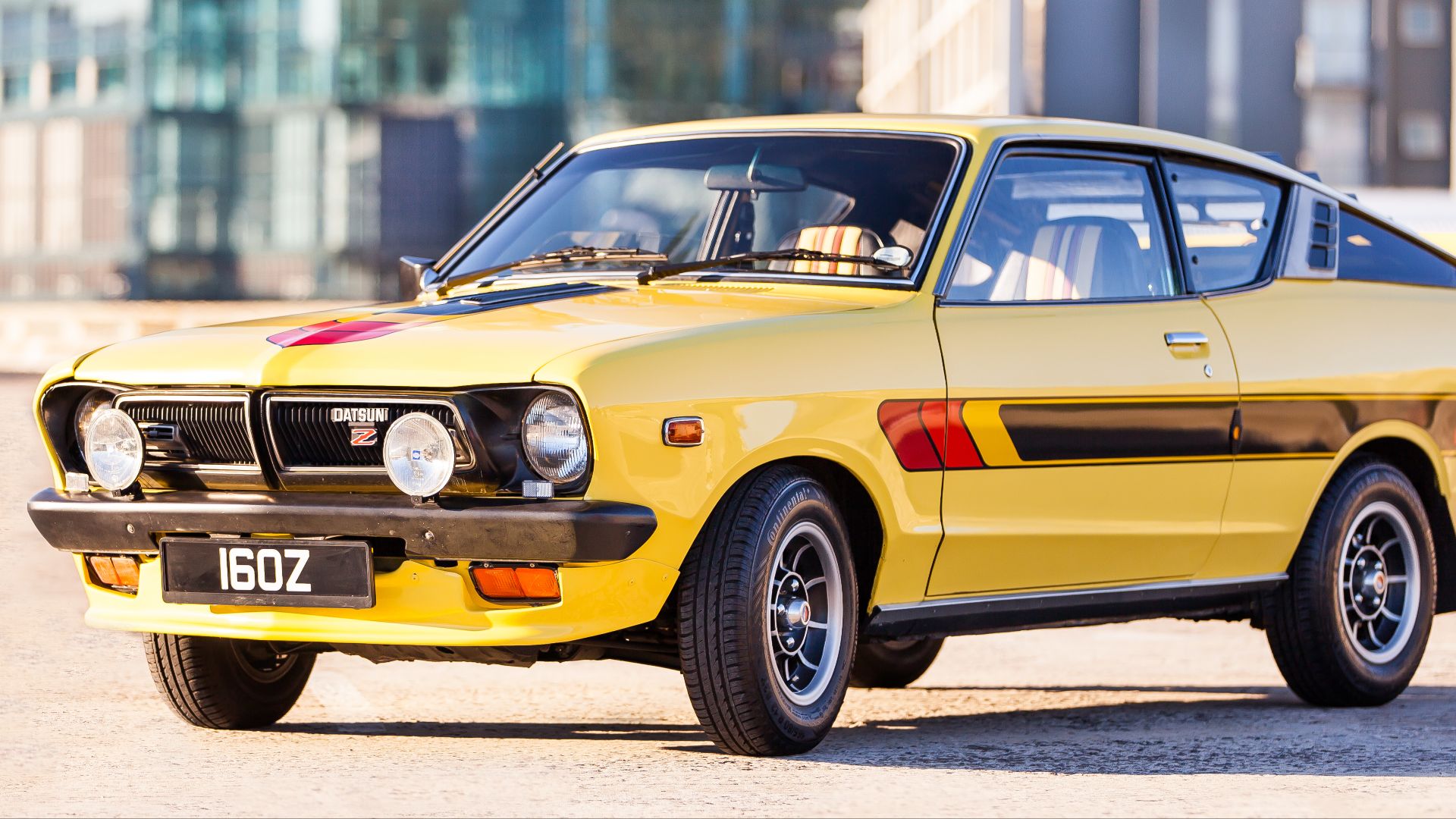
4. B210 Honey Bee
This special edition shipped with exclusive decals and without a radio or carpet. The pitch was economy and the method was subtraction. Enthusiasts have since decided it counts as a collector's item.
 commons.wikimedia.org on Google
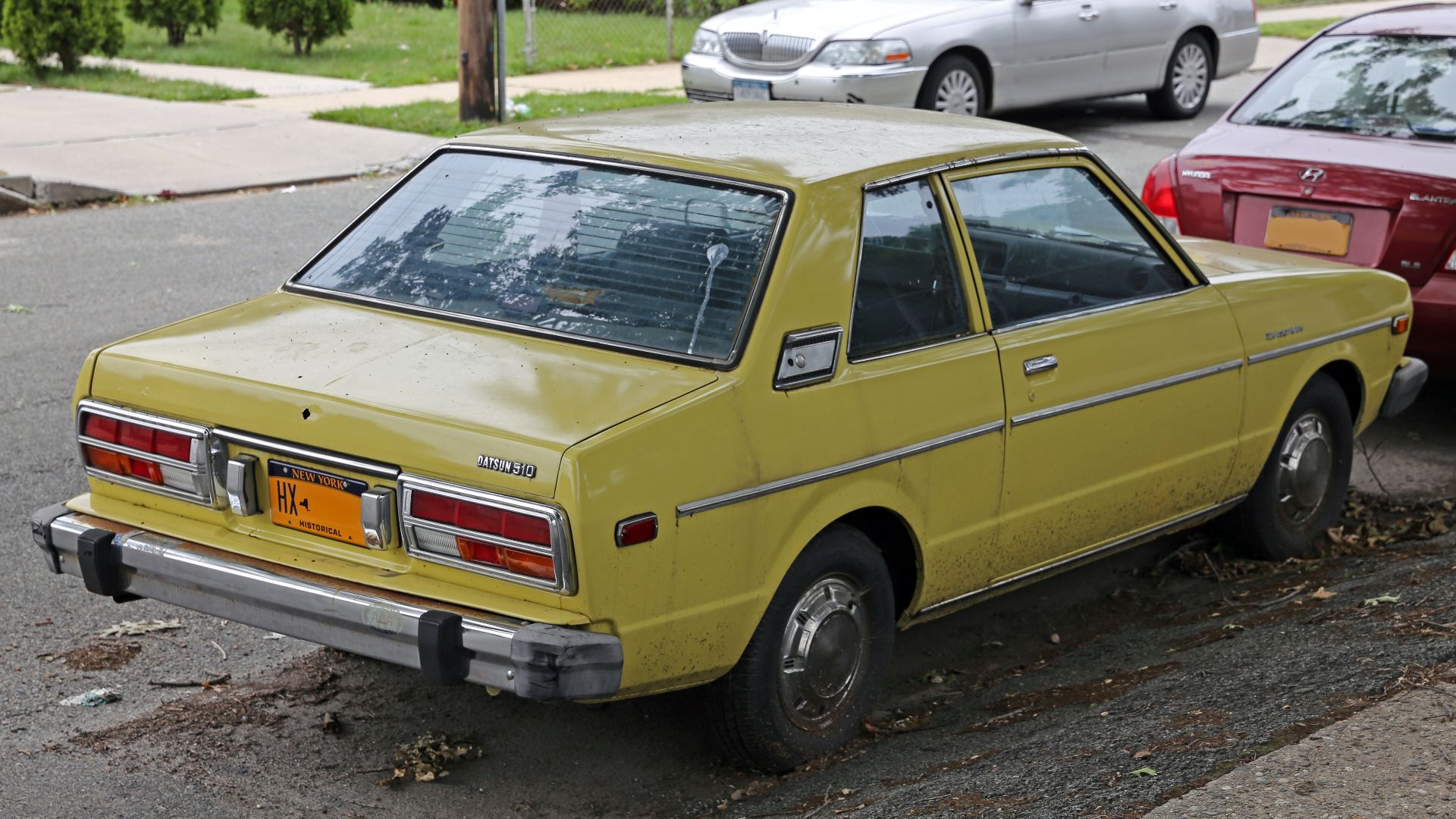
5. The Second 510
Around 1977 the 510 name got stuck on the Violet, in the hope that shoppers would recall the sedan that won championships. The replacement had neither the suspension nor the reputation. Borrowing a nameplate works better when the car underneath can carry it.
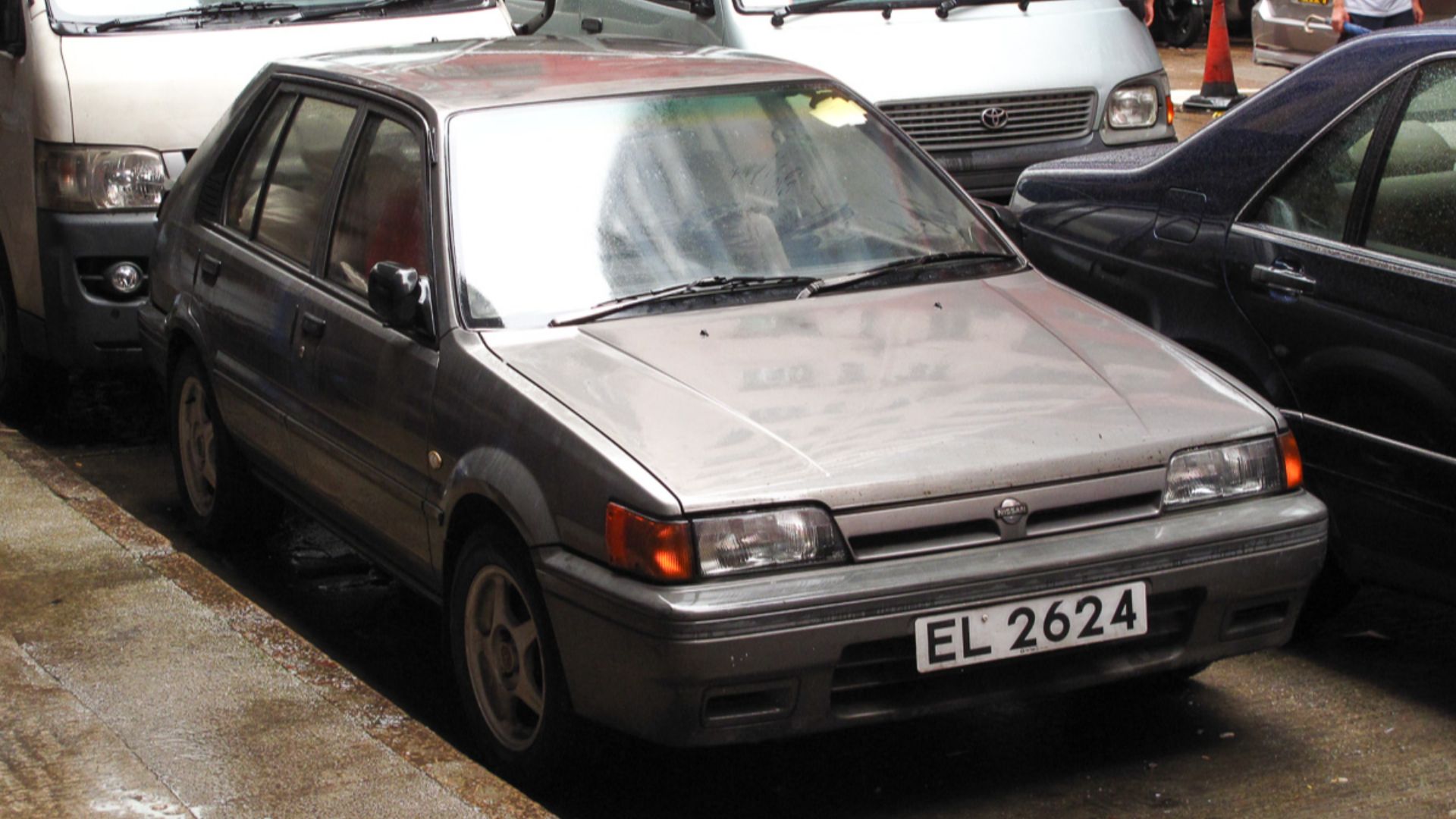
6. Datsun 310
The 310 lost a straight fight with the older and cheaper 210 sitting beside it. No automatic transmission was offered, and that ruled out a large share of shoppers before they reached a dealership. Front-wheel drive at a higher price was a hard argument at the start of the 1980s.
 Rutger van der Maar on Wikimedia
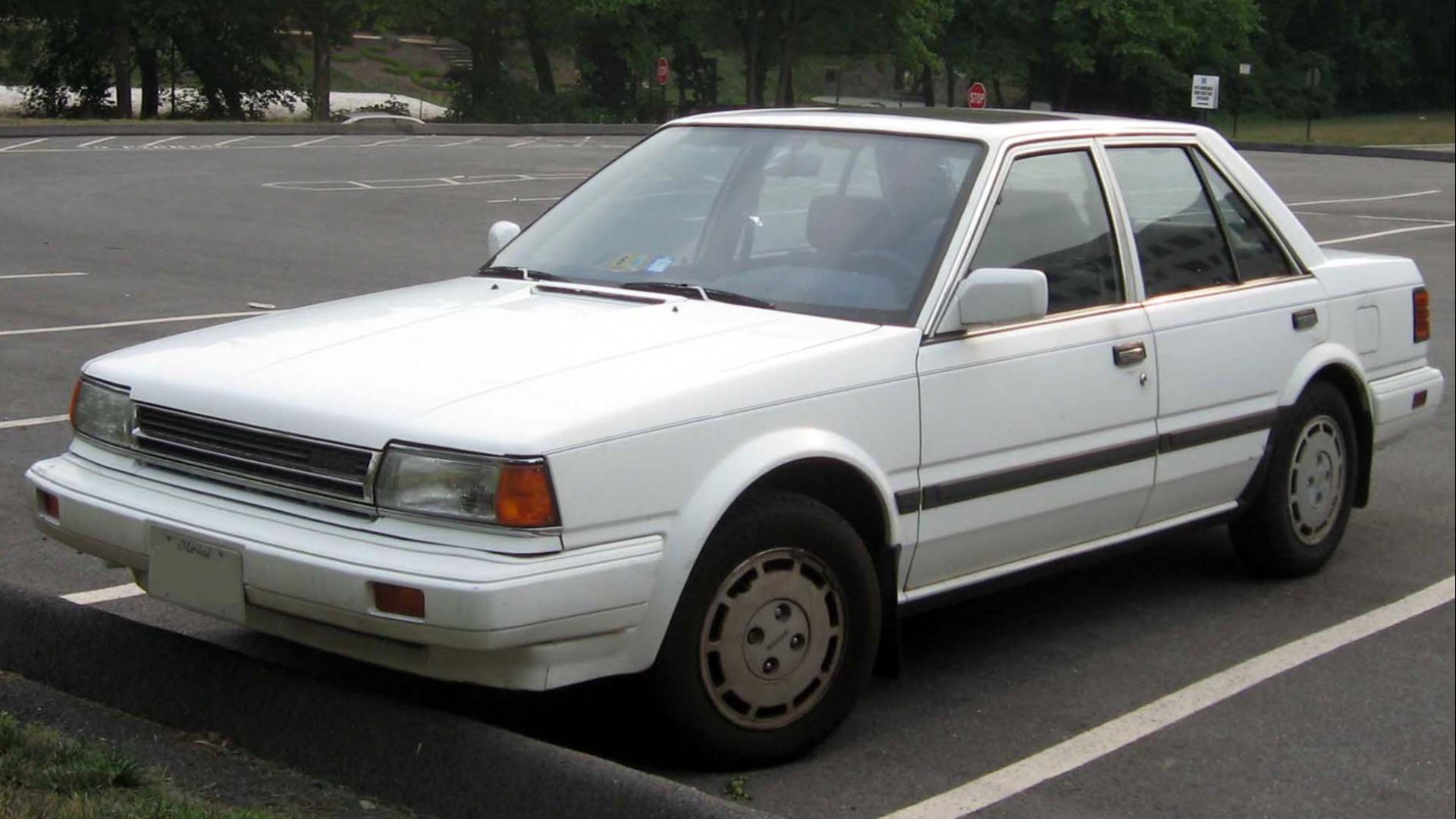
7. Datsun Stanza
Replacing the 510 with a front-drive sedan named Stanza was a reasonable business decision and a forgettable car. Consumer Reports rated the early ones more reliable than a Camry between 1983 and 1986. Nobody has ever hung a poster of one on a wall.
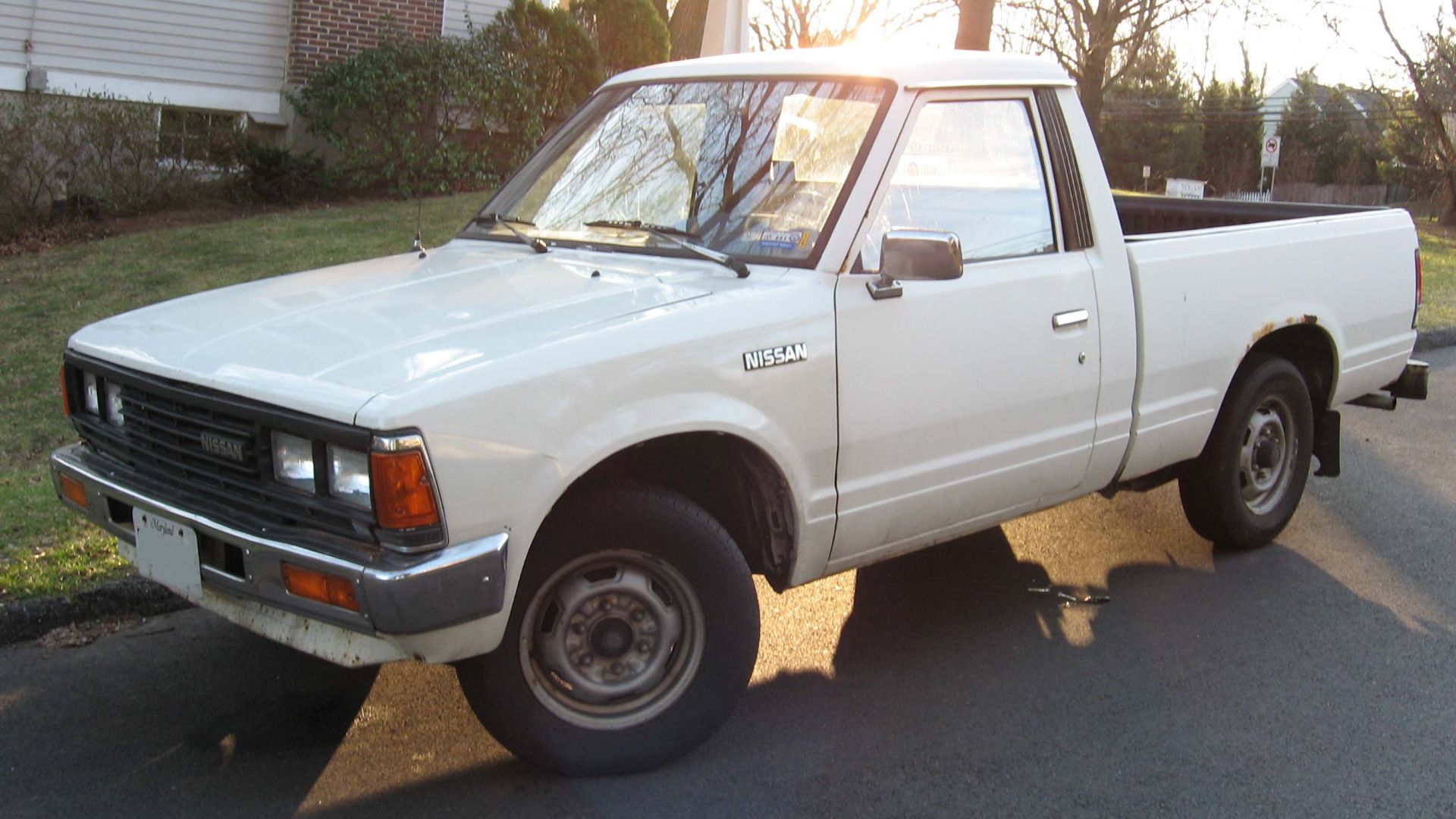
8. Datsun 720 Diesel
Diesel pickups made sense in October 1979, when the 720 landed. They made rather less sense at 63 horsepower. SD-series engines still dominated 720 sales in several markets, which tells you where fuel prices were.
 commons.wikimedia.org on Google
9. Datsun 210
Cheapness was the whole argument. A 1.4-liter four produced 65 horsepower, and a 1981 special edition was sold on a 40 mpg rating. The Sentra replaced it in April 1982, and it vanished from memory immediately afterward.
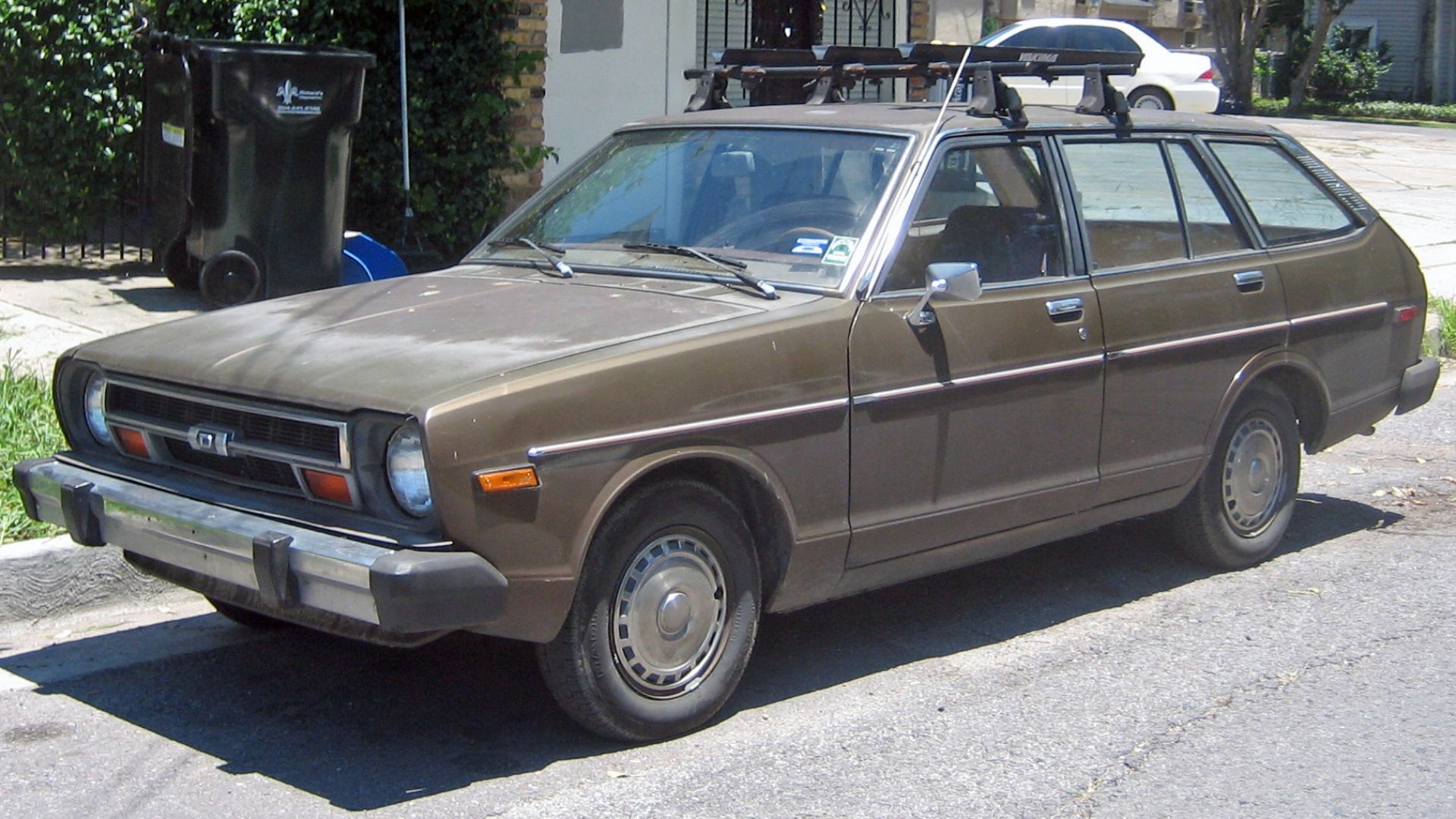
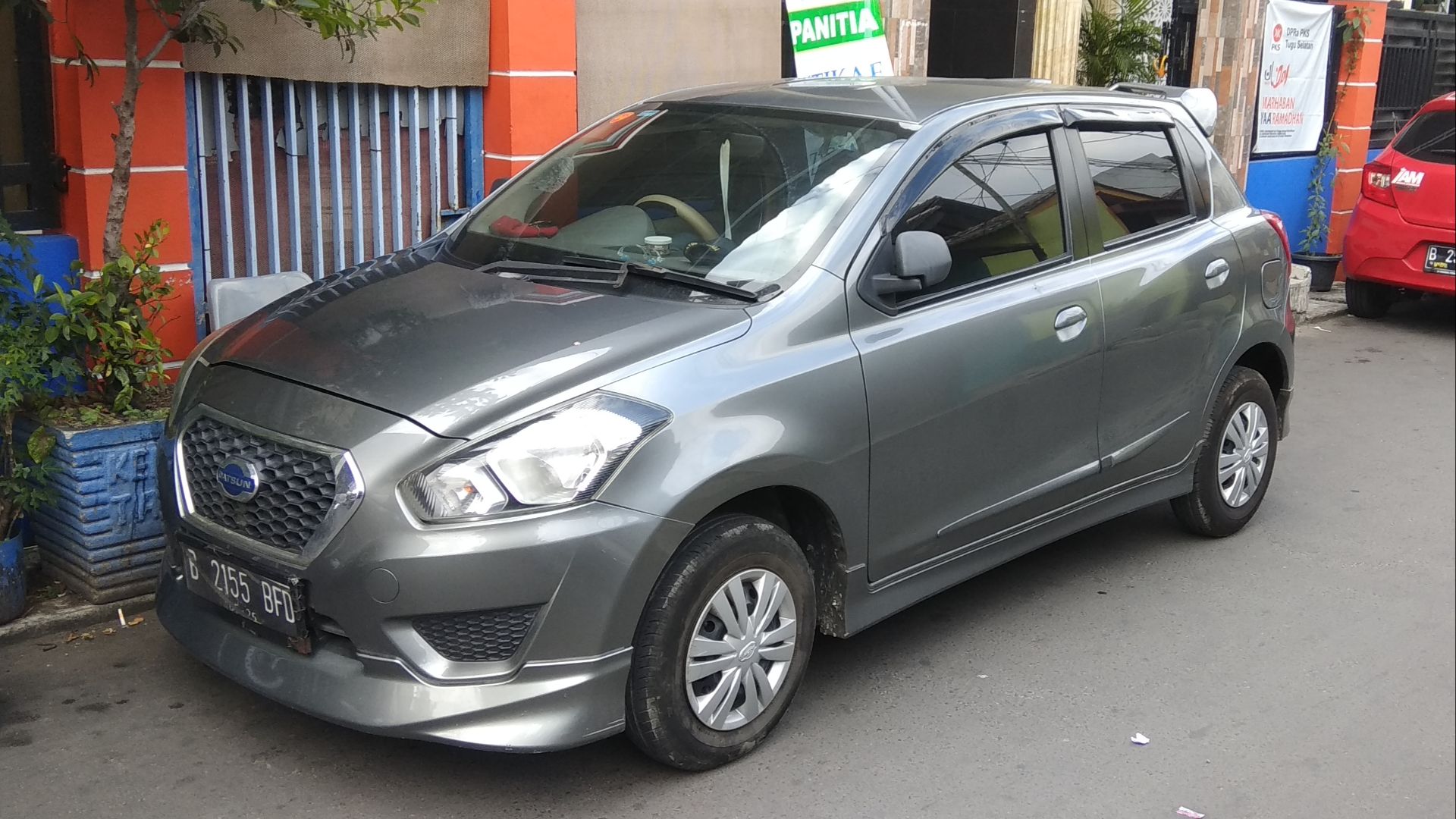
10. Datsun GO
Nissan revived the Datsun name in 2013 for emerging markets, and the GO reached India early the next year. Global NCAP crash tested one late in 2014 and gave it zero stars for adult protection, reporting that the structure had collapsed. Max Mosley called for its withdrawal, and the brand was finished by April 2022.

.jpg)


,_US.jpg)