
Parallel parking has earned its reputation as one of the most dreaded maneuvers in driving. Whether you're a new driver or someone who's been behind the wheel for decades, the sight of a tight parking spot between two cars can trigger an instant wave of anxiety. It's that moment when you suddenly become hyper-aware of every inch of your vehicle, every angle, and every potential witness watching from nearby.
The pressure intensifies as traffic builds behind you, and what should be a simple parking job transforms into a high-stakes performance. The struggle is real, and you're definitely not alone in feeling this way. Let's unpack why this particular driving skill causes so much stress—and what you can do about it.
The Tightrope Walk Of Space And Timing
Imagine you're in a busy city street, trying to slip your car into a narrow space sandwiched between two vehicles. Unlike regular parking, where you simply drive forward, parallel parking asks you to back in carefully while steering in just the right moments. It's like a slow-motion dance where every inch counts.
You first line up your car parallel to the vehicle ahead, usually about two to three feet apart. Then, you start reversing, turning your wheel sharply one way, then straightening it out, and turning it the other way to fit snugly into the spot.
Misjudge the timing or space, and the car might scrape the curb or nudge a neighbor's car.
High-Pressure Parking Scenarios
The fear of parallel parking is partly a reaction to the pressure you feel when attempting it. This task is often done on busy streets with other cars behind you waiting, and the worry of parking tickets or dents looming large in your mind.
Having to constantly check mirrors, blind spots, and the curb all at once can feel like juggling too many balls. For new drivers, especially, these competing demands can turn a simple task into a stressful situation. That "perfect spot" suddenly feels as though the pavement itself is judging your every move.
Practice Makes Progress
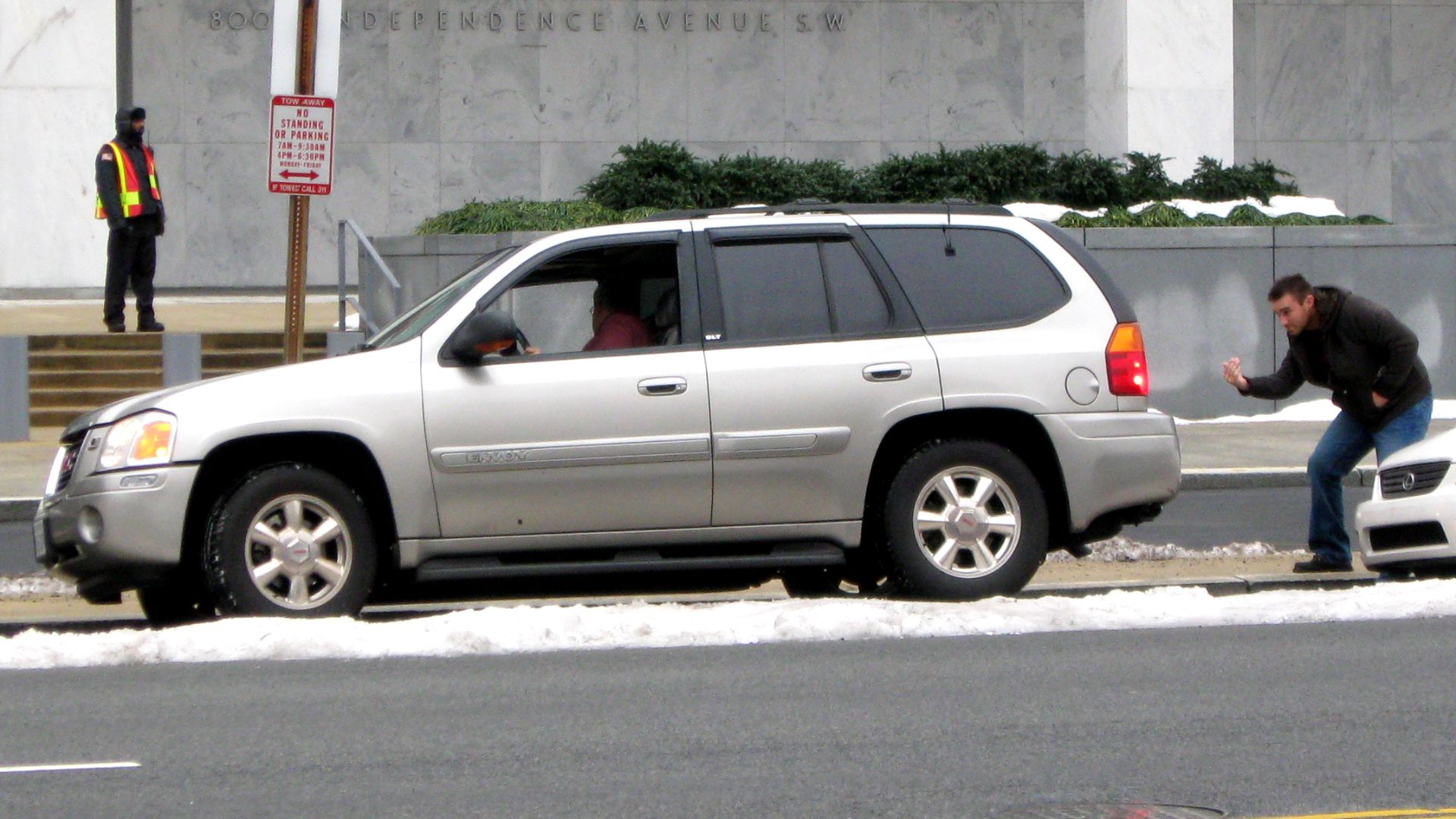
The good news is that parallel parking doesn’t have to remain a dreaded skill. The fear fades once you break it down into manageable steps and practice in low‑pressure environments. Begin on quiet streets or empty parking lots, using cones or markers to mimic cars. This lets you focus on steering angles and reversing without the stress of traffic.
Gradually move to slightly busier areas as your confidence grows. A helpful trick is to memorize reference points — like when your rear wheel aligns with the curb or when your mirror lines up with the car ahead — so the maneuver feels predictable rather than improvised.
Don’t rush; slow, deliberate movements give you more control. If traffic builds behind you, remember it’s okay to circle the block and try again. Over time, repetition turns the process into muscle memory, and what once felt intimidating becomes a skill you can perform smoothly and confidently.