Florida is known for sunshine, beaches, and endless vacation traffic weaving through the state.
What most visitors don’t realize is that hidden between those palm trees are two highways that have some of the highest crash and fatality rates in the country. Each road has earned a reputation locals know all too well. Stick with this story and see what makes these highways unlike anywhere else.
The Trouble That Follows I-4
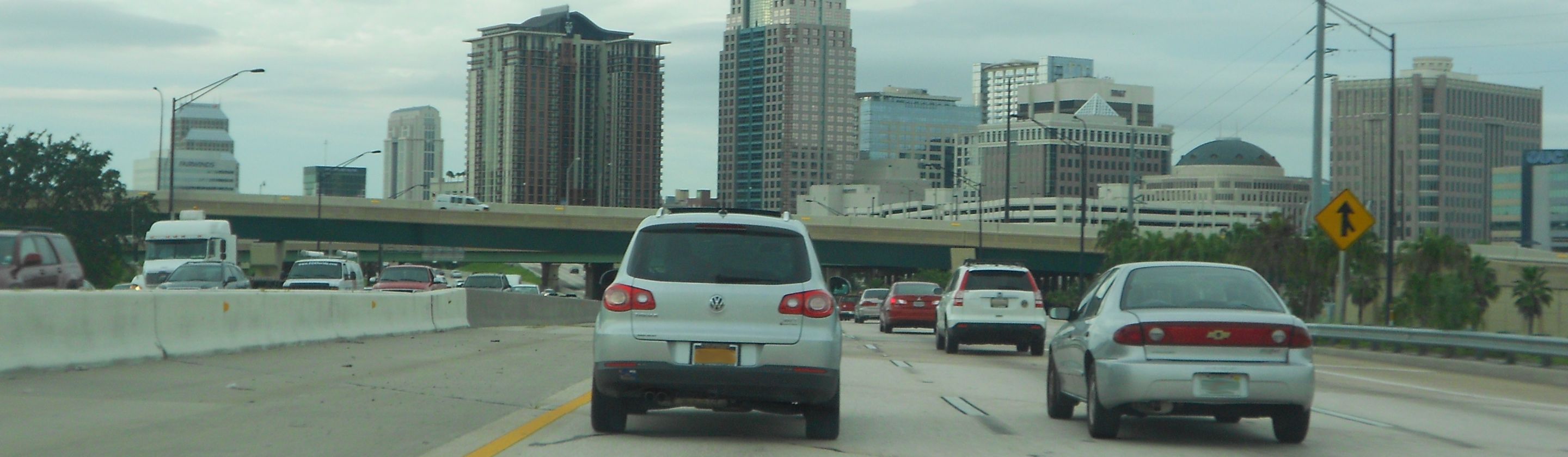
Stretching from Tampa on the Gulf Coast to Daytona Beach on the Atlantic side, I-4 slices straight across Central Florida. On a map, it looks simple enough. On the road, heavy commuter traffic blends with tourists headed to theme parks, cruise terminals, and resorts. That combination creates unpredictable driving patterns that change every hour.
The highway narrows at several points, which pulls cars together right as the traffic load increases. Sudden braking becomes normal, and small mistakes turn costly in seconds. Anyone driving near Orlando knows how the lanes tighten, and drivers rush to merge without much warning. Weather adds another layer. Afternoon storms roll in fast throughout the year, and visibility can drop almost instantly. Slick pavement and stop-and-go congestion create conditions where a minor error becomes a chain reaction.
And if I‑4 feels risky, Florida drivers know another stretch is just as notorious.
The High‑Speed Hazards Of I‑95
I-95 has a completely different personality. Instead of cutting across the state, it runs nearly the entire length of Florida’s east coast. It carries out-of-state travelers and truckers hauling freight. The mix of slow-moving commercial vehicles and fast-moving passenger cars creates constant speed differences that challenge even experienced drivers.
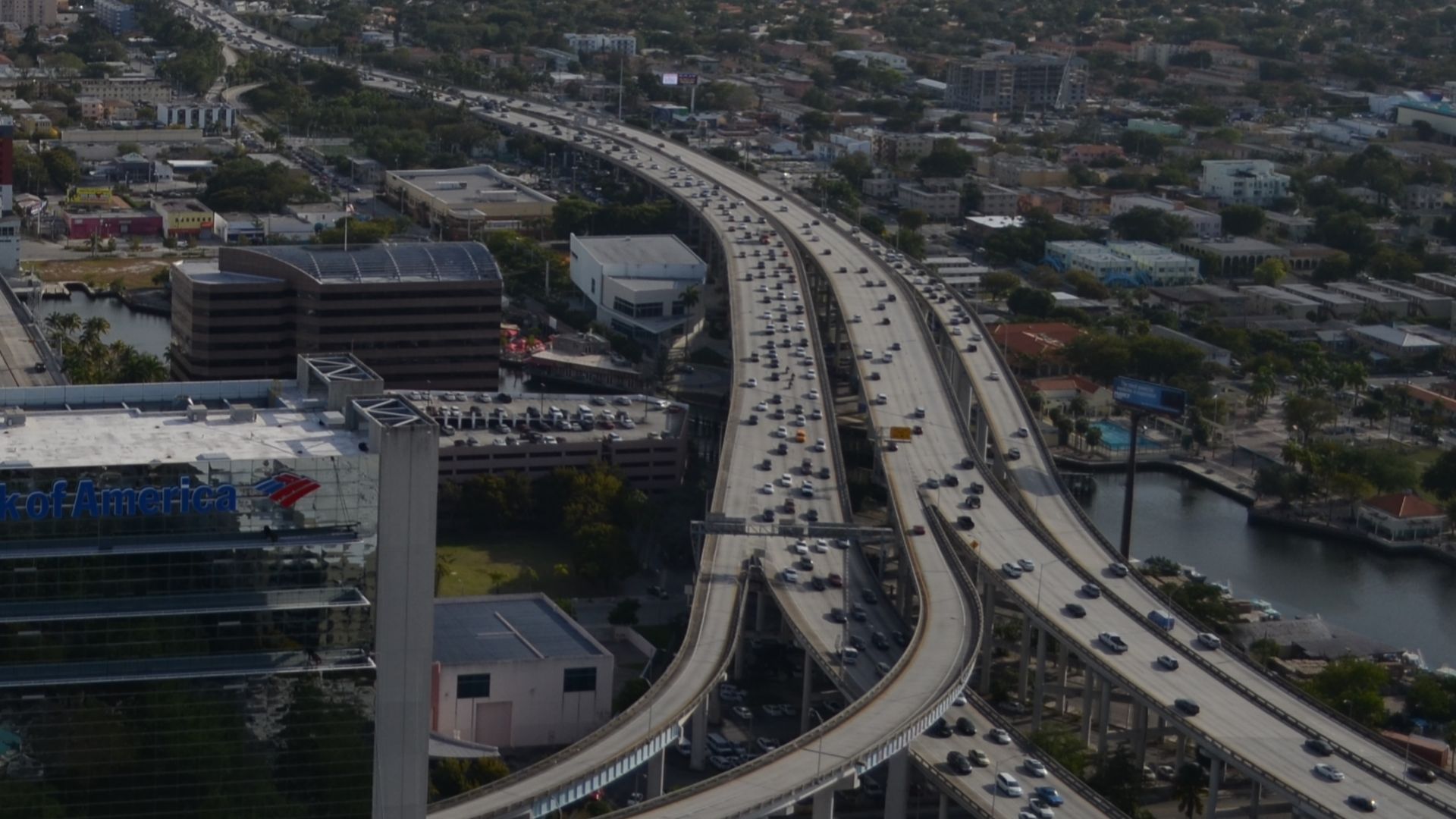
As the highway approaches Miami, traffic thickens, and lane changing becomes a constant dance. Drivers maneuver around each other at high speeds, and moments of hesitation can lead to collisions. Though the long straight stretches farther north may look calm, they invite faster driving that reduces reaction time. Many travelers have already been on the road for hours by the time they reach Florida, and long distances on a mostly straight highway cause attention to drift.
The weather affects I-95 differently from I-4. Along the coast, storms sweep in quickly, and heavy rainfall can hide standing water on the asphalt. Hydroplaning becomes more common, especially during the summer. In some areas, construction reshapes lanes or removes shoulders, which limits escape space when something goes wrong. Combined with the heavy flow of vehicles, these factors help explain why serious accidents frequently appear along this route.
Why These Highways Stand Out Nationwide
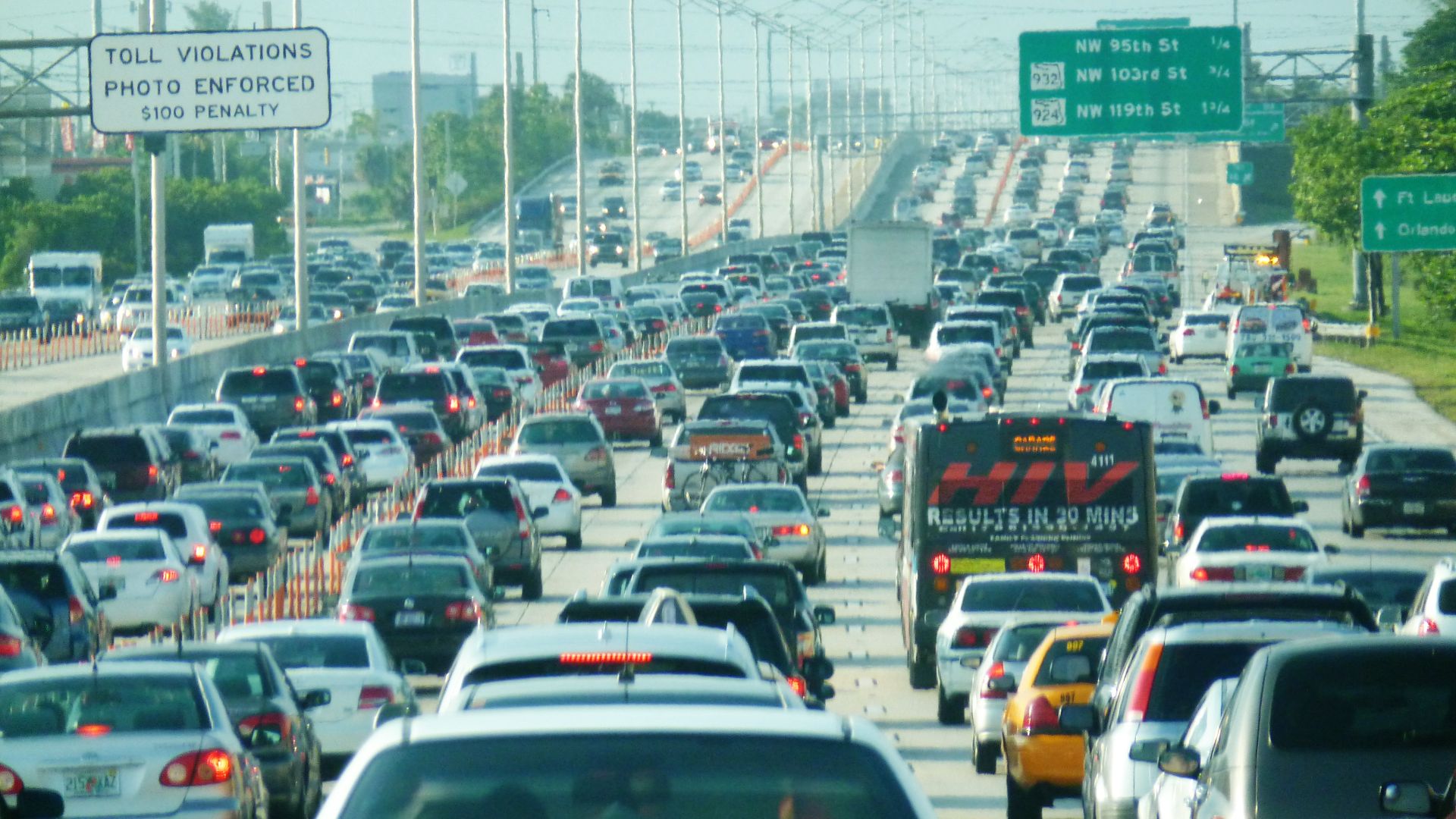
Plenty of roads across the United States deal with traffic, weather, and growth, but I-4 and I-95 rank high because they combine nearly every risk factor drivers dread.
When all of that funnels into two major corridors, the margin for error shrinks dramatically. Florida’s rapid expansion plays a part as well. Cities along both highways have grown faster than the infrastructure built to support them. More residents mean more cars, and more cars mean more opportunities for accidents.