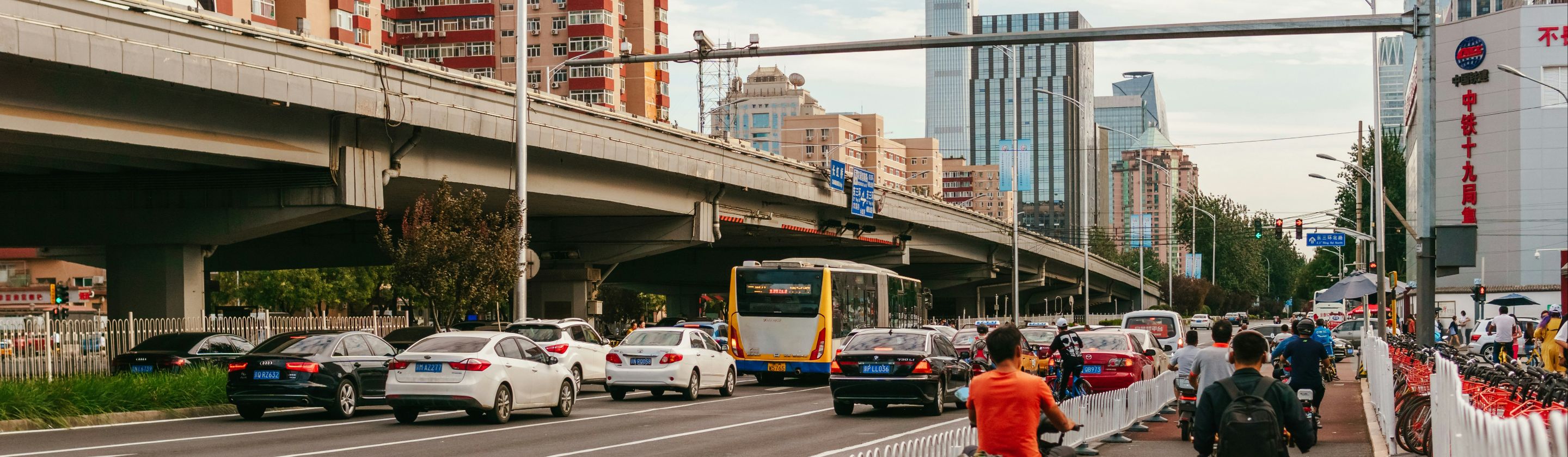
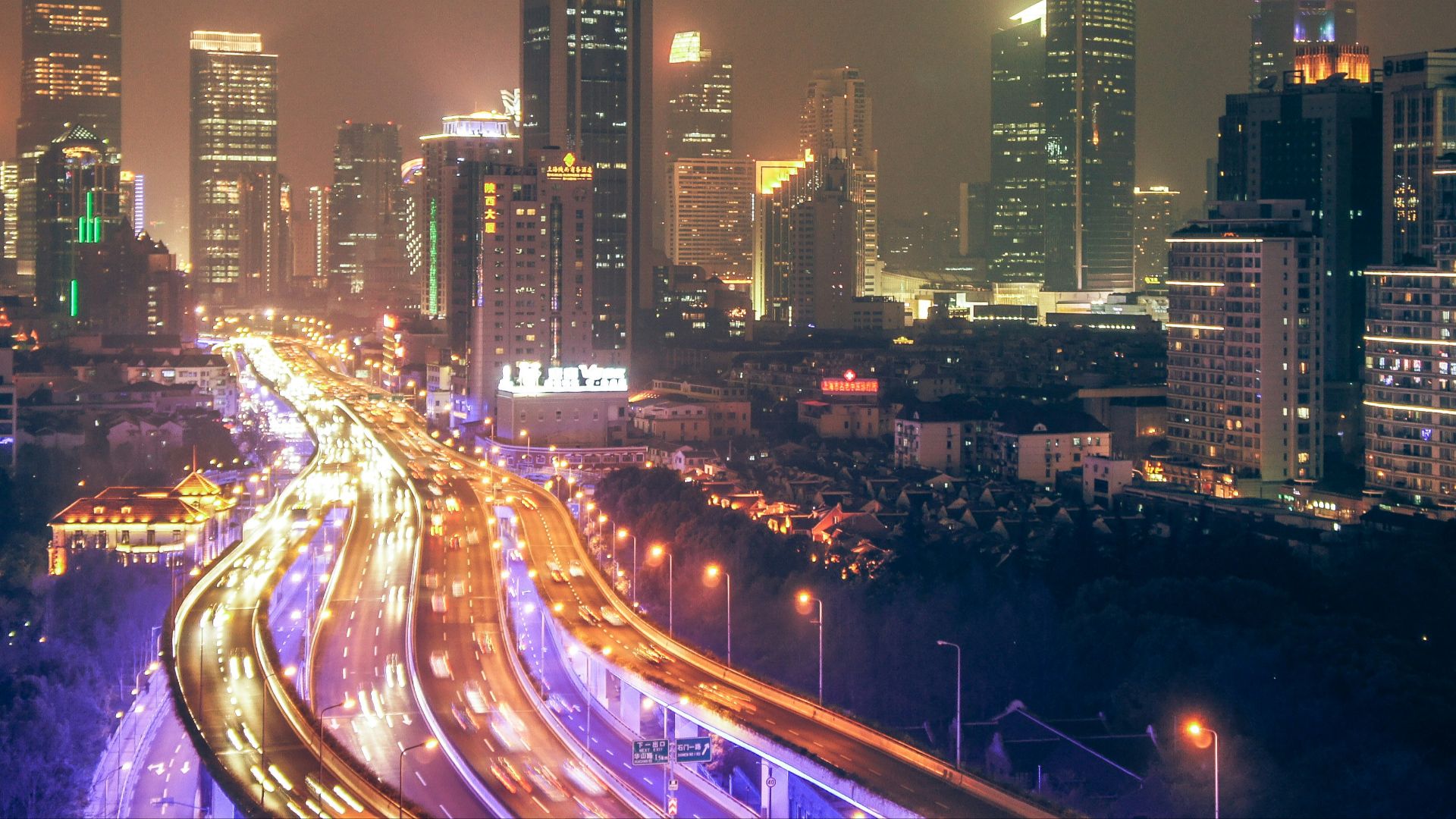
It was the summer of 2010 when a stretch of China’s National Highway 110 turned into one of the most infamous traffic jams in history. Imagine sitting behind the wheel for days on end, barely moving, surrounded by an endless sea of cars and frustrated faces. That was the reality for thousands of drivers caught in a gridlock that lasted not hours, not days, but nearly two weeks.
How did a major national highway come to a standstill for so long? And what does this colossal jam reveal about a rapidly changing country trying to keep pace with its own growth? Let's find out.
The Road That Carried A Nation’s Burden
National Highway 110 runs between Beijing and the city of Yinchuan, stretching across northern China. It’s a key route for carrying coal, one of China’s lifelines at the time, from Inner Mongolia’s vast mines to the capital and beyond. As China’s demand for energy soared in the early 2000s, thousands of coal trucks began using this route daily. The increase was so massive that by 2010, the highway was handling far more vehicles than it was ever designed for.
The problem wasn’t just traffic volume. Nearby sections of the highway were under repair, temporarily narrowing lanes and forcing vehicles to crawl. On top of that, local construction and minor accidents created choke points that rippled backward for miles. Every small disruption compounded into a chain reaction of gridlock. The result was a 62-mile nightmare where vehicles moved only a few feet every hour.
Survival In Gridlock
As news of the jam spread, a temporary roadside economy sprang up. Vendors from nearby villages saw an opportunity and began selling food and other necessities to stranded drivers. Bottles of water and bowls of instant noodles cost several times their normal rate. With nowhere to go and nothing to do, drivers passed the time chatting and trying to sleep inside their cabs.
What The Jam Revealed About Modern China
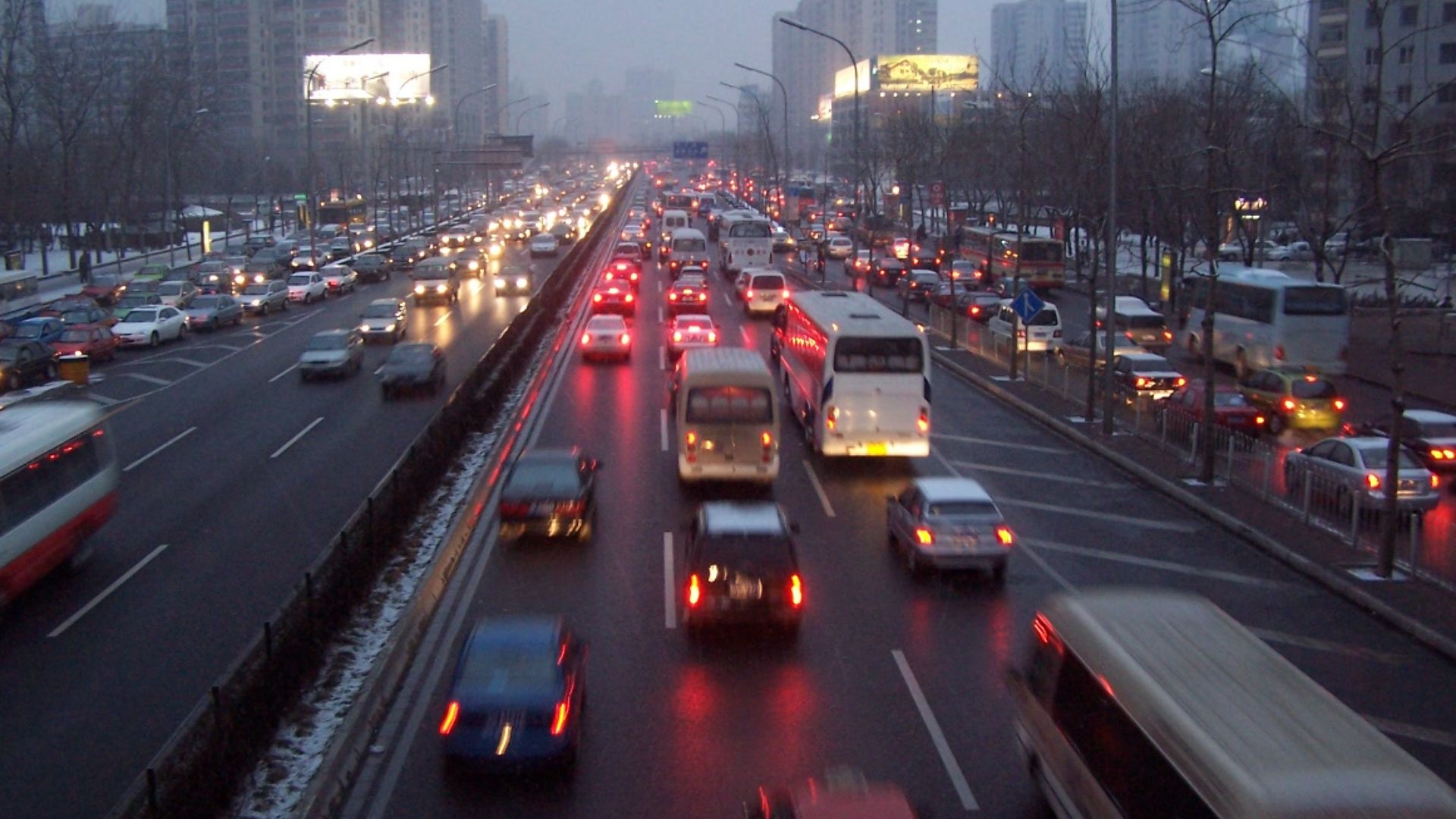
This extraordinary event did more than test drivers’ patience. It exposed the strains of China’s unprecedented economic boom.
The country was moving faster than its infrastructure could handle, and the jam on Highway 110 became a reminder that progress without coordination can grind to a halt—literally. In response, the government began investing more heavily in highway expansion and logistics planning, aiming to prevent similar crises in the future.
The Legacy Of A Standstill
Today, when people recall that 2010 traffic jam, it’s often with disbelief and a hint of fascination. It stands as both a cautionary tale and a cultural snapshot of a time when China’s growth was accelerating faster than its roads could bear.
But in a way, that historic jam also showed the resilience of ordinary people. Despite their exhaustion, drivers found ways to cope, share resources, and even laugh about the absurdity of the situation. It was a moment that revealed how, even in overwhelming circumstances, human adaptability can turn frustration into endurance.