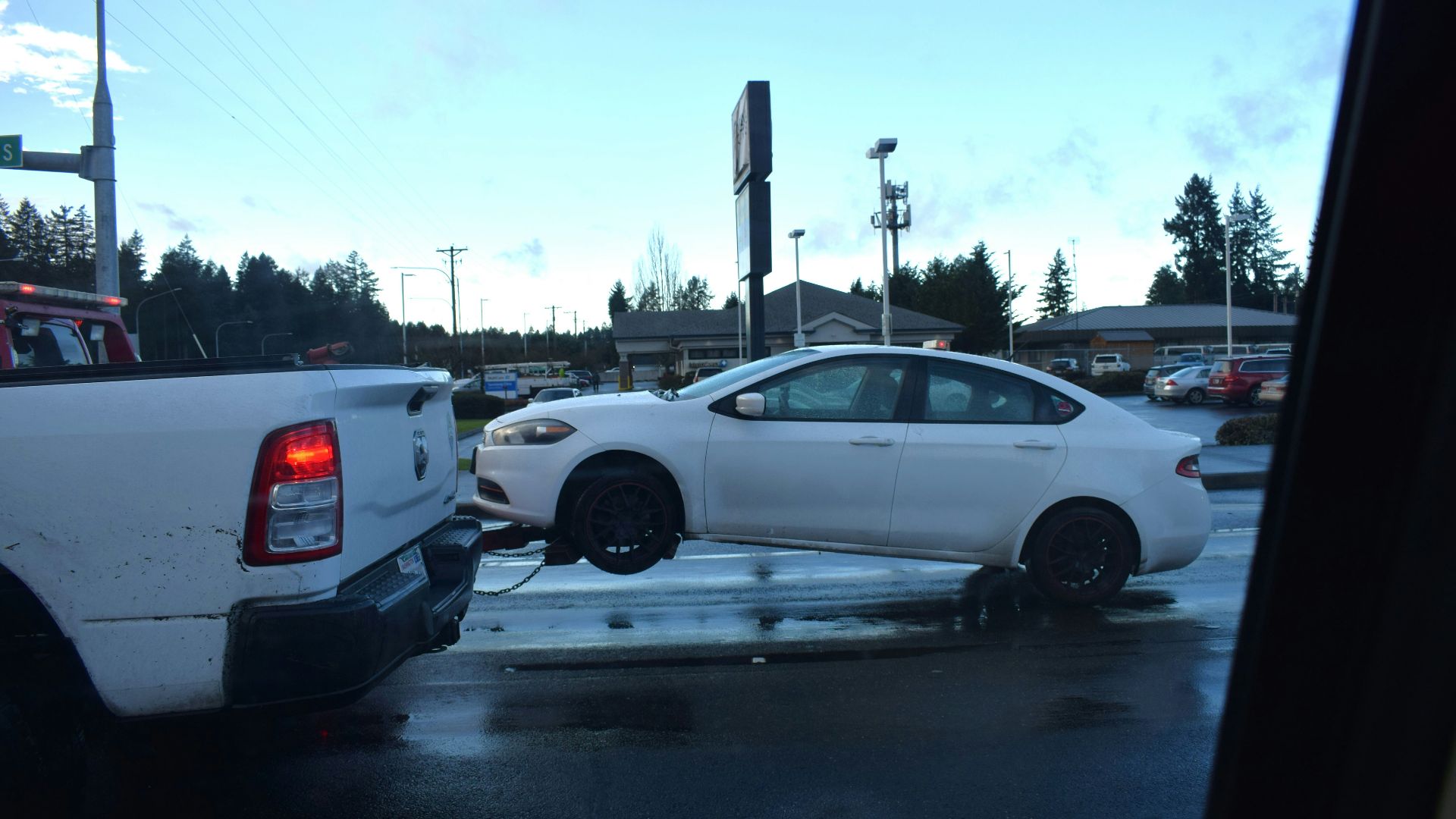
Most drivers don't expect their car to end up in an impound lot, but it happens more often than you'd think.
The causes are usually preventable, and the consequences are always expensive. Knowing what triggers impoundment helps you avoid the stress of dealing with tow companies, storage fees, and retrieval paperwork. Here's what actually gets vehicles impounded and how to stay off that list.
Paperwork Problems And Legal Red Flags
One of the fastest ways to get a car impounded has nothing to do with how you drive and everything to do with what is in your glove box. Driving without a valid registration or a proper license is a major trigger for impoundment in many states.
Expired registration is especially common. Many drivers miss renewal notices or put off handling them. Unfortunately, traffic stops often do not include grace periods, though enforcement can vary by state and may include warnings for minor expirations before impoundment. The same goes for suspended or revoked licenses.
Unpaid tickets and outstanding warrants create another path to impoundment. In some cities, repeated parking tickets or unpaid citations eventually trigger a tow order. The car becomes leverage to force payment. Then there are more serious legal issues. Driving under the influence often results in impoundment, though this varies by state and may depend on factors like prior offenses or available alternatives. Street racing, reckless driving, or fleeing police bring the same consequence—your vehicle gets impounded, often right away.
Parking Mistakes
Illegal parking is one of the most common and most frustrating reasons vehicles get towed. Parking in front of fire hydrants or occupying disabled spaces without proper permits leads to immediate towing. Apartment complexes, shopping centers, and office lots frequently have towing agreements in place. Missing a permit or staying past posted hours can trigger a tow without warning.
Street cleaning schedules and temporary restrictions also cause problems. Cities regularly post signs for construction or maintenance. If a car remains parked during restricted hours, it may be impounded even if it was legally parked the day before. Abandoned vehicle rules are another factor. Cars left in the same spot for extended periods may be flagged as abandoned, especially if they appear damaged or unregistered.
Mechanical Issues And Other Unexpected Causes

Bald tires, broken lights, or missing mirrors may seem minor, but if an officer determines the vehicle poses a danger, it can be removed from the road, subject to their discretion and available alternatives. Modified vehicles can also cause issues. Excessively loud exhaust systems or non-compliant lighting may violate local laws.
Then there are situations involving accidents. If a driver is arrested or otherwise unable to move the vehicle after a crash, impoundment often follows. Even when the driver is not at fault, the car may be towed simply because there is no one to take responsibility for it.
Ultimately, cars rarely get impounded for just one reason. A little awareness today can spare you a very expensive surprise tomorrow.