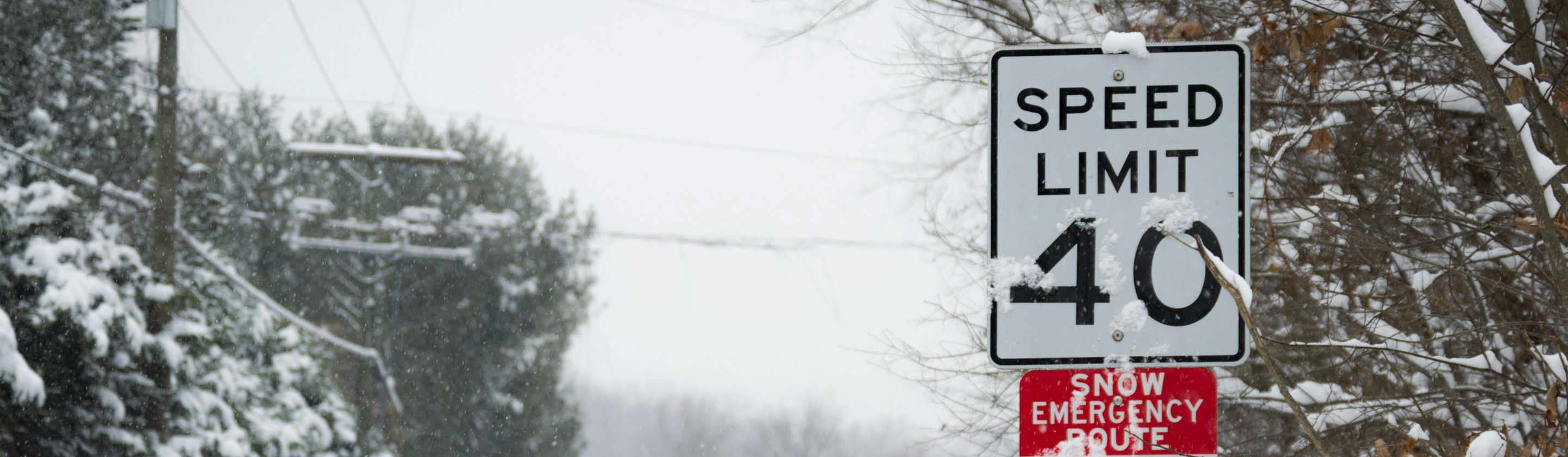
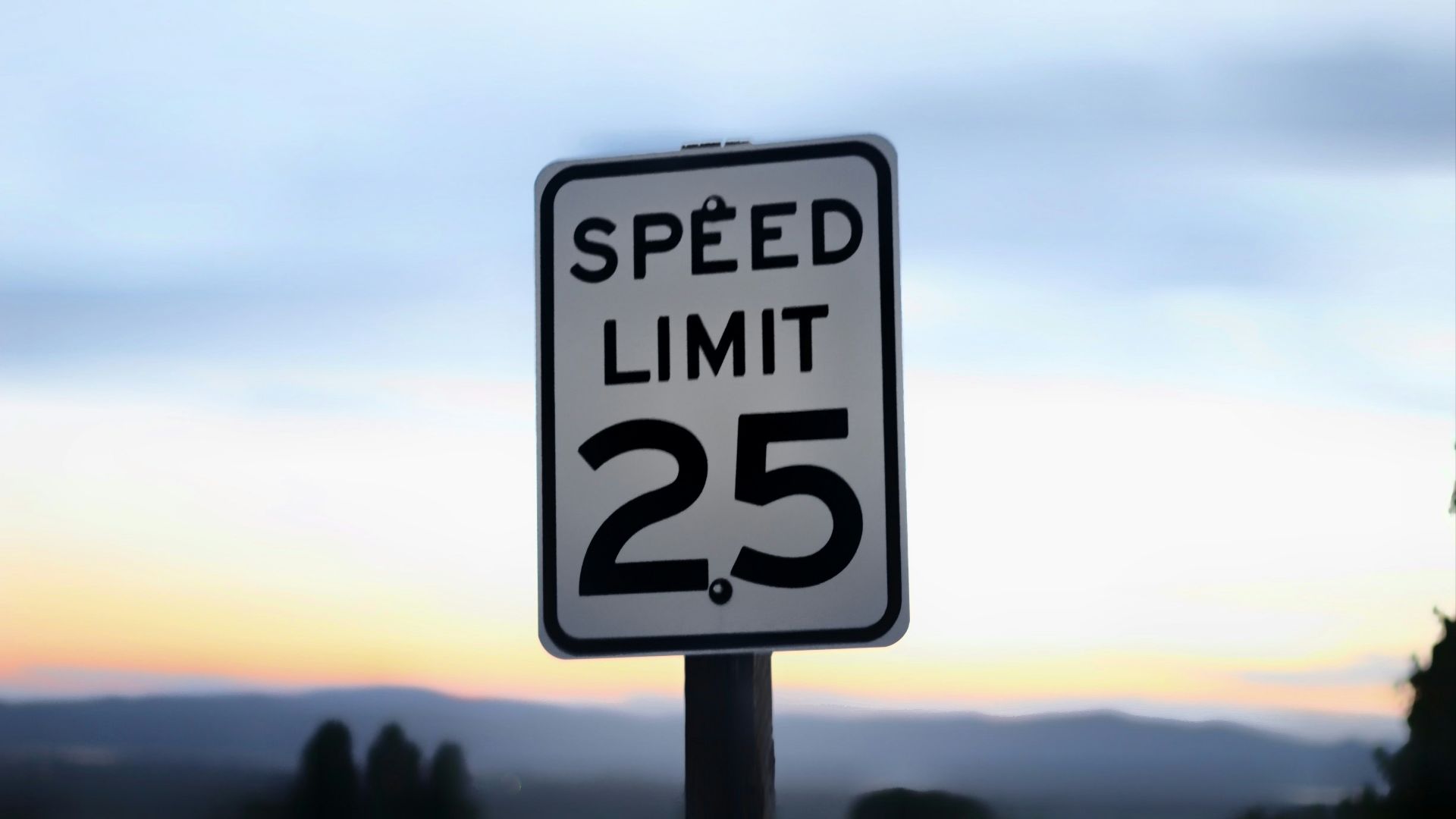
You have probably driven past a speed limit sign and wondered who decided that exact number. It feels strangely specific, almost as if someone stood on the side of the road with a radar gun and picked the first speed that looked reasonable.
Yet the real story behind these limits is far more interesting, and it stretches across decades of debates and road experiments. As you start seeing those signs in a new light, you may even catch yourself playing detective the next time you travel, so let’s take a closer look together.
Where The Numbers Actually Come From
Speed limits in America rarely come from guesswork. Transportation engineers begin by studying how people naturally drive on a particular road. They look at the speed most drivers settle into when they are not stuck in traffic or feeling pressured by nearby cars. This number is called the 85th percentile speed, and it describes the pace that feels comfortable for most drivers on that road.
Once they have that number, engineers assess the surroundings. A winding hillside road calls for one approach, while a wide suburban avenue calls for another. They also pay attention to things like visibility and stopping distance. A place where drivers crest a hill and cannot immediately see what is ahead will need a different limit compared to a long, straight stretch.
Although this sounds straightforward, the process can feel surprisingly human. Engineers often revisit roads after major changes, such as new developments or wider lanes. They try to understand how drivers behave rather than forcing behavior that feels unnatural for the space. This is one reason limits sometimes increase instead of decrease when a road receives improvements.
Why Limits Change From Place To Place
If you have driven across different states, you may have noticed how dramatically limits can shift. Highways in the western states often climb higher than those in the northeast. This happens because states have the authority to set their own rules, and each one views safety and travel speed through a slightly different lens.
Rural states with long open stretches tend to allow higher speeds. Their roads are built with wide lanes and distant sightlines that make faster travel feel safe for most drivers. More crowded states deal with shorter exits and older road layouts. These features push the limits downward because they influence how quickly drivers can react in everyday situations.
What Happens Before You See A New Sign

When officials want to change a limit, the process usually takes time. Engineers run new surveys and check whether the road has been reshaped or resurfaced. After that, the proposal moves through meetings where planners and community members share their perspectives. Only after the discussions settle does the new number appear on a sign.
As roads evolve with new technology and changing traffic patterns, speed limits will continue to adapt. What looks like a fixed number today is really a marker of progress, reflecting how transportation keeps pace with the needs of modern travel.